
Every winter, millions of homeowners reach for a bag of rock salt and scatter it across driveways and sidewalks without a second thought. It’s fast, cheap, and familiar. The trouble is that the damage it causes doesn’t show up until months later, when brown streaks and dead borders appear along every edge you treated.
What looks like a straightforward safety habit in January can quietly set off a chain reaction underground, one that doesn’t reveal itself until spring. Understanding exactly what’s happening, and why, can save a lot of unnecessary replanting come April.
The Scale of the Problem Is Bigger Than Most Realize
Homeowners, businesses, municipalities, and others apply more than 15 billion tons of ice melt products to sidewalks, parking lots, and driveways each year, according to Purdue University. That’s a staggering volume of chemical material making contact with soil and plant tissue season after season. Salt damage is one of the top reasons homeowners start the spring season with thinning grass, bare patches, brown borders, and soil that struggles to support new growth.
The core problem isn’t that people use ice melt. It’s that they consistently use far more than necessary. Most people use far more salt than needed. A thin, even layer is enough for most icy surfaces. Extra salt does not melt ice faster. It only increases the risk of damage.
How Salt Actually Gets Into Your Soil
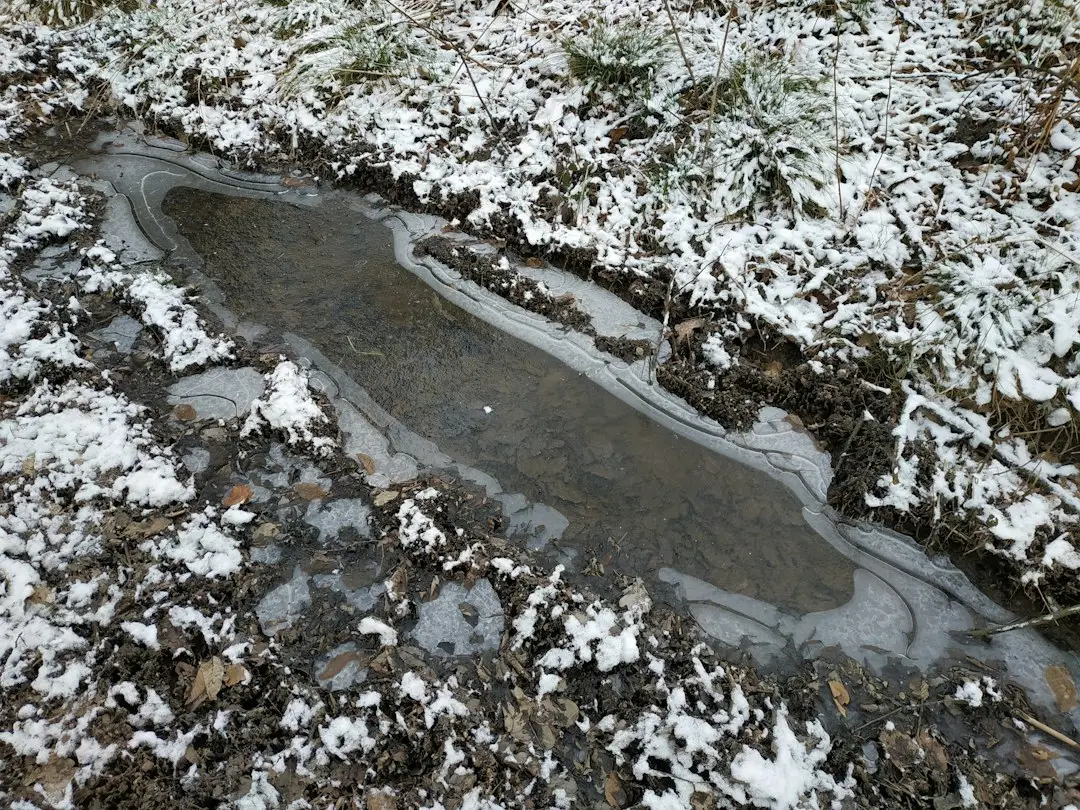
As the snow melts, saline runoff infiltrates the earth surrounding your paved surfaces. This invisible process compromises the biological health of your soil and restricts root systems from absorbing necessary moisture. It happens silently, while the ground is still frozen and nothing looks wrong.
Salt granules move off pavement to turf areas and landscape beds, where they dissolve and saturate the soil. This extremely concentrated saltwater dries out roots and makes the soil toxic to plants. The damage accumulates with every ice event across the entire winter, not just from one heavy application.
The Chemistry Behind the Damage
Once melted and mixed with water, salt ions separate into sodium and chloride, and replace beneficial nutrients in the soil, making them unavailable to plants and reducing their ability to make chlorophyll. This is not surface-level stress. It’s an interruption of basic plant function at the cellular level.
The sodium ions create a structural problem within the earth itself. Sodium chemically displaces beneficial nutrients like calcium and magnesium. This elemental displacement causes the individual soil particles to pack tightly together. Compacted soil then loses its ability to retain water and oxygen properly. The result is a double hit: the plant can’t feed, and the ground can’t breathe.
Why Lawn Edges Always Take the Worst Hit
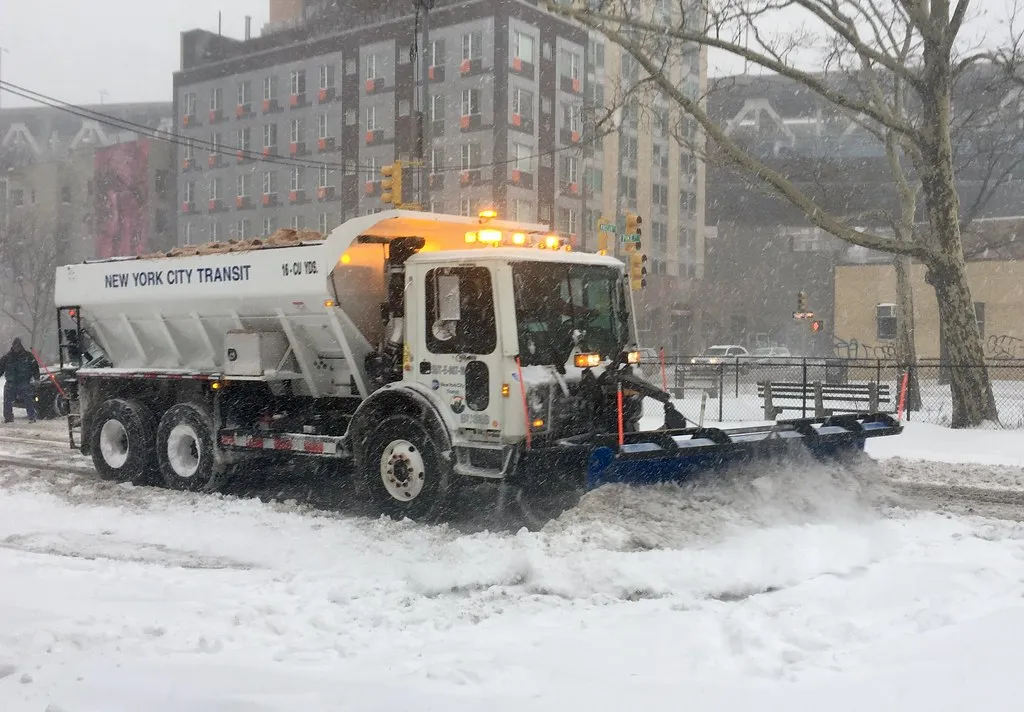
Salt reduces turf’s ability to absorb water. Winter runoff concentrates salts along driveway edges, leading to dead patches, thin and weak growth in spring, and long-term soil salinity issues. The geometry of a driveway or sidewalk means every application drains directly into the adjacent strip of lawn.
Winter lasts for months, and every ice event adds more salt to the lawn. Damage compounds over time, which is why the edges of many properties look the worst when spring begins. It’s a slow accumulation, not a single catastrophic event, which makes it easy to underestimate until it’s too late.
Shrubs and Evergreens Are Especially Vulnerable
When salty slush splashes onto plants, it can burn leaf edges, dry out buds and stems, stress or kill young or shallow-rooted plantings, and increase susceptibility to disease. Salt spray is especially damaging to boxwoods, hollies, yews, rhododendrons, and many perennials.
Salt soaks up water that would normally be available to roots, causing them to dry out. Salty slush sprayed on leaves and twigs causes them to dehydrate and reduces their ability to withstand winter temperatures. Research published in a peer-reviewed study found that roadside soils showed increased salinity and alkalization, and foliage samples manifested significantly higher concentrations of sodium and chloride ions.
The Damage You Can’t See Until It’s Too Late
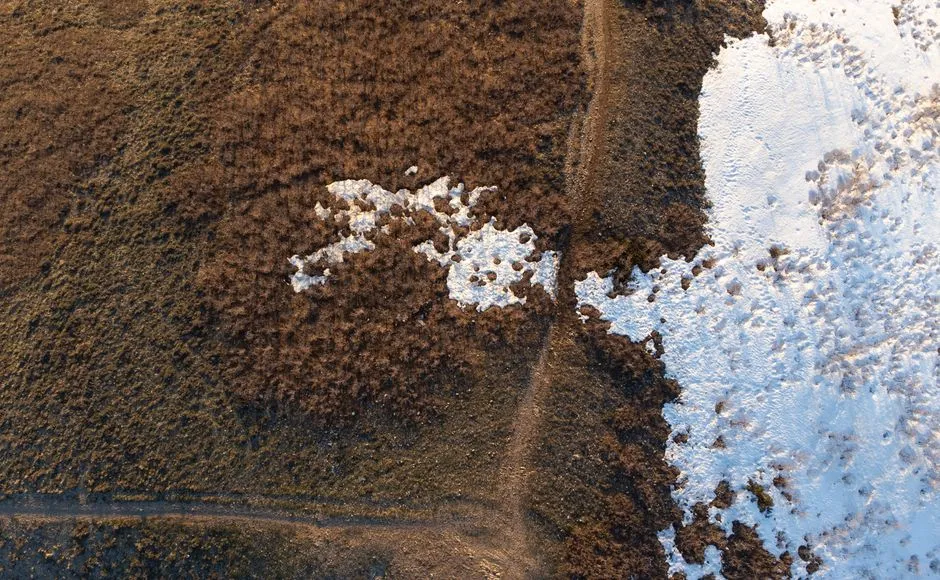
You might not notice the immediate effects during the freezing months when the ground lies dormant. The true cost of this chemical exposure reveals itself later in the season when dead patches and stunted growth appear along your concrete borders. By that point, the season to prevent it has already passed.
Once inside plant tissue, chloride actively interferes with photosynthesis and basic cellular function. This typically manifests as brown or scorched edges on the leaves of shrubs and grass. Research on roadside trees in urban settings found that leaf damage was strongly correlated with increasing sodium concentrations and decreasing potassium and magnesium, and a severe imbalance of nutrients can be attributed to the excessive accumulation of de-icing salt.
Which Plants Are Most at Risk
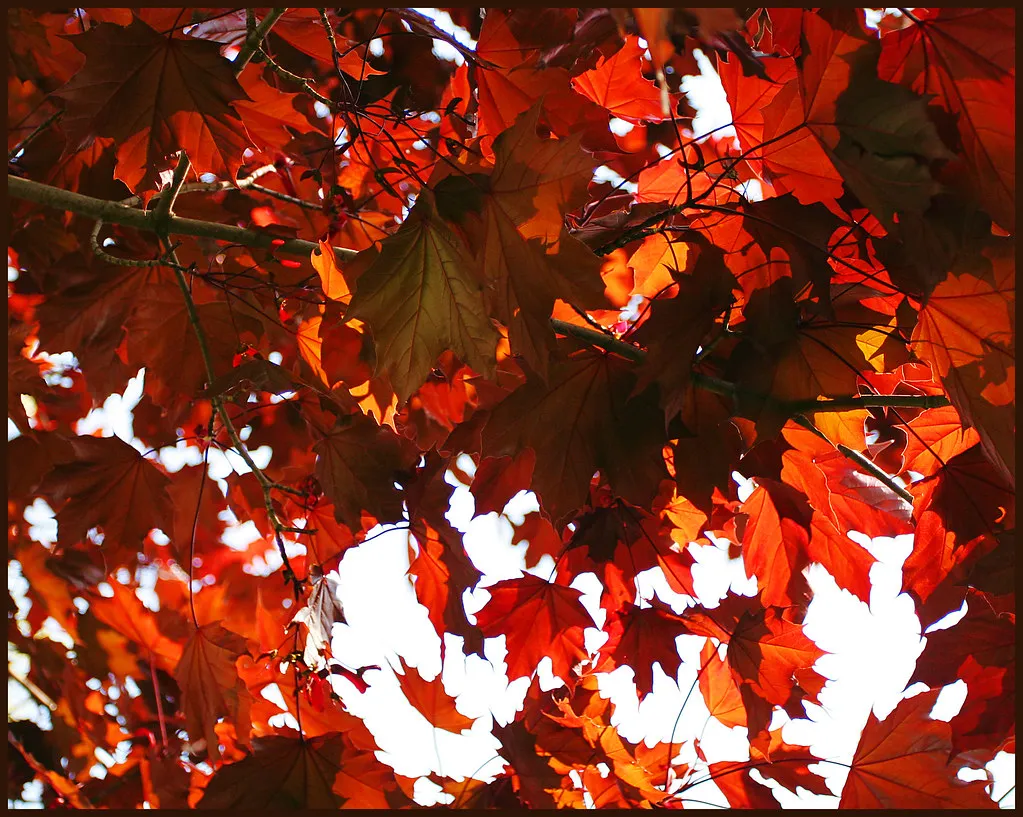
Generally, the trees that are most sensitive to salt are broad-leaved species, such as linden, black walnut, and sugar and red maples. These are common ornamental and shade trees found in residential yards across cold-climate regions. In roadside maples, levels of chloride greater than roughly half a percent of dry plant tissue weight have been highly correlated with moderate damage to leaves, and levels of one to two percent have been associated with severe leaf burn, defoliation, and even plant death.
Even plants tolerant of higher soluble salt levels in the soil, such as arborvitae, may be affected by salt spray. Salt-tolerant grass species do exist. Salt-tolerant turfs are less likely to be damaged by winter melts, and a few options include perennial ryegrass, fine fescue, and tall fescue. Homeowners in high-risk areas should consider these varieties when reseeding.
How to Repair the Damage Once Spring Arrives
Light salt damage will go away once spring rains begin and salt is flushed from the soil. If salt damage is suspected, one could spray down the foliage of exposed plants and saturate the soil to speed up the flushing process. New growth emerges and the damaged plant material falls or is mowed off.
Once the dead or damaged plant material is removed, new soil will need to be added in its place. In order to make sure salts are out of the soil, it is recommended that gypsum is applied. Gypsum contains calcium and sulfur, which help to counter the effects of salt. For more severe cases, water the area thoroughly to help leach chloride down through the soil, then rake out the dead turf and reseed or sod. Reseeding into bare soil with good seed-to-soil contact is what actually fixes it.
Safer Ice Melt Alternatives That Won’t Destroy Your Landscape
Not all ice melt products carry the same level of risk. Calcium chloride is K-State’s Horticulture Department’s first pick to use as a de-icer due to its ability to work at extremely low temperatures and its gentleness on plants when used as directed. Magnesium chloride is another good choice for melting ice around the exterior of the house and is recommended by university experts over potassium chloride and sodium chloride.
Calcium magnesium acetate (CMA) is considered one of the safer options for melting ice due to its low environmental impact. It is less toxic than deicers containing chloride, but can cost considerably more than rock salt. CMA is biodegradable, non-corrosive, and safe for pets, plants, pavement, and waterways. The higher upfront cost is worth considering against the expense of replacing dead shrubs and reseeding lawn borders every spring.
Prevention Is Far Simpler Than the Fix
Using too much ice melt means the eventual runoff could critically damage your lawn and nearby plants, according to Aaron Steil, a consumer horticulture specialist at the Iowa State University Extension. Prevention really does come down to using less. Treated salt and brine put far less chloride down per square foot than untreated rock salt.
If you use a snow removal service, take a moment to specify where you don’t want heavy salt application. If you hire a snow removal service, communicate that you want minimal use of salt near your lawn and hardscape edges. Physical barriers such as burlap wrap around vulnerable shrubs, and keeping plowed snow away from planting beds, can also prevent a significant portion of the contact damage entirely.
The Quiet Lesson Every Spring Teaches
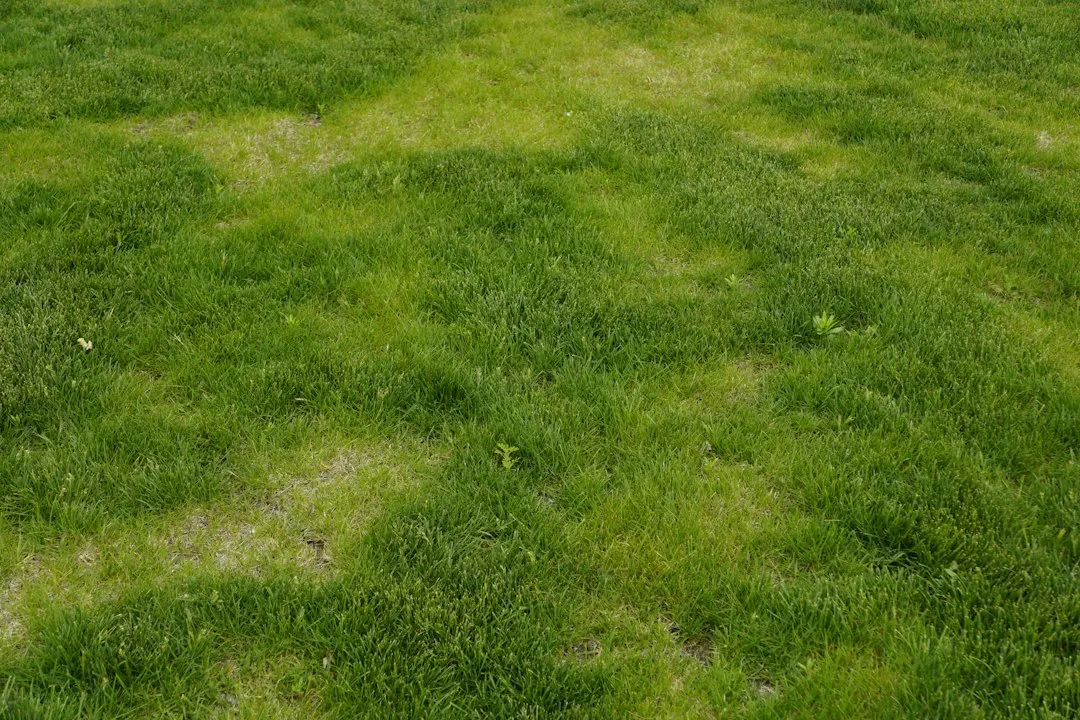
The strips of dead grass and brown-edged shrubs that appear along driveways each spring aren’t random. They’re a precise record of where ice melt ran off over the previous winter. Damage shows up in uneven patches that follow wherever salt accumulated, usually along walks and drives and wherever plows pushed slush.
The good news is that this damage is largely preventable. Choosing a less aggressive product, applying it sparingly, and physically protecting the most vulnerable plants are all steps that require very little extra effort in winter. The payoff comes in April, when the edges stay green. That’s a return worth planning for.
AI Disclaimer: This article was created with the assistance of AI tools and reviewed by a human editor.