
Freezing Temperatures Don’t Kill Bacteria
One of the most persistent myths in the kitchen is that cold temperatures make food safe. Many homeowners are surprised to learn that freezing temperatures do not act as a disinfectant. According to 2024 research, pathogens such as Salmonella, E. coli, and Norovirus can survive and even thrive in freezing environments. This means that any bacteria introduced into your ice maker during the production cycle can remain viable in the ice cubes themselves.
Studies have shown that without regular cleaning, machines can harbor bacteria like E. coli, Salmonella, Listeria, and even Legionella, and these contaminants can lead to foodborne illnesses, causing symptoms ranging from stomach cramps and diarrhea to severe conditions like hemolytic uremic syndrome, which may result in kidney failure. Cold is a preservative, not a disinfectant. That distinction matters more than most people realize.
The Dark Interior Is a Perfect Breeding Ground
Ice machines provide a moist, dark environment that’s perfect for pathogens to thrive. The combination of standing water, limited airflow, and constant moisture cycling creates conditions that are genuinely difficult to keep sterile without deliberate intervention. Research from 2024 and 2025 has highlighted that the dark, damp interior of an ice machine is the perfect breeding ground for mold and antibiotic-resistant bacteria.
Many operators discover mold in their ice machines only after months or years of neglect, because ice makers are easily ignored appliances, running quietly in the corner, never demanding attention until something goes wrong. The same is true in households. Out of sight really does mean out of mind, until it doesn’t.
The Scale of the Problem Is Larger Than Most Assume
A Las Vegas study found approximately one-third of commercial ice machines were breeding grounds for dangerous bacteria, and more than seventy percent contained indicators that bacteria could be present. These numbers are striking on their own, but the problem extends well beyond ice dispensers in restaurants and hotels.
A 2024 global ten-year review confirmed that locally produced ice in food businesses is more contaminated than industrial ice, with E. coli, coliforms, Pseudomonas, and Staphylococcus aureus among the most frequently detected pathogens. The pattern holds across countries and climates, suggesting the issue is structural rather than anecdotal. According to that comprehensive ten-year review of worldwide food ice hygiene published in 2024, cases of ice contamination by various microorganisms, including bacteria, viruses, and fungi, have been extensively documented in the scientific literature.
Biofilm Is the Hidden Enemy Inside Your Machine
Biofilms form when microorganisms adhere to surfaces and produce a slimy, protective matrix that shields the bacteria from environmental stresses, making them more resistant to cleaning and disinfecting efforts. Most people have never heard the term biofilm in the context of their kitchen appliances, which is part of why the problem persists.
Standard in-house wiping does not disrupt biofilm in internal water lines, distribution tubes, or the ice mold itself, which is where most microbial contamination develops. The pink or black slime sometimes visible inside an ice bin is often a sign that biofilm is already well established. Both are cited as critical violations by health inspectors. Biofilm forms a shield that resists standard cleaning methods once established, which is why regular cleaning before it accumulates is essential.
Mold Spores Travel Into the Ice Itself
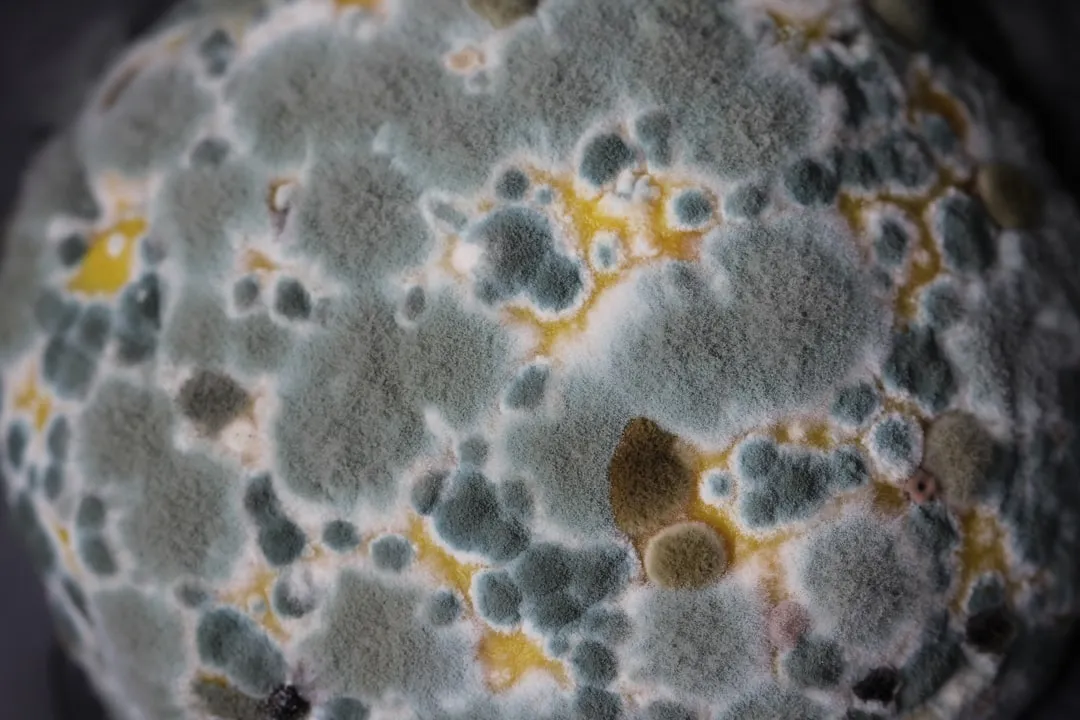
Mold spores can spread through the air and settle on the interior surfaces of ice machines. When ice is dispensed, these spores can become airborne or contaminate the ice, posing health risks. This means that even a brief moment of dispensing ice from a contaminated machine can introduce mold into a drink.
When you consume ice from a moldy machine, you’re exposing yourself to harmful bacteria and allergens that can cause stomach issues, allergic reactions, respiratory problems, and even serious infections in severe cases. Individuals with asthma or weakened immune systems are particularly susceptible. Symptoms of mold exposure include coughing, wheezing, nasal congestion, and skin irritation, and in severe cases, prolonged exposure to mold can lead to chronic respiratory conditions.
Hospital Ice Machines Have Caused Documented Outbreaks

Between 2021 and 2022, twenty-three cases of Burkholderia multivorans infections were linked to contaminated ice and water from machines in two Southern California hospitals, leading to a recommendation to cease their use in clinical care. A follow-up investigation expanded the picture considerably. The study identified twenty-three previously unreported infections of B. multivorans ST659 that occurred between 2020 and 2024, including thirteen cases at a Northern California hospital, eight at a hospital in Colorado, and two more cases at one of the Southern California hospitals.
Among investigations where ice machines were sampled, the organism implicated in the outbreak was isolated in more than half of investigations. Among those where ice itself was sampled, the match rate rose to three quarters. The organisms identified included Mycobacterium mucogenicum, Burkholderia multivorans, and Acanthamoeba spp. These are healthcare settings with active maintenance protocols. The findings raise serious questions about what’s happening in less-monitored environments.
Your Water Supply Contaminates the Ice Before It Even Freezes
Contaminants can also be introduced into the ice maker through the water supply itself. Bacteria can multiply in the ice maker if it isn’t cleaned regularly. The water quality going into the machine directly shapes the safety of the ice coming out of it, a connection many users never consider.
The EPA finalized enforceable maximum contaminant levels for PFOA and PFOS at four parts per trillion each in April 2024. Because ice is made directly from tap water, an unfiltered ice machine can concentrate PFAS and other contaminants into every cube it produces. These so-called “forever chemicals” don’t break down in the freezing process and can accumulate over time with continued exposure.
Handling Habits Make Everything Worse
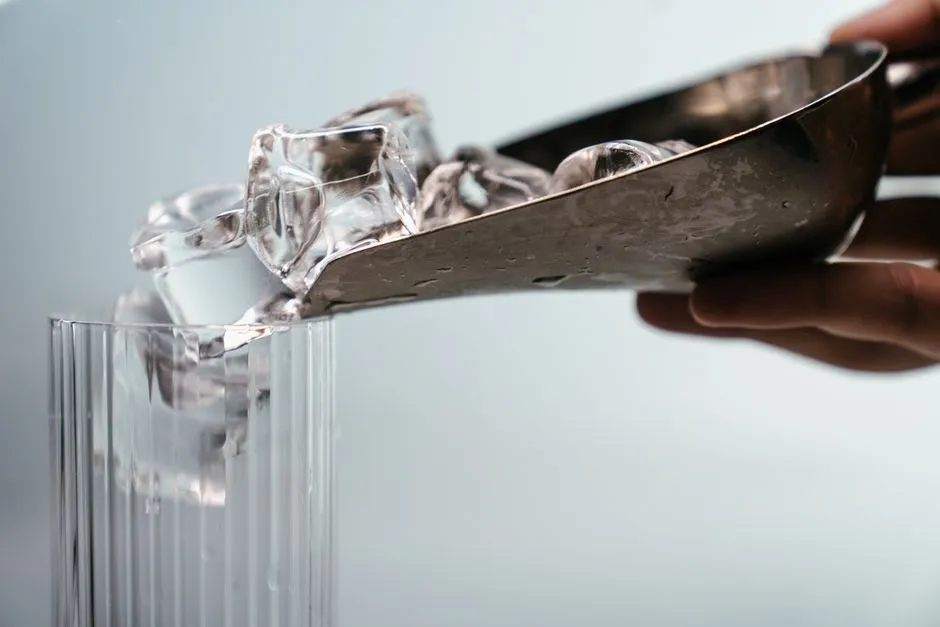
Ice machines are frequently accessed by staff and customers, leading to the potential transfer of contaminants from unwashed hands, utensils, or containers. This high-touch frequency increases the risk of introducing pathogens into the machine. In home kitchens, the problem often looks like reaching into the bin with a bare hand or using a scoop that’s been sitting in the ice itself.
Staff members who reach into the ice bin with bare hands transfer bacteria directly into the supply. An ice scoop left sitting in the bin, with its handle touching the ice, becomes a bridge between surface bacteria and every drink served. Even when the machine interior is clean, cross-contamination from poor handling defeats the purpose. Clean machines and careless habits don’t cancel each other out.
Filters Expire and Most People Ignore Them
Under the FDA Model Food Code, ice is classified as a food, meaning ice makers are subject to the same sanitation standards as food-preparation equipment. Yet the filters protecting that ice from contamination are among the most frequently neglected components in the modern kitchen.
Common needs in 2025 include reducing lead, improving taste and odor, addressing PFAS where possible, getting longer life, and keeping the swap easy. Lead-focused filters should be certified for NSF/ANSI 53 for lead. An expired filter can actually become a source of contamination on its own, releasing trapped bacteria back into the water stream. Most food safety authorities and equipment manufacturers recommend a professional deep cleaning every three to six months, in addition to routine surface maintenance.
What You Can Actually Do About It
For routine maintenance, experts recommend the 10:1 Rule: mix ten parts filtered water with one part distilled white vinegar. However, if you notice visible white scales or “flakes” in your ice, you may need a stronger one-to-one ratio to tackle heavy mineral deposits. Descaling is not optional, it’s the baseline.
Not using your ice maker often and letting the ice sit for too long can allow mold to develop around it. Dumping old ice regularly is an easy preventive measure. Beyond that, your water supply can contribute to mold growth in your ice machine. If the water running through your machine isn’t clean, it can introduce mold and bacteria. Always use filtered water as much as possible so you get high-quality ice. Consistent habits, not occasional deep cleans, are what keep contamination in check.
The Takeaway
The ice maker is one of those appliances that earns trust by being invisible. It runs in the background, produces something that looks and feels clean, and rarely gives any obvious sign that something is wrong. That invisibility is exactly the problem.
The evidence accumulated across research from 2020 through 2025 consistently points to the same conclusion: infrequent cleaning, expired filters, poor handling, and contaminated source water all quietly compound each other inside a machine most households treat as maintenance-free. None of this requires panic, but it does call for a change in habit.
A clean ice maker is genuinely straightforward to maintain. The difficulty is remembering that it needs maintenance at all. Now that you know it does, that particular excuse is harder to hold on to.
AI Disclaimer: This article was created with the assistance of AI tools and reviewed by a human editor.