
Leaving Water to Sit in the Tank
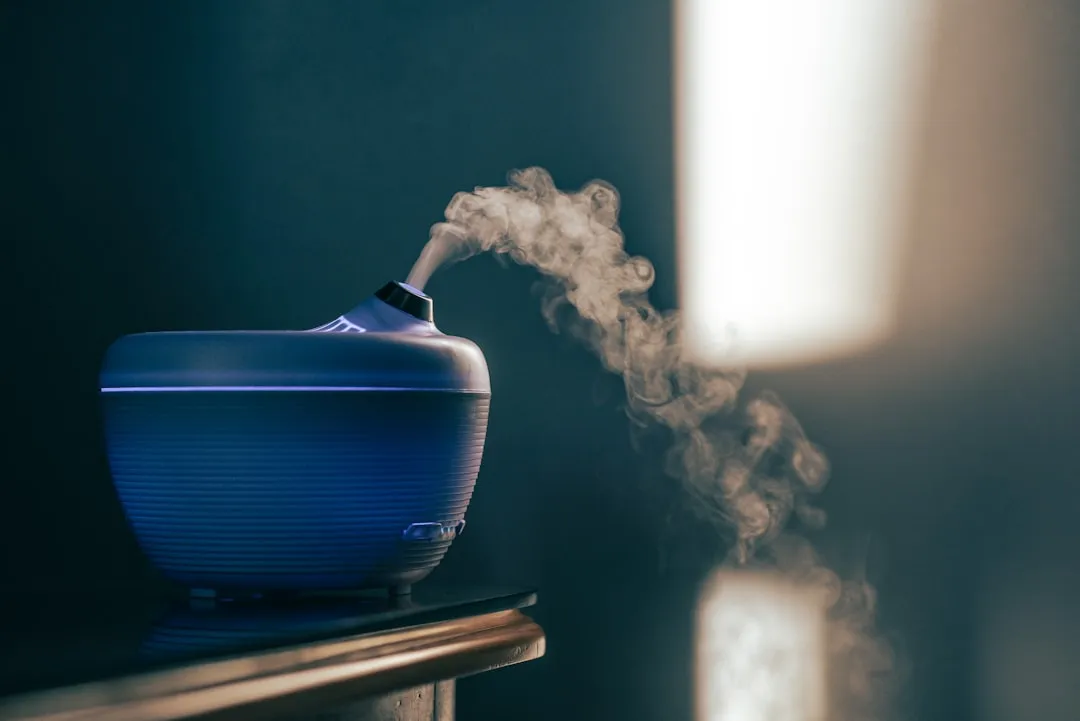
This is the single most common habit fueling mold growth, and it’s also the easiest to overlook. Stagnant water left in the reservoir for days provides a breeding ground for mold. Most people fill up the tank at night and don’t think much about what’s happening inside it by morning.
Standing water in the humidifier can quickly become a breeding ground for mold and bacteria. The tank is warm, damp, and largely sealed from fresh air. That’s exactly the kind of environment mold needs to get started. The water in your humidifier should be replaced daily.
Skipping the Weekly Deep Clean
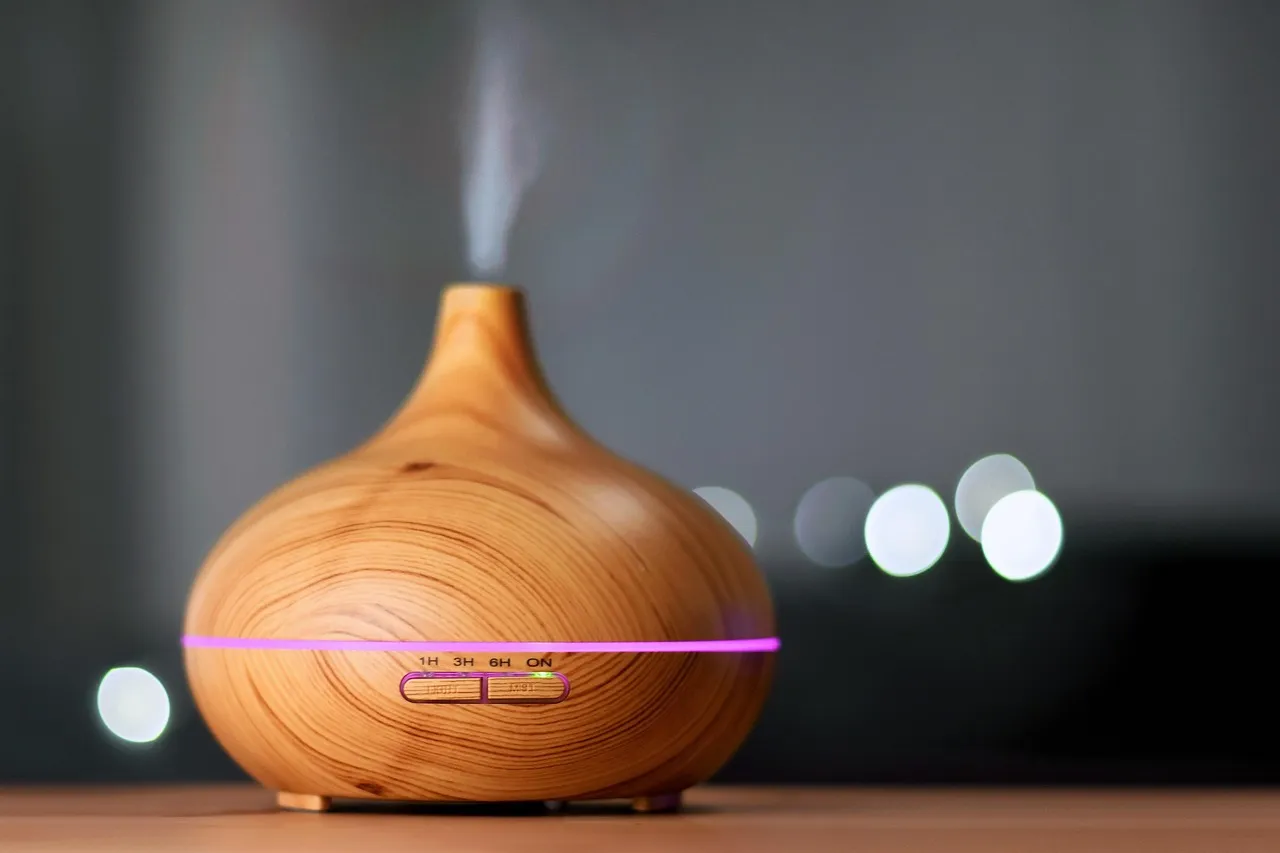
Home care experts typically recommend cleaning your humidifier at least once a week. While this may seem like overkill, you really don’t want to have any mold in your humidifier that could spew out into the air you breathe.
The Mayo Clinic recommends cleaning and maintaining your humidifier every three days to prevent the buildup of harmful bacteria and mold. Most people are nowhere near that frequency. They might wipe it down once a month, or less. If you don’t properly clean the device, it can breed and spread mold spores harmful to people with allergies, according to the American Academy of Allergy Asthma and Immunology.
Using Tap Water Instead of Distilled
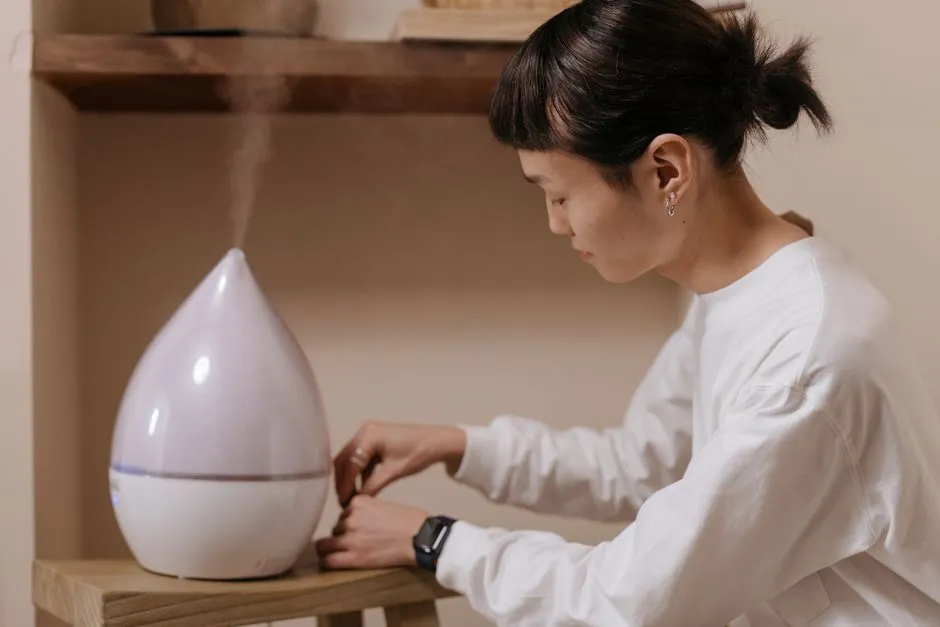
Tap water with minerals and impurities can leave behind residues that support the growth of mold and bacterial colonies inside the machine. This is an underappreciated issue. Many people assume water is water, but the mineral content matters significantly.
For most humidifiers, distilled water is highly recommended for the tank. Tap water, especially hard water with high mineral content, creates a breeding ground for mold inside the humidifier. Those mineral deposits also create rough surfaces where mold can anchor itself and spread. White dust is mineral residue from ultrasonic mist. It collects on floors and furniture and also shows up in the particles you breathe.
Running It Too High for Too Long
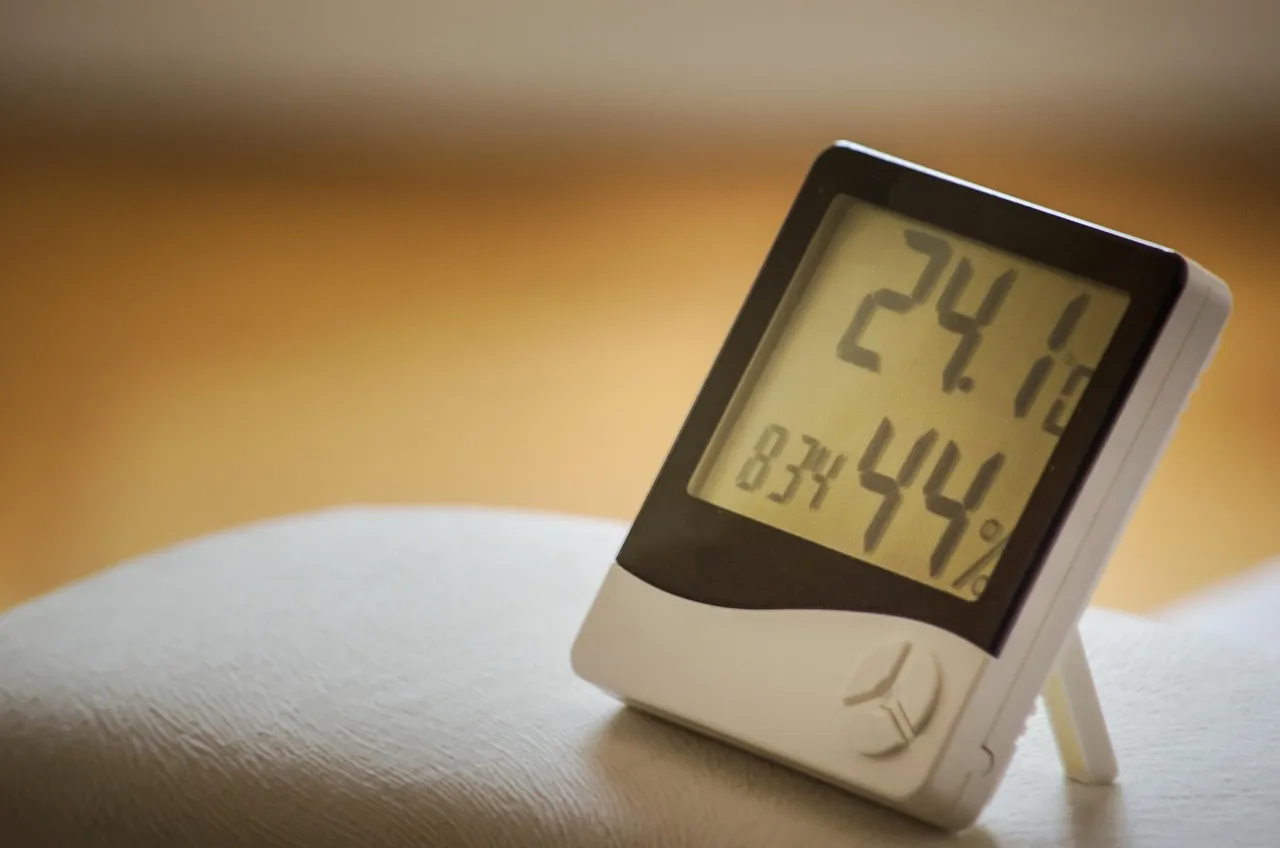
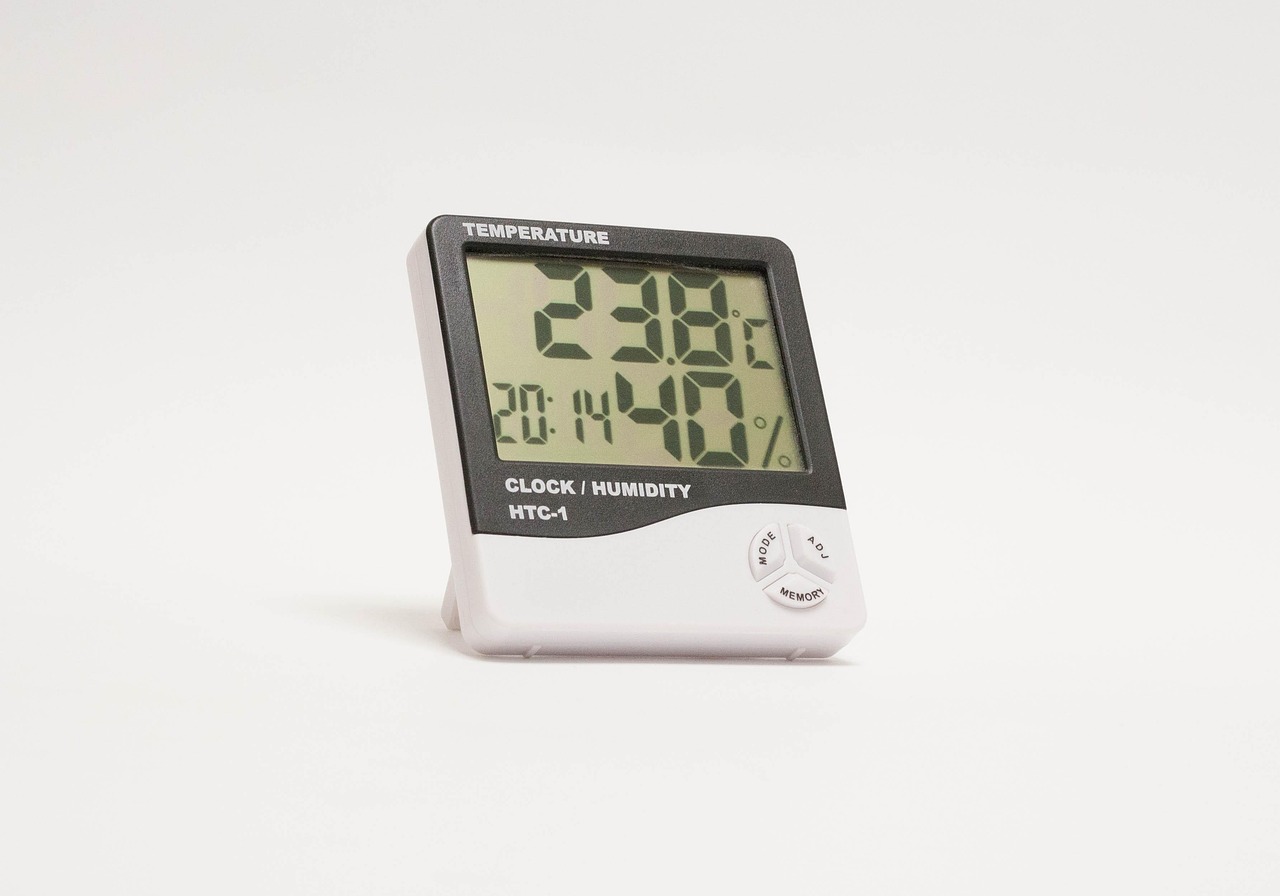
When indoor humidity levels exceed 50 to 60 percent, it creates a moist environment where mold spores can thrive on walls, ceilings, furniture, and even inside the humidifier itself. Most people set a humidifier and forget it, with no real sense of what the room’s actual humidity level is.
According to the United States Environmental Protection Agency, you should maintain an indoor relative humidity level between 30 and 50 percent. Going above that range consistently does real damage over time. Above that line, water vapor starts condensing on surfaces and feeding mold.
Biofilm Buildup on Interior Surfaces
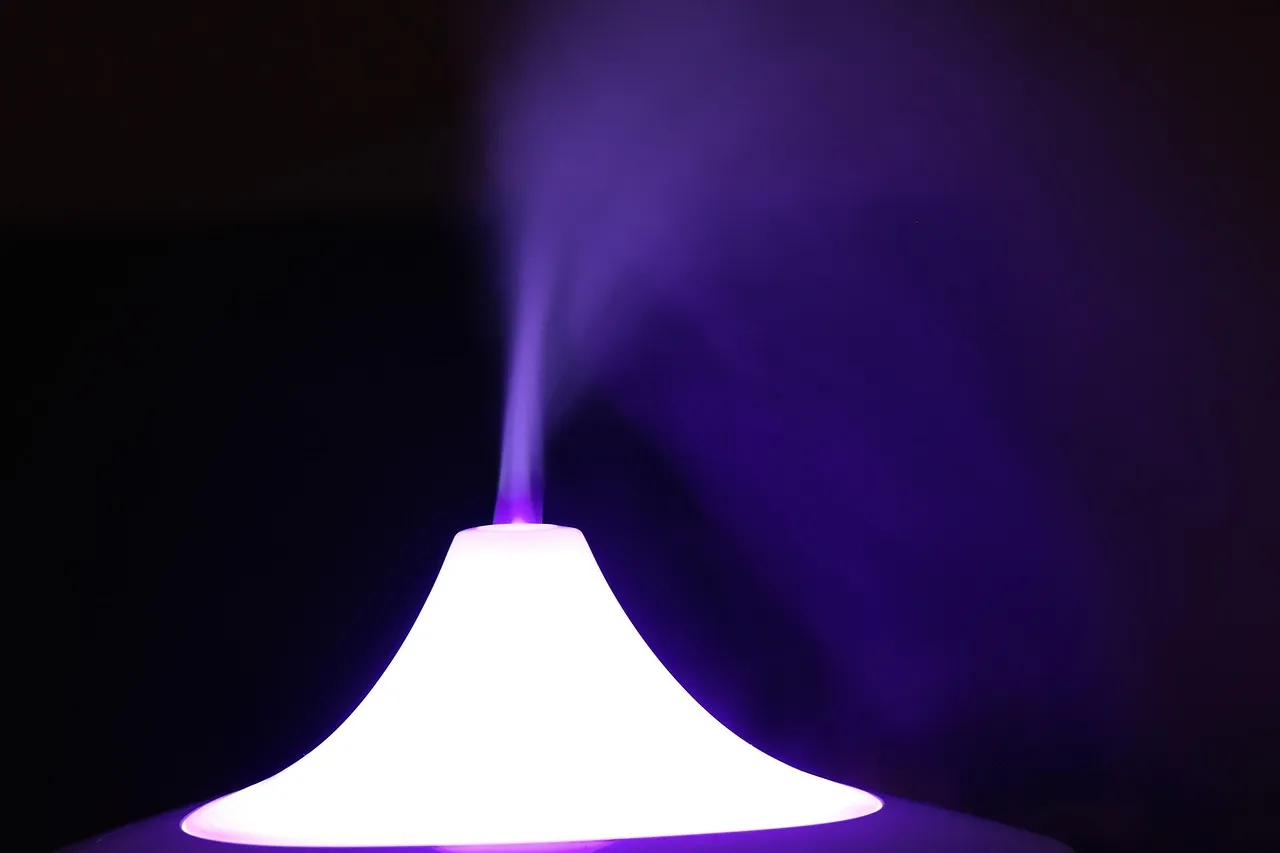
Even if you can’t see mold, something else may already be growing inside your unit. Biofilm is a slimy layer of bacteria that can form on surfaces frequently exposed to moisture. In humidifiers, biofilm can develop on internal surfaces, providing a perfect environment for mold growth.
Biofilm is not easy to spot because it often looks like a faint slick or slightly discolored coating inside the tank. It is, however, very easy to inhale. Stagnant water in the tank, dirty filters, or infrequent cleaning can lead to the buildup of mold and bacteria, which may then be dispersed into the air you breathe.
Clogged Nozzles and Neglected Filters

Components such as nozzles and hoses can become clogged with mineral deposits and mold, disrupting the humidifier’s function and leading to the dispersal of mold spores into the air. Most people clean the tank but never think about the internal components that the mist actually passes through.
The EPA warns that humidifier filters can become moldy and spread spores through the room, and that furnace and stand-alone humidifiers must be cleaned regularly to prevent it. Filters that look gray or feel slimy are past due. Replace the filter when it smells, looks stained, or output drops. Heavy use and hard water shorten its life. Some homes need several changes per season.
The Ultrasonic Humidifier Problem
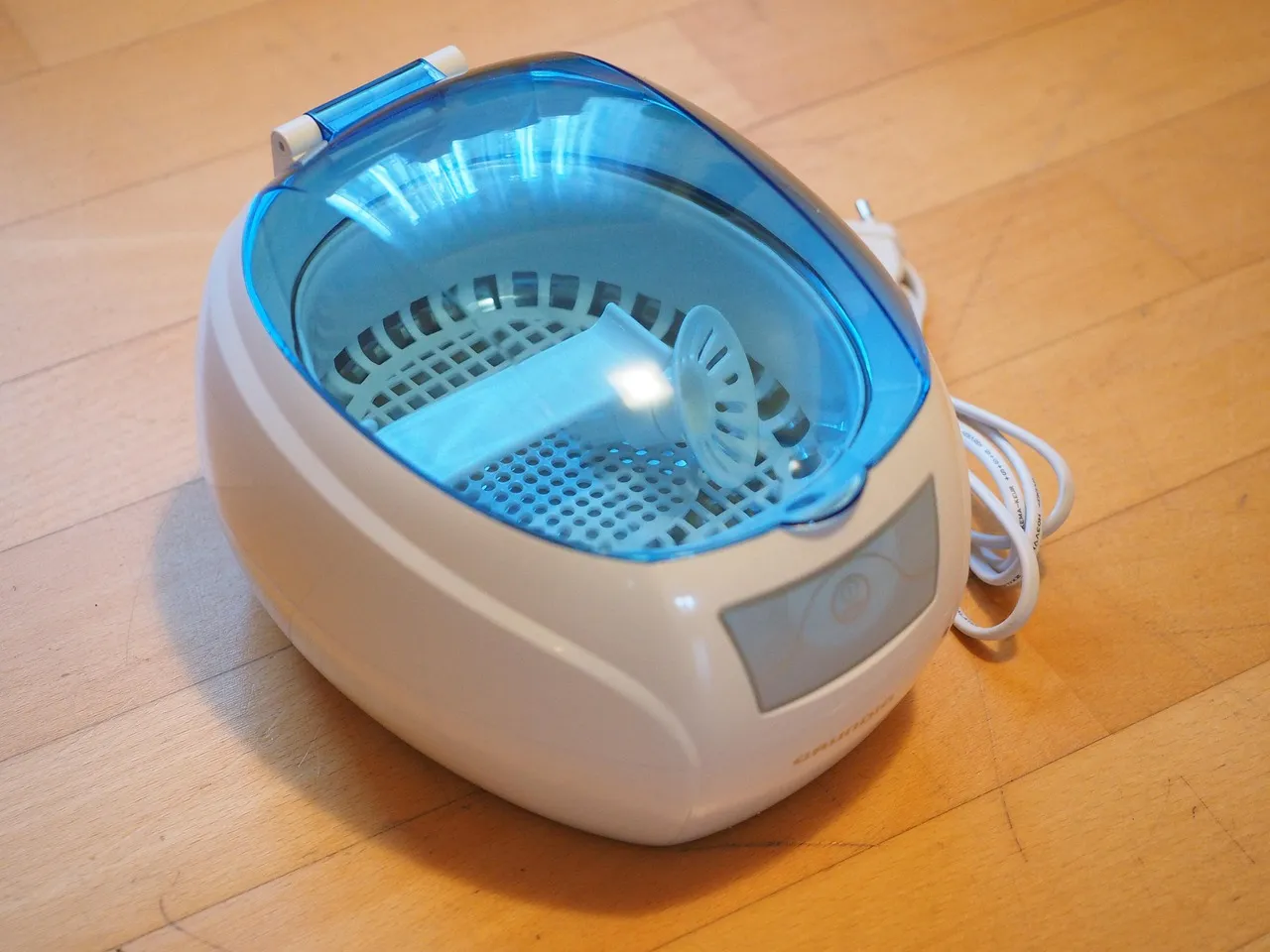
Ultrasonic humidifiers aerosolize water directly, which means whatever is in the tank goes into the air. Bacteria, mold spores, and biofilm particles are dispersed along with the water droplets, in particle sizes small enough to reach deep into the respiratory tract.
Research published in 2025 by Virginia Tech professor Andrea Dietrich found that ultrasonic humidifiers can aerosolize not just minerals but also heavy metals and biological contaminants from tap water, with children at disproportionate risk due to higher relative inhalation rates. That is a meaningful finding for any household running an ultrasonic unit in a child’s bedroom. According to the EPA, studies show that ultrasonic and impeller humidifiers can disperse microorganisms and minerals from their water tanks into indoor air.
The Health Consequences of Mold Exposure
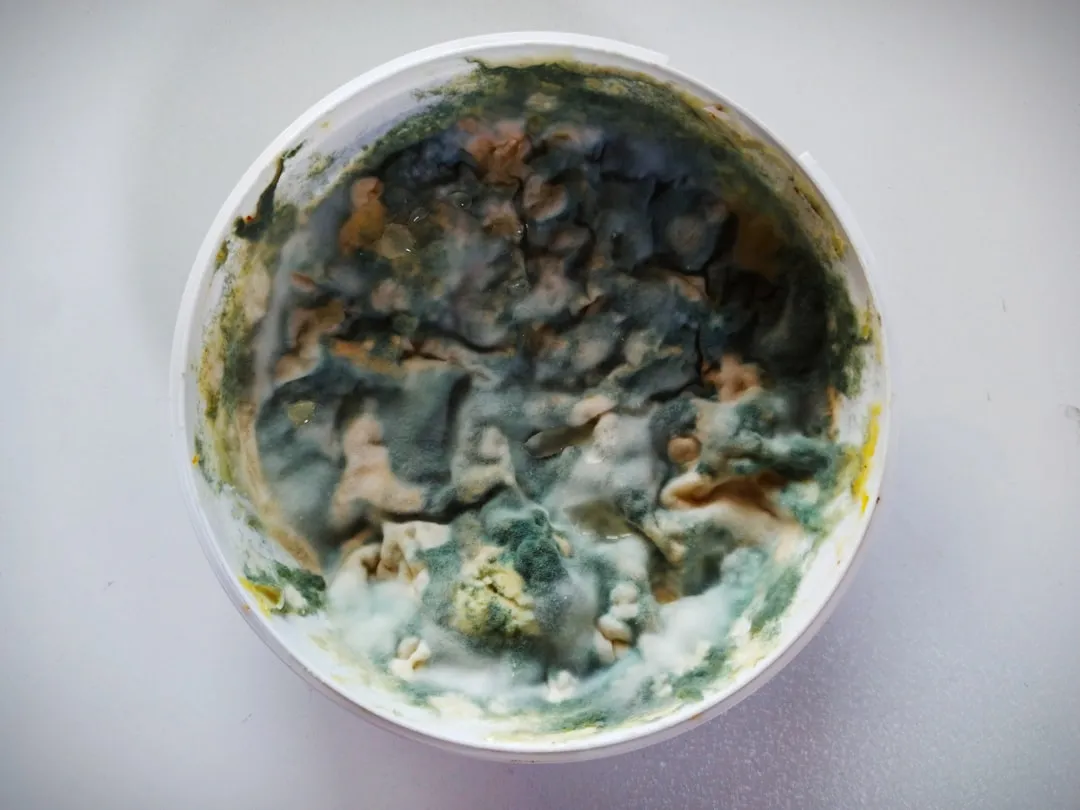
According to the CDC, mold exposure causes nasal and throat irritation, coughing, wheezing, and worsened asthma symptoms. People often attribute these symptoms to seasonal allergies or a slow-moving cold, never connecting them to the device running just a few feet from where they sleep.
Repeated exposure can lead to “humidifier lung,” a form of hypersensitivity pneumonitis, on top of the allergy and asthma flare-ups that any indoor mold can trigger. The risk is not evenly distributed either. For occupants who run a humidifier in a bedroom overnight, cumulative exposure during sleep is meaningful even at concentrations that would not immediately cause noticeable symptoms during brief daytime exposure. Children, individuals with asthma, and immunocompromised occupants are more susceptible to health effects at lower spore concentrations than otherwise healthy adults.
How Fast Mold Actually Spreads
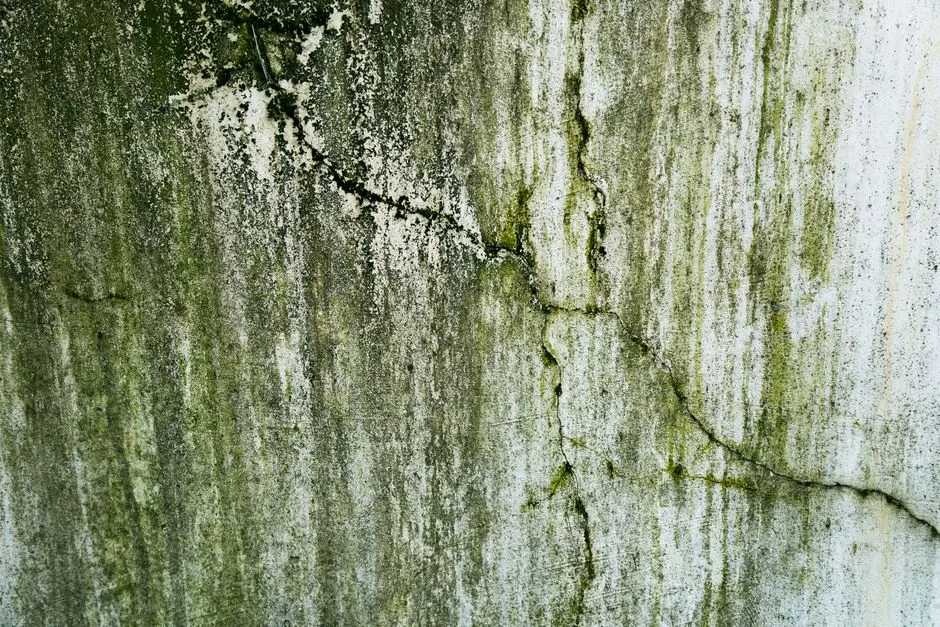
People tend to think mold takes weeks or months to become a serious problem. The timeline in a humidifier context is considerably shorter. Common mold species including Cladosporium, Penicillium, and Aspergillus can begin colonizing within 24 to 48 hours under warm indoor temperatures once surface materials near the humidifier reach elevated moisture content.
If a humidifier has developed mold, mold spores can travel through a property and colonize other areas. The machine that was supposed to improve your air quality starts seeding the room with spores instead. A 2022 research study using the common mold Cladosporium showed that when temperature was fixed, this species had lower levels of activity at 40 percent relative humidity compared with 60 or 80 percent, leading researchers to conclude that humidity levels affect mold growth more than indoor temperature does.
What Proper Maintenance Actually Looks Like
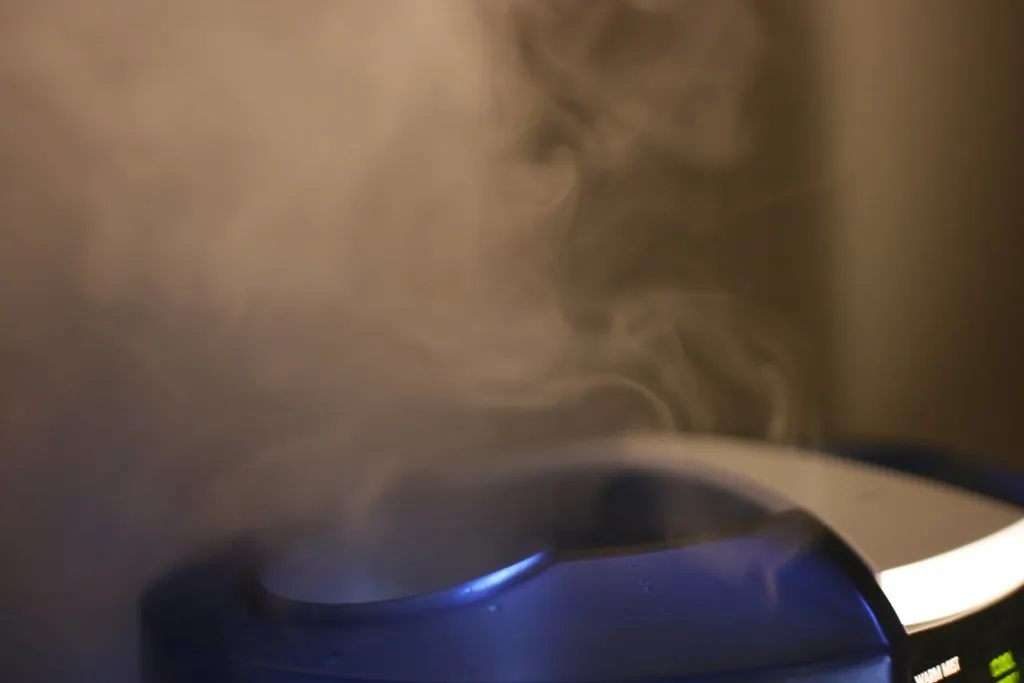
Keeping a humidifier truly clean is more involved than a quick rinse. Consumer Reports recommends rinsing, towel-drying, and refilling the tank with fresh water every day, and giving the tank and the well a deep cleaning once a week. That routine sounds demanding, but it’s the realistic baseline for safe operation.
Consumer Reports suggests using white vinegar for cleaning, because it’s inexpensive, widely available, and gentle on the humidifier’s parts. For visible mold or units that haven’t been cleaned in months, a more thorough disinfection with diluted bleach may be needed. Using distilled water reduces mineral deposits that create a breeding ground for mold, and thoroughly drying all components after cleaning is essential to inhibit mold development.
The Takeaway
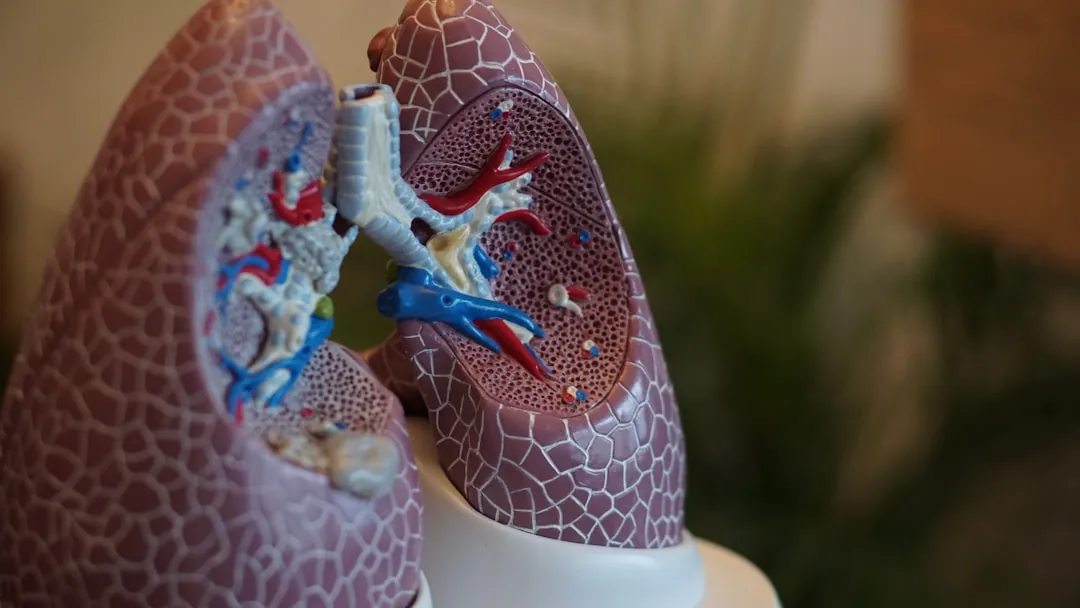
A humidifier is a genuinely useful appliance. Used responsibly, it improves indoor comfort and supports respiratory health. Humidifiers don’t cause mold. Poor habits do. The machine is just a vessel. What grows inside it depends entirely on how you treat it.
The habit changes needed are not dramatic: fresher water, more frequent cleaning, distilled over tap, and a hygrometer to keep humidity in the safe zone. You should really only have water in the humidifier if you’re actively using it, and otherwise keep it empty when it isn’t on. That one shift alone closes off most of the conditions mold needs to get started.
AI Disclaimer: This article was created with the assistance of AI tools and reviewed by a human editor.