
Gifts Are Technically Optional – and That Changes Everything
There’s a foundational misunderstanding about what a housewarming is actually for. According to etiquette expert Lizzie Post of the Emily Post Institute, the point of a housewarming party isn’t so that the host can get free housewares. As she puts it, “It’s about warming your house – with the presence of people you know.”
Housewarming gifts are actually optional; presence is more important than presents, per Lizzie Post. Once you internalize that, the whole dynamic shifts. You stop gifting out of obligation and start gifting with intention – which almost always produces a better result for everyone involved.
Bringing a gift to a housewarming party is standard etiquette, but it does not need to be expensive – it is a gesture of congratulations and goodwill, not a major financial commitment. That reframing alone eliminates a lot of the awkwardness both sides feel.
Most People Spend in the Wrong Range for the Wrong Reasons
Roughly about two in five housewarming gifts purchased fall in the $25 to $49 range, while about a quarter of people spend between $50 and $99, and only about one in seven spends more than $100. Most of those mid-range spenders aren’t making a conscious choice – they’re just defaulting to what feels socially safe.
The most critical factor in determining your budget is the closeness of your bond, not the size of the new home or how far someone traveled to buy it. According to the Emily Post Institute, average housewarming gift spending falls in the $30 to $50 range. The instinct to spend more to seem more generous often backfires.
Avoid falling into the trap of thinking high cost equals high value. For a housewarming, an overly expensive gift from an acquaintance would likely make the recipient feel indebted, which is the opposite of what you want. The sweet spot isn’t a dollar amount – it’s proportionality to the relationship.
The Relationship Should Set the Budget, Not the House
A good starting point is letting the relationship guide your budget rather than the size of their new home. This is one of the most consistently misapplied pieces of housewarming logic. Someone buys a large house, so people assume the gift should match the scale of the purchase. It doesn’t work that way.
For a colleague or a new neighbor, the goal is a “gesture,” not an investment. You want to say “Welcome” without implying any obligation. A budget of $20 to $40 is perfectly acceptable in that context. For closer friends and family, spending more is reasonable and expected – but it should reflect the depth of the friendship, not the square footage of the property.
Homeowners generally receive slightly more expensive gifts because the move is seen as more permanent. For renters, gifts should be portable and adaptable, with a lower budget since they might move again within the year. It’s a small distinction, but a genuinely useful one.
Wine Is the Default Choice – and Possibly the Wrong One

Few gifts feel as automatically appropriate as a nice bottle of wine. It’s easy, it travels well, and it says “celebration” without any fuss. Most people assume it’s the safe call. Housewarming parties are about the presence of people, not gifts, according to etiquette expert Lizzie Post – and she specifically discourages giving alcohol as a housewarming gift due to its risky nature and potential lack of personalization.
Alternatives to alcohol for housewarming gifts include items for the home, entertaining wear, or a nice picture frame with a printed photo for close friends or relatives. The reasoning isn’t puritanical – it’s practical. You simply don’t always know where someone stands with alcohol.
That said, context matters. Wine has been a classic housewarming gift for a long time because it’s easy to share and feels celebratory. If you know your host doesn’t drink, you can swap it for sparkling juice, fancy coffee, or a set of teas. The idea is the same: something they can enjoy and maybe share with guests. Knowing your recipient changes the calculation entirely.
Oversized and Overly Personal Gifts Create Problems
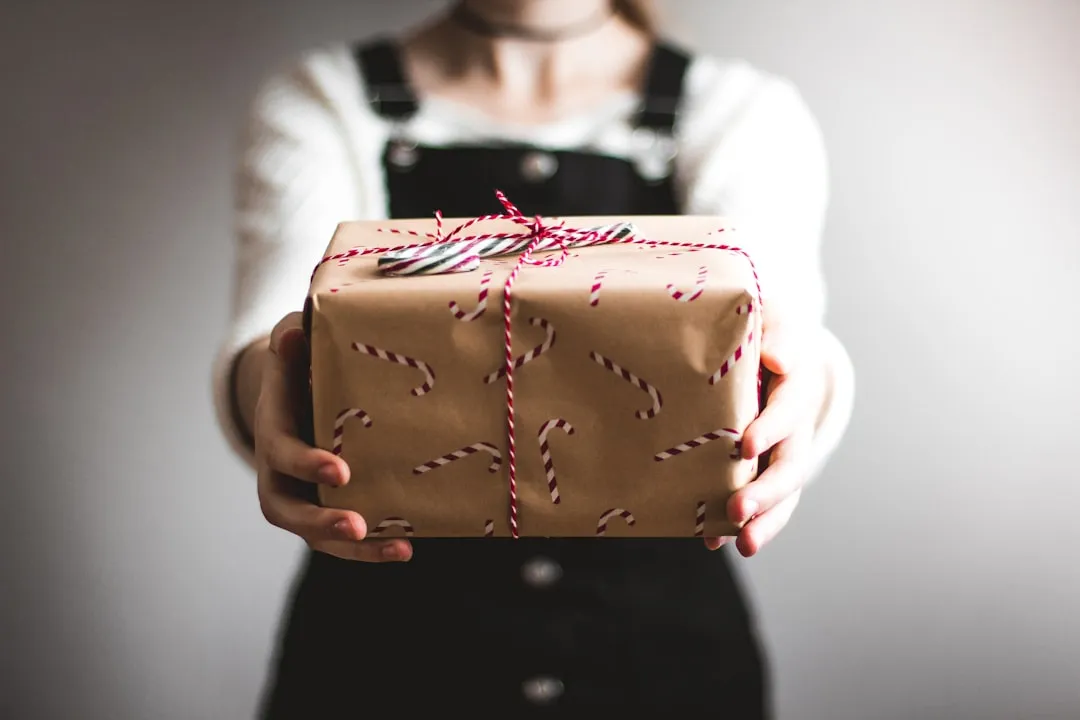
While it can be tempting to display grand, flashy presents, the largest or heaviest items often become the most problematic. Consider how much space your recipient has to work with and how easily they can use the gift. Bulky furniture or intricate devices can cause real problems when storing or assembling.
Etiquette guidance from the Emily Post Institute cautions against gifting plates and utensils, as these can be “a bit more personal to the person and their style,” though an accent plate or decorative candlesticks can work. When you buy something that’s deeply tied to personal taste – decor, cookware, textiles – you’re making a bet on their preferences that often doesn’t pay off.
Don’t out-gift the relationship. An expensive gift from a casual acquaintance creates awkward reciprocity pressure in a moment that’s supposed to be about welcome, not scorekeeping. The best gifts fit the room, the person, and the relationship – and no single item accomplishes all three better than something consumable and practical.
Timing Is an Underrated Part of the Etiquette
Most people treat timing as an afterthought. You’re invited, you show up, you bring something. But the timing of a housewarming gift actually carries its own set of norms. Standard etiquette recommends hosting a housewarming party within one to three months of moving in. Gifts given well outside that window start to feel disconnected from the milestone.
A good rule of thumb is to give gifts at the party or within two weeks of the move, which lets the new homeowner settle in without feeling rushed. A gift that arrives weeks after the chaos of moving day, when boxes are unpacked and the space finally feels like home, can actually land better than one thrust into their arms on move-in day.
Late gifts are still welcome, paired with a kind note. The occasion doesn’t expire in the way a birthday does. A thoughtful item sent a month after the party, with a genuine message, rarely goes unappreciated.
Consumables Are the Most Etiquette-Proof Option

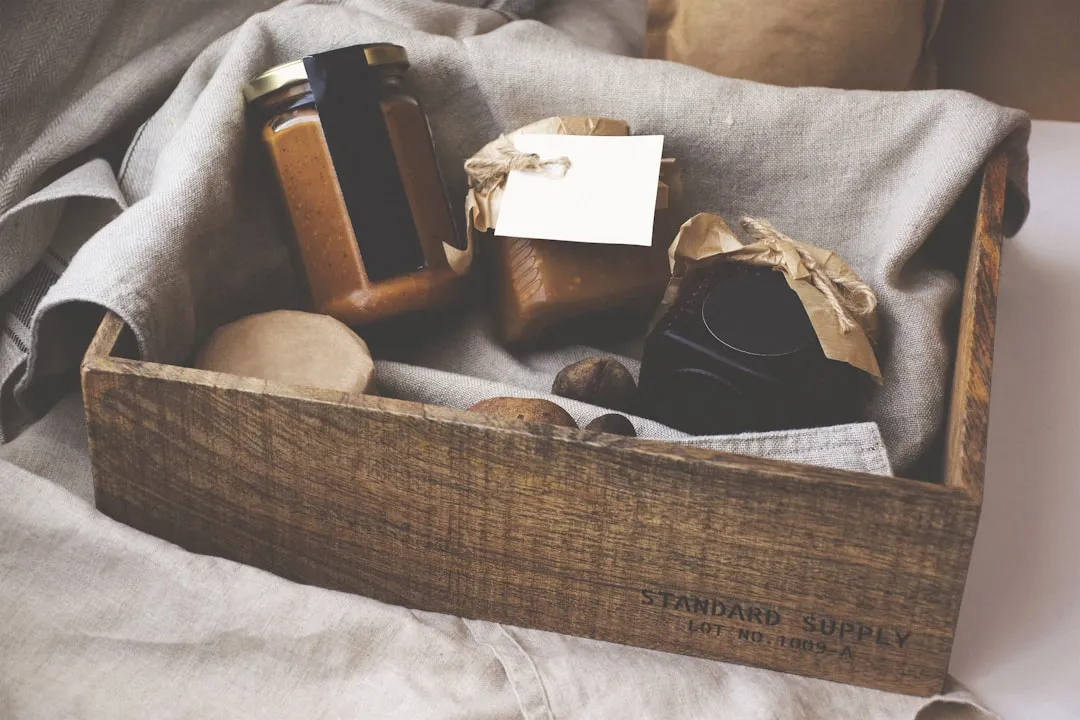
There’s a category of gift that almost never goes wrong: things that get used up. Food, candles, plants, quality coffee, tea collections, artisan pantry items. Traditional gifts include plants, candles, cooking towels, and baked goods made at home. These choices sidestep the biggest trap in housewarming gifting, which is imposing your taste on someone else’s space.
A high-quality candle in a neutral scent is one of the safest and most appreciated gifts. It works in any home and any aesthetic. The same logic applies to artisan food products, quality coffee, or a small, low-maintenance plant. A pothos, a snake plant, or a succulent adds life to a new space without demanding much of the recipient in return.
Experiences and consumable gifts are perceived as more sustainable than physical products by a significant portion of Gen Z consumers – a generational preference that’s increasingly shaping what gifts land well across age groups. When in doubt, choose something that disappears gracefully rather than something that has to find a permanent home.
Cultural Context Gets Ignored More Than It Should
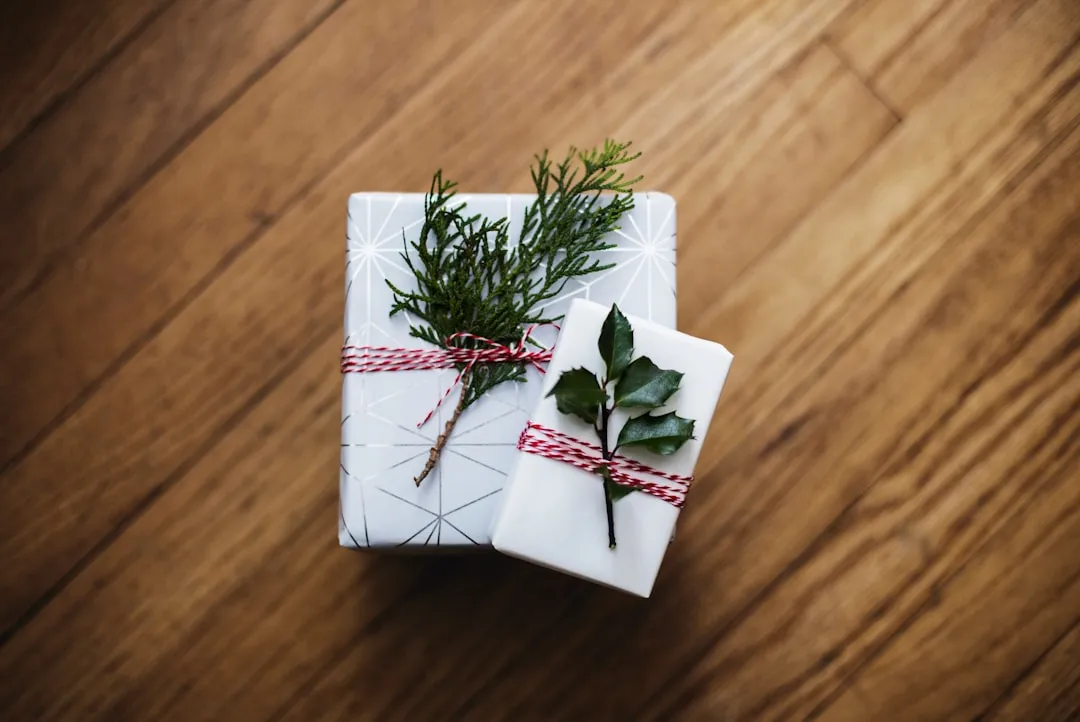
Most people treat housewarming gifting as a universal practice with universal rules. It’s not. The customs vary significantly depending on background, and overlooking that can lead to awkward or even offensive choices. In parts of Europe, for example, it’s common to bring bread and salt to a housewarming. Bread represents that the home will never go hungry, and salt stands for good luck and protection.
In India, during a griha pravesh ceremony, gifts often focus on prosperity and spirituality. Items like sweets, idols, or decorative pieces for the home are common. In Chinese culture, feng shui principles influence gift giving, and people might bring bamboo plants for luck or items that symbolize harmony.
In some traditions, sharp objects like knives or scissors are seen as a bad idea because they symbolize cutting ties. In other places, clocks are avoided because they can be linked with bad luck or endings. These aren’t obscure superstitions – they’re living customs that matter to the people who hold them.
The Host’s Responsibility Is Often Forgotten Entirely

Housewarming etiquette isn’t just for guests. The person who moved also has a role to play, and most guides skip straight past it. When hosting a housewarming party, graciously accepting gifts shows appreciation. Acknowledging every gift with a warm thank-you and a sincere compliment makes guests feel valued.
After the event, sending thank-you notes is a small but meaningful way to express gratitude. Handwritten notes in particular carry more weight than a quick text. Research from Hallmark found that handwritten notes included with gifts increase perceived gift value by roughly a quarter – a finding that applies just as well to the thank-you side of the exchange.
Hosts also sometimes make the mistake of opening every gift publicly and in sequence, turning the party into an unwitting spectacle. A quieter approach – acknowledging each gift warmly as it arrives, and opening others privately – tends to spare everyone a certain degree of social discomfort, particularly when gifts vary widely in cost or thoughtfulness.
A New Home Is a Bigger Milestone Than It Used to Be
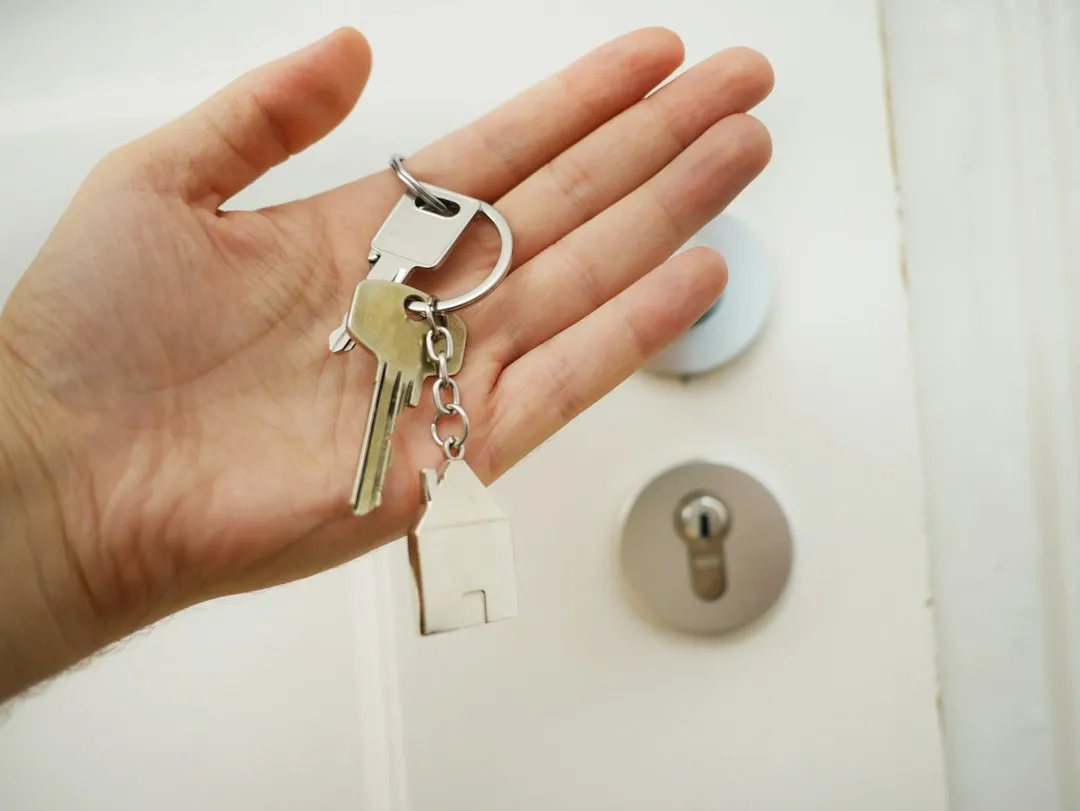
It’s worth stepping back and recognizing what a housewarming actually represents in 2026. Homeownership isn’t what it was a generation ago. According to the National Association of Realtors’ 2025 Profile of Home Buyers and Sellers, the median first-time buyer is now 40 years old – a record high – and first-time buyers make up just 21% of the market, the lowest share since tracking began in 1981.
When someone gets keys to a place of their own in this environment, it represents years of saving, waiting, and navigating a housing market that hasn’t made things easy. That context matters when you’re thinking about what to bring. Research from Ally found that people prefer to receive an actual present rather than cash or a gift card for a housewarming – which suggests the gesture itself carries real emotional weight, even when the monetary value is modest.
Unlike weddings or milestone birthdays, housewarming gifts are less about covering the “cost of your plate” and more about celebrating a transition. That’s a meaningful distinction. The gift isn’t payment for the party. It’s an acknowledgment of a chapter turning – and that deserves a little more thought than grabbing the nearest thing off the shelf.
The Takeaway

Most housewarming gifting mistakes aren’t about bad intentions – they’re about assumptions. People assume the wine is fine, that bigger is better, that the occasion demands a certain spend, or that the gift is the point. None of those things are really true.
The etiquette is simpler than people make it: match the gift to the relationship, choose something the recipient can actually use or enjoy, and show up in a spirit of genuine welcome rather than social obligation. The house will become a home either way. A thoughtful gesture just makes it happen a little faster.
AI Disclaimer: This article was created with the assistance of AI tools and reviewed by a human editor.