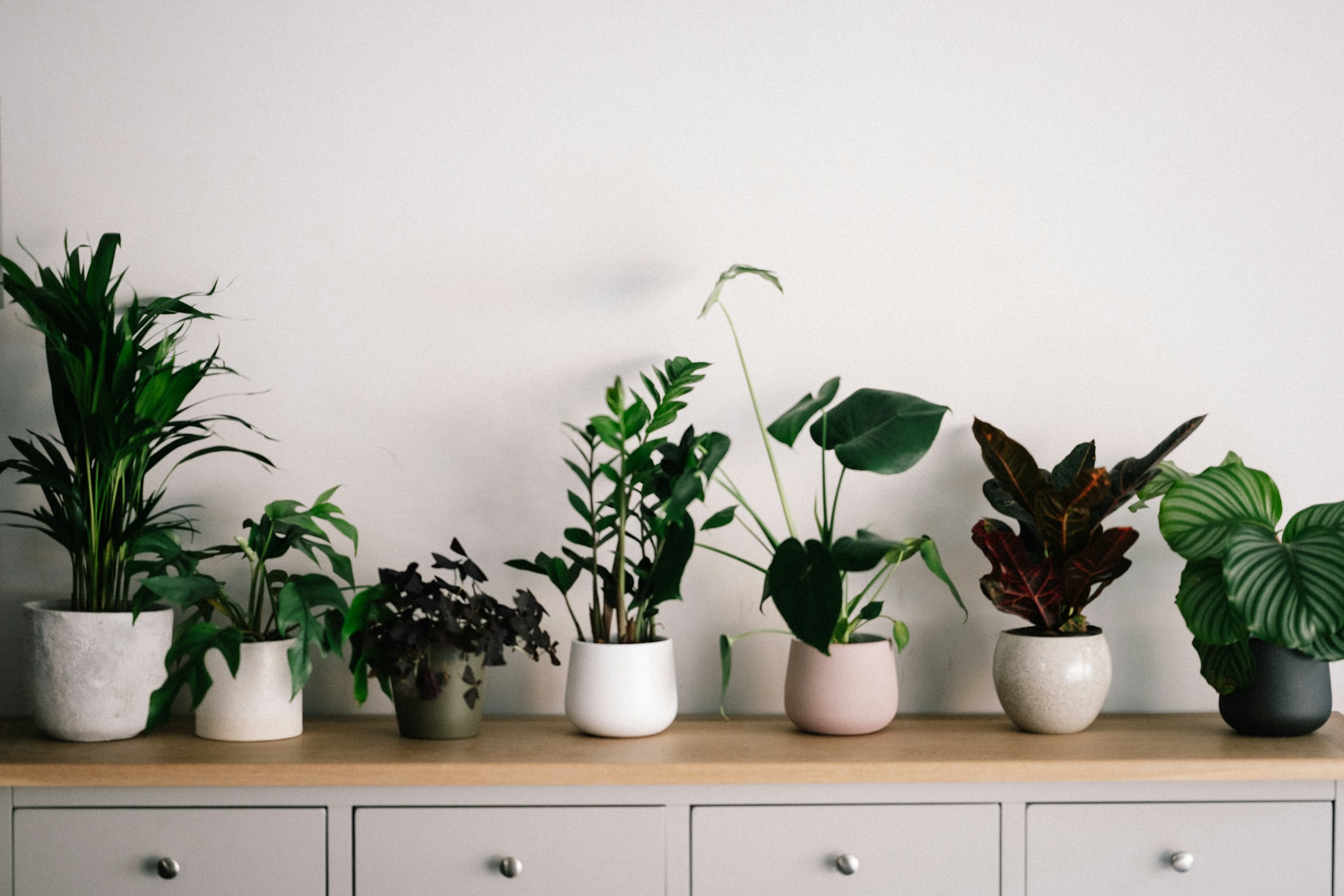

There’s something oddly revealing about the plant you reach for at the nursery. You might think it’s purely a practical decision, a matter of light levels and shelf space, but research increasingly suggests that the greenery we choose to live with reflects something much deeper about who we are.
Researchers believe most of us fall somewhere on the scale of five core personality traits: agreeableness, extraversion, openness, conscientiousness, and neuroticism. It turns out those traits don’t just shape how we navigate the world. They also shape which plant we bring home. This is the houseplant zodiac, not based on birth months, but on the living thing you chose to nurture.
The Snake Plant: Quiet Strength, Steady Energy
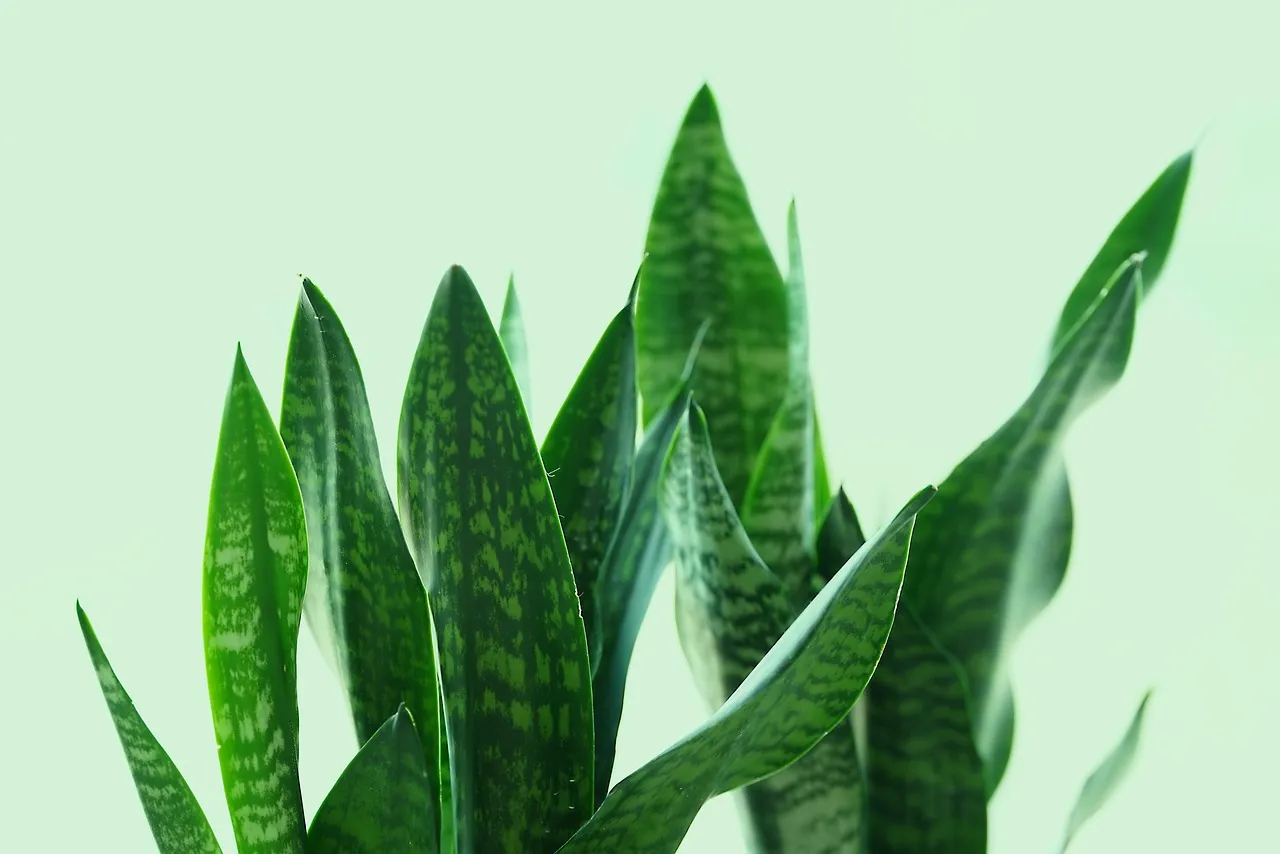
If consistency, reliability, and steadfastness are your strengths, you might align with the snake plant. Known for surviving droughts and thriving on rare care, yet constantly giving back, the snake plant mirrors those who silently care for others while expecting little in return.
If you’re a fan of the snake plant, celebrated for its upright, sturdy leaves and low-maintenance care, your personality is that of someone who values reliability and groundedness. You don’t need applause to keep showing up. You just do.
Low-maintenance greenery such as succulents and snake plants tend to align with people who prioritize self-care and emotional steadiness. Snake plant owners tend to be the ones holding things together behind the scenes, the kind of person everyone calls in a quiet emergency.
The Pothos: The Adaptable Optimist
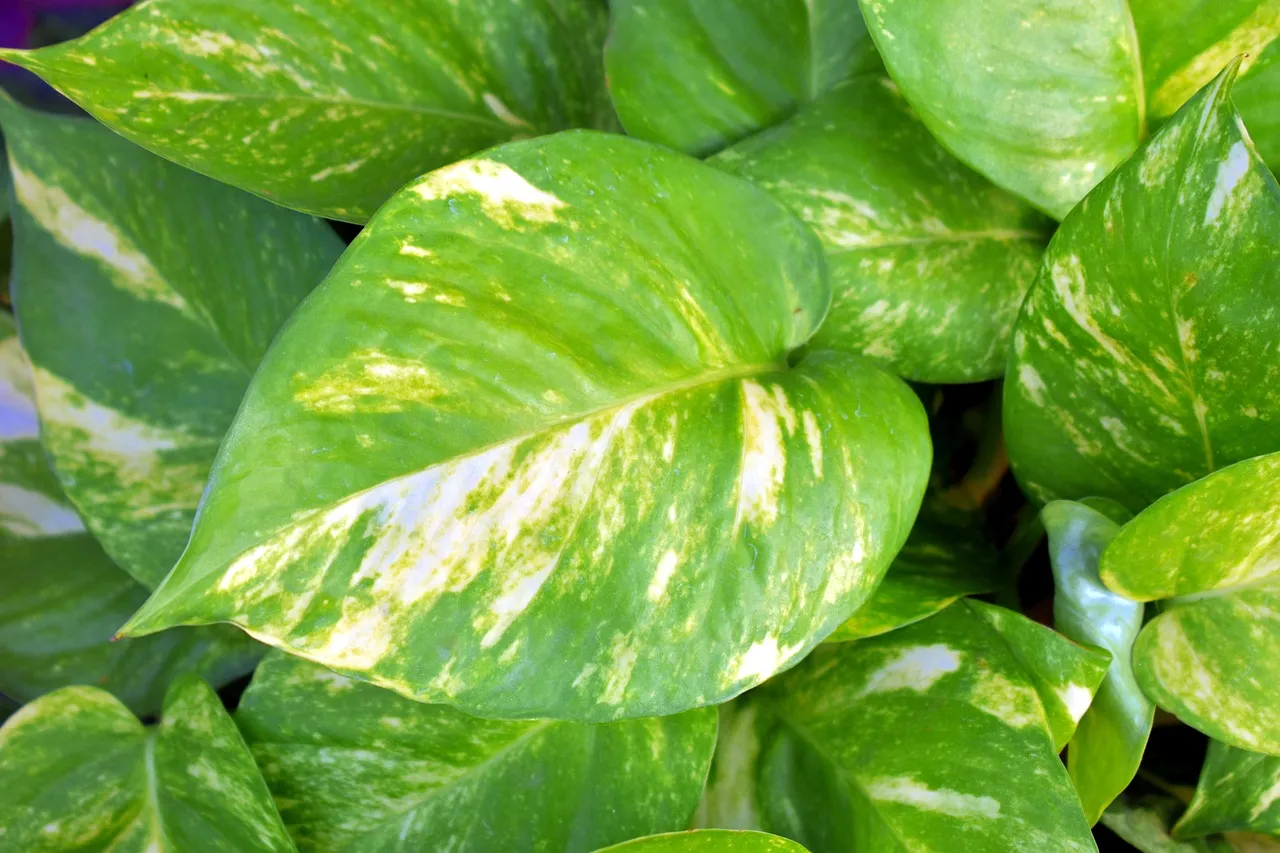
Pothos represents abundance and adaptability, thriving in a wide range of conditions with very little fuss. It’s a plant that genuinely doesn’t ask much of you, and neither do the people who tend to love it.
The Golden Pothos can take a beating and keep on thriving. It’s a great simple houseplant for the person on the go, a busy student, or someone new to houseplants. Pothos people are typically resilient, go-with-the-flow types who adapt quickly to new environments and rarely carry grudges.
Known for their trailing vines and easygoing nature, pothos plants are perfect for those who move through life with flexibility and warmth. Their energy is low-drama, deeply social, and surprisingly tenacious.
The Monstera: Bold, Social, and Unapologetically Big
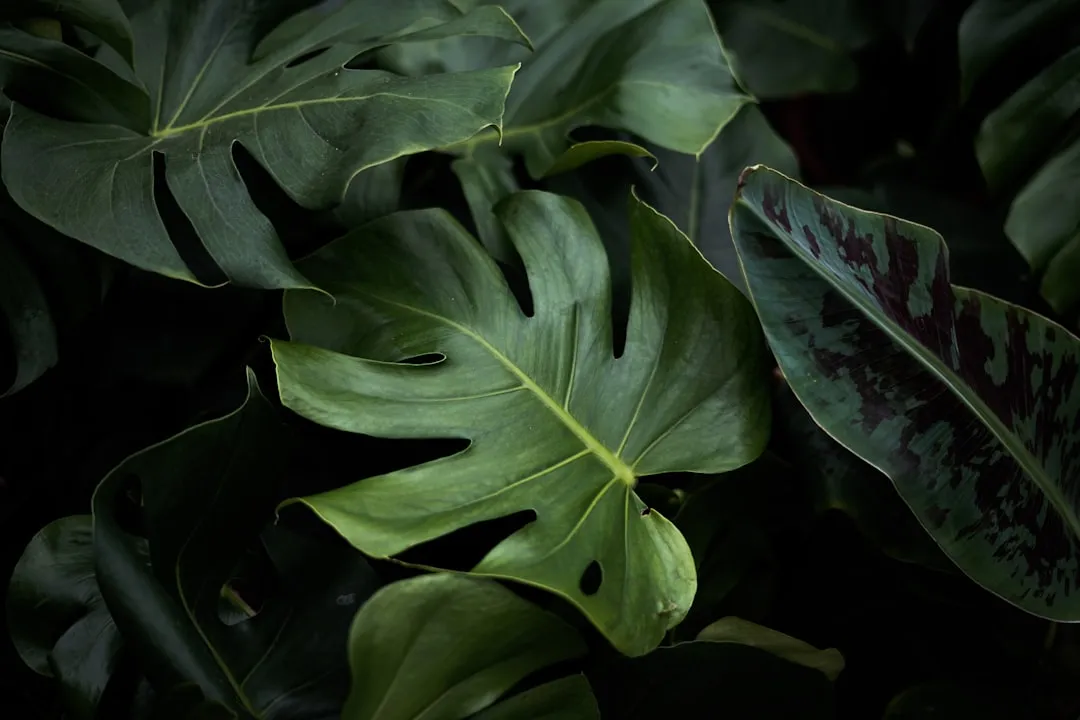
If your go-to plant is the monstera, with its dramatic, fenestrated leaves, you might be someone who gravitates toward bold experiences and tends to pursue new adventures. Monstera lovers often reflect the plant’s flair by embracing creativity and asserting independence, approaching challenges as opportunities for growth with a preference for standing out in unique, vibrant ways.
Monstera owners rarely enjoy feeling boxed in, and neither does their plant. These beauties grow outwards, upwards, sideways, and essentially wherever they please, developing those iconic splits and oversized leaves as they mature. It has adventurous energy in plant form.
People who scored highly in extraversion owned the highest number of houseplants on average, at around 6.8 plants. Monstera collectors often fall squarely into that extroverted, experience-hungry category, always looking for the next thing to grow into.
The Fiddle Leaf Fig: The Perfectionist With Taste
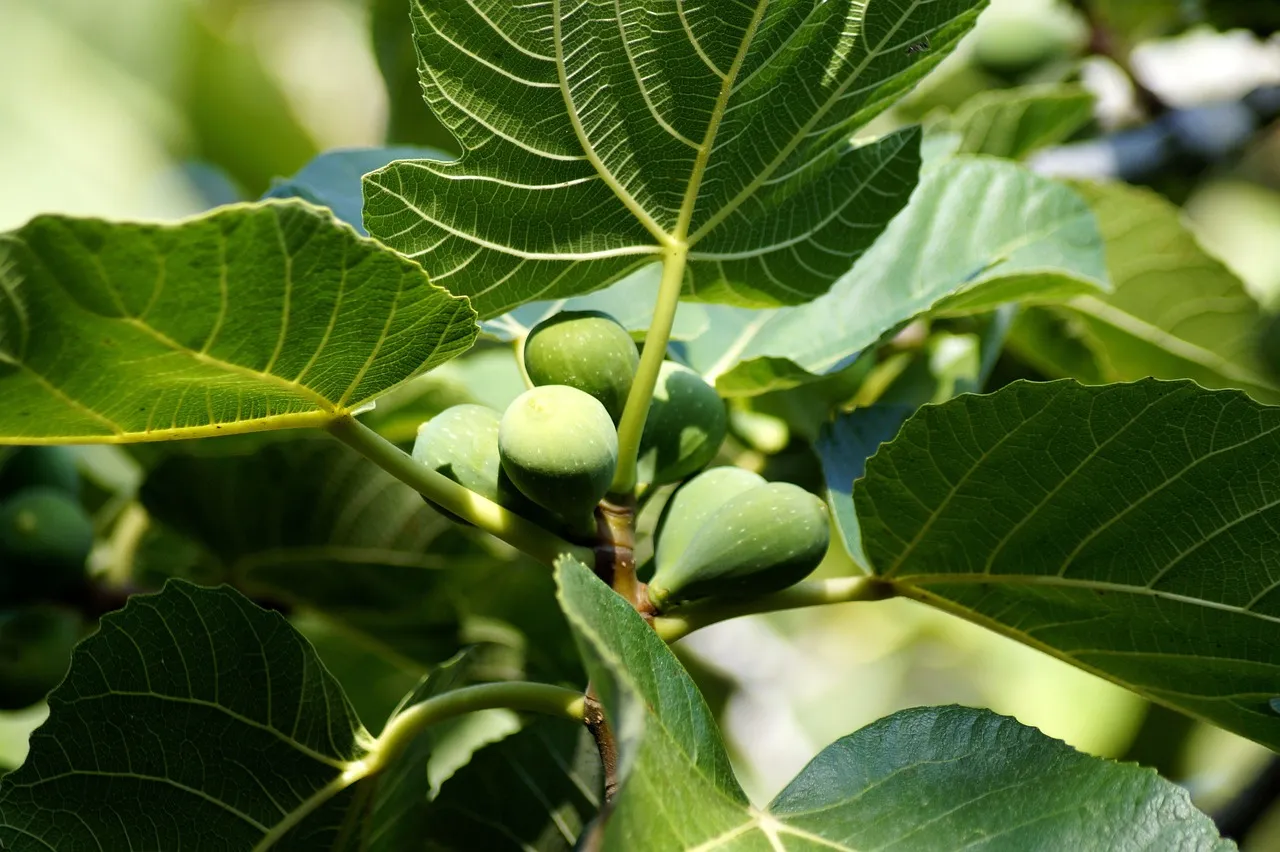
If your favourite plant is the fiddle leaf fig, you might be someone who appreciates elegance and style. Known for its large, glossy leaves, the fiddle leaf fig requires a bit of attention but rewards you with bold beauty. People who love this plant are often perfectionists, with a keen eye for detail, who enjoy surrounding themselves with things that are aesthetically pleasing.
If you want the satisfaction of succeeding where many others have failed, look no further than the infamous Fiddle Leaf Fig. It’s the champion of being fussy, particular, and punishing, and has frustrated many a houseplant enthusiast. Choosing this plant signals that you don’t shy away from a challenge, even a beautiful, high-maintenance one.
More challenging plants such as fiddle leaf figs can align with people who won’t tolerate anything less than the best. Their personality is sophisticated and calm, valuing quality over quantity, and likely enjoying quiet evenings at home exploring art, reading, or cooking.
The Succulent: Independent, Resourceful, Self-Sufficient
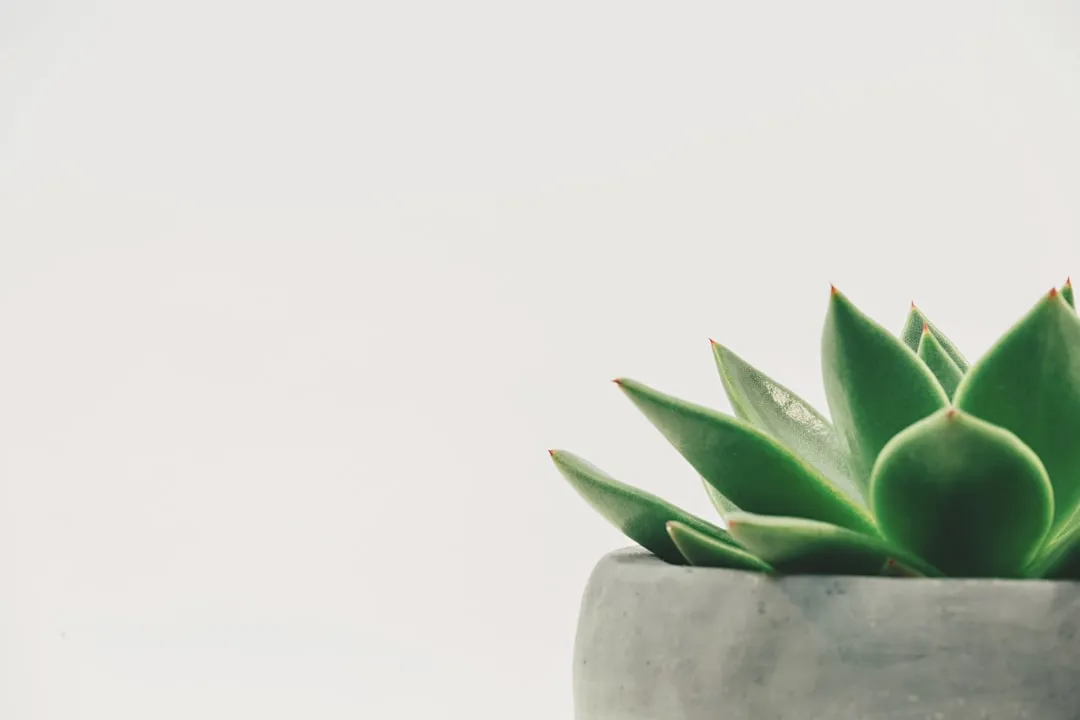
If you’re drawn to succulents, an independent streak and a great deal of inner strength defines your personality. Succulents symbolize perseverance and survival, thriving in tough conditions. Their owners tend to mirror that quietly fierce self-reliance in their own lives.
Creative souls who are adaptable and full of fresh ideas often find that succulents speak their personality best. There’s an inventiveness to succulent collectors, a tendency to find beauty in minimal spaces and make the most of limited resources.
Succulent owners are also frequently the first to experiment with new varieties, unusual pot shapes, or unexpected display arrangements. Researchers found that avid plant parents tend to score much higher on the Big Five trait of openness to experience, the curiosity-and-creativity factor, than people who don’t keep greenery. Succulent lovers fit this profile almost perfectly.
The Cactus: The Introverted Individualist
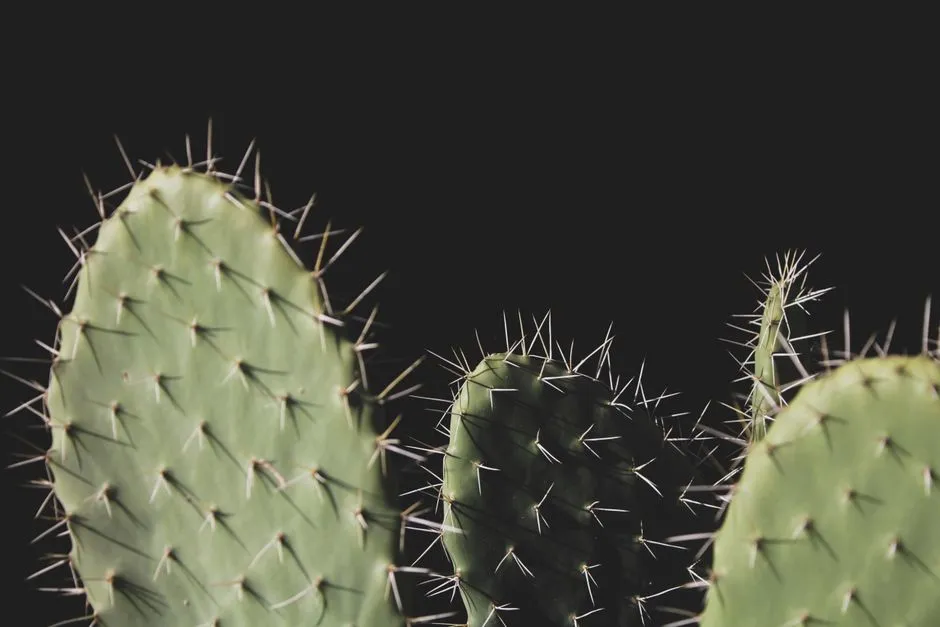
Self-reliance and resilience are the key traits of the cactus owner, much like the cacti themselves, thriving in tough conditions with minimal care. Cactus collectors tend to value personal space and flourish in solitude.
There’s a clear personality type here: someone who doesn’t need constant external input to feel grounded. Cactus people tend to be deliberate and selective about who and what gets their energy. Those who adorn their homes with a variety of cacti are likely independent souls, self-reliant and resilient, and able to flourish in solitude, not unlike the cactus that stands tall in the barren desert.
They’re not cold people. They’re just thoughtful about where they direct their warmth. The cactus, thorns and all, is an honest mirror of a personality that’s tougher on the outside than within.
The Peace Lily: The Harmonizer and Emotional Anchor
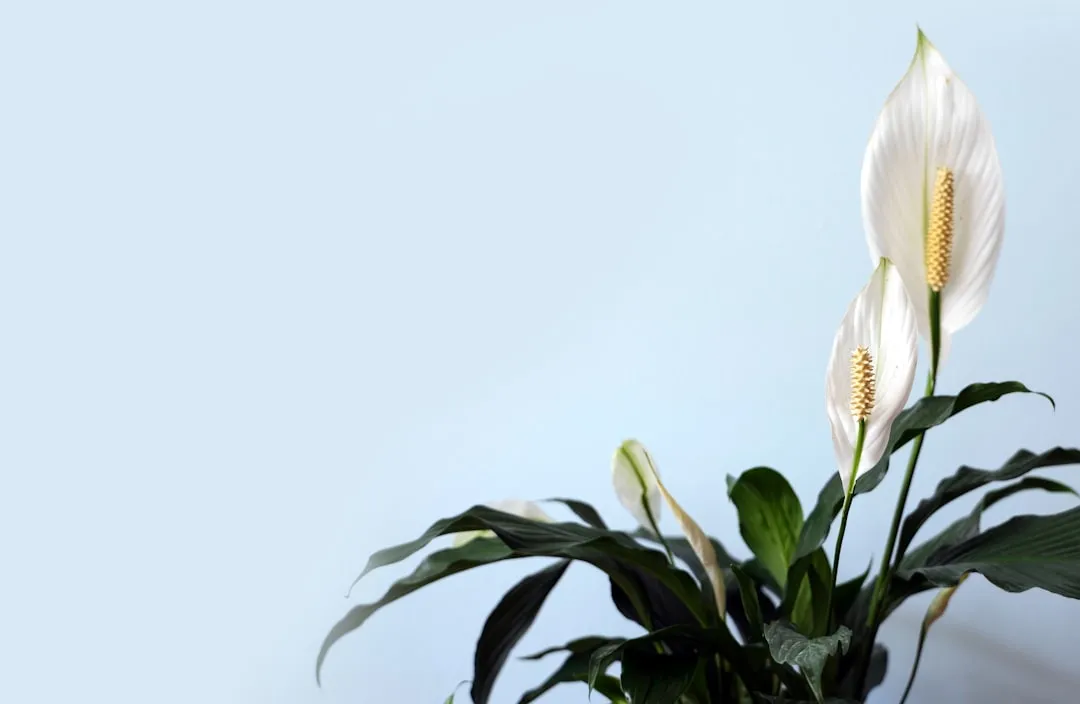
If your houseplant of choice is a peace lily, you’re likely a harmonious peacemaker. Characterized by a calm demeanor and a caring nature, you seek balance and tranquility in your life, a reflection of the peaceful elegance of the peace lily. Known for their stunning white blooms, these plants symbolize peace and tranquility.
Peace lily owners tend to be the emotional center of their social circles. They notice when someone is off. They offer support without being asked, and they create environments where others feel genuinely at ease. Research has shown that visual access to indoor plants is linked to reduced emotional stress and anxiety, as well as enhanced general health and subjective wellbeing.
Engaging in horticultural activities and caring for houseplants has been shown to confer a significant reduction in physiological and psychological stress levels, including heart rate and blood pressure. Peace lily owners intuitively understand this, long before the science confirmed it.
The ZZ Plant: The Pragmatist Who Plans Ahead
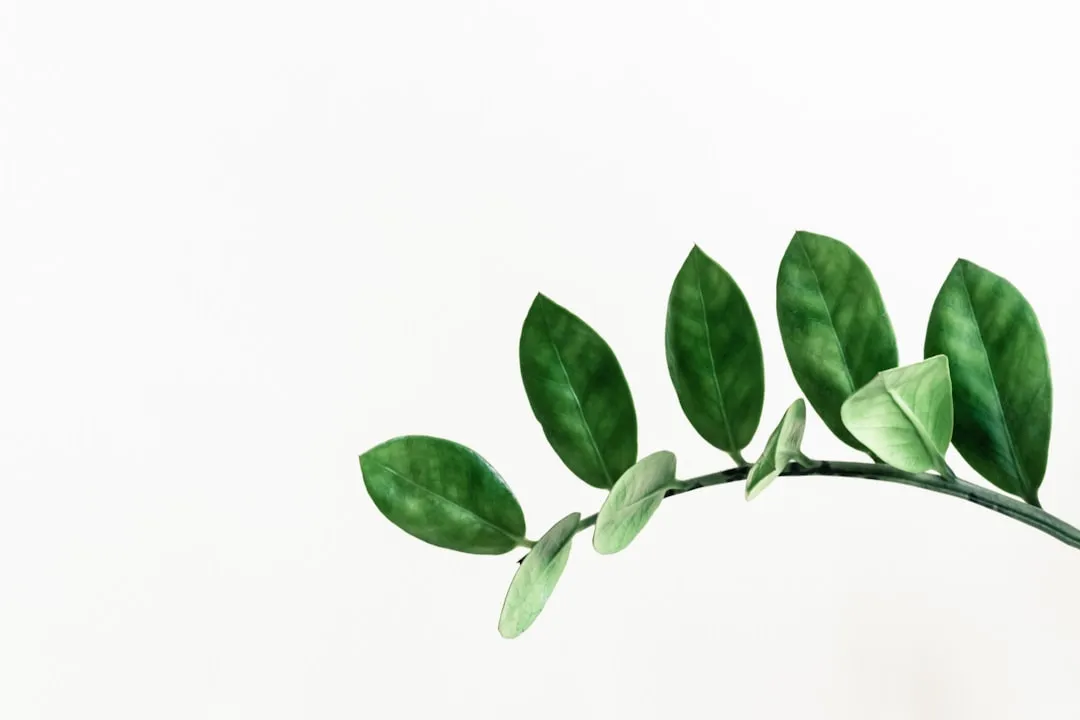
Everyone, even someone with a black thumb, can master the care of the indestructible ZZ plant. It needs little water as it thrives in a dry environment, and it’s used in offices and creative spaces worldwide because it’s so easy to care for and hard to kill.
ZZ plant people tend to be organized, practical, and quietly confident. They’re not drawn to high-drama situations. They prefer to set things up well and then let them run. The Cinch Home Services survey found that people who owned five or more plants were happier and more productive than those with fewer. ZZ collectors, with their preference for efficiency, often build exactly that kind of thriving, low-friction life.
There’s a certain intelligence in choosing a plant that will survive your busiest week without complaint. ZZ plant lovers are planners. They think ahead. They don’t waste energy on things that don’t return value.
The Calathea: The Detail-Oriented Feeler

Calatheas are among the most demanding houseplants you can own. Their leaves fold upward at night and unfurl in the morning, and they’re acutely sensitive to water quality, humidity levels, and indirect light. People who frequently worry about the welfare of their plants are often perfect plant parents for varieties that need extra attention, such as calathea and nerve plant, which don’t enjoy being ignored.
Choosing a calathea signals a deep attentiveness to subtlety. These owners notice the small things: a slightly drooping leaf, a shift in color at the edge of a frond, the difference between under-watering and root rot. That same perceptive quality shows up in how they treat people too. They’re the ones who notice when you seem a little quieter than usual.
Exploring human-nature relationships is an emerging field of research, and further understanding the relationship between people and plants can help unlock the potential for nature to improve human health and wellbeing. Calathea owners often already live this truth intuitively, building careful, tender connections with both their plants and the people around them.
The Jade Plant: The Patient Builder
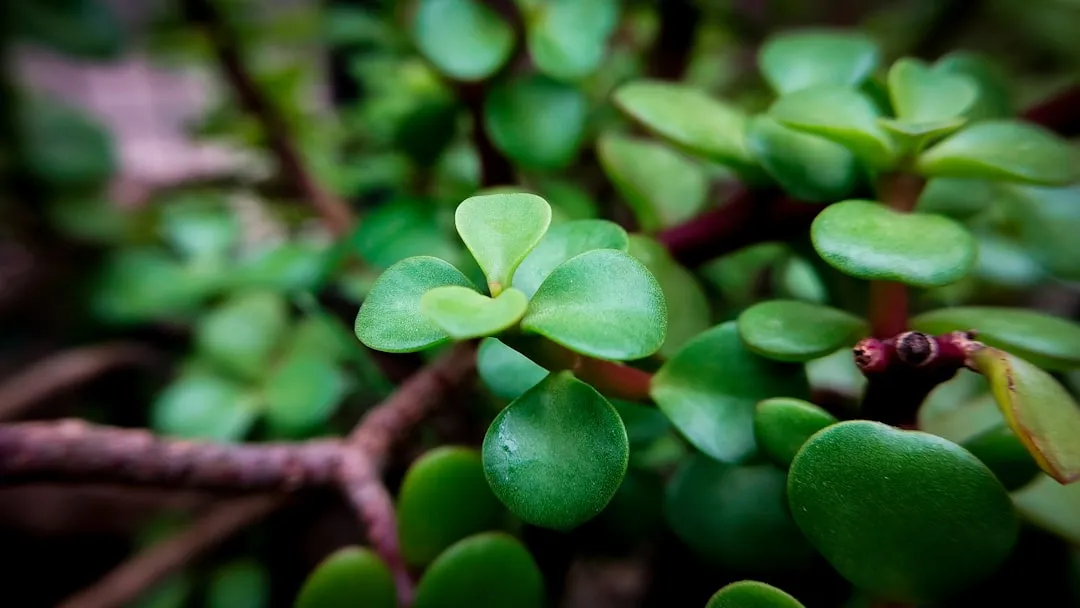
Those with patient, steady energy find the jade plant an ideal match. These plants grow slowly but consistently, building structure year after year without needing constant intervention or dramatic displays. Sound familiar? Jade plant people tend to play the long game in everything they do.
Jade plants are resilient and unfussy, but they need bright light and minimal water to slowly develop their rounded, fleshy leaves over time. They reward quiet reflection and steady ambition with their endurance. Owners of this plant rarely chase quick wins. They build things that last.
The jade plant is one of the most traditional symbols of good fortune and long-term prosperity across multiple cultures. Its owners often share that same orientation toward durability over flash. The National Gardening Association found that American gardeners spent a record amount on lawn and garden goods, with plant parenthood becoming a genuine and growing lifestyle trend. Within that trend, jade plant collectors stand out for their quiet commitment and long view.
What the Research Actually Tells Us
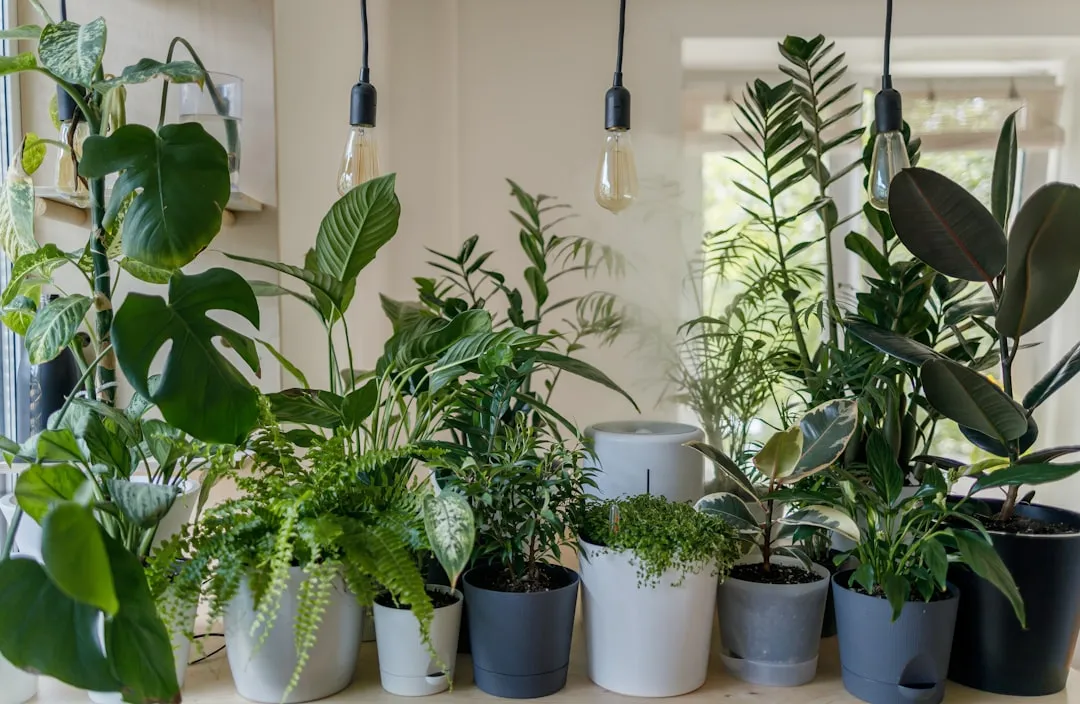
The houseplant-personality connection isn’t purely anecdotal. Cinch Home Services surveyed more than 1,000 plant parents who also took a Big Five Personality test to determine whether personality qualities aligned with particular houseplants, then developed a Plant Personality Quiz based on the results. The patterns that emerged were consistent and measurable.
Researchers found that avid plant parents tend to score much higher on the Big Five trait of openness to experience than people who don’t keep greenery, suggesting their plant collections spring from a natural urge to explore and learn. People reported being happier, more creative, and more content with their jobs when they had five or more houseplants.
The United Nations estimates that roughly more than half of the world’s population currently lives in cities, and as urban residents spend around four-fifths of their lives indoors, they often lack access to outdoor nature, which is known to be beneficial for health and wellbeing. The houseplants we choose, it seems, are filling a real gap, both ecologically and psychologically.
The Takeaway
Your houseplant isn’t just decor. It’s a small, living reflection of your energy, your pace, your tolerance for chaos or calm. Potted plants liven up indoor spaces, reduce stress, and are fun to grow, and sometimes your plants can also reveal traits about you and your personality. The science backs this up, and so does simple observation.
Exploring human-nature relationships is an emerging field of research, and further understanding the relationship between people and plants can help unlock the potential for nature to improve human health and wellbeing. The houseplant zodiac is one small, grounded way to start that conversation.
Whether you’re a peace lily harmonizer or a cactus loner, a pothos optimist or a jade plant strategist, the plant you water every week is quietly telling your story. Pay attention to what it’s saying.
AI Disclaimer: This article was created with the assistance of AI tools and reviewed by a human editor.