

Most families have at least one rule that everybody follows but nobody can fully account for. Don’t sit in that chair. Always knock three times. Never leave the TV on a certain channel at night. These little domestic laws get passed down, enforced with surprising firmness, and accepted without much question. Nobody starts a meeting to discuss them. They simply exist.
What’s curious is that this isn’t a quirk of one particular type of family or culture. It appears to be a near-universal feature of how households work. The science behind it is more interesting than you might expect, and the reasons these rules stick around say something meaningful about how families form identity, manage anxiety, and create a shared sense of home.
How Rules Pass Down Without Anyone Teaching Them
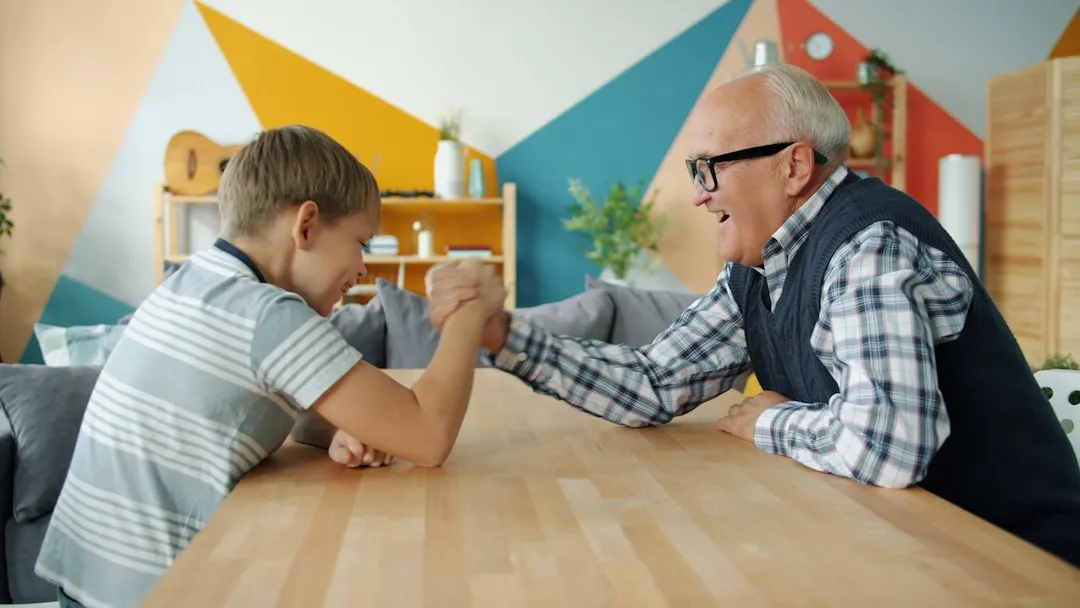
Intergenerational transmission of behaviors refers to the many pathways through which parenting behaviors, attitudes, and expectations are conveyed across family generations. This process includes both genetic influences and non-genetic processes such as observational learning, socialization, and cultural norms. In plain terms, children don’t need to be formally taught a rule to absorb it completely. They simply watch, and eventually they replicate.
Observational learning occurs when individuals acquire behaviors through imitation without explicit instruction. Children and adults observe others performing ritualistic behaviors and adopt these practices almost without realizing it. By the time a grown child moves into their own home, these inherited rules feel like common sense rather than inherited habits.
The Brain’s Pattern Recognition Is Partly Responsible
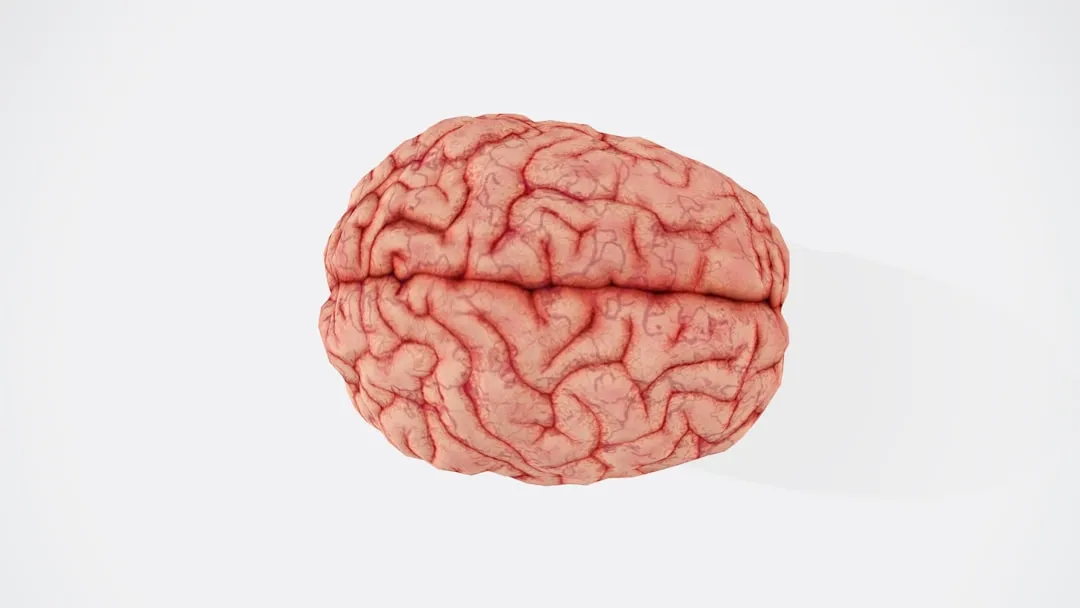
One of the most important reasons superstitions and unexplained rules develop is that the human brain is exceptionally good at recognizing patterns. Pattern recognition is one of our greatest survival tools, as our ancestors needed to identify dangerous animals, changing weather, and signs of approaching threats. That same wiring makes us incredibly prone to connecting unrelated events and treating the connection as real.
When a parent acts cautiously around a particular habit, their child notices, even if nothing is ever said. The behavior registers as significant, worth replicating, and possibly protective. That cognitive bias runs deep, and it persists across centuries of family behavior in every recorded culture.
Why the Original Reason Gets Forgotten
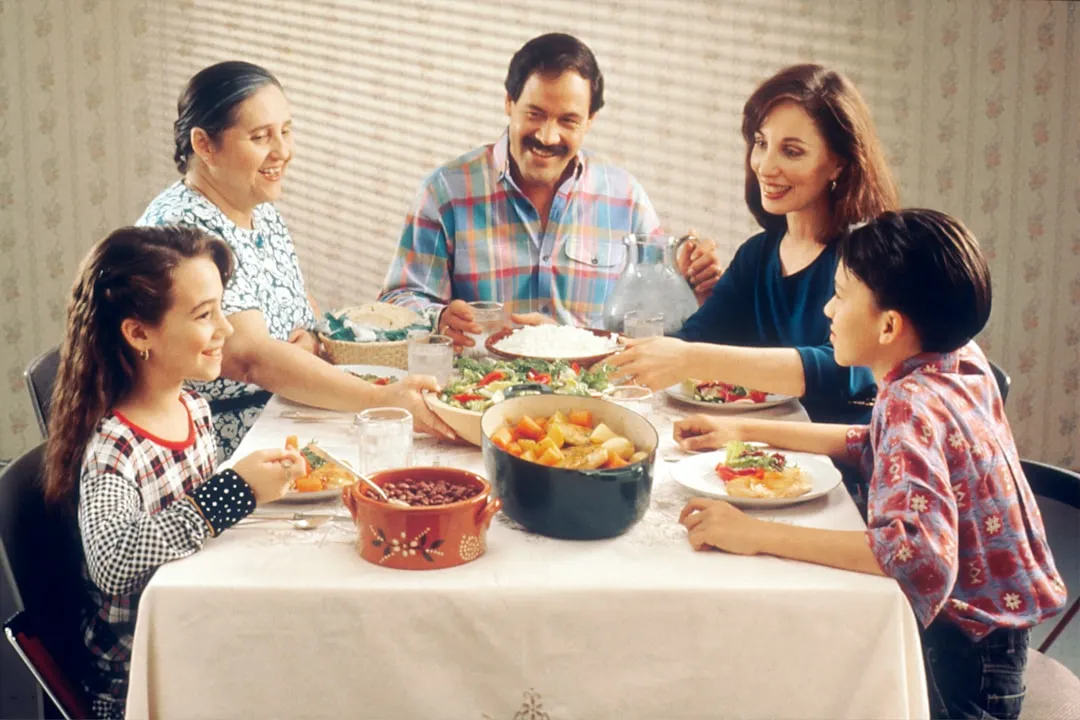
If someone believes a particular ritual or rule helped them succeed, they often tell family members or friends, and these stories become traditions. Over generations, the original reason may disappear while the belief itself survives. This is the cleanest explanation for why so many household rules feel familiar but inexplicable. The rule outlives the story that justified it.
Family traditions are sometimes associated with practices and beliefs handed over from one generation to the next, and during this process of transmission they acquire an aura of spirituality. Transmission of such family traditions is largely an intuitive phenomenon, and the flow continues without any intention, moving from one generation to another. The rule doesn’t need an explanation to survive. It just needs to be repeated.
Superstitions Dressed Up as Common Sense
Superstitions permeate human culture across all societies, from avoiding black cats to carrying lucky charms. These seemingly irrational beliefs persist despite scientific advancement, revealing fundamental aspects of human psychology. Many household rules operate in this same space. They feel like practical wisdom, but scratch the surface and the logic evaporates.
Superstitions and beliefs are seen as an unconscious prejudice that perpetuates as a result of reiteration without comprehension, shaped into a culturally transmitted behavioral habit. Superstitious behavior goes beyond intellectual control. That last part matters: knowing a rule is irrational doesn’t automatically make you drop it. Families feel this every time someone says “I know it’s silly, but…”
Rituals Create Real Psychological Safety

Studies show that rituals can reduce anxiety by providing a sense of control and predictability in uncertain circumstances. This phenomenon is supported by research from Harvard University, which found that individuals who engaged in rituals before stressful tasks performed better and felt more confident. A household rule, even an unexplained one, can quietly serve this same function. It signals structure. It signals continuity.
Despite their irrational foundations, rituals and superstitions can have psychological benefits, and research suggests that engaging in ritualistic behavior, even if it’s based on superstition, can enhance performance and boost confidence. For a child growing up in a household, the comfort of a known rule, whatever its origin, can be genuinely stabilizing.
Children Absorb Rules Long Before They Can Question Them

Direct teaching represents the most straightforward method of transmission. Parents, family members, and cultural institutions explicitly pass down beliefs through verbal instruction and behavioral modeling, including common warnings against walking under ladders, breaking mirrors, or opening umbrellas indoors. These culturally transmitted beliefs become deeply embedded in our belief systems during childhood development.
The critical window is early childhood, when the rules of the household feel indistinguishable from the rules of the universe. A small child doesn’t separate “this is just our family’s way” from “this is how things are.” That merging is precisely why household rules carry such lasting power long into adulthood.
Cultural Background Shapes Which Rules Take Root

No culture is completely free of superstition. In some countries, the number thirteen is considered unlucky. In others, the number four is avoided because its pronunciation resembles the word for death. Some cultures celebrate black cats as symbols of good fortune. Others see them as signs of bad luck. Household rules reflect this wider cultural context before filtering down to the family level.
The specific beliefs vary from place to place, but the psychological processes behind them are remarkably similar. That consistency is striking. Whether a family is from rural Japan, coastal Brazil, or suburban Ohio, the mechanism of unexplained rule transmission appears to be the same. Culture supplies the content; psychology supplies the glue.
The “Unsaid” Rules Are Often the Strongest

Storytelling is the birthplace of intergenerational learning, and the creation of family identity is strongly tied to each family’s stories. When a rule is never written down and never fully verbalized, it often carries more weight, not less. Its unspoken quality gives it a kind of sacred status within the household.
Sometimes unsaid family rules are unhelpful. That honest observation from family researchers cuts both ways. Some inherited rules protect and comfort. Others quietly limit people for decades before anyone thinks to question them. The difficulty is that both kinds feel equally “normal” from the inside.
Shared Environment Reinforces the Cycle

The shared environment of parents and children affects the characteristics and behavior of both. This shared environment involves the broader family and home context, such as socioeconomic factors, household chaos, and cultural factors. Living in the same neighborhood and in the same family house may constitute factors stimulating intergenerational continuity.
This explains why you can ask three siblings from the same family about a particular household rule and all three will confirm it’s real, none will agree on where it came from, and all three will probably still follow it. The shared physical and emotional environment reinforces behaviors that no one chose deliberately.
Breaking the Rule Feels Surprisingly Uncomfortable

Research in developmental psychology suggests that we gain three areas of knowledge as children that help us make sense of the world: intuitive knowledge about physics, psychology, and biology. As adults we can still confuse these categories, for example by giving inanimate objects thoughts and feelings. Superstitions seem to be based on early intuitions we make about the world, linked more to intuitive than analytical thinking.
When someone knowingly breaks a family rule, even a trivial one, they often report a small but distinct sense of discomfort. That feeling isn’t superstition exactly. It’s the friction between a learned pattern and a conscious departure from it. The fact that the rule has no logical basis does almost nothing to reduce the feeling. That gap between knowing and feeling is where these household rules live.
The Takeaway

Household rules with unknown origins aren’t really mysteries. They’re footprints left by people who came before us, shaped by anxiety, comfort, culture, and the deep human need for predictability. Intergenerational transmission has been reported for multiple characteristics, including personality, lifestyle factors, and relational processes, as well as quality of parenting. The unexplained household rule sits comfortably in that same category.
The more interesting question isn’t where a particular rule came from. It’s what it tells you about the people who first made it, and what it reveals about the family that still keeps it alive without quite knowing why. Sometimes the most human thing about us isn’t the rules we set on purpose. It’s the ones we inherit without ever asking.
AI Disclaimer: This article was created with the assistance of AI tools and reviewed by a human editor.