
There’s a quiet tension in most households: some items get tossed the moment they look a little tired, while others quietly accumulate bacteria long past their expiry. It turns out the real problem often runs in both directions. Some items genuinely need more frequent attention than most people realize, while others get swapped out before they’ve outlived their usefulness, costing money and generating unnecessary waste.
Cleaning professionals and hygiene researchers have spent years mapping the gap between what people actually do and what the evidence recommends. The results are, in many cases, surprisingly counter to conventional wisdom. Here is a gallery-style look at ten common household items, what the experts actually say, and where people tend to get it wrong.
1. The Kitchen Sponge
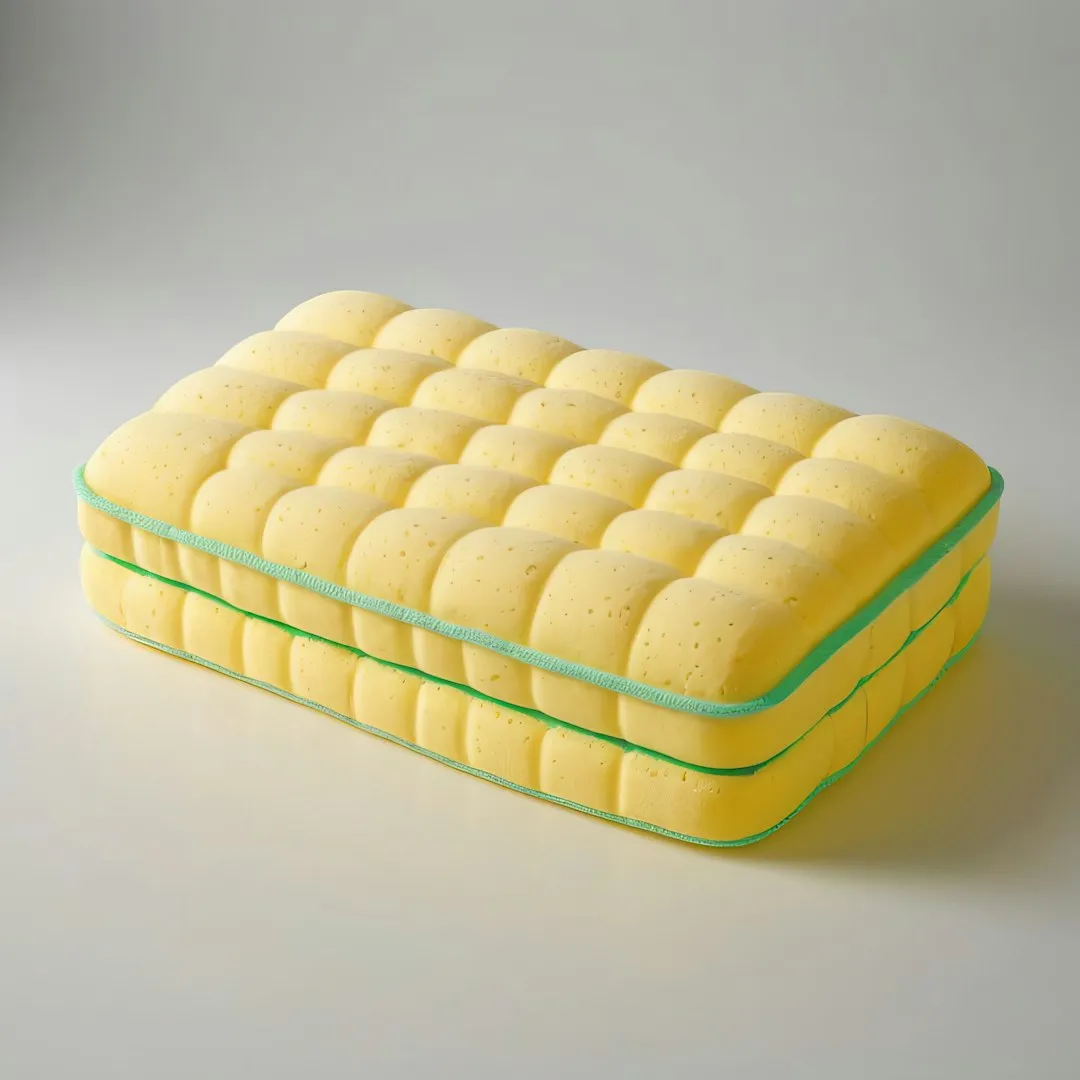
The kitchen sponge has a complicated reputation. Most people hang onto it until it falls apart or smells distinctly unpleasant, which turns out to be the right instinct for timing but the wrong standard of hygiene. Researchers in Italy found that dish sponges were the “most contaminated item in the household” and serve as an “ideal habitat” for microorganisms and foodborne pathogens.
The kitchen sponge is the germiest place in the home, according to a 2011 study from the National Sanitation Foundation. When researchers had people in 22 households swab 30 different surfaces in their homes, they found that 77 percent of dish sponges or rags had coliform bacteria, a family that includes salmonella and E. coli. By comparison, only five percent of toilet seats had coliform.
There are no hard and fast rules as to when exactly to replace a kitchen sponge, but most experts generally recommend replacing them after a couple of weeks. The more useful guidance is this: if it starts to smell or feel slimy, toss it immediately, as it’s already harboring too much bacteria. Regular microwaving or dishwasher runs can meaningfully extend a sponge’s safe lifespan between replacements.
2. Wooden Cutting Boards
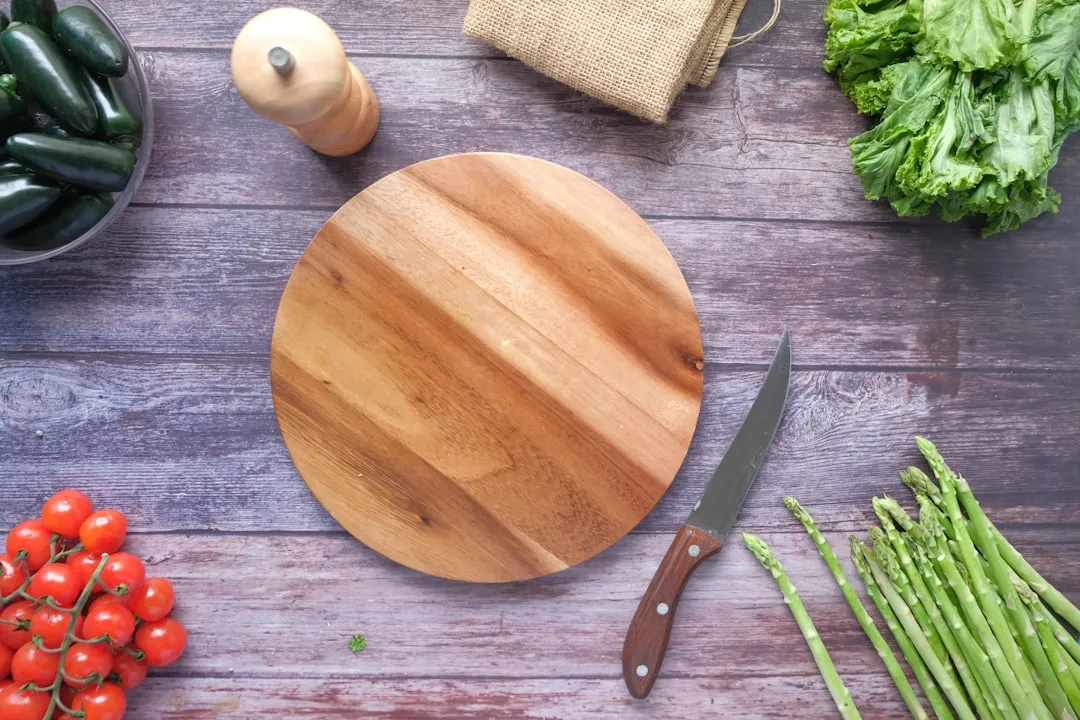
Plastic cutting boards often get replaced far too aggressively, while wooden ones sometimes get kept well beyond their functional life. The real variable is maintenance, not the material itself. Knife grooves in cutting boards can trap bacteria and contaminate food. Wooden cutting boards should be oiled and sanitized regularly and replaced only if they become cracked.
You don’t need to replace solid wood cutting boards too often if you care for them properly. Regular oiling with food-grade mineral oil helps prevent cracking and warping, keeping your board in good shape.
Wood boards naturally resist bacteria better than plastic, so they can last longer with the right maintenance. Avoid harsh cleaners or soaking them in water, as this can damage the wood over time. If your board starts to crack, warp, or retain deep cuts, that’s the sign to replace it. Otherwise, with gentle care, you can enjoy a wooden cutting board for years.
3. Bed Pillows
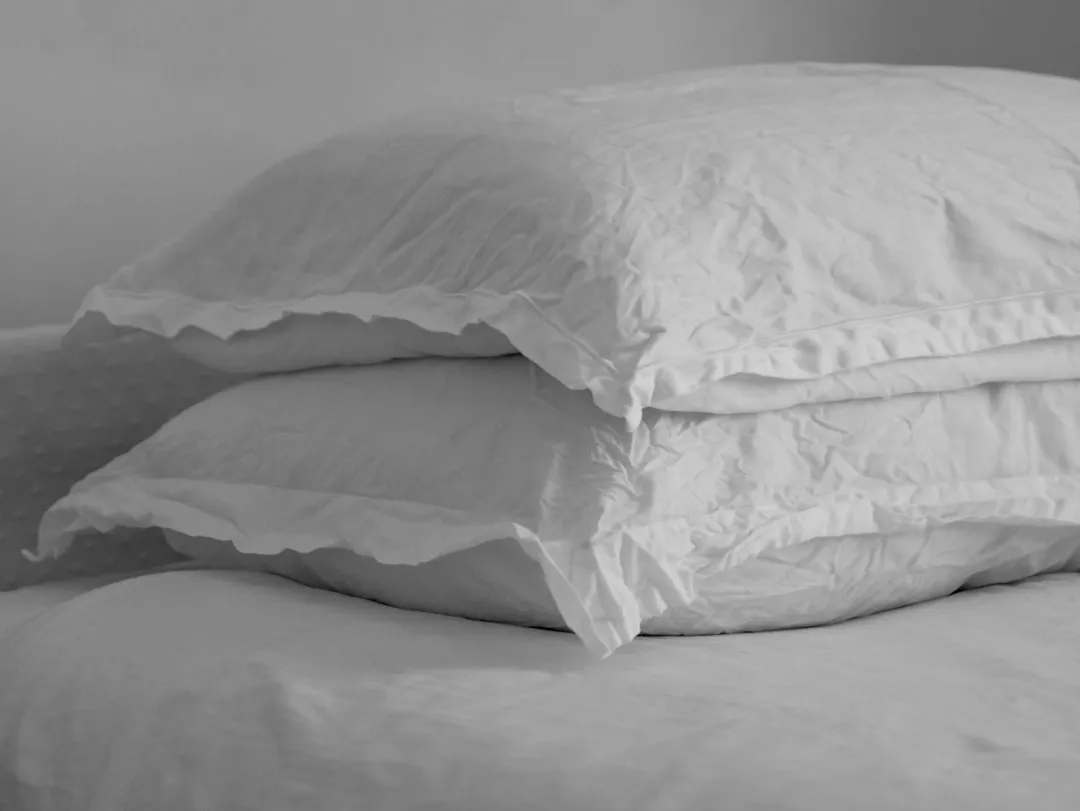
Most people either replace their pillows far too rarely or panic-buy new ones after reading one alarming headline. The truth sits somewhere in the middle. Most pillows should be replaced every one to two years. Over time, they accumulate dust mites, skin cells, body oils, and lose structural support.
Memory foam pillows don’t need to be replaced as often as other types. With proper care, they can last up to three years or more. Memory foam holds its shape well, so you’ll notice when it starts to lose support or becomes lumpy, and that’s the right time to get a new one.
There’s actually a simple, practical test for knowing when to act. Try folding your pillow in half. If it doesn’t spring back, it’s clearly past its prime and time to go. Pillow protectors, washed monthly, can meaningfully extend the life of whatever pillow you have.
4. Kitchen Dish Towels
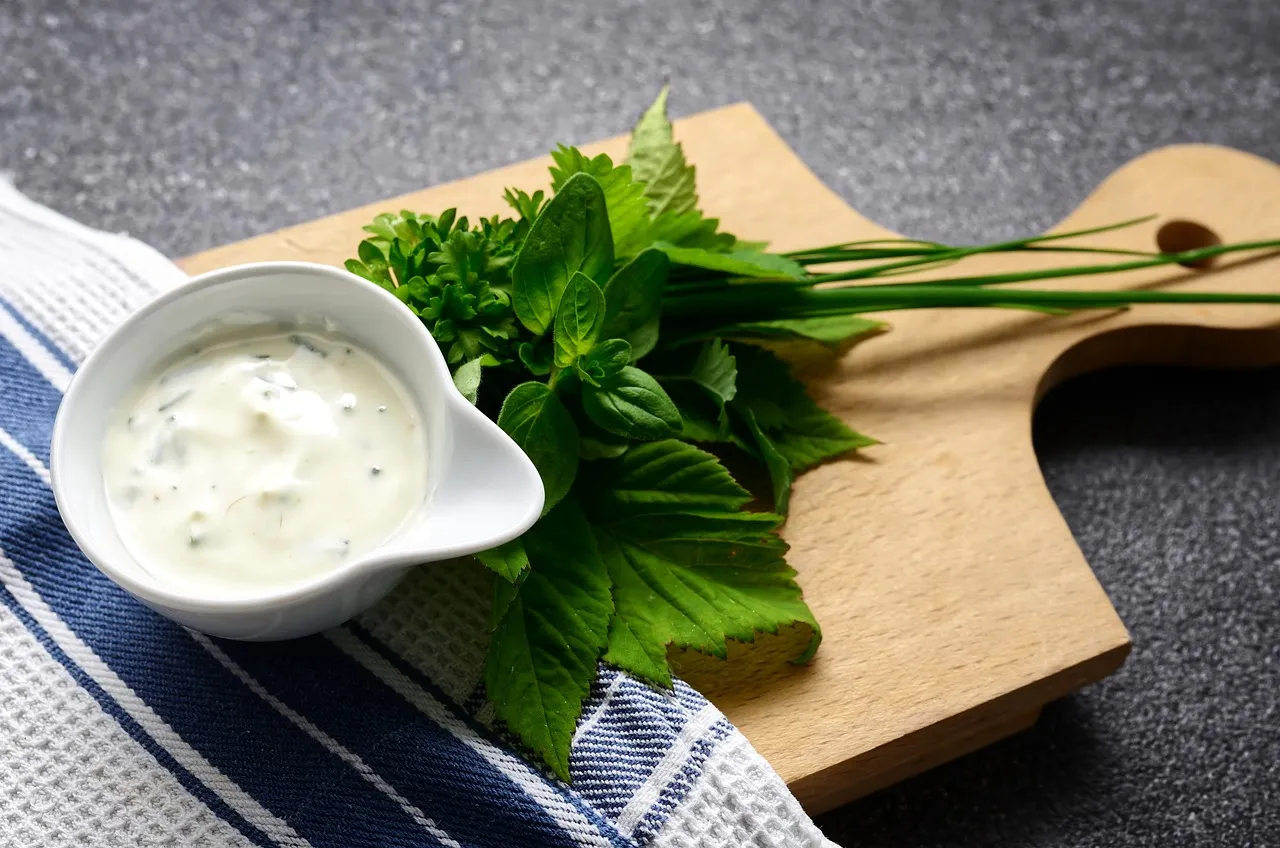
Dish towels are one of the most frequently mismanaged items in any kitchen. They get used for everything from wiping hands to mopping up raw meat drippings, then left damp on the counter, which is essentially an ideal environment for bacterial growth. Kitchen towels and dishcloths are a common kitchen item used every day that can harbor bacteria and odors, and many cleaning experts recommend replacing them in the rotation at least once a week to avoid spreading harmful germs throughout the kitchen.
If you’re using dish towels for light tasks like drying your hands, they can last a couple of days between washes. If they’re used to wipe up spills or juices from raw meat, they should go straight into the laundry and be washed in hot water.
You don’t need to replace cotton kitchen towels as often as you might think. With regular washing, they can last for years without losing their usefulness. The key distinction here is washing frequency, not outright replacement. A well-maintained cotton towel, swapped into the laundry every few days, is genuinely reusable for years.
5. Plastic Food Containers
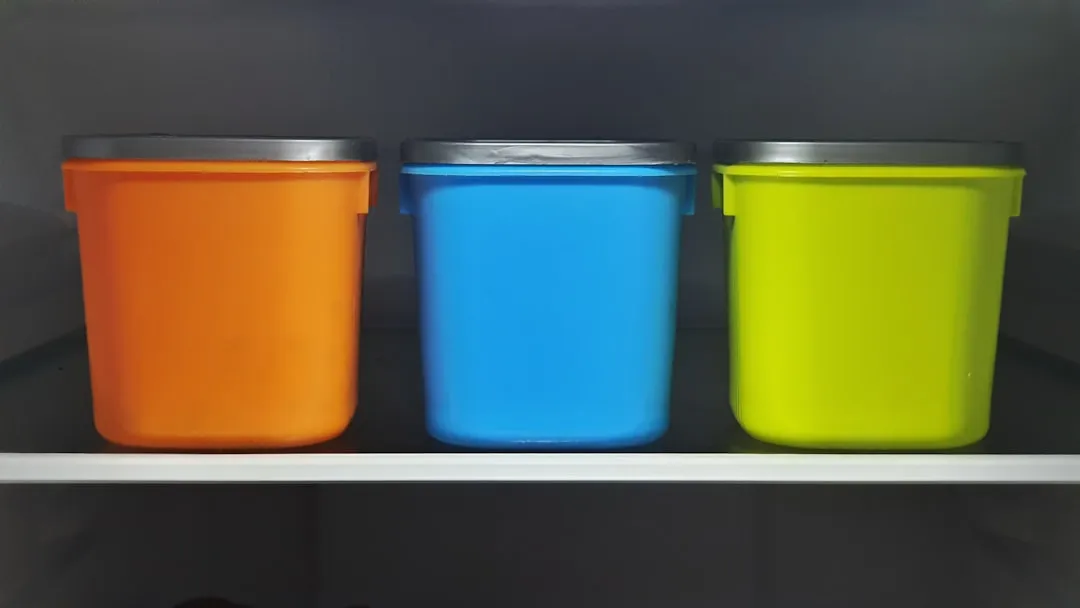
Plastic containers are a kitchen staple, and most people keep them until the lids crack or the plastic turns an ominous shade of orange. The hygiene concern isn’t always visible, though. Plastic containers pick up stains and smells that never quite wash out, while cutting boards collect knife grooves that make them harder to sanitize.
Scratched and degraded plastic surfaces are harder to clean thoroughly, which means bacteria can establish themselves in ways that ordinary dish-washing won’t address. Switching to stainless steel alternatives reduces this risk considerably. Unlike plastic, stainless steel is less likely to harbor germs because it doesn’t scratch easily, making it a cleaner and healthier choice over time.
The practical guidance from cleaning professionals is to watch for visible staining, warping, or persistent odors as the actual replacement triggers, not an arbitrary calendar date. If a container still seals properly, shows no deep scratching, and washes clean without retaining odors, it’s still earning its place in the cupboard.
6. The Loofah and Bath Pouf
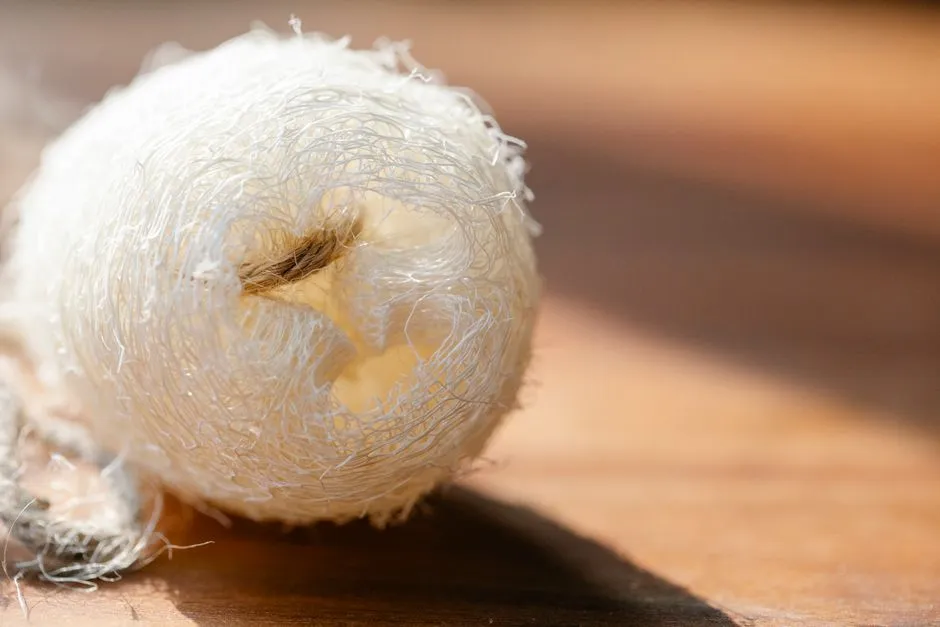
This is one of the clearest cases where people dramatically under-replace, rather than over-replace. A loofah sitting in a warm, damp shower is genuinely one of the most bacteria-friendly objects in the home. Even with thorough rinsing and complete drying between uses, loofahs can harbor mold and other bacteria and should be replaced every three to four weeks.
Most people stretch a bath pouf for months, sometimes well beyond six. That timeline is far outside what hygiene experts consider safe for an item used directly on skin. The warm, enclosed shower environment accelerates microbial growth in ways that a quick rinse simply cannot counter.
Natural loofahs and synthetic mesh poufs both follow roughly the same replacement schedule when used daily. Hanging the loofah outside the shower stream to fully dry between uses can help slow bacterial growth, but it doesn’t change the fundamental replacement timeline. Three to four weeks is the ceiling, not a suggestion.
7. The Toothbrush
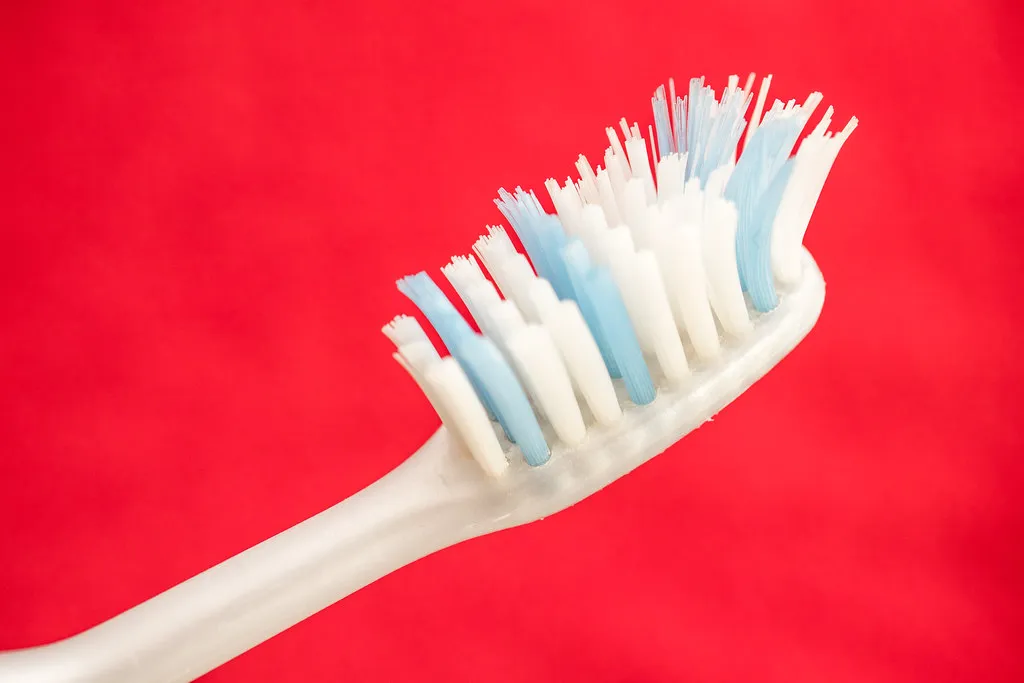
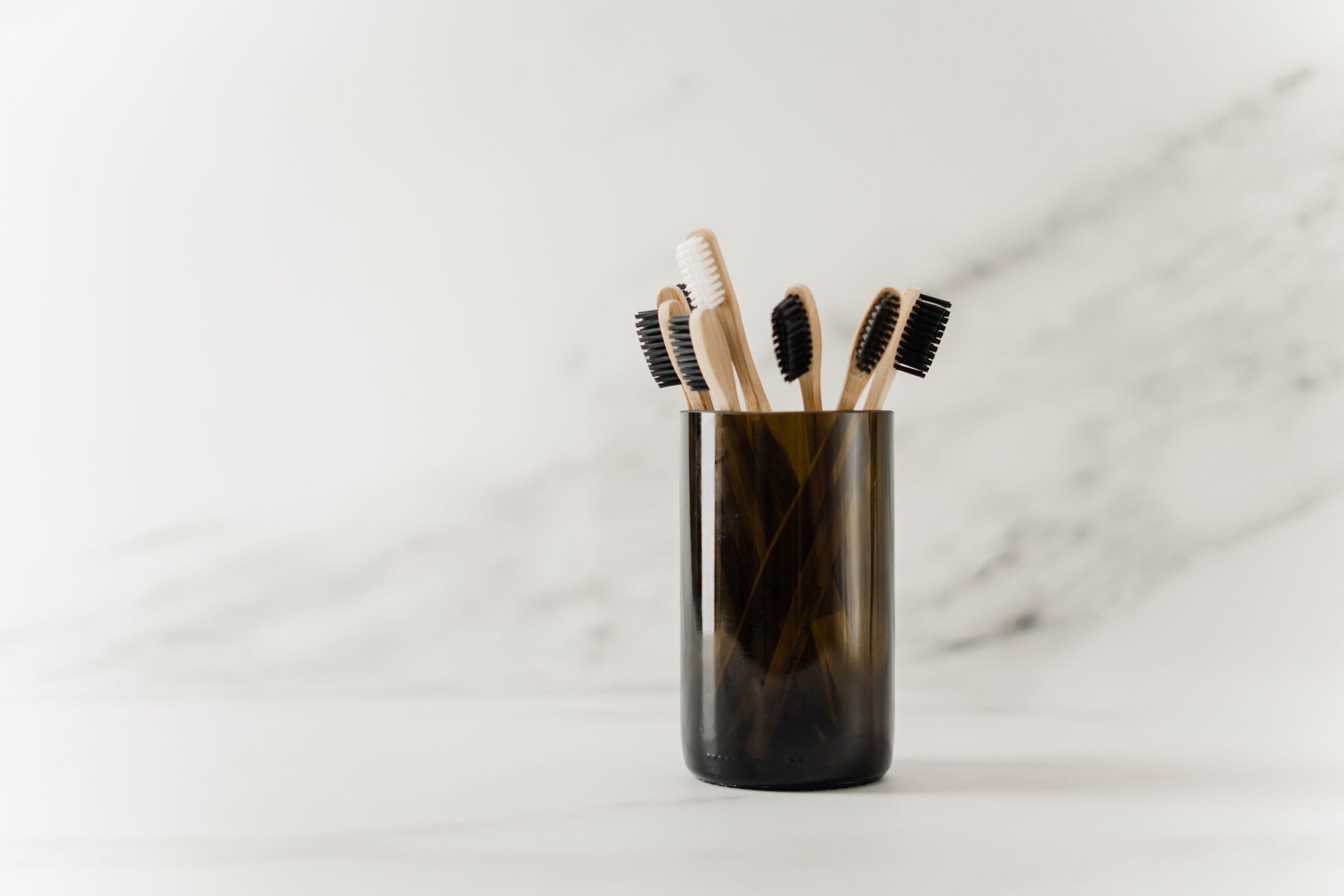
Toothbrushes are one of the most consistently misunderstood items in the home when it comes to replacement timing. Some people swap them out every few weeks out of habit or after illness. Others keep the same brush until the bristles splay in multiple directions. Neither approach matches what the evidence actually supports. Old and worn toothbrushes fray, lose cleaning power, and collect bacteria. Replacing your brush every three months, or sooner if the bristles fray, is the widely recommended standard.
The three-month mark isn’t arbitrary. Frayed bristles lose their ability to reach between teeth and along the gum line, which is exactly where oral hygiene matters most. The cleaning value diminishes well before most people notice the physical wear.
Replacing after a significant illness is also sensible, but it’s not a substitute for the regular three-month rotation. Electric toothbrush heads follow the same schedule as manual brushes. A survey of American consumers found that the majority aren’t replacing bacteria-prone items like toothbrushes often enough.
8. Bath Mats
The bath mat sits on the floor of a bathroom, stays damp after every shower, and collects skin cells with every step. It’s one of the more overlooked hygiene items in most homes, and replacement cycles vary wildly from household to household. Bath mats sit in a damp environment and collect skin cells, so replacing them every one to two years, and washing them frequently, reduces mold and bacteria exposure.
Bath mats should be washed every one to two weeks and replaced with new ones on an annual basis. Most people replace them far less frequently than that, often only when the mat is visibly degraded, discolored, or stops lying flat.
The washing schedule matters more than the replacement schedule for most well-made mats. A bath mat that gets laundered regularly on a weekly or biweekly cycle can realistically last a year or longer without becoming a hygiene concern. What tends to go wrong is skipping the washing, not extending the lifespan of a clean one.
9. Water Filters

Household water filters are frequently either changed compulsively, sometimes monthly regardless of actual usage, or forgotten entirely for a year or more. Both extremes miss the practical guidance. Cleaning professionals generally recommend changing water filters approximately every two to six months.
How long household items will last depends on factors such as how well-suited each item is for the way you use it and how well you maintain it. For example, a filter used in a high-consumption household will reach its capacity faster than one in a low-usage home.
The most sensible approach is to follow the manufacturer’s specific guidance for the model and water volume used, rather than a generic timeline. Filters that are kept too long stop removing contaminants effectively, while filters changed prematurely represent wasted money and unnecessary material waste. Neither extreme is necessary if the replacement schedule is matched to actual household usage.
10. Makeup Brushes
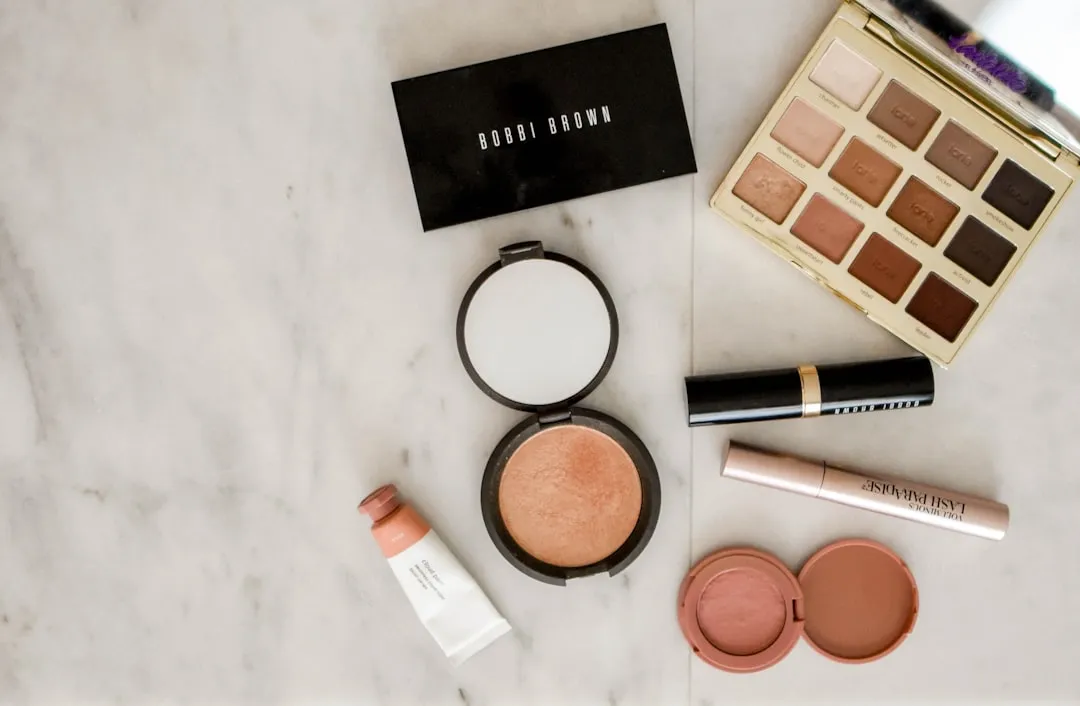
Makeup brushes often get either ignored entirely or replaced far more frequently than the evidence requires. The real issue isn’t replacement frequency so much as cleaning frequency, which most people dramatically underestimate. Makeup brushes are used full of bacteria directly on faces, near eye openings and other infection-prone areas. Experts recommend replacing makeup brushes every three months, and makeup sponges should be replaced even sooner.
The three-month brush replacement guidance assumes the brushes are being cleaned in between, roughly once a week for brushes used daily. A brush that is cleaned regularly can realistically reach that three-month mark without posing a significant hygiene concern. One that is never washed poses a real risk much sooner.
Makeup sponges, by contrast, degrade faster and are harder to clean thoroughly. Their softer, more porous texture holds onto product and bacteria in ways that a weekly wash cannot fully address. Expired products can lose effectiveness and cause skin irritation. Look for specific details about a product’s shelf life on the packaging. As a guideline, mascaras should be tossed after three to six months and liquid eyeliner after three months.
The Takeaway
The pattern across all ten of these items is actually fairly consistent. The items that get replaced too aggressively tend to be the ones where proper maintenance, cleaning, and care would have extended their useful life considerably. The ones that don’t get replaced enough are usually the items that look fine on the surface while quietly accumulating bacteria in ways that aren’t visible.
There are compelling reasons to swap out certain things on the regular. Staying on schedule with fresh filters can help prevent exorbitant repairs, while tossing an aging bed pillow can save you from neck pain and allergies. The calculus is worth getting right in both directions.
Cleaning well and replacing strategically are not competing goals. Most household items will tell you when they’re genuinely done, whether through persistent odor, structural failure, or visible degradation. Trusting those signals, rather than a rigid calendar or a vague feeling of guilt, is usually the more practical and sustainable approach.
AI Disclaimer: This article was created with the assistance of AI tools and reviewed by a human editor.