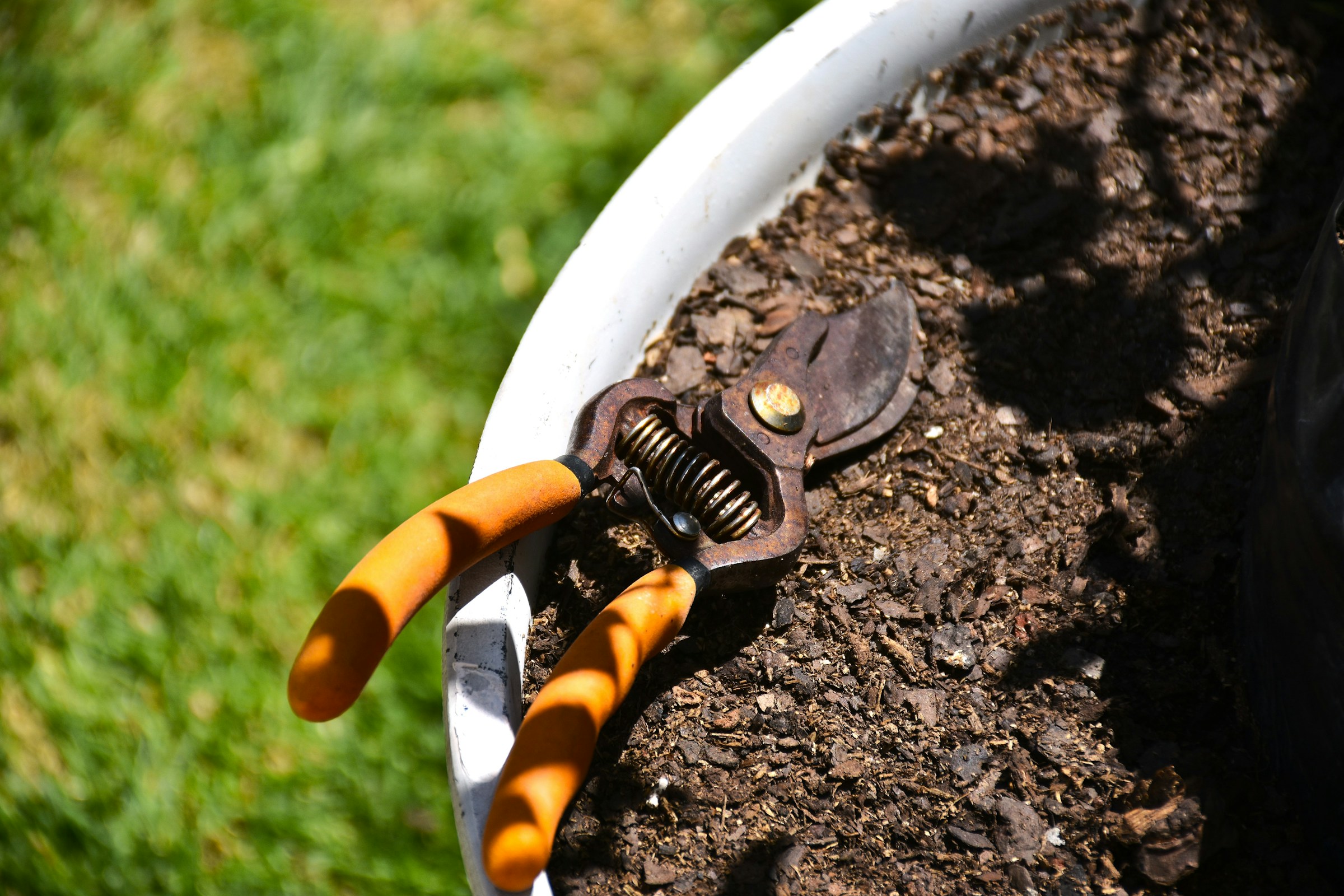

Most gardeners have a go-to routine for cleaning up after a long afternoon in the dirt. Hose off the shovel, wipe down the pruners, maybe reach for whatever cleaning spray happens to be under the sink. It seems harmless enough, until you notice orange spots creeping across a blade that was spotless just weeks earlier, and start wondering what actually went wrong.
The Cleaner Everyone Reaches For Without Thinking
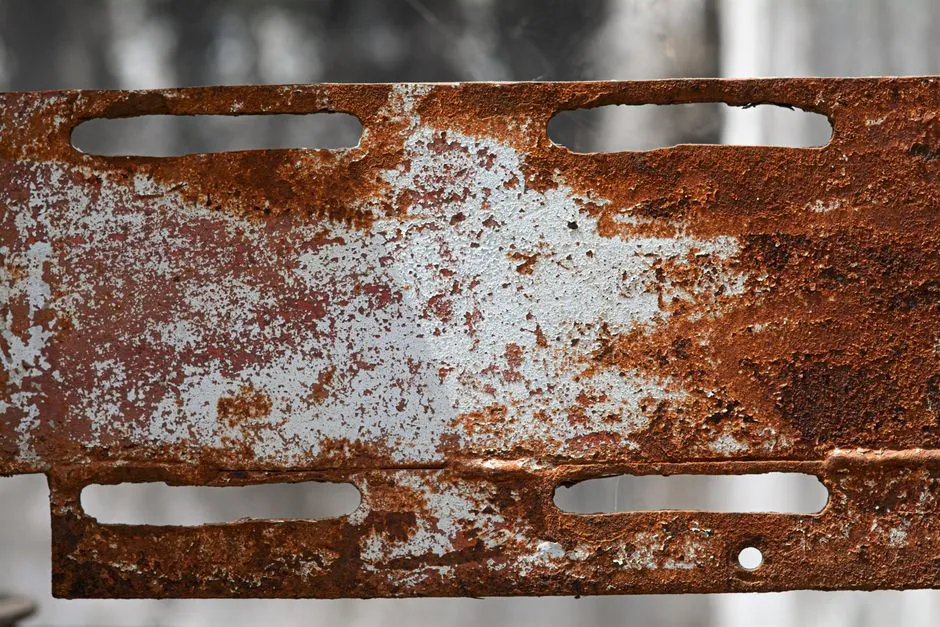
Bleach sits in nearly every household cabinet, and it has a reputation as the ultimate disinfectant and stain remover. People assume that if it can whiten laundry and sanitize a kitchen counter, it must be tough enough to handle a little garden grime too. You might be surprised to learn that bleach, a common household cleaner, could be the culprit behind mysterious rust spots on metal fixtures after a thorough cleaning session. The instinct to grab bleach for tool maintenance feels logical on the surface, which is exactly why so many people fall into this trap without realizing it.
Why This Mistake Feels So Reasonable
Bleach kills bacteria, breaks down organic residue, and leaves surfaces looking clean, so it seems like a natural fit for tools covered in soil, sap, and plant matter. The problem is that gardening tools are almost always made of iron or steel, materials that behave very differently under bleach than glass, tile, or plastic do.
Bleach is primarily composed of sodium hypochlorite, a strong oxidizer that can cause significant damage to various metals, leading to corrosion, rust, or discoloration, and for iron and steel specifically, it accelerates the rusting process. In other words, the very reaction that makes bleach effective at disinfecting is the same reaction that eats away at metal.
The Chemistry That Turns a Cleaner Into a Corrosive
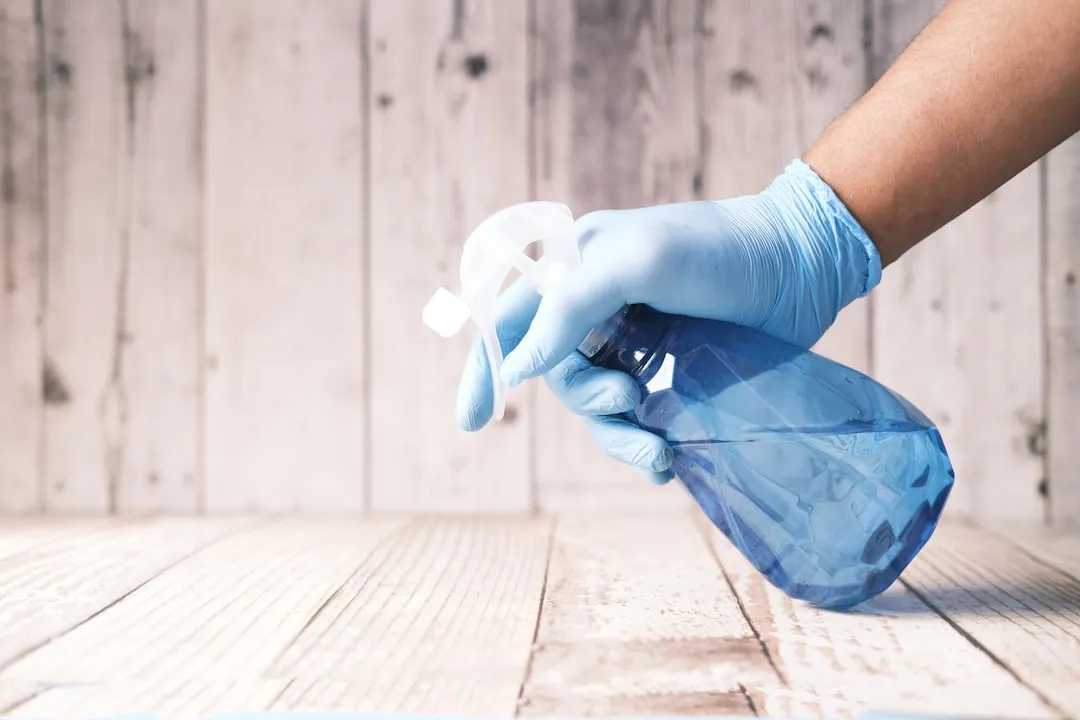
Rust itself is a simple process at its core. When rust appears on metal tools or appliances, it is never a welcome sight, since moisture and oxygen combine with iron to create rust, leading to those reddish-orange spots.
Bleach speeds this natural process up dramatically instead of slowing it down. Iron reacts with sodium hypochlorite to form iron oxide, or rust, particularly in the presence of moisture, and this oxidation process weakens the metal structure, leading to corrosion, rust, and degradation. So a tool that might have taken a season or two to develop surface rust naturally can start showing damage in a matter of days once bleach gets involved.
Chloride Ions: The Real Troublemaker in the Bottle
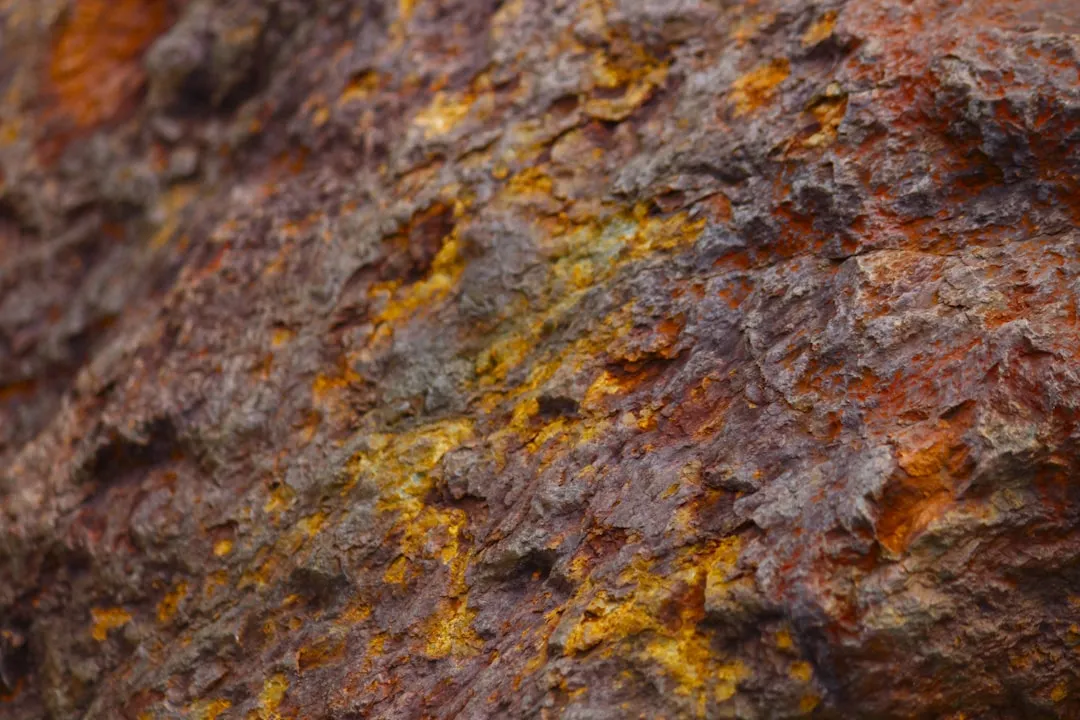
The specific ingredient doing most of the damage is chloride, which comes from the sodium hypochlorite in bleach. Research on ferrous metals backs this up clearly. Chloride ions, minor in radius, may be adsorbed or penetrate easily through the passive film even the oxide layer, thus damaging their integrity and accelerating the electrochemical reactions afterward.
A peer-reviewed study on ductile iron and carbon steel found that chloride ions influenced the characteristics and compositions of rust layers by diverting and participating in corrosion reactions. That means chloride does not just sit on the surface, it actually changes how the rust forms and how deeply it sets in.
What Happens the Moment Bleach Touches Iron or Steel
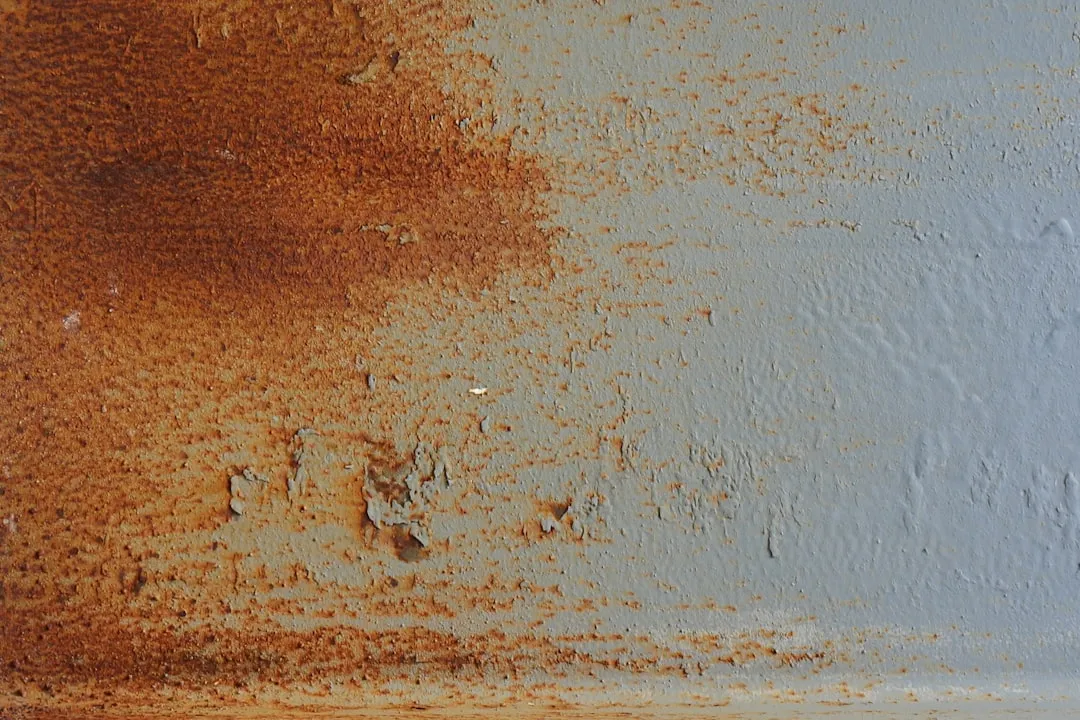
The reaction is not gradual in the way ordinary weather-related rust is. Applying bleach to metal will speed up oxidation, which is the issue that caused rust spots in the first place, since bleach contains sodium hypochlorite, an oxidizing agent. This is exactly why professional cleaning guidance treats bleach as an active threat to metal rather than a neutral cleaner.
Cleaning experts advise against using chlorine bleach or any cleaning products containing chlorine bleach to try to remove rust or to clean tools, warning that doing so risks ruining the metal. For a hand trowel or a pair of loppers, that risk turns into pitting, weak spots, and a shortened lifespan.
Stainless Tools Are Not as Protected as People Assume
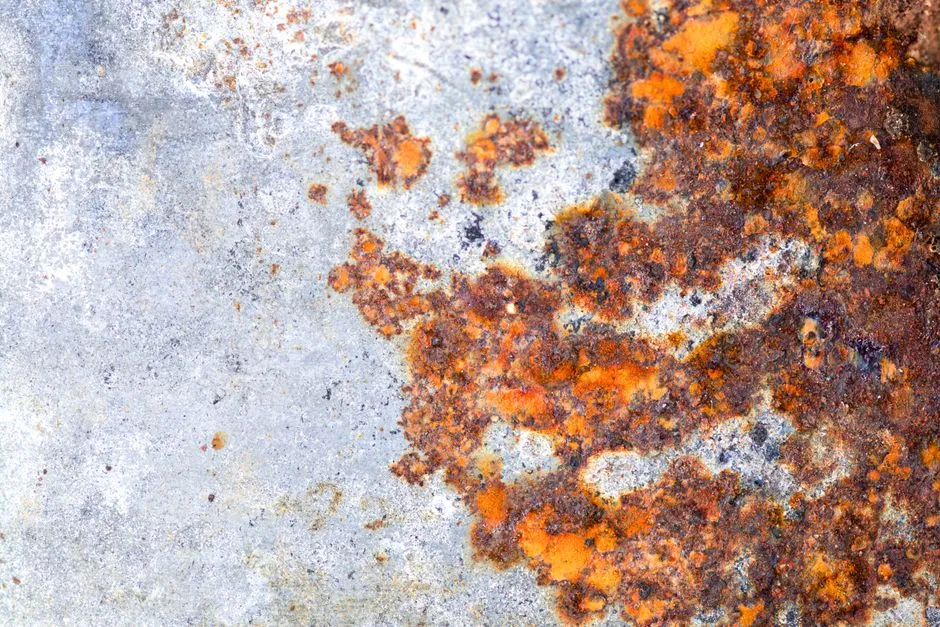
Some gardeners think that upgrading to stainless steel tools solves the bleach problem entirely, but that is not quite true. Bleach contains chlorine compounds that break down the protective chromium oxide layer on stainless steel, and once this passive layer is compromised, the surface becomes vulnerable to rust, pitting, and discoloration that can be difficult to fix.
A closer look at the mechanism explains why. Chloride ions in bleach play a critical role in the corrosion of stainless steel by destabilizing its protective chromium oxide layer through electrochemical reactions. Even a metal marketed as rust-resistant needs its protective layer intact, and bleach chips away at that layer every time it makes contact.
How Quickly the Damage Can Actually Show Up
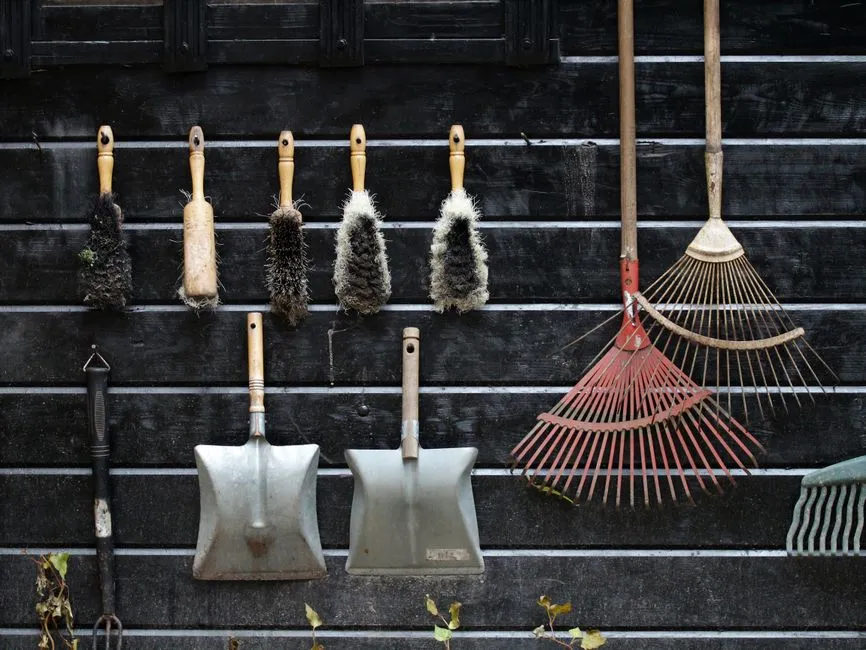
One reason this mistake catches people off guard is the speed of the reaction. Short-term exposure of just four to eleven days can lead to visible staining and localized pitting on stainless steel. With plain carbon steel garden tools, which lack any chromium oxide layer to begin with, the timeline can be even shorter, especially if the tool is left damp after cleaning.
Anecdotal reports from tradespeople echo this pattern outside the lab too, describing screwdrivers and metal implements that developed heavy rust after unexpected contact with chlorine-based products stored nearby, sometimes within days rather than weeks.
Bleach Is Not the Only Cleaner Worth Watching

Bleach gets most of the attention, but it is not the sole offender lurking in a typical cleaning cabinet. Ammonia hydroxide is a common ingredient in household cleaners because it breaks down grease and grime and evaporates quickly, and it shows up in window and glass cleaners, all-purpose cleaners, oven cleaners, and toilet bowl cleaners.
Ammonia is generally considered gentler toward metal than bleach, though heavier concentrations found in oven cleaners and degreasers can still be harsh on softer metals and painted tool finishes over repeated use. The bigger practical danger is mixing cleaners carelessly, since combining ammonia with bleach creates a separate hazard entirely, so tool cleaning routines are one more reason to keep those two chemicals apart.
What to Reach for Instead When Cleaning Tools
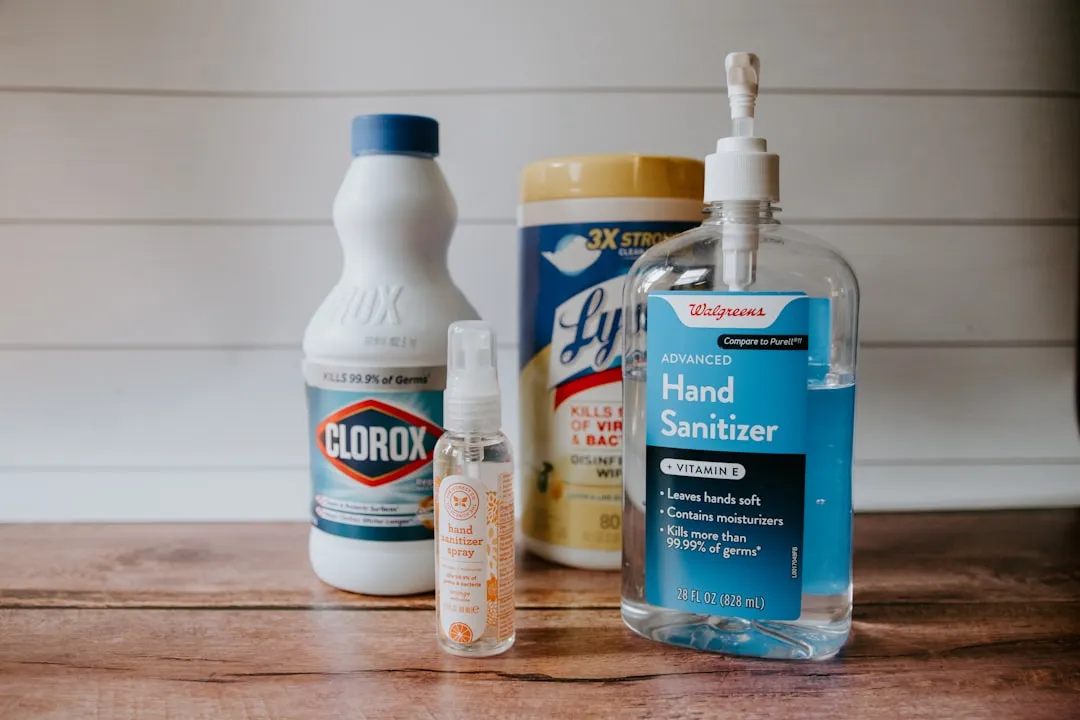
The good news is that effective, tool-safe cleaning does not require anything harsh. Gardening experts recommend cleaning tools well after each use with a rag or brush, water, and dish soap or a general household cleaner like Pine-Sol. For rust that has already formed, the recommended approach is to hose the tool down with water to remove any lingering rust flakes, dry it thoroughly, and apply a thin coat of multi-purpose oil before storing.
Baking soda mixed into a paste works as a mild abrasive for scrubbing, white vinegar cleans brass and copper without the harshness of bleach, and hydrogen peroxide serves as a gentler disinfectant for stainless steel. None of these alternatives carry the chloride risk that makes bleach so damaging to metal over time.
Building a Rust-Prevention Habit That Actually Works
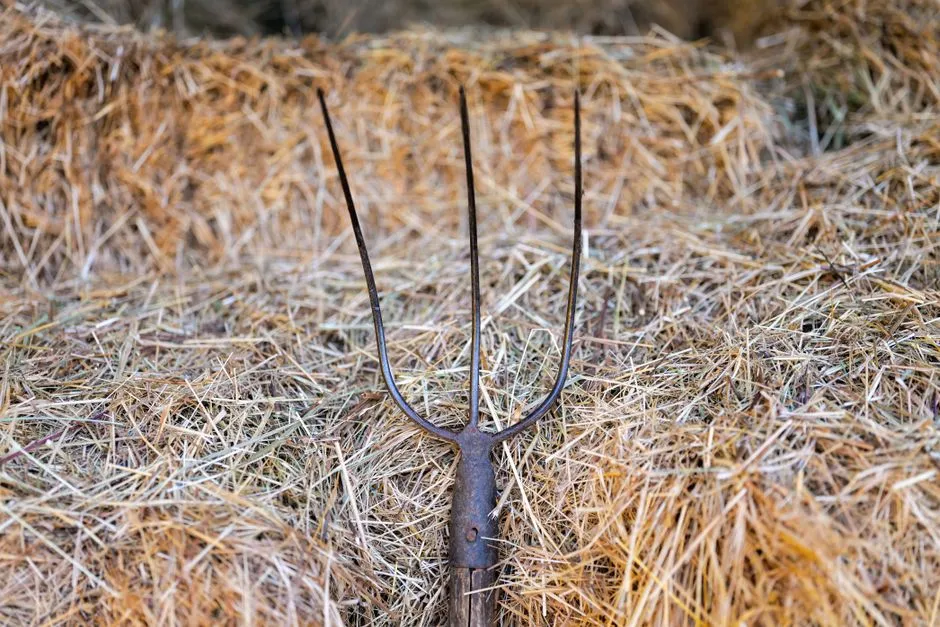
Avoiding the wrong cleaner is only half the battle, since moisture and storage habits matter just as much. Cleaning tools thoroughly after a day working in the garden is crucial, because leaving dirt and plant residue on tools can trap moisture, which is a primary catalyst for rust formation. After each use and cleaning, applying a thin layer of multi-use oil on the metal parts creates a barrier against moisture and air, significantly reducing the risk of rust.
Storage location plays a role too, since a damp shed corner undoes the benefit of even careful cleaning. Building these small habits into a regular routine costs a few extra minutes but adds years of usable life to tools that would otherwise need replacing far too soon.
A Simple Takeaway Worth Remembering
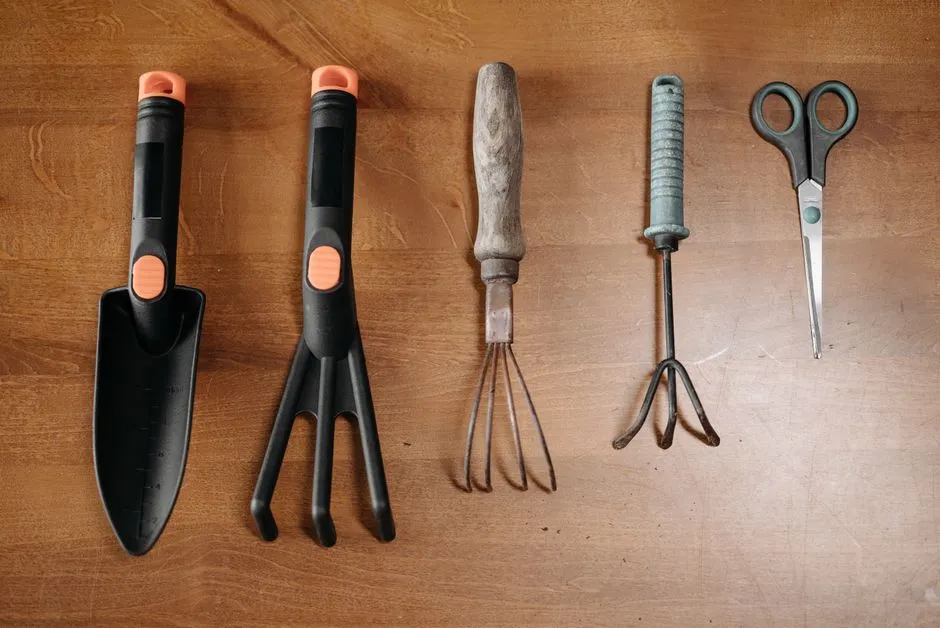
The instinct to reach for a strong household cleaner on a dirty tool makes sense on paper, but garden tools do not need disinfecting the way a kitchen counter does. They need moisture removed, grime wiped away, and a light protective coating applied afterward. Skipping the bleach bottle in favor of dish soap, vinegar, or plain water and oil is a small change that keeps decades-old tools working the way they were designed to.
AI Disclaimer: This article was created with the assistance of AI tools and reviewed by a human editor.