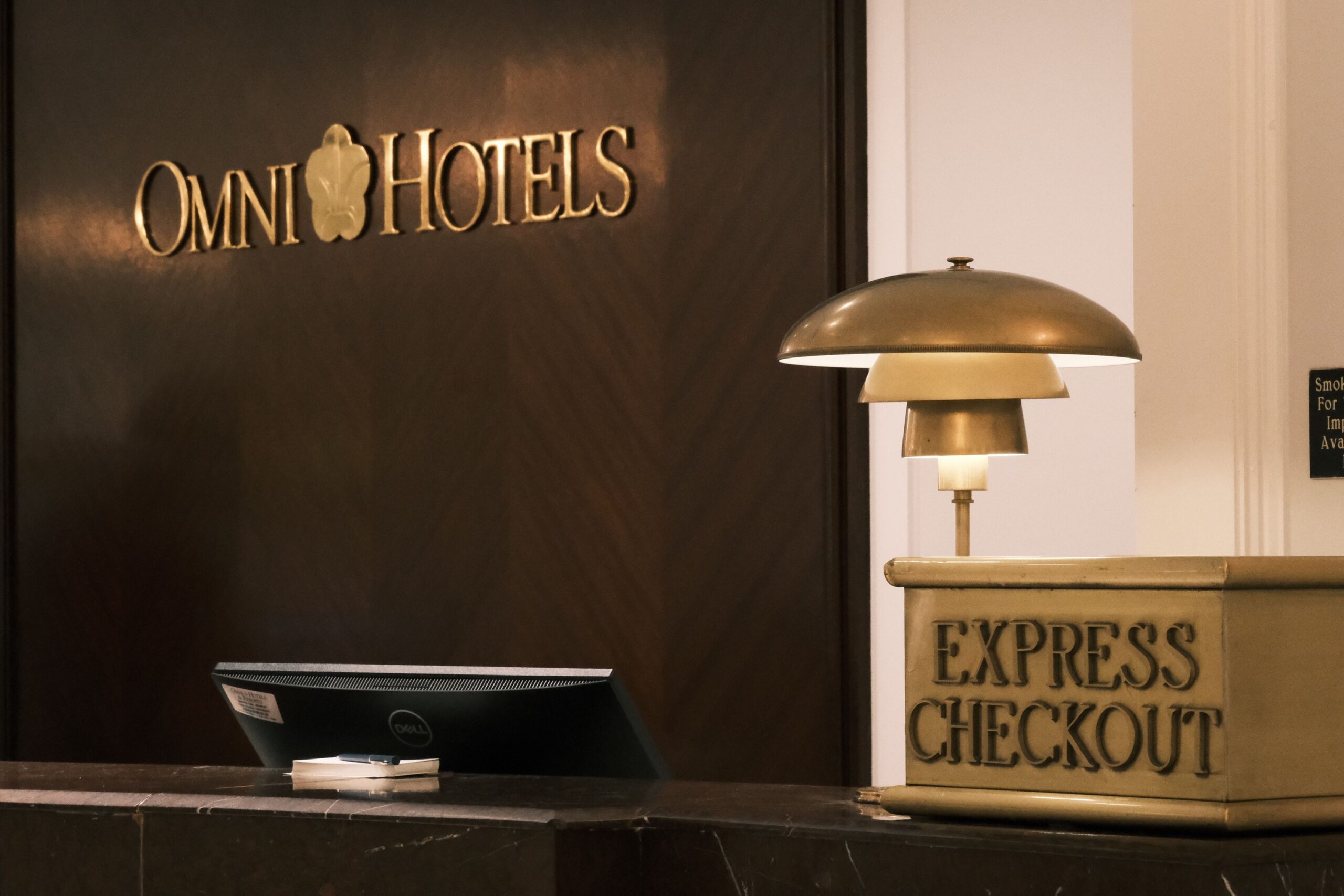

Most travelers go through the same ritual. Long day, luggage on the floor, shoes off. The hotel room finally feels like a temporary exhale. What very few people expect in that moment is for the room phone to ring with someone on the other end trying to clean out their bank account. Yet that is precisely what is happening to guests across the United States and beyond.
This is not a niche scam affecting a handful of unlucky guests. Clever thieves pretending to be hotel staff have tricked guests out of huge amounts of money through a sophisticated phone scam, and the scheme has spread across U.S. hotels, emptying bank accounts and maxing out credit cards. Here is everything you need to know before your next stay.
What the Call Actually Is
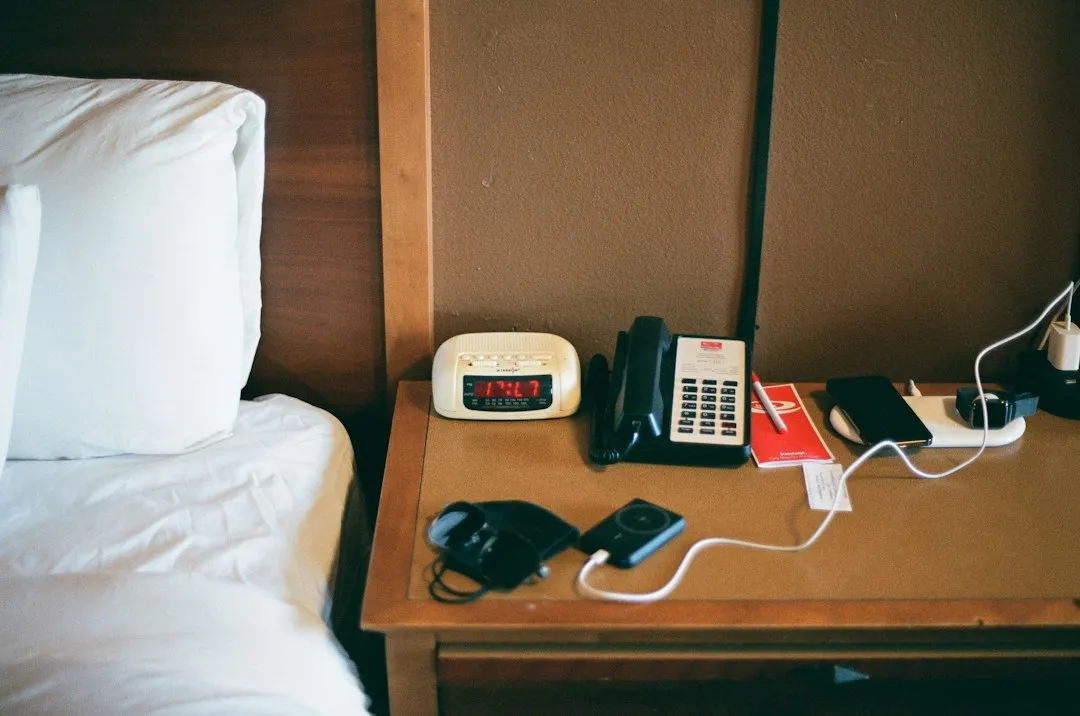
This is happening to travelers across the United States and beyond. The hotel room phone scam, also known as the “front desk scam,” is a coordinated fraud operation that exploits exhausted guests in one of the most disarming moments of their day.
The way it works is the hotel receives a call, the caller asks for a specific room number, and the hotel patches them through. The scammers are then able to talk directly with the hotel room guest and pretend to be the front desk, claiming there was an issue with a payment.
How Scammers Get Through to Your Room
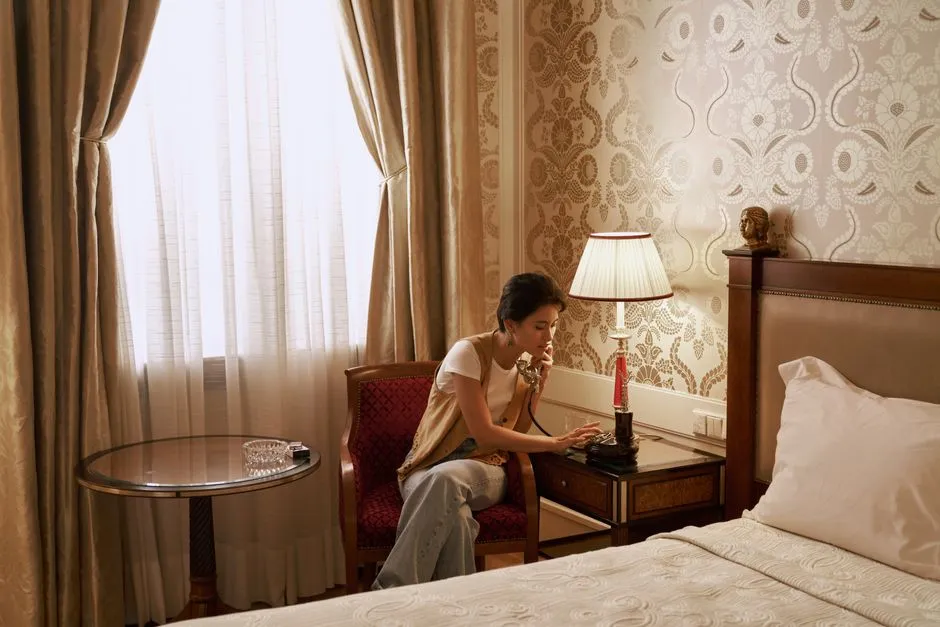
The fraudster calls the hotel and asks to be transferred to random room numbers, and if the room occupant answers, the fraudster deploys the scam hoping the guest will fall prey. The call originates outside the building entirely. The hotel’s own switchboard, meant to help guests receive calls from family, becomes the unwitting entry point.
Fraudsters frequently call the hotel’s direct line, the same channel used by guests and third-party vendors to resolve legitimate issues. This initial authenticity strengthens the deceptive strategies scammers use to build trust and manipulate victims further. It’s a small but important detail that makes the whole setup feel credible from the start.
Why Late Night Is the Danger Zone
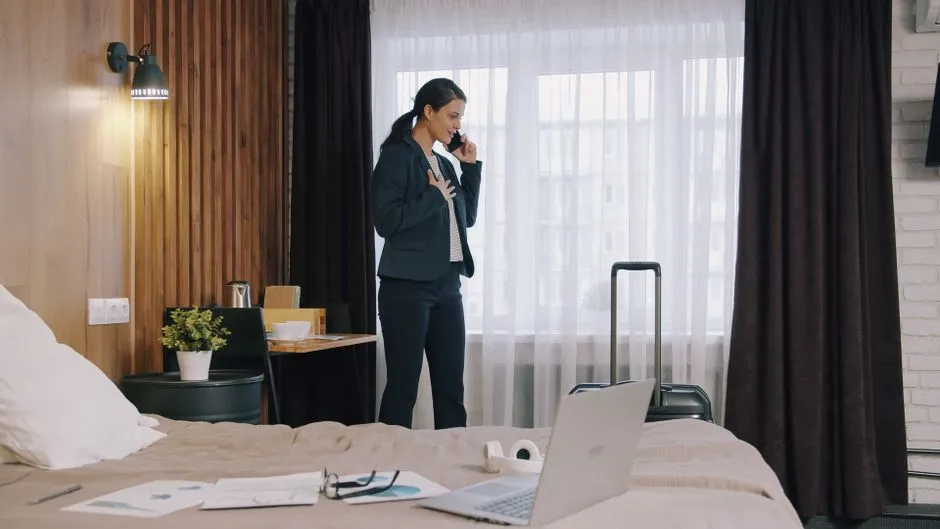
When you are disoriented and half asleep, you are far less likely to question the legitimacy of the call or remember that hotels already have your payment information securely stored in their system. Scammers commonly call hotel rooms late at night, when guests are most vulnerable and least alert.
Late-night hours are especially risky when fewer staff are working. Scammers want to catch you off guard after a long day of driving to your vacation destination. Fatigue does real cognitive damage to skepticism, and these callers know it.
The Caller ID Trap
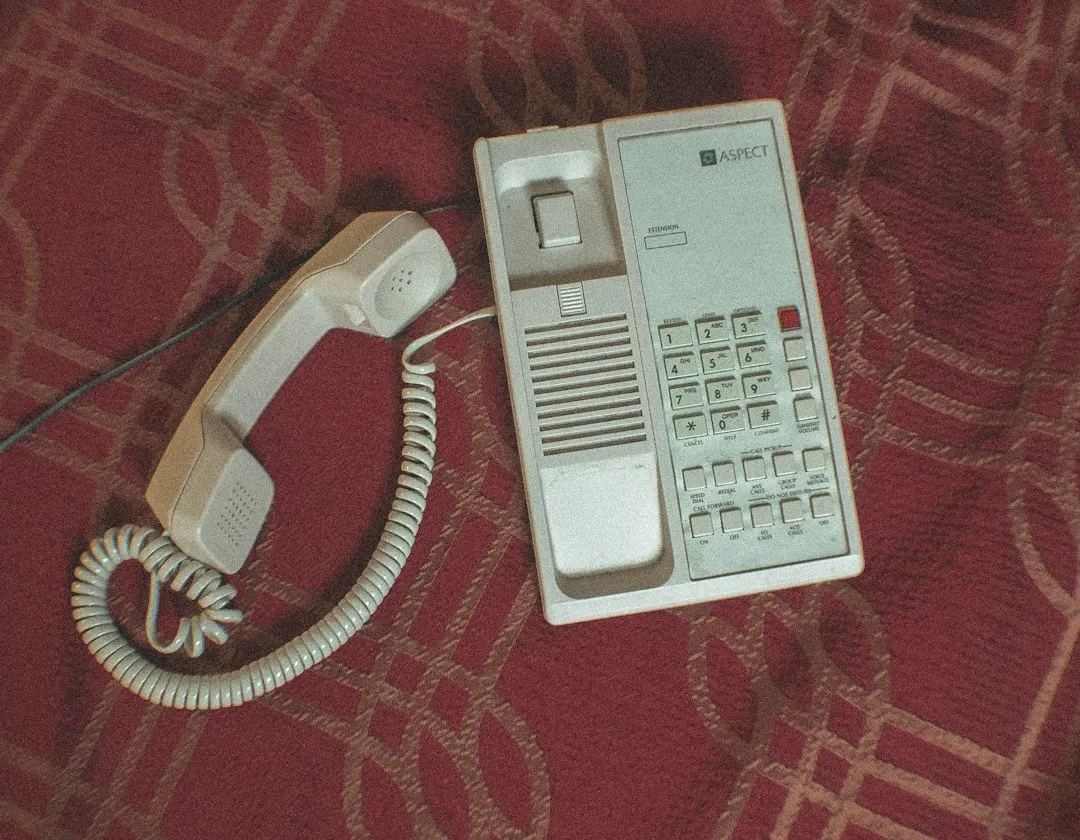
A fraudster impersonating an employee at the front desk calls your room’s phone and asks you to reverify your credit card information. They may have even called the front desk first, asking to be put through to your room. When they do this, the caller ID may show the incoming call is from the hotel.
This scam is effective because the caller ID displays the front desk for internal transfers. That one detail removes the most natural line of defense a guest might have. The number looks right, so the call feels right. That misplaced trust is exactly what the scam is built around.
The Script They Use on You
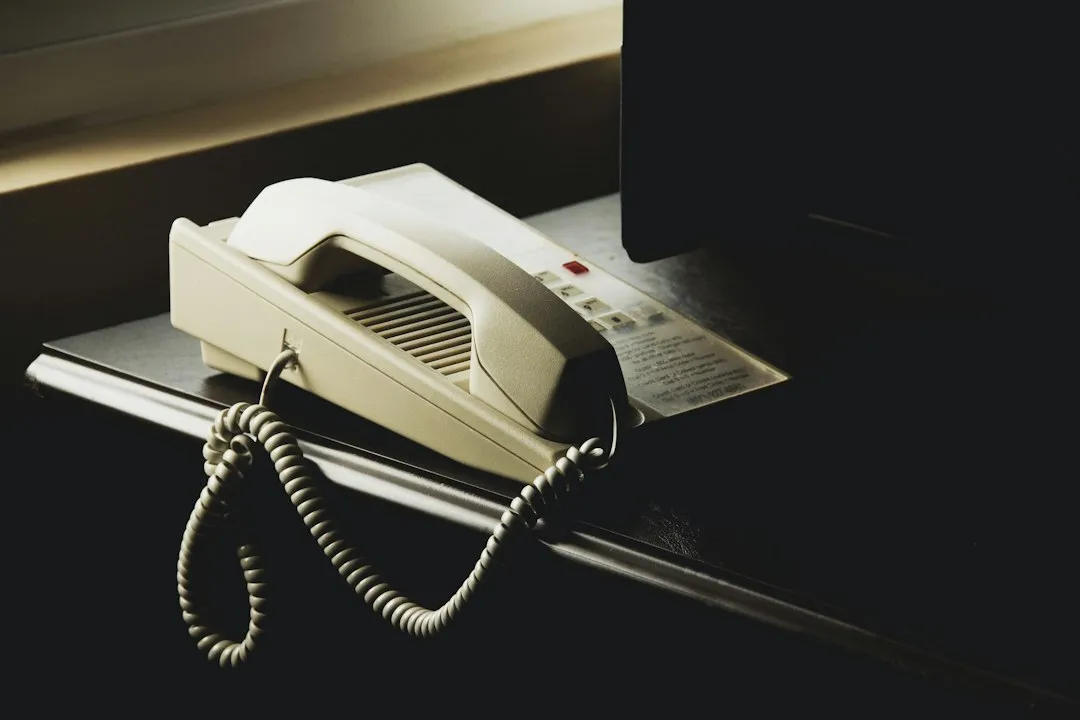
The excuse given is typically a glitch in the hotel’s computer system, and the caller is very apologetic, even advising you that you don’t have to return to the front desk and that you can just give the card information over the phone. The politeness and convenience are both part of the design.
Some callers take it further. They offer a discount or claim they can fix the issue immediately over the phone. Others create urgency, pushing for quick action before the reservation is affected. By the time the request for a credit card number comes up, the setup already feels believable.
The Scale of Losses Is Significant

One banking expert estimates that victims have lost hundreds of thousands of dollars as a result of this scam. That figure reflects only what has been reported. Americans reported more than $12.5 billion in fraud in 2024, with the majority coming from telephone fraud, and the actual financial damage is likely far higher since many victims never come forward.
There were roughly four and a half times more voice phishing attacks in the second half of 2024 compared to the first half of the year. In January 2024, CrowdStrike recorded just two vishing attacks, while in December they recorded 93. The median loss per vishing victim is $1,400.
AI Is Making These Calls More Convincing

Attackers can now use voice cloning and deepfake tools to convincingly impersonate trusted individuals. Because this technology is readily accessible, it has already become part of cybercriminals’ tool kits. A hotel guest has no easy way to know whether the voice on the other end is a person or a machine.
According to McAfee’s 2025 report, just three seconds of audio is enough to produce a clone with an 85% voice match to the original, and for vishing attackers, three seconds of audio is easily obtained. A recent study revealed that roughly one in ten individuals have already been targeted by AI-powered vishing scams, with more than three quarters of victims reporting financial losses.
Hotel Data Breaches Feed the Problem
A recent industry report revealed that roughly four out of five North American hotels experienced a successful cyberattack during the summer of 2024, with many hit multiple times. Attacks in the industry are near-universally financially motivated, with the majority aiming to steal information that can be sold or used to make a profit. Credit card information is a primary target, but cybercriminals also aim to steal sensitive guest information to commit fraud.
Social engineering attacks against the hospitality industry saw a 300% increase in the first half of 2024, with vishing emerging as a dominant vector. The impact of this trend became clear in late 2023, when three major hotel groups suffered multi-million-dollar cyberattacks in a single month, two of which stemmed directly from vishing incidents. The industry’s data exposure problem and the phone scam problem are not separate issues. They feed each other.
The One Question That Breaks the Scam Wide Open

Once you’ve checked into a hotel room with your credit card, the hotel already has your credit card information. So why would hotel staff call your room later to ask for it again? That simple question is exactly what the scam counts on you not thinking to ask.
Most hotels keep their guests’ credit cards on file in case there is a system-wide issue. Hotel room phones are also primarily set up so guests’ family and friends can contact them directly from outside the building. Genuine billing issues are sorted at the front desk, in person, not through a midnight phone call to your room.
What to Do If You Get This Call
Security experts say to always be skeptical when asked to give personal information over the phone. A legitimate hotel will never request financial information over the phone, even if the caller claims to be from the front desk.
A real hotel staff member will never ask for your credit card information over the phone at odd hours of the night. They will always ask to settle any charges at the front desk. If you receive this type of call, hang up immediately. Contact the front desk yourself to verify there is an actual problem with your card, and if so, proceed to the front desk in person to take care of it.
The Quiet Rule That Protects You Every Time

There is no complicated checklist required here. Hotel employees will rarely call your room. The biggest thing to remember is that any financial transaction that takes place at a hotel should always take place face-to-face. That one principle covers almost every variation of this scam.
Banks and fraud experts have started flagging a rise in this scam, where callers pose as hotel staff and ask for payment information, often late at night when people are less alert. The pattern has appeared across major hotel chains, with seniors among those most affected as impersonation scams continue to grow. Still, any traveler at any age is a potential target when tired, disoriented, and conditioned to trust a ringing hotel phone.
Final Thoughts
The hotel front desk call scam works because it borrows the appearance of ordinary hotel life. It uses the room’s own phone system, a calm and apologetic tone, and the fog of a long travel day to push guests past their natural instincts. The fraudsters are counting on you not stopping to think.
The counter to all of it is almost embarrassingly simple: hang up, walk downstairs, and handle any real concern in person. No legitimate hotel will ever be upset that you did. That short walk to the lobby is, in 2026, one of the better financial decisions a traveler can make.
AI Disclaimer: This article was created with the assistance of AI tools and reviewed by a human editor.