

1. Bloom Your Cocoa Powder First
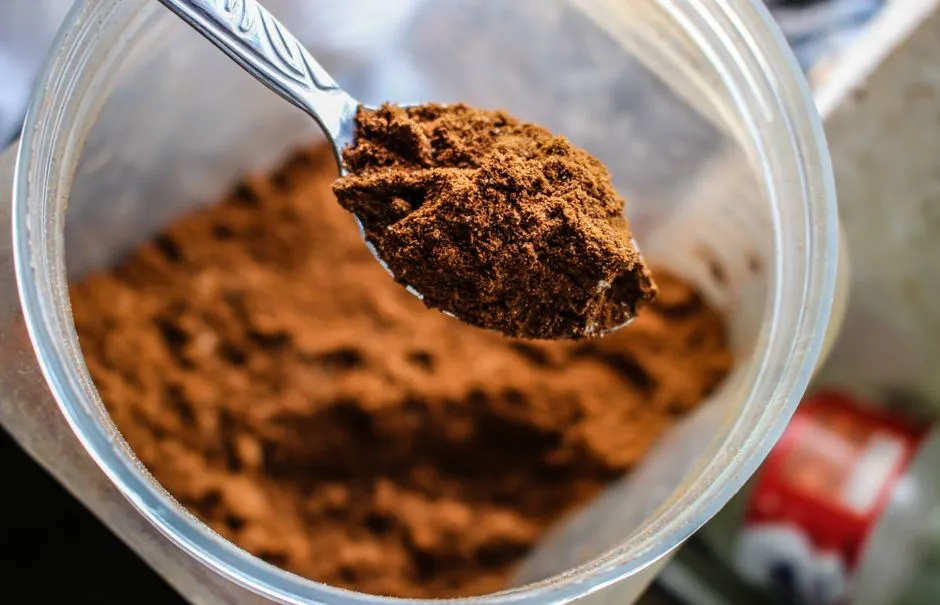
Blooming means whisking a hot liquid into the cocoa powder before adding it to the rest of your recipe. It sounds like an extra step, but it’s arguably the single most impactful thing you can do.
When you add a hot liquid to cocoa powder, the heat releases cocoa’s volatile flavor compounds, the substances that make up chocolate’s enticing aroma. Blooming cocoa powder doesn’t necessarily change its flavor, but it significantly intensifies it.
Blooming the cocoa powder helps to intensify the chocolate flavor by releasing flavor that is trapped in the solid particles. It’s accomplished by adding a hot liquid like water, coffee, milk, oil, or melted butter to the cocoa powder in order to draw out its rich flavor. Think of it as unlocking a door that was always there.
2. Swap Regular Milk for Half-and-Half

For a more decadent cup of hot chocolate, swap out the milk for half-and-half. It’ll give the drink a fuller, more velvety consistency and add a richer flavor.
It gives hot chocolate a much fuller mouthfeel and provides a creamier, richer finish. You don’t have to go all in on heavy cream to feel the difference. Half-and-half sits in a sweet spot between everyday milk and full cream, delivering noticeable richness without overwhelming the chocolate itself.
Milk is no stranger to hot chocolate, but heavy whipping cream both thickens the drink and improves the chocolate taste. Heavy whipping cream is the answer to anyone who complains of American hot chocolate tasting like chocolate water.
3. Use Real Chocolate Instead of Powder Mixes
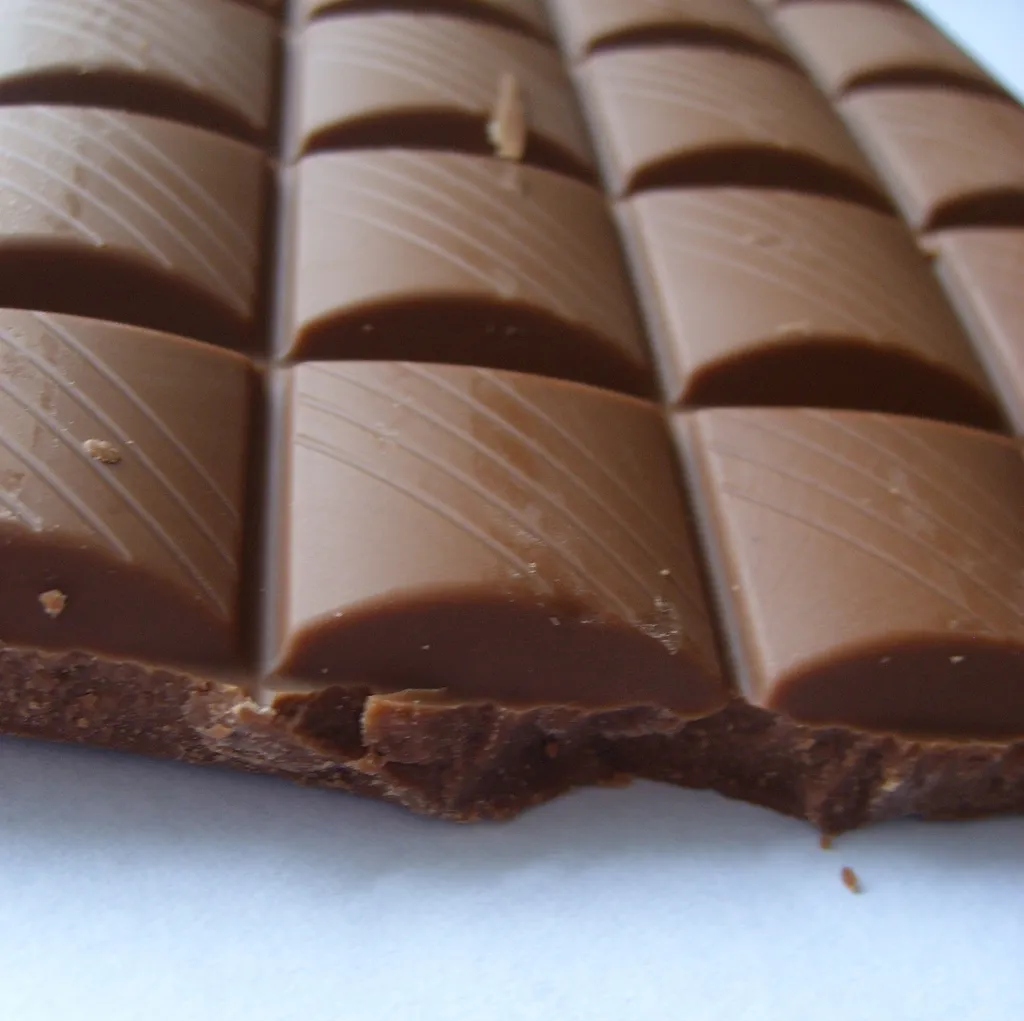
Powdered hot chocolate mix has been stripped of most of its cocoa butter, so it creates a much thinner drink. Real chocolate has more cocoa butter, making it better at thickening and providing a deeper, more natural flavor.
Ditching the packets in favor of finely chopped baking chocolate or high-quality eating chocolate changes the entire dynamic of the drink. When you use real chocolate, you introduce cocoa butter back into the equation. Dark, bittersweet, or semisweet varieties melt seamlessly into hot dairy, creating a beverage that tastes robust rather than sugary.
The quality and additives in many chocolate chip brands may not result in the best-tasting hot chocolate. Chocolate bars designed for baking or eating generally have a higher cocoa butter content, leading to a smoother and richer final product.
4. Add a Pinch of Salt
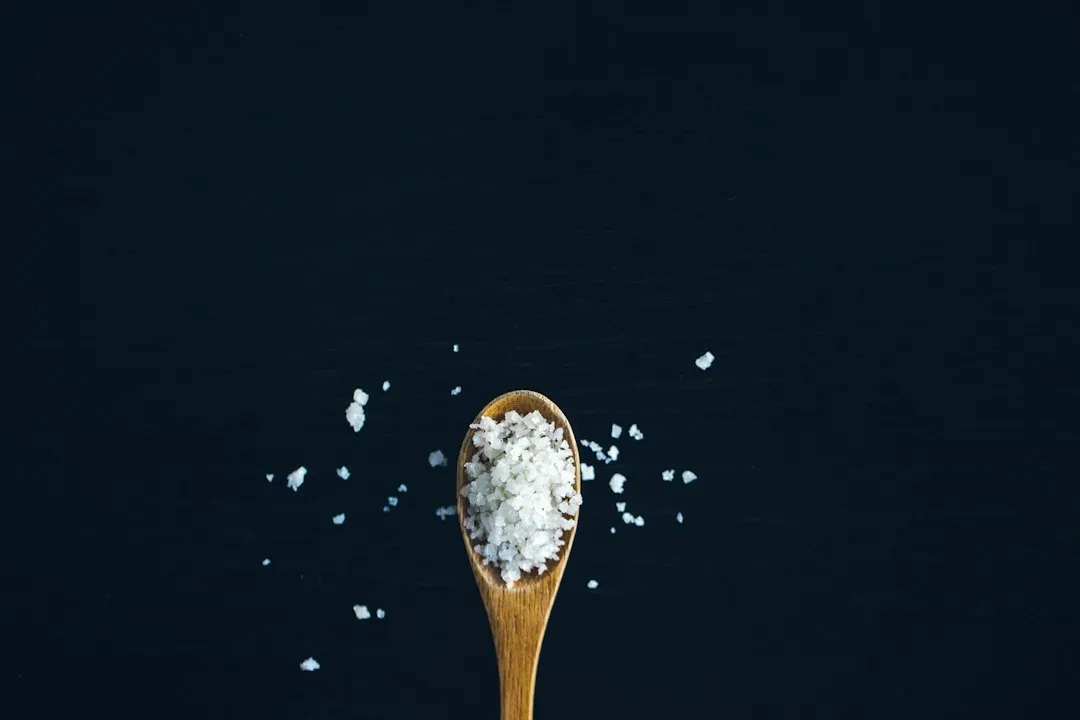
A tiny pinch of fine sea salt is perhaps the single most effective upgrade you can make. It costs nothing and takes about two seconds.
Salt does not make your hot chocolate taste salty. Instead, it suppresses bitterness and acts as a megaphone for the natural fruit and earth notes present in the cacao. This is particularly noticeable when you’re using a higher-percentage dark chocolate as your base.
A pinch of salt can coax out the flavors of hot chocolate further, while some hazelnut or vanilla extract will round things out. These small additions work together rather than competing, giving the finished drink a layered quality you won’t get from a standard mix.
5. Whisk in an Egg Yolk for Unexpected Richness
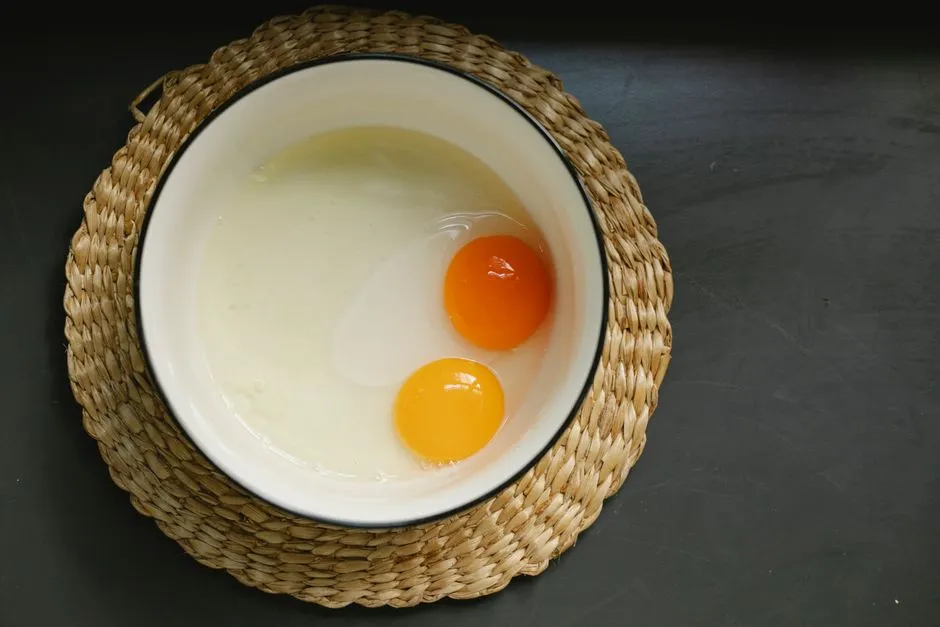
For an even richer result, whisk in egg yolks. This might seem like a secret ingredient, but it enhances the chocolate’s richness, balancing the sweetness and creating a deeper, more satisfying taste.
This is a technique borrowed from custard-making, and it works for the same reason. The fat and lecithin in an egg yolk emulsify into the liquid, giving the drink a texture that’s noticeably more substantial. It’s the kind of thing they do in a proper Viennese-style drinking chocolate, and it genuinely makes a difference.
Temper the yolk carefully by whisking it with a small amount of the hot liquid before adding it to the whole cup. This prevents any scrambled texture and keeps everything silky smooth.
6. Control Your Temperature Carefully
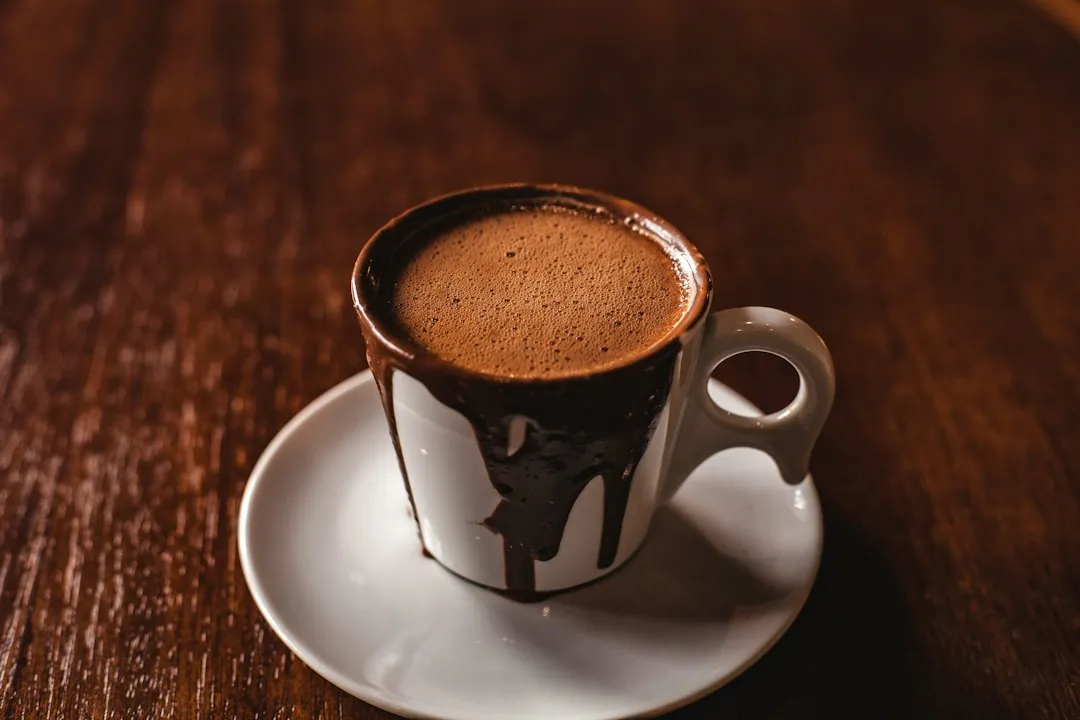
The secret to a smooth hot chocolate lies in patience and temperature control. Once the dairy is hot, turn off the burner before whisking in your finely chopped chocolate or cocoa powder.
Your hot chocolate will taste richer if you use steaming milk rather than boiling it, to avoid a skin forming on top. Boiling scorches milk proteins and can introduce a slightly burnt taste that competes with the chocolate. Keeping the temperature just below a simmer keeps everything clean and clean-tasting.
Use hot but not boiling liquid when blooming or melting. Liquid that’s too hot can scorch the cocoa and make it bitter. Heat is your tool here, not your enemy, as long as you keep it in check.
7. Try a Cornstarch Slurry for European-Style Thickness
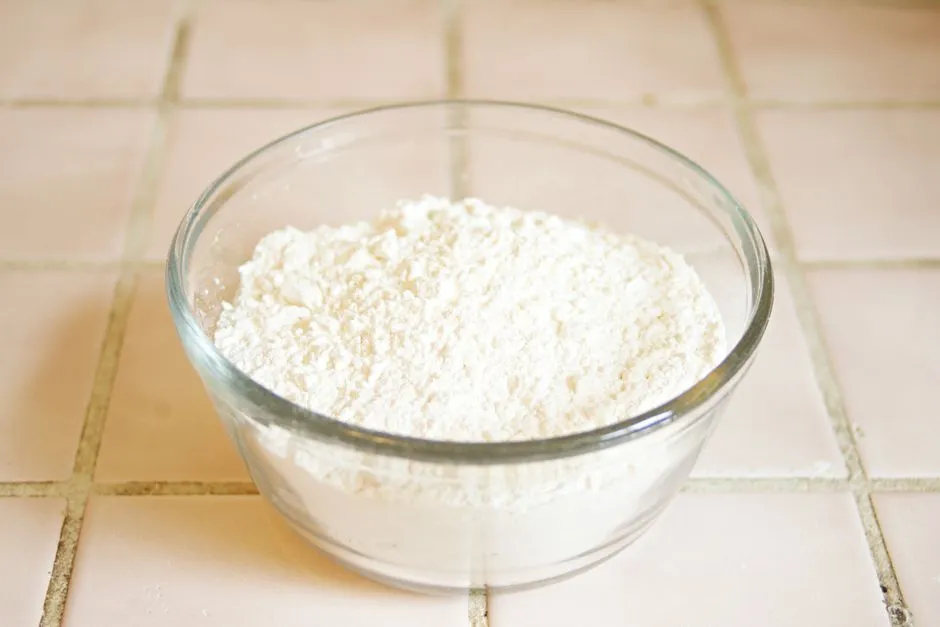
Cornstarch makes hot chocolate much thicker and richer because it creates a unique suspension when mixed with hot water. This is precisely why Italian-style cioccolata calda has such a distinctive, spoonable texture that feels nothing like the thinner American version.
If you search for European- or Italian-style hot chocolate recipes, the secret ingredient that nearly always comes up is cornstarch. The technique is simple: mix the cornstarch with a small amount of cold liquid first, then whisk it into your drink as it heats. Mixing cornstarch with cold liquid prevents clumps and adds to the smooth thickness.
Adding starch isn’t a bad idea and can actually improve the flavor, balance, and mouthfeel of hot chocolate. Even a modest teaspoon per cup is enough to feel the shift.
8. Add a Small Amount of Butter
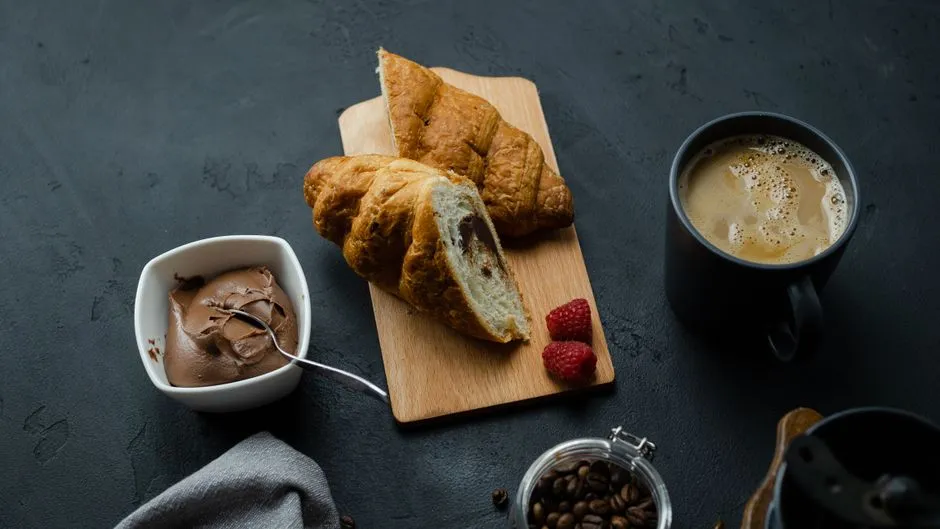
Adding a small spoonful of unsalted or salted butter to your warm hot chocolate is an exceptional technique for achieving a velvety texture. The added dairy fats emulsify into the liquid, boosting the overall mouthfeel and making the drink taste remarkably decadent.
This trick is used regularly in professional pastry and confectionery work. A little emulsified fat changes how the drink coats the tongue, which is a large part of what we perceive as “richness.” You only need about half a teaspoon per cup to notice the effect.
Milk-based hot chocolate tastes thicker and creamier because the fat molecules coat your tongue in a way that makes the flavor feel richer. Butter amplifies exactly this effect, pushing the drink into something closer to melted ganache in a cup.
9. Spice It Thoughtfully
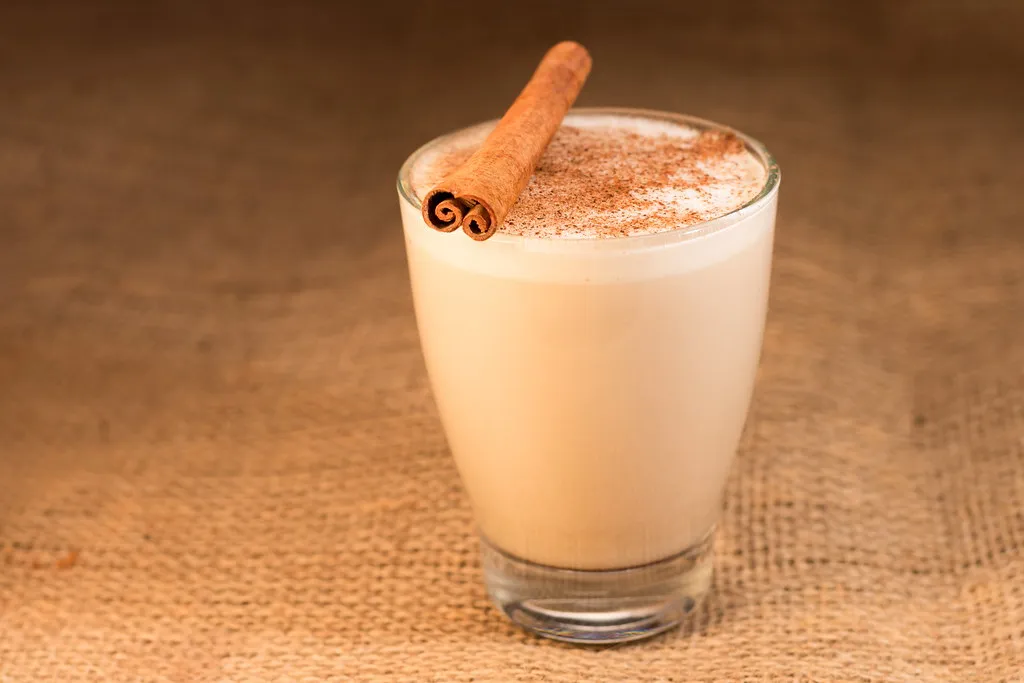
Cinnamon, nutmeg, and cardamom can add a delightful warmth and complexity to hot chocolate. These aren’t just holiday additions. Used in small amounts year-round, they deepen the perception of chocolate flavor rather than masking it.
Cinnamon is a common spice to add to hot chocolate, and cayenne pepper adds a lasting warmth. This combination has roots in Mexican drinking chocolate traditions, which the Mayans are credited with originating as early as 500 BC.
The key with spices is restraint. A quarter teaspoon of cinnamon or a very small pinch of cayenne works to accent the chocolate, not compete with it. Go heavier and you shift the drink into a different category entirely, which may or may not be what you want.
10. Understand the Science: Cocoa Butter Is Everything
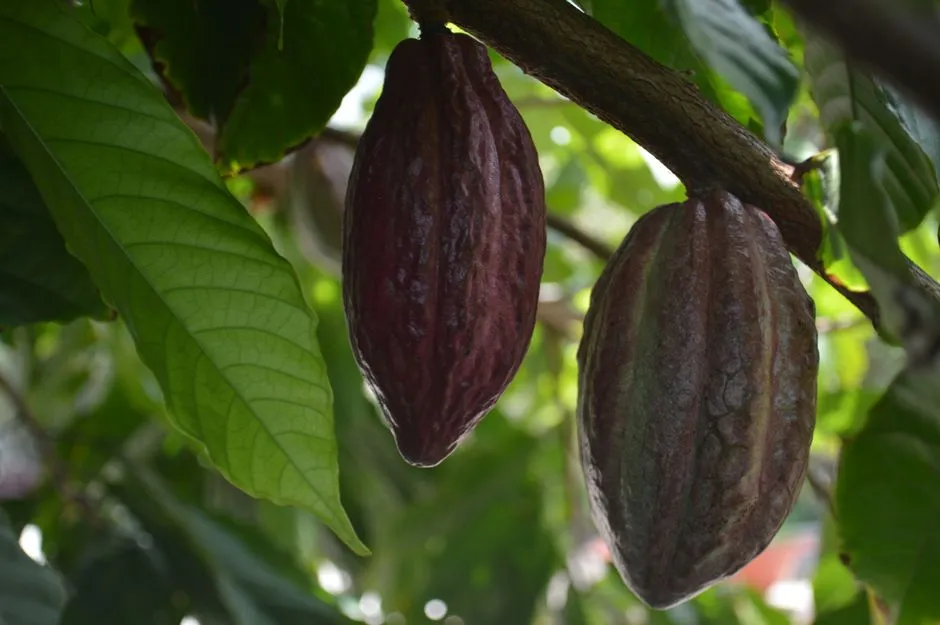
Real hot chocolate is made by melting chocolate into either milk or water. It has a richer and fuller taste than hot cocoa because of the extra cocoa butter present in the chocolate.
The flavor you know as chocolate is formed during roasting by something chemists call the Maillard reaction. It requires two types of chemicals, sugar and protein, both of which are present in the fermented cacao beans. Roasting brings them together under high heat, which causes the sugar and protein to react and form that wonderful aroma.
Many commercial hot chocolate mixes contain emulsifiers, such as mono- and diglycerides, which work by coating the cocoa particles, helping them remain evenly dispersed in water and preventing the mixture from separating. These processes together give hot chocolate its rich, smooth texture and consistent flavor. When you replicate this process at home with real ingredients, the results simply cannot be matched by a packet.
The Takeaway
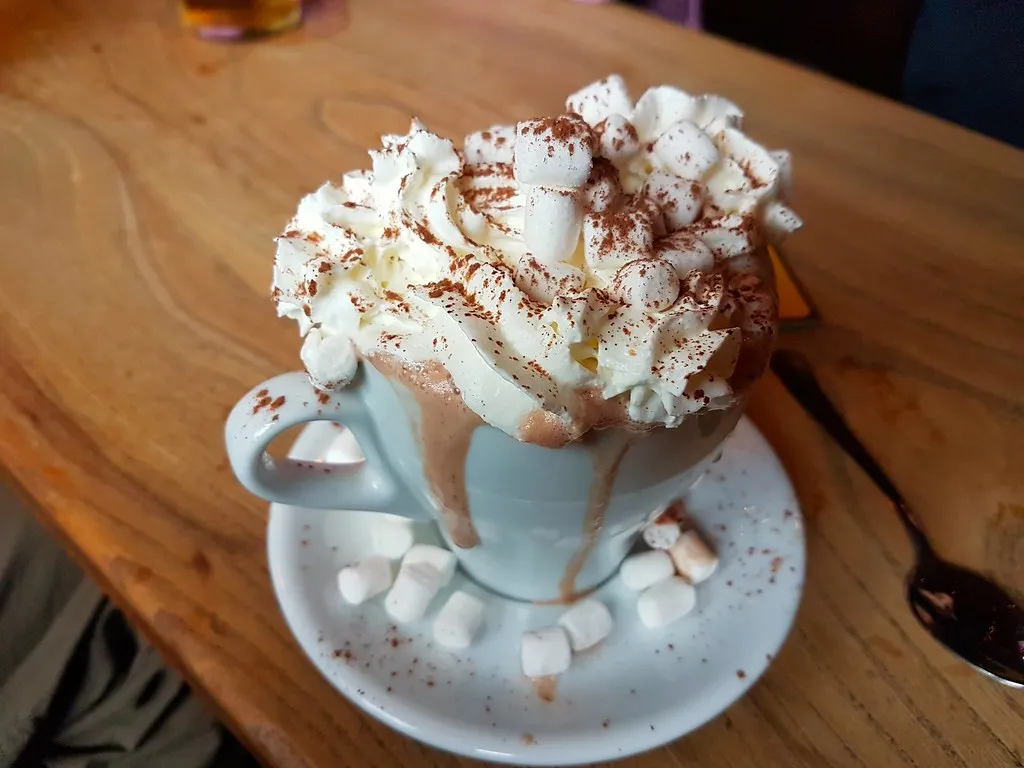
None of these tricks require a professional kitchen or expensive equipment. Most of them cost almost nothing beyond a little extra attention. The blooming technique alone can transform a flat, one-dimensional cup into something genuinely layered and satisfying.
What all ten methods share is a respect for the basic science of chocolate. Fat carries flavor. Temperature controls texture. Salt sharpens perception. Work with those facts rather than against them, and a richer cup becomes much less of a mystery.
The best hot chocolate you’ve ever had was probably not an accident. Now you know why.
AI Disclaimer: This article was created with the assistance of AI tools and reviewed by a human editor.