
Changes in Personal Hygiene and Grooming

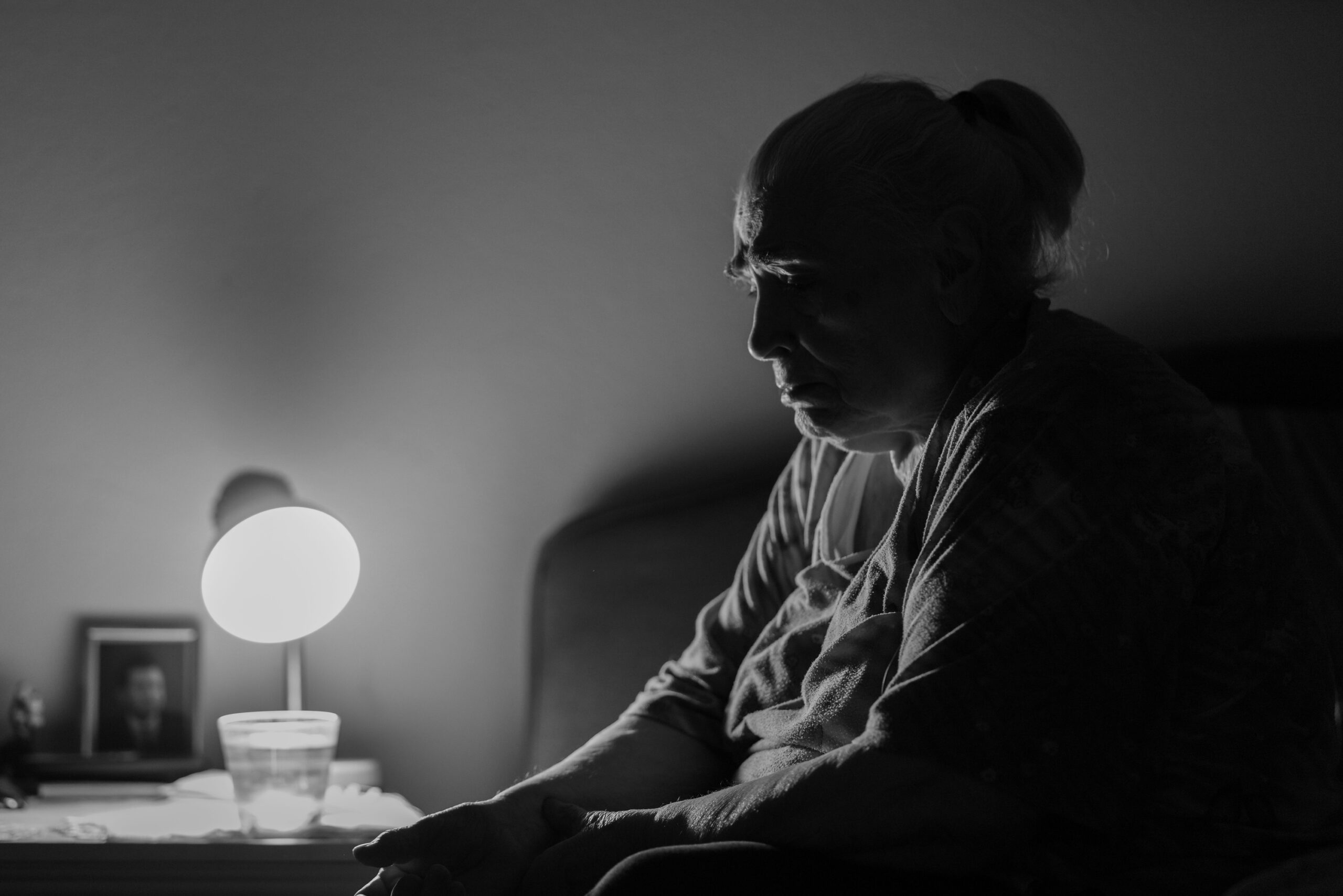
One of the earliest and most telling signs of a struggle is a shift in how someone takes care of themselves. Has a parent become less particular about their appearance than in the past? A hug is an easy way to spot changes in hygiene. Body odor, untidy hair, and clothing inappropriate for the time of day or weather may be signs a senior is struggling to care for themselves.
A 2024 Age UK report found that roughly one in ten older people have difficulty dressing, and about one in seventeen have difficulty bathing. Personal hygiene may be impacted when an older person cannot clean themselves due to pain, discomfort, fatigue, or a fear of falling, but a lack of personal hygiene could also be a sign of a mental health issue or cognitive decline.
It’s worth noting that this sign can be easy to explain away on first glance. People have off days. Still, if the disheveled appearance feels out of character for someone who was once meticulous, it deserves a closer look, and a gentle conversation.
Unexplained Weight Loss or Gain
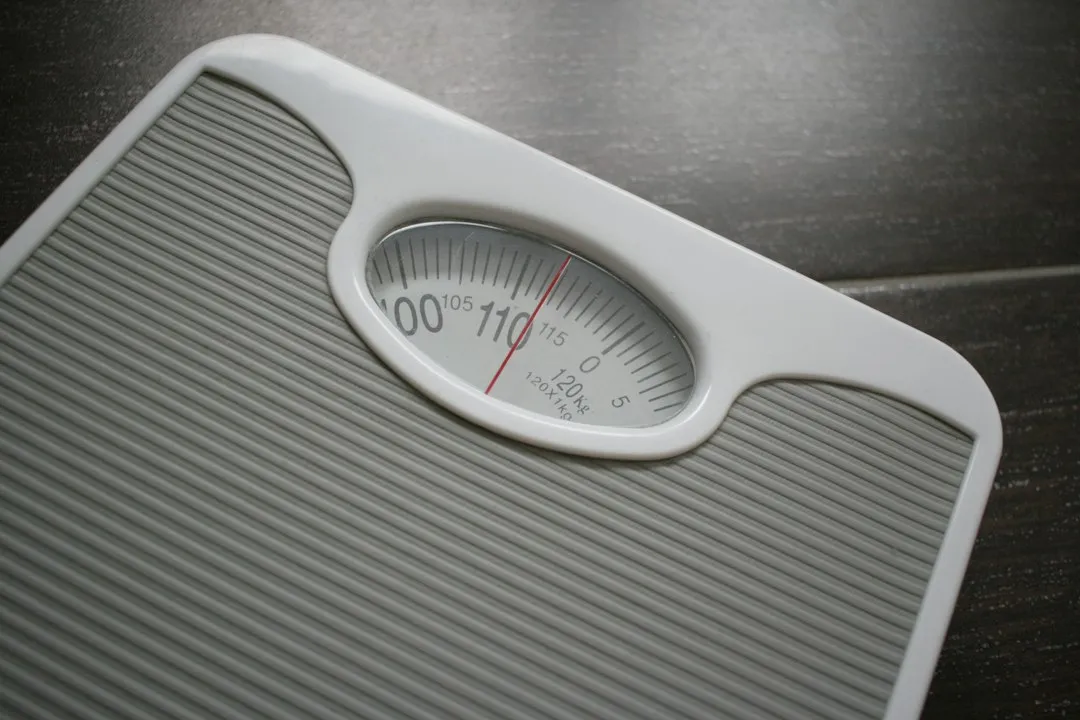
Unintentionally gaining or losing a significant amount of weight is an issue that needs to be discussed. While it can be a sign of a poor diet, unexplained weight change in a senior can also signal a health condition. Depression, cancer, dementia, and gastrointestinal problems are some examples.
A change in weight may also be the result of arthritis or Parkinson’s, which can make meal preparation challenging. A refrigerator check can tell you a lot too. A quick look in their fridge may indicate they’re not eating properly, or loose pills strewn around the house may suggest they’re not taking their medications.
Weight is one of those things that changes slowly enough to go unnoticed on a regular visit, but becomes obvious after several months apart. Holiday gatherings, with their big meals and family photos, tend to make these shifts visible in ways a routine check-in simply can’t.
Balance Problems and Fall Risk
Falls among adults 65 and older caused over 43,000 deaths in 2024, making it the leading cause of injury death for that group. In 2024, emergency departments recorded about 4.5 million visits for older adult falls. These numbers are not abstract. They represent real people who were managing independently until one moment changed everything.
The age-adjusted fall death rate increased by 21 percent, from 64.7 per 100,000 older adults in 2018 to 78.4 per 100,000 older adults in 2024. Over 14 million, or 1 in 4 older adults, report falling every year.
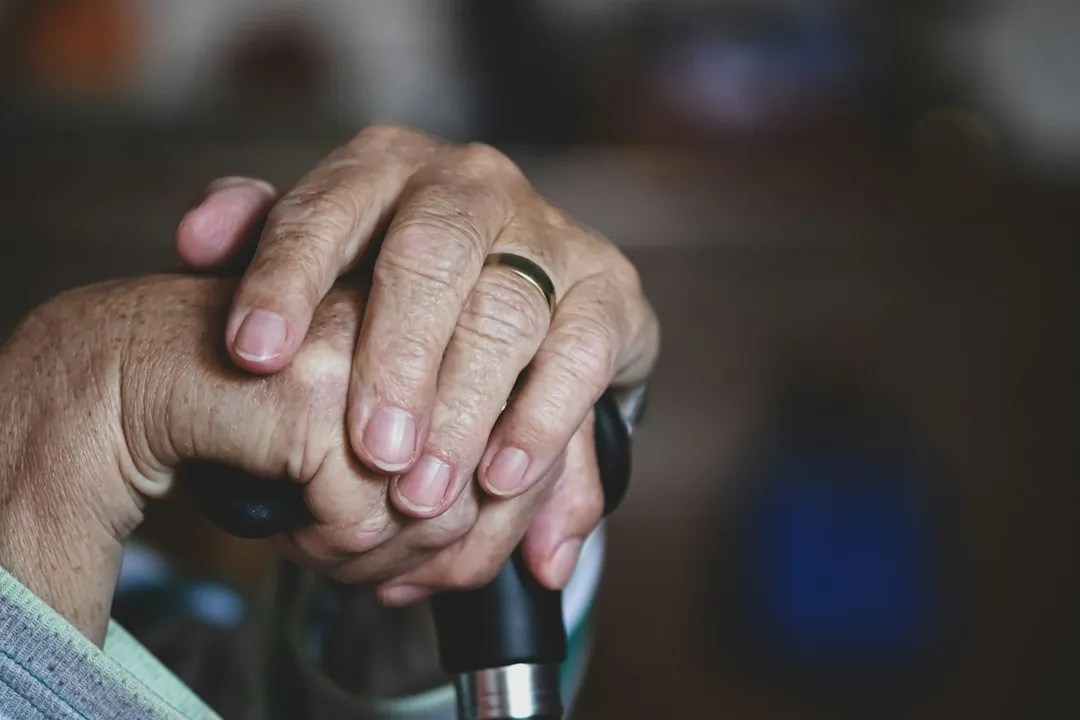
Gait speed, meaning how fast a person walks, and overall mobility can be important signs of overall health and well-being in older adults. Having trouble with mobility or being unsteady while walking can put your parent at a higher risk of experiencing a fall that could cause injury and further restrict their mobility. Holiday gatherings, with their busy rooms and unfamiliar foot traffic, can expose these problems in a way that a quiet phone call never could.
Cognitive Shifts and Memory Lapses

You may notice signs of confusion or disorientation in your loved ones. This could manifest as suddenly forgetting familiar routes or struggling to recognize familiar faces and names. Increased forgetfulness or memory lapses, such as misplacing everyday items frequently, can also be concerning.
A parent may begin repeating the same question or story within a short period, unaware that it has already been shared. Cognitive decline often extends beyond memory into decision-making. A parent who once approached situations with consistency may begin to show lapses in judgment, missing bill payments, making uncharacteristic financial choices, or responding to unfamiliar calls with less caution.
It’s also important to note that for older adults, depression is sometimes misdiagnosed as dementia, since symptoms may include forgetfulness and disorientation. It’s also common for a person with dementia to develop depression. The two conditions can overlap in ways that make a professional evaluation genuinely important.
Mood and Emotional Changes
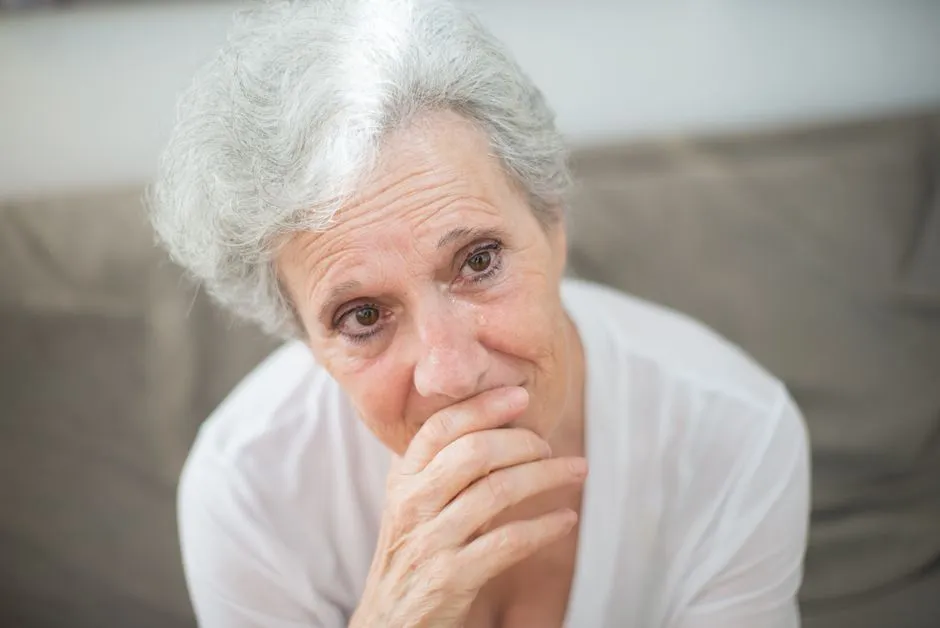
Older adults tend to be more vulnerable to depression and other mental illnesses, on average, with roughly 14 percent of adults aged 60 or older suffering from a mental disorder. Although 1 in 5 seniors deals with a mental health condition, most do not seek the care that they need, which is why support from family can be so essential.
Noticeable changes in mood or temperament, such as irritability or sudden mood swings, may signal underlying issues. An increase in anxiety or depression symptoms, such as excessive worry or a loss of interest in activities they once enjoyed, are signs that should not be ignored.
A parent who once loved holiday traditions might now seem anxious, irritated, tearful, or uninterested. The holiday season often brings feelings like loneliness, grief, depression, isolation, fear of aging, and early cognitive decline to the surface. What looks like a bad mood during the festivities may actually be a window into something more persistent.
A Home That No Longer Feels Cared For
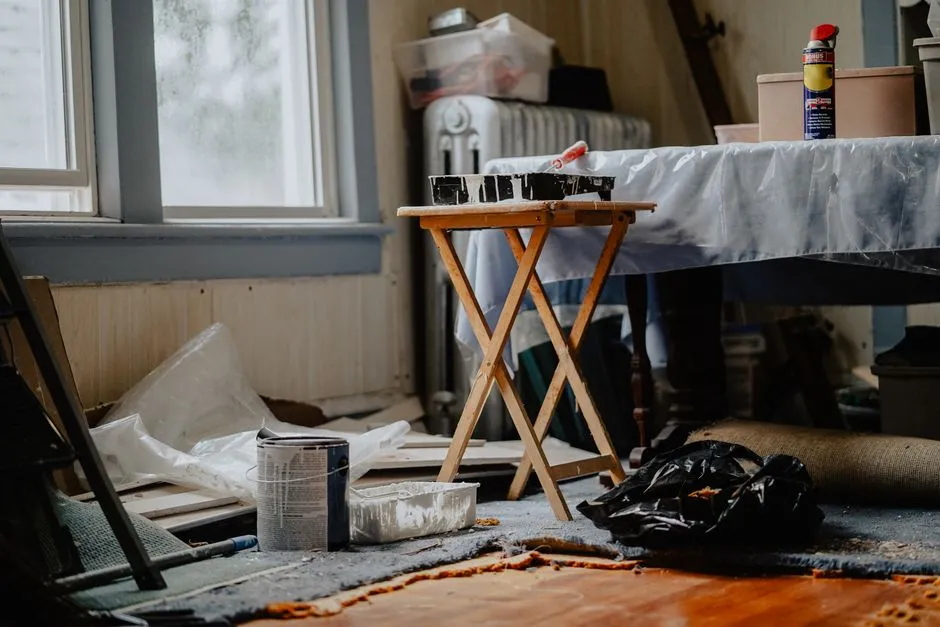
For many seniors, the home is a reflection of how they’re functioning day-to-day. When the house begins to change, it can be a signal that something deeper is happening.
A house that is more messy than usual could indicate that a person is having difficulty keeping up with household chores, whether because of physical limitations, cognitive decline, or mental health struggles like depression. Look for signs that might indicate they’re facing difficulties, such as unopened mail, spoiled food in the fridge, or a cluttered and unkempt home.
Some signals a senior is struggling may seem small, but they can be indicators of a bigger problem. A slightly messy kitchen is one thing. Expired food throughout the refrigerator, a pile of unpaid bills, and a bathroom that hasn’t been cleaned in weeks are another matter entirely. Context and patterns matter more than a single detail.
Medication Mismanagement

If during your holiday visit you notice prescriptions are going unfilled, medicine is outdated, or any other such irregularity, it could be time to consider a lifestyle where your parent is not living on their own.
Small disruptions in daily rhythms can be one of the first signs that someone is struggling with independence. These changes, including missed or doubled medications, can indicate cognitive shifts, pain, depression, or simply a need for structured support.
Medication errors in older adults carry real consequences. Many seniors manage complex regimens with multiple prescriptions taken at different times of day, and keeping track of all of that demands consistency and mental clarity. When that system breaks down, the health risks can escalate quickly and quietly.
Social Withdrawal and Isolation

Social isolation and loneliness have been linked to higher risks for a variety of diseases and conditions, including heart disease, depression, cognitive decline, and Alzheimer’s disease. This makes it just as important to assess your parent’s social connections as it is to evaluate their physical or mental health.
A parent who was once engaged may seem more withdrawn, less interested in social interaction, or more easily frustrated. During the holidays, this can look like a reluctance to join in conversation, sitting out from family games, or generally seeming like a guest in their own home. It’s easy to blame tiredness or age, but persistent withdrawal is worth taking seriously.
Isolation feeds on itself. The less contact a person has with others, the harder it becomes to reach out. A holiday gathering can be one of the most natural opportunities to gently reopen those doors, but it helps to recognize the withdrawal as a potential warning sign first.
Financial Confusion or Vulnerability to Scams

According to the FTC, the number of seniors falling for scams increased fourfold between 2020 and 2024. Falling for scams, having serious trouble using technology, and getting into financial trouble can be signs of depression and loneliness, as well as signs of cognitive decline.
A parent who once approached situations with consistency may begin to show lapses in judgment, missing bill payments, making uncharacteristic financial choices, or responding to unfamiliar calls with less caution. A stack of unopened mail, notices from the bank, or unfamiliar charges on a statement can all surface during a holiday visit when you’re in the home in a way you simply aren’t on a video call.
This is one of the signs that tends to carry extra shame for older adults. Many do not want their children to think they’ve been fooled or have lost their grip on their finances. Bringing it up with care and without judgment is the only approach that’s likely to actually open a conversation.
Unacknowledged Falls or Bruising

The warning signs that a senior isn’t managing well aren’t always obvious. A parent might fail to let family members know they’ve had a fall or two that doesn’t leave any bruises. If your parents or older loved ones show signs of bruising, assess their environment.
Physical signs include unexplained bruises, cuts or scrapes, and signs of falls, which can all indicate that they are having trouble with strength and balance. Parents often downplay falls to avoid worrying their children or to preserve their sense of independence. The instinct to protect the family from concern is genuinely understandable, but it can delay care that makes a real difference.
Perhaps they didn’t want to worry you. Or they simply wanted to soldier on, hoping that things would eventually get better. Or they didn’t recognize the problem, either because they’d gotten used to living with it, or it has affected their mental abilities. Asking directly, and calmly, about any recent falls or stumbles can open the door to an honest answer.
What to Do After You Notice the Signs
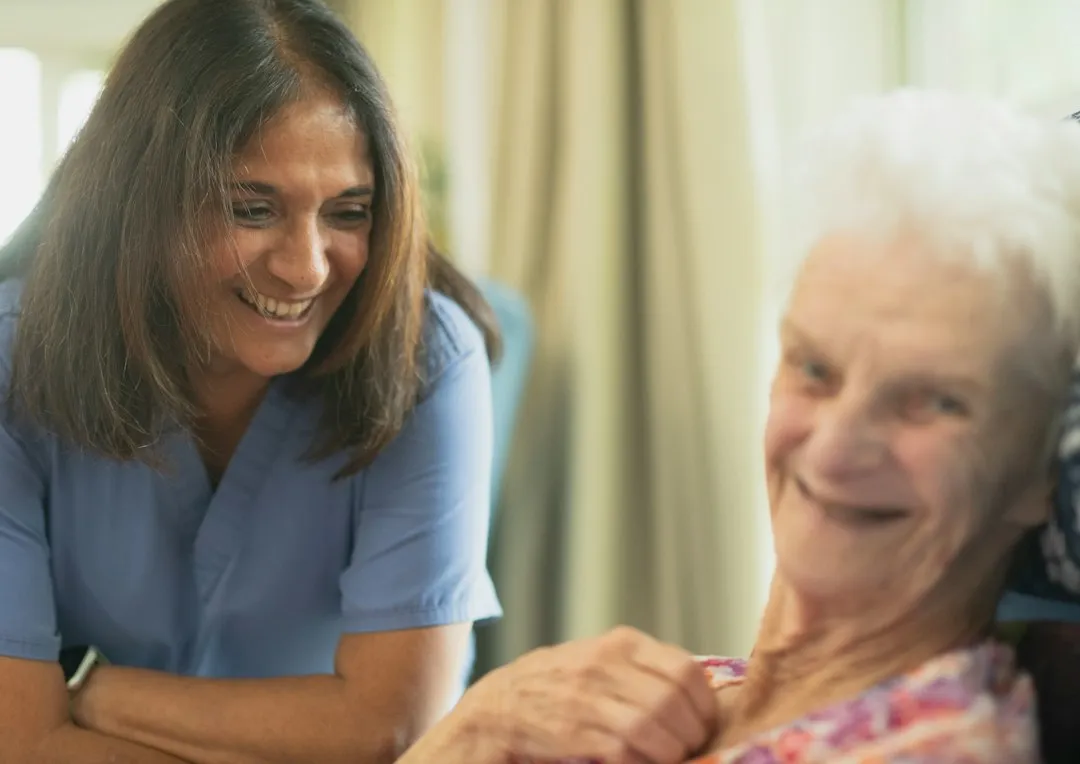
While one or two minor issues may not be cause for concern, a combination of these signs could indicate your parent needs more help than they are currently receiving. The goal after a holiday visit isn’t to make immediate decisions, but to take stock of what you’ve observed and then act thoughtfully.
If you detect any of the above signs during your holiday visit, the next step should be to schedule an appointment with their primary care physician. It is possible the issue can be easily remedied, such as a vitamin deficiency or a thyroid problem.
A significant part of ensuring your parent’s well-being is assessing their physical and mental health. If you notice physical injuries, unexplained weight loss, or signs of forgetfulness, it may be time to discuss these issues with a healthcare professional. Schedule a doctor’s appointment to address any health concerns and get a better understanding of your parent’s medical condition.
Final Thoughts

Holiday visits carry a particular kind of clarity. The distance between visits, and the contrast with how things used to be, makes changes visible in a way that weekly contact often can’t. That’s not a reason to dread the visit, but it is a reason to pay attention while you’re there.
Most of these signs don’t demand an immediate crisis response. They ask for something quieter: a good conversation, a follow-up call to a doctor, or a family discussion about what support might look like going forward. Gradual decline in health, mobility, and mental health is much less noticeable than a sudden change in abilities, so it is important to remain objective and look for early signs that a parent may need more support.
The most valuable thing you can bring to a holiday visit isn’t just a gift or a dish to pass. It’s a clear-eyed, compassionate set of eyes. What you notice this season could shape the kind of care your parent receives in the year ahead.
AI Disclaimer: This article was created with the assistance of AI tools and reviewed by a human editor.