

Playing a Musical Instrument

Of all the hobbies studied in recent years, playing a musical instrument stands out as one of the most consistently well-supported. Engaging in music throughout your life is associated with better brain health in older age, according to a study from the University of Exeter, which reviewed data from more than a thousand adults over the age of 40. The findings show that playing a musical instrument, particularly the piano, is linked to improved memory and the ability to solve complex tasks, with continuing to play into later life providing even greater benefit.
Many parts of the brain are activated in an integrated manner during performance, using multiple senses simultaneously, and this multimodal engagement contributes to improved cognitive function and maintenance of gray matter volume in the frontal and temporal regions in old age. Playing keyboard-based instruments, like the piano or organ, had the biggest benefit on memory and executive function, followed by brass and woodwind instruments. Remarkably, even adults who pick up a musical instrument for the first time in old age could reap the benefits for brain health.
Singing in a Group or Choir

Singing was linked to better brain health, although this may also be due to the social factors of being part of a choir or group. Either way, the effect on cognition appears real. Singing in a choir or other group led to improvements in tests of thinking skills, with lifetime exposure to music through playing or singing linked to improved scores on memory and thinking tests.
Woodwind players and singers did particularly well in executive function tasks, which cover skills like planning, focusing, and mental flexibility. Music may also have benefits for those who already have serious memory problems. Previous studies have shown nursing home residents with dementia who listened to music they enjoyed had fewer signs of agitation and aggression, and singing or playing a musical instrument led to a small but significant boost in memory and thinking skills in those with serious memory problems.
Reading Regularly
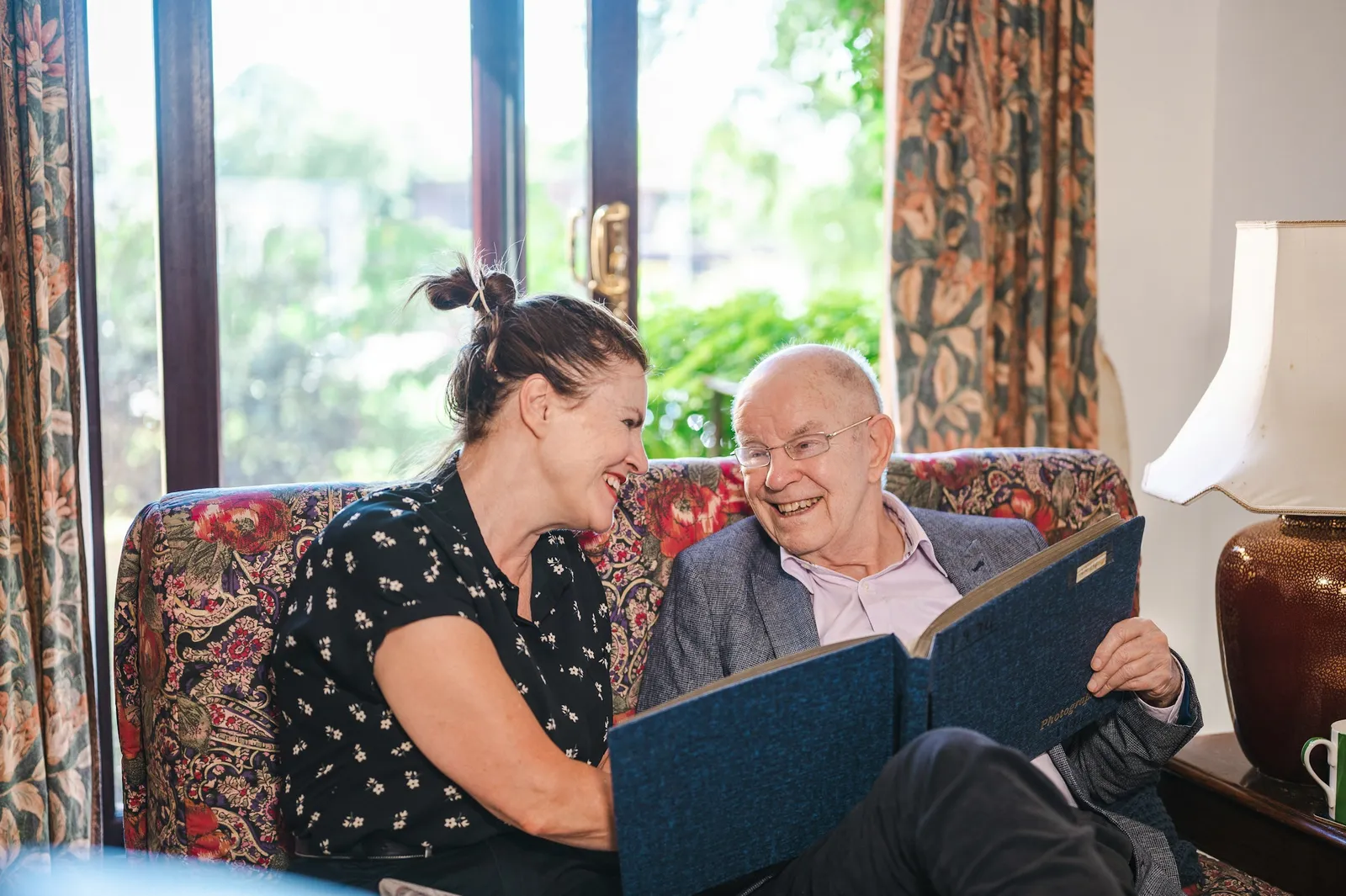
Research published in the Journal of Cognitive Enhancement found that older adults who regularly participated in mentally challenging activities, such as reading or puzzles, maintained higher levels of memory, working memory, attention, and processing speed over several years compared to those who were less active in these areas. The study tracked participants across eight years, making its conclusions especially credible.
Those who engaged in cognitively stimulating activities more frequently had consistently better cognitive function than those in the low-participation group, with participants in the high-participation group maintaining higher levels of memory, working memory, and attention and processing speed throughout the study period. Researchers are hopeful that these findings will lead healthcare providers to recommend that older people play games, read, or engage in similarly stimulating activities at least three to four times a week.
Word Games, Crosswords, and Puzzles

Word and number games such as crossword puzzles, Wordle, and Sudoku provide a deceptively powerful cognitive workout by strengthening skills that tend to weaken without regular use, namely cognitive flexibility, memory, and reasoning. The appeal of these activities is partly their accessibility. Most people can pick up a crossword or puzzle app without any special training or equipment.
A study published in the Journal of Cognitive Enhancement suggests that older adults with mild cognitive impairment who engage in cognitively stimulating hobbies such as word games and puzzles have better memory, attention, and processing speed than those who do not engage in those types of leisure-time activities. Long-running studies have shown that frequent participation in word puzzles is associated with slower cognitive decline. Consistency, it turns out, is the main ingredient.
Walking

Walking is profoundly effective for both the body and the brain, especially when done consistently and with others. A randomized controlled trial found that older adults who walked regularly experienced increased hippocampal volume and improved memory compared with sedentary peers, with the aerobic movement also increasing blood flow, helping form new neurons in the brain, and improving mood.
One recent study that included nearly 137,000 participants aged 45 years and older found that people who engaged in regular physical activity, including activities such as gardening and yard work, were less likely to report memory problems and limitations in daily functioning connected to cognitive decline. The link appeared to be partly explained by higher physical activity levels and lower rates of depression. A brisk daily walk, then, does more than most people realize.
Dancing
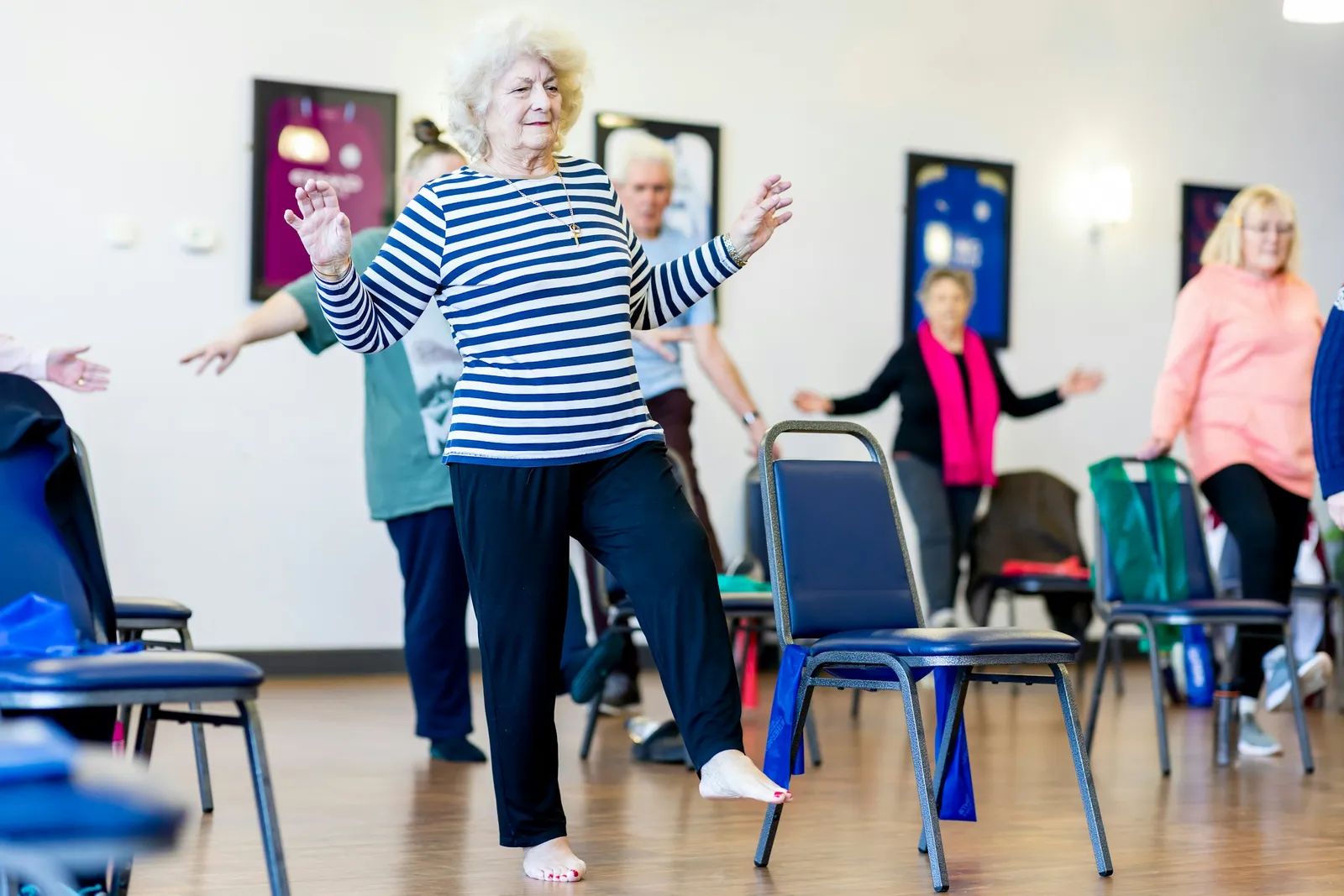
Dancing brings together movement, rhythm, social interaction, and memory for sequences, which makes it a particularly rich activity for the aging brain. Research finds that dance positively influences several interconnected domains, including physical, cognitive, emotional, and social health, and that these improvements frequently occur simultaneously, with dance linked to improvements in attention and executive function.
Memorizing dance steps improves concentration and strengthens memory, according to a systematic review published in 2025. Importantly, a meta-analysis involving cognitively healthy older adults reported small-to-moderate effects of dance on global cognitive function. A three-month aerobic dance intervention improved logical memory scores in older adults with amnestic mild cognitive impairment and was associated with enhanced structural connectivity within the hippocampus-hub temporal network.
Gardening

Recent studies have highlighted that outdoor gardening activities substantially enhance cognitive function, improve emotional well-being, and promote social interaction. Gardening is rarely described as a mental workout, yet the combination of planning, sensory engagement, and physical effort activates several brain regions at once. Gardening activities are considered effective in enhancing cognitive function by stimulating various brain regions through diverse sensory inputs.
A longitudinal study, which tracked participants from childhood into older adulthood, found that those who reported gardening at age 79 had better thinking and memory skills and showed stronger cognitive performance relative to their childhood baseline than those who never gardened. Studies focusing on gardening for older adults reveal that it fosters sensory engagement, maintains fine motor skills, and encourages interaction with others, with the act of nurturing plants offering purpose and routine that are essential for mental well-being.
Social Activities and Staying Connected

The cognitive benefits of social engagement are sometimes underestimated, perhaps because socializing doesn’t feel like “exercise.” The evidence, though, is clear. Among older adults who developed dementia or other serious memory problems, those who regularly engaged in social activities like visiting friends, going to parties, dining out, attending church, traveling, or playing bingo developed memory impairments, on average, five years later than their less socially active peers.
A cross-national analysis of 84,267 adults from 24 countries found that hobby engagement improves memory, orientation, and numeracy in adults aged 50 and over, with consistent hobbies predicting better cognitive function versus no hobbies. The takeaway is simple: staying socially plugged in is one of the more powerful things older adults can do for their memory.
Crafts, Art, and Creative Pursuits

Creative expression, whether through painting, music, writing, or dance, can be transformative, providing outlets for self-expression, socialization, and mental stimulation. Activities like knitting, drawing, or pottery require sustained attention, fine motor coordination, and often a degree of problem-solving, all of which engage the brain in meaningful ways.
Studies show that engaging in visual art therapy, creative storytelling, and community-based activities like gardening can offer cognitive, emotional, and social benefits to older adults across a range of thinking and memory skills. Research from McMaster University, published in late 2024, confirms that creative hobbies are especially promising for adults experiencing mild cognitive impairment. The act of making something, it seems, keeps more than just the hands busy.
Engaging in Multiple Hobbies Consistently

Perhaps the most striking finding from recent research is not about any single hobby in isolation, but about the compounding benefit of staying engaged across different activities. Group-based trajectory modeling revealed that hobby engagement was associated with a substantially lower risk of belonging to a “persistently low cognitive function” trajectory, with odds reduced by more than half.
Findings from a large population-based cohort study suggest that hobby engagement may have domain-specific protective effects on cognitive health in older adults, most notably by drastically reducing the risk of a severely adverse cognitive trajectory. Mental health partly mediates the hobby-to-cognition benefits, and findings support policies promoting enjoyable activities to protect brain health. The mix matters as much as the commitment, and the research suggests it’s never too late to start building that mix.
The Takeaway

None of these hobbies requires a clinical setting or a prescription. What the research consistently points to is something more accessible: staying engaged, curious, and active in ways that genuinely feel rewarding. Whether it’s a weekly choir rehearsal, a daily walk, or a crossword puzzle over morning coffee, these activities aren’t just pleasant ways to pass the time.
The evidence now suggests they’re among the most practical tools available for protecting memory as life goes on. The brain, it turns out, responds well to being used.
AI Disclaimer: This article was created with the assistance of AI tools and reviewed by a human editor.