

The Two-Week Line That Doctors Draw

There’s a widely cited threshold in medicine, and it’s surprisingly specific. The two-week rule is a common clinical guideline: if hoarseness lasts more than two weeks, it’s time to seek medical help, because the rule exists to catch and treat underlying issues early.
Medically, hoarseness lasting more than one week in a child, or two to three weeks in an adult, is a recognized prompt to contact a healthcare provider. The threshold isn’t arbitrary. It reflects how long the body normally takes to heal from the most common causes, like a viral respiratory infection.
Acute laryngitis from a virus typically clears up within seven to ten days. If the voice remains raspy for two weeks or longer, it suggests that the inflammation of the vocal cords is not resolving on its own.
Why the Larynx Is More Vulnerable Than Most People Think

Hoarseness develops when the vocal cords become irritated, inflamed, or do not vibrate normally during speech. Common causes include viral infections, allergies, acid reflux, smoking, excessive voice use, and exposure to environmental irritants.
In some cases, growths such as vocal cord nodules, polyps, or cysts may affect the quality of the voice. Less commonly, persistent hoarseness may be associated with neurological conditions or more serious diseases involving the larynx, making proper evaluation important.
The larynx is a small structure doing a constant job. It handles breathing, swallowing coordination, and voice production simultaneously. That combination of functions means irritation from almost any direction, acid, smoke, infection, or overuse, can show up as hoarseness before anything else.
Acute Laryngitis: The Most Common Culprit

Acute laryngitis is the most common cause of hoarseness, accounting for roughly forty percent of cases, and is almost always viral in origin. It occurs during infections of the upper respiratory tract and is self-limiting, typically subsiding after one to two weeks.
Acute hoarseness is almost always due to an acute viral illness and can persist for a while before resolving. This is the version most people know. Rest, warm liquids, and time usually handle it.
The trouble is that people sometimes assume all hoarseness follows this same pattern. It doesn’t. When the voice hasn’t recovered after two weeks, the cause is probably not a simple virus anymore, and that shift matters clinically.
Chronic Laryngitis and What Keeps It Going

For laryngitis to be truly chronic, hoarseness must last for at least two weeks. Once chronic laryngitis develops, it is usually a long-term problem in people who continue to smoke, drink alcohol heavily, work with irritating dusts or chemicals, or abuse their voice by shouting or constant talking. Chronic laryngitis caused by GERD will last as long as acid reflux continues.
Chronic laryngitis has an incidence of roughly 3.5 per 1,000 in the general population and is considered a precursor of vocal cord cancer. That link is one reason doctors don’t let chronic cases sit unexamined for long.
The frustrating thing about chronic laryngitis is that it often feels mild. The voice is a bit rough, a bit tired. It doesn’t scream emergency. Yet the underlying ongoing inflammation is exactly the kind of environment where more serious changes can develop quietly.
Acid Reflux: The Cause People Often Miss
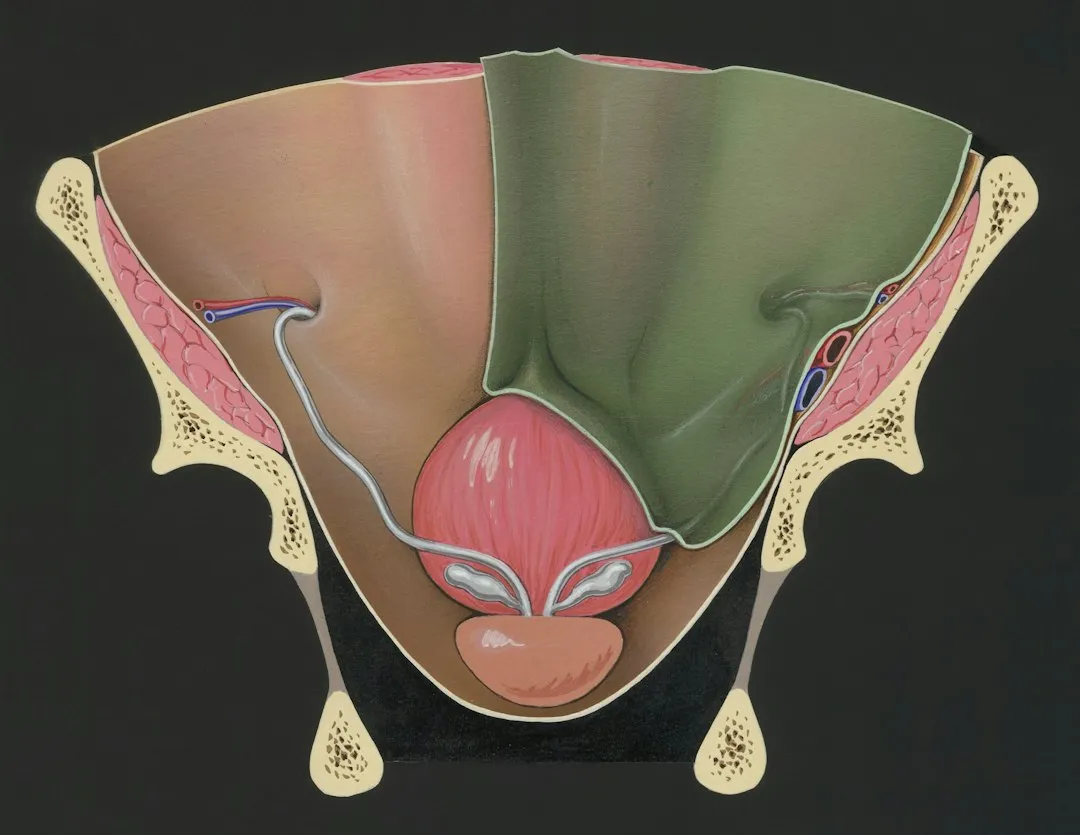
When stomach acid repeatedly travels up into the esophagus and reaches the larynx, it causes persistent inflammation of the vocal cords. This is known as laryngopharyngeal reflux, and it is one of the most underdiagnosed causes of chronic hoarseness in adults.
Many people with acid-related hoarseness don’t experience the classic heartburn. The acid reaches the throat silently, particularly at night, and the first sign is a voice that sounds worn out in the morning or by the end of the day. Taking medication to reduce stomach acid is a recommended step when hoarseness is due to GERD.
Left untreated, the repeated acid exposure keeps the vocal cords in a state of low-level irritation. The hoarseness doesn’t resolve because the trigger never stops. Addressing the reflux is the fix, not just resting the voice.
Vocal Cord Nodules and Polyps

Vocal cord nodules and polyps are non-cancerous lesions that usually develop after repeated vocal strain, irritation, or inflammation. Persistent hoarseness, vocal fatigue, breathiness, reduced pitch range, and throat discomfort are common symptoms.
Nodules form in symmetrical pairs from repeated voice strain and often shrink with voice therapy, while polyps and cysts are usually one-sided and more commonly need microsurgery. The distinction matters because the treatment paths are genuinely different.
The sound of a hoarse voice cannot tell you which lesion is present. Only laryngoscopy, ideally with stroboscopy, can distinguish a nodule from a polyp, cyst, or something that needs a biopsy. That’s worth repeating: no one, including experienced clinicians, can diagnose the specific lesion by ear alone.
Smoking, Hoarseness, and a Dangerous Overlap

Cigarette smoke directly irritates the lining of the larynx. Long-term smokers often develop a condition called Reinke’s edema, where fluid builds up under the vocal cord surface, producing a chronically hoarse, low-pitched voice. The danger is that smokers are already hoarse for these non-cancer reasons, which can lead to delays in diagnosing an actual tumor.
Smokers face a ten-fold higher risk of developing vocal cord cancer. That risk doesn’t disappear when someone quits. Former smokers who develop persistent hoarseness still need prompt evaluation, because the exposure history remains relevant.
For a smoker, hoarseness should prompt a medical check even sooner than the standard two-week window. When a person’s baseline voice is already affected by years of tobacco use, any new change or worsening deserves attention without delay.
When Hoarseness Points to Laryngeal Cancer

Early laryngeal cancer often presents with hoarseness as the only symptom. That makes it particularly easy to dismiss in the early stages, which is exactly when treatment is most effective.
Having a hoarse voice for more than three weeks is one of the most common symptoms of laryngeal cancer, according to Cancer Research UK. Research published in the British Journal of General Practice found that hoarseness was the symptom with the highest individual risk of laryngeal cancer among primary care patients.
Two thirds of laryngeal cancer is located on the true vocal folds. Squamous cell carcinoma accounts for over ninety percent of these cancers, and the earliest symptom is generally hoarseness. Because of this, roughly a quarter to nearly a third of glottic tumors are diagnosed at an early stage, at which point the chances of metastasis are extremely low. Early detection changes outcomes dramatically.
Red Flag Symptoms That Need Immediate Attention

Warning signs that should prompt urgent medical contact alongside hoarseness include difficulty swallowing, coughing up blood, a lump in the neck, unexplained weight loss, persistent ear pain, and shortness of breath. These do not automatically mean cancer, but they require medical evaluation.
Additional urgent signs include hoarseness after neck trauma or surgery, ear pain on one side with no ear infection, and a complete loss of voice for more than a few days. These combinations move the situation from “monitor closely” to “act now.”
Research shows that reporting more than one symptom raises the risk for certain combinations: hoarseness with raised inflammatory markers carries a risk approaching fifteen percent, while hoarseness combined with recurrent sore throat reaches roughly twelve percent. Combined symptoms are not reassuring. They’re additive.
What the ENT Evaluation Actually Involves
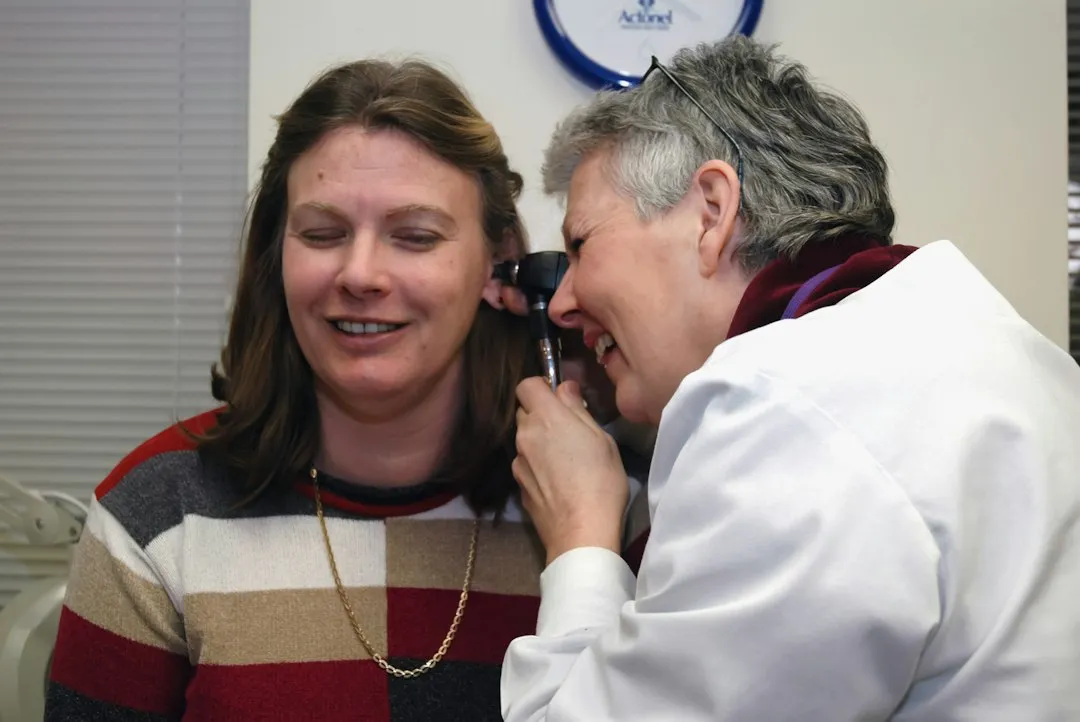
A voice that remains hoarse for more than two to three weeks should be evaluated by an ENT physician, particularly if symptoms develop without an obvious cause. The evaluation is usually not as daunting as people imagine.
Diagnosis is made by an ENT specialist using laryngoscopy, often with stroboscopy to assess vocal fold vibration. Voice therapy is a key treatment, especially for nodules, and helps people use the voice more efficiently and safely.
For voice disorders, voice therapy may be used alongside other treatments. Depending on the cause, a healthcare professional may prescribe medicine to ease vocal cord swelling, treat gastroesophageal reflux disease, or address other underlying issues. Surgery is reserved for cases where conservative care hasn’t worked, or where a lesion clearly requires removal.
Simple Steps That Genuinely Help

Most hoarse voices clear up within seven to ten days. This is common after a cold, allergies, or a day of straining the voice. During that window, a few straightforward steps can support recovery and prevent the situation from becoming chronic.
Whispering strains the vocal folds more than soft speech, which is why the NIDCD advises against it during voice rest. That’s a counterintuitive point that many people get wrong. Whispering feels gentle but actually creates abnormal tension across the cords.
Avoiding smoking and secondhand smoke is important because both dry out and damage the vocal folds over time. Using a vaporizer to add moisture to the air you breathe also supports recovery. Staying hydrated, avoiding caffeine and alcohol, and giving the voice genuine rest remain the practical pillars of early care.
The Takeaway

A hoarse voice for a day or two is the body doing what it does. A hoarse voice that’s still there at the two-week mark is a signal worth taking seriously, not with alarm, but with a phone call to a doctor.
Early diagnosis allows many vocal cord conditions to be treated before they become more advanced or permanently affect the voice. The earlier something is found, the more options exist. That’s true whether the cause turns out to be straightforward or more serious.
The voice is something most people only notice when it stops working. Two weeks is a reasonable amount of patience. Beyond that, curiosity about what’s happening is not just reasonable. It’s medically sound.
AI Disclaimer: This article was created with the assistance of AI tools and reviewed by a human editor.