

Hip pain is easy to assume. You feel it deep in the joint, maybe when you walk, sit, or roll over in bed, and the natural conclusion is that something is wrong with your hip. That assumption is reasonable. It’s also frequently wrong.
A significant portion of what feels like hip pain originates elsewhere entirely, specifically in the lumbar spine. The lower back and hip share nerve pathways, structural mechanics, and movement patterns so intertwined that the two regions can confuse even experienced clinicians. Understanding that connection can save months of misdiagnosis, failed treatments, and unnecessary procedures.
The Nerve Pathways That Blur the Picture
The lumbar spine and the hip joint share nerve pathways, which means pain signals from the spine can be “referred” to the hip. This is not a rare quirk. It’s a basic anatomical reality that affects how pain is perceived and where it shows up in the body.
L4-L5 nerve root compression occurs when something like a bone spur, spinal disc, or thickened ligament presses on a nerve root at the L4-L5 level of the lumbar spine. When that happens, the pain doesn’t always stay in the back. Hip pain from L4-L5 nerve root compression is often accompanied by lower back pain and neurological symptoms like tingling and weakness in the legs. Patients frequently describe the sensation as coming from the hip when the actual compression is happening several inches above it.
What “Hip Spine Syndrome” Actually Means

A number of patients with hip osteoarthritis have lower back pain and hip joint pain, a symptom named hip spine syndrome (HSS). This term has gained traction in orthopedic and spine medicine over the past decade, and it reflects something clinicians have long observed: the two regions fail together and compensate for each other in ways that generate overlapping pain.
Research has shown that the lumbar spine always plays some compensatory role in patients with hip osteoarthritis. Patients with hip osteoarthritis have reduced muscle function around the hip joint, which can lead to abnormal mechanical loading of the lumbar spine and pelvis. The spine picks up the slack when the hip can’t move freely, and that extra load accumulates over time.
How Often Is Hip Pain Actually Misdiagnosed?
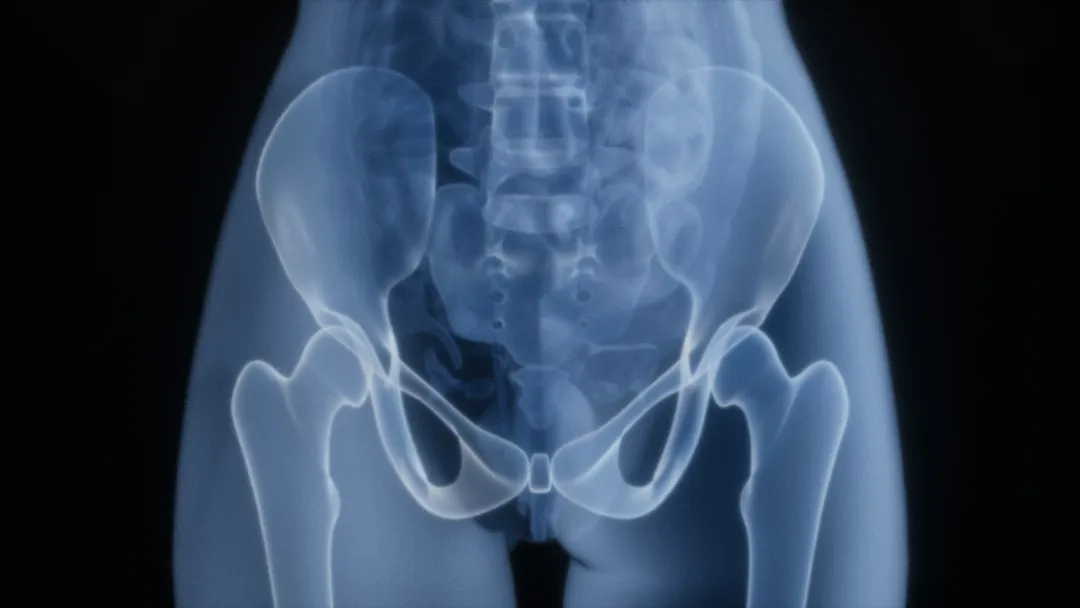
Up to roughly one in five hip pain cases are initially misdiagnosed as a lumbar spine issue. This often occurs because the symptoms between hip and back disorders can mirror and overlap each other. For patients who spend months following the wrong treatment path, that overlap is more than just a clinical footnote.
In one retrospective study, four common final diagnoses were identified among misdiagnosed hip pain patients: femoroacetabular impingement syndrome, hip dysplasia, referred pain from the lumbar spine, and spondyloarthritis. A total of over 2,600 patients were referred to a hip clinic during the study period. It is well recognized that hip pain can be referred from the lumbar spine, and spine problems were the third most common condition found in those patients.
Sciatica and the Hip: A Common Confusion

Nerve pain from sciatica often presents as a sharp, shooting sensation starting in the lower back or buttocks and radiating into the hip, thigh, or leg. That description is nearly identical to what many people call “hip pain,” particularly when they feel it in the outer buttock or side of the hip.
Sciatica can cause hip pain that radiates from the lower back down through the buttock, leg, and even into the foot. Hip pain from sciatica often mimics joint-related pain, making it important to differentiate the cause for proper treatment. The key distinction is that sciatica-related hip symptoms often shift or worsen depending on posture and position, whereas true joint pain tends to stay fixed and predictable with specific movements.
The Lateral Hip: Gluteal Tears and Spine Disease

Primary chronic low back pain or lumbar pathologies can contribute to sagittal imbalance of the lumbar spine, adversely influencing hip mechanics and leading to ischiofemoral impingement, femoroacetabular impingement, secondary hip joint instability, and subsequent gluteal sprains or tears. This is a newer area of research that links lateral hip pain specifically to structural changes in the spine.
The typical presentation involves a patient with chronic lateral hip pain, potentially including pain that radiates to the knee. This presentation has been termed “pseudoradiculopathy,” and when there is concomitant low back pain, it can lead to referral to a spine specialist. Surgeons may now opt to show a greater degree of vigilance for gluteal tears in patients presenting with lateral hip pain and a history of lumbar spine disease.
How Hip Movement Changes When the Back Hurts

Biomechanical alterations in patients with low back pain, such as reduced range of motion or strength, do not appear to be exclusively related to the trunk. Studies have investigated biomechanical changes in the hip due to the proximity of that joint to the low back region. What emerges from that research is a picture of two regions pulling each other out of balance.
Range of motion is lower in the total, internal, and external hip rotation movements of patients with low back pain compared to healthy individuals. The strength of the hip abductor and extensor muscles is also lower in patients with low back pain compared to asymptomatic individuals. These changes don’t just cause discomfort. They alter gait, shift load distribution, and can accelerate wear in both the hip and the spine.
The Role of the Lumbar Disc: When Discs Refer Pain Downward
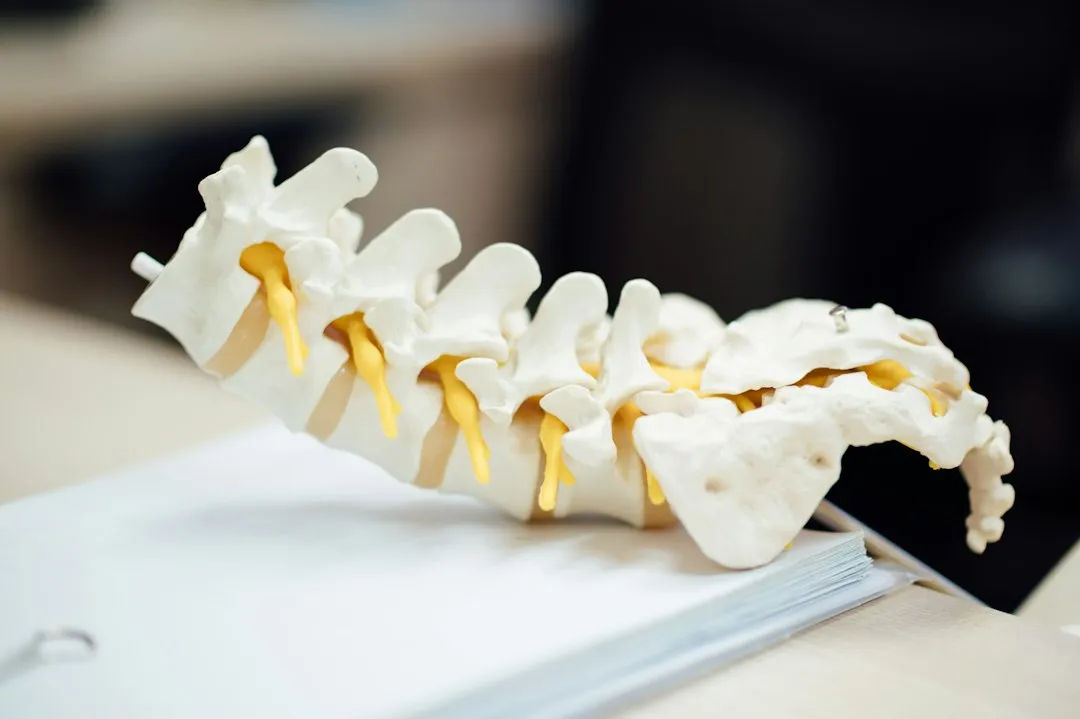
L4-L5 pathology frequently produces pain in the hip and buttock regions. The L4 and L5 nerve roots contribute to the sciatic nerve, which passes through the buttock region. Disc herniation at this level is one of the most common culprits behind what patients describe as deep, nagging hip ache.
Facet joint arthritis at L4-L5 also commonly refers pain to the hip and groin. This is a less discussed pathway. Many people associate hip and groin pain with joint problems like arthritis or a labral tear, but a worn facet joint at L4-L5 can generate a nearly identical pain pattern. In the Rotterdam Study, researchers found that disc space narrowing at the L1-L2 or L2-L3 spine level was significantly associated with hip pain.
The Spine-Abductor Link: A Newer Finding
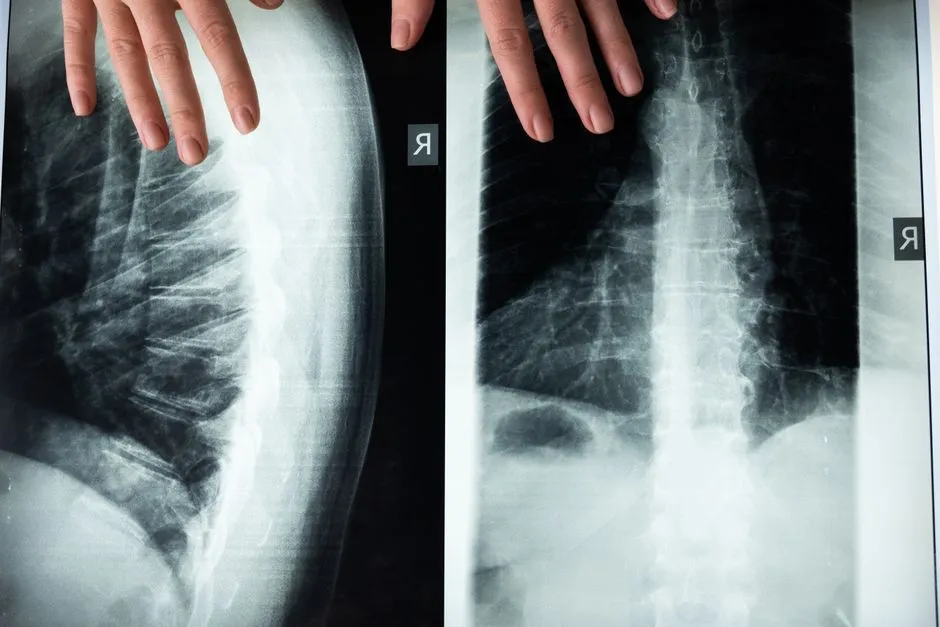
A 2024 study published in the Journal of Bone and Joint Surgery introduced the concept of “Spine-Abductor Syndrome,” which describes a clinically meaningful relationship between lumbar spine disease and pathology in the hip gluteal muscles. The relative risk of gluteal tears among those with lumbar spine disease was found to be markedly elevated. This suggests the relationship between the spine and hip isn’t just about referred pain. It may involve actual structural damage triggered by mechanical compensation.
There may be a need to optimize diagnostic protocols for lateral hip pain in patients with a history of lumbar spine disease. That’s a quiet but significant shift in clinical thinking, one that encourages clinicians to image and evaluate the spine even when the chief complaint is clearly located in the hip.
Why Treating Only the Hip Often Fails

In a study of 52 patients with hip spine syndrome who underwent total hip arthroplasty, patients were divided into groups based on whether their postoperative back pain was relieved. Roughly two thirds achieved relief in back pain after the hip procedure. The remaining third did not, which points directly to the spine as the persistent driver of their symptoms.
Research suggests that a substantial proportion of hip pain cases actually originate from the lower back. This means that treating the hip alone may not be enough to relieve the discomfort. For patients who have undergone injections, physical therapy, or even surgery aimed at the hip with little relief, this is the kind of finding that reframes the entire treatment conversation.
How Clinicians Are Improving Diagnosis
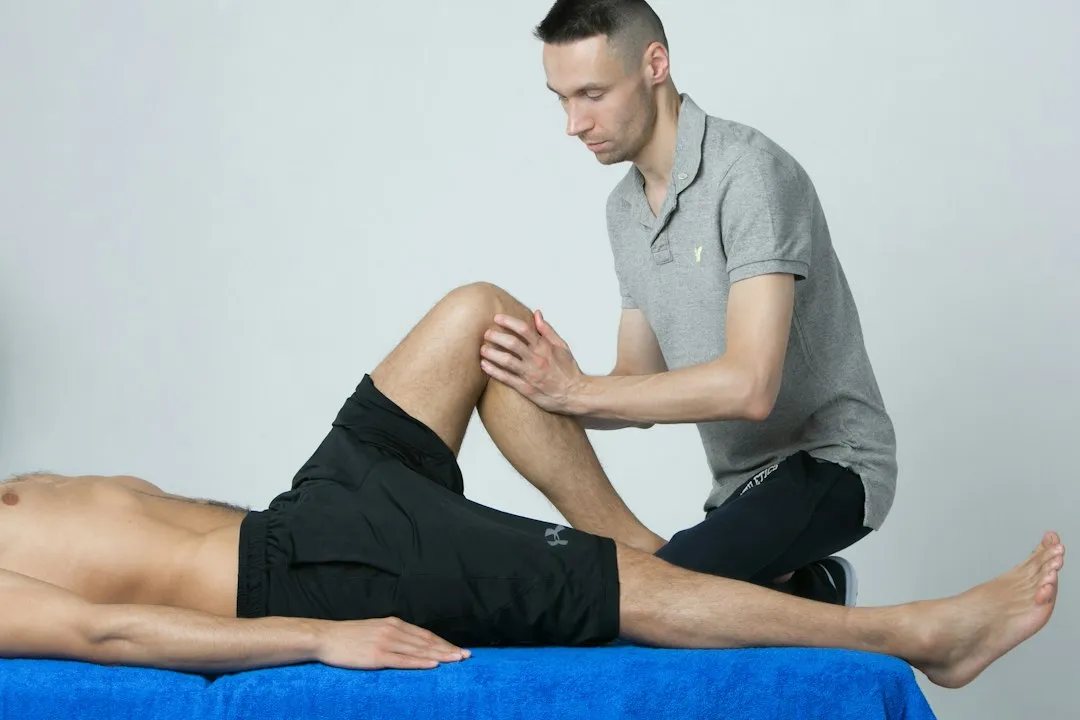
Patients with nonspecific low back pain demonstrate alterations in hip muscle flexibility. The hip muscles act as an important link between the lower limbs and the trunk, exerting forces from the lower limbs to the spine and from the spine downward. Recognizing this bidirectional relationship has started to shift how physical therapists and orthopedic specialists approach both conditions.
Patients with low back pain report pain with pivoting in nearly three quarters of cases and with crossing the legs in close to half of cases, both daily activities suggestive of a hip disorder. Collectively, these findings suggest that there is a hip-spine connection in a number of patients seeking care for low back pain. Careful clinical examination, including specific provocation tests for both the hip and the lumbar spine, is increasingly recognized as essential before any diagnosis is confirmed.
What This Means for Patients in 2026
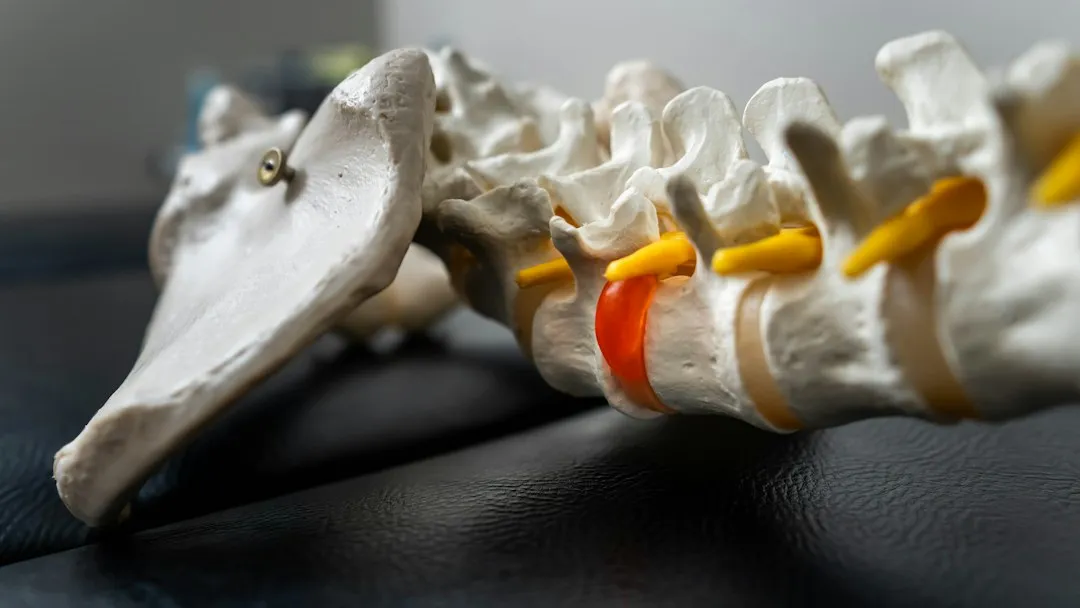
The evidence has reached a point where treating hip pain and back pain as entirely separate problems is no longer defensible in many cases. The structural, neurological, and biomechanical connections are real, well-documented, and clinically consequential. Patients who have chased their hip pain for years without resolution may be dealing with a lumbar origin that simply hasn’t been properly evaluated.
If your hip pain doesn’t respond to hip-focused treatment, or if it comes with tingling, changes based on posture, or radiates toward the thigh or buttock, a thorough lumbar spine evaluation is worth requesting. The pain may feel like it’s in your hip. The answer may be a few vertebrae above it.
AI Disclaimer: This article was created with the assistance of AI tools and reviewed by a human editor.