

You Don’t Actually Know How Blisters Form
Most people assume blisters are just the result of rubbing. The reality is more specific, and understanding it changes how you approach prevention. According to a comprehensive 2024 review published in the Journal of Athletic Training, friction blisters form through a process called repetitive shear deformation – when your foot shifts inside your boot and the layers of your skin are pulled in opposing directions.
With enough repetition, those layers begin to separate and fluid rushes in to fill the gap, forming a blister. One moment of friction does not cause a blister. Thousands of steps do. That mechanical understanding matters because it shifts the focus from surface-level rubbing to internal movement inside the boot.
Your Boots Are the Wrong Size and You Don’t Know It
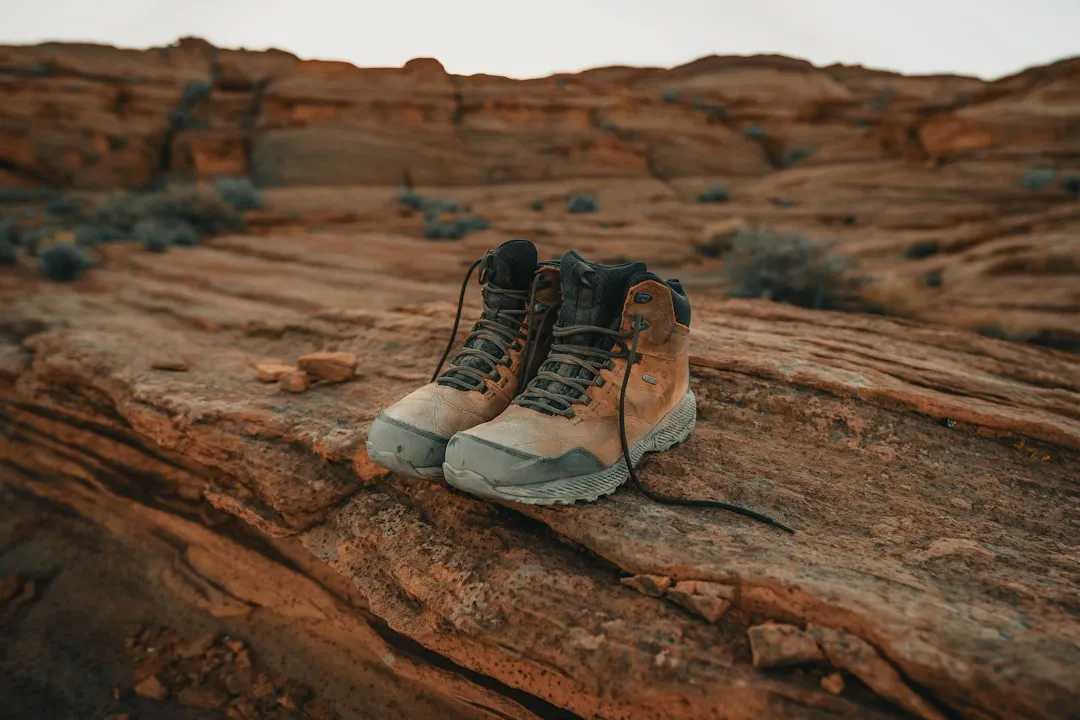
According to a 2020 study published in the Journal of Foot and Ankle Research, about 70% of hikers reported blister issues due to poorly fitting footwear. That’s a majority of people on the trail walking with boots that are subtly wrong from the start.
Improper fit of hiking boots causes heel blisters by allowing excessive movement of the foot inside the boot. If the boots are too tight, they create pressure points, leading to friction. Conversely, if they are too loose, the foot slides, causing similar discomfort.
Hikers can suffer toe and foot injuries if their toes touch the end of their hiking boots, ranging from blisters and lost toenails to bunions and structural foot injuries. That’s why hikers want a half-inch of space in the toe box and should size up a half size or full size from their regular shoe size.
You’re Buying Boots in the Morning When Your Feet Are Smallest
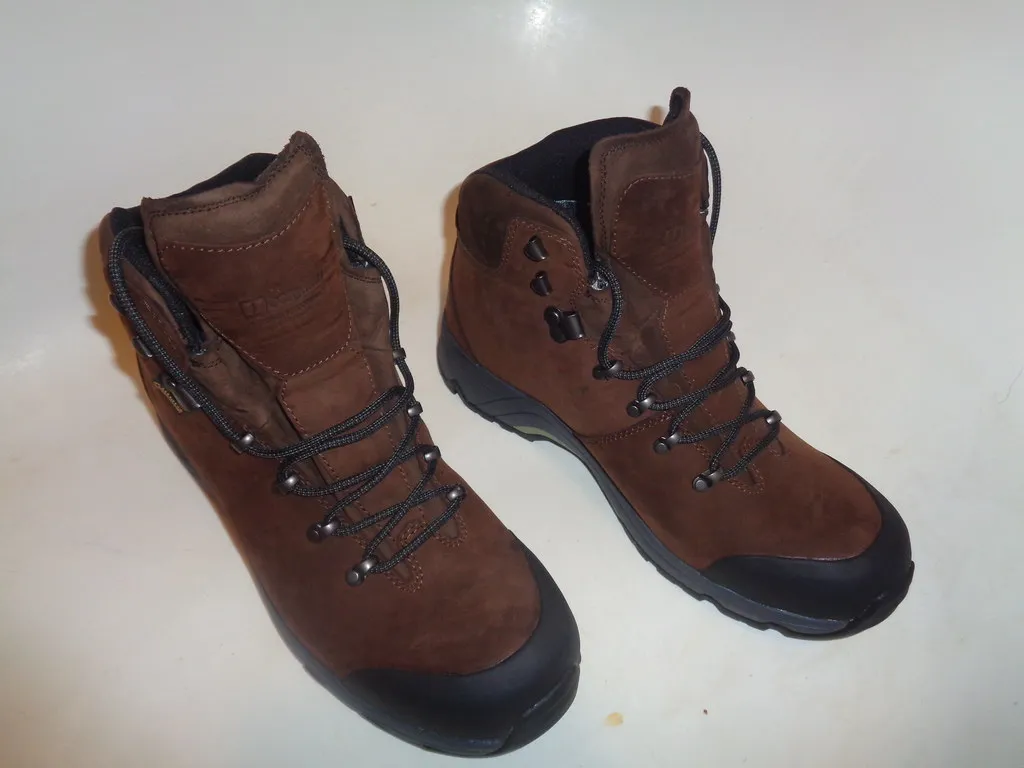
Foot size is not fixed throughout the day. Your feet naturally swell over the course of the day, especially during long walks or hikes. A boot that feels “just right” in the morning can become painfully tight by the afternoon.
Timing your purchase for the afternoon, when feet are at maximum swell, and arriving equipped with the exact socks and insoles you’ll use on trail is a simple habit that most people skip. Testing boots at the day’s end when your feet may swell is recommended. A good hiking boot should allow about a thumb’s width of space between your longest toe and the front of the boot, to accommodate foot swelling that occurs during hikes.
Your Heel Is Lifting and You’re Ignoring It
Heel slippage is one of the most consistent and underestimated causes of trail blisters. Your heel should be locked in position inside the boot and not slide up or down as you walk – this is the number one cause of blisters, according to the Appalachian Mountain Club.
If your heel significantly lifts inside your boot while walking, you risk the formation of painful blisters. To check for proper heel fit, lace your boots snugly and walk around. If your heel lifts more than a bit, consider getting a boot with a narrower heel cup.
The clearest sign of a boot that’s too large is excessive heel slippage. If your foot is sliding around inside the boot even after it’s fully laced, it’s too large. This will cause friction and lead to painful blisters.
You Never Actually Broke Your Boots In
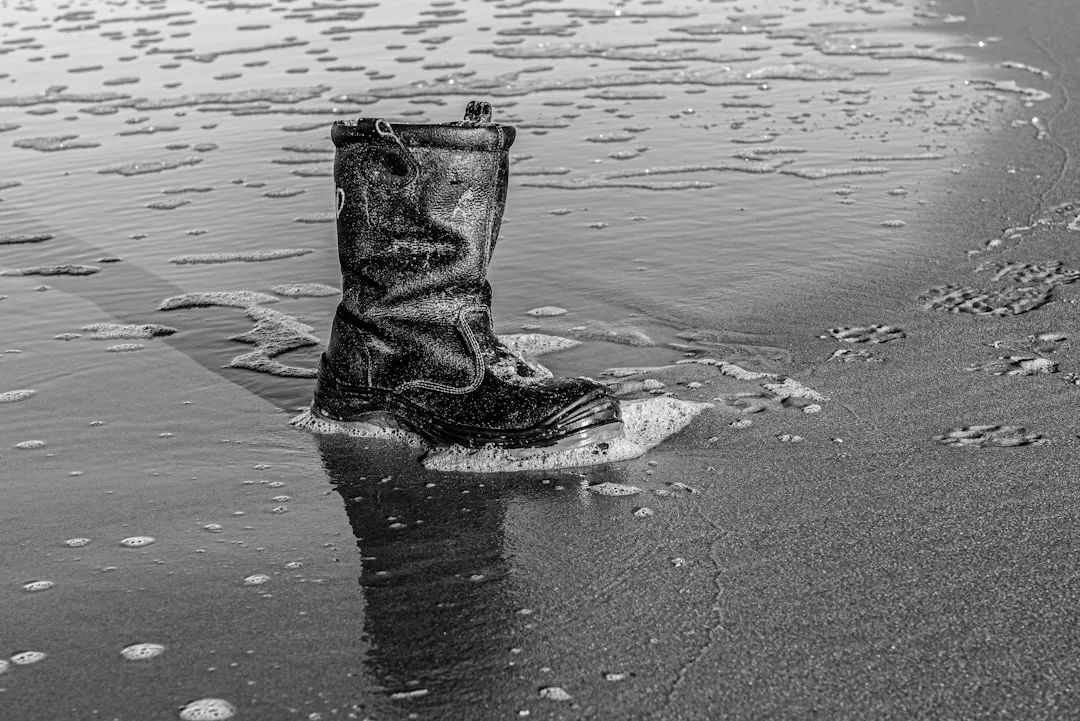
New boots feel fine in the shop. On a ten-mile trail, they reveal a completely different character. New boots, especially stiff leather ones, may cause some initial discomfort or “hot spots” during the break-in period, which can take 80 to 100 hours of wear.
Breaking in boots allows them to mold to your feet. By doing so, not only will you have more durable and comfortable boots, but you will also prevent hiking blisters that could become infected on the trail. Depending on the material, it can take between a matter of days to weeks to properly break them in.
A break-in period will make a good-fitting boot feel great, but it will not fix a boot that is fundamentally the wrong size. Breaking in a poor fit just locks in a poor fit.
You’re Wearing the Wrong Socks
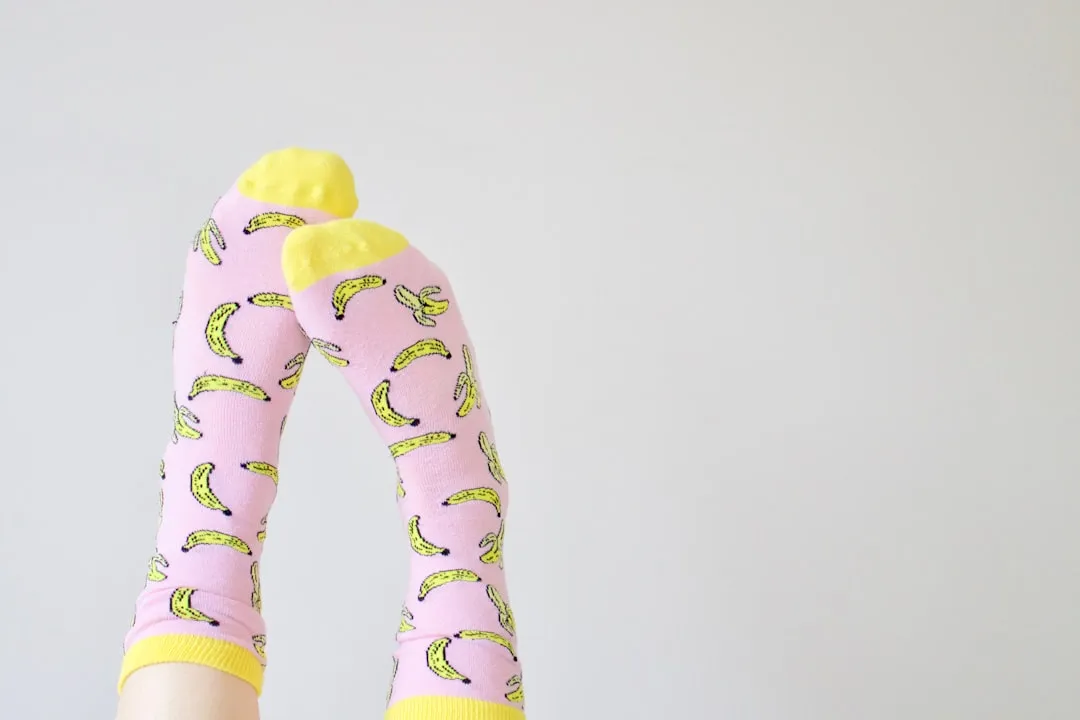
Cotton socks seem harmless. On a long trail, they’re anything but. Cotton socks absorb sweat and spike friction, whereas moisture-wicking Merino wool socks or synthetic socks paired with a thin synthetic sock liner transfer the friction point from skin to sock.
Research published in the British Journal of Sports Medicine indicates that specific materials, like wool and synthetic blends, perform better at preventing blisters compared to cotton. Merino wool is naturally odor-resistant and moisture-wicking. Synthetic socks dry faster and offer better durability in humid conditions.
The double-sock method also has real data behind it. A study described in the 2024 Journal of Athletic Training review found that military recruits who wore a polyester liner sock under a dense wool-polypropylene outer sock had a blister rate of around 40%, compared to 69% in the group wearing a single standard-issue sock. The principle is that friction is transferred to the interface between the two sock layers rather than at the skin surface.
Moisture Is Softening Your Skin Faster Than You Think

Sweat inside a boot is doing more damage than most hikers realize. Heat and moisture accelerate the process of shear deformation considerably. As your feet warm up and perspiration builds inside your socks and boots, the outer layer of skin softens.
Moisture from sweat or wet conditions softens the skin, making it more prone to irritation and damage. Research by Andrew Jones in 2018 found that moisture-wicking socks can reduce blister incidence by up to 30%. That’s a meaningful reduction from a simple equipment swap.
Wet socks are blister magnets. Bringing a second pair of socks on longer hikes and letting your feet dry during breaks is one of the most practically effective habits a hiker can build.
You’re Lacing Your Boots Wrong
Lacing seems like a trivial detail. Over a long day of hiking, it determines whether your heel stays secure or slowly grinds against the boot’s collar. When lacing your boots, leave the area over the top of your foot loose but cinch down tightly across your ankles to secure your heel in place.
One often overlooked but highly effective way to prevent blisters is through proper shoe-lacing techniques. The heel lock, sometimes called the runner’s loop, uses the top eyelets to create a tighter anchor around the ankle without compressing the midfoot. Advanced lacing techniques like the Heel Lock and Surgeon’s Knot help customize fit for high arches, wide toe boxes, or stubborn heel lift.
You’re Ignoring Hot Spots Until It’s Too Late
A hot spot is the blister before the blister. It’s the moment your skin is signaling that something is wrong, and the trail window to fix it is closing fast. A hot spot is your warning system – redness or mild discomfort on your foot before the skin breaks. Stop hiking immediately when you feel one. Moisture and friction create the problem, so address it right then.
If you notice a hot spot, it’s best to treat it immediately, especially if you still have kilometres of trail to go. Treating any hot spots instantly with padded bandages, Moleskin, or tape takes less than two minutes and can save the rest of your hike. Most people keep walking and pay for it by the end of the day.
You’re Fitting Boots Without Your Trail Socks On
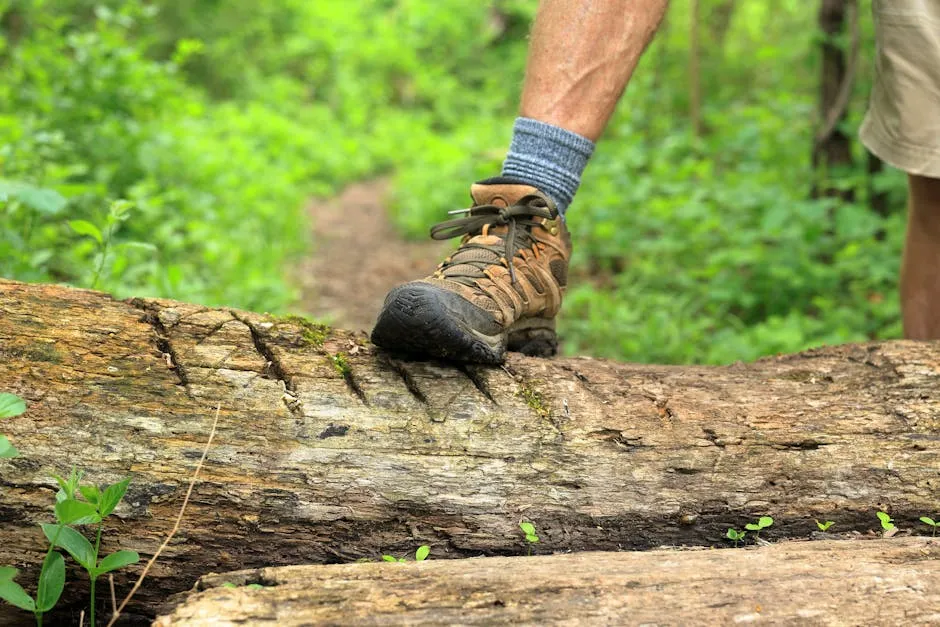
This one trips up experienced hikers too. Trying on boots in a shop while wearing thin dress socks or no socks gives you a completely inaccurate picture of how they’ll perform on a trail. When checking if your hiking boots fit, put on the hiking socks that you are going to wear for the trip.
If the added thickness of a double-sock system makes your boots too tight, the resulting pressure can create its own blister risk. So the sock system you plan to use on trail needs to be the same one you test in the store. Wearing each shoe with your hiking socks and lacing them as you would before hiking is essential. Doing this step incorrectly will cause you to pick the wrong pair.
Conclusion
Blisters on long trails are common, but they’re not inevitable. The research is clear that the overwhelming majority trace back to the same cluster of mistakes: wrong size, wrong socks, no break-in time, and ignored warning signs. Foot blisters are the most common medical complaint among hikers, reported at 64% in one study of long-distance walkers.
The good news is that every item on that list is fixable before you leave the trailhead. The trail doesn’t care how good your other gear is if your feet are failing by mile six. Get the fit right, pick the right socks, break the boots in properly, and stop the moment your foot starts talking to you. That’s the whole system, and it works.