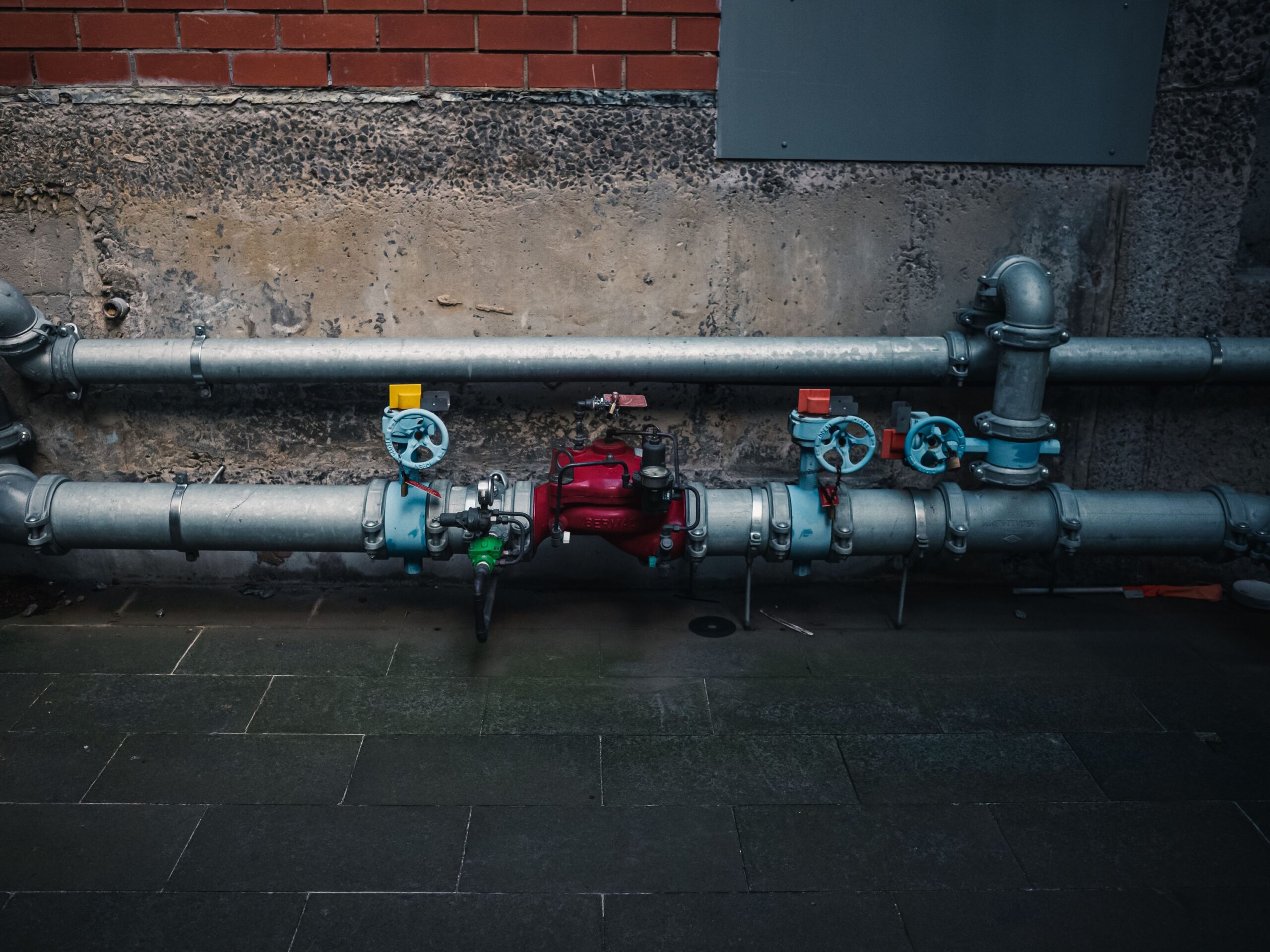

Most homeowners know where their fuse box is. Far fewer could walk straight to their main water shutoff valve without hesitating. That gap in knowledge is rarely a problem, right up until the moment it is.
Water damage affects roughly 14,000 people in the U.S. every single day. When a pipe bursts or an appliance overflows, the clock starts immediately. The difference between a manageable repair and a catastrophic one often comes down to how fast you can cut the water supply. Here’s everything you need to know about your home’s most overlooked line of defense.
Why Most Homeowners Have No Idea Where It Is
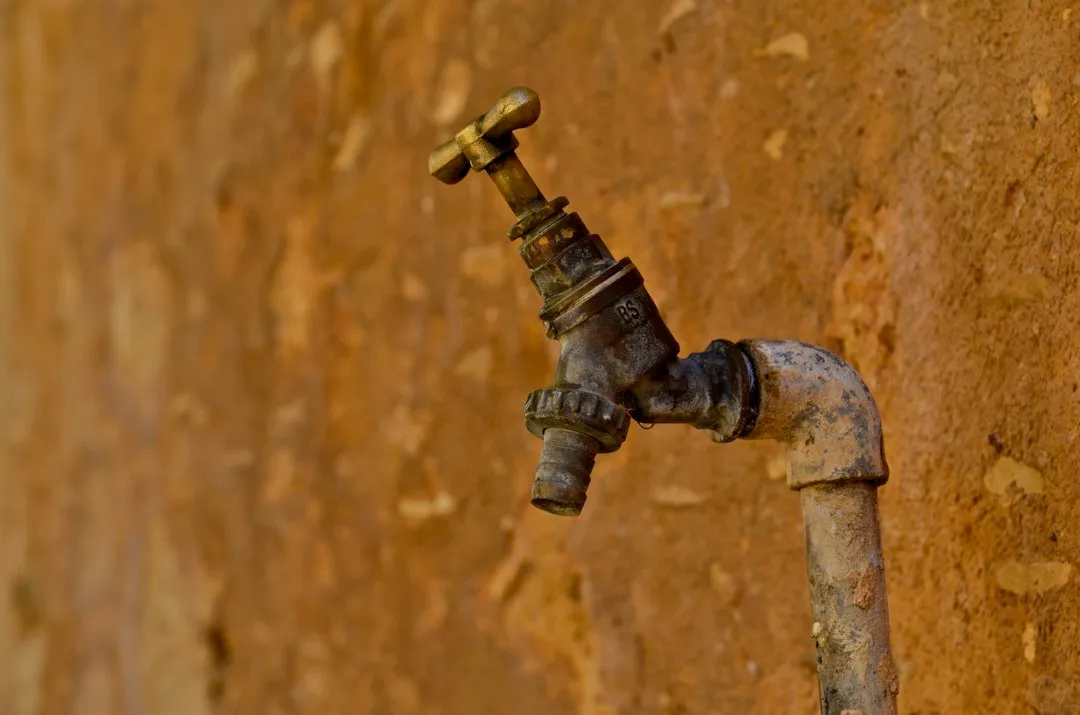
Understanding the location and operation of your home’s water shutoff valve is crucial knowledge, even though many folks don’t realize that until an emergency or a water leak occurs. By then, panic sets in and precious minutes disappear searching walls, closets, and crawl spaces.
Fewer than roughly one in five homeowners take active steps to protect their homes against water damage. The shutoff valve is a perfect example of the kind of basic preparedness that sounds obvious in hindsight but simply never comes up during a typical week of homeownership.
New homeowners often receive a thick stack of documents at closing. A clear map to the shutoff valve is rarely one of them. That oversight deserves more attention than it gets.
The True Cost of Not Knowing
Water damage is the second most common homeowners insurance claim in the U.S., costing an average of $15,400 per claim. That figure alone should prompt every homeowner to spend ten minutes this weekend doing a simple walkthrough.
A single inch of water in a small-sized home costs around $11,000 in repairs. If water accumulates to a foot on a single floor, that number climbs to $29,000. Those are not worst-case estimates. They are averages.
Mold can begin growing within 48 hours of water exposure. A shutoff valve found in two minutes rather than twenty can mean the difference between a dry-out job and a full-scale remediation project.
Where to Look: Inside the Home
The main water shutoff valve is located where the main line enters the home, usually in the basement, crawlspace, garage, or on exterior walls near the foundation. Starting your search near the front of the house tends to be the most efficient approach.
In homes with a basement, the shutoff valve is commonly found on the front foundation wall, often at eye level or slightly lower, within a few feet of where the water line enters the house. It’s often within arm’s reach once you know what wall to face.
For homes without basements or crawl spaces, the main shutoff valve could be located in a utility closet, particularly near the hot water heater or laundry appliances. Check these rooms first if your home sits on a slab foundation.
Where to Look: Outside the Home
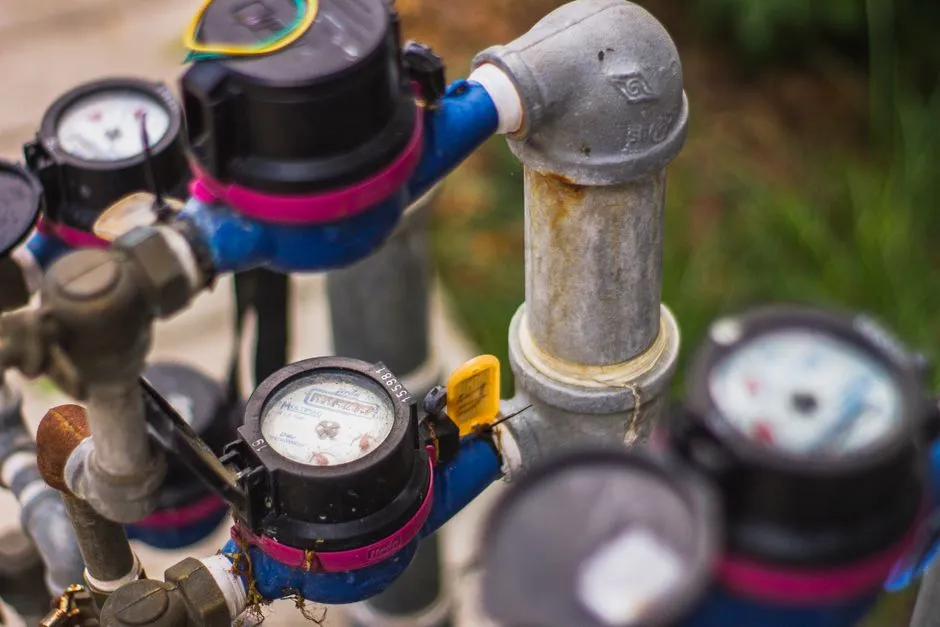
In homes without basements, the valve may be located in a crawl space, utility room, or even outside near the water meter. Warmer climates especially tend to place valves outdoors since freeze protection is less of a concern.
Check for a rectangular or circular metal lid labeled “water” or “meter” in your yard near the street. The main shutoff valve is usually located directly next to the water meter. A flathead screwdriver can help lift the lid if it’s stuck.
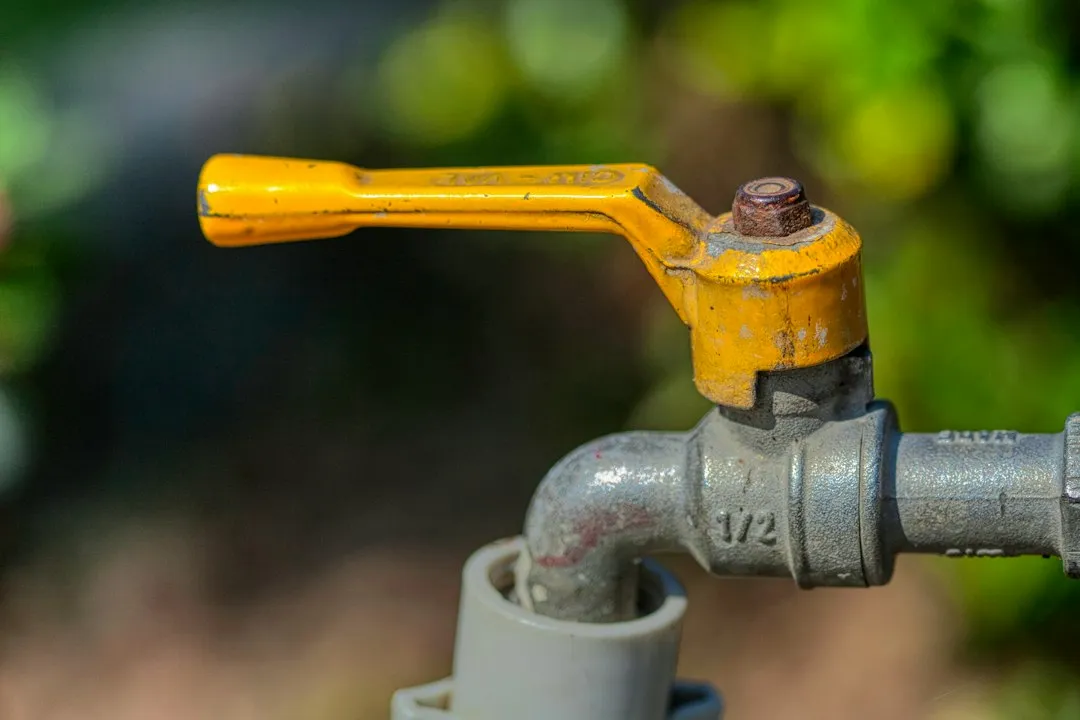
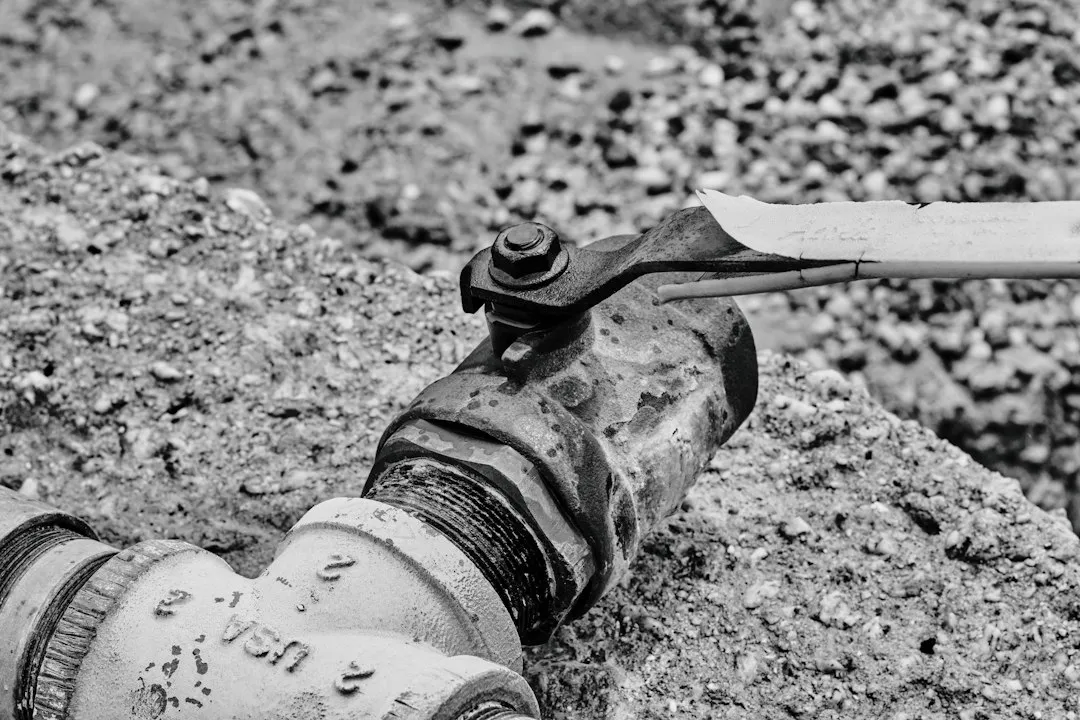
Most main shutoff valves are located on the exterior of the home or just inside the property in line with the water meter. The valve is usually a circular gate valve designed to shut off slowly, or a ball valve with a lever handle that turns off at a 90-degree angle to the supply pipe.
Two Main Valve Types and How to Operate Them
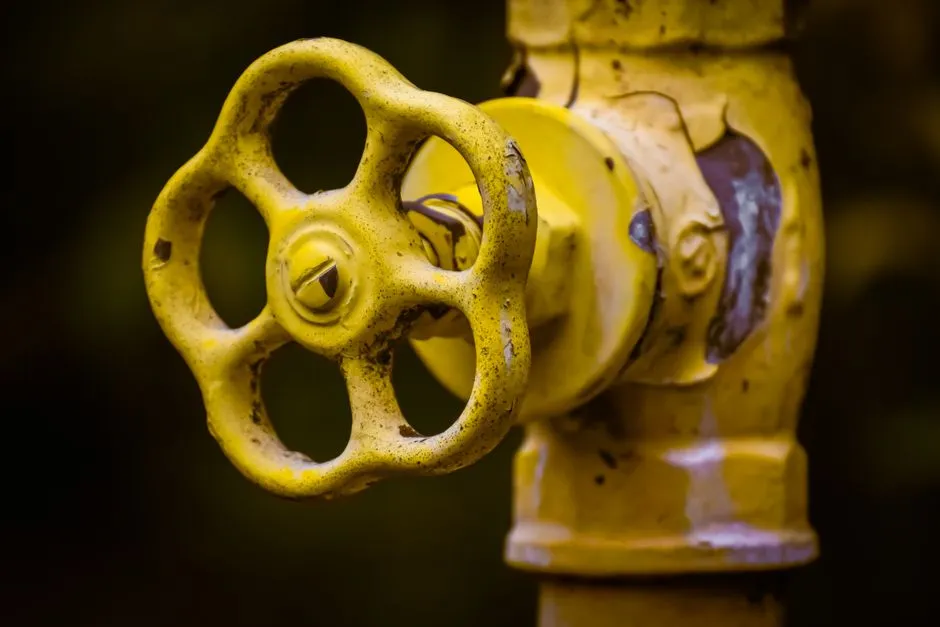
The main water valve looks like a larger pipe fitting with either a rotating handle or a straight lever. It can be made of metal or brass and is located where the water supply connects to your home. The type of valve matters because operating them differs significantly.
A gate valve requires multiple clockwise turns to fully close. A ball valve needs just a quarter turn, rotating the lever perpendicular to the pipe to stop flow. In an emergency, turn the valve clockwise or flip the lever to shut it off, then open faucets to drain remaining water and relieve pressure.
The shutoff valve is sometimes painted red, which can make it easier to spot in dim utility rooms or crowded mechanical spaces. If yours isn’t marked, consider adding a tag or bright paint yourself.
The Second Valve: Your Fixture-Level Shutoffs
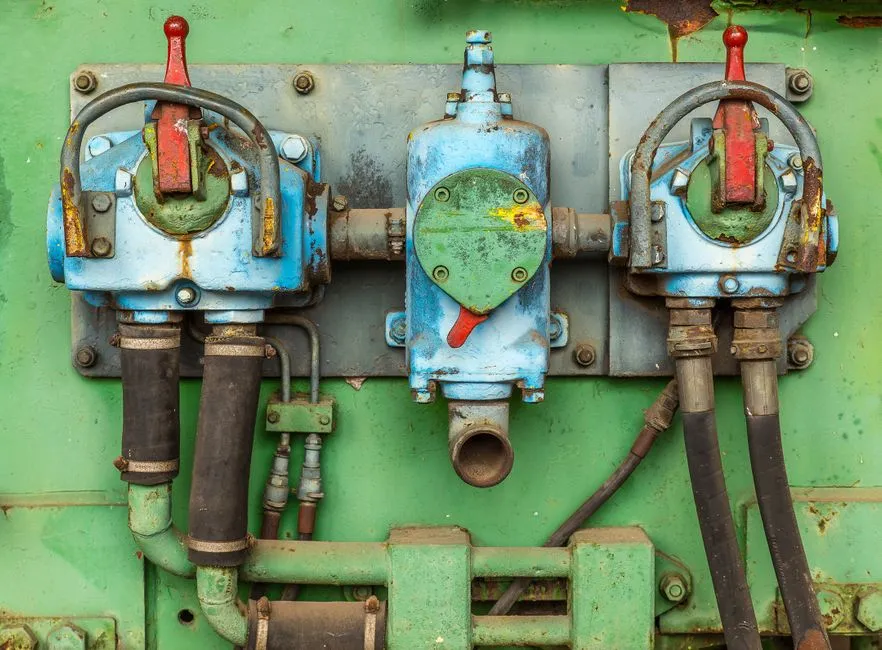
Water shutoff valves are typically located near any fixture or appliance that uses water, such as toilets, sinks, dishwashers, and washing machines. These are your first line of defense for isolated problems that don’t require cutting water to the entire house.
Every bathroom sink has two shutoff valves, one for hot water and one for cold. These small shutoff valves are found right where the water pipes come out of the wall inside the sink cabinet. They’re easy to overlook until you urgently need them.
A shutoff valve is required by plumbing code on the cold water supply pipe to the water heater. Shutting it off also stops water flow to all hot water pipes throughout the rest of the home, which makes it a useful second option in many emergencies.
The 98 Percent Basement Problem
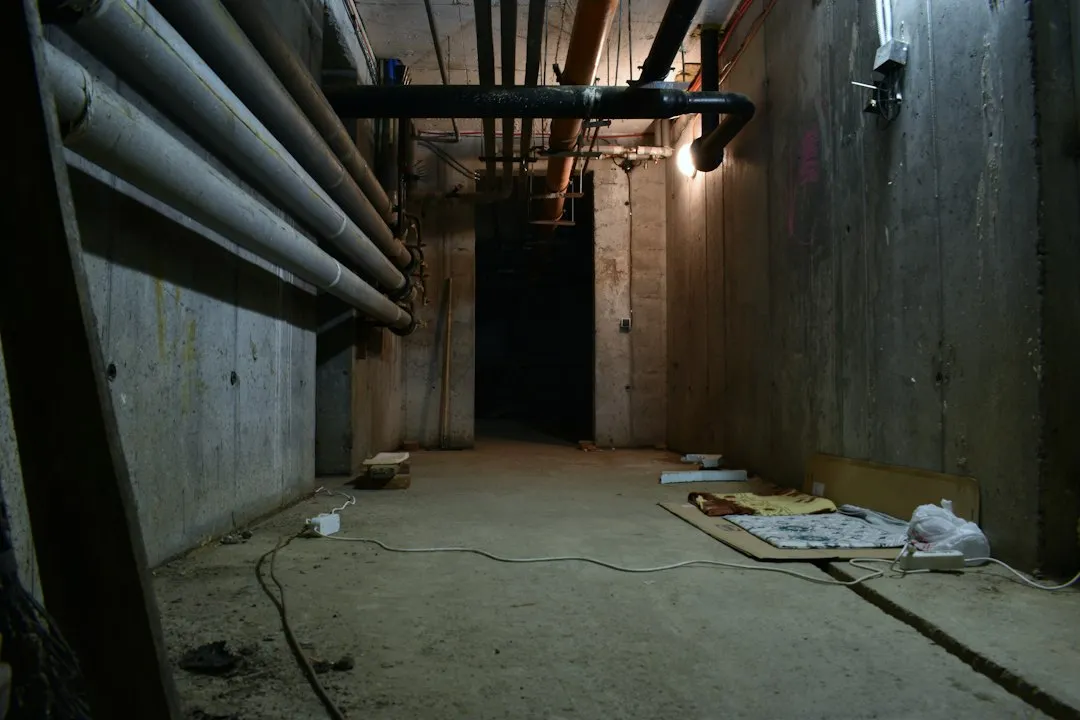
A striking 98 percent of basements experience some sort of water damage. That is not a statistic buried in fine print. It reflects how vulnerable the lowest levels of a home are to both internal plumbing failures and external moisture intrusion.
The main water line, the water heater, the laundry connections, and often the sump pump all converge in the basement. That concentration of water-related systems makes it both the most logical place to find your shutoff valve and the most likely room to suffer if something goes wrong.
Knowing the valve location and how to shut water off properly prevents extensive damage from leaks. Regular inspection and maintenance of the valve also ensures it functions when you actually need it. A valve that hasn’t been turned in years can seize up at the worst possible moment.
What Smart Shutoff Valves Can Do That You Cannot
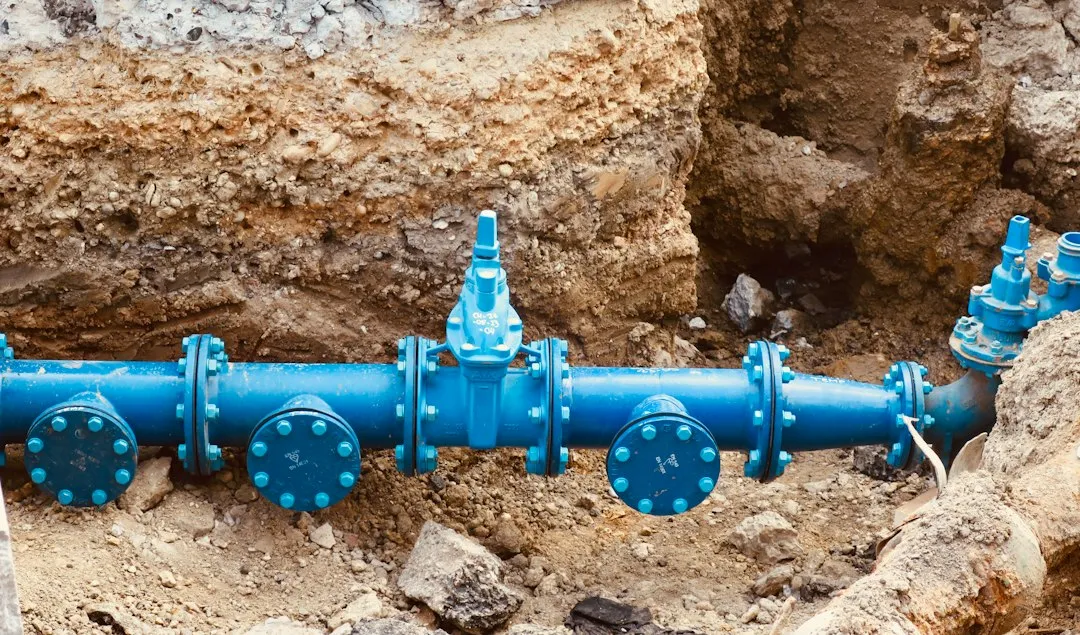
A smart water valve gives homeowners always-on leak detection, automatic water shutoff, and app-based control to prevent costly water damage. The technology has matured considerably in recent years and is increasingly accessible for average homeowners.
Automatic shutoff valves detect abnormal flow or moisture and close your home’s main water line within seconds, preventing hidden leaks, burst pipes, or running toilets from causing thousands of dollars in damage, especially when you’re away. That last detail matters enormously. Damage that occurs while you’re on vacation tends to be far worse than damage caught within minutes.
Most homeowners who install qualifying smart valves receive a three to ten percent annual premium discount from their insurer, a lower deductible for water damage claims, or a one-time rebate for installing the device. The savings potential is real, though it varies by insurer.
When to Test Your Valve and What to Watch For
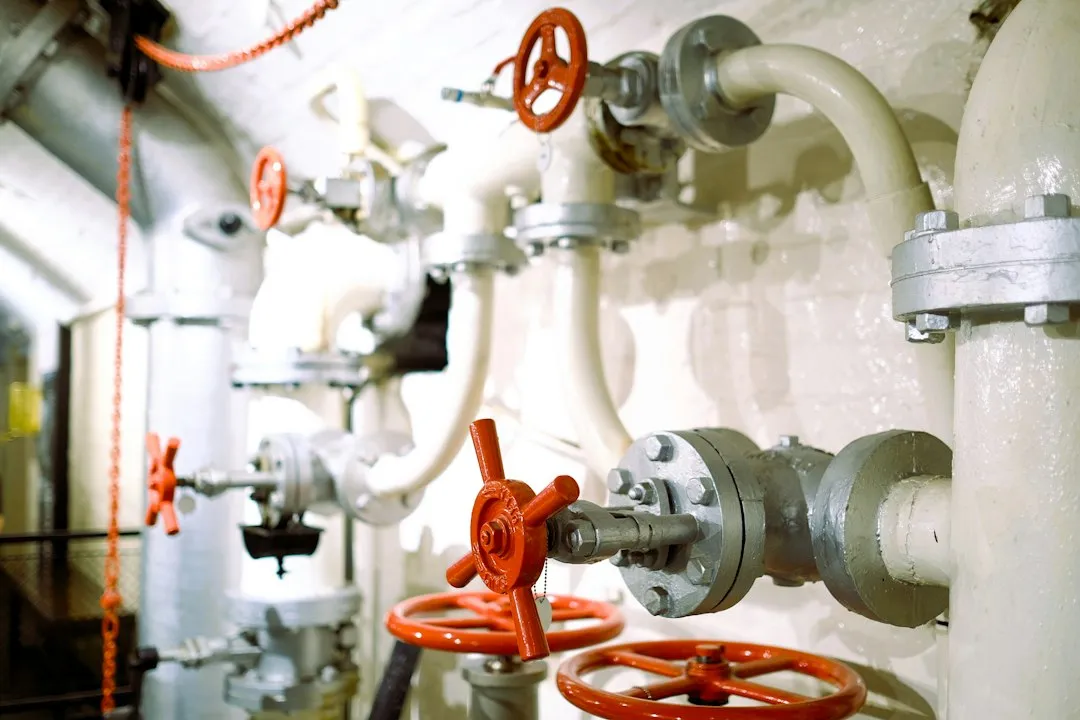
Ensuring all household members know the valve’s location and how to operate it is part of genuine emergency preparedness, which can significantly mitigate water damage risks. This is one of those household tasks that takes five minutes to do and years to regret not doing.
Turn the valve once a year, even if nothing seems wrong. A gate valve that sits untouched for a decade can corrode in the open position, making it impossible to close when a pipe bursts. If the handle feels stiff or the valve drips after you turn it back, call a plumber sooner rather than later.
Even a minor leak can increase the average household water bill by roughly ten percent, which means an unexplained spike in your utility costs is often the first signal that something quiet and expensive is happening inside your walls.
Who Else in Your Home Needs to Know This
The valve only helps if the right person can reach it in time. That means anyone living in your home who is old enough and physically capable should know exactly where it is and how to use it. Partners, teenagers, housesitters, and frequent guests all qualify.
Walk them through it once, physically. Show them both the main shutoff and the fixture-level valves under the sinks and behind the toilet. A written note taped inside a kitchen cabinet with the valve’s location is a low-effort, high-value addition that takes about thirty seconds.
In the event of a leak, burst pipe, or plumbing emergency, knowing the location and function of these valves can prevent significant damage and protect your home from costly repairs. Understanding how to shut off your water quickly can make the difference between a minor issue and a full-blown disaster.
The Takeaway
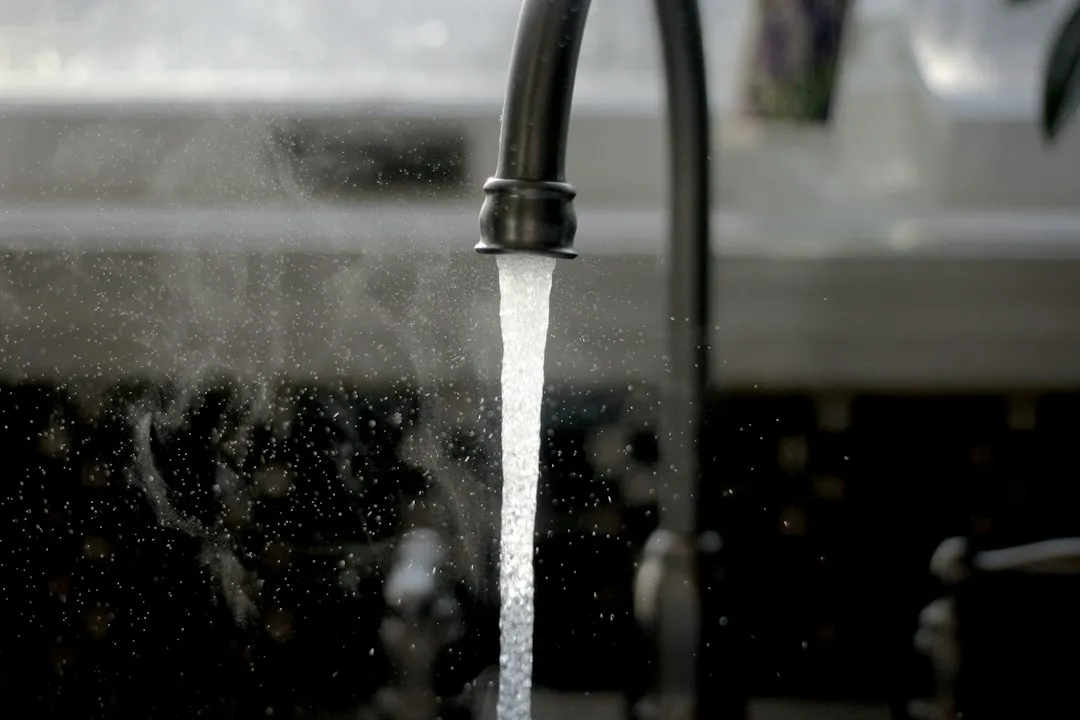
Finding your water shutoff valve isn’t a project. It’s a ten-minute walk through your own home. The main water shutoff valve controls all water entering your home, making it the first line of defense during plumbing emergencies like leaks, burst pipes, or frozen lines.
The numbers around water damage are large enough to be alarming and common enough to be realistic. About one in 67 insured homes files a water damage claim each year, with the average payout exceeding $15,000. Knowing where your shutoff valve is won’t prevent every emergency, but it can absolutely limit the damage when one arrives.
Go find it today. Label it. Then show someone else. That’s the whole task.
AI Disclaimer: This article was created with the assistance of AI tools and reviewed by a human editor.