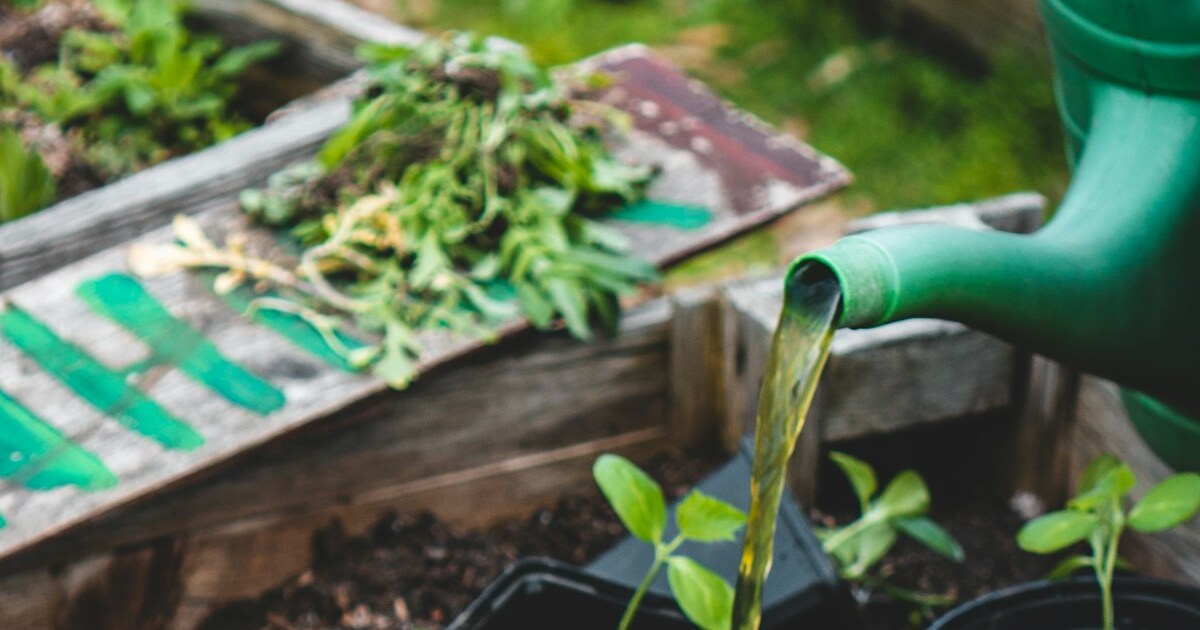

Harvesting rainwater is often seen as an eco-friendly and cost-effective way to irrigate your garden. Many gardeners embrace this practice, hoping to conserve water and reduce utility bills. While there are undeniable benefits to collecting rainwater, there are also hidden risks that gardeners should be aware of to ensure the health and safety of their plants and soil.
In this article, we’ll explore the potential drawbacks of harvesting rainwater for your garden. From contamination concerns to storage issues, understanding these risks can help you make informed decisions and take appropriate precautions. Let’s delve into the less discussed aspects of rainwater harvesting and learn how to mitigate potential problems.
Contamination from Roof Materials
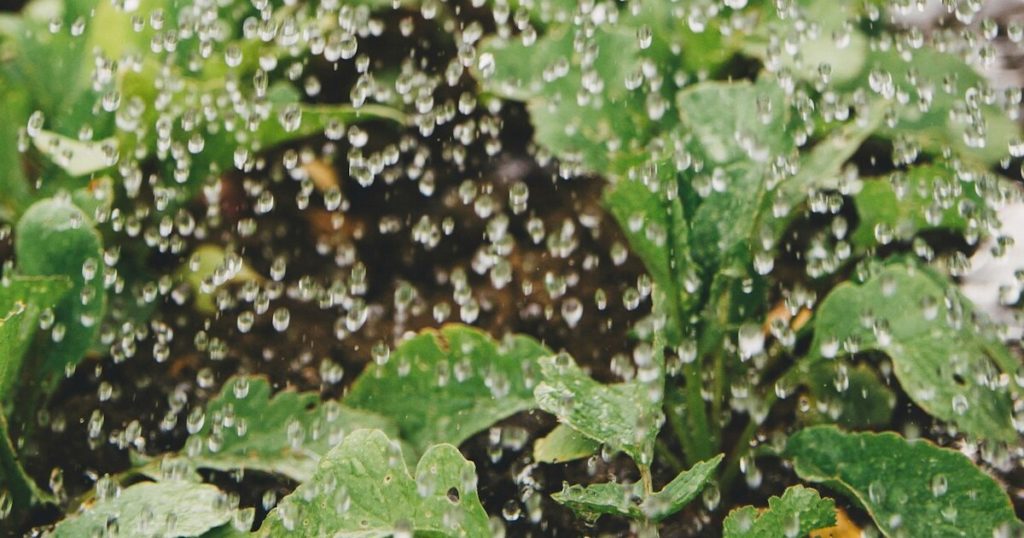
One of the primary concerns with harvesting rainwater is the potential for contamination from roof materials. Roofs made of asphalt shingles, tar, or treated wood can leach harmful chemicals into the rainwater as it runs off. These contaminants, including heavy metals and toxins, can be detrimental to your plants and soil health.
To mitigate this risk, consider installing a filtration system that can remove contaminants before the water reaches your garden. Additionally, using roofs made from inert materials like metal or clay tiles can reduce the likelihood of contamination. Regularly cleaning your roof and gutters can also help minimize the accumulation of harmful substances. By taking these steps, you can ensure the water you collect is safer for your garden.
Bacterial and Fungal Growth

Another hidden risk of harvesting rainwater is the potential for bacterial and fungal growth. Standing water, such as that stored in rain barrels or tanks, can become a breeding ground for harmful microorganisms. These pathogens can be introduced to your garden, posing a threat to plant health and potentially spreading diseases.
To reduce the risk of bacterial and fungal contamination, ensure your storage containers are tightly sealed and regularly cleaned. Using a fine mesh screen can help keep debris and insects out of your water supply. Adding a small amount of bleach or a natural biocide to your rainwater storage can also help control microbial growth. Proper maintenance of your rainwater harvesting system is essential to safeguard the health of your garden.
Risk of Algae Blooms
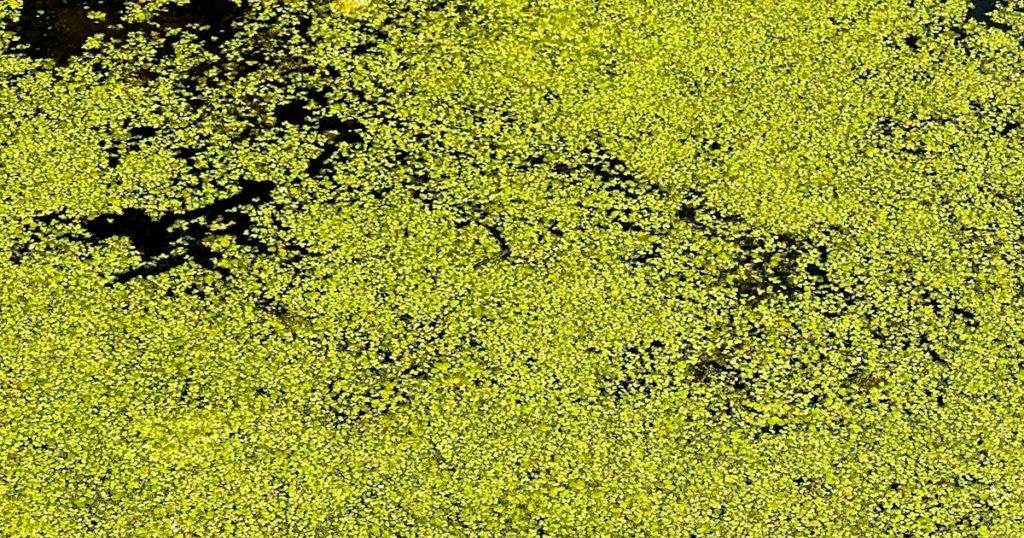
Rainwater harvesting systems, especially those exposed to sunlight, are susceptible to algae blooms. Algae thrive in warm, nutrient-rich water and can quickly overtake your storage containers. When this contaminated water is used for irrigation, it can introduce unwanted algae to your garden, potentially clogging irrigation systems and affecting plant health.
To prevent algae growth, store your rainwater in opaque containers that block sunlight. This reduces the conditions that algae need to grow. Additionally, keeping storage tanks in a cool, shaded area and using water within a reasonable time frame can help minimize the risk of algae blooms. Regularly inspect and clean your storage containers to keep them free of algae and other contaminants.
Legal and Regulatory Issues

In some regions, collecting rainwater is subject to legal restrictions and regulations. These laws are often in place to manage water rights and ensure adequate water flow for natural ecosystems and downstream users. Ignoring these regulations can result in fines or other legal consequences.
Before setting up a rainwater harvesting system, research the laws and regulations in your area. Contact local government offices or water management authorities to understand what permits or restrictions may apply. Compliance with local regulations not only avoids legal issues but also supports sustainable water management practices. Being informed about legal requirements is an important step in responsibly harvesting rainwater.
Nutrient Imbalance in Soil
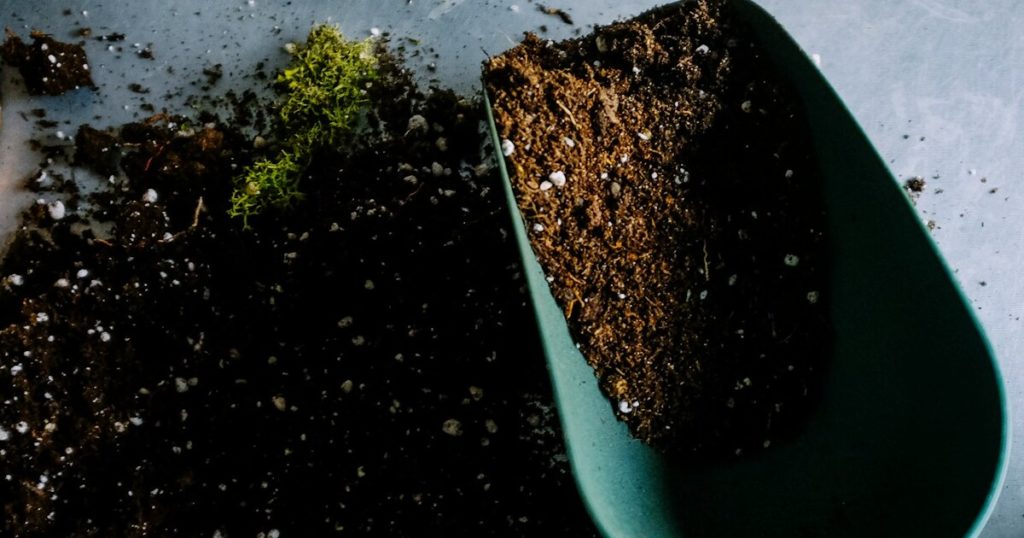
Using rainwater to irrigate your garden can sometimes lead to nutrient imbalances in the soil. Rainwater is typically low in dissolved minerals and nutrients compared to groundwater or municipal water supplies. Over time, exclusive use of rainwater can deplete essential nutrients from the soil, impacting plant growth and health.
To counteract this, supplement your irrigation with occasional applications of balanced fertilizers or compost. Regular soil testing can help you monitor nutrient levels and adjust your fertilization practices accordingly. By maintaining a healthy nutrient balance, you can ensure your plants receive the essential elements they need to thrive, even when using rainwater for irrigation.
Potential for Mosquito Breeding
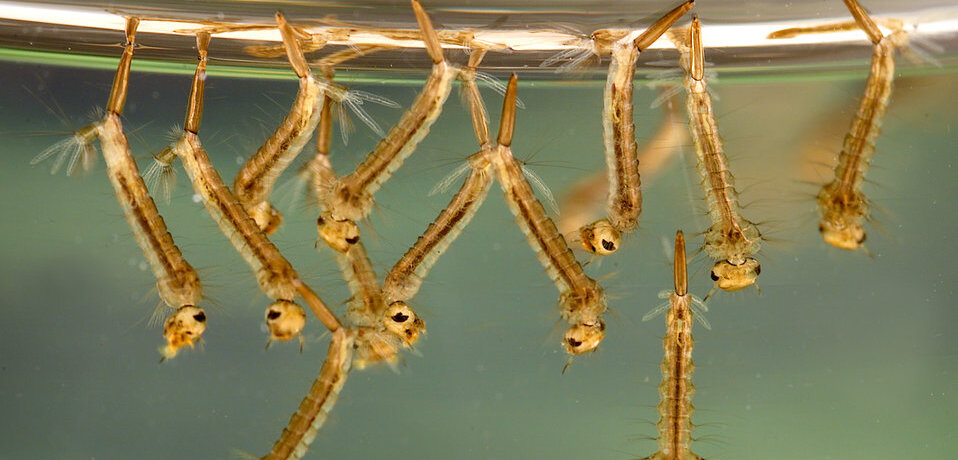
Standing water in rain barrels or tanks can become a breeding ground for mosquitoes, posing a health risk to both humans and animals. Mosquitoes are vectors for diseases such as West Nile virus and Zika virus, making it crucial to prevent them from breeding in your rainwater storage.
To reduce the risk of mosquito breeding, ensure that all openings in your storage containers are covered with fine mesh screens. Regularly check and clean gutters, downspouts, and storage containers to remove any standing water. Adding mosquito dunks or natural larvicides to your water storage can also help control mosquito populations. Taking these precautions can protect your garden and your health from mosquito-borne diseases.
Maintenance Challenges
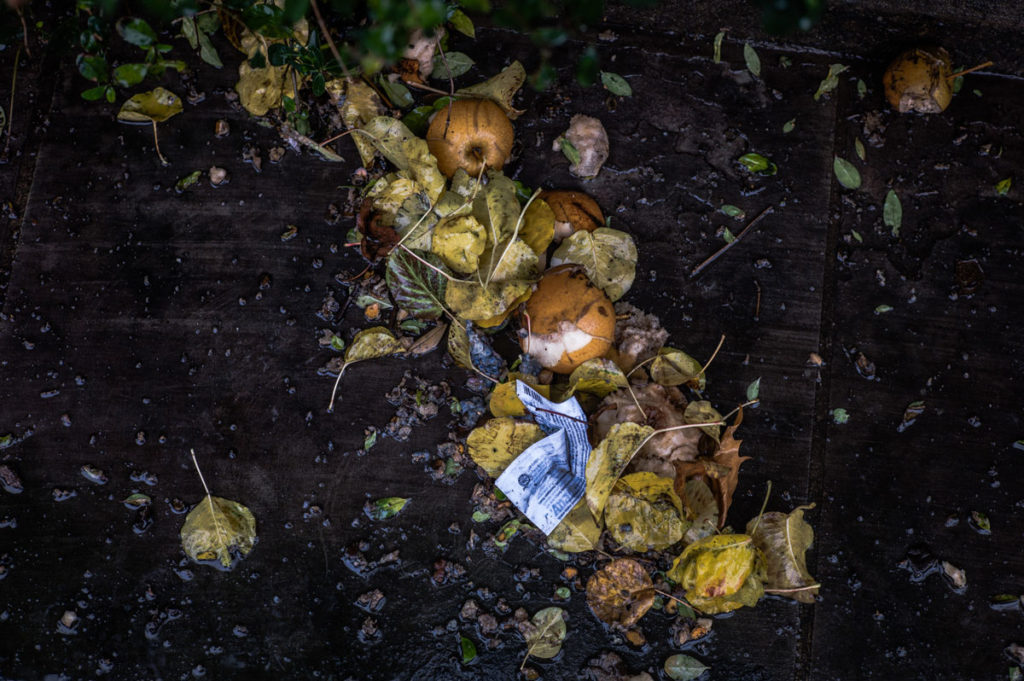
Maintaining a rainwater harvesting system requires regular attention and effort. Over time, debris can accumulate in gutters, filters can become clogged, and storage tanks may develop leaks or cracks. Neglecting maintenance can compromise the quality of the water you collect and the efficiency of your system.
Set up a routine maintenance schedule to inspect and clean your system regularly. This includes clearing gutters of leaves and debris, checking filters and screens for clogs, and inspecting storage tanks for any signs of damage. Regular maintenance ensures your rainwater harvesting system operates efficiently and provides high-quality water for your garden.
Final Thoughts
While harvesting rainwater offers many benefits, it’s essential to be aware of the potential risks and take steps to mitigate them. From contamination and bacterial growth to legal issues and maintenance challenges, understanding these hidden risks can help you make informed decisions and protect your garden. By addressing these concerns proactively, you can enjoy the advantages of rainwater harvesting while ensuring the health and safety of your plants and soil.