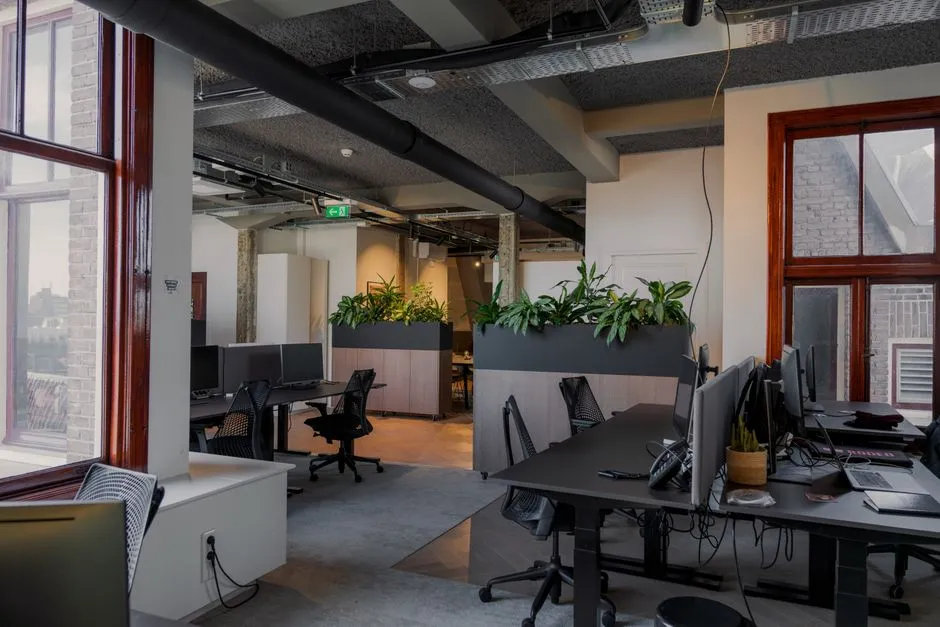

Most of us pick a desk plant based on what fits the windowsill or survives neglect. We rarely stop to consider that the choice itself might say something. Yet across psychology, cultural tradition, and workplace behavior research, the plants people keep at their desks carry surprisingly layered meanings. Some of it is personal, some of it is biological, and some of it is simply how other people interpret what they see.
The Pothos: Quiet Ambition in Trailing Vines
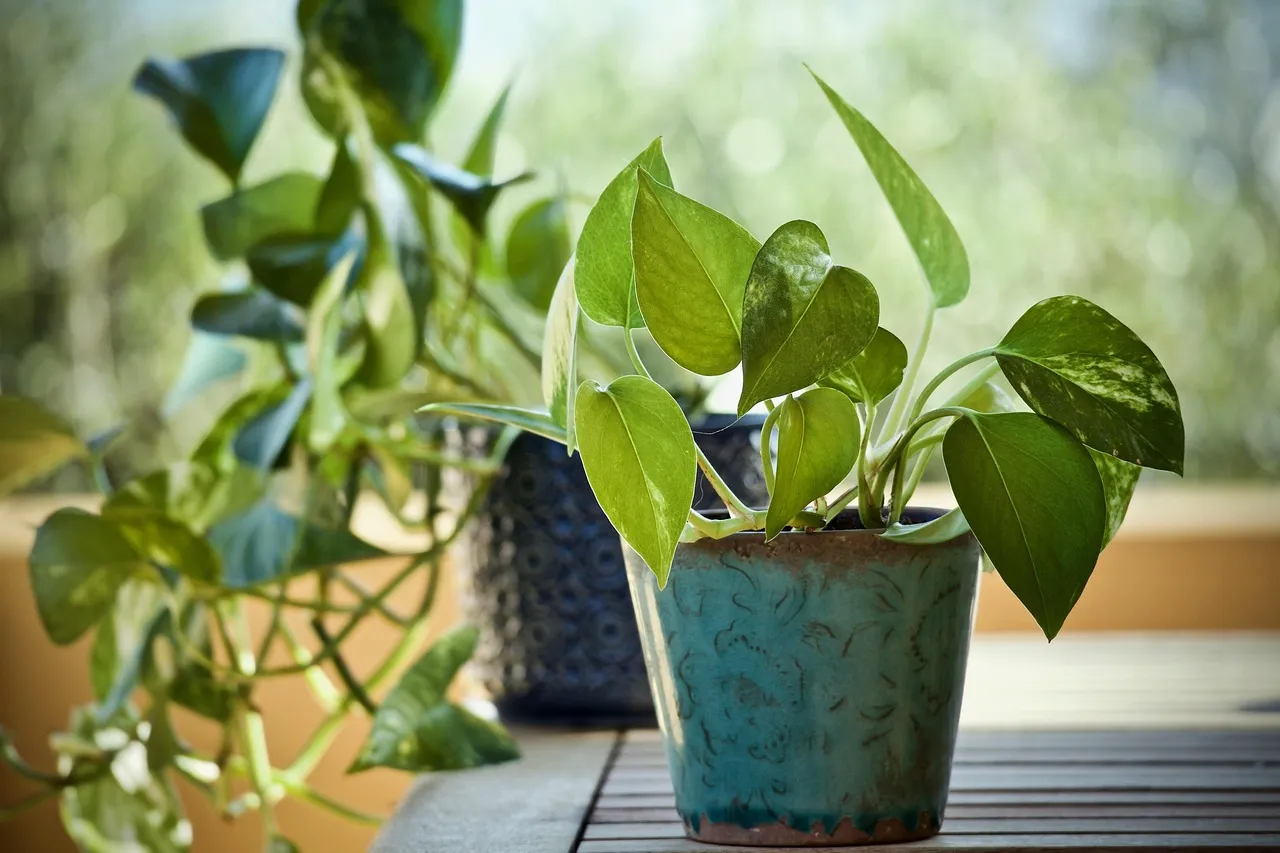
Plant symbolism enthusiasts suggest that if you’re someone who is determined and constantly striving to reach new heights, your plant persona could be a pothos. The plant’s vigorous, trailing vines do feel like a visual metaphor for reach. With those glossy leaves and long vines, pothos plants make a great addition to any space that could use fresh air and color, and it’s hard to miss how the plant appears wildly determined, thanks to its vines.
According to plant symbolism guides, pothos is great for someone who continually follows their dreams, and using a hanging arrangement can symbolize reaching new heights. It’s one of the most forgiving plants around, which may explain why ambitious but busy people gravitate toward it.
The Snake Plant: The Disciplinarian’s Choice
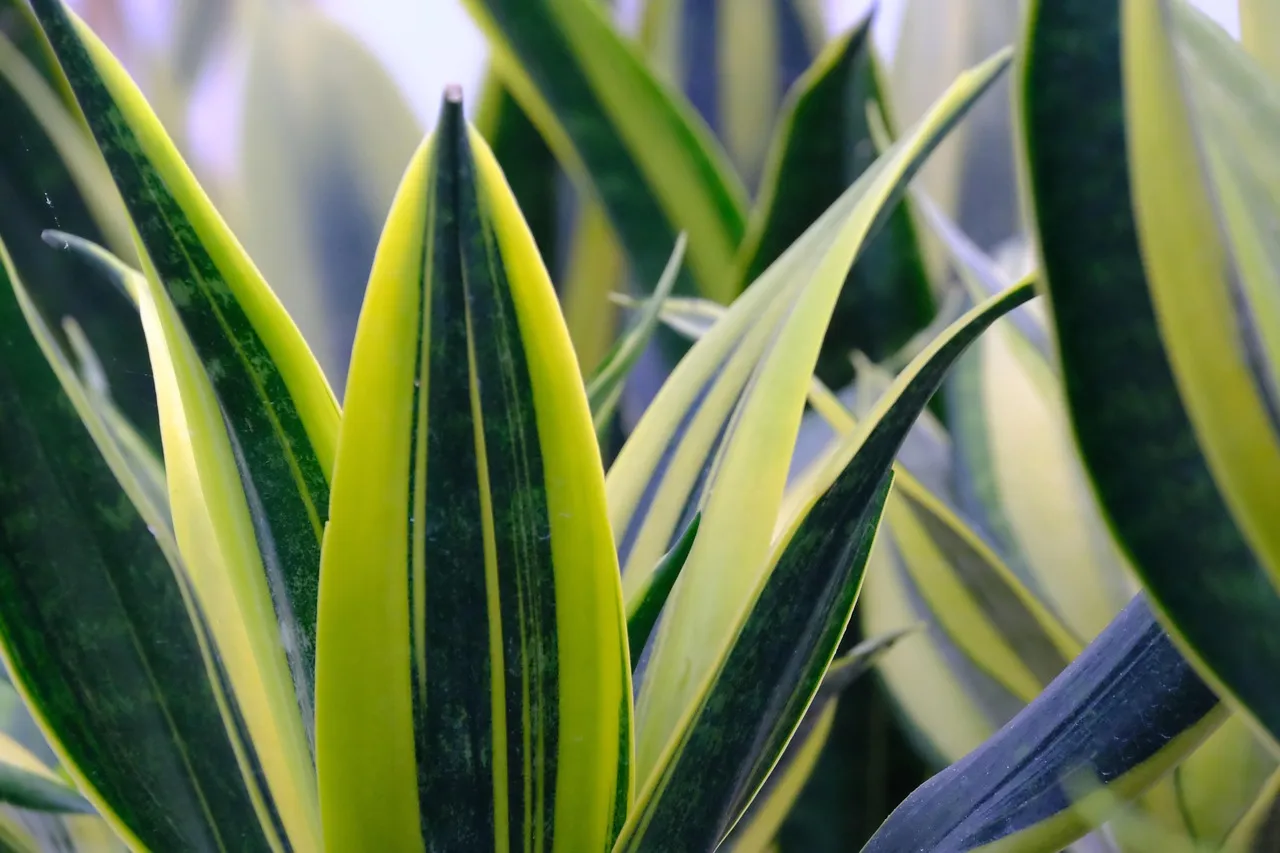
Snake plants, known for their resilience and air-purifying qualities, symbolize tenacity and purity, making them perfect for those who value cleanliness, organization, and have a never-give-up spirit. There’s something appropriate about keeping this plant on a desk. It stands upright, structured, and entirely unbothered by difficult conditions.
Also known as mother-in-law’s tongue, the snake plant is deeply tied to feelings of strength, positivity, and good fortune. It’s considered a powerful barrier against negative energy, which is a key reason so many people place snake plants at the entries of their homes. Another reason people love the snake plant is that it’s a natural air purifier and one of the few houseplants that emit oxygen at night.
The Jade Plant: Prosperity and the Long Game
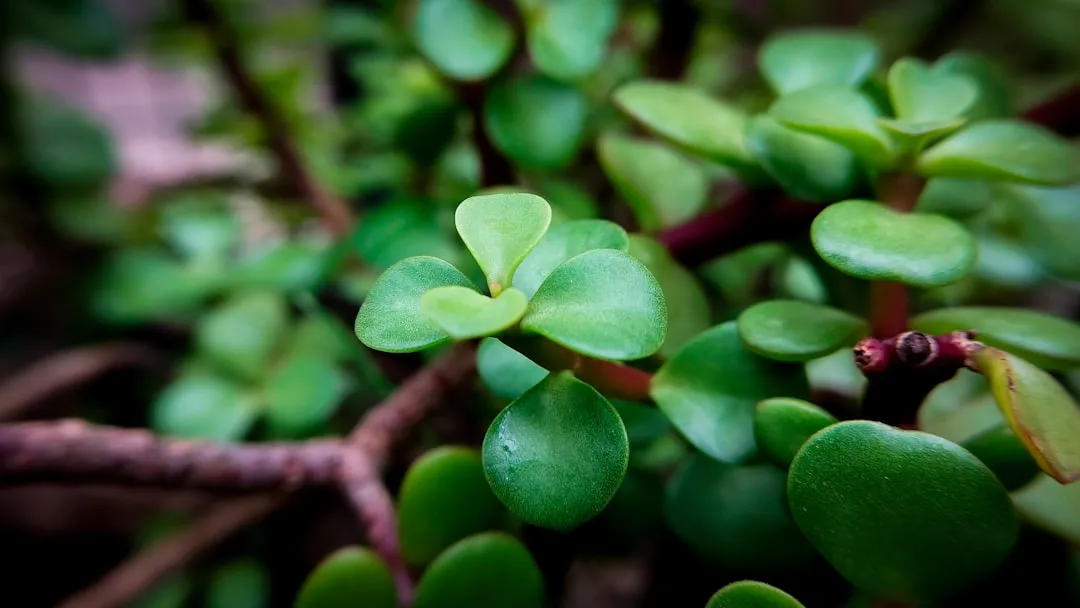
Often referred to as the money plant, the jade plant’s meaning is associated with prosperity and good fortune, and its small, oval-shaped, fleshy leaves resemble perfectly formed coins. Placing one on a desk has long carried intent behind it, particularly in East Asian cultures where the symbolism is well understood.
The philosophy of the jade plant revolves around balance, growth, abundance, and harmony. In feng shui, it symbolizes good fortune and channels positive energy, or “chi.” Beyond wealth, it’s also known as a “friendship plant,” symbolizing strong relationships and the importance of nurturing meaningful connections. For desk placement specifically, feng shui traditions recommend lucky bamboo or a small jade plant in the southeast corner of your desk for career growth and prosperity.
The Succulent: Resilience Dressed Up as Low Maintenance
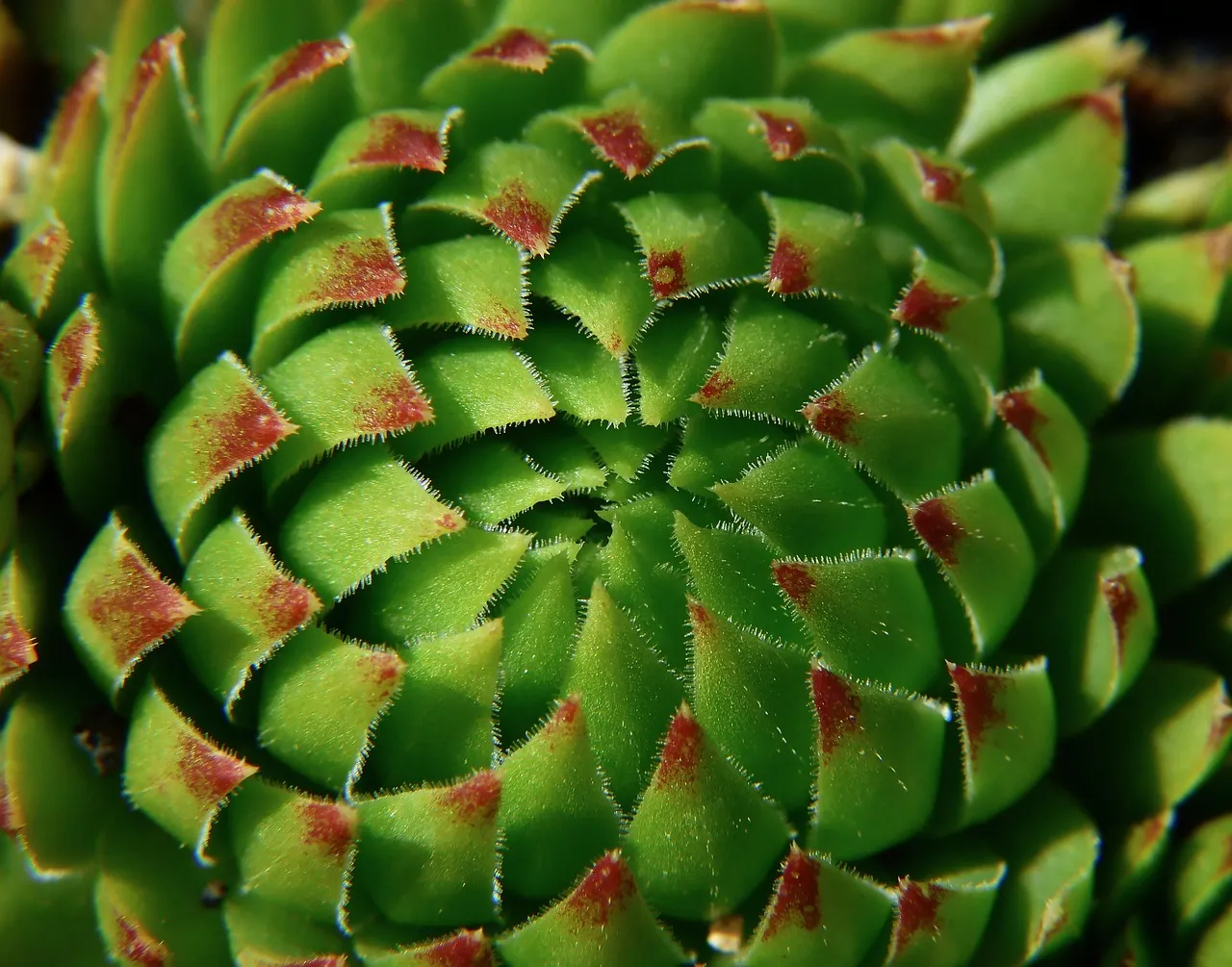
Succulents are widely recognized as symbols of resilience, strength, and enduring love. The fact that they thrive with minimal care isn’t just convenient; it carries meaning. Succulents have evolved to withstand long periods of drought in the most challenging conditions, making them the ideal representation of enduring love.
Hardy and low-maintenance, succulents symbolize enduring love and loyalty. On your desk, the message becomes practical and symbolic at once. In feng shui, succulents, especially the crassula or jade plant, are believed to bring good luck and protect against negative energy. It’s a small plant doing a lot of quiet work.
The Peace Lily: Calm That Signals Something Deeper
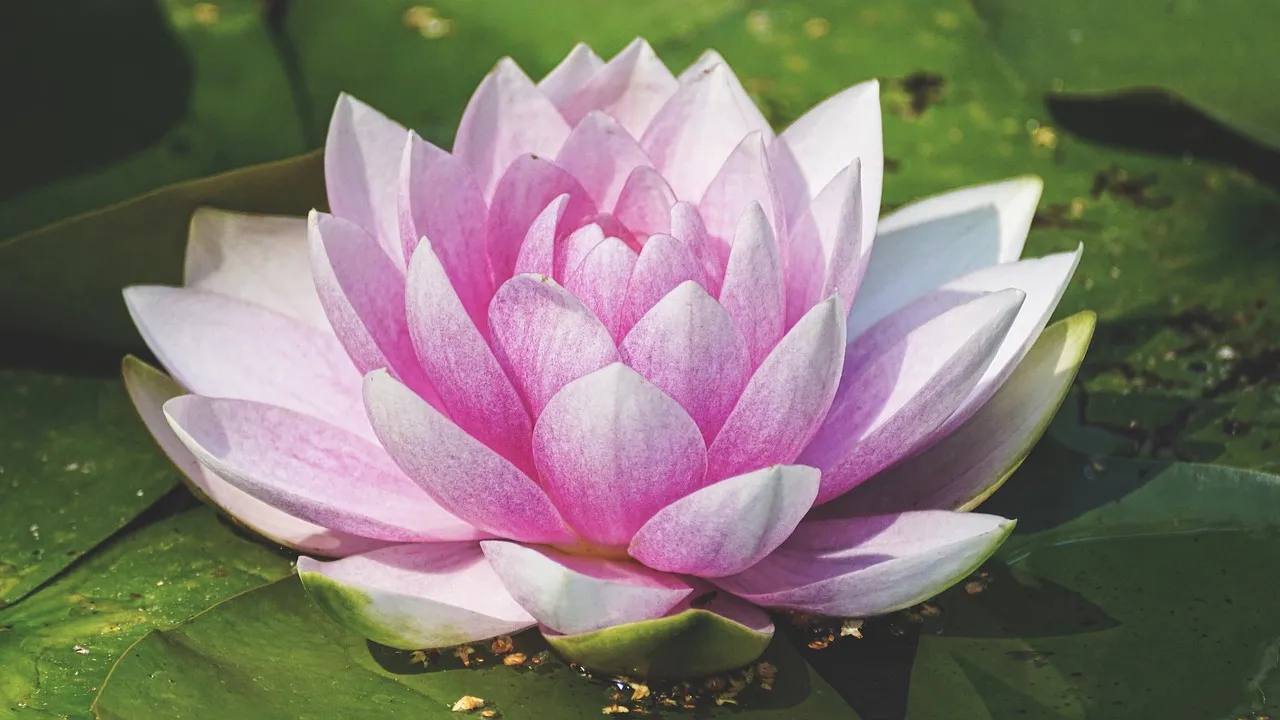
In feng shui, a peace lily or small fern in a white or ceramic pot, placed in front of you but off to one side, is recommended for calm and stress reduction. The peace lily’s reputation as a symbol of tranquility is consistent across cultures. It blooms even in low light, which perhaps fits the kind of person who creates calm in difficult conditions.
Certain plants, such as the Boston fern, spider plant, rubber tree, and peace lily, are particularly effective at removing toxic chemicals like formaldehyde. The practical and symbolic meanings of the peace lily stack on top of each other. It genuinely improves your environment, not just aesthetically but chemically.
What the Plant’s Condition Tells Your Colleagues
The species matters, but so does the state of the plant. Colleagues see the plant’s condition and form judgments: a thriving plant suggests stability and discipline, while a drooping plant signals stress or lack of time. This isn’t a minor social detail. It’s how people read environments instinctively.
An exotic species suggests eccentricity or aesthetic ambition, while a low-maintenance succulent suggests practicality, or emotional detachment, depending on who’s looking. The plant’s condition functions like a silent status update. Dead or dying plants are considered one of the most significant sources of negative energy in feng shui, and if a plant is struggling, the recommendation is to address it immediately or replace it.
The Territorial Signal: What a Rooted Plant Claims
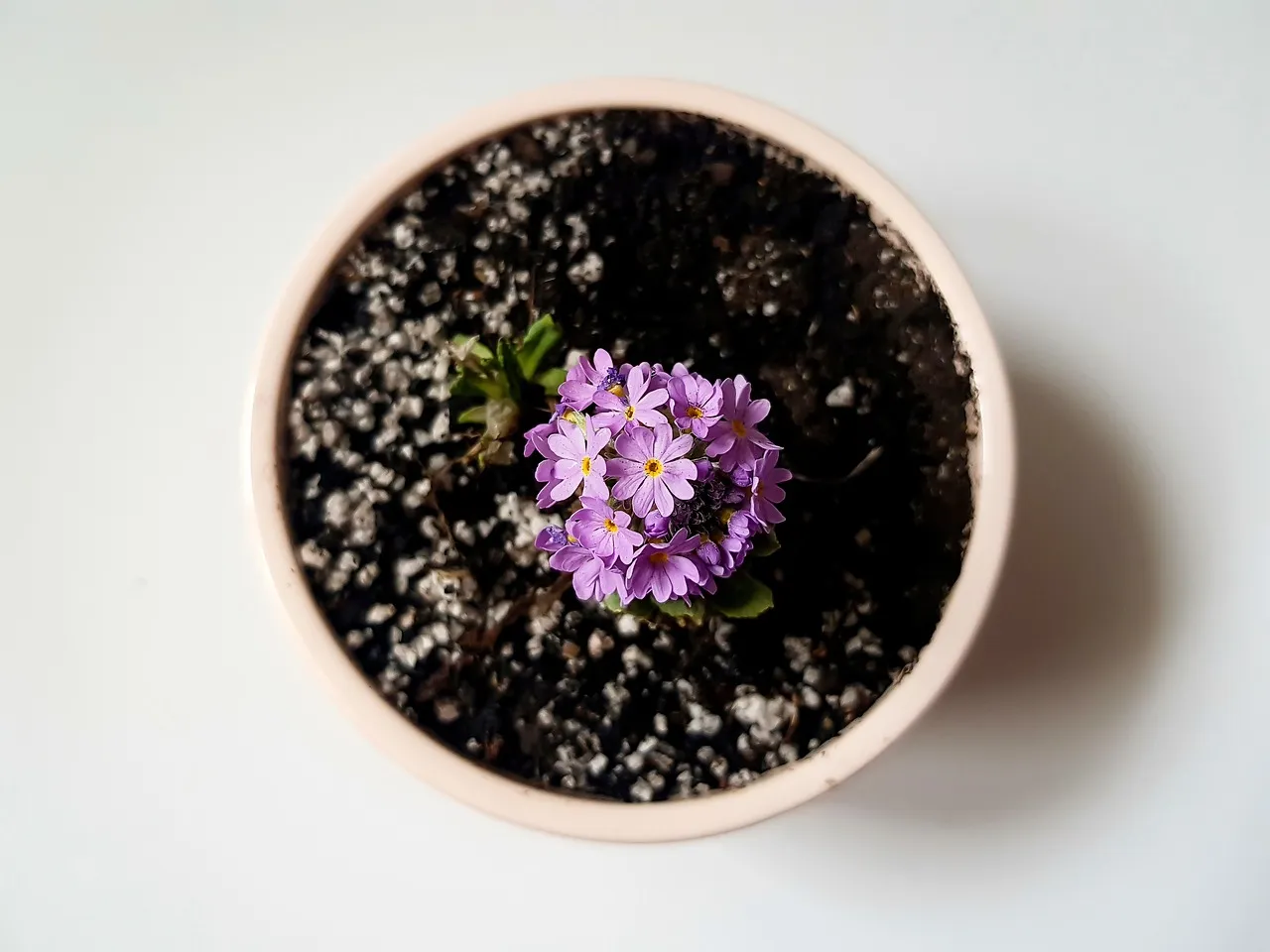
Research on environmental psychology suggests that a living plant signals territorial stability. In offices, personal territory is negotiated subtly through desk layout, storage, memorabilia, and object placement. A plant with roots signifies that you expect to remain and suggests permanence in a place where many feel temporary.
This is why lower-status employees sometimes hesitate to bring plants; the gesture can feel presumptuous. A desk plant quietly claims space the way borders claim sovereignty. It says: “I live here, not just work here.” That’s a layered statement with social weight, whether or not the person with the fern intended it that way.
The Biophilia Effect: Why Your Nervous System Responds
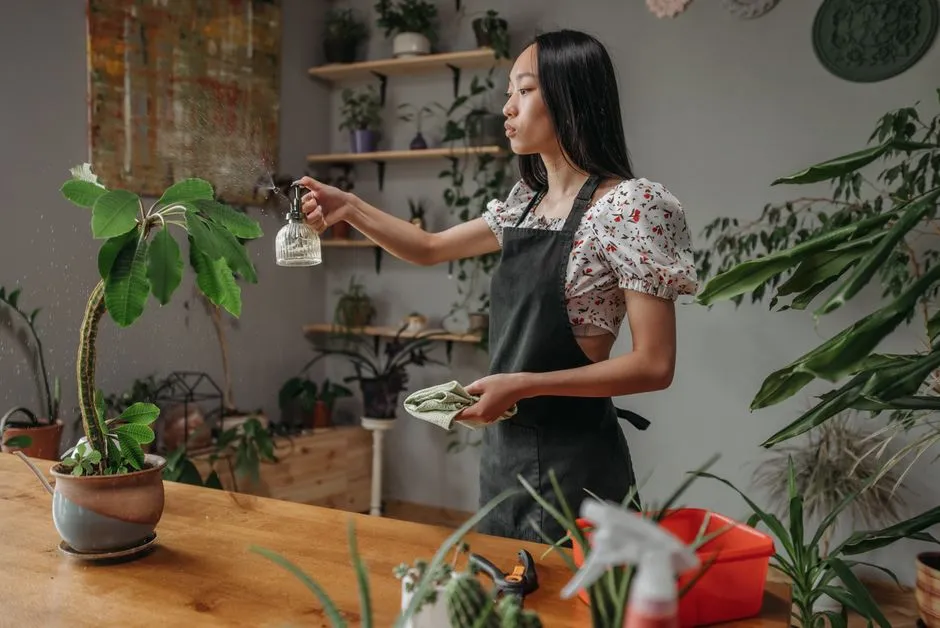
Indoor plants can have a significant impact on reducing stress and anxiety, and the science behind this is rooted in our innate connection to nature. This phenomenon is explained by the Biophilia Hypothesis, proposed by biologist Edward O. Wilson, which holds that humans have an instinctive bond with other living systems, a bond believed to have evolved over thousands of years.
Research has shown that interacting with plants can reduce the production of cortisol, the body’s main stress hormone, lower blood pressure, and increase feelings of relaxation. This is due in part to the calming visual aesthetics of plants and their ability to improve air quality. The act of caring for a living thing also provides a sense of satisfaction and purpose. These aren’t vague wellness claims. Measurable changes in cortisol, heart rate, and brain activity show up consistently in controlled studies when people interact with plants or natural environments.
The Productivity Layer: More Than a Feeling

In the first field study of its kind, researchers found that enriching a “lean” office with plants could increase productivity by roughly fifteen percent. The team examined the impact of lean and green offices on staff’s perceptions of air quality, concentration, and workplace satisfaction, monitoring productivity over several months in two large commercial offices in the UK and the Netherlands.
Around seven in ten people say plants improve the atmosphere at home and in the office, while nearly a third say greenery and plants help them concentrate while working. Still, the picture isn’t entirely simple. Some positive outcomes from laboratory studies could not be fully replicated in field studies using proxy measures of performance and wellbeing, including perceived productivity, work engagement, and job satisfaction. The research is genuinely encouraging, but it’s worth reading with some care rather than treating every green leaf as a guaranteed performance booster.
The Cactus: Boundaries in Plain Sight
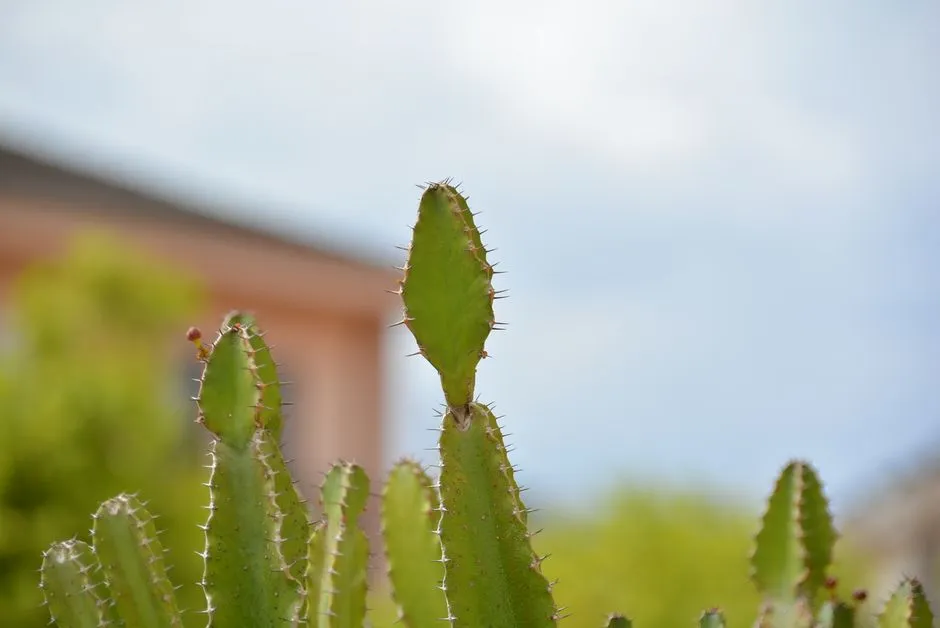
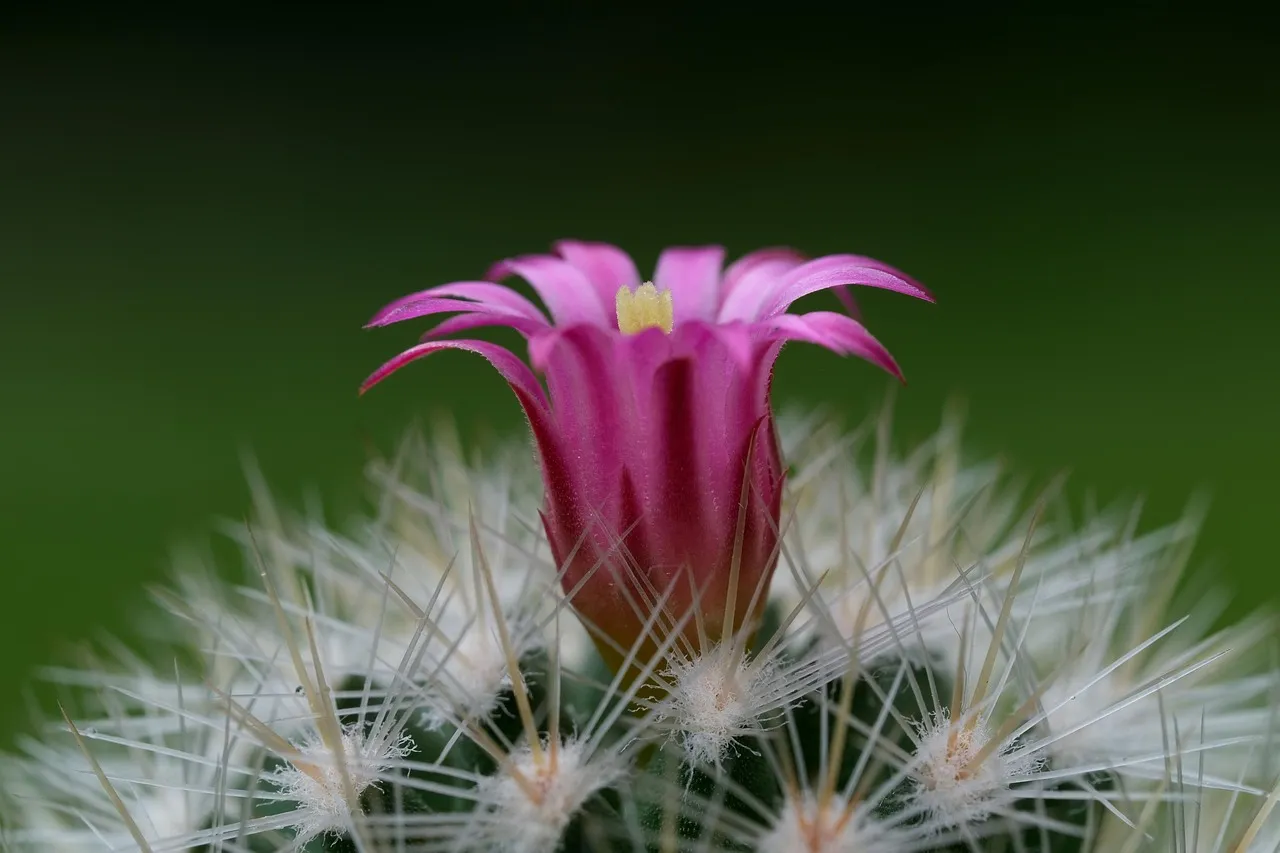
One of the most notable characteristics of cacti is their sharp, prickly exterior. These spikes not only offer the plant protection against predators but also serve as a powerful symbol of defense and personal boundaries. Placing a cactus on your desk, whatever the intention, communicates something. It’s hard to miss.
Cacti are often associated with inner strength and self-sufficiency. Their ability to thrive under harsh conditions without much water or nutrients is a testament to their resilience. This symbolism reminds us that we too have the power within ourselves to overcome adversity and rise above difficult situations. Spiky succulents and cacti are generally avoided in collaborative workspaces in feng shui tradition, though they can be used intentionally near an entrance as protective energy. That’s a telling distinction: protection is admired, but it has its place.
Conclusion: The Green Thing on Your Desk Is Saying Something

There’s a reason the desk plant has become one of the most consistent features of modern workspaces. A plant on your desk is not just décor. It is a participant in the organizational culture, carrying symbolic weight whether you intended it to or not. The biology, the folklore, and the social interpretation all arrive together.
Plant symbolism has its roots in ancient cultures and civilizations. It was believed that every plant had a unique virtue and story to tell, and these stories were passed down through generations, some acquiring new meanings and interpretations along the way. What you keep at your desk joins that long conversation.
Whether it’s a jade plant you placed there for luck, a snake plant that simply survived, or a succulent someone gifted you three jobs ago, these small living things carry more weight than their pot size suggests. The plant doesn’t speak, but the people around you are reading it anyway.
AI Disclaimer: This article was created with the assistance of AI tools and reviewed by a human editor.