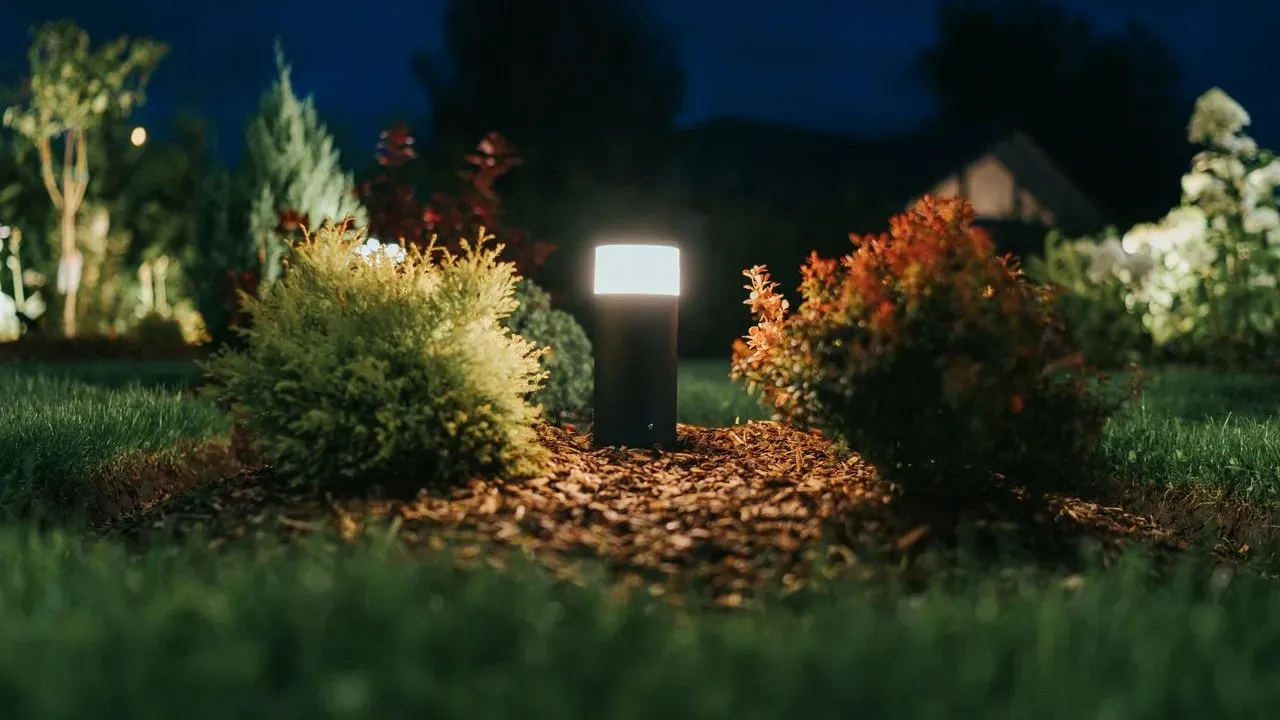

Close to 800 people died each year from home electrocutions before GFCI technology became common. That number has since fallen below 200 annually. The change underscores how critical proper safeguards remain for any outdoor electrical work, especially garden lighting systems that sit exposed to moisture, soil movement, and regular digging.
Cable Placement Demands Careful Planning
Burying cables at the correct depth protects both the system and anyone working in the garden later. The National Electrical Code sets minimum depths that vary by conduit type and voltage. For 120-volt circuits in PVC conduit, the requirement is at least 18 inches below the finished surface. Many installers go deeper, to 24 inches, in active garden beds and high-traffic zones to guard against shovel strikes and lawn equipment. Homeowners who map cable routes and mark transformer locations reduce future repair costs. One damaged low-voltage cable can require $150 to $500 to locate and fix, depending on access and surrounding landscaping. Placing cables inside conduit where digging occurs frequently adds another layer of protection. Warning tape above major runs and permanent markers for junction boxes further limit accidental damage during seasonal projects.
Surge Protection Limits Expensive Failures
Power surges from lightning, utility fluctuations, or faults rank among the leading causes of outdoor lighting damage. A surge protection device detects excess voltage and redirects it safely to ground before it reaches fixtures or controllers. Whole-home systems typically cost between $200 and $800 installed, with higher-capacity units exceeding $1,000. LED fixtures, smart controllers, transformers, and security lights all benefit from this layer of defense. Professional designers often include surge protection as standard because replacing multiple damaged components quickly exceeds the upfront cost. The measure proves especially useful in regions with frequent storms or unstable utility service.
Exposed Wiring Creates Immediate Dangers
Live wires become exposed through soil erosion, animal activity, tree root growth, aging insulation, or improper installation. Visible signs include flickering lights, tripped breakers, damaged insulation, corrosion at connectors, and inconsistent performance. Any of these indicators requires immediate power shutdown until repairs are complete. Weatherproof connectors, waterproof junction boxes, and UV-resistant insulation lower the chance of moisture intrusion. Expert routing practices further reduce failure rates in high-moisture environments. These steps address one of the most serious risks associated with outdoor electrical systems.
Low-Voltage Options Improve Safety Margins
Residential landscape lighting most often operates at 12 volts rather than standard household 120 volts. The lower voltage reduces shock risk while supporting modern LED fixtures and smart controls. Installation is simpler, energy use drops, and fixture placement gains flexibility around pathways and planting beds. Many designers now default to low-voltage LED systems for homes because the combination of safety and performance meets current expectations. When paired with proper burial depths, weather-resistant connections, and surge protection, these systems represent one of the more reliable approaches available for residential gardens.
GFCI Protection and Ongoing Checks Remain Essential
Ground Fault Circuit Interrupters detect even small current imbalances and cut power faster than a heartbeat. They prevent shocks, electrocution, and moisture-related faults in any outdoor receptacle. The devices add modest cost, typically $15 to $30 per outlet, yet deliver substantial risk reduction. Annual professional inspections evaluate cable condition, fixture stability, transformer performance, connector integrity, GFCI function, surge protection status, and vegetation interference. Digital monitoring tools in newer systems can flag issues such as transformer faults or fixture outages remotely. Regions with heavy rain, freeze-thaw cycles, or active landscaping benefit most from consistent maintenance schedules. Proper installation and regular attention turn outdoor lighting into a lasting, low-risk feature rather than a source of future problems. Homeowners who prioritize these measures protect both their property and their families while preserving the intended benefits of improved visibility and security.
AI Disclaimer: This article was created with the assistance of AI tools and reviewed by a human editor.