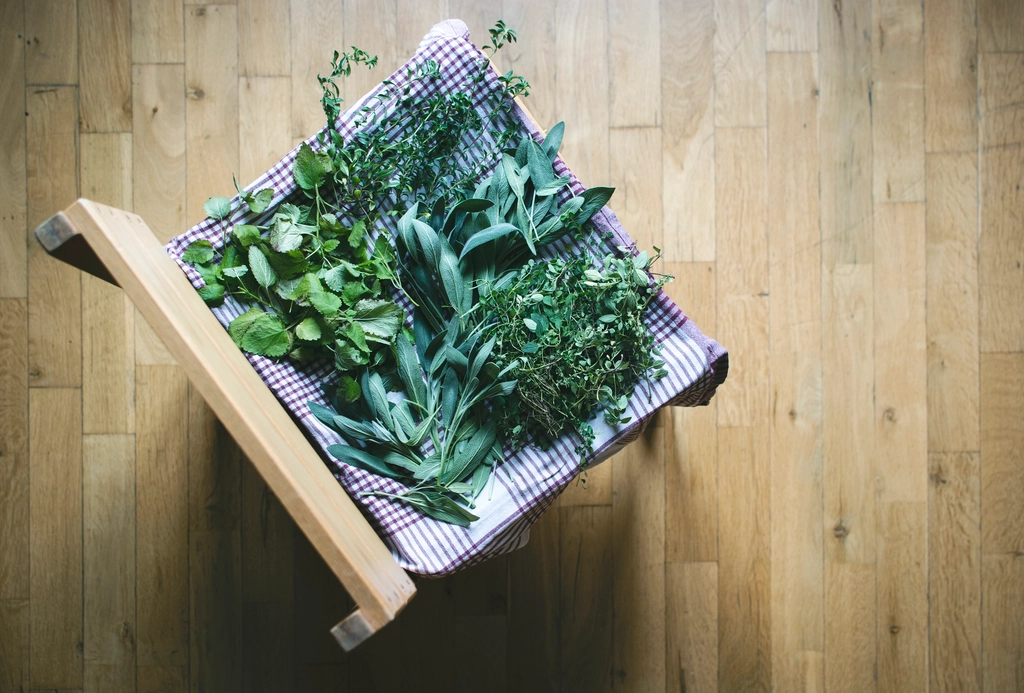

Gardening has quietly been having a moment, and it’s not hard to see why. A 2024 survey of 13,812 adults in the U.S. found that outdoor gardening was significantly associated with a lower mortality risk. When you add the lens of herbal astrology to that, things get genuinely interesting. The idea of pairing a plant to a personality has roots in centuries of botanical tradition, and while it’s not hard science, it’s a surprisingly thoughtful way to find your starting point in the herb garden.
Each zodiac sign carries a set of traits, tendencies, and even a few blind spots. The herbs below were matched to those qualities through long-standing traditions in herbal astrology, which connects planetary rulerships, elemental associations, and the documented properties of each plant. Think of this as a living mood board, twelve signs, twelve herbs, and plenty of reasons to get your hands in the soil.
Aries (March 21 – April 19): Basil
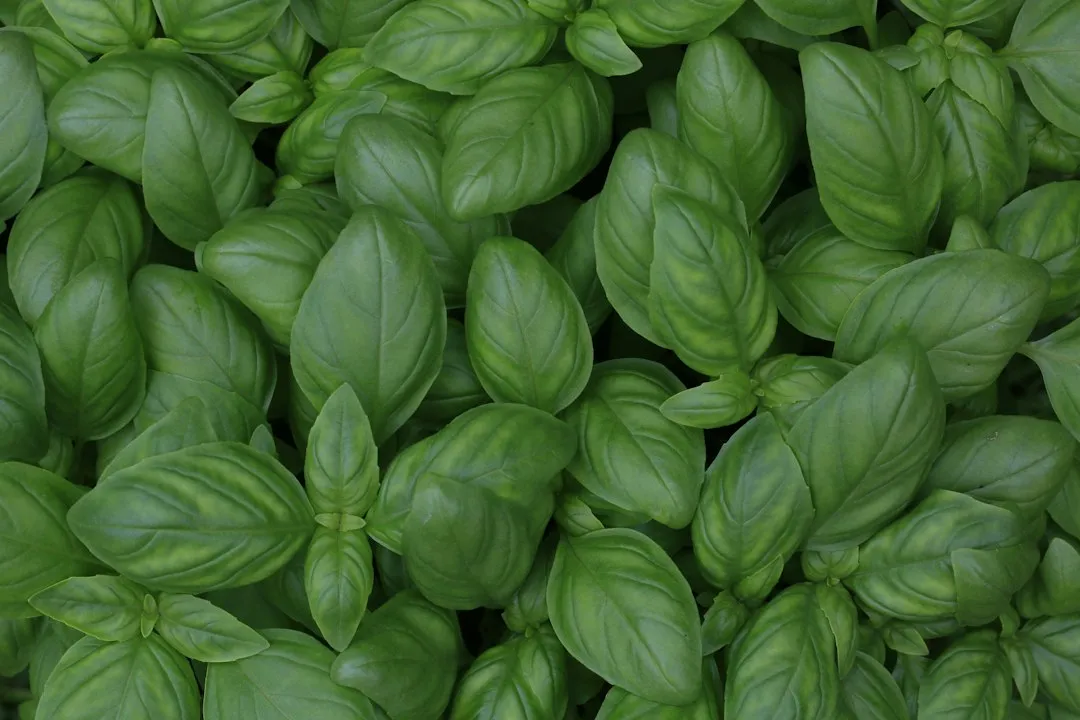
Aries, the first sign of the zodiac, is known for its fiery and bold nature. Herbs like basil and chili pepper are considered a strong match. Basil, with its spicy and fresh flavor, reflects Aries’ zest for life and passion, and it’s great for culinary adventures, symbolizing the adventurous spirit of Aries.
Basil contains eugenol and polyphenolic compounds that provide potent antioxidant and anti-inflammatory effects, working by inhibiting inflammatory enzymes and neutralizing free radicals to support immune function and cellular health. It’s a fast-growing herb, which suits a sign that hates waiting around. Plant it in full sun, water it consistently, and it practically charges forward on its own.
Taurus (April 20 – May 20): Thyme
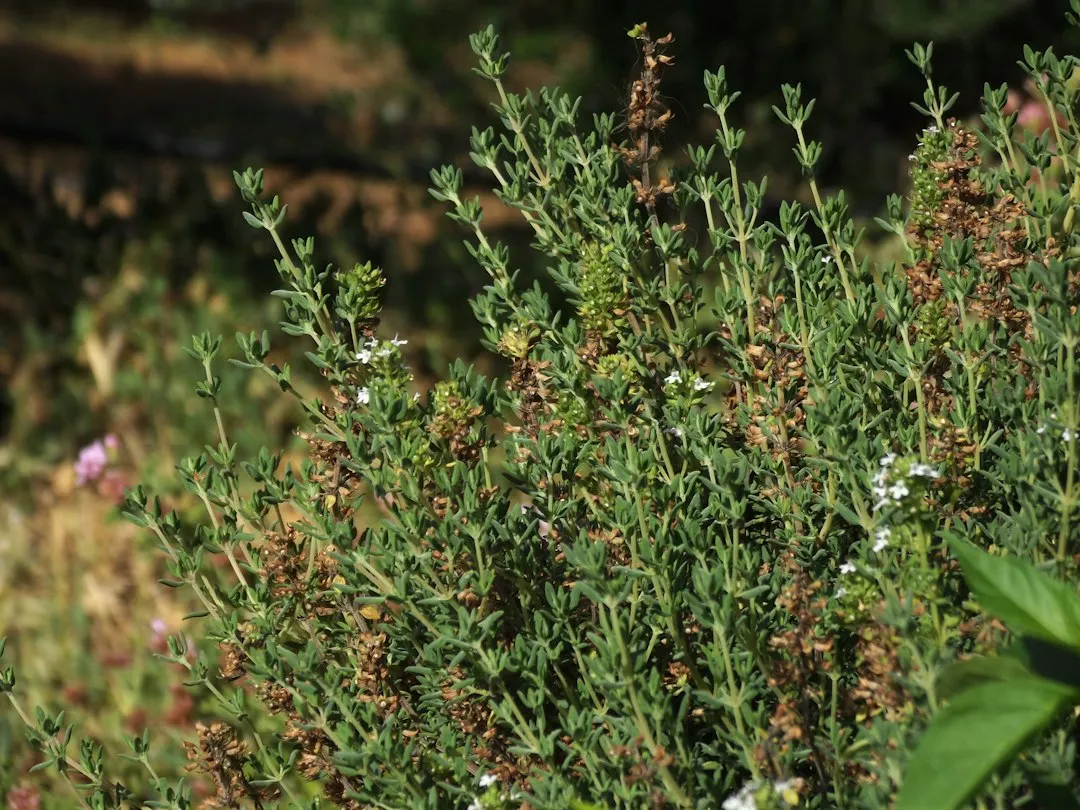
Taurus is ruled by Venus, the planet of beauty, pleasure, and the senses, and it has a natural gravitational pull toward things that smell wonderful and last. Traditional herbal astrology lists thyme among the core herbs associated with Taurus, alongside lavender, dandelion, and sage. These herbs cater to Taurus’s sensual pleasures but also provide a sense of grounding and stability.
Thyme is one of those rare herbs that rewards patience, which Taurus has in abundance. It’s hardy, slow to establish, and richly aromatic once it settles in. The plant also has well-documented antimicrobial properties and has been used in traditional European herbalism for centuries, a lineage that fits Taurus’s respect for the tried and true.
Gemini (May 21 – June 20): Ginkgo or Lemon Balm
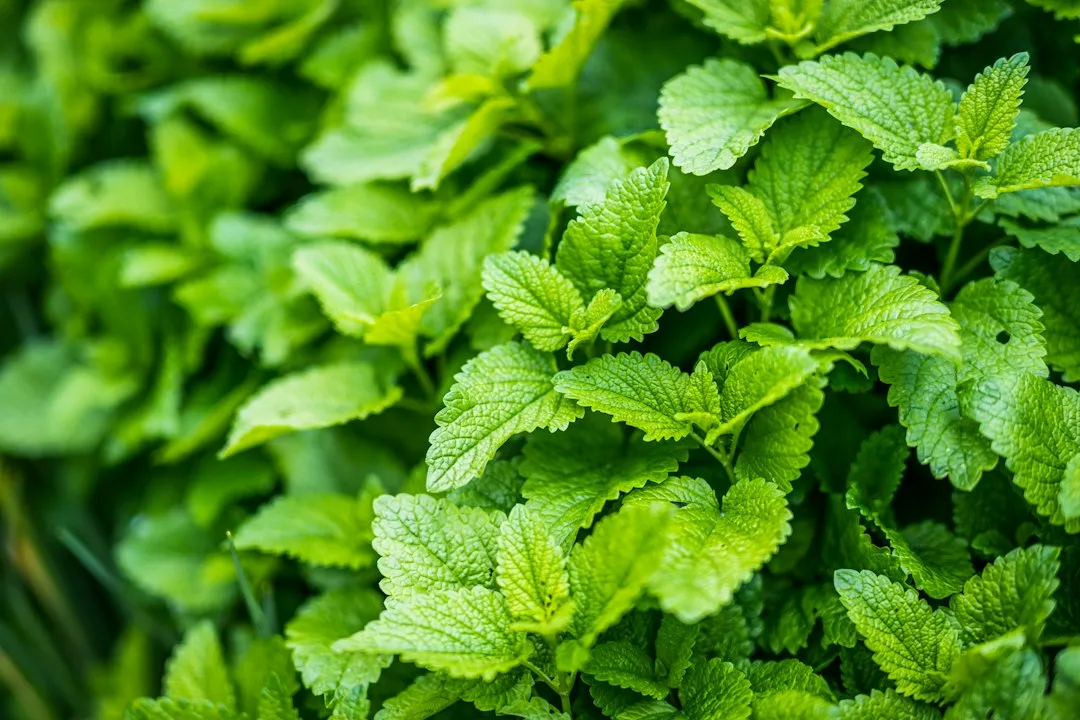
Gemini season brings an air of movement, curiosity, and mental buzz. Ginkgo is considered Gemini’s key herbal ally to boost mental clarity and focus. For home gardeners, lemon balm is the more practical alternative since ginkgo is a tree. Both share the same energetic profile.
Geminis are communicative and inquisitive, and herbs that support them include peppermint, which boosts focus and clarity, chamomile, which calms the mind and alleviates anxiety, and lemon balm, which encourages social interaction and reduces stress. Lemon balm is a genuinely easy-to-grow perennial that spreads quickly, much like a Gemini’s train of thought.
Cancer (June 21 – July 22): Chamomile
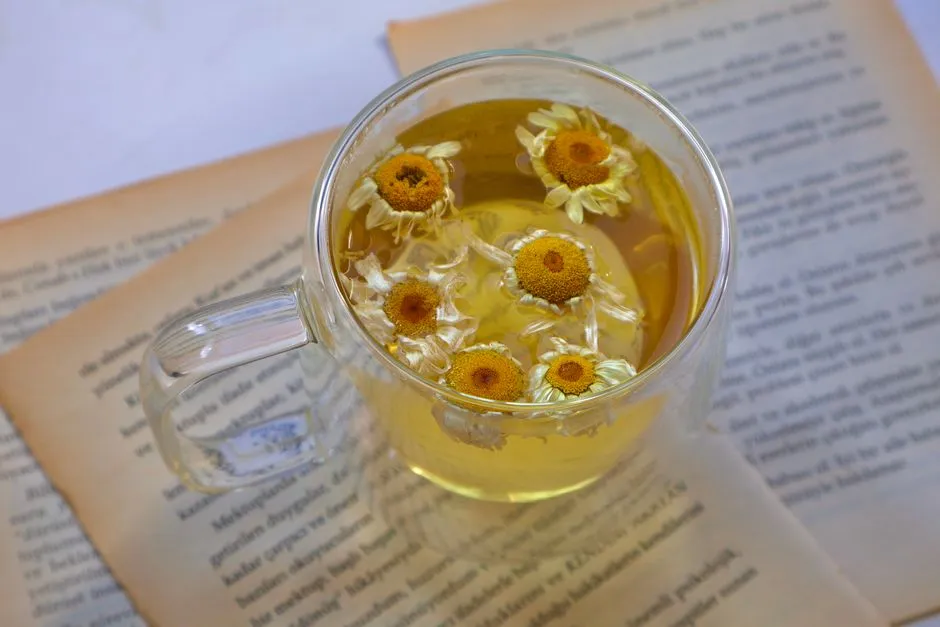
Cancers are nurturing and intuitive, and the best herbs for this sign include mint, which enhances emotional balance, fennel, which aids digestion and comforts the heart, and hibiscus, which promotes emotional healing and love. Chamomile, however, is the one that resonates most deeply with Cancer’s quiet, home-centered nature.
Studies confirm that the historical uses of chamomile are valid, and it’s a staple in herbal apothecaries. It helps improve cardiovascular health, stimulates the immune system, and has been researched for anti-cancer properties. As a nervine, chamomile directly calms the nervous system by enhancing GABA activity. Cancer risings who struggle with emotional overwhelm will find it particularly fitting to have chamomile growing just outside the kitchen door.
Leo (July 23 – August 22): Rosemary
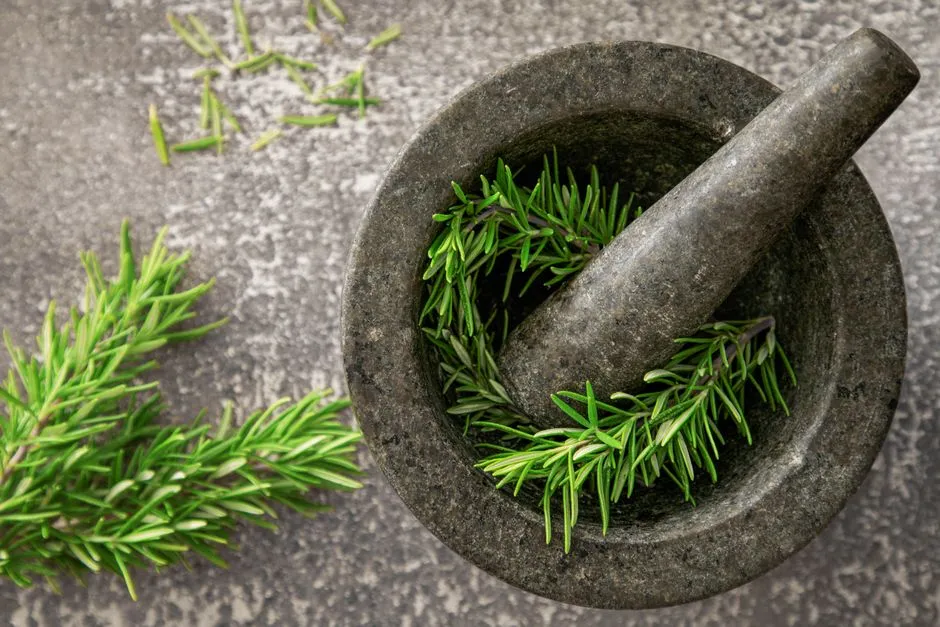
Leos are confident and charismatic. Traditional planetary herbalism lists rosemary, borage, lavender, parsley, and chamomile among Leo’s botanical allies. Rosemary is the standout. It’s bold, sun-loving, visually striking, and intensely fragrant, essentially the Leo of the herb garden.
Rosemary is known to help reduce stress and anxiety. Drinking rosemary tea or inhaling rosemary essential oil aroma helps boost mood while decreasing anxiety and improving memory. New clinical trials also show that rosemary contains compounds that might combat Alzheimer’s disease. For a sign associated with the heart and spine, rosemary’s circulatory and cognitive benefits feel like a natural fit.
Virgo (August 23 – September 22): Yarrow or Fennel
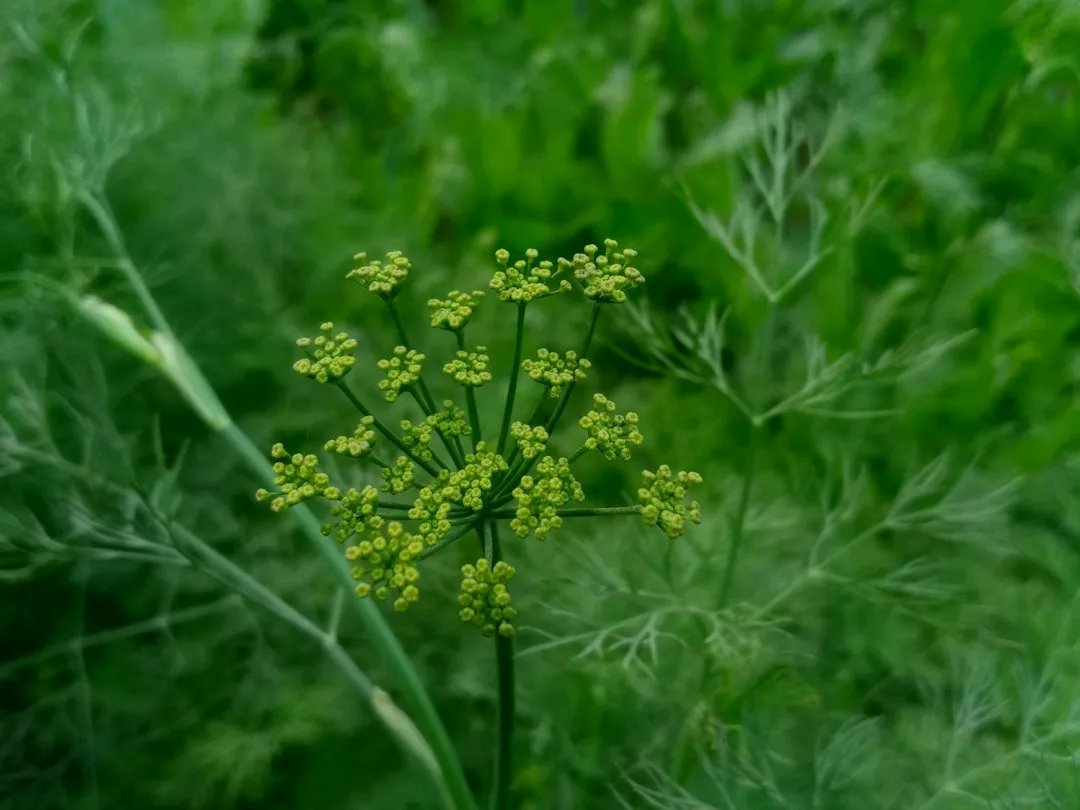
Virgo is described as practical, detail-oriented, and deeply caring, essentially the zodiac’s diligent healer. Herbs suited to Virgo include fennel, which promotes mental clarity and aids the analytical mind, lavender, which calms Virgo’s often anxious nature, and echinacea, which boosts the immune system in support of Virgo’s focus on health.
Fennel earns special recognition here. Virgo is associated with the digestive system, pancreas, small intestines, eyes, and ears, and fennel has a long, documented history of supporting digestive wellness. It’s a methodical plant too, requiring proper spacing and consistent care, which suits Virgo’s attention to detail perfectly.
Libra (September 23 – October 22): Rose
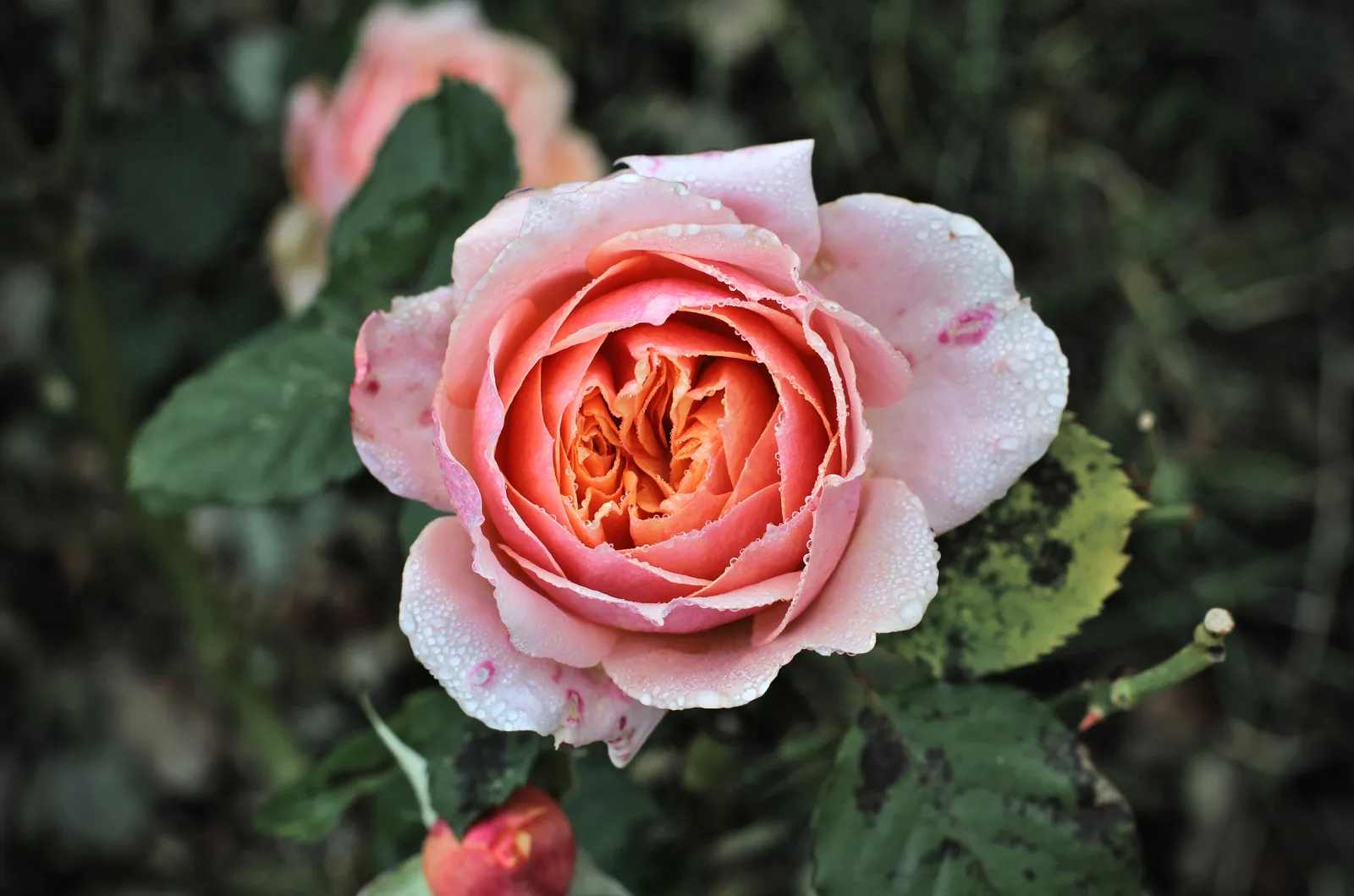
Top herbs associated with Libra include amla, cacao, rose, and saffron. Rose is the most iconic match. Libra is ruled by Venus, associated with balance, beauty, and relationships, and the rose has symbolized all three across virtually every culture that has cultivated it.
As a culinary and medicinal herb, rose petals are surprisingly useful. They’re rich in vitamin C, used in teas and skincare, and carry mild anti-inflammatory properties. Rose hips, the fruit of the rose plant, have one of the highest natural concentrations of vitamin C of any food source. Libra, as the sign of partnership and aesthetics, could hardly ask for a more fitting garden companion.
Scorpio (October 23 – November 21): Mugwort
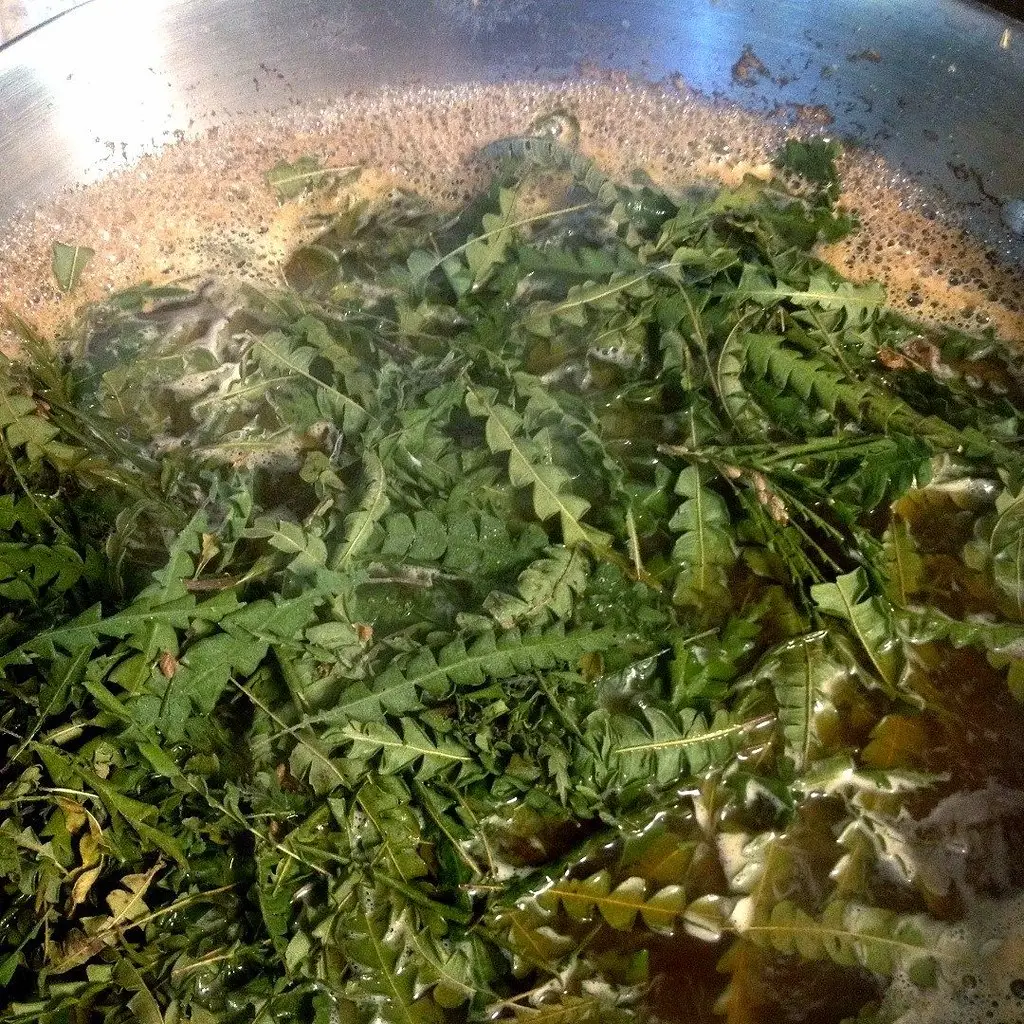
Scorpio is intense, transformative, and deeply intuitive, described as the zodiac’s seeker of hidden truths. Its corresponding herb is mugwort. This is a plant with a long and strange history in folk medicine and ritual practice, which makes it a genuinely fitting match for a sign that gravitates toward the hidden and the esoteric.
Studies show that mugwort has anti-inflammatory, antioxidant, antimicrobial, and antifungal properties. It has a range of biological activities due to different compounds that make it notable as a medicinal plant, though more studies are still needed to fully understand its effects. Mugwort is a hardy perennial that spreads with quiet determination, not unlike Scorpio itself.
Sagittarius (November 22 – December 21): Sage
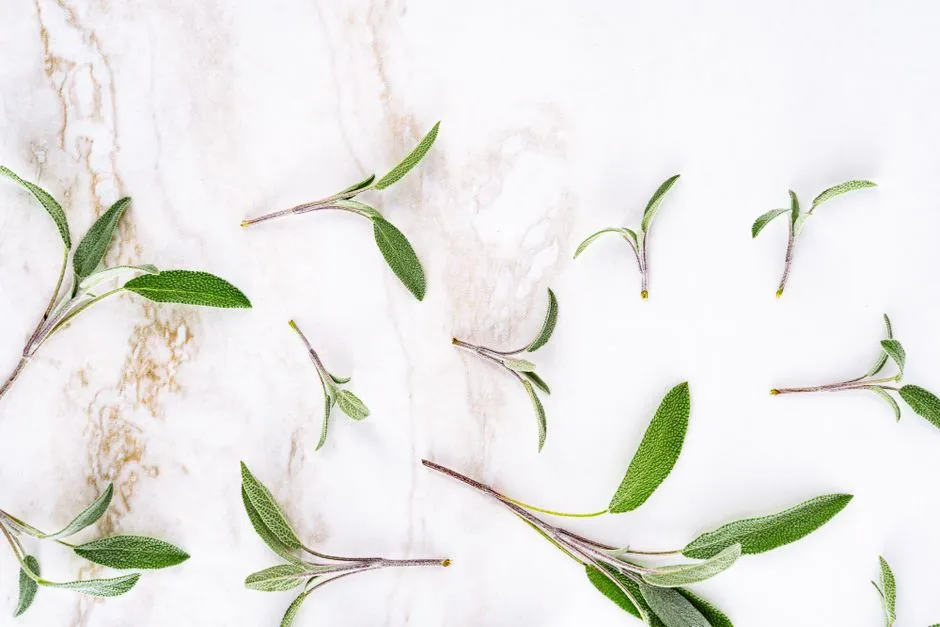
Sagittarius is optimistic, adventurous, and wise, described as the zodiac’s seeker of truth and freedom. Sage is associated with wisdom and spiritual growth for this sign. Sagittarius is linked to the hips, thighs, and liver, and top herbs for the sign include turmeric, moringa, cordyceps, and clove alongside sage.
Sage is one of the most versatile culinary and medicinal herbs you can grow. It tolerates poor soil, thrives in full sun, and asks for very little once established. That low-maintenance independence resonates strongly with a sign that chafes at restriction. Its compound rosmarinic acid has well-documented antioxidant properties, adding genuine substance to its centuries-long reputation as a plant of wisdom.
Capricorn (December 22 – January 19): Ashwagandha
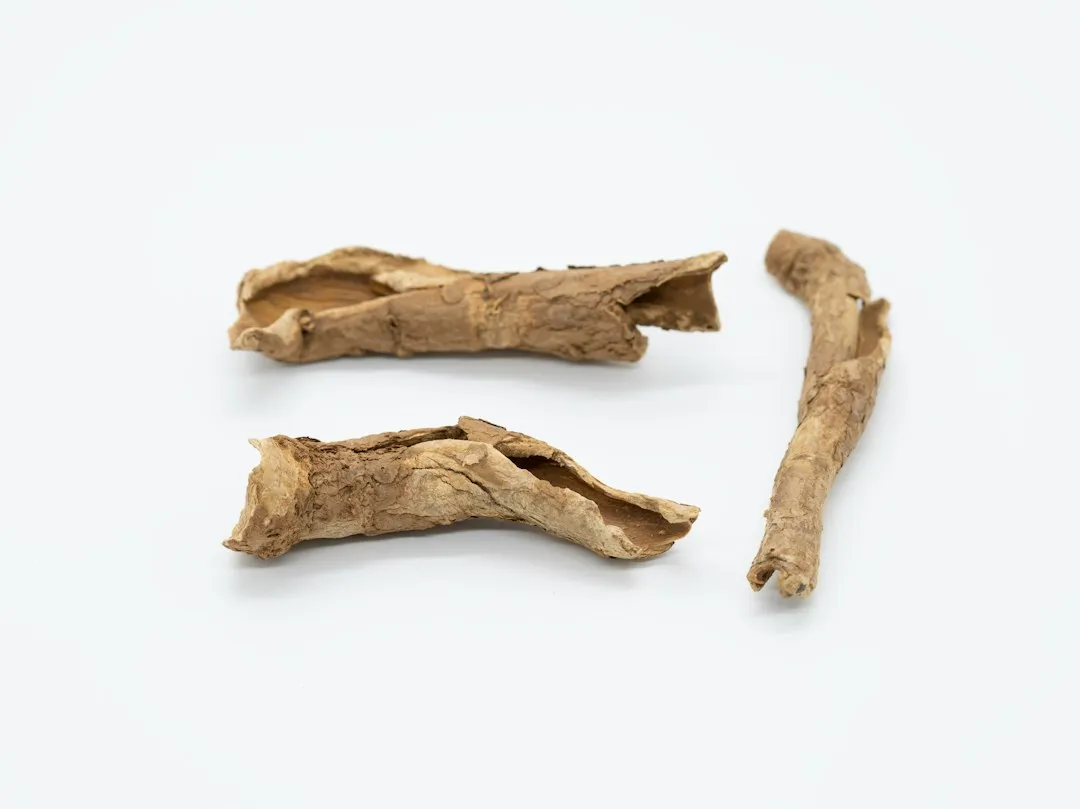
Capricorn is disciplined, ambitious, and incredibly resilient, described as the zodiac’s steady achiever. Its herbal match is ashwagandha. The properties of ashwagandha are well-documented; it’s been used for over 3,000 years as a way to reduce stress and improve concentration.
Adaptogens like ashwagandha help the body modulate its stress response over time, effectively recalibrating the HPA axis. For a sign that tends to push relentlessly toward goals and sometimes forgets to rest, an adaptogenic herb that literally helps the body manage pressure is almost poetic. Ashwagandha grows well in warm, dry climates and can be cultivated in containers in cooler regions.
The Takeaway

A 2024 umbrella review published in Systematic Reviews analyzed 40 systematic reviews covering over two decades of research and found consistent evidence that gardening and horticultural therapy positively impact well-being, mental health, and quality of life. Starting with an herb you feel personally connected to, whether that’s through astrology or simple curiosity, is as good a reason as any to begin.
The zodiac pairings here are drawn from established traditions in herbal astrology and cross-referenced with documented properties of each plant. The science of gardening’s benefits is solid. Whether the star signs direct your choices or simply make them more fun, what matters most is that something ends up growing. Research suggests measurable mood and cortisol changes can occur in as little as ten to thirty minutes of gardening activity, so the act of tending to your sign’s herb may be as beneficial as the herb itself.
AI Disclaimer: This article was created with the assistance of AI tools and reviewed by a human editor.