
Hearing Loss Is Now the Top Modifiable Risk Factor for Dementia
This is not a minor footnote in the research literature. The 2024 Lancet Commission identifies 14 modifiable risk factors that together account for nearly half of dementia cases worldwide, with hearing loss alone accounting for seven percent, more than any single other factor. That makes untreated hearing loss a bigger population-level dementia driver than physical inactivity, smoking, or high blood pressure.
According to the Commission, treating hearing loss could prevent up to seven percent of dementia cases globally, making it one of the most impactful areas for prevention. To put that in perspective, hearing loss in midlife has been estimated to account for nine percent of dementia cases, a potentially reversible disease burden given that dementia affects tens of millions of people worldwide.
The Scale of the Problem Is Larger Than Most Realize
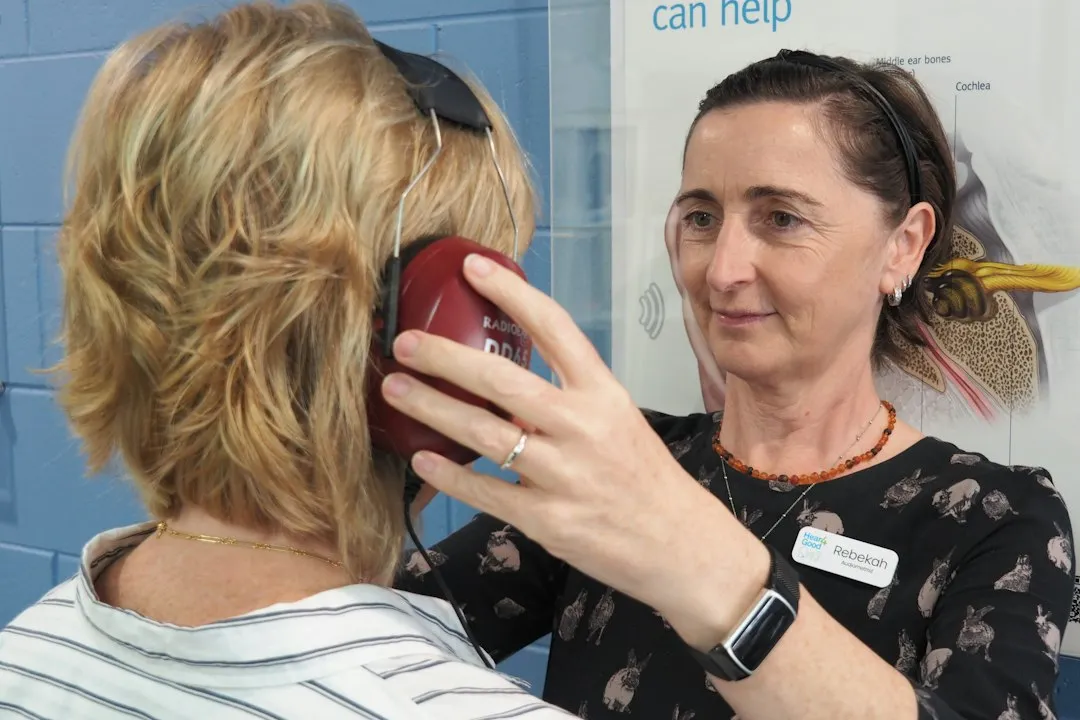
Hearing loss is one of the most common conditions of aging, affecting nearly two-thirds of older adults over the age of 70. Yet it often goes unaddressed for years, sometimes decades, because the decline is gradual and easy to dismiss or compensate for in conversation.
Hearing loss is the third most common health condition in older age after arthritis and heart disease, and cases are expected to grow from 38 million to 73 million by 2060. That trajectory makes this a public health issue of considerable scale, not just a private inconvenience.
Even Mild Hearing Loss Raises the Risk

Across all ages, roughly a quarter of individuals with mild hearing loss and more than a third with disabling hearing loss had global cognitive scores indicative of impairment, compared to about one in six of those with normal hearing. The gap is striking, and it doesn’t start only when hearing becomes severe.
Research found that every ten-decibel decrease in hearing was associated with a sixteen percent increase in dementia risk. Cohort studies consistently support that adult-onset hearing loss increases the risk of cognitive decline, dementia, and Alzheimer’s disease, with both mild and moderate-to-severe hearing loss associated with increasing dementia risk.
A 2024 Meta-Analysis of 1.5 Million People Confirmed the Link
A 2024 meta-analysis combining data from 50 studies and more than 1.5 million participants concluded that adult-onset hearing loss increases the risk of cognitive decline, dementia, mild cognitive impairment, and Alzheimer’s disease. This is one of the largest bodies of evidence ever compiled on the subject.
A systematic review and meta-analysis published in Aging and Mental Health in 2025 found that the presence of any hearing loss was associated with a meaningfully increased risk of incident dementia, and that the association between hearing loss and dementia is consistent globally, though estimates may vary slightly by continent. The finding spans continents and health care systems, which makes it considerably harder to dismiss as a statistical artifact.
What’s Actually Happening Inside the Brain

Hearing loss was associated with smaller brain volumes and a 71 percent higher risk for dementia, particularly in individuals carrying a specific genetic variant known as the APOE epsilon 4 allele, according to research published in November 2025. This was measured directly using MRI scans, not self-reported data.
Proposed mechanisms include sensory deprivation-related cortical reorganization, increased cognitive load during effortful listening, shared neuropathological processes, and social disengagement, with neuroimaging studies demonstrating structural and functional alterations in auditory and associative brain regions in individuals with hearing loss. In plain terms, the brain works harder to process degraded sound, and that sustained effort appears to come at a cost to memory and thinking.
Recent evidence demonstrates shared molecular mechanisms affecting both hearing function and cognitive reserve, including oxidative stress, neuroinflammation, and vascular damage.
The Hippocampus Connection
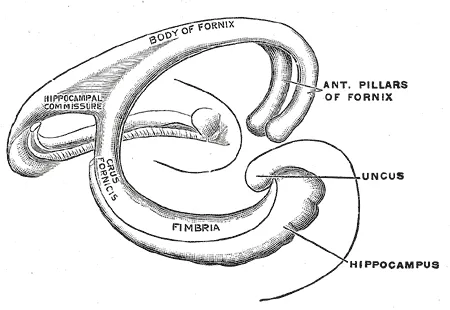
Research found that gray matter volume in the hippocampus, superior frontal cortex, and posterior cingulate cortex mediated the connection between hearing loss and cognitive impairment. The hippocampus is the brain region most closely associated with the formation of new memories, which explains why memory tends to be one of the first cognitive abilities to show signs of strain.
Research found that even mild hearing loss was associated with significant hippocampal volume reduction. Volume reduction in this area due to hearing loss could be related to memory decline, suggesting that this mechanism may cause cognitive dysfunction. These aren’t speculative connections; they appear on brain scans.
Social Isolation as a Hidden Accelerator

Age-related hearing loss contributes to auditory deprivation and social isolation, which in turn promote cognitive decline and increase the risk of depression. This is a chain reaction that’s easy to overlook. Someone struggles to follow a conversation, withdraws from social situations, becomes isolated, and that isolation itself compounds the cognitive damage.
People with untreated hearing loss are roughly a quarter more likely to be socially isolated, and isolation itself raises dementia risk by approximately half. The two risks stack. Social disconnection is not simply an emotional consequence of hearing loss; it appears to be one of the biological pathways through which the brain deteriorates.
The ACHIEVE Trial: Hard Evidence from a Randomized Study

The ACHIEVE trial is the first randomized controlled trial to test whether treating hearing loss slows cognitive decline, and in participants already at elevated risk for dementia, hearing aids reduced three-year cognitive decline by 48 percent compared to a health-education control group. That is a substantial reduction by any clinical standard.
No effect of hearing intervention on reducing cognitive decline was seen in the total cohort, but a substantial 48 percent reduction in cognitive decline was observed in participants who had been recruited from a long-running population-based cohort and who had more baseline risk factors for cognitive decline and dementia. The benefit appears largest for those who are already at higher risk, which is precisely the population that most needs it.
Hearing Aids: What the Evidence Actually Shows
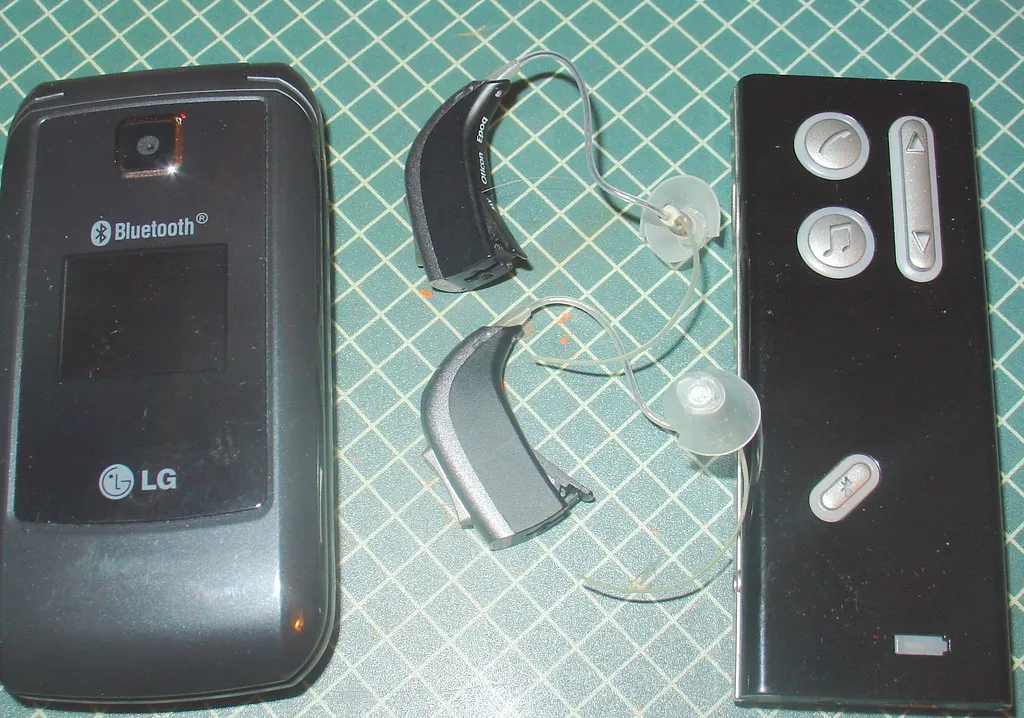
Research found a 61 percent lower risk of incident dementia among younger participants with hearing loss who reported wearing hearing aids compared to those with untreated hearing loss. Johns Hopkins’ research also shows hearing aid use was associated with a 32 percent lower prevalence of dementia in participants who had moderate or severe hearing loss.
Cochlear implant use may delay cognitive decline and improve cognitive performance in older adults with severe to profound hearing loss, providing proof-of-concept evidence of the positive effects of hearing intervention on cognitive performance. After cochlear implantation, the vast majority of adults showed improvements in cognitive performance, and nearly a third of those with mild cognitive impairment returned to typical cognitive function.
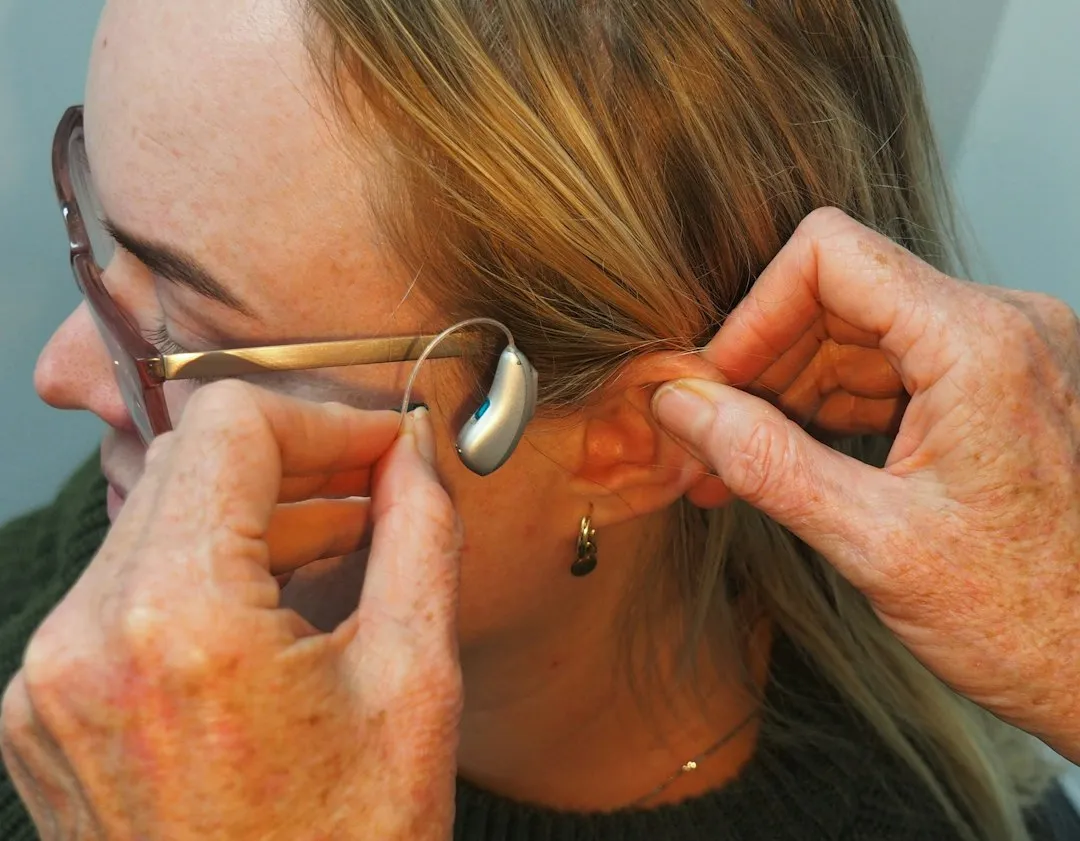
Age-related sensorineural hearing loss is widely treatable with hearing aids, and targeted intervention for hearing loss may play a fundamental role in dementia prevention.
Genetic Risk Makes the Connection Stronger

Compared with individuals with normal hearing, those with slight or greater hearing loss had a meaningfully increased risk for dementia, and carriers of the APOE epsilon 4 allele with hearing loss had nearly triple the risk. APOE epsilon 4 is the most well-known genetic risk factor for Alzheimer’s disease, and its interaction with hearing loss has become an active area of investigation.
Dementia risk was notably higher among APOE epsilon 4 carriers with hearing loss than among those with normal hearing, and hearing loss was associated with accelerated executive decline, lower brain volume, and faster accumulation of white matter abnormalities. For people who already carry this genetic susceptibility, unaddressed hearing loss may function as a significant accelerant.
What This Means for Screening and Prevention
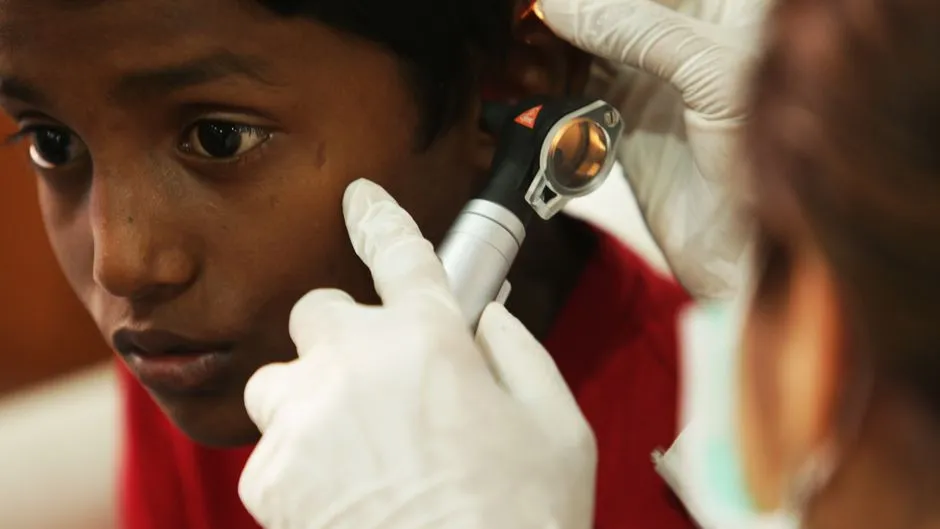
The 2024 Lancet Commission report identified hearing loss as the largest modifiable risk factor for dementia from mid-life, drawing significant attention to the relationship between hearing impairment and dementia. This has pushed hearing screening into broader discussions about dementia prevention, which were previously dominated by diet, exercise, and blood pressure control.
Research emphasizes the importance of addressing even mild hearing loss, as active hearing rehabilitation could potentially prevent cortical volume loss and mitigate the risk of cognitive decline. The window for intervention may matter. Waiting until hearing loss is severe before seeking help may allow structural brain changes to accumulate in ways that are harder to reverse.
The Takeaway
The evidence now stretching across dozens of large-scale studies, clinical trials, and neuroimaging research points in a consistent direction: hearing loss is not a passive bystander in the story of cognitive aging. It appears to be an active participant, reshaping brain structure and accelerating decline in ways that were overlooked for too long.
What gives this research real practical weight is that hearing loss, unlike many dementia risk factors, is both common and treatable. Getting a hearing test is not a complicated ask. Neither is wearing a hearing aid if one is needed. The harder part may simply be convincing people that their hearing is worth protecting not just for the sake of conversation, but for the sake of their memory too.
AI Disclaimer: This article was created with the assistance of AI tools and reviewed by a human editor.