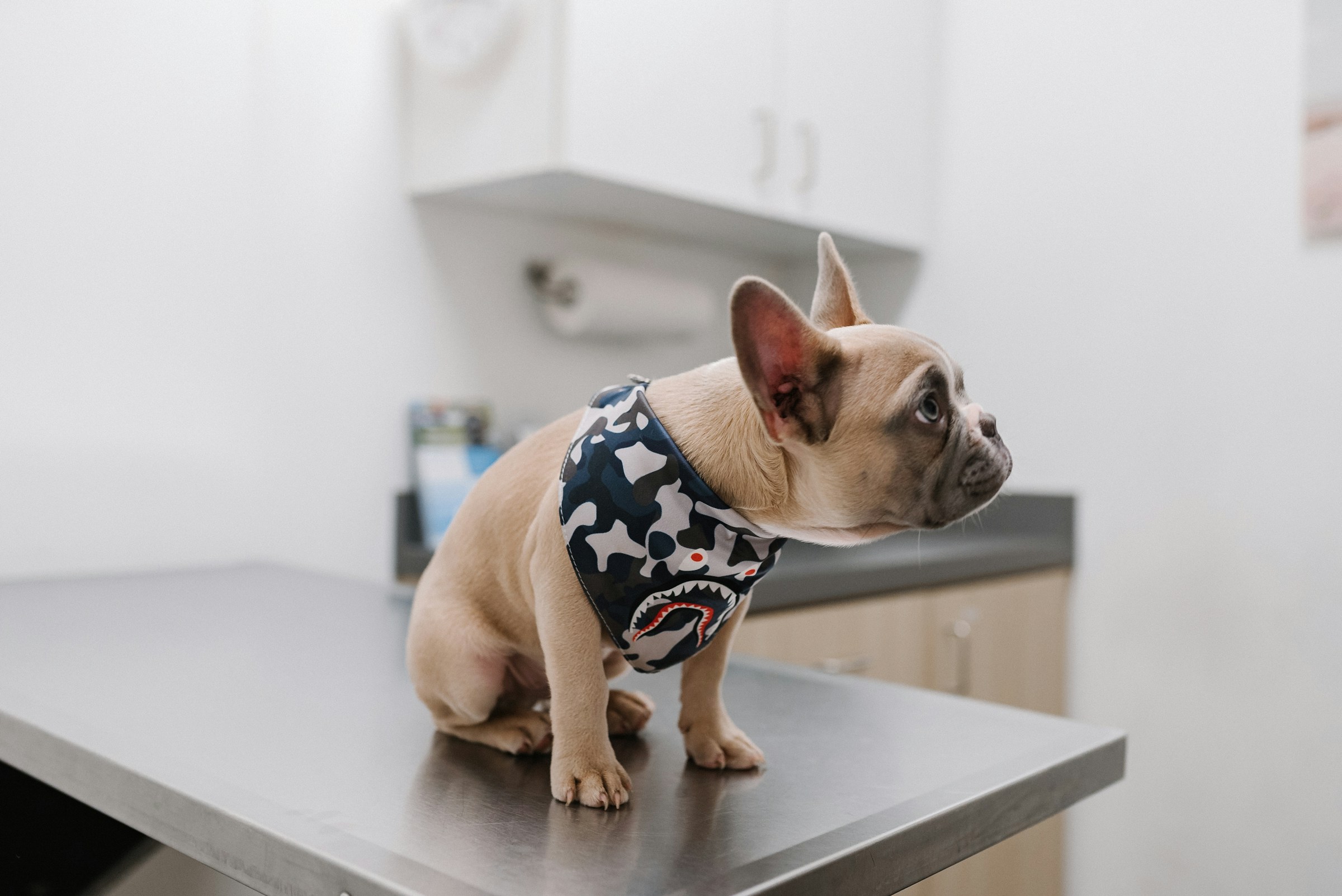

What Head Pressing Actually Looks Like

Head pressing is a repetitive behavior where a dog or cat compulsively presses their head against a solid object, like a wall, corner, floor, or furniture, without any apparent reason. Unlike resting the head during sleep or after play, this behavior is persistent and often appears completely out of context.
An animal who is head pressing will often push continuously, moving along the surface against which they’re pressing until they reach a corner and get stuck there. It’s a compulsive, driven quality to the movement that separates it from casual leaning. A dog leaning its head against an object while sleeping is not head pressing. If a dog frequently and persistently presses its head against objects while awake and alert, that is cause for immediate concern.
Why Vets Treat It as an Emergency
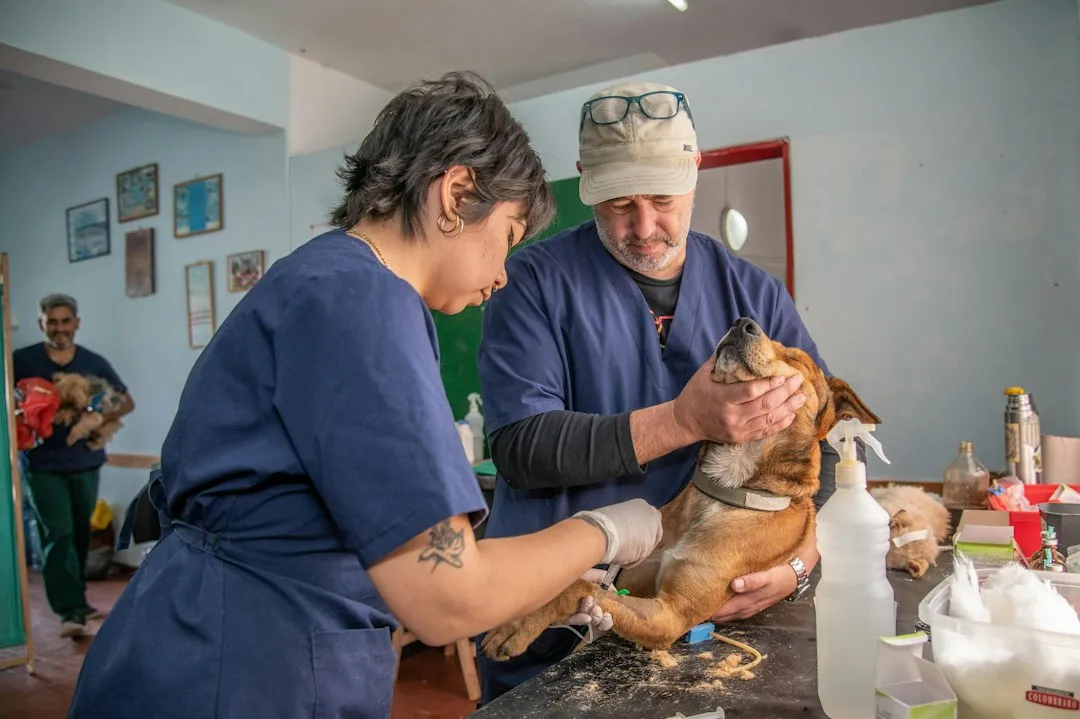
Head pressing is a very serious medical condition in dogs and cats that can look at first glance like a harmless, even funny behavior. Every known root cause of head pressing is serious and requires immediate veterinary intervention.
This behavior is not just odd but signals a possible serious neurological or systemic disorder. Head pressing often reflects abnormal activity or pressure inside the brain or forebrain areas such as the thalamus, and it is never a normal behavior to ignore.
Head pressing is, in the assessment of veterinary professionals, a veterinary emergency. Time matters enormously. The sooner the underlying cause is identified and treated, the better the outcome for the animal.
The Brain Is Almost Always Involved

There are several potential reasons behind head pressing in dogs, but they often involve the brain or central nervous system. In many cases, it reflects inflammation, trauma, or toxic exposure that affects the brain’s function.
Head pressing typically indicates abnormal brain activity or pressure changes within the brain’s forebrain region, including areas like the thalamus. The forebrain governs behavior, awareness, and voluntary movement, which explains why affected animals often seem confused or disoriented at the same time.
Neurological conditions including brain tumors, inflammatory diseases like meningitis or encephalitis, head trauma, stroke, and hydrocephalus can all cause head pressing as the brain experiences pressure or abnormal activity.
Hepatic Encephalopathy: When the Liver Attacks the Brain
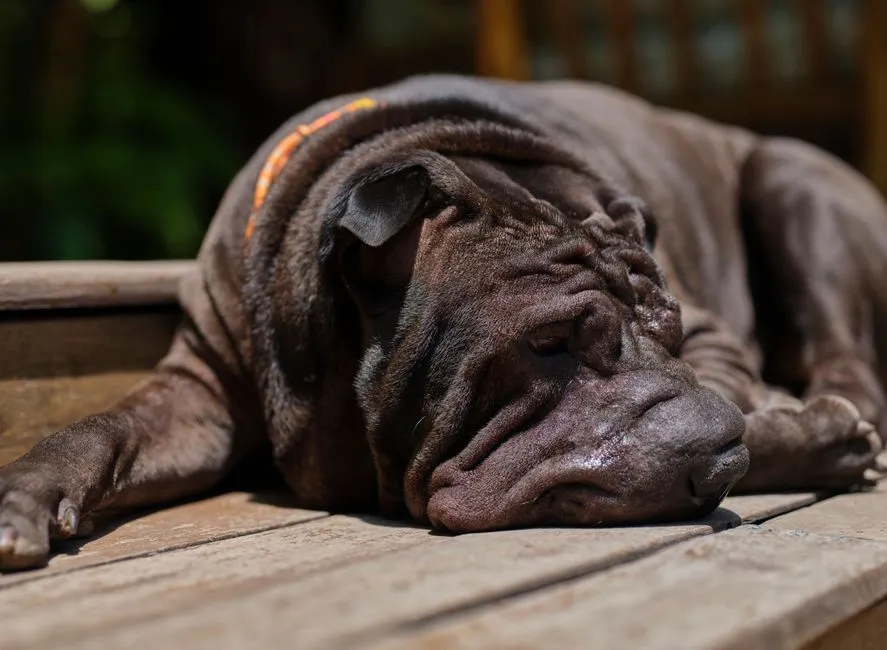
When a dog’s liver isn’t functioning properly, toxins that should be filtered out can travel through the bloodstream and reach the brain. This condition is known as hepatic encephalopathy, and one of its hallmark symptoms is head pressing, along with drooling, lethargy, and disorientation.
The pathogenesis of hepatic encephalopathy is complex and not completely understood, but ammonia appears to play a central role. Excess ammonia leads to accumulation of glutamine in astrocytes, with subsequent astrocyte swelling and neurological dysfunction.
Grade 3 hepatic encephalopathy is typified by worsening incoordination, mental confusion, head pressing, aimless wandering, circling, amaurotic blindness, and marked personality change, sometimes to aggression. Hepatic encephalopathy is a metabolic encephalopathy that is completely reversible if treated early and appropriately. That window of reversibility is exactly why speed matters.
Hydrocephalus and Toy Breeds
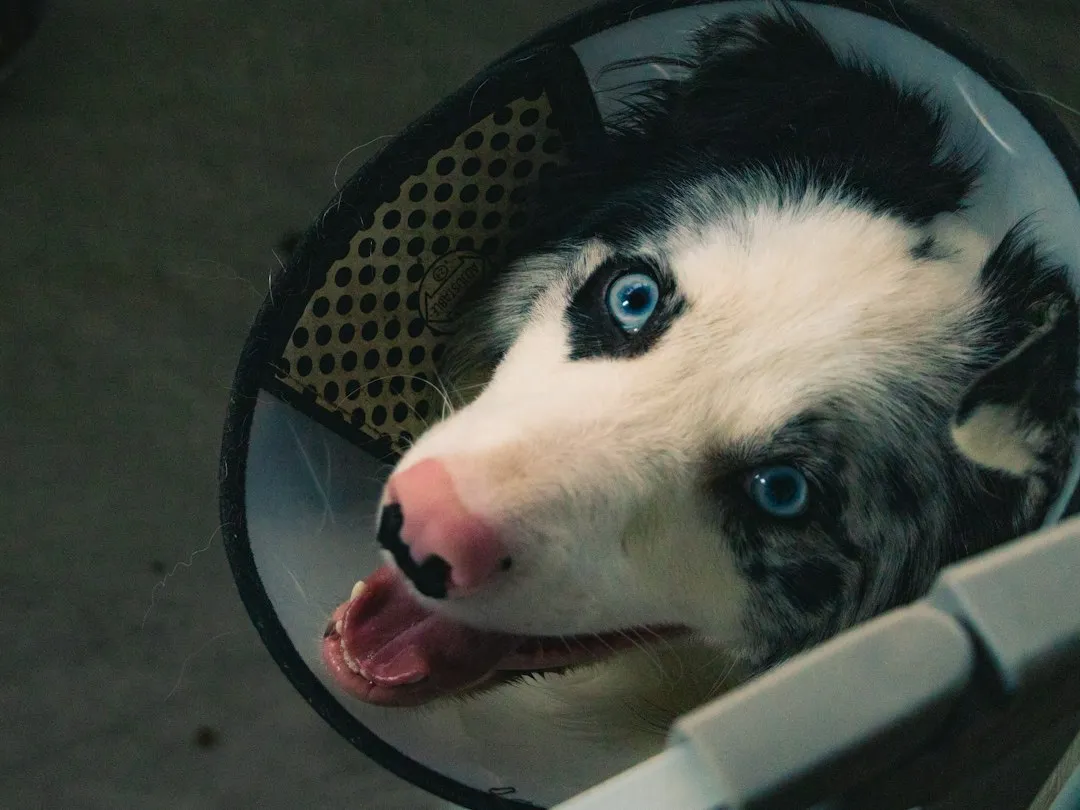
Hydrocephalus, characterized by excessive accumulation of cerebrospinal fluid within the ventricular system, commonly affects young dogs and cats due to congenital aqueductal stenosis or malformations. This buildup increases intracranial pressure, resulting in head pressing, a dome-shaped skull, and seizures as the enlarged ventricles compress the forebrain.
Hydrocephalus, often described as “water on the brain,” causes pressure build-up and is particularly common in toy or brachycephalic breeds. Small dogs like Chihuahuas, Maltese, and English Bulldogs are disproportionately represented in hydrocephalus cases. The good news is that surgical intervention, specifically a cerebrospinal fluid shunt, can offer a meaningful chance at a normal life when the condition is caught early.
Toxin Exposure Can Trigger It Too

Exposure to toxic substances such as lead, household cleaners, or mold can trigger brain inflammation or seizures, leading to head pressing. This makes the behavior relevant even in pets that appear otherwise healthy, since toxic ingestion isn’t always visible or obvious to the owner.
Lead poisoning presents as a diffuse cerebral disease, with signs progressing to aggression, convulsions, central blindness, wandering, head pressing, and eventual death. Pets in older homes with deteriorating paint, or those with access to certain industrial materials, face a higher risk.
Additional Warning Signs to Watch For

Head pressing is often one of several signs of neurological distress. Experts say to look for additional symptoms including abnormal vocalization, compulsive pacing and circling, disorientation, and behavior changes. These accompanying signs can help a vet narrow down the cause quickly.
There can also be problems with balance, disorientation, behavior changes, visual problems, seizures, and trauma to the head or eyes from the head pressing itself. An animal bumping into furniture or appearing suddenly blind is an especially urgent companion sign that warrants immediate action.
How Vets Diagnose the Underlying Cause
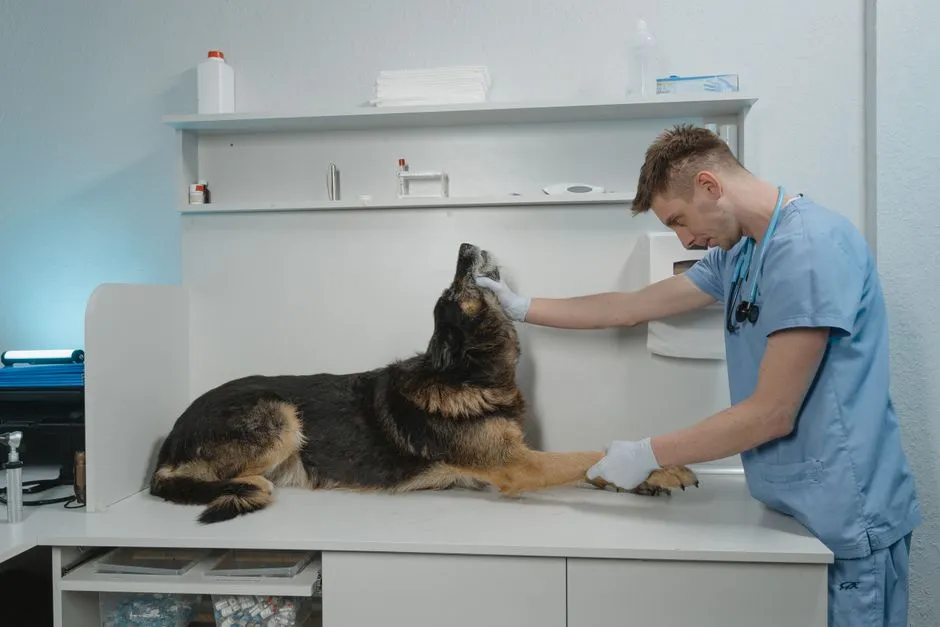
A central diagnostic test for an animal with head pressing is an examination of the retina and other structures in the back of the eye, called a fundic exam, to check for infectious or inflammatory diseases as well as irregularities in the brain.
MRI or CT scans are preferred for detecting intracranial lesions such as tumors, hydrocephalus, or cerebrovascular accidents that manifest as head pressing in dogs and cats. Abdominal ultrasound is useful for identifying portosystemic shunts. Blood chemistry panels, cerebrospinal fluid analysis, and liver function testing round out the standard workup.
There is no single definitive diagnostic test for hepatic encephalopathy; a diagnosis is based on the presence of consistent clinical signs, the exclusion of other causes of encephalopathy, laboratory findings, imaging studies, and response to treatment.
Treatment Depends Entirely on the Cause
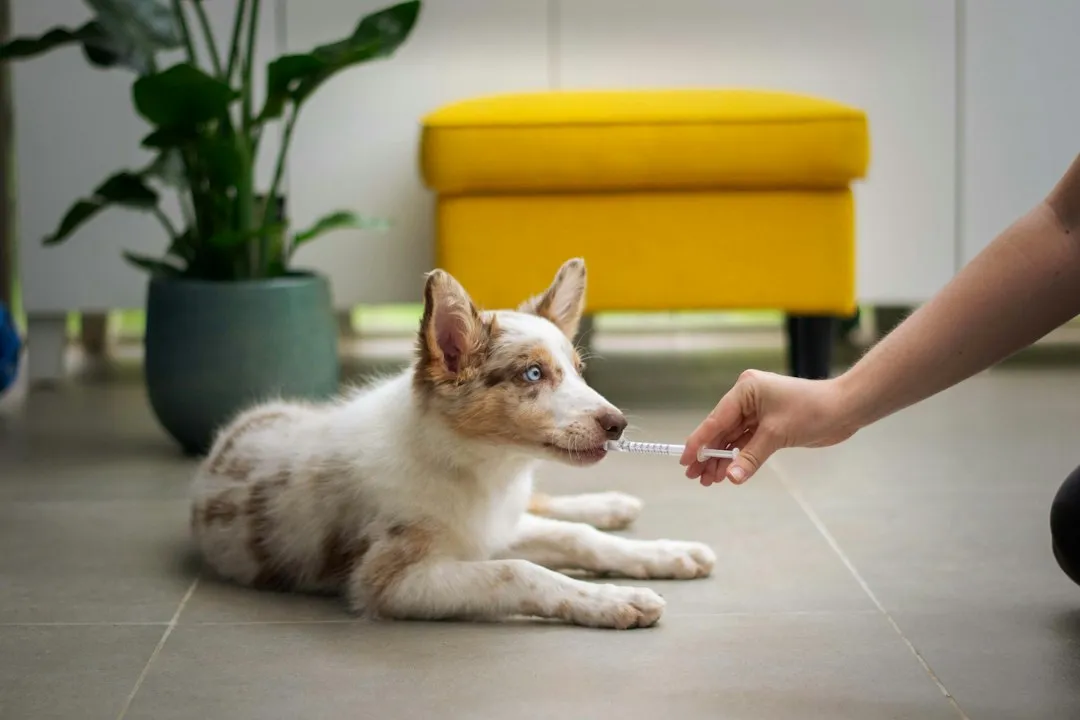
Treatment is cause-specific and may include surgery for tumors or shunts, antibiotics or antifungals for infections, anticonvulsants like phenobarbital for seizures, supportive care such as fluid therapy for toxicities or hypoglycemia, and dietary management for liver issues. Prognosis varies widely, with some conditions like advanced brain tumors or rabies being fatal.
In most cases involving hepatic encephalopathy, the dog will need to be hospitalized, receiving IV fluids, antibiotics, and anti-seizure medications if they are experiencing seizures. If the liver has a portosystemic shunt, surgery will be recommended to repair it, and most dogs who undergo this surgery recover from the disease successfully.
If a benign tumor in the brain is the cause, removal of the tumor can be curative. Often in complicated neurologic diseases involving the brain, veterinarians refer patients to a specialist, a veterinary neurologist.
What to Do the Moment You See It
Head pressing is not normal behavior and requires immediate veterinary attention. Various causes, such as brain tumors, nervous system infections, and metabolic disorders, can lead to this symptom, and if you observe it in your pet, you should see your veterinarian as soon as possible.
Regardless of the cause, head pressing is a serious medical emergency. If your dog or cat is doing it, you need to make an appointment with your veterinarian for the next day, or go to the nearest emergency animal hospital immediately.
The most important thing to remember is that head pressing is never a normal symptom in a dog or cat, and it should be addressed immediately if it occurs. Do not wait to see if it resolves on its own. It won’t.
Final Thoughts
Head pressing sits in that uncomfortable category of emergencies that look mild on the surface. There’s no blood, no obvious injury, and the animal might seem otherwise calm. That calmness is deceptive. What’s happening beneath it, inside the skull, is anything but.
Head pressing may indicate brain swelling, tumors, or toxins, and timely diagnosis and treatment are critical for the best outcome. The conditions that cause it range from treatable to life-threatening, but nearly all of them share one thing in common: early intervention improves survival and the chance of a full recovery.
Knowing the difference between a pet napping against a couch cushion and one driving its forehead compulsively into a wall could genuinely save a life. Trust that instinct when something feels wrong, and get to a vet fast.
AI Disclaimer: This article was created with the assistance of AI tools and reviewed by a human editor.