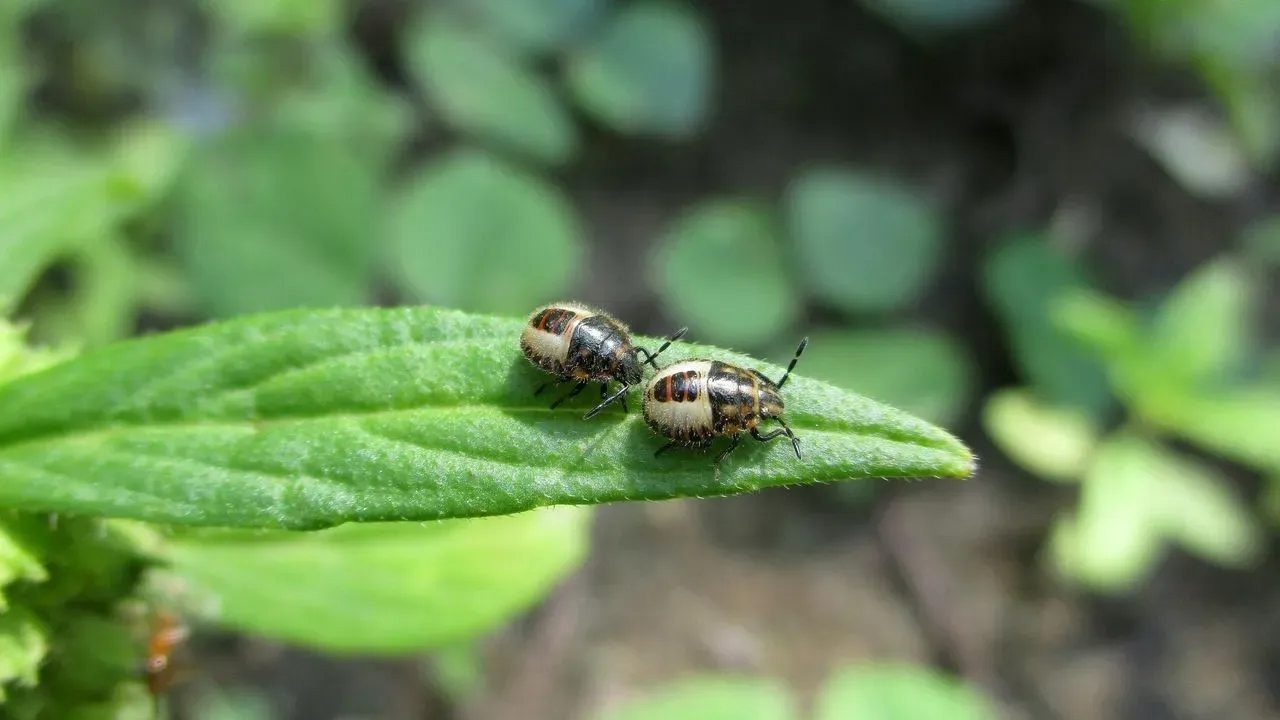

Gardeners in northern regions are encountering the harlequin cabbage bug more frequently than in past decades. This shield-shaped insect, marked in vivid orange and black, often draws initial admiration for its appearance before its feeding habits become clear. The pest targets brassica crops and has extended its range as warmer conditions allow adults to move into new areas each season.
Distinctive Features That Set It Apart
The adult harlequin cabbage bug measures roughly three-eighths to one-half inch in length. Its flattened body displays a geometric pattern of black bands over orange or yellow, creating a high-contrast look that distinguishes it from most other garden insects. Nymphs lack wings and show varying color patterns as they mature through several molts. Eggs appear as small, barrel-shaped clusters on the undersides of leaves, typically pale with dark markings. These traits help confirm the presence of the species even when populations remain low. Early recognition matters because both adults and nymphs feed on plant sap using needle-like mouthparts.
Impact on Brassica Crops and Garden Timing
Harlequin cabbage bugs feed on kale, cabbage, broccoli, cauliflower, Brussels sprouts, turnips, radishes, and related plants. Their feeding produces stippled or cloudy yellow-white blotches on leaves, followed by wilting, distortion, and potential plant decline under heavier pressure. Young transplants suffer most because limited leaf area leaves little margin for damage. In southern states the insects often overwinter locally. In northern zones they typically arrive later in the season as adults migrate from warmer climates. Multiple generations can develop during a single warm growing period, which means consistent monitoring is required from mid-summer onward.
Practical Organic Management Steps
Effective control relies on several coordinated tactics rather than any single method. Hand removal works well when performed regularly: adults and nymphs can be knocked into soapy water, while egg clusters are crushed or removed with the affected leaf section. Floating row covers provide reliable exclusion when installed immediately after planting and sealed at the edges. Trap crops such as mustard or extra kale can concentrate the insects away from the main harvest, allowing targeted removal. Insecticidal soap or neem oil products labeled for organic use can suppress nymphs when direct contact occurs, though timing and thorough coverage remain essential.
Long-Term Prevention Through Garden Practices
Sanitation at season’s end reduces overwintering sites. Removing spent brassica plants promptly and controlling related weeds limits the food supply that sustains the next generation. Crop rotation prevents planting new brassicas in beds that hosted the pest the previous year. Maintaining healthy soil and consistent moisture also helps plants withstand limited feeding. Scouting the undersides of leaves twice weekly during warm weather catches eggs and early nymphs before numbers increase. These combined efforts keep the harlequin cabbage bug manageable for home gardeners who grow cabbage-family vegetables each year.
AI Disclaimer: This article was created with the assistance of AI tools and reviewed by a human editor.