
Why Designers Are So Firm About This
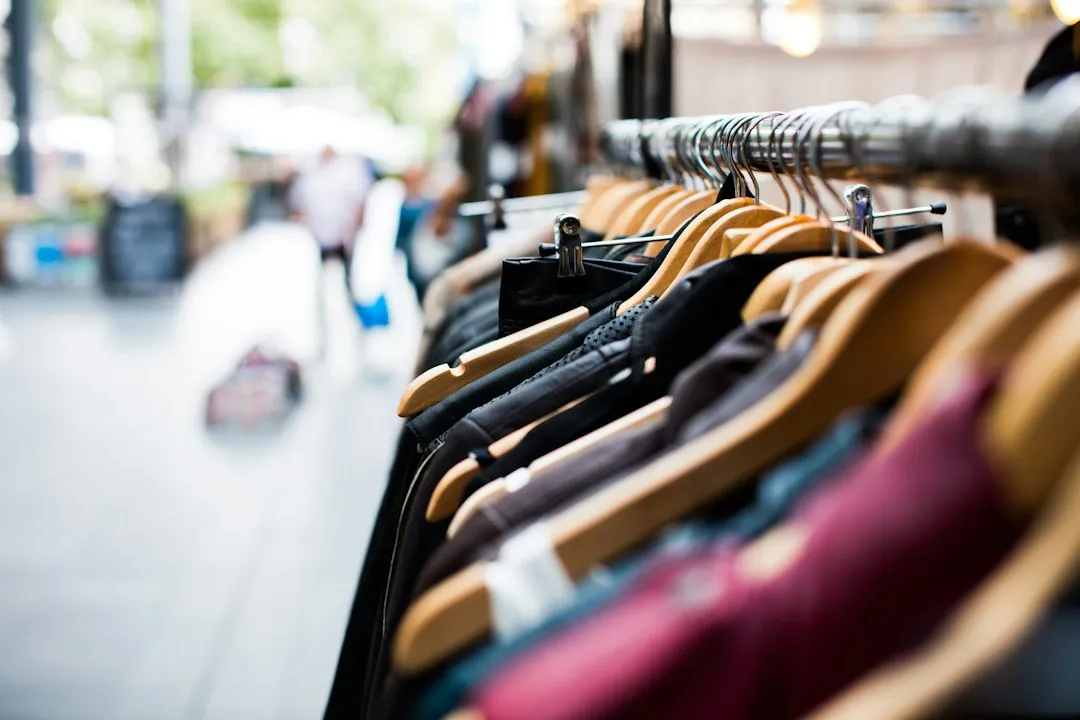
Most of us don’t think twice about the type of clothes hangers in our bedroom closet. However, the type you use may be more important to maintaining the quality of your clothes than you think, as using the wrong kind of hanger can cause clothes to lose their shape.
Nailing down the best hangers for each type of clothing item can be an investment that preserves the longevity of your wardrobe, because clothes keep their shape better when stored on the proper hanger. This is the kind of detail that professional closet designers consider foundational, not cosmetic.
The hanger is the daily support system for your clothes. A bad hanger works against them 24 hours a day, 365 days a year. Framed that way, the stakes are fairly obvious.
The Shoulder Damage Problem
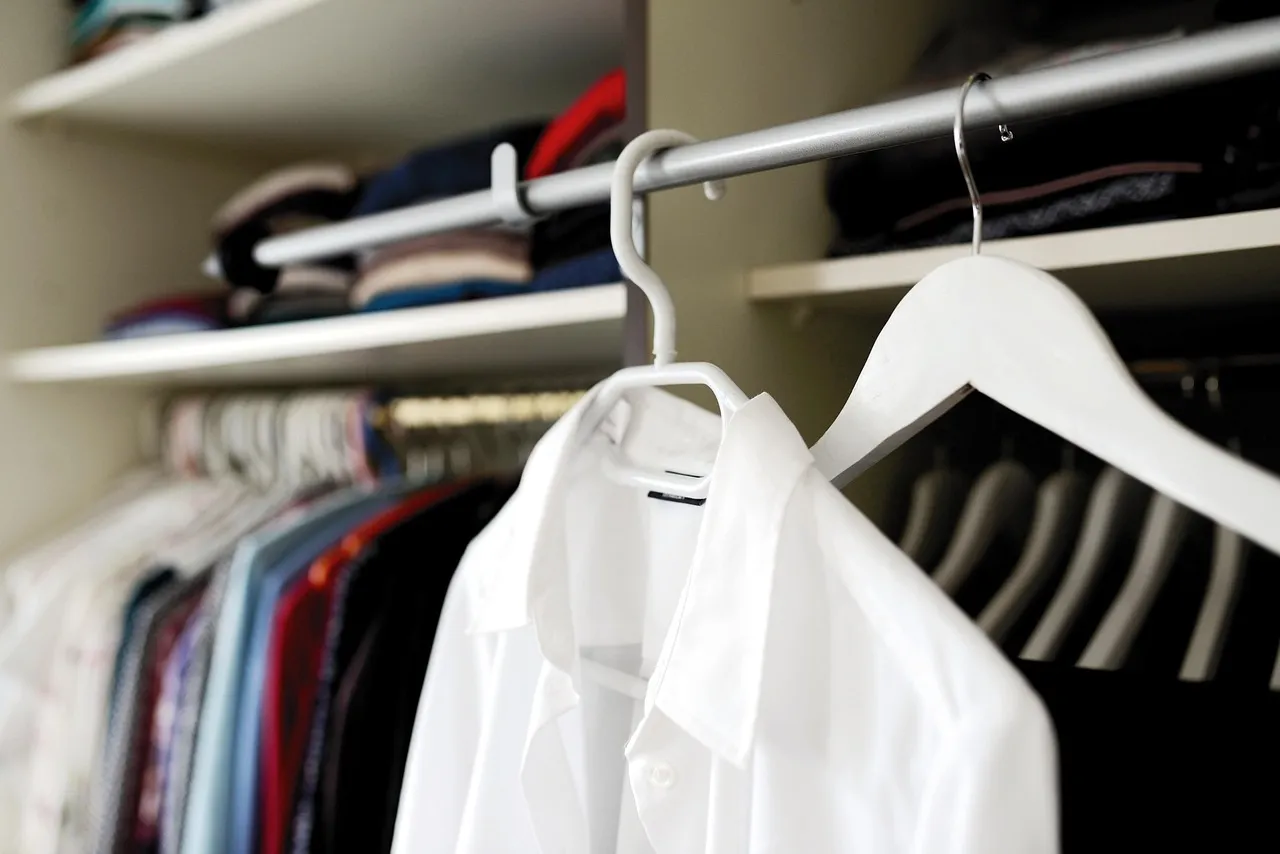
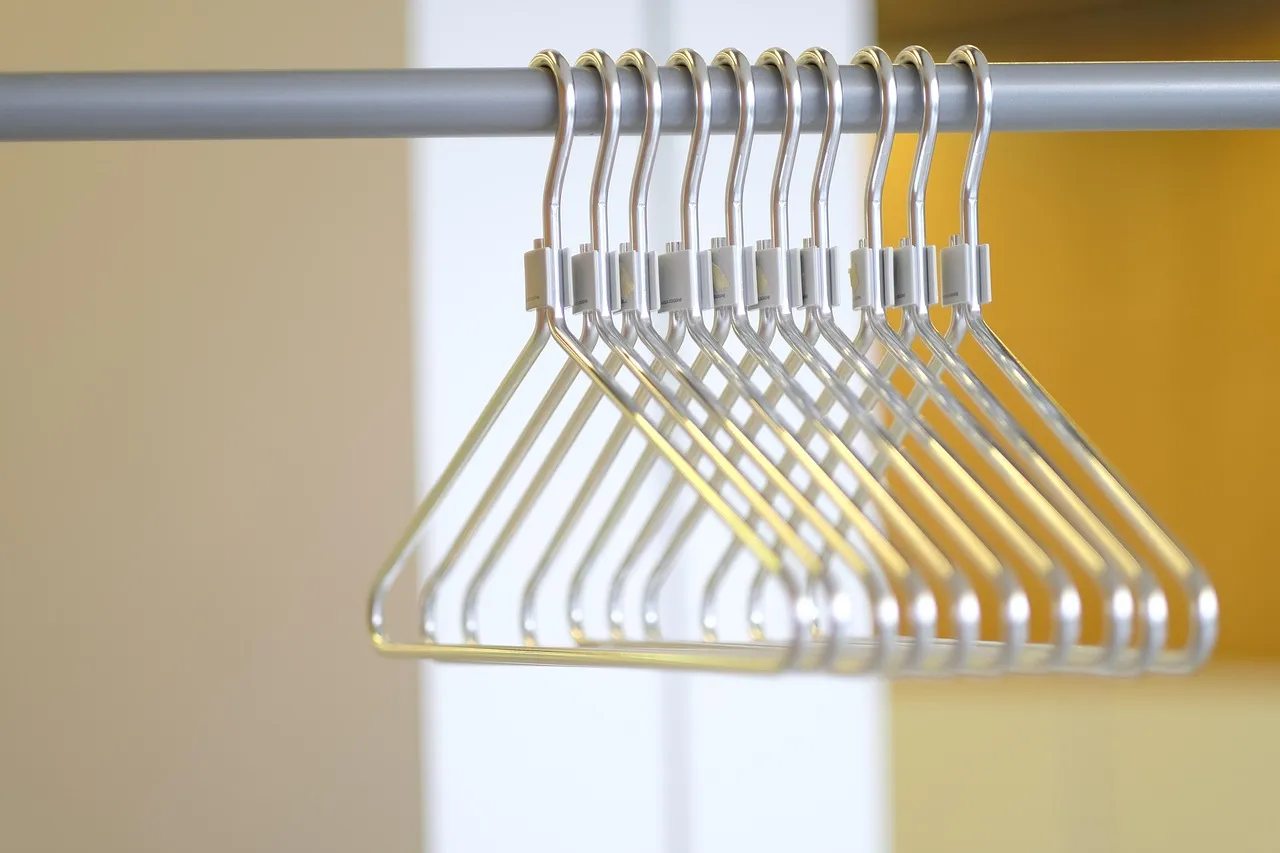
Wire hangers exert concentrated pressure at two narrow points on the shoulder seam, distorting the armhole curve and stretching the collar band over time. This is a mechanical problem, not an aesthetic one, and it happens slowly enough that most people don’t notice until the damage is already permanent.
Their narrow, pointed shoulders concentrate the entire weight of the garment on two specific points, creating the famous “bumps” or “points” on the shoulders of jackets and shirts. After a few weeks, these deformations can become permanent, especially on structured garments.
Wire hangers have the highest risk of misshaping your clothes as they sag under the weight of the fabric. Garments that are made of delicate fabrics or those that are bulky such as suits and coats may have distorted shoulders or sagging, as these wire hangers might not be able to provide the clothes adequate support.
Tearing, Snagging, and Irreversible Fabric Damage
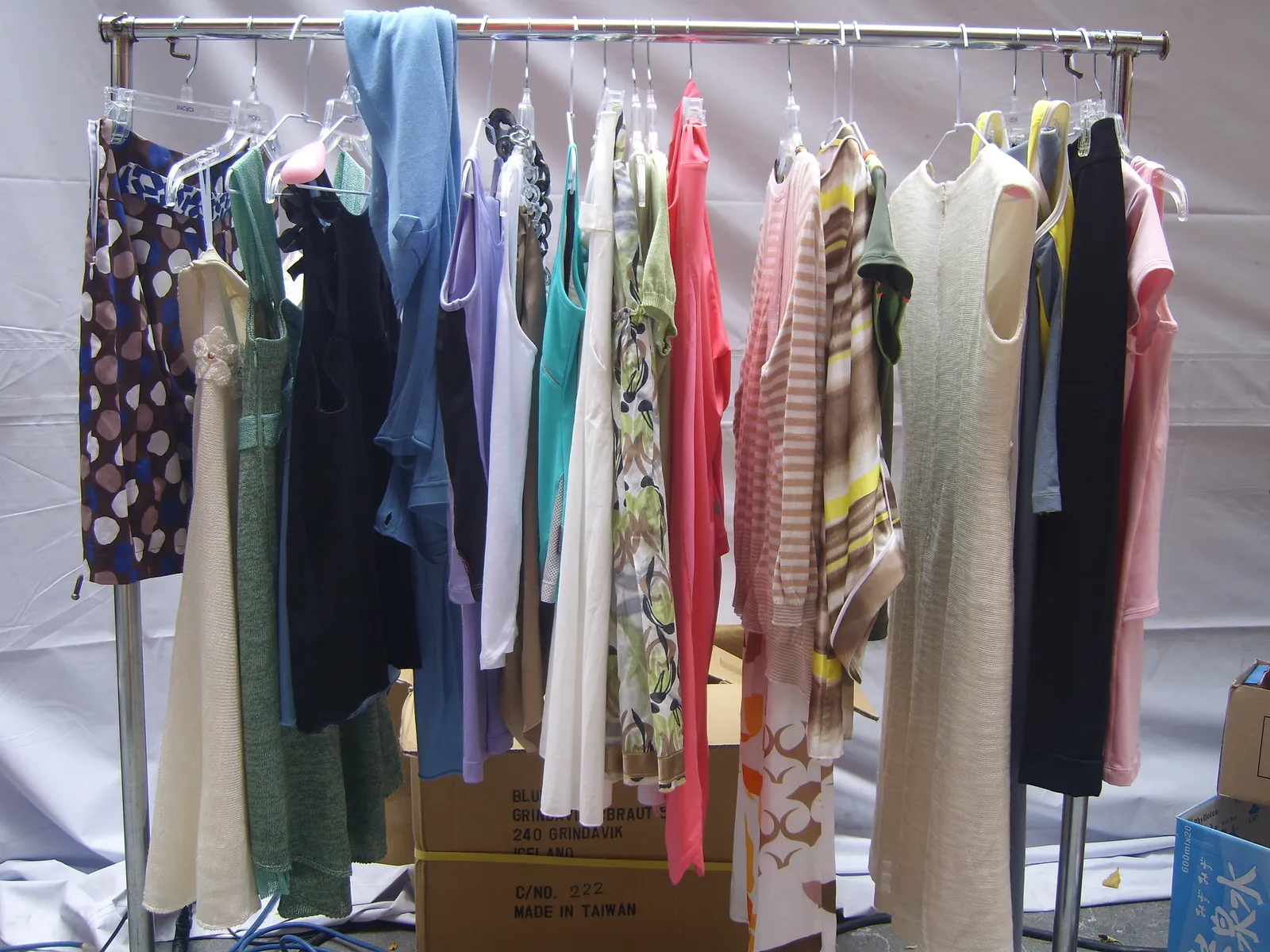
The main reason that wire hangers damage clothes is because of their thin and sharp edges, which can result in tearing, stretching, or even misshaping of the clothes. For finer fabrics, this isn’t a slow process either.
The twisted wire at the hook is notorious for catching on fine fabrics. Snags, pulls, and small tears can happen quickly and are usually irreversible.
If your wire hangers are old or of poor quality, rough metal or snapping supports can easily tear through the fabric, rendering your clothing obsolete. It’s not worth the trade-off, especially for garments that were an investment.
Rust Is a Real and Often Overlooked Risk
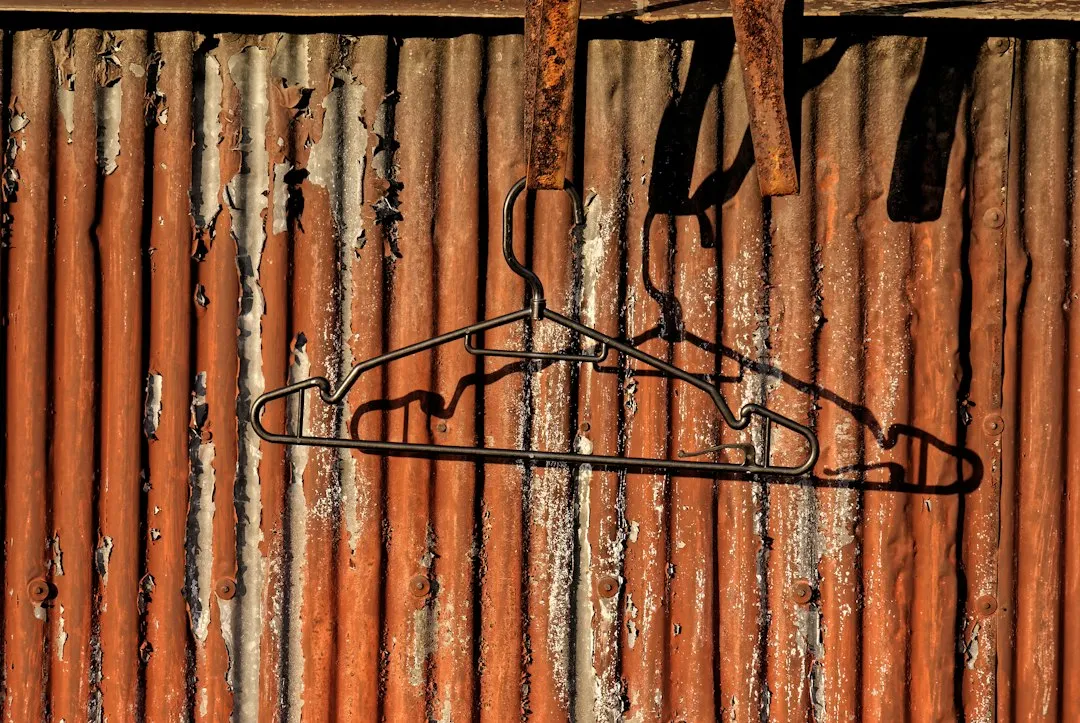
Wire hangers are prone to rust, particularly in humid closets. Once rust transfers to fabric, stains are often permanent and difficult to remove. Closets in bathrooms or poorly ventilated rooms are especially susceptible to this.
Wire hangers can rust, which could get on your clothes. Removing rust from clothes is difficult and sometimes impossible. A hanger that seems fine one season can be corroding quietly the next, and by the time you notice the stain on your shirt, the damage is done.
Clothes Slip, Fall, and Wrinkle More Often
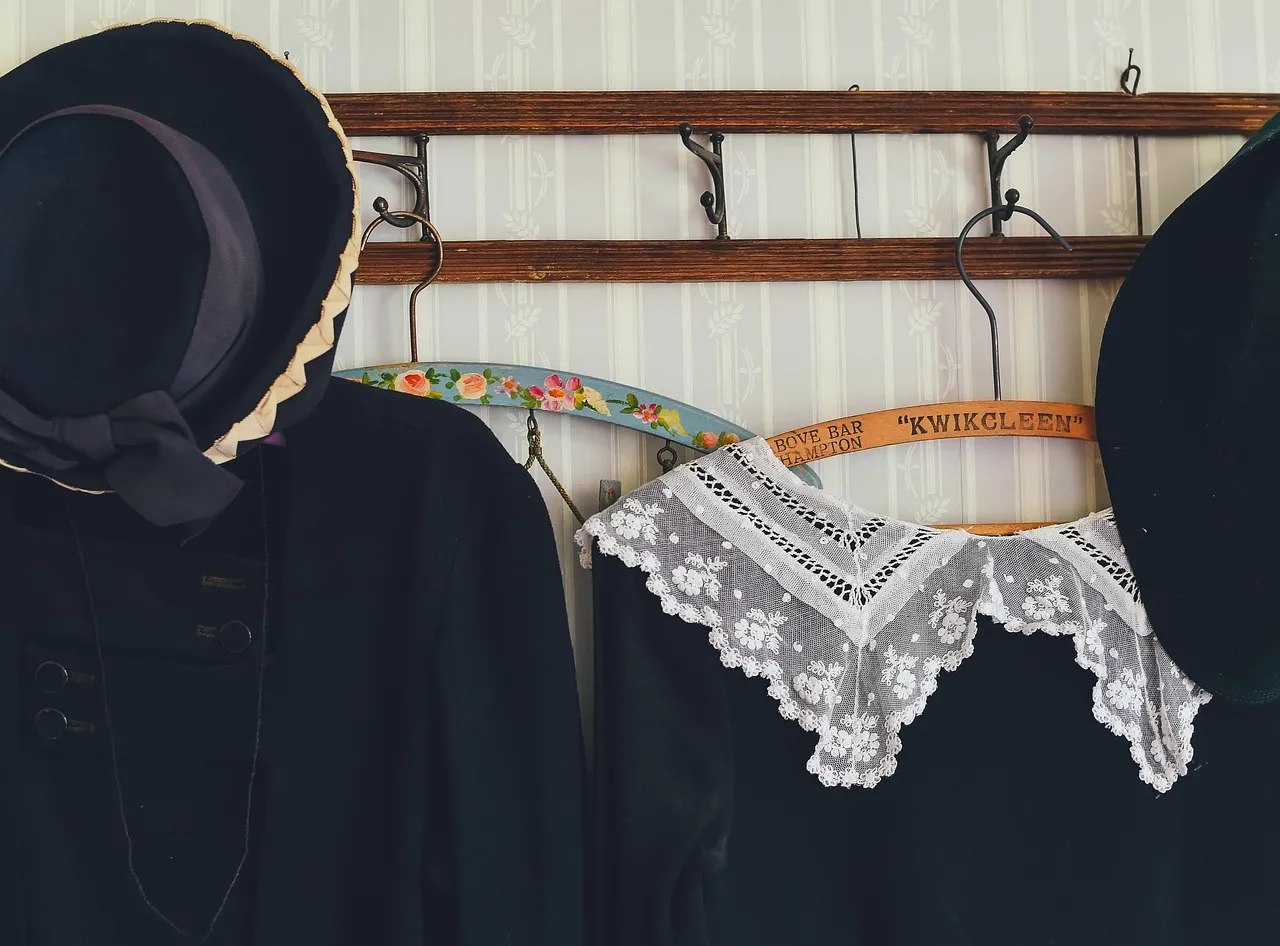
Pants have a tendency to bend wire hangers, making the fabric wrinkle and the garment bunch up. Clothes can easily slip off of the wires, which may prove inconvenient or even disastrous. They also make for a messy, tangled closet, making it difficult to find the garment you want in a pinch.
When clothes fall off bent hangers or hang unevenly, wrinkles set in. This means more ironing, steaming, and unnecessary wear on the garment. That extra wear adds up over time and shortens the life of the piece.
The “Free” Hanger Is Actually Costly
Clothing is an investment, and how items are stored plays a major role in how long they last and how good they look. Wire hangers may be free, but they often cost more in the long run through damaged fabrics, stretched shapes, and extra maintenance.
As one professional organizer put it, wire hangers are “free for a reason.” They bend easily and stretch out your clothing if the piece is hung on the hanger for too long, and they do not prevent clothing from slipping off, so clothing always ends up on the floor.
Thin Plastic Hangers Are Not the Solution Either
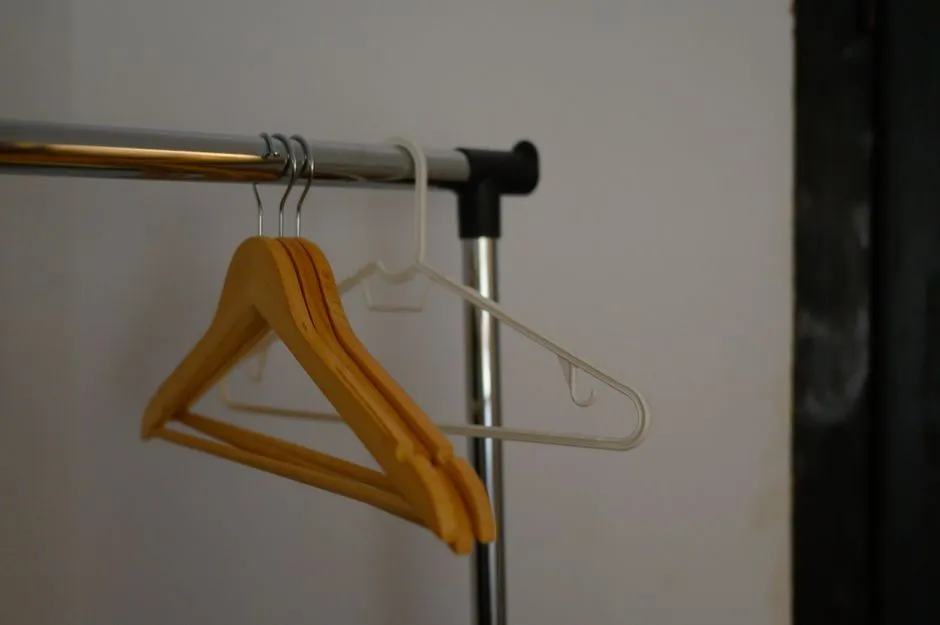
Reaching for the nearest plastic hanger as a substitute isn’t necessarily the fix either. Thin plastic hangers lack shoulder contouring and often contain PVC plasticizers that migrate onto silk, rayon, and acetate, causing yellowing and embrittlement within six to twelve months.
Cheap plastic hangers gradually bend under the weight of heavy clothes such as jackets and coats. The failure mode is different from wire, but the outcome for your wardrobe is similar.
The key difference is that some quality plastics and acrylic hangers are a genuine step up, provided they have proper shoulder contouring and a non-slip surface. Not all plastic is created equal.
What Closet Professionals Recommend Instead
Wood hangers provide strong, even support and are ideal for jackets, coats, and structured garments. Velvet hangers are slim, non-slip, and great for maximizing space while keeping clothes in place. Specialty hangers, such as pant hangers or contoured suit hangers, help maintain garment shape and organization.
Velvet hangers are probably the number one recommended hangers by professional organizers because they are very slim and take up way less space in your closet compared to a plastic or wooden hanger. They’re also widely available and relatively affordable.
Cedar hangers perform similarly to conventional wood in terms of strength and appearance, but cedar has special features. Cedar is a natural bug-repellant that also absorbs moisture, so it makes an excellent, multi-purpose hanger. For wool coats and off-season storage in particular, cedar is worth considering.
The Right Hanger Depends on the Garment
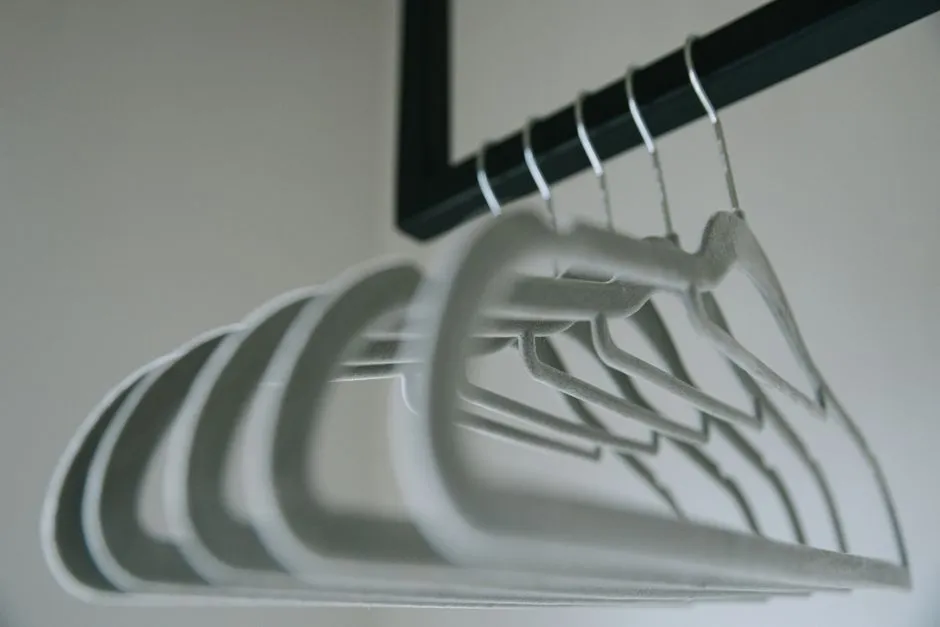
The type of hanger you use should be decided by what you’re hanging. Heavy coats and sweaters require sturdier hangers that won’t bend under their weight, but silk blouses and camisoles are better placed on slim velvet hangers that won’t leave creases.
Standard slimline velvet hangers work well for most garments, but some clothing will need specialist hangers to keep them in shape. Padded hangers work well for delicate fabrics, and wide-shoulder hangers are better suited for jackets and coats.
Buyers who own a lot of silk and satin will want to consider satin padded hangers because those are exactly the types of fabric they are made to protect. The smooth fabric wrapped around the hanger prevents any kind of marks on shoulders. It is certainly gentle on lightweight clothing.
Making the Switch Is Simpler Than It Sounds
Replacing an entire closet’s worth of hangers at once feels like a bigger project than it is. Many organizers recommend a gradual approach: start with your most valuable or delicate pieces, then work through the rest over a few weeks. The transition doesn’t have to happen overnight.
Using consistent, quality hangers also makes closets look cleaner and more intentional. It is one of the simplest ways to protect your clothes and improve your closet long term.
Alternatives such as acrylic, wooden, or rubberized hangers have gained traction as their cost-effectiveness and aesthetic appeal take precedence. Once you’ve made the switch, it’s one of those changes that’s hard to undo, in the best possible way.
The Takeaway

The wire hanger problem is one of those things that feels too small to matter until you realize it’s been quietly ruining your wardrobe for years. The evidence from professional organizers, stylists, and closet designers is consistent: wire hangers belong in the recycling bin, not in your closet.
Plastic or wire dry-cleaner hangers are both notorious for breaking, bending, and ruining the shoulders of shirts. That reputation is well-earned and well-documented.
The good news is that the fix is genuinely inexpensive relative to the cost of the clothes you’re protecting. A single afternoon and a modest investment in quality hangers can extend the life of a wardrobe significantly. Few upgrades in home organization offer that kind of straightforward return.
AI Disclaimer: This article was created with the assistance of AI tools and reviewed by a human editor.