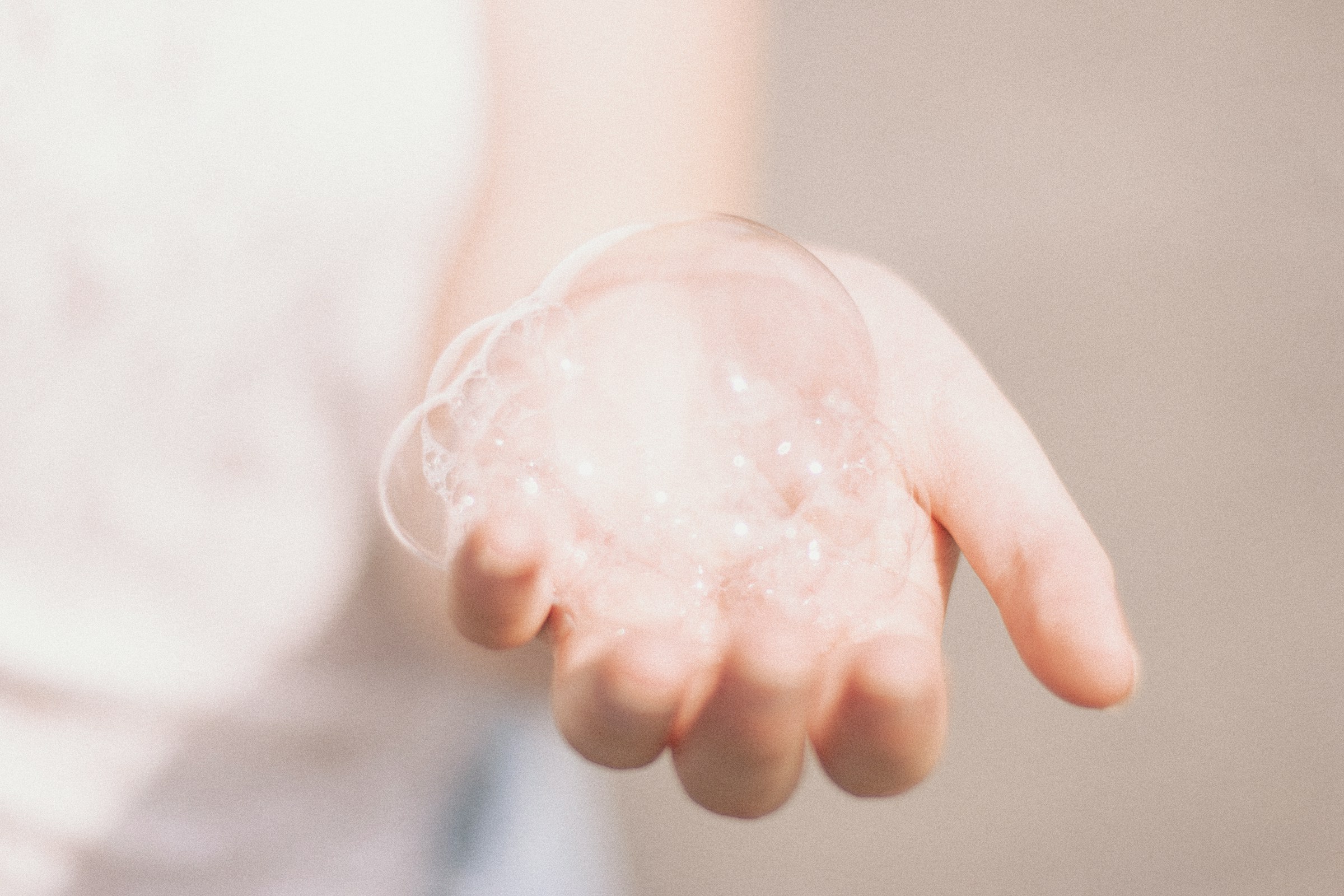

Most of us learned to wash our hands in kindergarten. Wet, soap, scrub, rinse, dry. It feels automatic by now, almost reflexive. Yet infection experts keep pointing out something quietly alarming: the mechanics of the habit are often done wrong, and the gap between what people think they’re doing and what they’re actually doing is wider than most expect.
A major national survey released in May 2025 by the National Foundation for Infectious Diseases (NFID) found that while U.S. adults say they know how to wash their hands correctly, their actual behavior consistently falls short. The consequences go well beyond a minor inconvenience. Here’s a close look at the specific steps most people miss, why each one matters, and what the research actually says.
Scrubbing Under the Fingernails
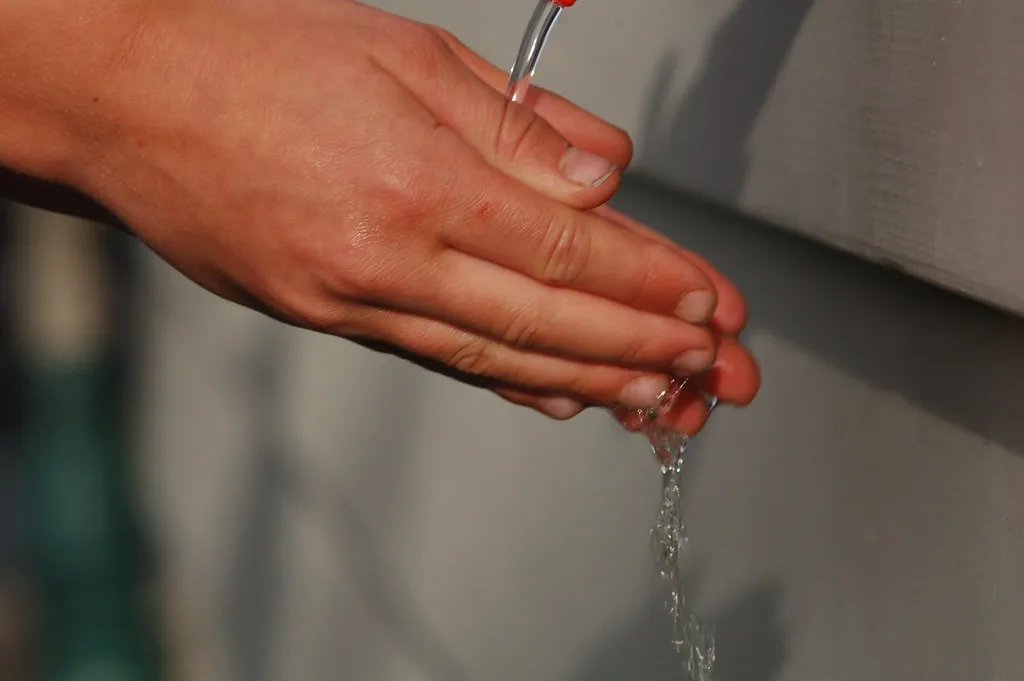
Compared with other parts of the hand, the area beneath the fingernails harbors the most microorganisms and is the most difficult to clean. This is the step that infection experts consistently flag as the most commonly skipped, and it’s not even close. Most people lather their palms and fingertips, rinse, and consider the job done.
Long fingernails can harbor substantial amounts of dirt and microorganisms, which can be transferred to the mouth directly or via food handling. Nail hygiene is an often overlooked and important potential component of disease transmission through contact, because microbes are more concentrated in the subungual area compared with other parts of the hand or digits. The fix is straightforward: curl your fingertips into your soapy palm and scrub, or use a small nail brush.
Washing for Long Enough
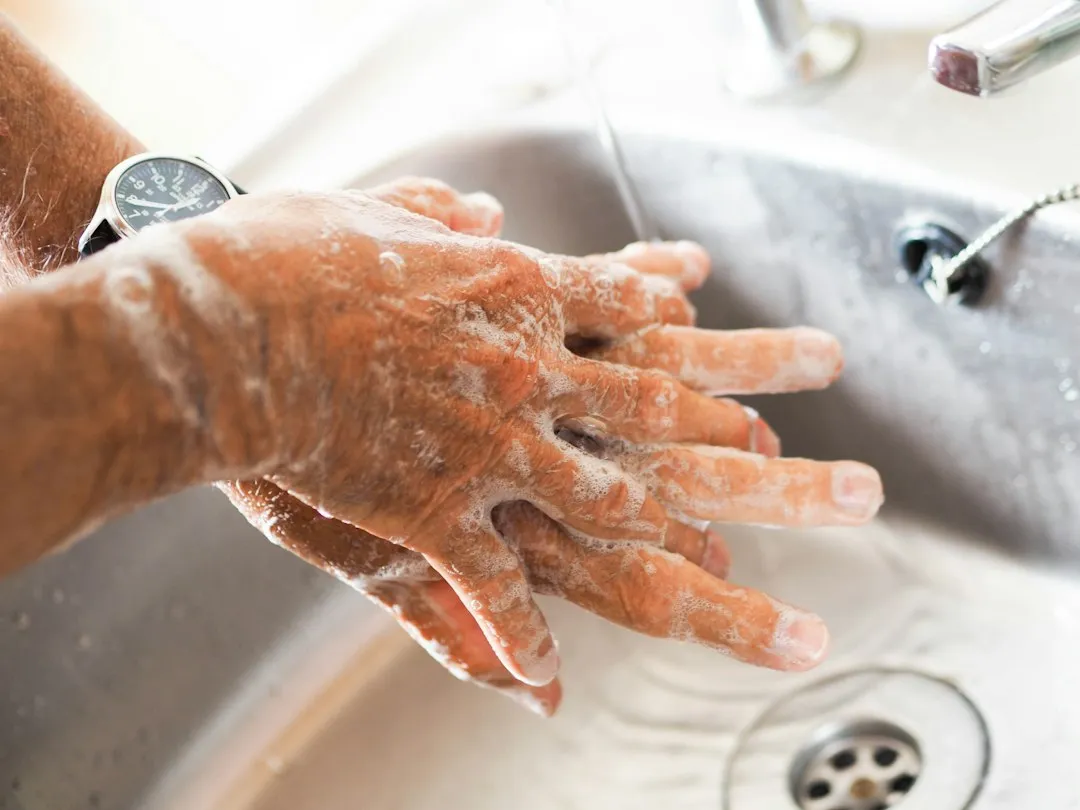
The 20-second rule has been drilled into public health messaging for years, yet most people dramatically underestimate how short their actual wash is. About six out of ten survey respondents correctly answered that washing their hands with soap and water for 20 seconds effectively reduces the spread of germs. That leaves a significant share of adults still in the dark.
About one in eight think less time is effective, and one in four believe that more time is needed. Men were more likely to believe that less time is needed than women. The CDC suggests humming “Happy Birthday” twice as a rough timer, which sounds silly but genuinely works as a behavioral anchor when you’re rushing through the sink.
Washing After Coughing or Sneezing
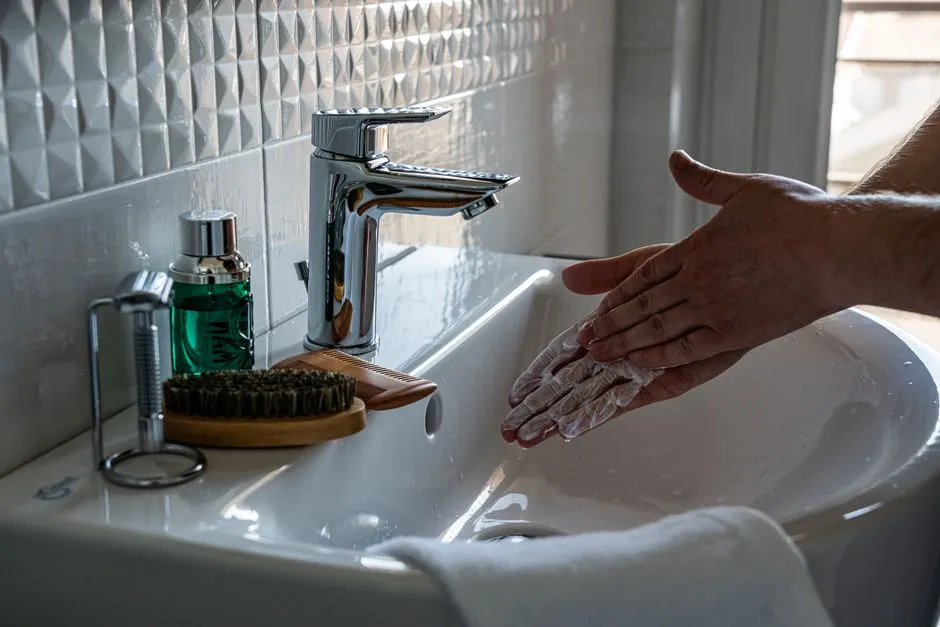
This is one of the most consequential blind spots the 2025 NFID data revealed. Only 30% of respondents reported that they are most likely to wash their hands after coughing or sneezing, which is a concern, given how easily respiratory diseases such as influenza can spread. People tend to associate handwashing with visible contamination, like touching food or using the bathroom, and forget that respiratory droplets coat the hands just as effectively.
Studies have shown that handwashing can prevent one in three diarrhea-related sicknesses and one in five respiratory infections, such as a cold or the flu. Given that respiratory illnesses are among the most common reasons people miss work and school, the gap between habit and opportunity here is real and measurable.
Cleaning the Backs of Hands and Between Fingers
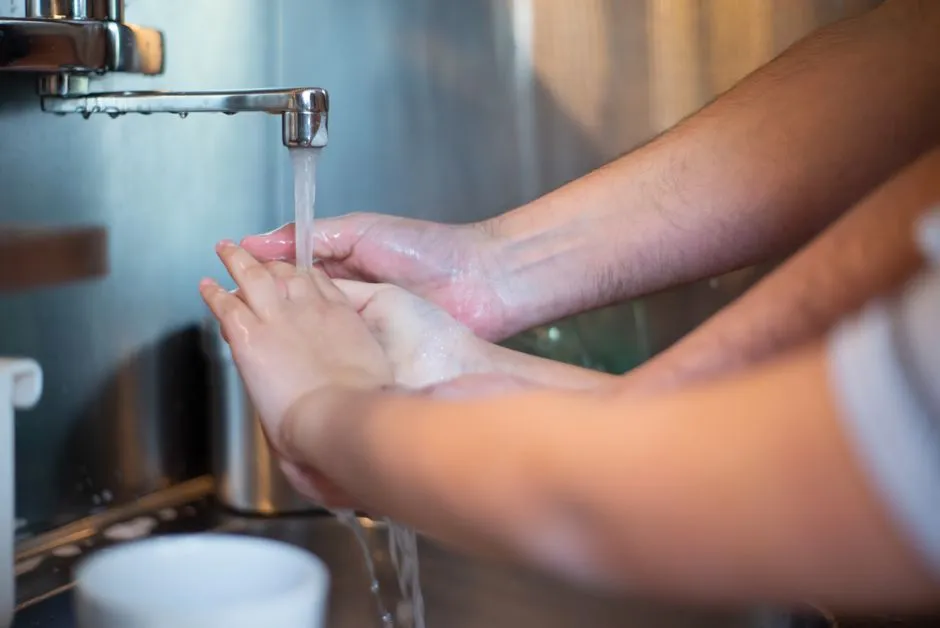
The fingertips, thumbs, areas between the fingers, and under the nails are often neglected. These are the spots where germs tend to hide the most. Most people wash the way they clean a countertop: front to back, quickly, with minimal coverage of the edges. The backs of the hands and the webbing between fingers are routinely missed in a brisk wash.
The CDC’s formal guidance is specific on this: lather your hands by rubbing them together with soap, covering the backs of your hands, between your fingers, and under your nails. It’s worth slowing down and being deliberate here, especially before preparing food or after public transit.
Washing After Visiting Public Spaces
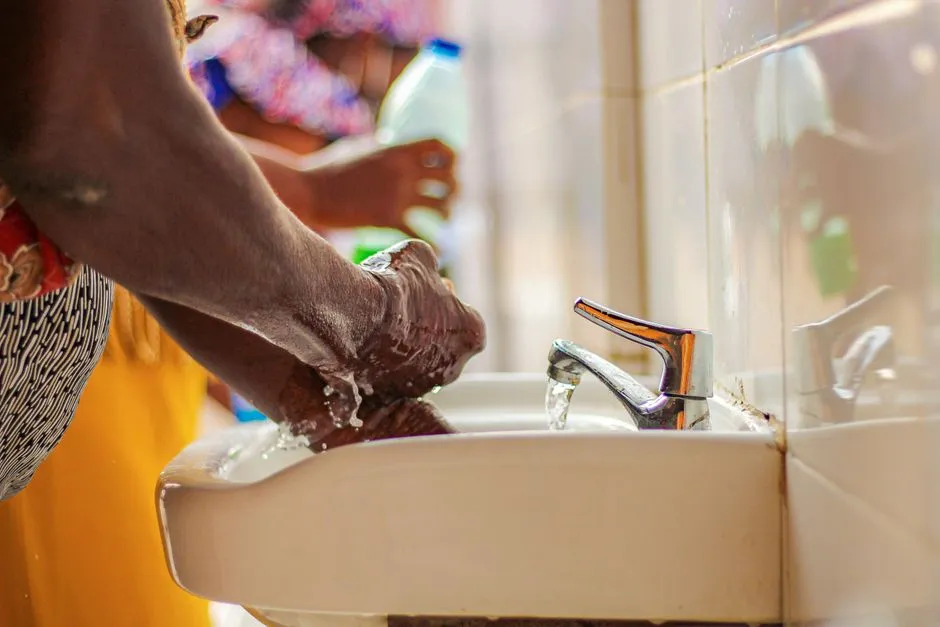
The NFID survey showed that nearly half of U.S. adults admit to forgetting or choosing not to wash their hands at key times, like after visiting grocery stores, restaurants, or coffee shops, or a healthcare setting such as a doctor’s office, pharmacy, clinic, or hospital. These are precisely the environments where surface contamination is highest and most varied.
Of those who did not wash their hands, the most frequent reasons given were forgetting to do so or not having access to soap and water. The forgetting part is fixable with a simple trigger habit: link handwashing to arrival home, the way you link taking off your shoes. Access to soap is a separate infrastructure problem, and a serious one globally.
Drying Hands Thoroughly
Damp hands attract bacteria more easily. Using a clean towel or air dryer helps prevent this and completes the handwashing process. This step gets almost no attention in public health campaigns, probably because it feels like the boring finish line rather than the main event. In practice, wet hands are significantly more likely to transfer microorganisms to surfaces and other people than dry hands.
The sequence matters: rinse fully, then dry fully. A quick wave under a hand dryer or a dab on a damp shared towel doesn’t count. If you’re in a public bathroom, paper towels are generally the more reliable option, and they can double as a barrier when touching the door handle on the way out.
Using Soap, Not Just Water
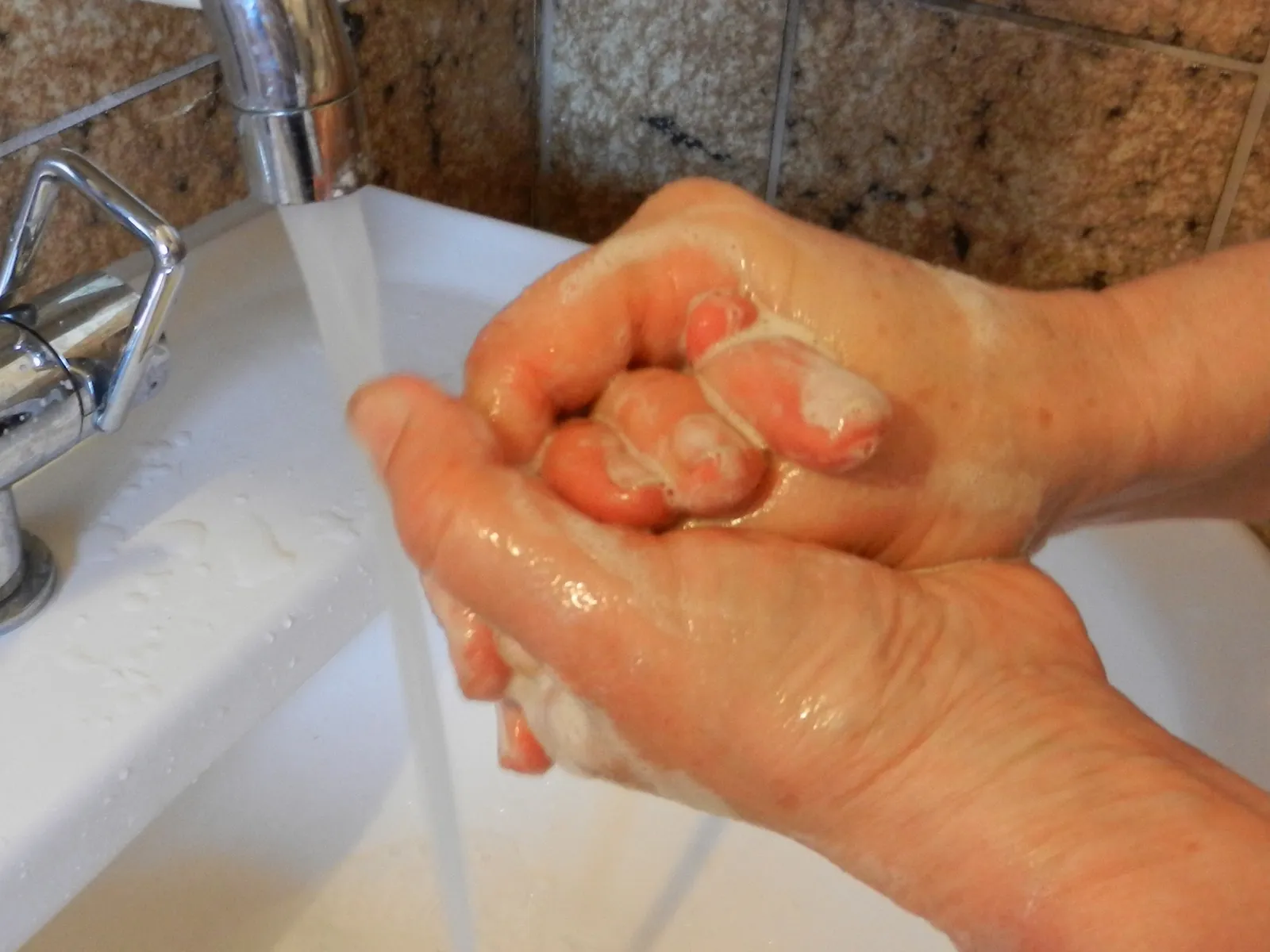
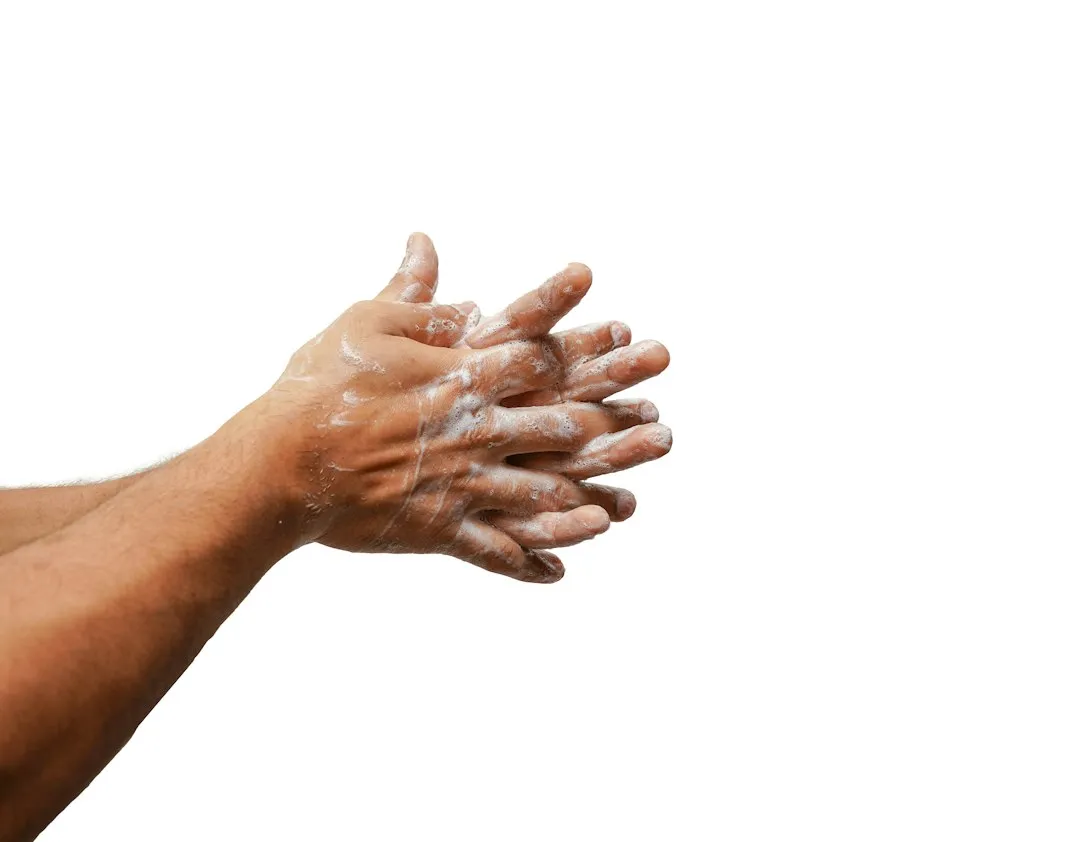
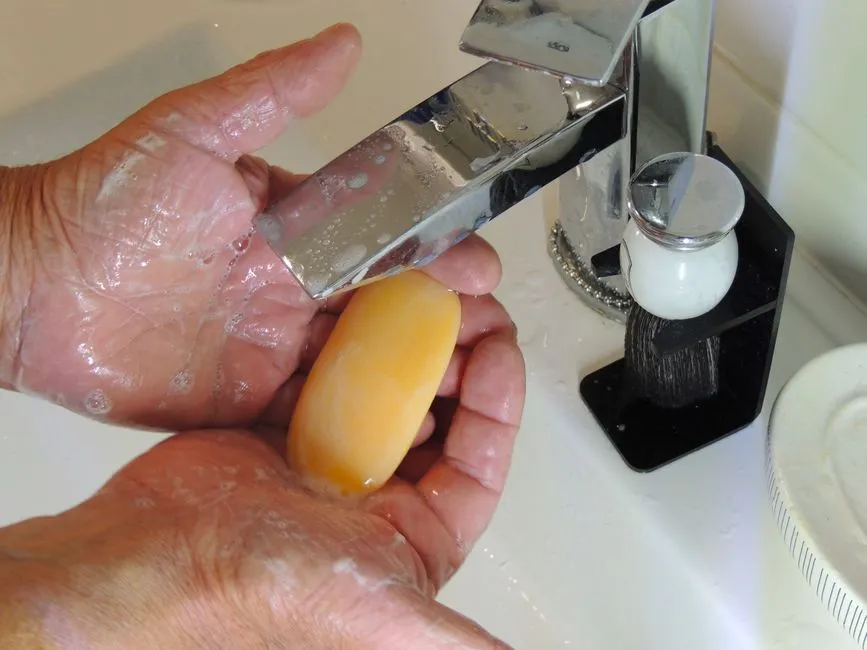
Water alone can’t break down the oils and dirt that trap germs. Soap plays a key role in lifting away microbes from the skin. This sounds obvious, but a surprising number of people rinse with water alone in low-pressure moments, between tasks in the kitchen, for example, or after a brief contact with a surface.
The World Health Organization estimates that washing hands with soap can reduce the risk of diarrhea by roughly 47% and respiratory infections by around 23%. That difference between water and soap-and-water is substantial, and it holds across age groups and settings. The type of soap matters far less than people assume; regular soap works just as well as antibacterial formulations for routine handwashing.
Washing at the Right Moments, Not Just Convenient Ones
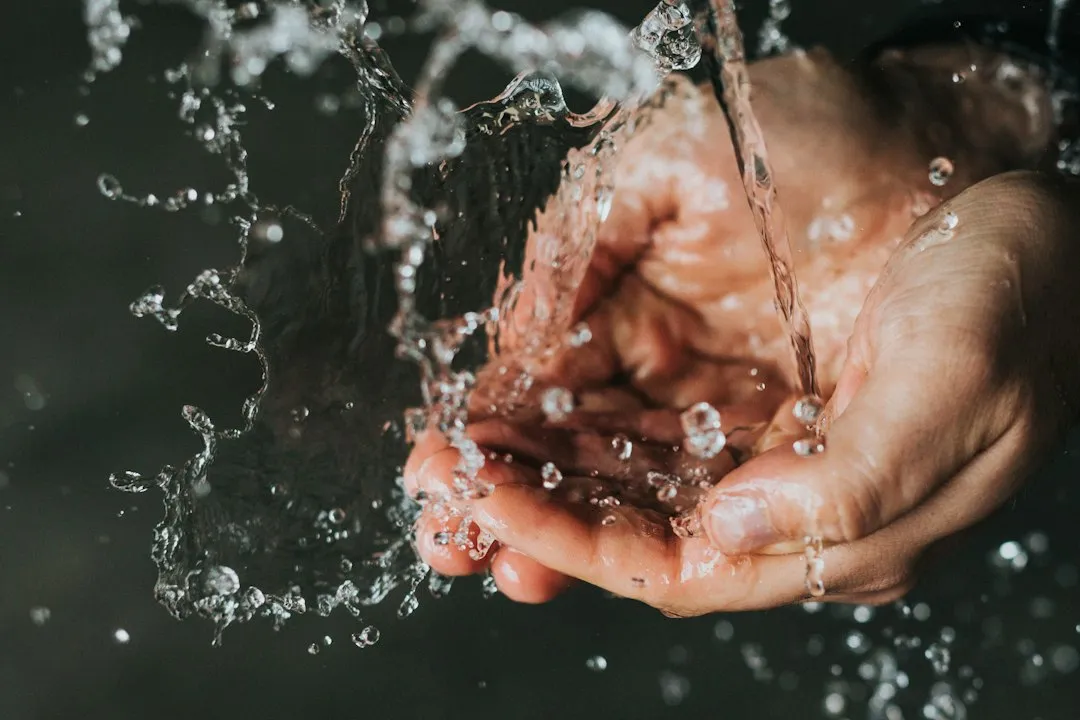
Overall findings show that adults primarily wash their hands to stay healthy and that they are most likely to wash their hands after using the bathroom, eating or preparing food, or handling human or animal waste. These are the obvious moments, and people generally follow through. The problem is all the moments in between.
One out of five adults admits to not washing their hands, even though handwashing can help prevent approximately 80% of infectious diseases. Infection experts consistently note that selective handwashing, doing it only at the most visible trigger points, leaves wide open windows for transmission. The goal isn’t obsessive washing; it’s washing at genuinely high-risk moments.
The Global Reality Behind the Habit

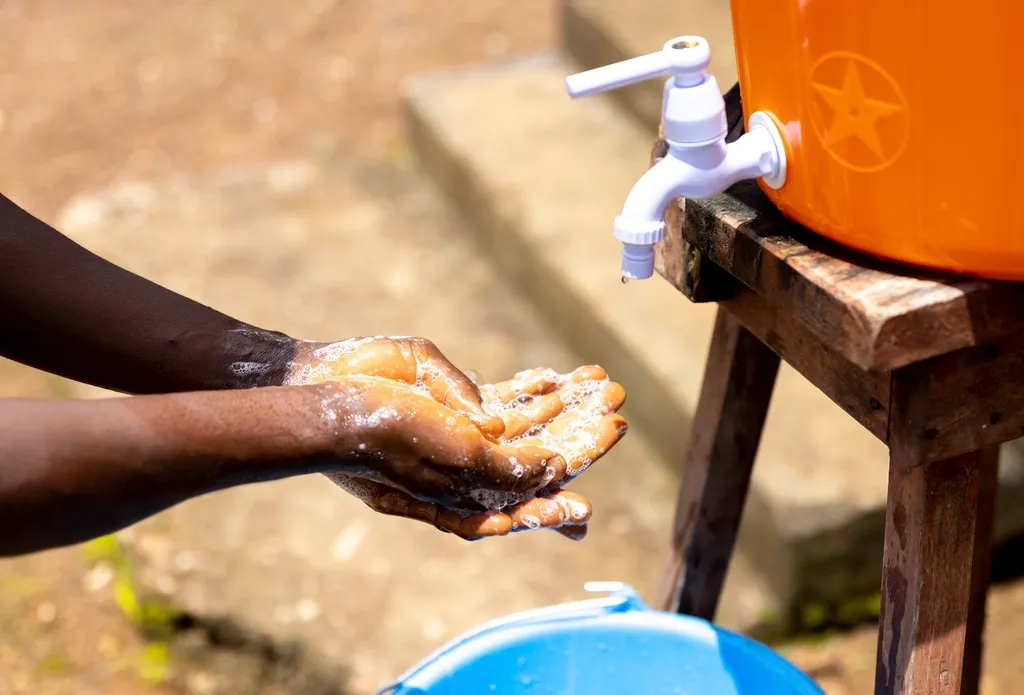
For all the focus on technique, access remains the deeper problem for much of the world. Despite clear benefits, 1.7 billion people still lacked basic hand hygiene services at home in 2024, including 611 million with no facility at all. This context matters, because it frames handwashing not just as a personal habit but as a public health infrastructure issue.
Less than 40% of healthcare workers in low- and middle-income countries adhere to recommended hand hygiene practices, and more than one-third of healthcare facilities worldwide do not have sufficient handwashing stations available at the point of care. When experts talk about closing handwashing gaps, they’re referring to two very different problems: behavioral gaps in wealthier countries, and access gaps everywhere else.
What Proper Handwashing Could Actually Accomplish
Estimates show that if everyone routinely washed their hands, about 1 million lives could be saved worldwide each year. That number tends to land differently once you’ve read everything above. It’s not an abstract statistic; it maps directly onto specific missed steps, skipped moments, and incomplete technique that research has been documenting for years.
The CDC reports that washing hands reduces the number of people who get sick with diarrhea by between roughly a quarter and 40%, reduces diarrheal illness in people with weakened immune systems by more than half, and reduces absenteeism due to gastrointestinal illness in schoolchildren by between roughly 30% and nearly 60%. These aren’t marginal improvements. They represent a habit with one of the highest benefit-to-effort ratios in all of preventive health.
The Takeaway
The step most people skip isn’t some obscure clinical procedure. It’s usually one of the ordinary ones: cleaning under the nails, drying completely, washing after a sneeze, or simply reaching for the soap when water alone feels like enough. The distance between an effective hand wash and a useless one is smaller than most people realize, and so, reassuringly, is the distance between doing it wrong and doing it right.
The 2025 NFID data is a useful mirror. Nearly half of U.S. adults admit to skipping hand hygiene at critical moments, and the gap between knowing the right approach and actually practicing it turns out to be stubbornly persistent. The good news is that the fix requires no technology, no prescription, and almost no extra time. It just requires paying attention to a habit that most of us stopped thinking about years ago.
AI Disclaimer: This article was created with the assistance of AI tools and reviewed by a human editor.