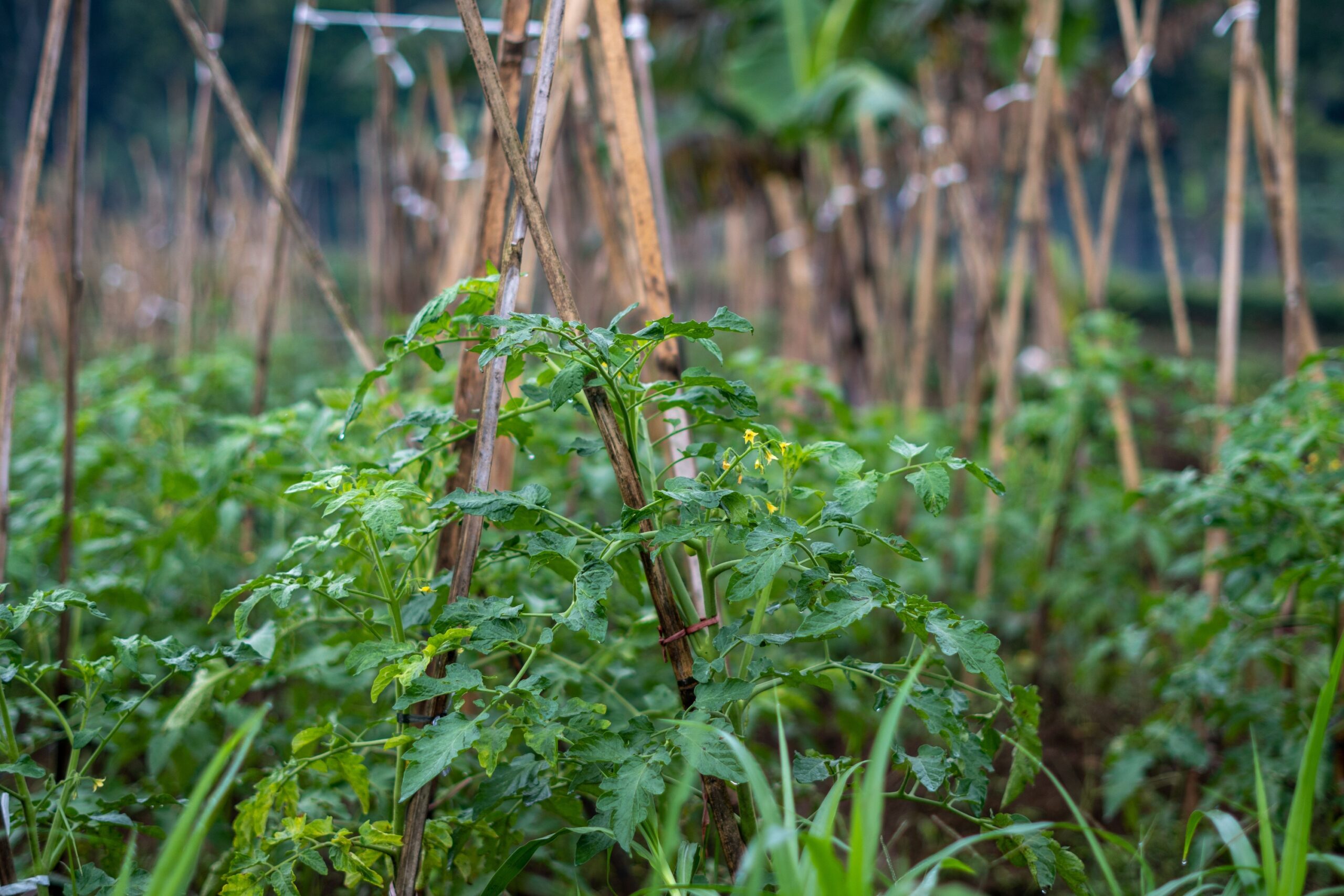

There’s something quietly remarkable happening at the intersection of gardening and collecting. What was once considered a humble garden accessory, a painted wooden or metal stake pressed into the soil beside a tomato plant or a row of herbs, is now turning heads at auction and commanding prices that would have seemed unthinkable a decade ago.
The shift is not simply about nostalgia, though that plays a role. It reflects broader forces reshaping what people value in decorative objects and how they define authentic craft. The hand-painted plant stake, with its weather-worn charm and evidence of a maker’s hand, fits neatly into a cultural moment that prizes the personal and the handmade.
A Modest Object with a Long History
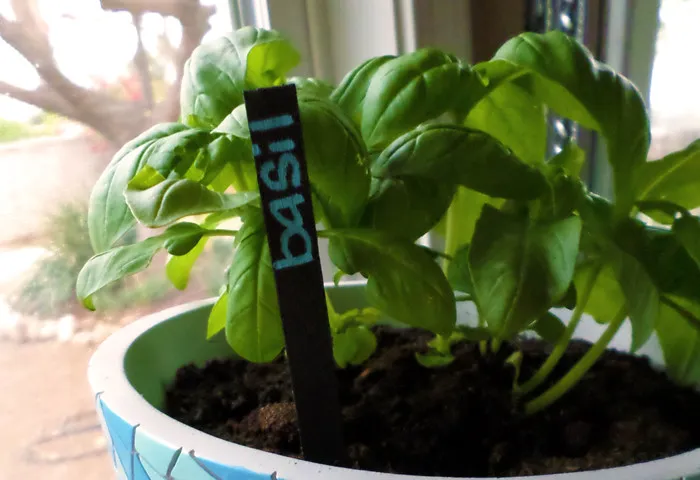
Plant stakes have been used in gardens for centuries, primarily to support climbing or top-heavy plants. Over time, gardeners began decorating them, painting names of herbs, botanical illustrations, or simple folk motifs directly onto wood, ceramic, or metal. These pieces were never intended for display cases or auction rooms. They were made to live outdoors, to weather seasons, and to eventually be replaced.
That utilitarian origin is now part of their appeal. Modern collectors crave the history and provenance behind antiques and vintage pieces, and estate items, including folk art objects, are sought after not just for their aesthetics but because they carry narratives that connect the past with the present. A hand-painted plant stake carries exactly that kind of embedded story.
Folk Art Credentials Are Everything
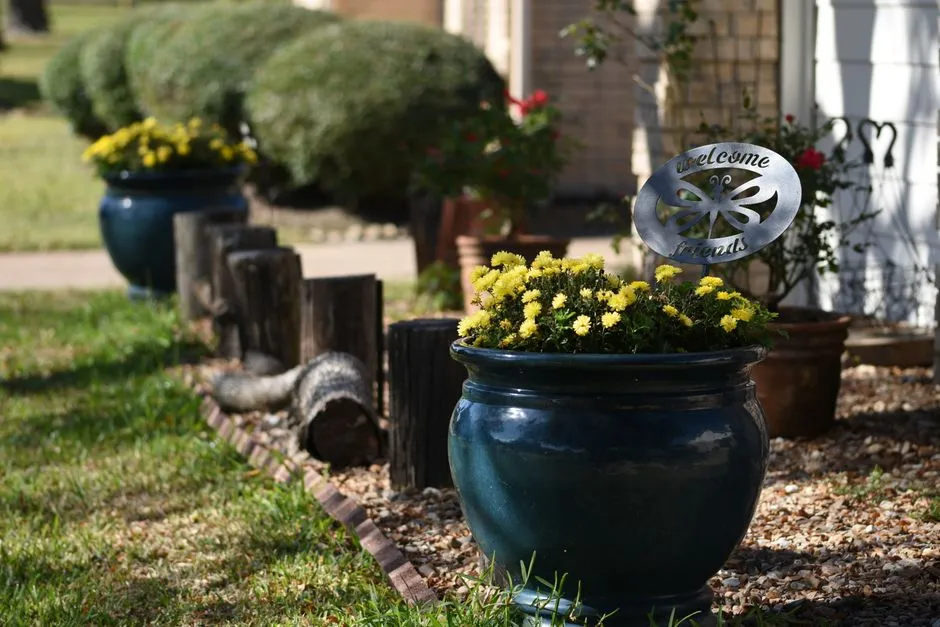
For a hand-painted stake to cross into collectible territory, it typically needs to meet the standard definition of folk art. By one widely accepted definition, folk art is rooted in a cultural tradition, in a place, and in a community, historically made by the folk, for the folk. Stakes that meet this standard, produced by regional artisans using traditional methods and local motifs, are the ones that attract serious buyer attention.
Folk art and outsider art are gaining momentum, particularly as younger collectors champion authenticity. That generational shift in taste has opened the door for objects that older auction markets would have dismissed as minor decorative ephemera. Plant stakes, in the right context and with the right provenance, now qualify.
The Collectibles Market Is Expanding Fast
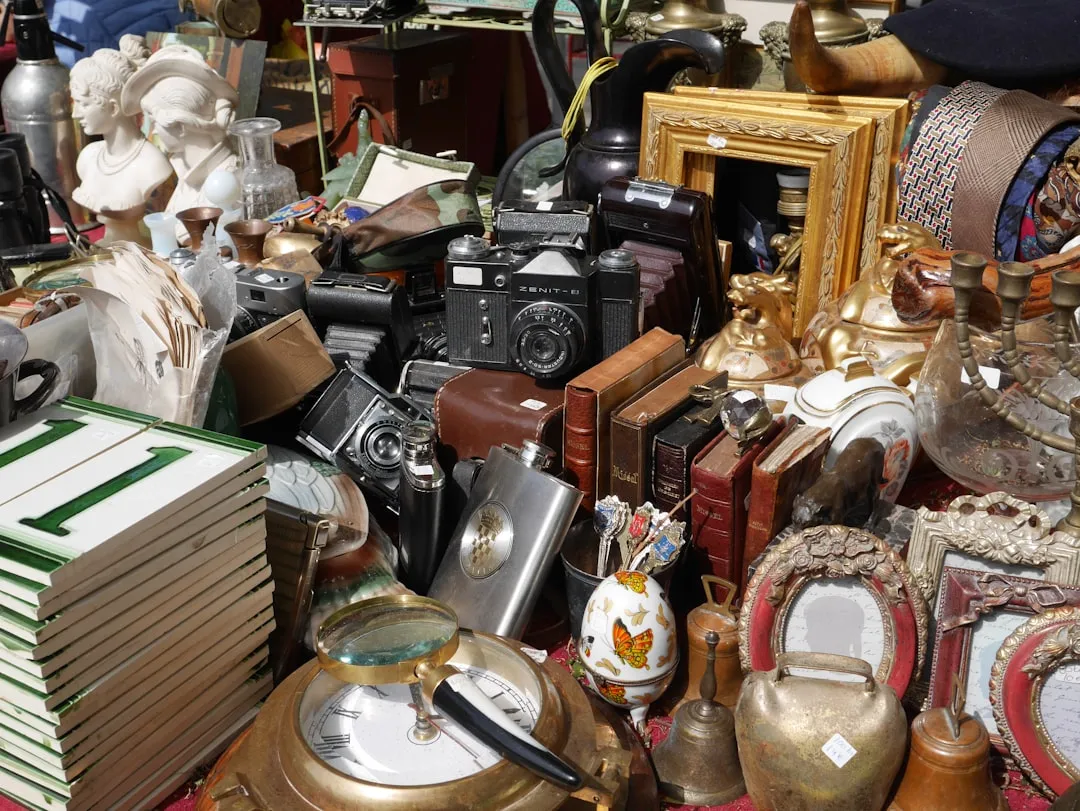
The collectibles market was valued at roughly 321 billion dollars in 2025 and is expected to reach nearly 467 billion dollars by 2032, growing at a compound annual rate of around 5.5 percent. That is a significant runway, and it creates room for niche categories to mature alongside the broader market.
Art and antiques dominated the collectibles market in 2025 and are expected to hold the largest share over the forecast period, partly because global auction platforms and online markets have greatly expanded access to these items for a more diverse audience. Hand-painted garden pieces are direct beneficiaries of that wider reach.
Garden Decor as a Category Has Real Momentum
The garden decor market was valued at roughly 6.5 billion dollars in 2024 and is projected to reach 10.6 billion dollars by 2034, rising at a compound annual growth rate of about 5.2 percent. Within that broader landscape, decorative garden stakes occupy a niche, but a growing one.
Garden stakes as a product category have seen a growth rate of around 27.7 percent over the past 24 months. That kind of growth, sustained across two years, suggests demand is structural rather than seasonal. The residential segment dominates this market, with homeowners investing in beautifying their outdoor spaces, which are increasingly viewed as extensions of the living area, with a trend toward personalized and functional outdoor environments fueling further growth.
What Makes a Painted Stake Worth Bidding On
Not every hand-painted stake ends up at auction. The ones that do tend to share certain characteristics. Rarity matters, as does the identity or regional tradition of the maker. Provenance, attribution, material history, and maker biographies are details that elevate an object from simply old to genuinely historical, and from vintage to valuable.
From conversations across the dealer and collector community, three themes recur: provenance, versatility, and emotion. Provenance specifically, knowing who made or owned a piece, adds credibility and helps buyers assess authenticity. For hand-painted stakes, documentation of the maker or the garden tradition they came from can make an enormous difference to final sale prices.
Online Platforms Have Changed the Game

The rise of online auction and marketplace platforms has been transformative for niche collectibles. Digital channels enable smaller brands and artisans to reach wider audiences, boosting sales and visibility, and this shift is reshaping purchasing behavior as more consumers now prefer browsing and buying decor items online rather than relying solely on offline retail.
The collectible industry has experienced robust growth in revenue generation in recent years due to online sales of antiques and collectibles worldwide, with a significant increase in the global market attributed to growing e-commerce platforms. For hand-painted plant stakes specifically, online discovery has introduced them to buyers who would never have encountered them at a local antique fair.
The Folk Art Auction Scene Is Actively Selling

Dedicated folk art auction houses have been active in recent years, moving pieces in categories that once felt peripheral. Folk Art Auctions, for example, reported notable sales in 2025, including works by Sam Doyle that reached nearly nineteen thousand dollars and pieces by Eddy Mumma selling for over two thousand dollars. These are not enormous figures by fine art standards, but they confirm that modest, handmade objects with folk credentials are finding real buyers at real prices.
The antiques trade in 2025 and 2026 stands at a fascinating inflection point, and the categories generating interest are increasingly drawn from outside the traditional canon. Hand-painted garden pieces sit in that interesting outer ring, where discovery and appreciation are still unfolding.
The Antique Market’s Evolving Taste Toward the Handmade
According to the annual survey by the Asheford Institute of Antiques, 2025 marked a turning point: while mid-century modern continued to sell, buyers began shifting toward earlier periods and more eclectic styles, and analysts emphasized that buyers were not just bargain hunting but wanted decorative investments and were prepared to spend on categories with high growth potential.
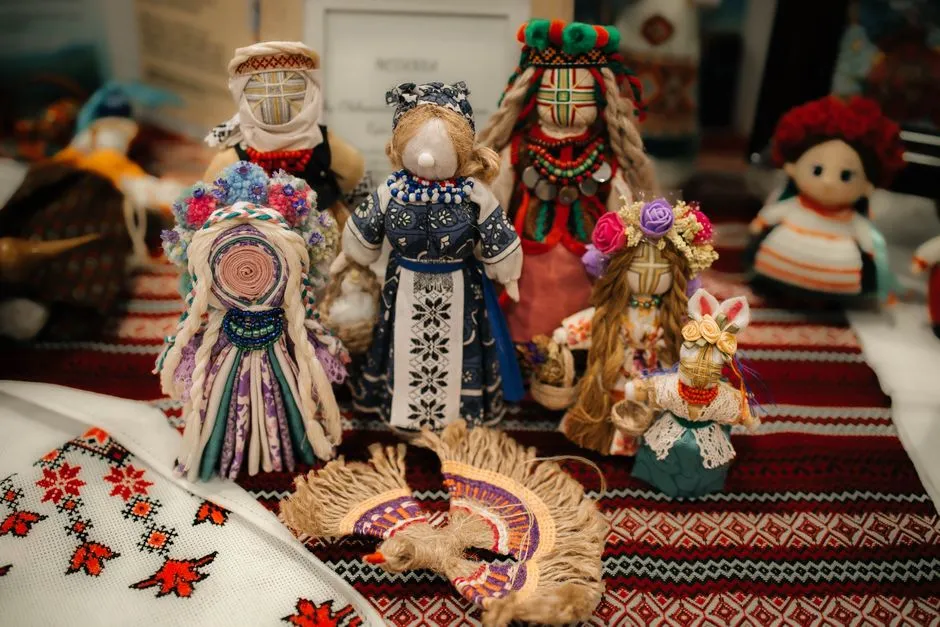
Collectors are gravitating toward vintage folk art, and painterly works are appreciated because they infuse spaces with personality and history. Hand-painted plant stakes, especially older examples with visible age and craft, speak directly to that sensibility. They offer something mass-produced garden decor simply cannot replicate.
Condition, Age, and Surface Quality Drive Price
When a painted garden stake reaches auction, its surface tells the story. Faded but legible paint, honest weathering, and evidence of outdoor use are not flaws in this context. They’re part of the appeal. Restoring or repainting a piece typically destroys its value in the eyes of serious collectors.
The market prizes quality, history, and emotional connection over trendiness. A freshly painted reproduction, however skilled, rarely competes with an original that shows genuine wear from seasons in an actual garden. Buyers at this end of the market are specifically seeking the unrepeatable. This highlights the rising value placed on authenticated, rare, and heritage-rich items, positioning them as both culturally resonant and financially prudent acquisitions.
Where This Is Heading in 2026 and Beyond
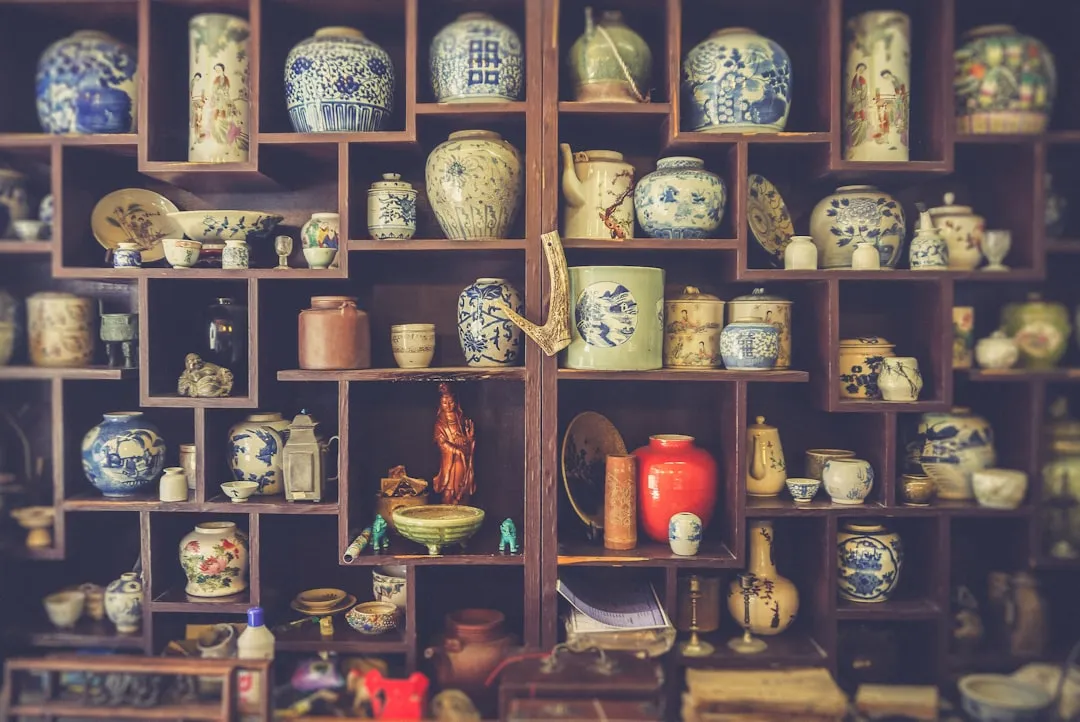
Emerging trends and rising-value categories are being tracked across the collecting world, from folk art to fine art, mid-century to modern design. Hand-painted plant stakes occupy a quiet corner of that spectrum, but they are increasingly visible in market conversations. The category benefits from its accessibility: earlier examples can still be found at estate sales and rural auctions for modest sums, which means collectors can still enter without spending at gallery levels.
Traditional auction houses are now hosting events aimed at next-generation collectors, while antiques fairs are partnering with social media platforms to reach emerging enthusiasts. That audience is drawn to objects with clear craft lineage and visual personality. A hand-painted plant stake, with its botanical imagery and folk provenance, checks both boxes convincingly.
The Takeaway
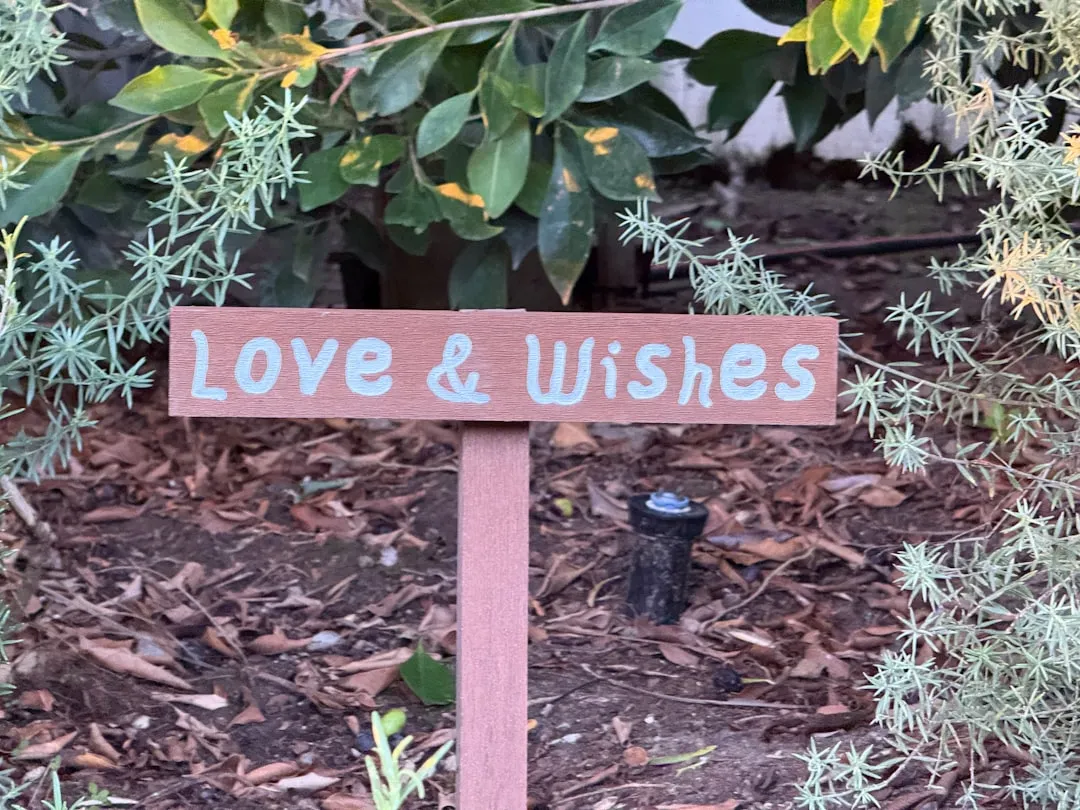
It would be too simple to say the market has suddenly discovered hand-painted plant stakes. What has really happened is that a broader cultural shift toward handmade authenticity, folk tradition, and outdoor living has gradually elevated objects that were always there, waiting to be taken seriously.
The garden, it turns out, has been producing collectibles all along. The difference now is that buyers, dealers, and auction platforms have the tools and the taste to recognize them. For anyone who has inherited a painted stake from a grandparent’s vegetable garden, this might be a good moment to look a little more carefully at what’s been sitting in the shed.
AI Disclaimer: This article was created with the assistance of AI tools and reviewed by a human editor.