

The 30-Degree Rule: Where It All Starts

A 30-degree angle is considered optimal so that your hammock’s curve will follow the natural curve of your spine. This is the foundational principle of hammock ergonomics, and it matters far more than most people realize.
The ideal angle is approximately 30 degrees from horizontal, a position that provides optimal spinal alignment without creating excessive curvature. Think of it as the Goldilocks zone for your back.
Too shallow an angle and your spine curves too much. Too steep and you lose the pressure-relieving benefits. Getting this wrong by even a noticeable margin is enough to turn a restful session into a pain trigger.
Why Angle Matters More Than Hammock Brand

Not all hammocks are created equal when it comes to back support. The best hammocks for back pain have a 30-degree angle, which provides the optimal balance between comfort and support.
For a gathering end hammock, the optimal hang angle for a diagonal lay is typically around 30 degrees. This angle strikes the perfect balance between tension and comfort, allowing you to lie diagonally with a flatter, more relaxed position.
A 30-degree hang angle also helps keep your center of gravity balanced, allowing the hammock to distribute your weight evenly. This minimizes pressure on specific areas of your body and ensures your spine stays aligned in a neutral position. No mattress brand or cushion can replicate that effect.
The Diagonal Lie: Your Spine’s Best Friend
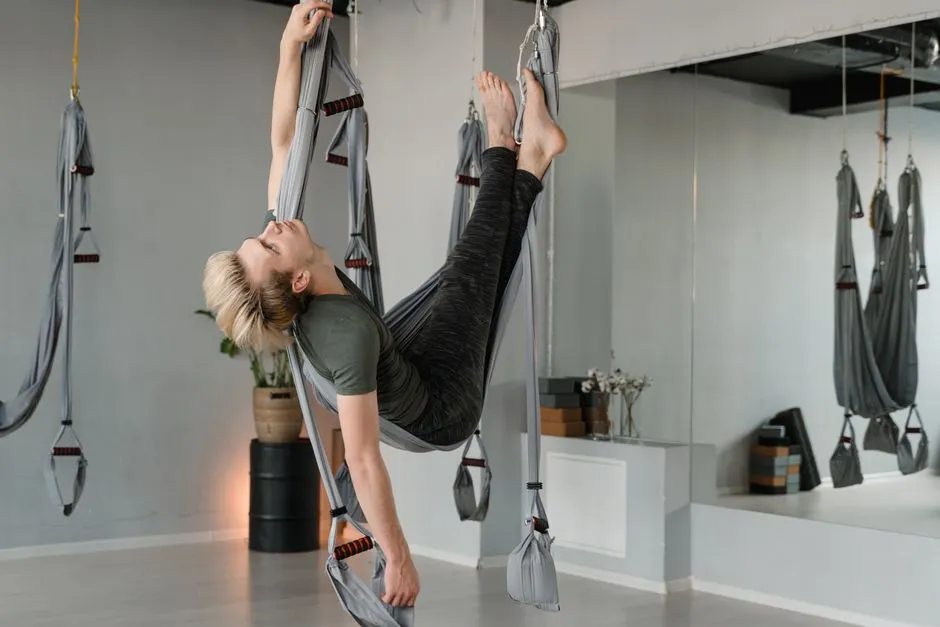
How you position yourself in the hammock can significantly affect your back health. A common mistake is lying straight along the hammock’s centerline, which can cause your back to curve uncomfortably. Instead, lying diagonally across the hammock helps distribute your weight more evenly, keeping your spine aligned.
The biggest variable in hammock back comfort is hang angle and sleeping position. Sleeping in line with the hammock’s central axis puts your lower back in the deepest curve, which can actually cause lower back strain.
Lying diagonally in the hammock distributes body pressure evenly, promoting a flatter sleeping position and reducing strain on the back. Once you feel the difference, you won’t go back to the centerline approach.
How High Off the Ground Should It Hang?

For optimal comfort, the hammock should be hung at a 30-degree angle between the anchor points, ensuring a flatter sleeping surface that supports your spine. Additionally, the hammock should hang about 18 inches above the ground when you’re in it.
Some people prefer a higher sit height to achieve that “floating” sensation, but your hammock should not be so high that it is difficult to get into. On the other hand, you don’t want it so low that your body weight will cause you to drag on the floor when you get in.
Eighteen inches gives you easy entry and exit without compromising the structural tension that keeps the 30-degree angle intact. It’s a practical detail that most guides overlook entirely.
Spinal Decompression: The Actual Mechanism

The slight curve of a hammock gently decompresses the vertebrae, particularly in the lumbar region, reducing the compression that accumulates during upright daily activity. This is especially relevant if you sit at a desk most of the day.
The gentle cradle of a hammock allows back and hip muscles to fully relax without needing to engage for positional support, which they do constantly on a flat mattress. That constant low-level engagement is a significant contributor to chronic tension.
Hammocks distribute weight more evenly than most mattresses because there is no surface underneath creating pressure points. The absence of a hard surface underneath changes everything about how your body rests.
What the Clinical Research Actually Shows

A randomized controlled trial published in March 2025 examined participants experiencing chronic neck and low back pain. It was one of the more rigorous recent investigations into hammock-based therapy.
A randomized controlled trial was conducted with participants experiencing chronic neck and low back pain, who were assigned to either an experimental group using a postural hammock or a control group lying on a mat. Participants underwent five sessions of 10 minutes each over five consecutive days.
The experimental group exhibited significant increases in hamstring flexibility and pain tolerance, measured through the Visual Analog Scale. Short sessions, consistently applied, produced measurable results within a single week.
The Role of Sleep Posture and Back Pain

A review of six studies found that the supine position supports spinal alignment and is associated with lower back pain prevalence, while prone sleeping increases back pain risk due to lumbar strain.
Most hammock sleepers naturally end up on their backs, or close to it, which is the optimal sleep position for spinal alignment. Side sleeping on a flat mattress without proper pillow support often causes spinal misalignment. Hammocks naturally promote a back-sleeping position, which is optimal for spinal alignment.
In individuals with chronic musculoskeletal pain, a reciprocal relationship between sleep and pain across short and long-term evaluations exists. Improving one tends to improve the other, which makes correct hammock use a genuinely practical intervention.
Hammock Width and Fabric: Supporting Details That Aren’t Minor

The hammock needs adequate width so your body lies relatively flat rather than in a steep V-shape. A narrow hammock forces you into exactly the curved position you’re trying to avoid.
Look for hammocks made from breathable, high-quality fabric that won’t sag over time, as a sagging hammock will lose its spinal support properties. Width matters too, since a wider hammock allows you to lie at a flatter angle, which many people with back pain find more comfortable.
The key is correct technique: diagonal sleeping position, proper hang angle, and a hammock made from breathable, supportive fabric. For sleeping, a wide hammock made from breathable cotton or nylon is best. Material quality isn’t just a comfort detail; it directly affects spinal support over time.
How Long Should You Actually Use It?

Starting with 15 to 20 minutes daily and gradually increasing as your body adjusts is a sensible approach. Some people find 30 to 45 minutes optimal for pain relief without overuse.
Consistency matters more than duration for therapeutic benefits. A short daily session beats a long weekend session with nothing in between.
Some individuals with pre-existing conditions like scoliosis may experience discomfort, so consulting a healthcare professional is advisable. Experimenting with additional support, like pillows or under-knee cushions, can enhance comfort and relieve pressure on the lower back. There’s no single prescription that fits everyone, so small adjustments matter.
When a Hammock Can Make Pain Worse

The practice of sleeping in a hammock might cause side effects like back pain or poor posture if the setup is consistently wrong. The hammock itself isn’t the problem; the angle and body position are.
Side sleeping in a hammock can also be problematic, as it may lead to awkward angles that strain your back. Most of us default to a side position out of habit, which requires conscious correction in a hammock.
A poor hammock setup can have adverse effects. Instead of helping your back and keeping it healthy, an improper setup can do more harm than it should. The margin between therapeutic and counterproductive is narrower than most people expect, which is exactly why the angle deserves careful attention before anything else.
Getting the Setup Right Every Time

Your anchor points should be sturdy and positioned to keep the hammock at the right height and angle. Anchor quality is not a place to cut corners, especially if you’re using it regularly for pain management.
Regularly checking and adjusting your setup is important, as improper hanging can lead to discomfort and exacerbate back problems. Hammock tension changes with weather, fabric wear, and how often it’s used.
One trick experienced hammock users swear by: hang the foot end of your hammock about 8 to 10 inches higher than the head end. It looks lopsided and feels like a mistake until you lie down, and then you’ll notice you’ve stopped sliding toward the middle of the hammock during the night. Small calibrations like this make the difference between a setup that’s merely comfortable and one that actually works.
A Measured Takeaway

AI Disclaimer: This article was created with the assistance of AI tools and reviewed by a human editor.