

What “Normal” Actually Looks Like
In general, most cats throw up hairballs less than once per month. That is the baseline most veterinarians work from, and it’s a useful starting point for any owner keeping track. For most healthy adult cats, producing one to two hairballs per month is considered within the normal range.
Cats with long hair may experience hairballs more frequently, while short-haired cats may have them less often. The number and frequency may also increase during spring and fall when seasonal shedding occurs. So some natural variation is expected, but variation has limits.
The Weekly Threshold Vets Use
According to Dr. Robert Goldstein, an associate professor of small animal internal medicine at Cornell University’s College of Veterinary Medicine, it is not abnormal for cats to vomit a hairball every week or two. If your cat is producing more than one hairball per week, it’s time for a trip to your veterinarian.
Three or more episodes in 24 hours warrant a call to the vet the same day. That escalation from occasional to weekly to multiple times in a single day represents a spectrum of urgency that’s worth keeping in mind. Frequent vomiting that has been accepted as normal is one of the most underdiagnosed issues in feline medicine.
Why Some Cats Produce Hairballs More Often
Cat hairballs happen either because the ingested hair can’t move easily through the digestive tract, or because the cat is taking in more hair than their system can handle. These two root causes are quite different, and distinguishing between them matters for how the problem gets treated.
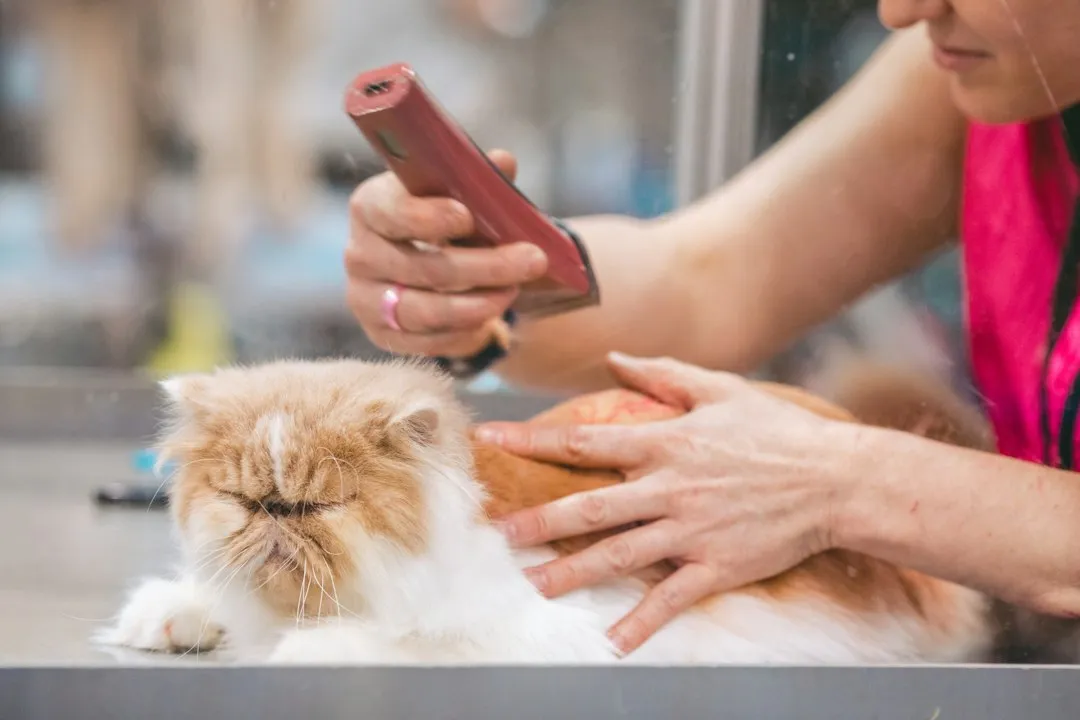
Cats spend approximately 30 to 50 percent of their day grooming themselves. With that habit, it is inevitable that some hair will be consumed. The rough projections on their tongue help move indigestible hair into the stomach, where it generally passes through the gastrointestinal tract and exits in the feces. Sometimes, however, hair accumulates in the stomach and forms a hairball.
Overgrooming: When Anxiety and Allergies Drive the Problem
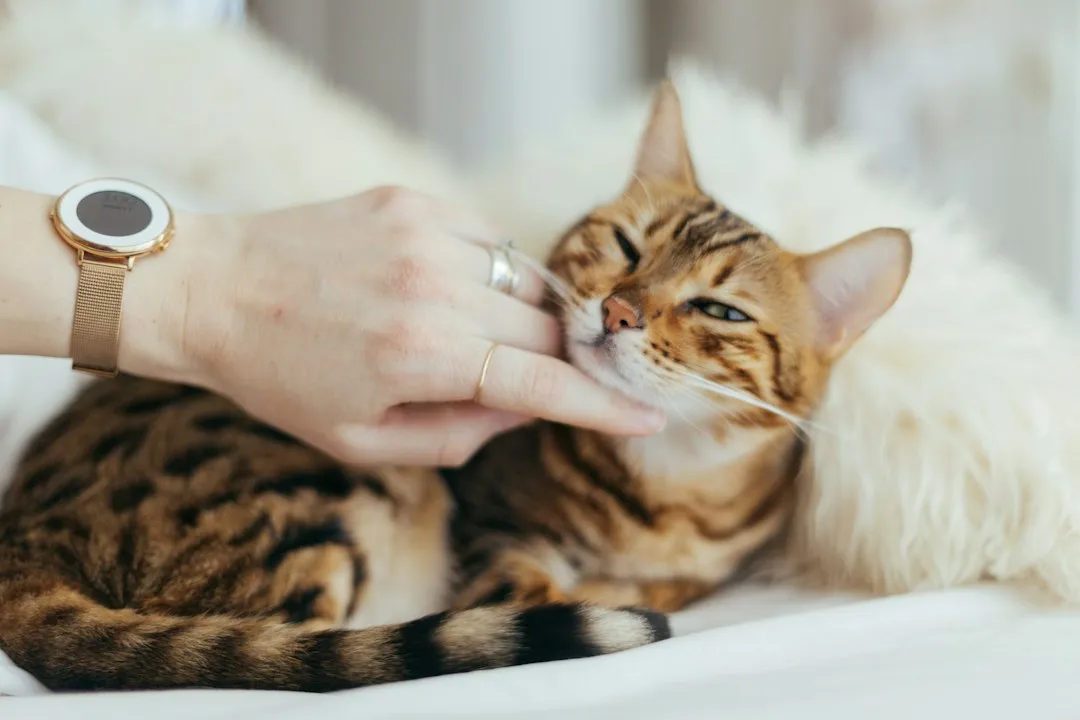
When cats groom excessively due to stress, anxiety, allergies, or skin irritation, they ingest far more fur than typical, which significantly increases hairball frequency. If your cat seems to be constantly grooming, has thinning or uneven fur, or is developing bald patches alongside an increase in hairballs, a veterinary evaluation is warranted. Addressing the underlying cause of the excessive grooming can naturally reduce hairball frequency.
A flea infestation, allergies, or another problem causing your cat itchiness will lead to increased grooming behavior and are therefore likely to cause an increase in hairball production. This means that a rising hairball count is sometimes a skin problem in disguise, not a stomach problem at all.
The IBD Connection Most Owners Miss
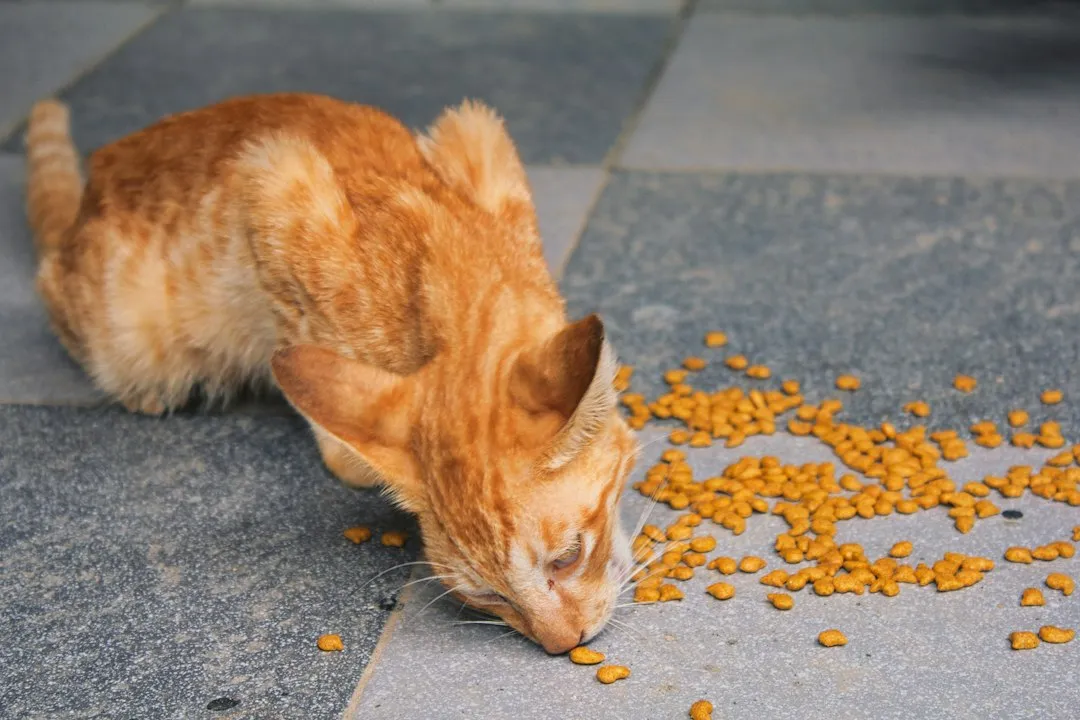
Cat hairballs can also be a sign of intestinal inflammation or inflammatory bowel disease (IBD), which causes abnormal gut motility. When the gut moves too slowly, hair that would normally pass out in the stool backs up and forms a hairball instead. Hairballs may form more easily and frequently in cats who have reduced gastrointestinal movement due to IBD, an autoimmune condition that can cause chronic, recurrent vomiting and weight loss.
Hairball vomiting is often one of the earliest signs of IBD in cats. Untreated IBD not only increases hairball frequency but also causes chronic inflammation, which predisposes cats to intestinal lymphoma if left unmanaged. That progression is serious. A cat that has been labeled a “hairball cat” for years without investigation deserves a closer look.
Daily Hairballs Are a Red Flag
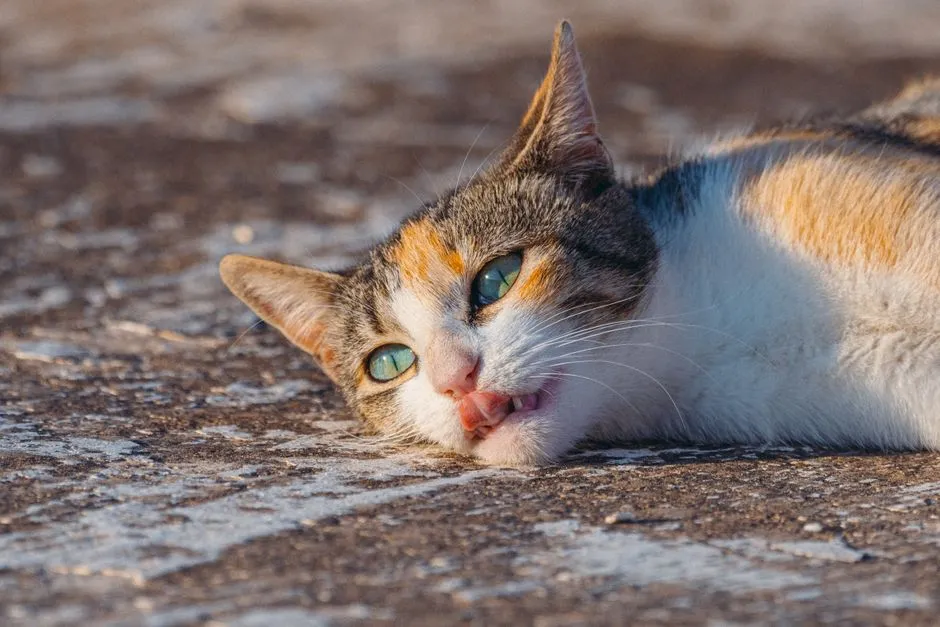
Daily hairballs are abnormal and point to either excessive fur intake from anxiety or skin disease, or a GI motility disorder such as IBD, food intolerance, or early lymphoma. Reaching for a hairball remedy paste and moving on is not the right response here.
Early symptoms of intestinal lymphoma look exactly like IBD, with intermittent vomiting, weight loss, occasional diarrhea, and more frequent hairballs. The underlying disease, however, is cancer. There is no way to distinguish IBD from early lymphoma without a biopsy. This is a sobering detail that underscores why frequency tracking is not trivial.
Retching Without Producing Anything
If your cat is retching or gagging repeatedly without producing anything, it’s important to have them evaluated. This can indicate a hairball that is stuck, a blockage, or another underlying issue. The absence of an actual hairball at the end of that distressing episode is itself the warning sign.
A cat with an intestinal obstruction may retch repeatedly without producing anything, stop eating, become lethargic, show signs of abdominal pain, or develop constipation. These symptoms require immediate veterinary attention. A lodged hairball is not just uncomfortable; it can become a surgical emergency.
When Coughing Gets Mistaken for Hairballs
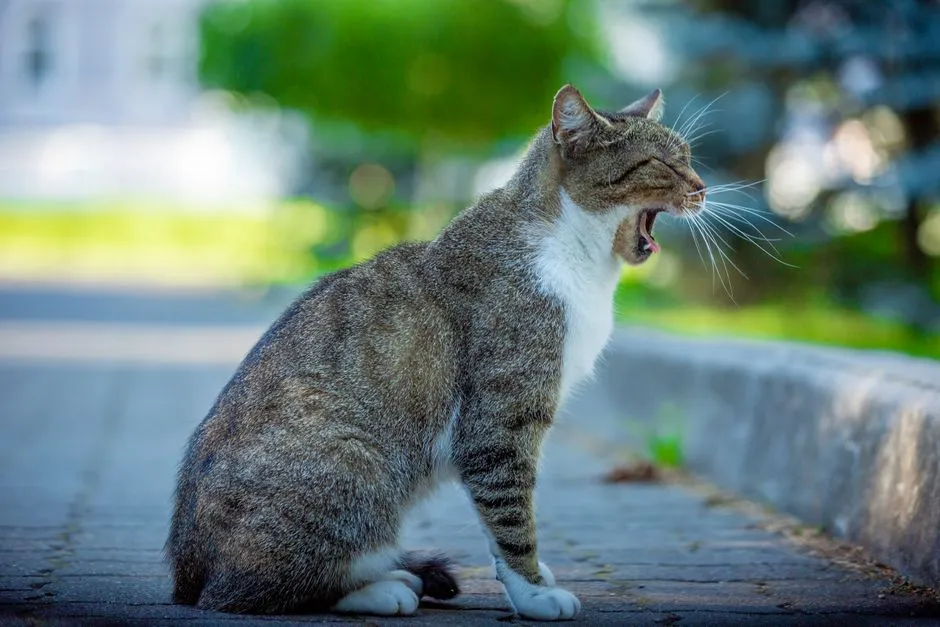
Cats typically vomit hairballs rather than cough them up. Persistent coughing or gagging without producing a hairball may indicate asthma, heart disease, or a foreign body, and warrants a vet visit. Many owners watch their cat hunch over and strain for minutes without realizing they may be witnessing a respiratory episode, not a hairball attempt.
Repeated coughing fits are never hairball-related. If you’re hearing regular coughing bouts, think airway issues such as asthma, and book a vet visit. The physical posture during an asthma episode and a hairball attempt can look almost identical, which makes this one of the easier mistakes to make at home.
What a Vet Will Actually Do
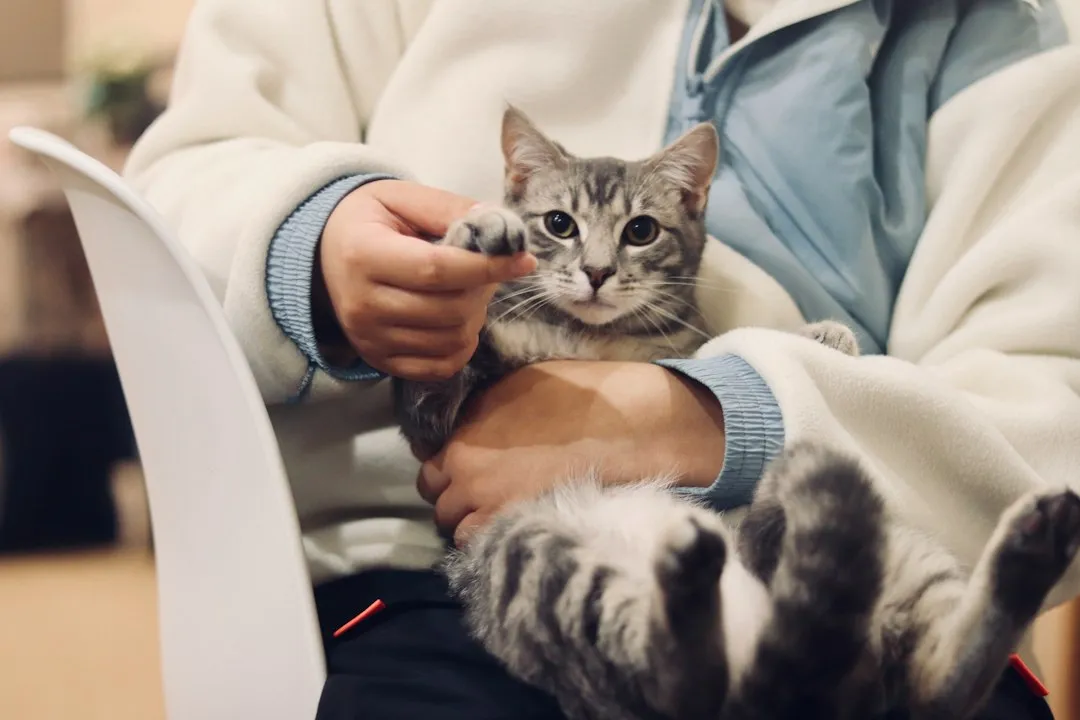
Bloodwork, fecal exams, ultrasounds, and biopsies help identify underlying gastrointestinal diseases such as IBD or obstructions. These aren’t excessive steps for a cat that is producing hairballs several times a week. They’re the minimum needed to rule out conditions that genuinely require treatment.
Petroleum-based hairball gels and hairball-control diets manage the symptom, not the cause. They are reasonable tools for a cat whose hairballs are otherwise well understood, but they should never substitute for a veterinary workup when frequency is climbing or red-flag signs appear. Managing the symptom while missing the diagnosis helps no one.
Practical Ways to Reduce Hairball Frequency
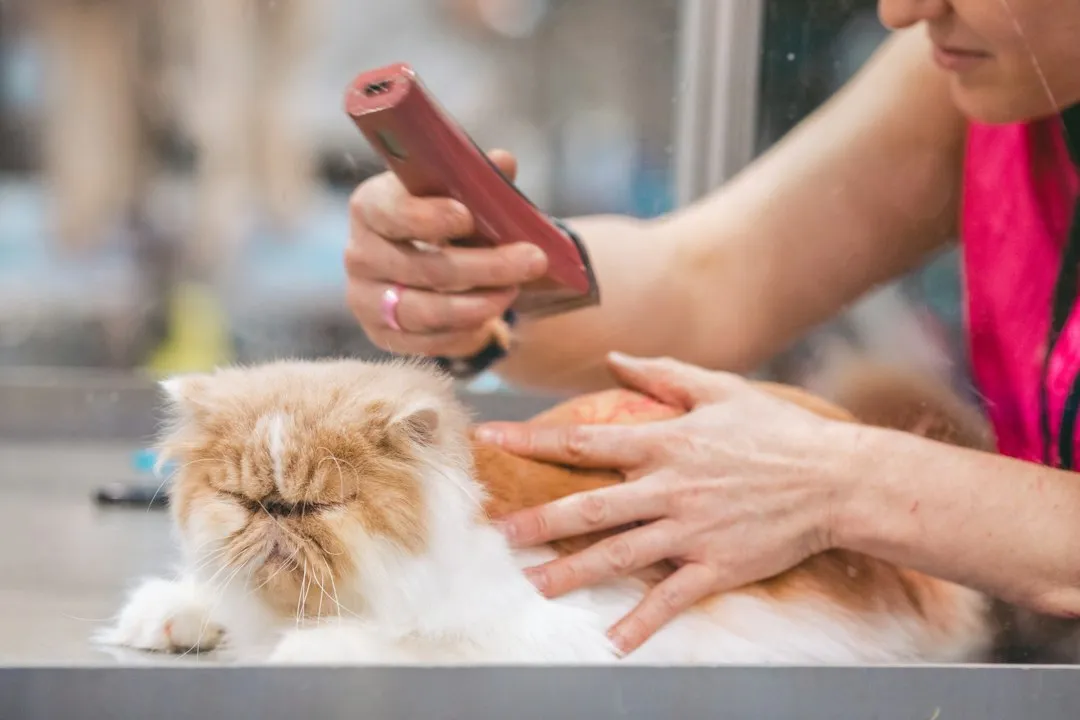
Regular brushing, daily for long-haired cats and two to three times weekly for short-haired cats, reduces the amount of ingested fur and can decrease hairball frequency. This is one of the simplest and most evidence-supported things an owner can do at home. Less loose fur on the coat means less fur in the stomach.
Feeding your cat smaller, more frequent meals helps stimulate more frequent stomach contractions, which gives hairballs less opportunity to form. Hydration also plays a role, since a well-hydrated gut moves contents more efficiently. Fleas, itchy skin, allergies, pain, and stress can all increase grooming behavior, so addressing those triggers where possible is as important as any dietary change.
Keeping Track Is Simpler Than You Think
The occasional cat hairball is typically nothing to worry about, but changes in frequency, appearance, or your cat’s behavior should never be ignored. Whether your cat has started producing hairballs more often or is struggling to bring one up, it’s worth having them checked by your veterinarian. Keeping a simple log, even just dates noted in a phone app, gives your vet something concrete to work with.
Monthly hairballs in an otherwise healthy cat are a green light. Rising frequency is a yellow flag. Weekly hairballs, unproductive retching, or any other sick-cat signs are a clear red. That framework is easy to remember and genuinely useful for making the call on when to pick up the phone.
Final Thoughts
Hairballs occupy a strange place in cat ownership. They feel routine enough that most people stop questioning them altogether. The reality is more nuanced. A hairball once or twice a month in an otherwise content, well-eating cat is probably fine. That same cat producing them every few days, retching without result, or losing weight alongside the vomiting is telling you something different.
Frequency is the detail worth tracking. Cats are remarkably good at masking discomfort, and an uptick in hairballs is sometimes the clearest signal they can give that something isn’t right internally. Trust the number, not the assumption that it’s just what cats do.
AI Disclaimer: This article was created with the assistance of AI tools and reviewed by a human editor.