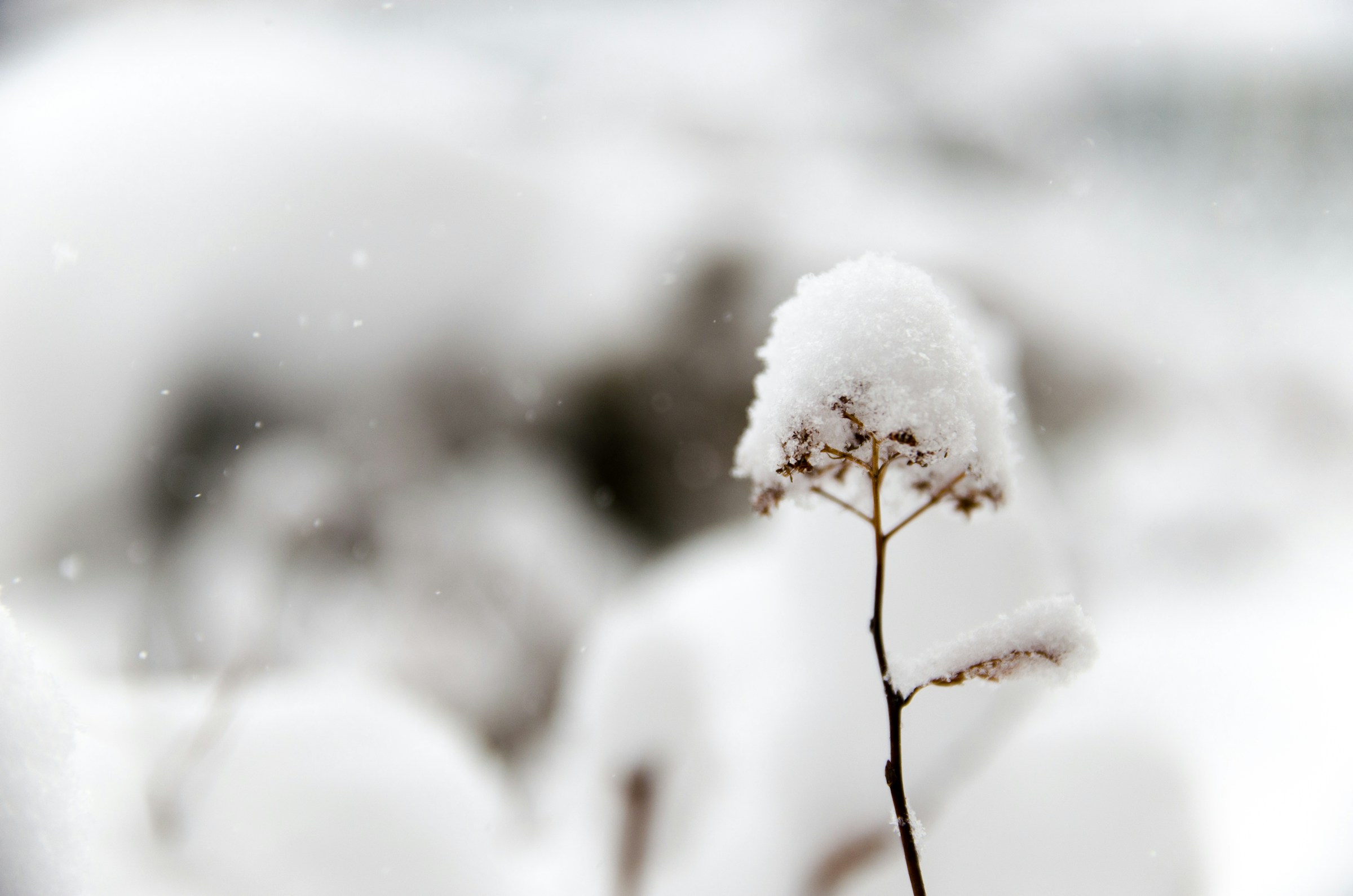

Most gardens go quiet in winter. Colors fade, stems collapse, and bare soil takes over for months at a time. It’s a familiar sight, and for many gardeners, a resigned one. Yet a handful of low-growing plants simply refuse to follow that script.
These are the ground covers that hold their green through frost, ice, and heavy snowfall, doing quiet but genuinely useful work all season long. Knowing which ones to choose, and where to place them, makes a real difference to how a garden looks from November through March.
Creeping Juniper: The Cold-Climate Standout
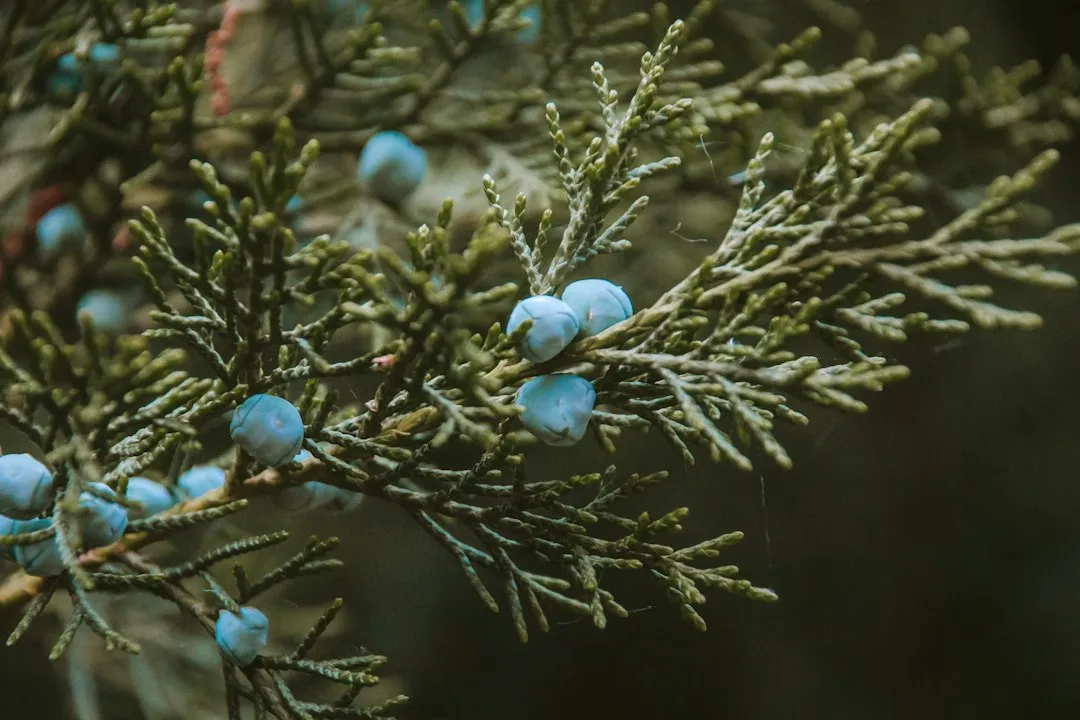
Perhaps the best-known native evergreen ground cover in many regions is Creeping Juniper, or Juniperus horizontalis. It delivers unmatched cold hardiness, reaching down to USDA Zone 2 and Zone 3 in full sun. Its dense branches provide hiding places for wildlife, it prefers dry soil and full sun, tolerates some shade with good drainage, and spreads at a moderate rate while effectively suppressing weeds.
Juniper is tough enough to handle being buried by snowplow build-up, even with road salt. That level of resilience is genuinely rare in a low-growing plant, and it makes creeping juniper a reliable first choice for cold, exposed sites.
Pachysandra: The Shade Garden Workhorse
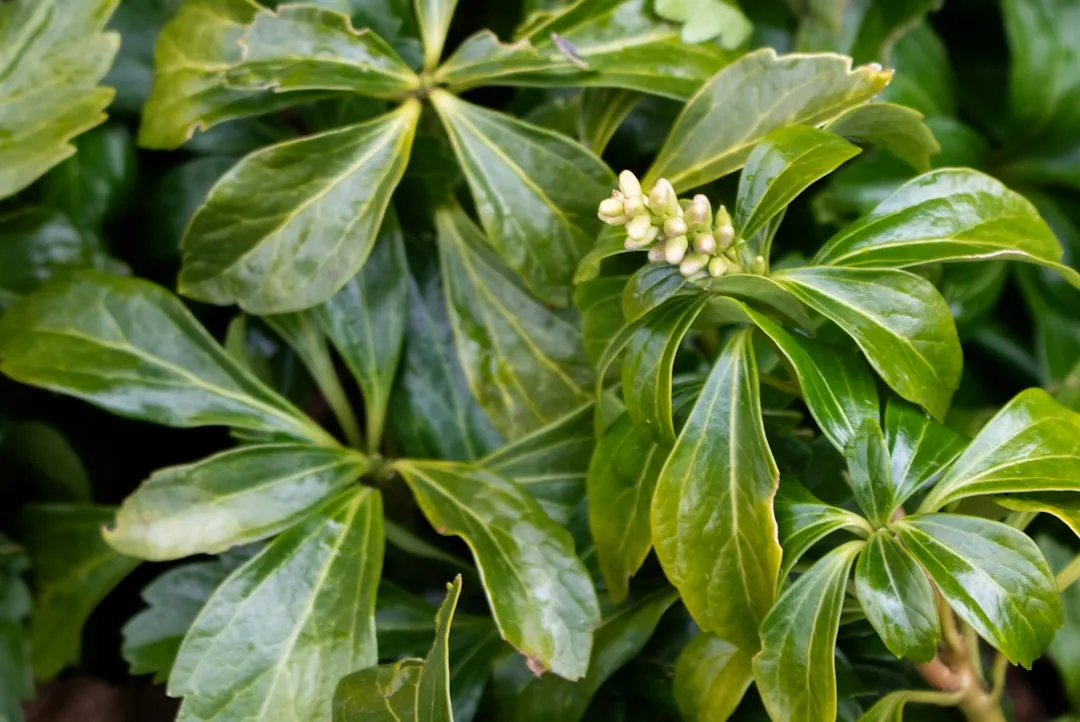
Pachysandra is an evergreen perennial herb in the Boxwood family, Buxaceae, and is a popular ground cover for landscaping due to its shade tolerance and rapid growth through underground stems and roots. Hardy in USDA Zones 4 through 9, and sometimes even Zone 3, it likes moist, well-draining, acidic soil and thrives in partial to full shade.
Pachysandra handles temperature dives down to around -25°C without significant damage. In winter, its foliage may bronze slightly, a normal and reversible color change that allows it to continue photosynthesizing through the cold. Once established, it is one of the lowest-maintenance options available.
Vinca Minor: The Reliable Periwinkle
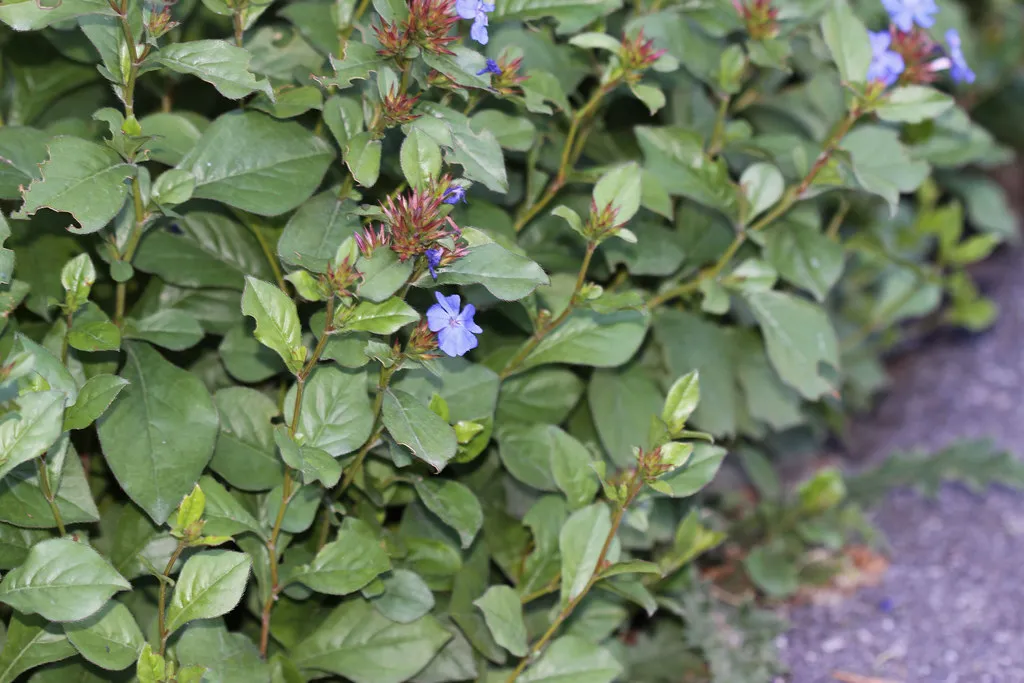
Vinca minor is a perennial with long prostrate stems that create dense carpets of evergreen, broad-leaved ground cover. It is generally considered cold hardy in USDA Zones 4 through 8. Unlike many other ground covers that fade in winter, Vinca minor remains green throughout the year, maintaining garden interest even in cold months.
It is a perennial that returns year after year with minimal care, and once established, forms a dense, mat-like ground cover that spreads by sending out trailing stems that root at intervals along the soil surface. It suits shaded beds under trees particularly well, and it tolerates occasional drought once mature.
Creeping Phlox: Surprising Winter Toughness
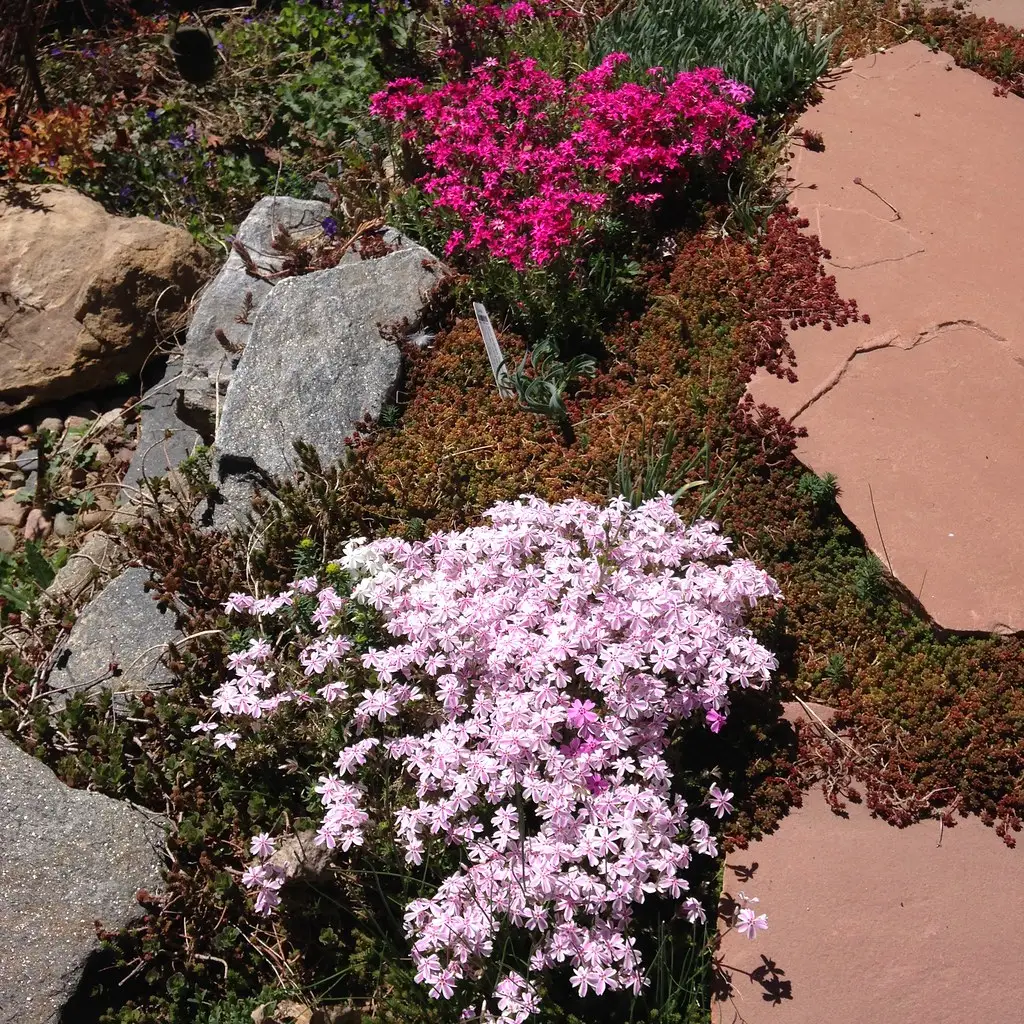
Creeping phlox is extremely cold-tolerant, surviving down to -40 degrees Fahrenheit, and forms a dense mat of evergreen, needle-shaped leaves. It also combines that evergreen mat with dense spring and summer blooms, giving the garden a double season of value.
Few ground covers can claim that range: holding green foliage through a brutal winter, then erupting into color come spring. Creeping phlox earns its place in almost any climate that falls within its zone range, and it asks for very little once it’s settled in.
Bearberry: Built for Arctic Conditions
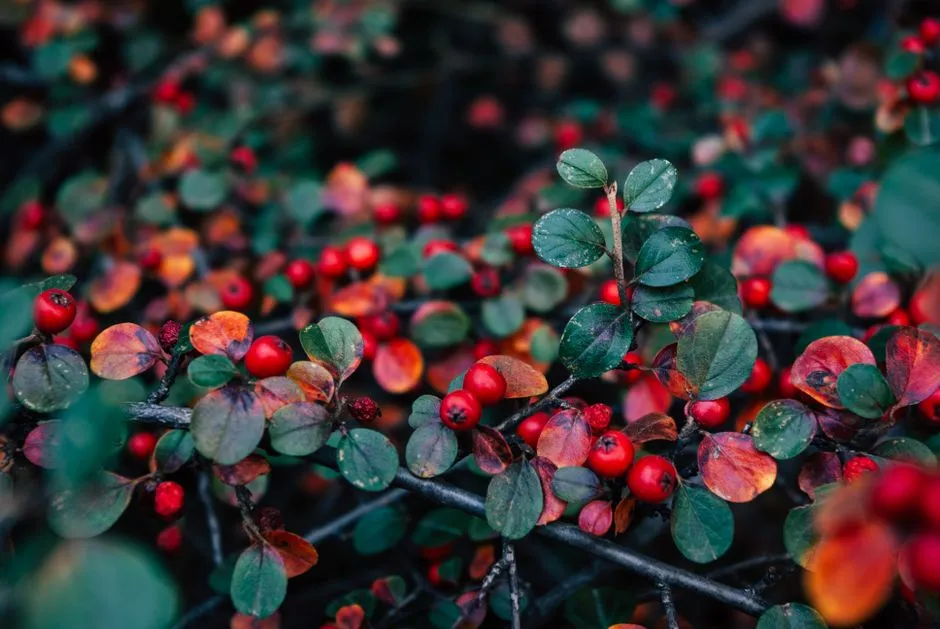
Also known as kinnikinnik, bearberry is a ground cover that thrives in poor soils where other plants have failed. It is exceptionally cold-hardy, adapted to arctic and sub-arctic climates, and while its foliage remains all winter, it may turn red or purple before becoming green again in spring.
Bearberry particularly thrives in colder climates and features small, glossy leaves that stay green through winter. It can even produce small red berries that add visual interest to the winter garden. It spreads by rhizomes and forms a dense ground cover with deep green, waxy leaves. For sandy or nutrient-poor slopes, it’s hard to beat.
Creeping Thyme: Green and Fragrant Beneath the Snow
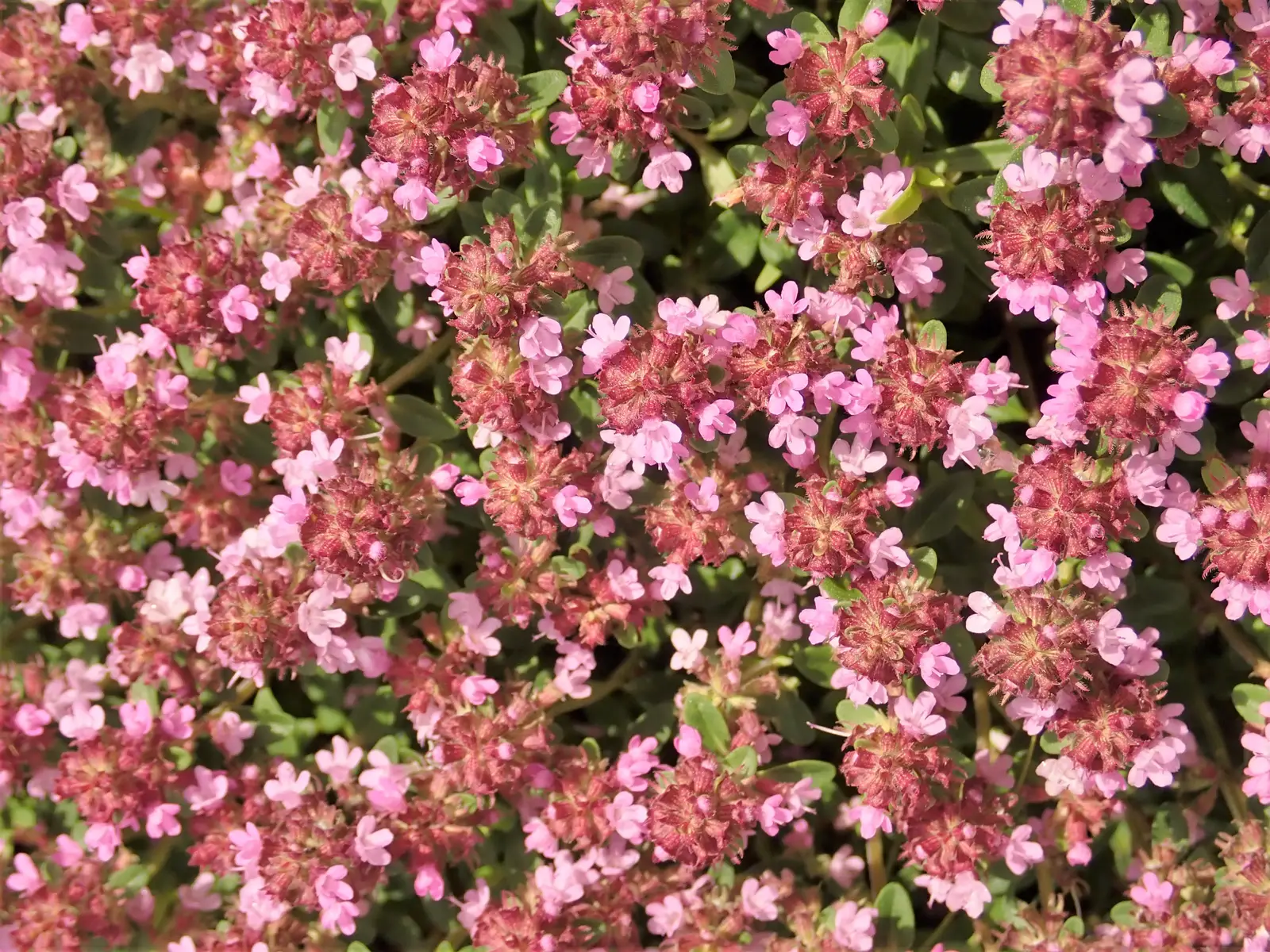
Creeping thyme is a low grower that stays green beneath the snow, is fragrant, foot-friendly, and easy to grow along walkways. It can tolerate light foot traffic, making it perfect for pathways or between stepping stones, adding a dash of green when most plants are going dormant.
There are dozens of species and cultivars of thyme that make a hardy ground cover staying green all winter long. The fragrance it releases when lightly brushed or walked upon is a genuinely pleasant winter bonus that few other ground covers can offer.
Christmas Fern: Elegant Structure in the Snow
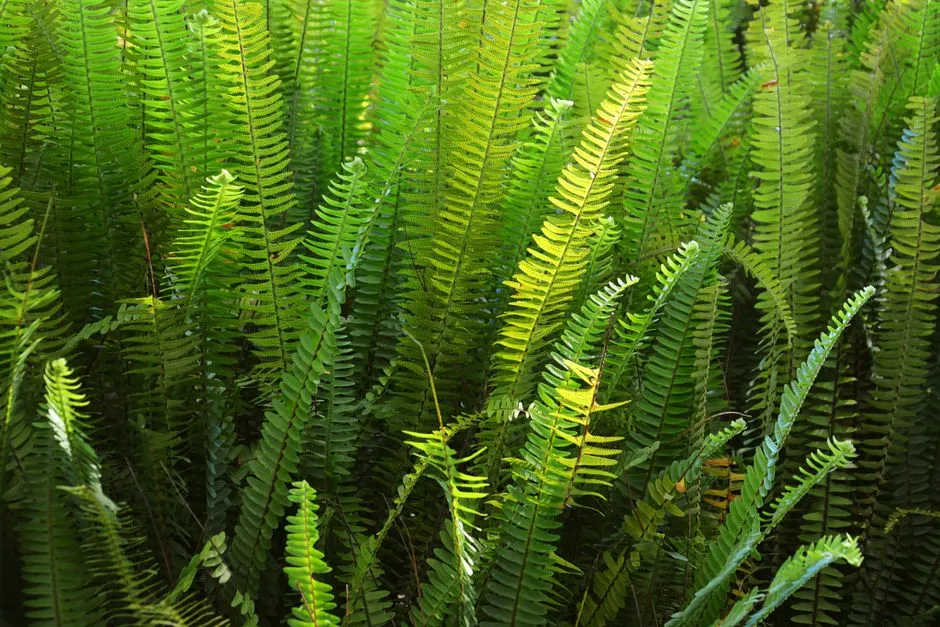
Christmas ferns make wonderful ground cover plants when planted in a thick mass. Fully hardy to -40 degrees Fahrenheit and reaching up to 2 feet in height, they are fully shade, deer, and drought tolerant. The evergreen fronds look beautiful when dusted with winter snow and provide a great deal of winter interest to shady sites.
This is a plant that actually looks better in winter than at many other times of year. The contrast between dark green fronds and white snow is striking in a quiet, natural way, and it requires almost no care once established in the right spot.
European Wild Ginger: A Shade Lover That Never Quits
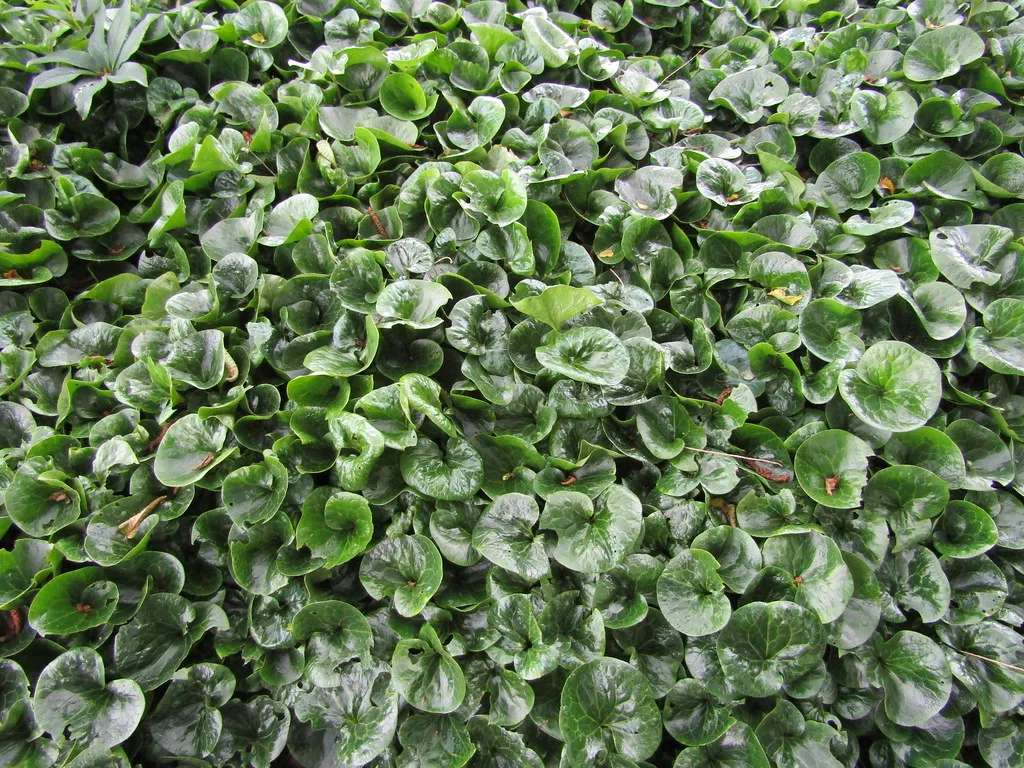
European wild ginger features thick, leathery, heart-shaped leaves with a mirror-like glossy shine, growing 4 to 6 inches tall. The leaves remain pristine and deep forest green throughout freezing winters. It holds those glossy evergreen leaves in deep shade all winter, making it one of the few reliable options for the darkest garden corners.
Few evergreen ground cover plants are as striking or as low maintenance as European ginger. It spreads slowly, so patience is required, but the payoff is a rich, weed-suppressing carpet that needs very little attention year to year.
Candytuft: Tidy, Tough, and Evergreen
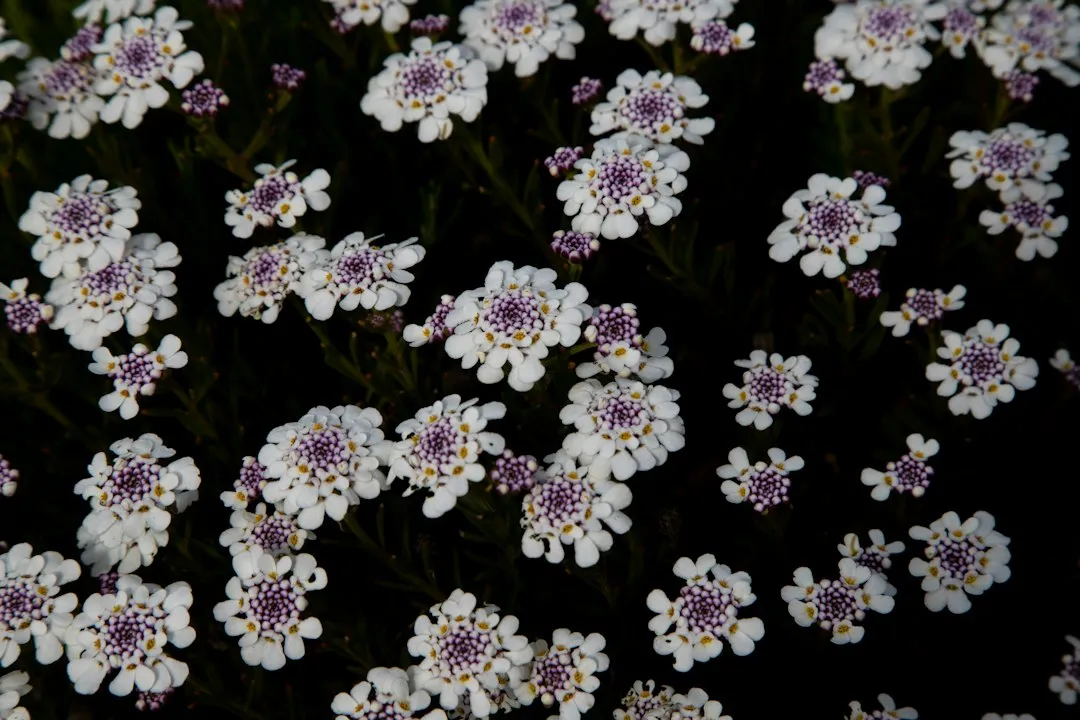
Iberis sempervirens, or evergreen candytuft, is both heat-loving and frost-hardy. Its glossy, evergreen foliage forms a billowing mound, with many fragrant, pure white flowers in tight clusters appearing for several weeks during spring and early summer. It is hardy in most parts of the UK, surviving temperatures down to -15 degrees Celsius, or 5 degrees Fahrenheit.
Candytuft keeps a dark green mound of leaves throughout winter, forming a compact edge that holds its shape even under the weight of heavy snowfall. It’s one of the tidiest-looking ground covers in the winter garden, which is part of why it has remained popular for so long.
Waldsteinia: The Underrated Winter Performer
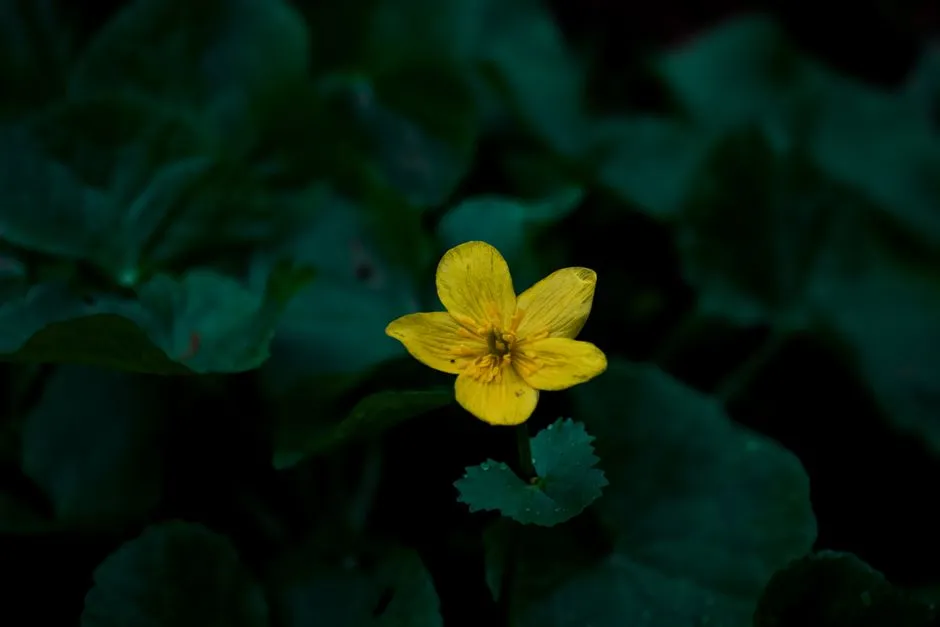
Waldsteinia fragaroides, commonly called Barren Strawberry, is a deer-resistant evergreen ground cover that likes sunny, dry sites and blooms in early spring with bright yellow flowers. Snow cover and freezing cold do not bother it, and it is hardy to Zone 4. Its leaves may turn bronze by late winter, but new growth will cover the old in spring and form a weed-suppressing mat.
Waldsteinia tends to fly under the radar in mainstream garden writing, which is a pity. It offers genuine winter hardiness, spring flowers, weed control, and deer resistance all in one plant. For a sunny, difficult spot that needs low-maintenance winter color, it deserves serious consideration.
A Few Things Worth Keeping in Mind
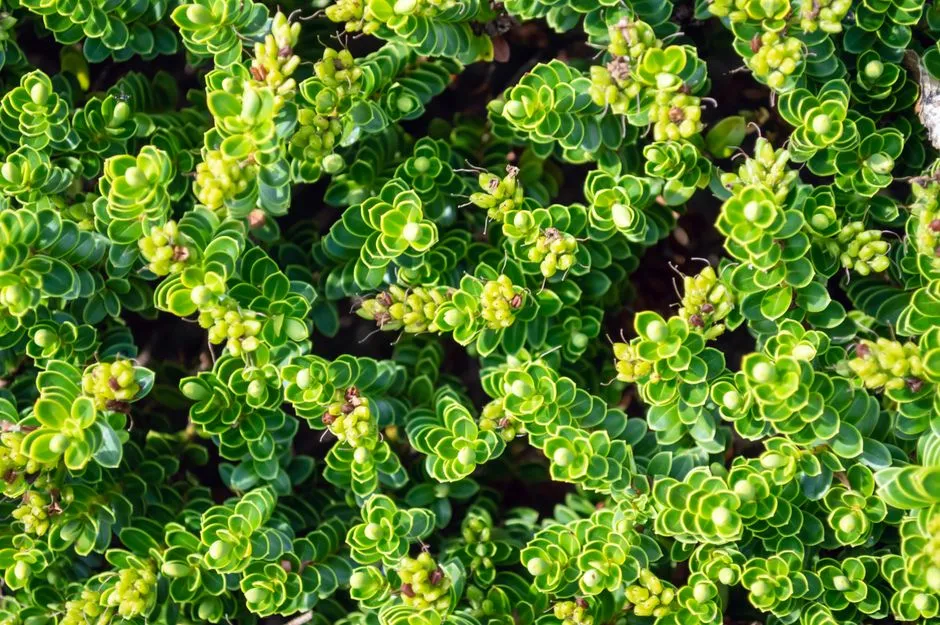
Whether or not a ground cover actually remains evergreen will highly depend on the winter temperatures and snow cover in your yard. Very cold temperatures combined with a lack of snow cover, which insulates the plant, can sometimes cause the ground cover to turn brown or even die back to the ground.
Evergreen ground covers provide year-round foliage, suppress winter weeds, and prevent topsoil erosion on slopes, which means their value goes well beyond appearances. Whether or not a ground cover remains evergreen sometimes depends on winter temperatures and snow cover, and unusually cold temperatures combined with a lack of protecting snow cover will sometimes cause plants to die back to the ground.
Matching the right plant to the right microclimate is the most important decision of all. Zone ratings are a useful starting point, but aspect, shelter, soil drainage, and local snow patterns all shape what a plant actually experiences through a winter. The ten plants covered here are among the most proven for staying green through the cold months, each with a distinct set of strengths worth weighing against your specific conditions.
AI Disclaimer: This article was created with the assistance of AI tools and reviewed by a human editor.