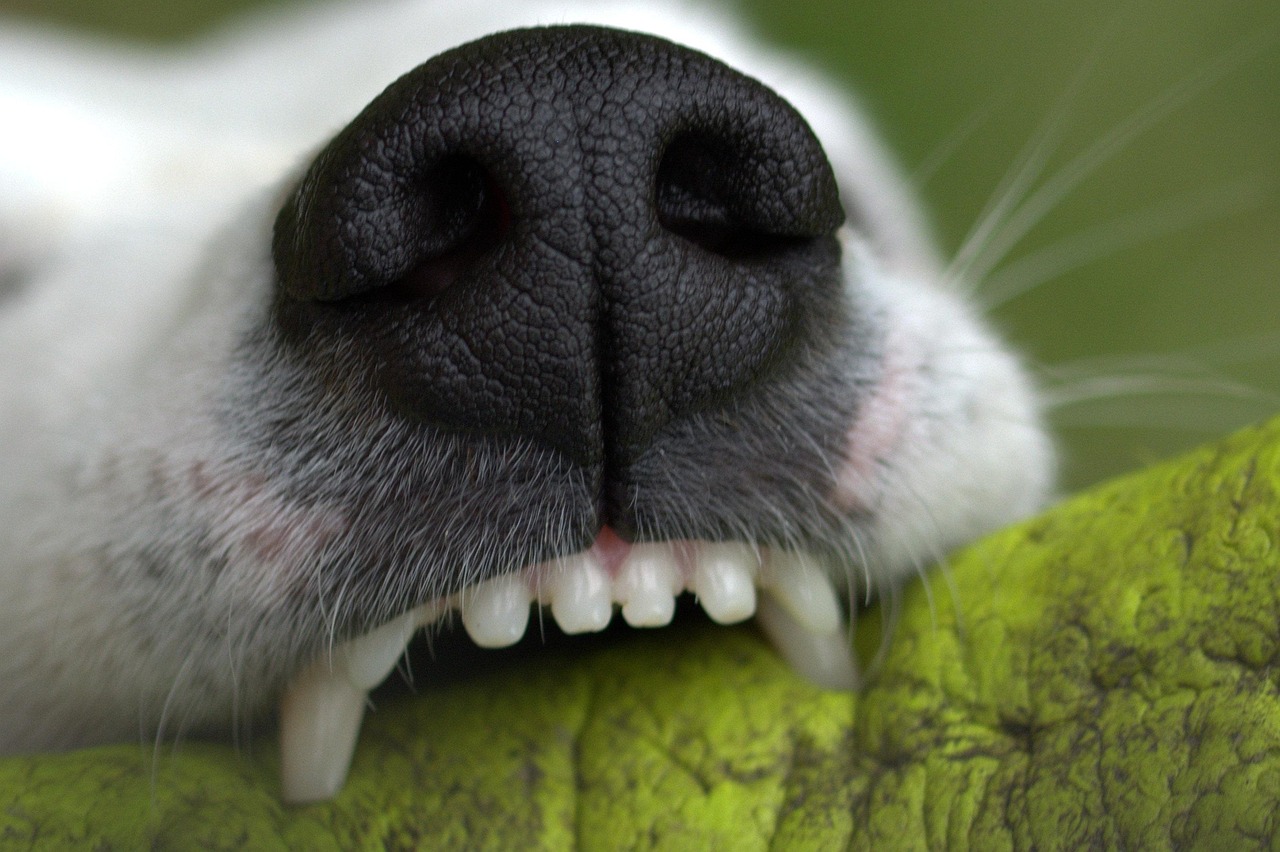

The Scale of the Problem Is Bigger Than Most Owners Realize

Periodontal disease is one of the most common diseases affecting dogs, with a reported prevalence of at least 80% in dogs over three years of age. That is not a niche concern or a worst-case number. In 2024, Banfield Pet Hospital analyzed data from more than three million pets seen across its hospital network, and the results showed that roughly three quarters of dogs had some sort of diagnosed dental issues.
Dental disease is one of the most common medical conditions found in dogs, and because dogs rarely show obvious signs, it can be difficult to detect. It’s important to check your dog’s mouth regularly because most dogs with dental problems continue to eat even when they are uncomfortable and may not show any symptoms.
Daily Toothbrushing: The Single Most Effective Habit

Prevention of the most common oral disease in dogs consists of frequent removal of dental plaque and tartar, and regularly brushing your pet’s teeth is the single most effective thing you can do to keep their teeth healthy between professional dental cleanings.
The best way to help prevent dental disease of any type in dogs and cats is for their teeth to be brushed every day. Brushing your dog’s teeth daily will help prevent problems from developing, and poor dental hygiene is one of the most common causes of tooth and gum disease in dogs.
Why Plaque Is the Real Enemy

Gum disease is the most common dental issue affecting dogs. As daily plaque accumulates on the teeth, gum tissue becomes inflamed, a condition referred to as gingivitis, which then leads to periodontal disease. Daily brushing removes the buildup of plaque, preventing the onset of gum disease.
Periodontal disease occurs when bacteria in plaque cause the gums to become inflamed and infected. If the plaque is not removed, the tooth’s supporting structures, including gums and jaw bone, will eventually deteriorate and the tooth will fall out. Plaque that remains on the tooth surface for more than two days mineralizes to form calculus that cannot be removed by brushing alone.
How Often You Need to Brush

According to Dr. Suma Rao, a veterinarian in the dentistry service at the University of Illinois Veterinary Teaching Hospital, the consensus is that brushing teeth every day is the most beneficial, and brushing every other day can help too, though anything less than every other day is not going to prevent buildup of plaque.
Daily toothbrushing is ideal to effectively prevent plaque buildup. For dogs with existing periodontal disease, twice-daily brushing might be recommended. If daily brushing is not feasible, aiming for at least three times a week is considered the minimum for dogs in good oral health.
The Right Technique Makes a Difference

The brush should be angled at 45 degrees toward the gum line, ensuring contact with both the tooth surface and the gum margin. This technique helps disrupt plaque accumulation in these key areas. Focus on the outer sides of the teeth near the inside of the lips, as these are the places where plaque most commonly accumulates.
Research has shown that it takes more than 48 hours for plaque to become calculus in a dog’s mouth, which means that daily brushing can effectively prevent the deposition of calculus by removing plaque from the tooth surface before it hardens.
Never Use Human Toothpaste

Human toothpaste should be avoided, as it often contains ingredients like xylitol, fluoride, and detergents that can be harmful to pets if swallowed. Veterinary-specific toothpastes formulated for animals are safe if ingested and come in various flavors that are appealing to dogs.
Daily brushing is the best way to help reduce plaque accumulation. Use a pet-specific toothbrush with soft bristles that will not irritate your dog’s gums, and never use human toothpaste, which is often toxic to pets. The flavor of dog-specific toothpaste is actually one of the easiest ways to get a reluctant dog comfortable with the whole routine.
Small Dogs Face a Much Higher Risk

Research leveraging Banfield data found that the size of a dog can significantly impact their susceptibility to oral health issues. One study found that extra-small dog breeds under roughly 14 pounds were up to five times more likely to be diagnosed with periodontal disease than giant dog breeds.
Among 990 dogs examined for dental pathology in a 2025 study, more than half were small breeds. Small dogs were most prone to plaque and calculus buildup, dental caries, and retained deciduous teeth. If your dog is a Chihuahua, Maltese, or similarly compact breed, the case for daily brushing becomes even stronger.
Dental Chews Are Helpful, But Not a Substitute

Although dental chews and toys can help to scrape off some of the plaque that builds up on your pet’s teeth, they are not a substitute for regular brushing with a pet-appropriate toothpaste. Providing dental chews and treats alone is not enough to prevent dental disease in dogs.
While dental chews, toys, and specific foods can help keep your pet’s teeth cleaner, they are not a substitute for brushing at home and having regular dental checkups at the vet. Think of them as useful additions to a brushing routine, not replacements for it.
The Systemic Health Connection Is Real
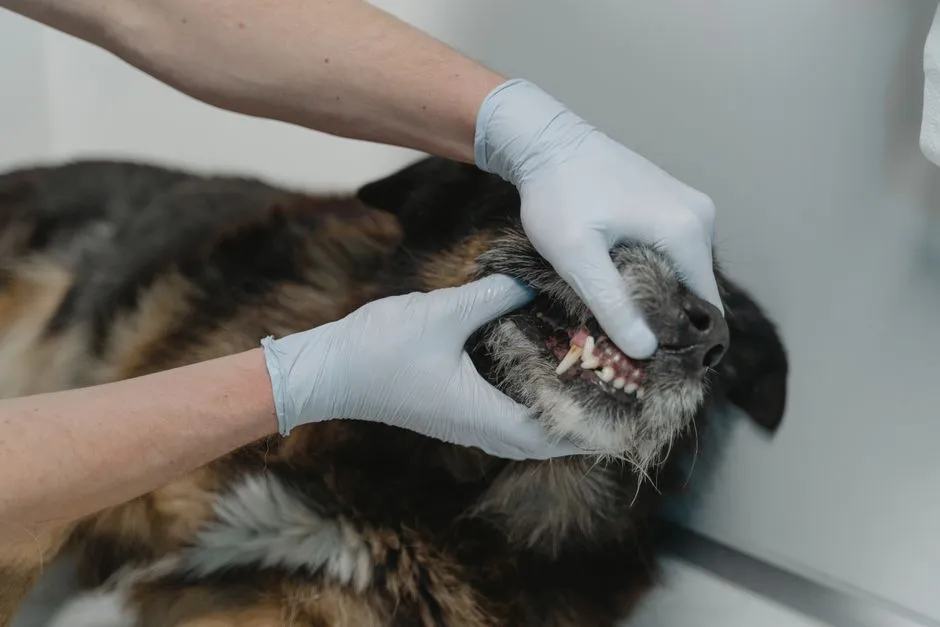
Untreated tooth decay and infection can lead to periodontal disease, which can be life-threatening to your dog. Banfield’s data also showed that dogs with advanced stages of periodontal disease were 2.3 times more likely to develop chronic kidney disease.
Pets with advanced periodontitis, meaning greater than 50% attachment loss, have extensively damaged tissues, ligaments, and bone supporting their teeth, resulting in tooth loss and serious infection. Dental disease, in other words, rarely stays in the mouth. It creates a pathway for bacteria to enter the bloodstream and affect other organ systems over time.
Training Your Dog to Accept Brushing
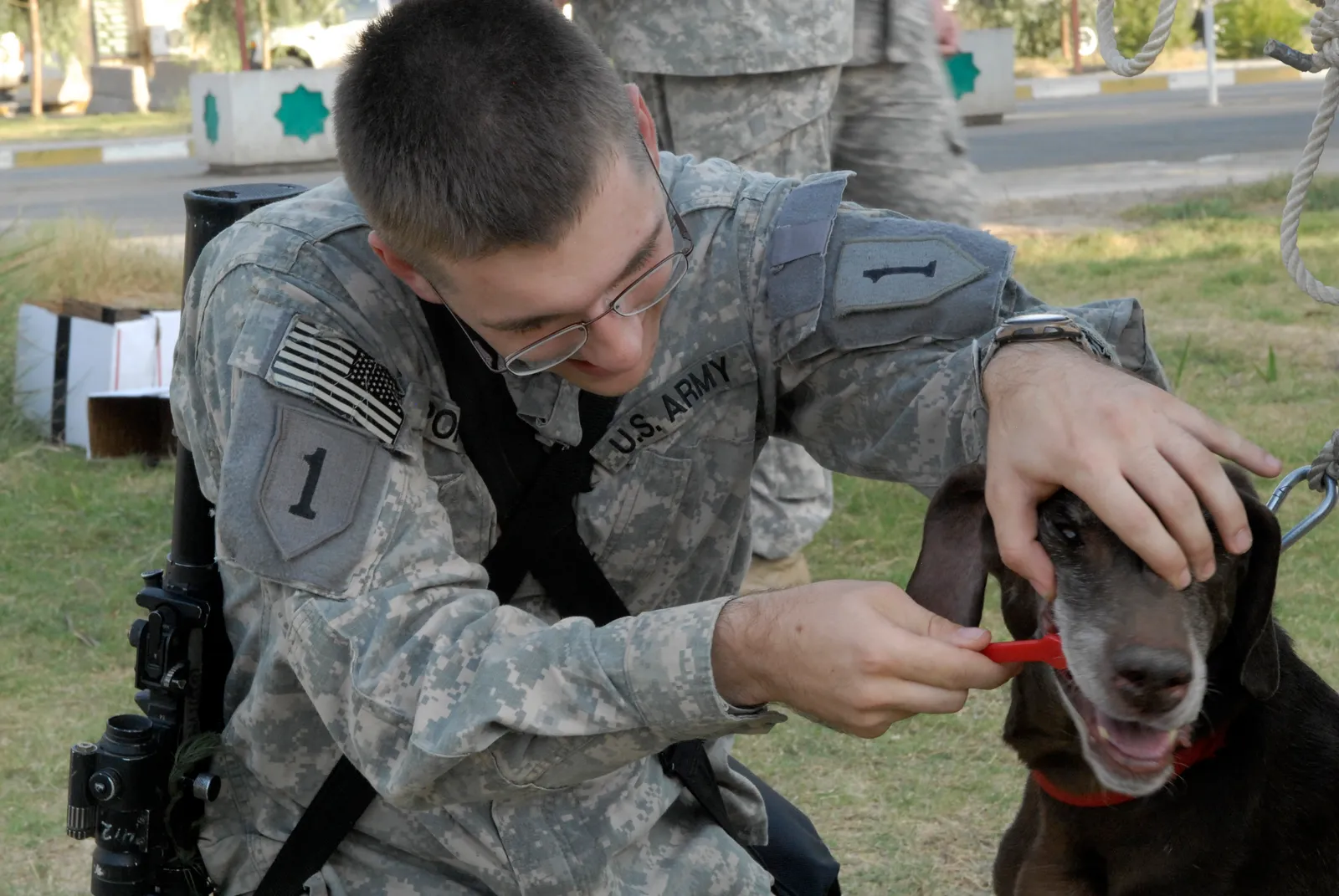
Let your dog lick dog-safe toothpaste from your finger to get used to the taste, and then gradually introduce a soft-bristled dog toothbrush or finger brush. Tasty treats, pet toothpaste, and praise can help with the process of brushing and can even make the routine enjoyable for dogs.
Your dog may not like having their teeth brushed at first, but making a routine out of it and getting them excited can help. Patience in the early weeks pays off significantly. Most dogs that are introduced slowly and positively will eventually tolerate, or even anticipate, a daily brushing session.
Professional Cleanings Still Matter
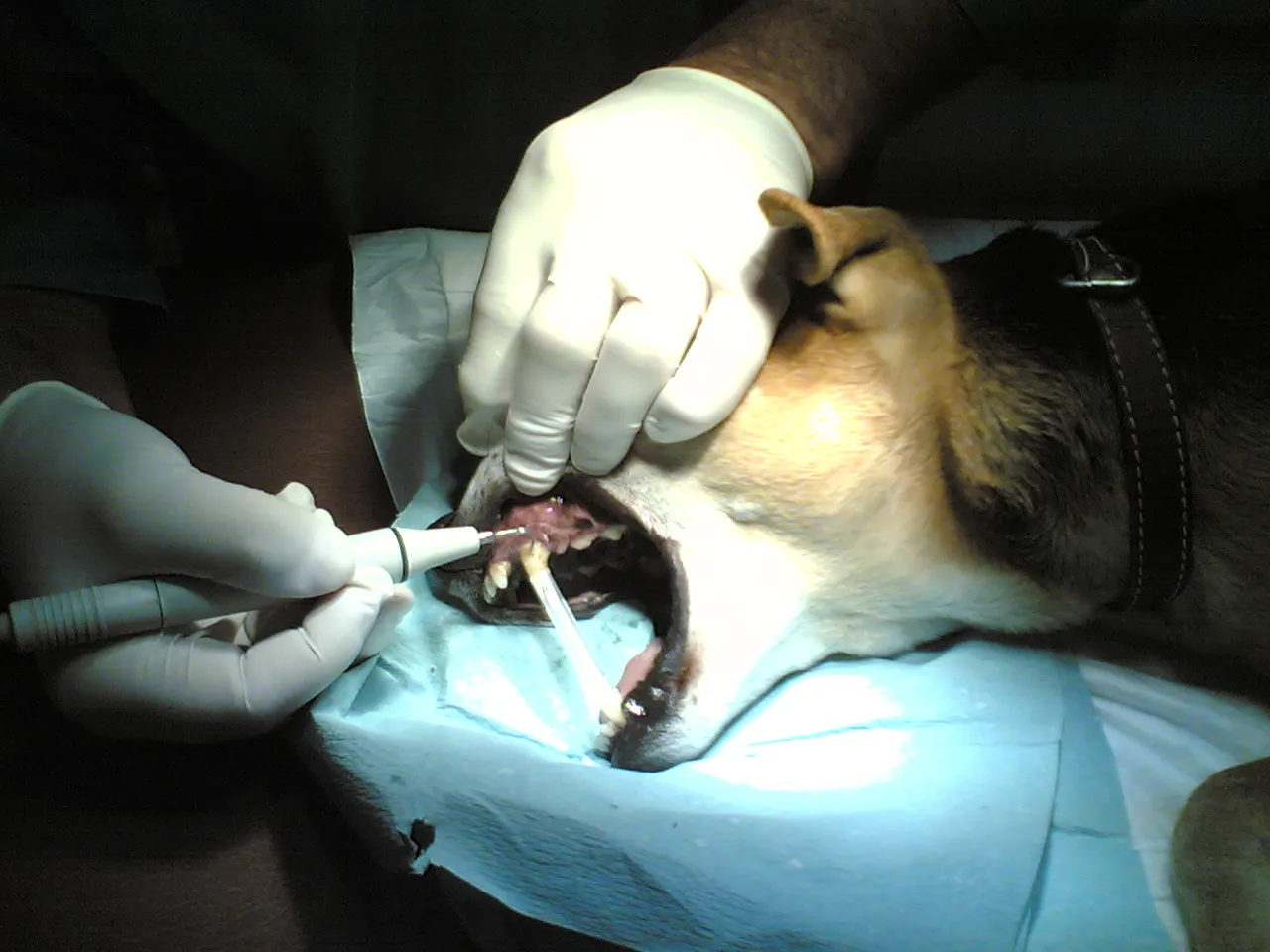
Regular toothbrushing and routine dental cleanings with a veterinarian are essential to providing the best oral care and helping prevent the many issues caused by dental disease. Most pets need a professional dental cleaning every one to two years, but small dogs and certain breeds may need them more frequently.
Regularly brushing your pet’s teeth may reduce the frequency or even eliminate the need for periodic dental cleaning by your veterinarian. Anesthesia-free dental cleanings only remove visible tartar above the gumline and do not treat the source of dental disease under the gums. Without anesthesia, veterinarians cannot safely take dental radiographs, probe for disease, or clean where infection actually occurs.
A Simple Habit with Lasting Consequences

The gap between knowing that dogs need their teeth brushed and actually doing it every day is where most dental disease takes hold. The research is consistent, the mechanism is well understood, and the cost of supplies is minimal compared to the cost of treating advanced periodontal disease.
A soft brush, the right toothpaste, and a couple of minutes each day can genuinely change the trajectory of a dog’s oral and overall health. For something so small, the returns are surprisingly large.
AI Disclaimer: This article was created with the assistance of AI tools and reviewed by a human editor.