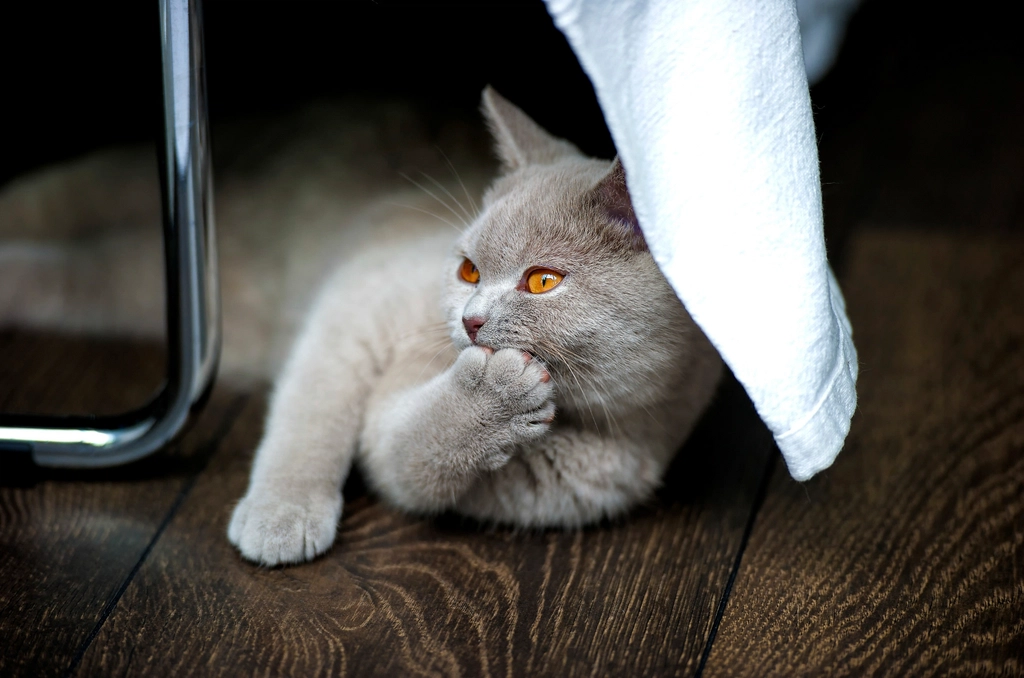

What Displacement Grooming Actually Is
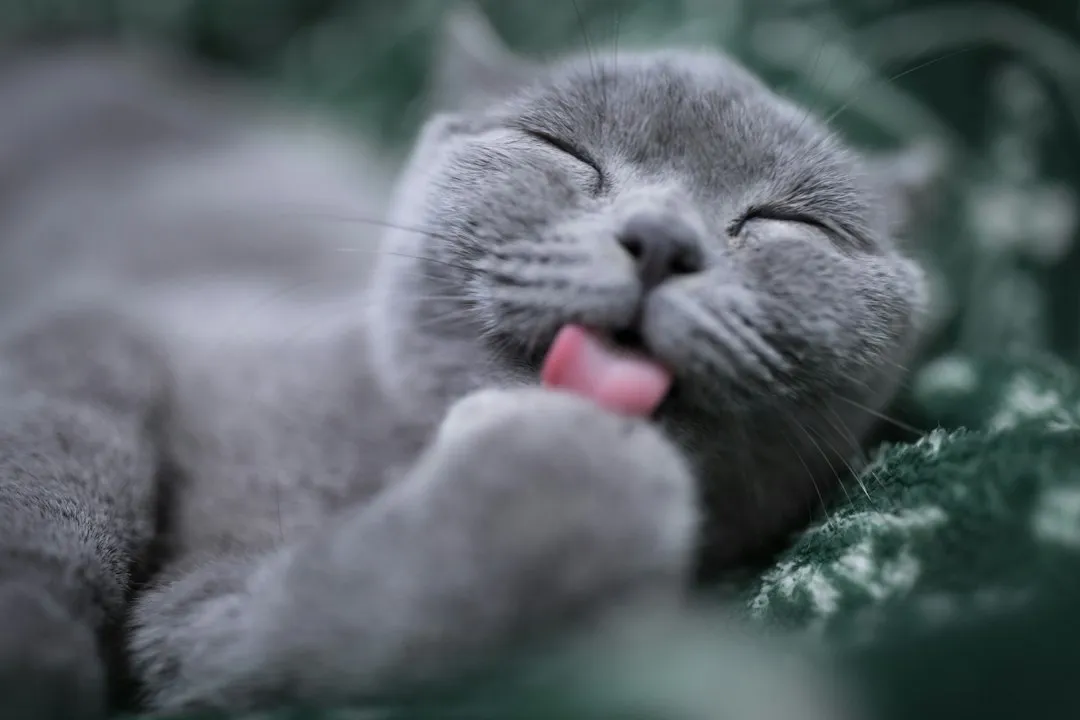
Displacement grooming is a normal way for cats to reduce their anxiety and calm themselves during or after a stressful situation. It’s not a sign of a broken or aggressive cat. It’s a deeply wired, automatic response.
At its core, displacement behavior is an evolutionary “Plan B.” When a cat is faced with two conflicting internal drives, such as the urge to defend a territory and the urge to stay safe, their brain essentially short-circuits. To resolve this internal conflict, the cat performs a third, entirely unrelated behavior. Grooming is the most common outlet for this.
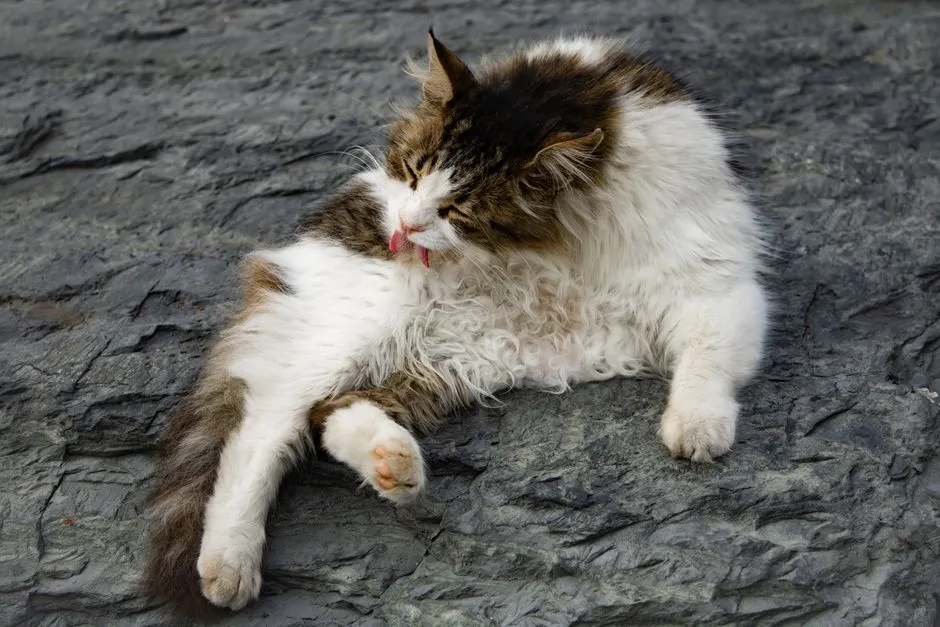
Cats are known to perform grooming behaviors as a displacement behavior and for this reason are subject to excessive self-grooming when stressed. The key word here is “displacement” – the grooming isn’t about dirt or coat care. It’s about emotional regulation.
The Moment It Starts: Subtle Signals Most People Miss
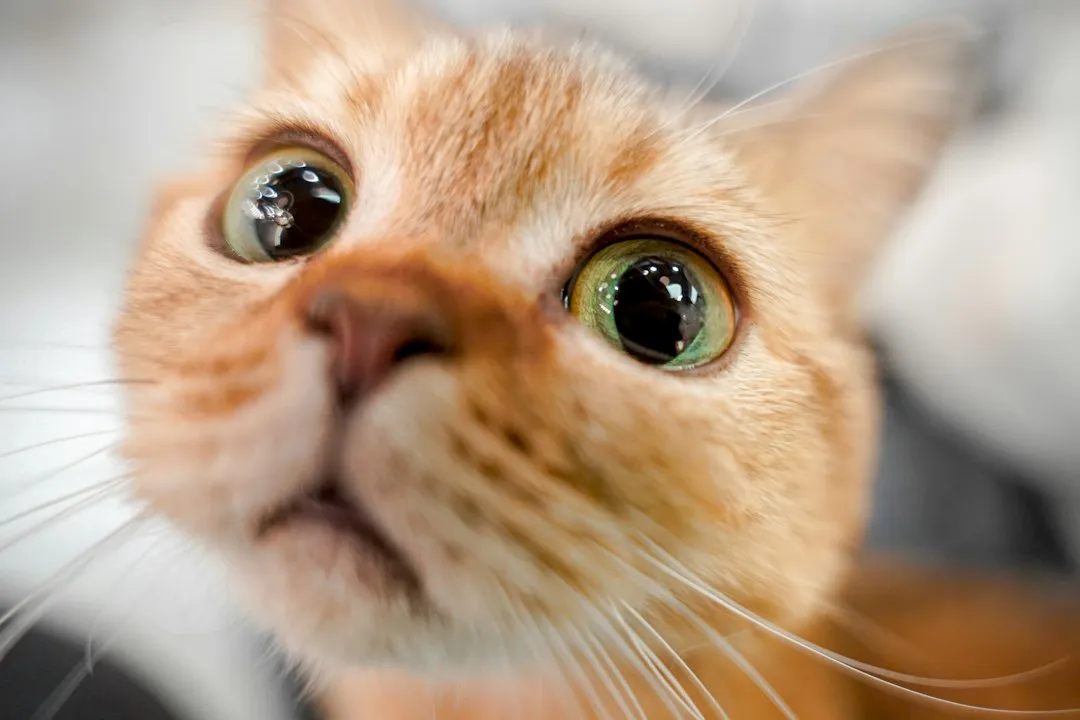
Often the first sign is subtle and quick: a small ripple or twitch in their skin. This makes being closely attuned to their physical micromovements so important. Most owners miss this stage entirely because it’s so brief.
Signs like restlessness, skin rippling during petting, ear flicking, and a head turning towards the hand can all indicate potential overstimulation. These micro-signals appear before any grooming starts, and catching them early gives you a real chance to de-escalate.
Most cats will give you signals that they are becoming overstimulated before they reach the point of grooming or lashing out. The trouble is that these cues are easy to overlook when you’re focused on enjoying the moment with your pet.
Why Cats Groom Instead of Running or Biting
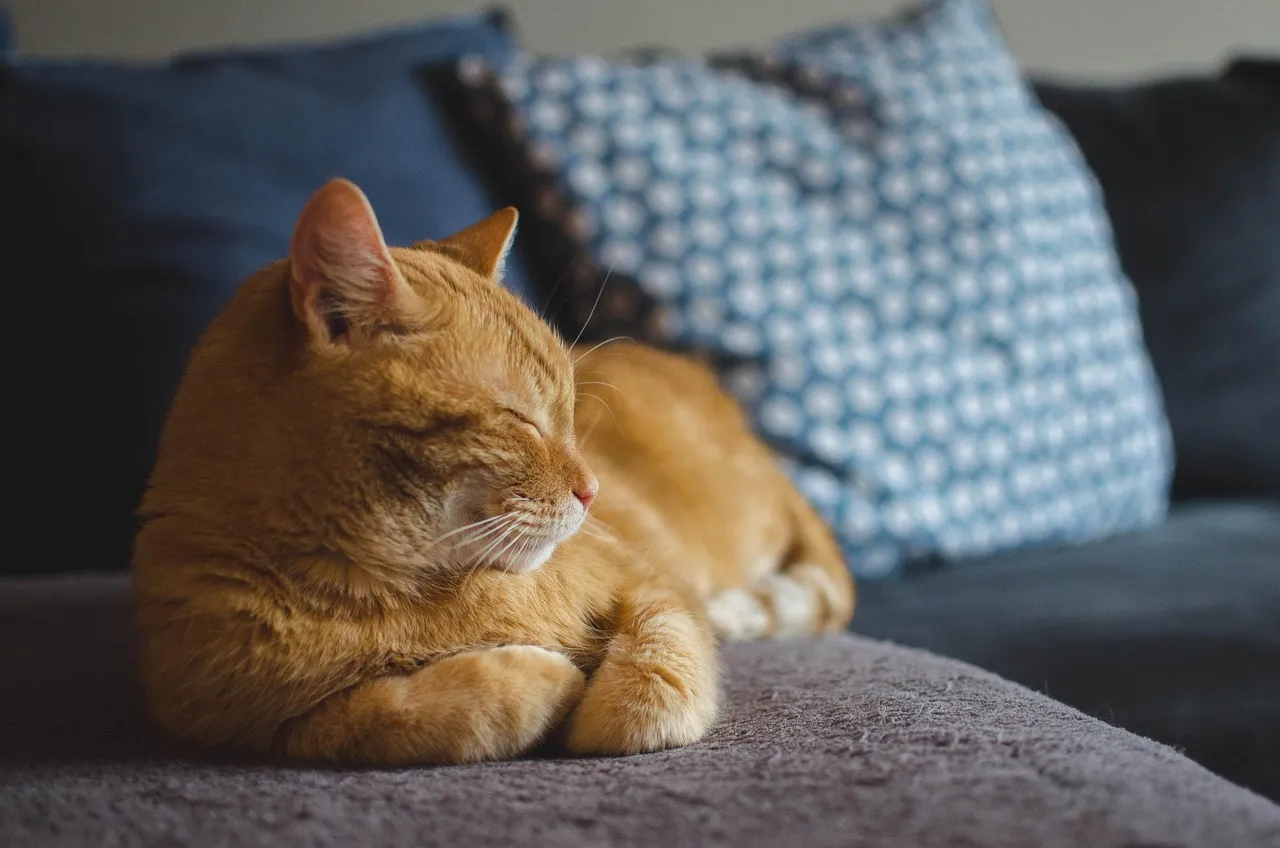
When a cat is torn between responding with aggression or running away, it may displace into a seemingly unrelated behavior, such as self-grooming, as a way of reducing emotional tension. It’s a middle path their nervous system takes automatically.
One possible explanation is that repetitive actions release endorphins, the molecules produced by the body to alleviate pain or discomfort due to injury or other unpleasant stimuli. This is why grooming can look so compulsive – it actually feels relieving to the cat in the moment.
When faced with a challenge such as meeting a new pet, dealing with a change in surroundings, or taking a tumble off the cat tree, cats resort to grooming as a way to self-soothe. The act temporarily alleviates anxiety and helps them regain a sense of control.
Where on the Body They Groom Matters
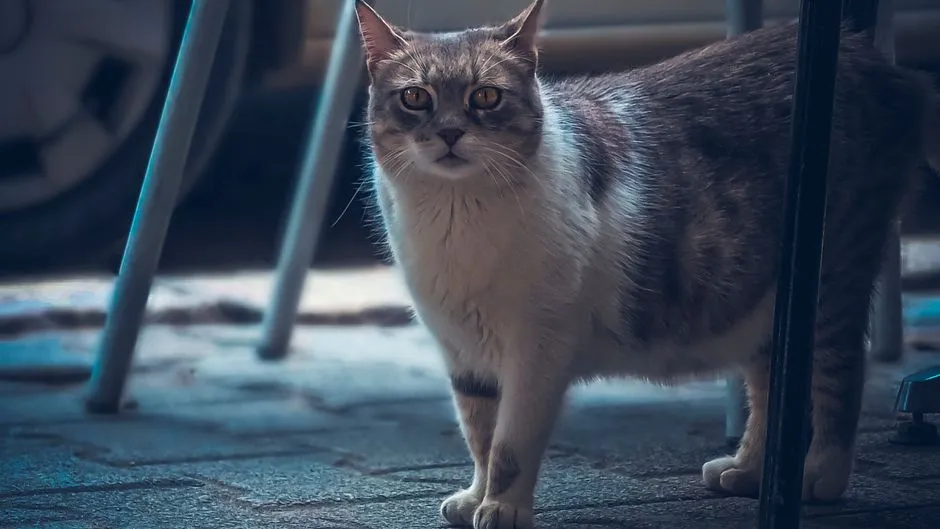
This behavior manifests as repetitive licking, biting, or scratching, often in specific areas like the paws, abdomen, or tail. These aren’t random choices. The locations often correspond to areas that are easy to reach quickly during a moment of tension.
The most common signs of overgrooming are hair loss and irritation of the skin. The areas usually affected are the abdomen, legs, flank, and chest, as these are the most easily reached areas.
If you notice your cat always licking the same patch of fur after interactions with you or another pet, that’s worth paying attention to. It’s likely their default stress relief zone, and repeated licking there over time can cause real damage to the skin.
The Role of the Nervous System
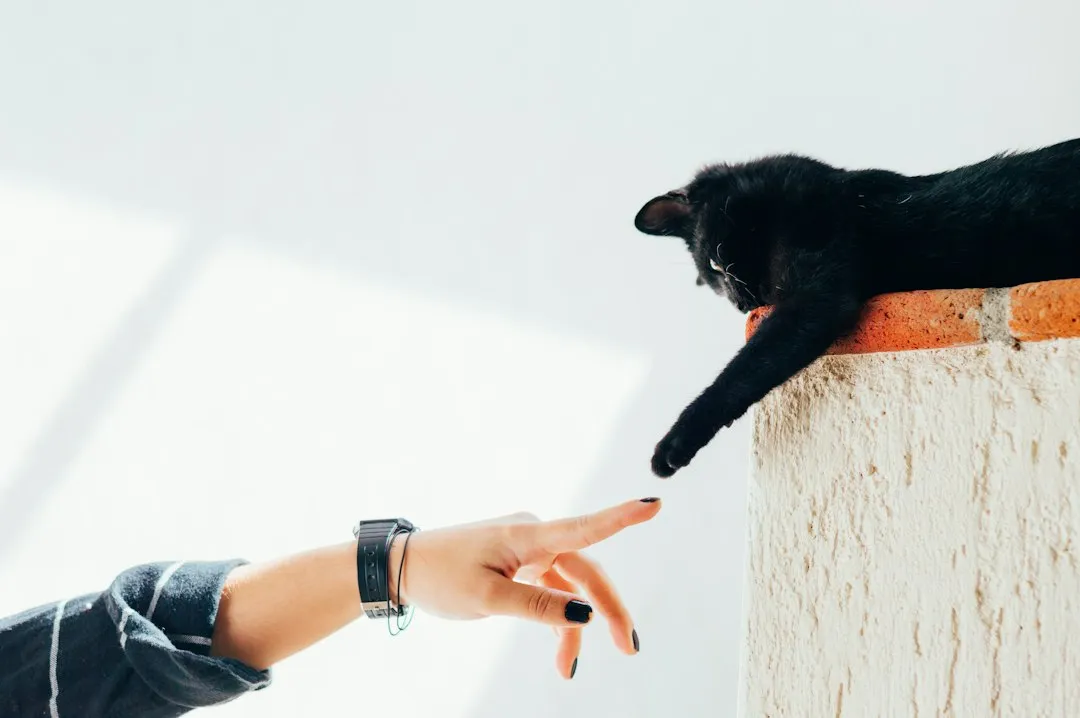
Overstimulation is when cats experience sensory overload from too much petting, caused by a painful nerve reaction, stress, or built-up frustration. It has nothing to do with a cat’s temperament, but is an actual physiological response to touch. Basically, their nervous system goes into overdrive and they feel significant discomfort.
Overstimulation happens when a cat’s nervous system shifts from calm to alert during petting or play, causing them to switch from enjoying touch to finding it unbearable. It’s not misbehavior; it’s a stress response.
This distinction matters more than most people realize. Framing it as bad behavior leads owners to respond with frustration, which only adds to the cat’s stress load and makes the next grooming episode more likely.
When Normal Grooming Becomes a Problem
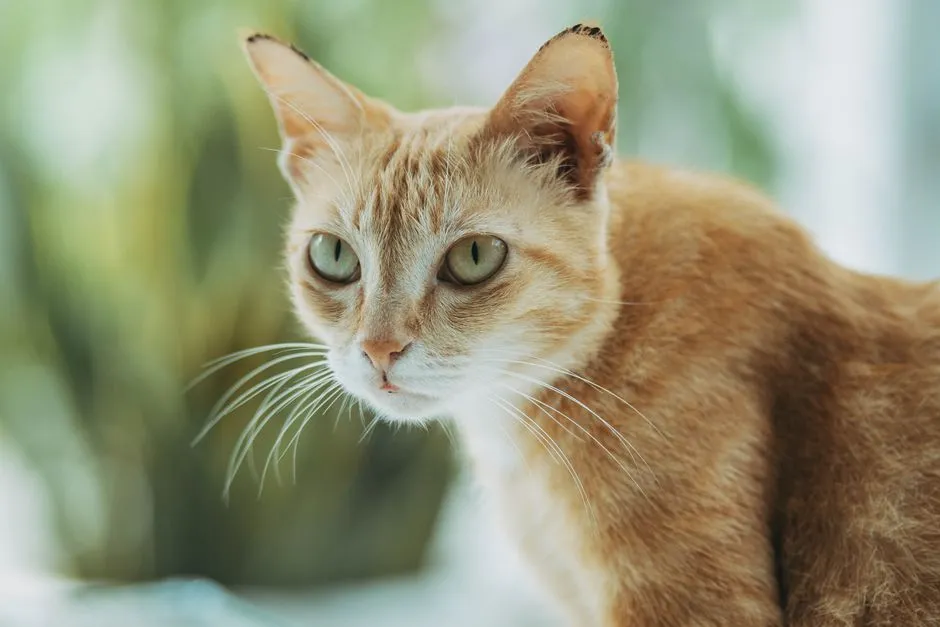
Cats are famous for being fastidious groomers. In a normal day, they can spend up to thirty percent of their waking hours tending to their fur. However, if a cat is grooming to the point of skin wounds, ulceration, or hair loss, they may be suffering from an underlying medical or psychological issue.
Overgrooming is the term used when a cat’s grooming behavior goes beyond normal coat maintenance. It may even seem obsessive, with actions like licking, chewing, plucking, and biting areas of hair or skin. It’s often difficult to get the cat to stop. The result can be damaged fur shafts, hair loss, and sometimes even skin sores.
The level of stimulation required to trigger the behavior decreases over time, so that the behavior occurs in response to any level of arousal. This is why catching it early matters so much. The longer it goes unaddressed, the lower the trigger threshold becomes.
Environmental Triggers Beyond Petting
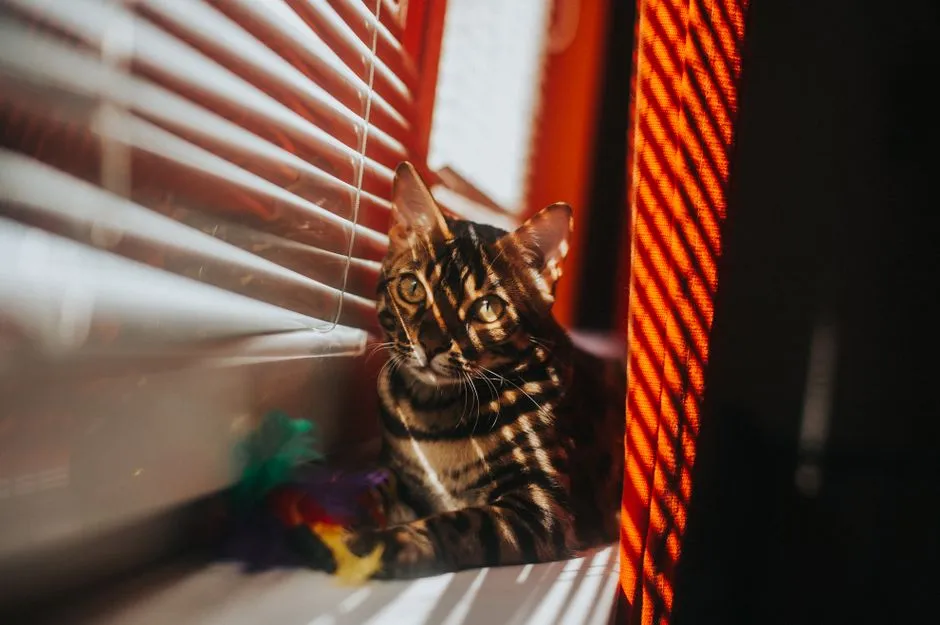
When cats become overstimulated, this is a psychological response to the cat being overwhelmed by some external factor, such as excessive petting or the presence of other animals. Overstimulation can even happen after a major change at home, such as a move, a new pet, or construction.
Psychogenic alopecia may be a displacement behavior triggered by a variety of environmental or social stressors. Most cases occur in cats that live indoors and with other cats, and Oriental breeds are predisposed.
In multi-cat households, the interactions between cats can be a source of stress, so it’s worth looking for aggressive behavior between the cats and noting how the overgrooming cat is reacting to the others. The grooming might have nothing to do with you at all – it could be the household dynamics playing out in a quiet, easy-to-miss way.
The Body Language That Comes Just Before the Grooming
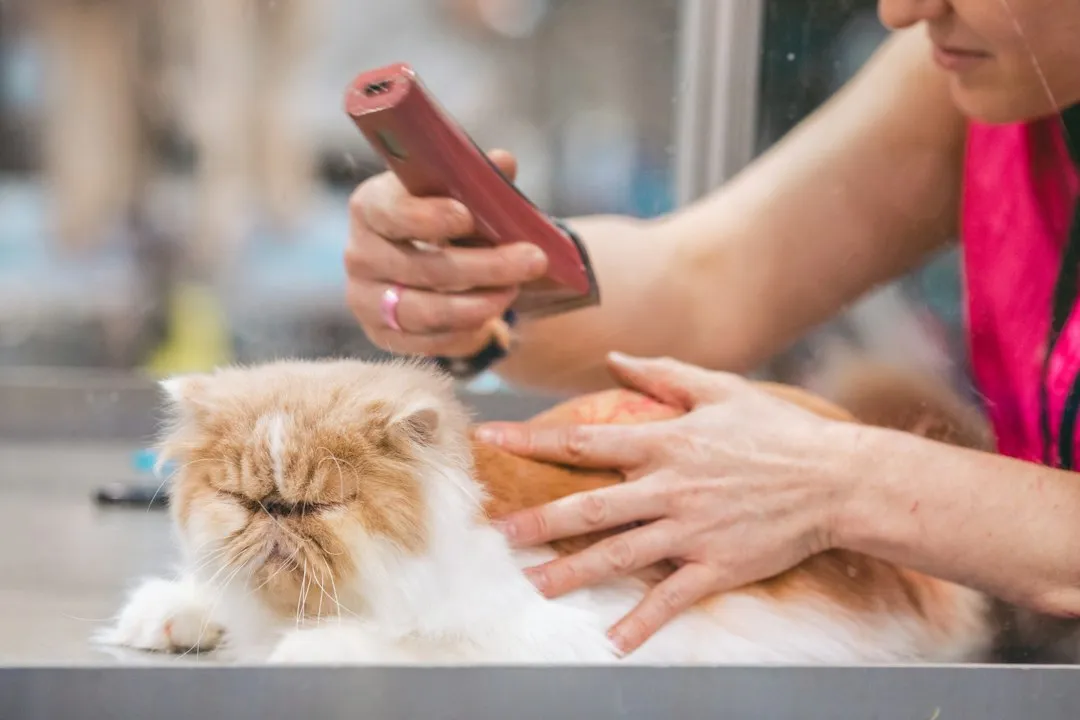
Signs of overstimulation in cats include a wagging tail, laid-back ears, flattened whiskers, and twitching skin. These signals tend to stack on top of each other, escalating quickly if not acknowledged.
Skin rippling or twitching, especially along the spine after being petted, tail swishing, flicking or quivering, dilated pupils, and increased vocalizations like meowing, growling, or huffing are all classic warning cues. Each one on its own might seem minor. Together, they’re a clear message.
Cats often learn that cues they use to signal that they are uncomfortable will not be noticed, and that swatting or biting is the only way to successfully make unwanted petting stop. Displacement grooming is usually what happens before they reach that point. It’s a warning, not an endpoint.
What to Do When You Spot It
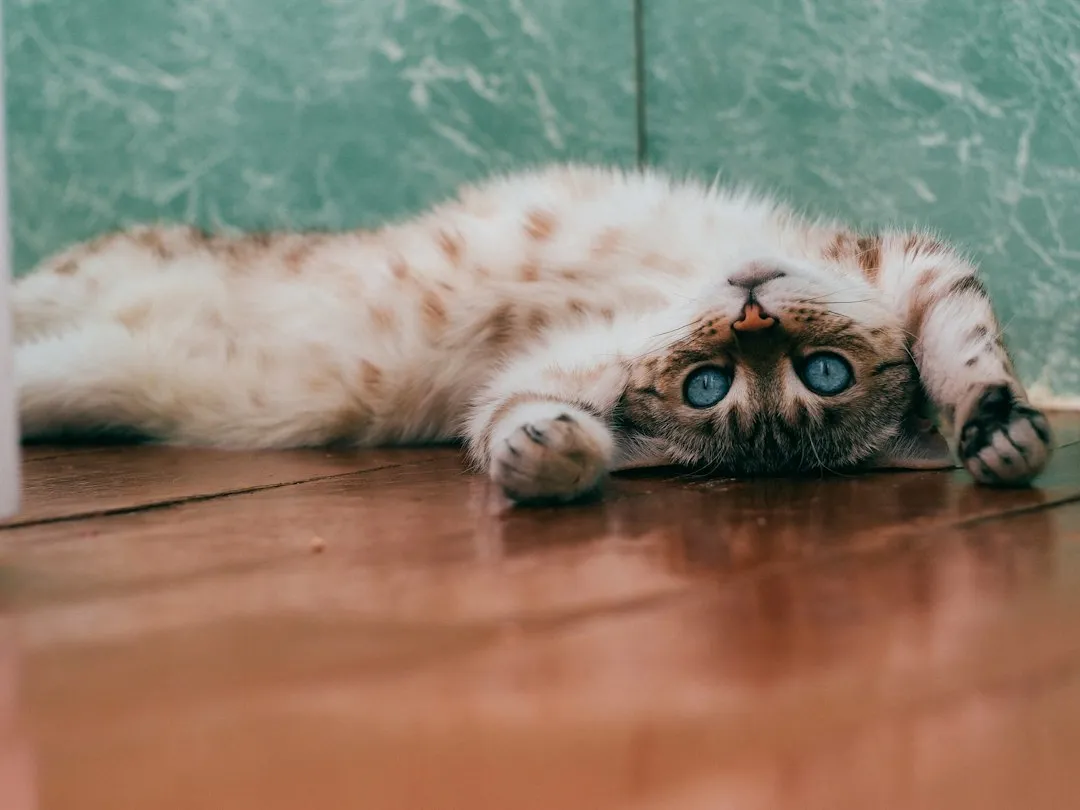
When your cat is overstimulated, the first step is to stop the interaction or remove the cause of the overstimulation. This may include ending a petting session, stopping play, turning off household appliances, or dimming the lights.
When touching a cat who becomes overstimulated, try to focus petting on the head and chin, not down the body toward the tail – and never the belly. Pets should be brief. Short, deliberate contact is far better received than long, wandering strokes.
Play therapy can help too. Too much stimulation is a frustrating experience for overstimulated cats, and burning that frustrated energy through play can be a significant part of keeping them under threshold. This can be done in longer sessions, or in short bursts during petting.
When to Get a Veterinarian Involved
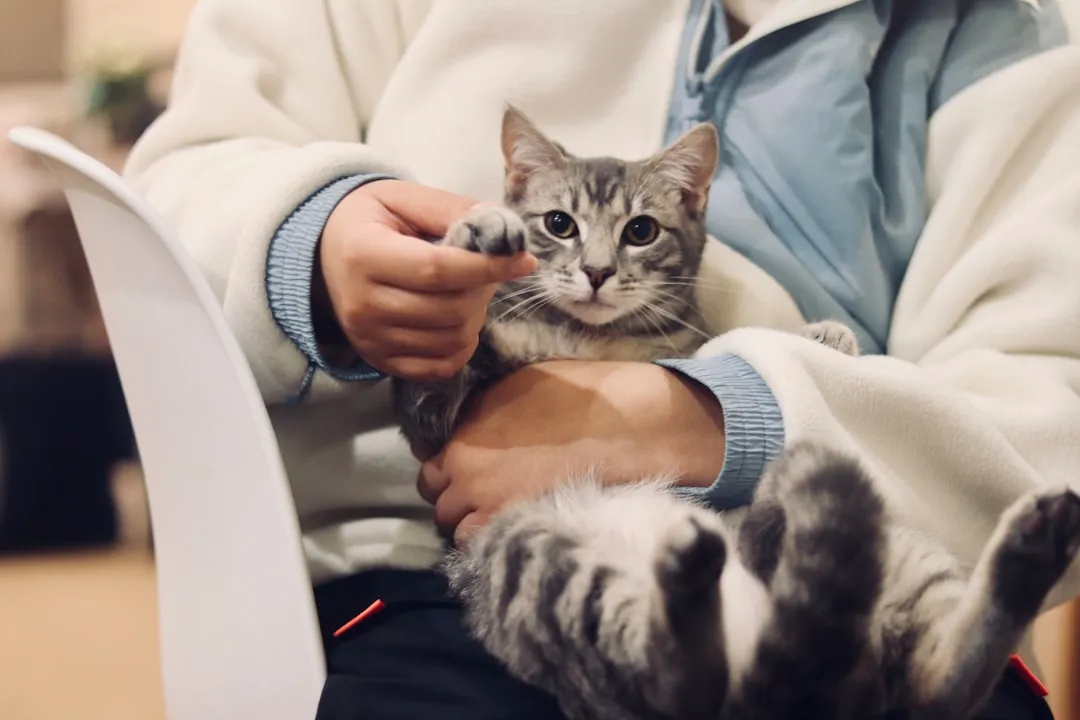
While the majority of cases of overgrooming in cats are initially caused by a skin or pain problem, there’s reason to believe that most cases also have a stress component. For a small number of cats, the problem can be entirely due to stress.
Excessive grooming behavior is frequently associated with underlying medical conditions such as dermatological or neurological problems or orthopedic-associated pain. Diagnosis of psychogenic alopecia is made only after excluding all other potential causes of hair loss. So if your cat’s grooming is persistent or has resulted in visible skin changes, a vet visit is the right first move.
If overgrooming recurs, it could indicate that your cat is feeling stressed again, requiring evaluation for any new or ongoing causes. If you cannot find a trigger and resolve the overgrooming on your own, consider working with a certified feline training and behavior consultant or veterinary behaviorist. They can help track down potential triggers and develop a plan to ease overall stress and anxiety.
Reading Your Cat More Honestly
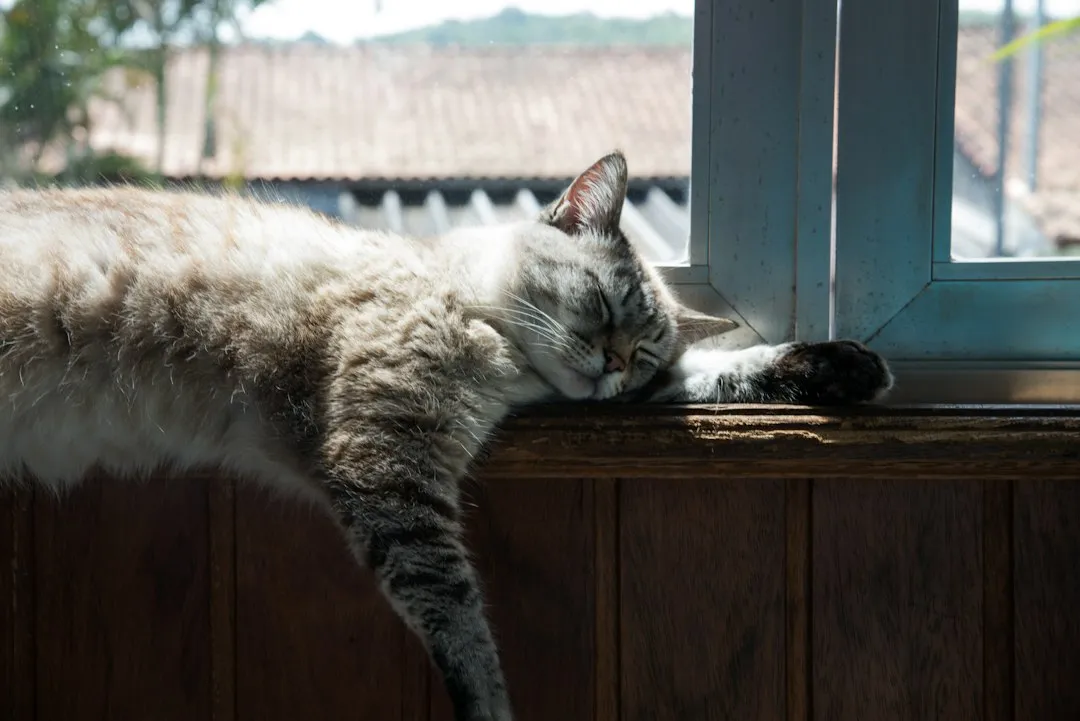
Most cats are communicating constantly. The challenge is that their signals are quiet, quick, and easy to anthropomorphize away. Displacement grooming after a petting session isn’t ingratitude or a personality flaw. It’s a biological pressure valve.
Overstimulation refers to the irritation or aggression that occurs when a cat passes their physical tolerance for handling. The majority of cats experience overstimulation to some degree. Knowing that makes the behavior feel a lot less personal.
Brief displacement grooming serves as social communication, while prolonged episodes often indicate unresolved environmental stressors. If you notice your cat grooming for several minutes after every interaction, it may be time to consult a professional. That threshold between a passing moment and a real concern is worth knowing.
A Quieter Kind of Attention
AI Disclaimer: This article was created with the assistance of AI tools and reviewed by a human editor.