


Most families would say they’re reasonably careful at the grocery store. They check the sales. They maybe use a coupon or two. They try not to go overboard. Yet month after month, the bill climbs – and a significant chunk of what gets spent either ends up in the trash or was never really needed in the first place.
The math is quietly staggering. A family of four wastes nearly $3,000 worth of food every year, according to a 2025 U.S. Environmental Protection Agency report – a figure that nearly doubles the previous federal estimate of $1,500, which had been cited for over a decade but was based on 2010 grocery prices. That’s not a rounding error. That’s a vacation, a car payment, or months of utility bills walking straight into the bin. The real question is: what habits are fueling it?
Skipping the Meal Plan Every Single Week
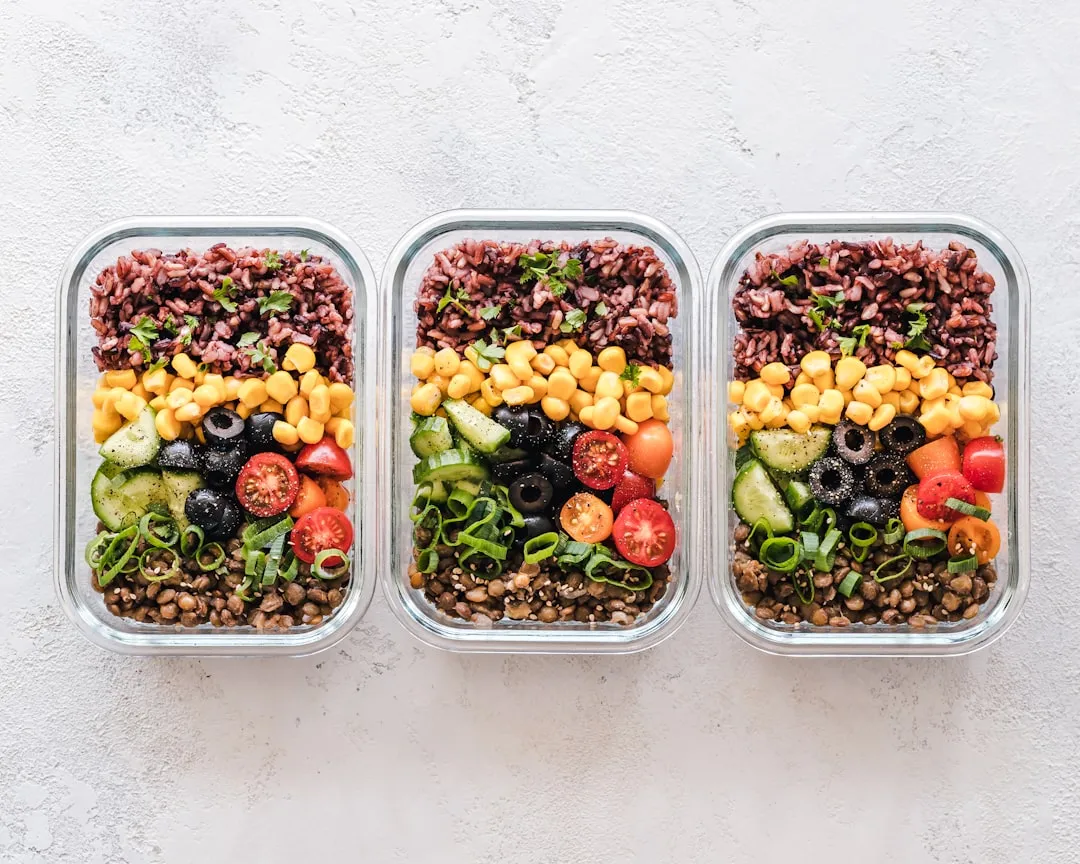
Shopping without even a rough idea of what you’ll cook is one of the most financially damaging things you can do at the supermarket. When there’s no meal plan in place, grocery shopping becomes random – and random grocery shopping leads to duplicated purchases, forgotten ingredients, and food that spoils before it gets used.
Data shows that meal planning saves the average family roughly $1,200 a year by reducing impulse buys and food waste. That’s not a trivial number. For most households, that figure represents far more than any single coupon-clipping session could ever recover.
The fix doesn’t need to be elaborate. Even a loose weekly plan – knowing you’ll make three dinners from scratch and keep a couple of backup options on hand – creates guardrails that prevent the kind of undirected spending that quietly drains a food budget over time.
Going to the Store Without a List
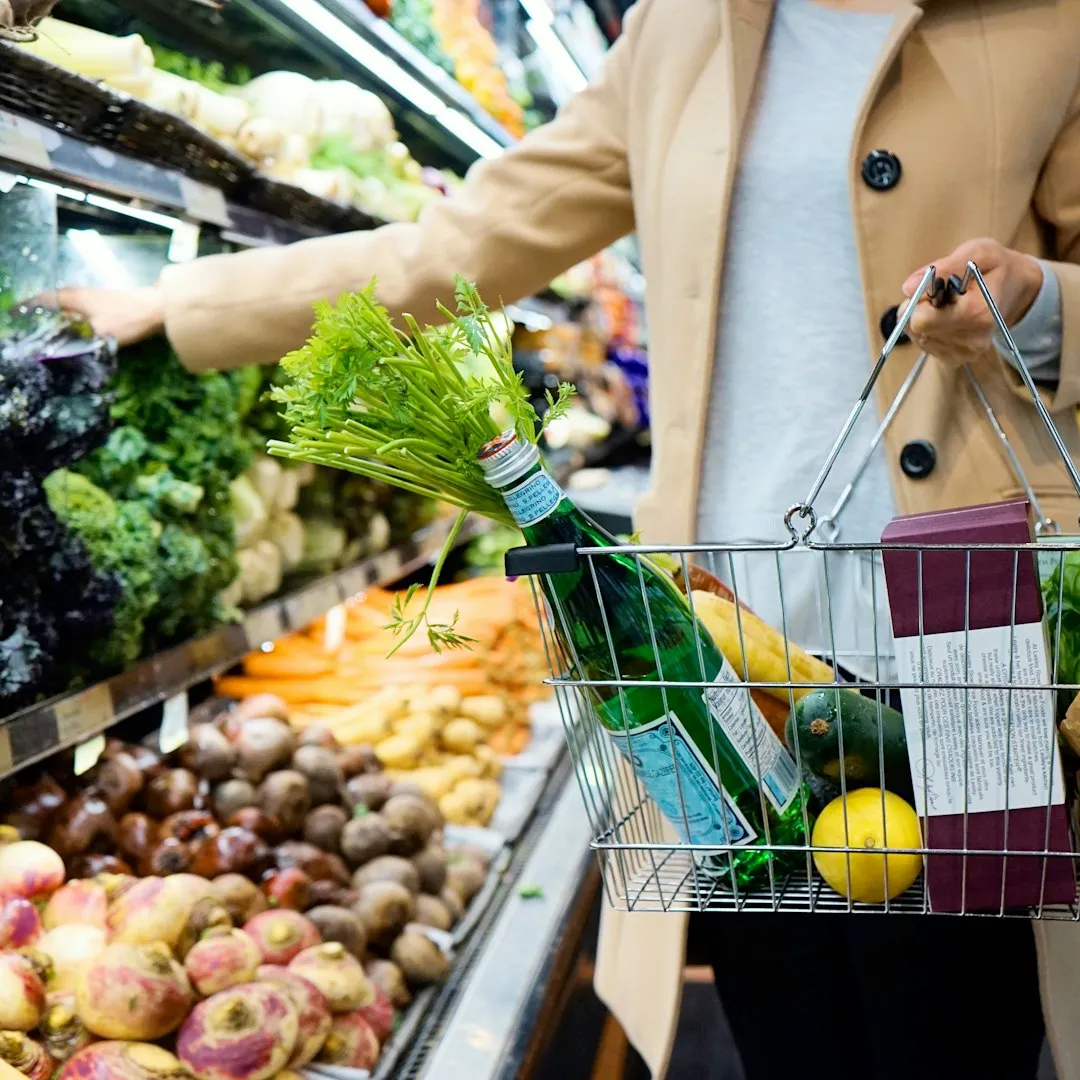
Walking into a grocery store without a list is essentially inviting the store to decide what goes in your cart. Stores are deliberately designed using customer psychology and buying-pattern research to get shoppers to spend more time and more money. The layout, the product placement, the lighting – none of it is accidental.
Roughly half of all consumers impulse buy while shopping for groceries, and impulse buying accounts for up to 62 percent of grocery sales revenue in some product categories. That’s the store winning, not the shopper. The simple act of writing down what you need before you go is one of the most underrated money-saving habits available.
Shopping While Hungry

Research shows that you buy more when you’re hungry – including non-food items. If you shop when famished, you’re more susceptible to impulse purchases, which typically mean processed or packaged foods that are more expensive and generally less healthy.
This is a well-documented behavioral pattern, not just common sense. The combination of hunger and a visually stimulating store environment is particularly powerful. A quick snack before you leave home costs almost nothing and can shave a meaningful amount off your total each visit. Over a year of weekly shops, those avoided impulse items add up fast.
Ignoring Store Brands Entirely
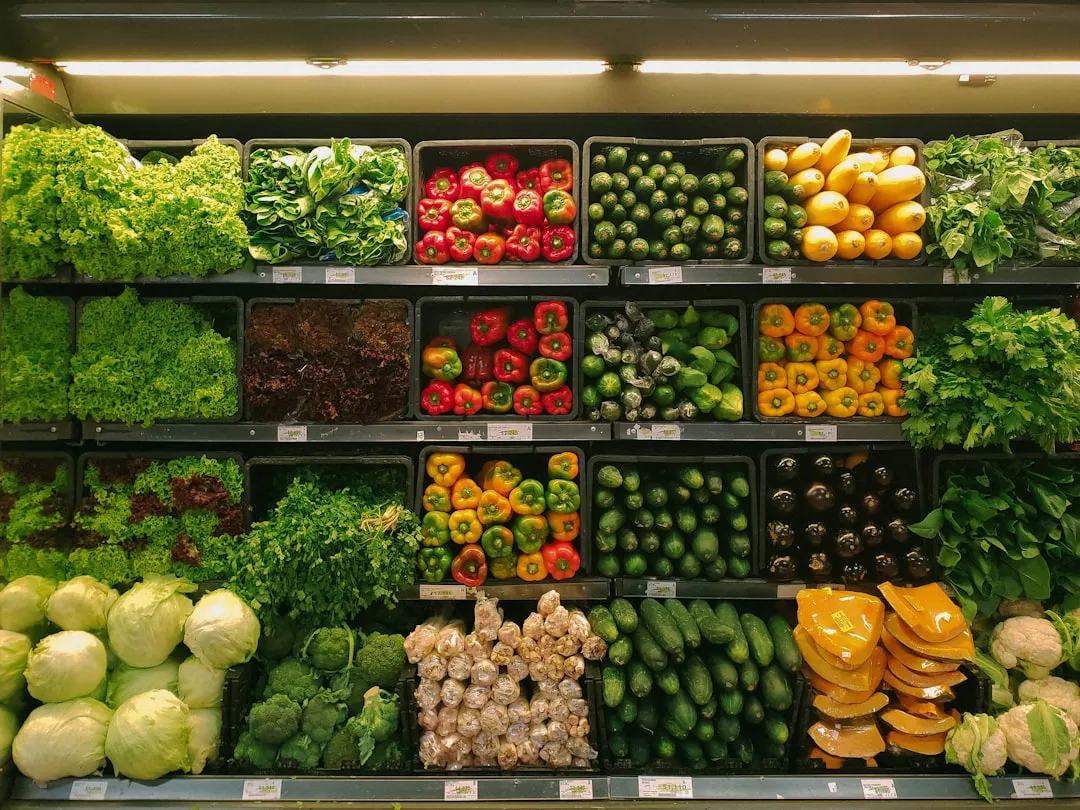
Loyalty to name-brand products is an expensive habit, and it’s one that many families hold onto without much reason. Buying store-brand items at America’s top supermarkets can save shoppers more than 40 percent compared to the average cost of name-brand equivalents. That gap is significant when you multiply it across an entire cart, week after week.
Using average cost per unit, the Private Label Manufacturers Association calculates that U.S. consumers saved about $35 billion in 2025 by choosing a store brand over a national brand in their regular grocery shopping. Meanwhile, nearly half of all grocery shoppers – about 46 percent – now buy private brands most or all of the time, according to a Food Marketing Institute report. The holdouts who still reach for the name brand on every item are leaving real money on the table.
Grocery corporate executives won’t reveal who makes their labeled products, but it’s well-known that brand-name food producers are behind most store labels – and most store brands contain the same ingredients and nutrient counts as national counterparts.
Overbuying Fresh Produce
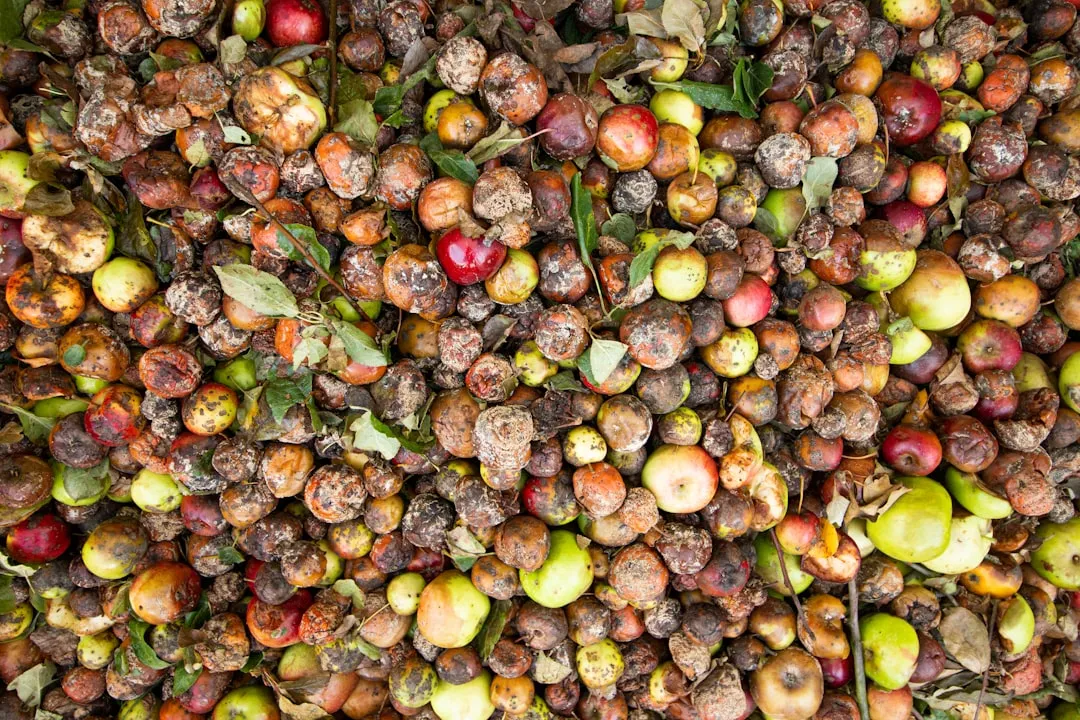
Fresh produce is the easiest thing to overbuy and the fastest thing to spoil. The EPA report breaks food waste down to $728 per person annually, or about $14 per week. For a household of four, that amounts to roughly $56 per week in groceries that go uneaten – over the course of a year, approximately 11 percent of the average family’s entire food budget, tossed in the trash.
Most people underestimate how much food they waste. Part of the issue is visibility: a half-eaten takeout container tossed after a few days feels like a waste, but a bag of spinach that liquefies in the back of the fridge barely registers. The losses accumulate quietly, meal by meal, until they add up to nearly $3,000.
Buying produce in smaller, more deliberate quantities – rather than grabbing a full bunch of every vegetable that looks appealing – is one of the quickest ways to bring that number down.
Not Checking What’s Already in the Pantry
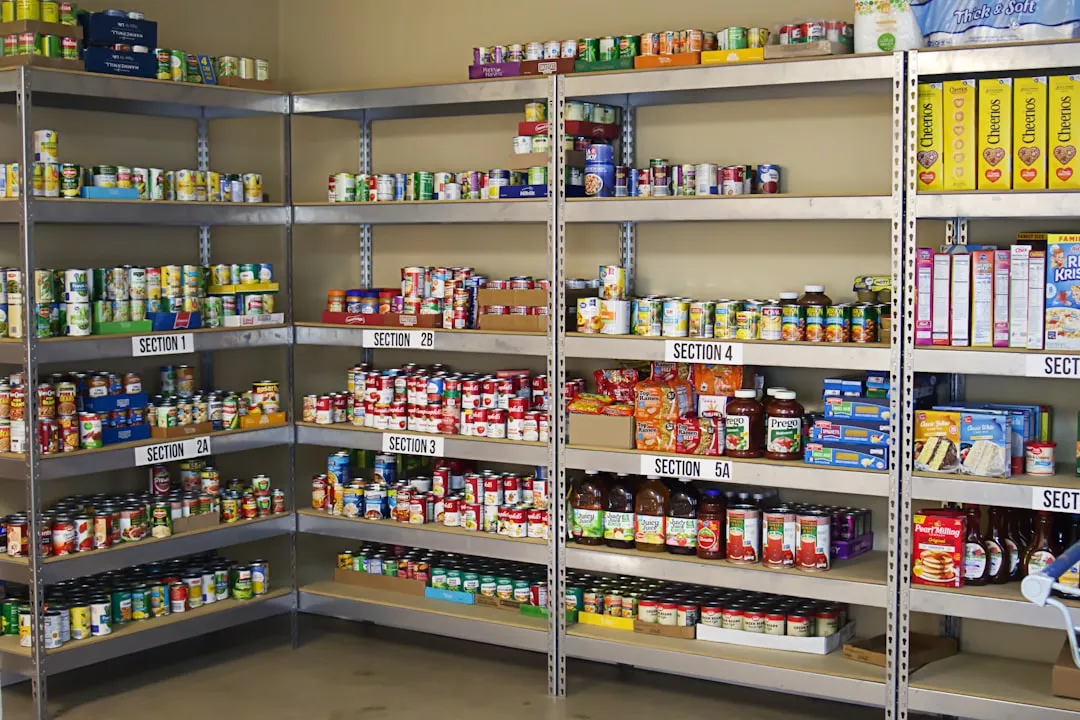
One of the most common and costly shopping habits is buying ingredients you already have at home. How many times have you purchased ingredients you didn’t realize were already in your pantry? Repurchased items, along with confusion around “best by” dates and food imperfections, contribute to household waste that costs nearly $2,000 annually.
A quick two-minute pantry scan before writing your shopping list prevents the duplicate pasta boxes, the third jar of peanut butter, and the redundant canned goods that quietly stack up. It also helps you cook from what you have rather than defaulting to new purchases every week. The pantry check is free, and the savings are real.
Paying Full Price for Pre-Cut and Packaged Convenience Foods

Pre-cut and packaged food might be convenient, but the extra processing costs mean higher prices. Taking a few extra minutes to cut up your own fruits and vegetables at home is time well spent – and money saved. The premium for pre-sliced bell peppers or individually portioned fruit cups can be as high as several times the cost of buying whole.
The convenience tax is real and consistent across virtually every category. Pre-marinated meats, washed salad kits, shredded cheese – all of these cost substantially more than their whole, unprocessed versions. For families buying several of these items each week, the cumulative cost is far from trivial.
Shopping at Only One Store for Everything
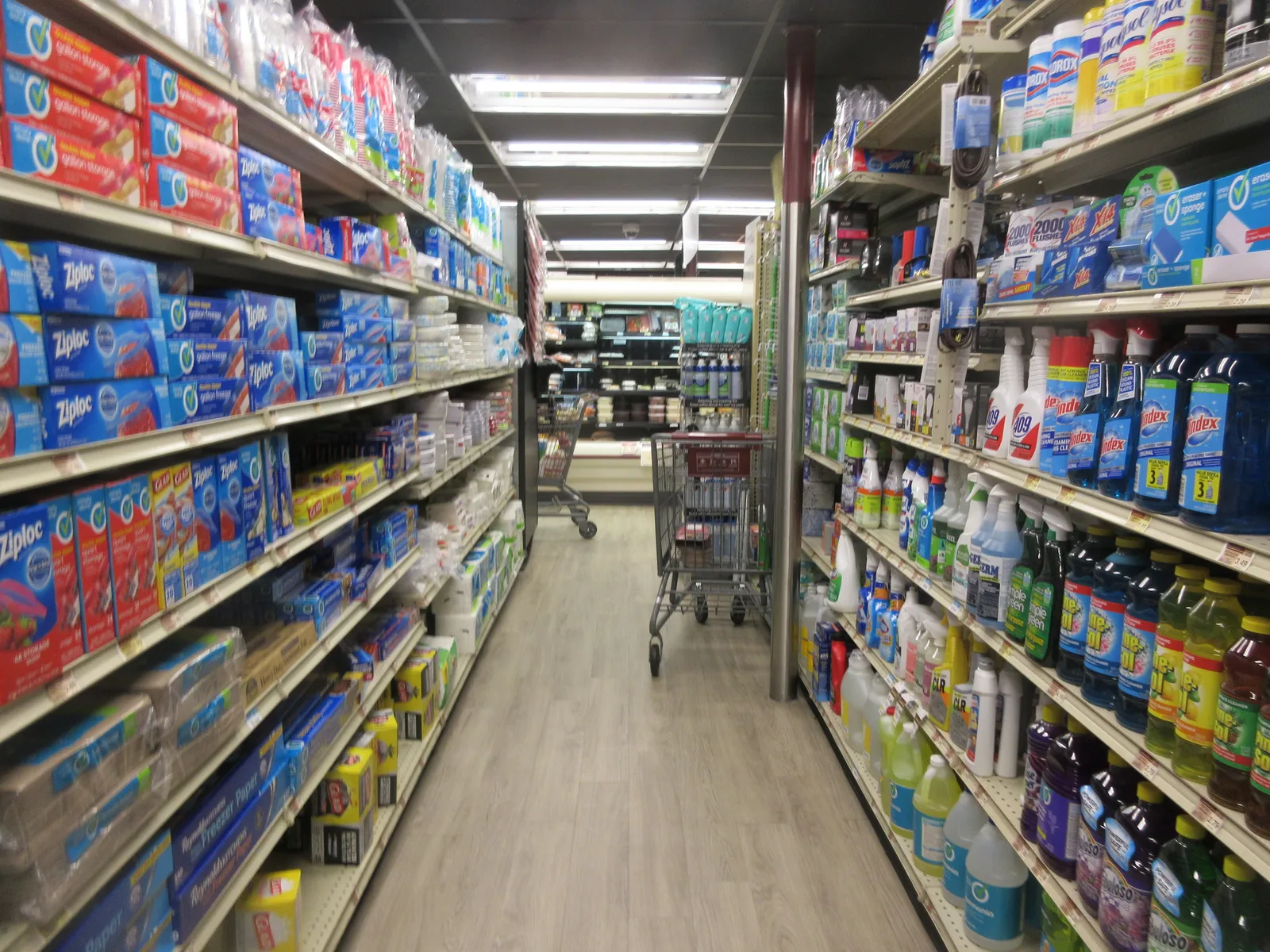
It can be a drain on your wallet to shop at only one grocery store. Consumer Reports found that similar products across multiple stores can differ by more than a third in some regions. Prices on staple items like meat, dairy, and produce can vary significantly between a warehouse club, a standard grocery chain, and a discount grocer.
Shopping private-label brands saves roughly 25 to 30 percent compared to national brands, while buying in bulk at warehouse clubs saves around 15 to 20 percent on pantry staples. Splitting your shopping across two stores – a discount grocer for dry goods and a warehouse club for bulk items – is a practical strategy that many budget-conscious families already use to measurable effect.
Misreading “Best By” Dates and Throwing Out Edible Food
Confusion over date labels is one of the most persistent and expensive food-waste drivers in American households. “Best by,” “sell by,” and “use by” are not the same thing – and most of them do not indicate that a product is unsafe to eat after that date. They are largely manufacturer guidelines about peak quality, not safety cutoffs.
The EPA report found that more than one-third of all food produced goes uneaten in the United States, and date-label confusion is consistently cited as a contributing factor. Eggs, canned goods, dry pasta, and many dairy products are frequently discarded well before they’ve actually spoiled. Learning the difference between these labels – and using your senses rather than just the printed date – can prevent unnecessary waste on a weekly basis.
Ignoring the Real Cost of Impulse Buying Over Time

The candy bar at the checkout, the snack that caught your eye mid-aisle, the drink you grabbed because it looked good – none of these feel like big decisions in the moment. Cumulatively, though, in 2024, American consumers made an average of nearly 10 impulse purchases per month, spending roughly $282 each month on items they never planned to buy. For a family doing a weekly grocery run, that figure compounds quickly.
Groceries account for the highest revenue share from impulse purchases, with some estimates placing impulse buying at up to 62 percent of total grocery sales. Stores are deliberately structured to make unplanned buying feel natural. The solution isn’t willpower alone – it’s structure: a list, a plan, and an awareness of exactly which store design elements are working against your budget.
Small steps make a measurable difference. Using coupons and cashback apps saves between $600 and $900 a year for active users. Combined with a weekly list and a commitment to store brands for high-volume items, the annual savings for an average family can reach well into the thousands.
The Bottom Line
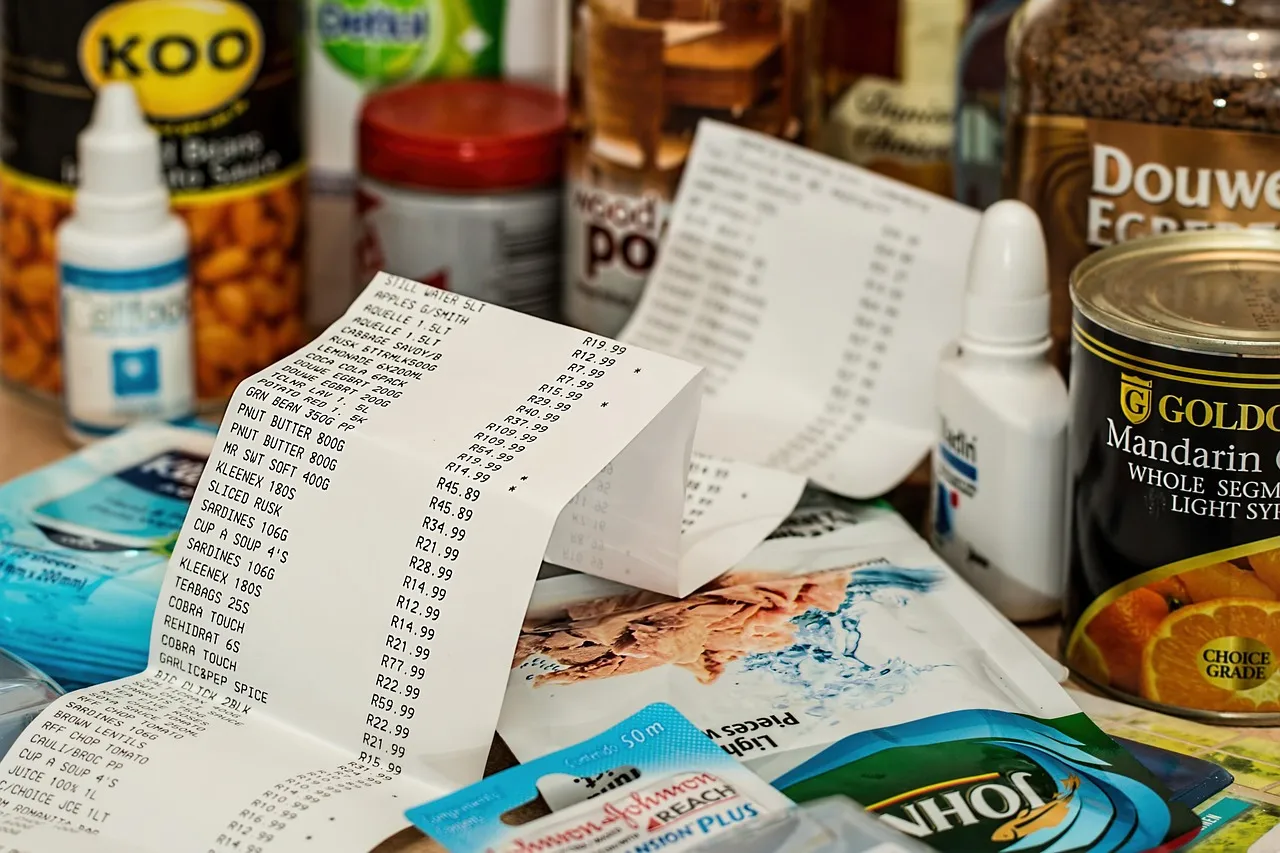
The average U.S. household spends more than $6,000 on groceries per year, according to U.S. Bureau of Labor Statistics data – a figure that marks a 34 percent increase from 2019. With budgets stretched that thin, the habits described above aren’t minor inefficiencies. They’re the difference between a food budget that works and one that quietly consumes money that families don’t have to spare.
At $3,000 per year, food waste alone is not a minor household inefficiency – it is a significant budget line item, larger than many families spend on streaming services, gym memberships, or clothing combined. Cutting that figure by even a third would save a family of four roughly $1,000 annually. None of the changes required to get there are dramatic. The most effective ones – a meal plan, a list, a pantry check – take minutes. What they return, over a full year of consistent shopping, is quietly substantial.
AI Disclaimer: This article was created with the assistance of AI tools and reviewed by a human editor.