
Most people scan their grocery receipt for two seconds, maybe three, and toss it in the bag. It feels like a formality. The total came up on the screen, you tapped your card, you’re done. Except that paper slip you’re ignoring is actually a small document of decisions made quietly on your behalf, by the store, in the store’s favor.
The gap between what grocery shopping costs and what it feels like it costs has been growing for years. The tools stores use to widen that gap aren’t dramatic or illegal in most cases. They’re just designed to stay invisible. Here are ten line items and practices on your receipt worth slowing down to understand.
The Mysterious “Service Fee” That Explains Nothing
Service fees are charges added by many retailers and delivery services during checkout. They’re often vague, labeled simply as “service fee” without much explanation. Sometimes these fees cover administrative costs or platform maintenance, but often they function as extra revenue for the company.
These hidden fees at checkout are rarely disclosed upfront and may only appear at the last step before payment. Always review your payment summary closely to avoid being caught off guard. The problem is that the vagueness is intentional. A fee named “service” could mean almost anything, which makes it very hard to dispute.
Shrinkflation: The Product That Got Smaller Without Telling You
Over three-quarters of surveyed consumers say they have noticed shrinkflation at the grocery store in the previous 30 days, according to the October 2024 Consumer Food Insights Report. With shrinkflation, food companies reduce the quantity or size of a food product while keeping the same price.
One industry analysis of 100 common grocery products found that roughly one third had shrunken in size between 2019 and 2024, according to LendingTree’s 2024 research. The receipt shows you the price, but it doesn’t show you that you’re getting less than you used to.
Per-unit price increases from shrinkflation ranged from twelve percent on paper towels to thirty-two percent on coffee between 2019 and 2024, per the GAO’s July 2025 analysis. That’s a meaningful real-cost increase that never shows up as a price hike on the shelf tag.
The Credit Card Surcharge Hidden in Plain Sight
Buried in the line items of receipts, shoppers are increasingly finding small fees that turn out to be credit card surcharges quietly tacked on by the business. A few cents here and there sounds trivial until you do the math across a full year of shopping.
If you’re spending a hundred dollars a week on groceries and dining out, a four percent surcharge adds up to over two hundred dollars a year. For a family spending more than that, the number climbs fast.
Over sixty percent of small and mid-sized businesses now use some form of surcharge or dual pricing, according to data from late 2025. This is no longer a fringe practice. What’s more, in most states this is completely legal, as long as a merchant posts a sign and prints the fee somewhere on the receipt.
Loyalty Pricing: A Discount or a Baseline in Disguise?
At its core, loyalty pricing is a form of price discrimination, charging different prices for the same product based on membership status. The “member price” feels like a gift. In reality, it’s often just the price the item should have been selling for anyway.
Studies have shown that loyalty card discounts often aren’t discounts at all. The regular prices are inflated specifically so the member prices seem like deals. The UK’s Competition and Markets Authority began reviewing this practice in January 2024 precisely because of these concerns.
Total revenue from the sale of loyalty-priced grocery products for November 2023 to January 2024 stood at over five billion pounds, equating to approximately twenty-two percent of total grocery revenues for the supermarkets offering loyalty price promotions. The number of loyalty prices has continued to grow at most supermarkets during 2024.
The Small Order Fee Nobody Warned You About

Ordering just a few items for delivery? You might face a small order fee. Grocery delivery platforms and some retailers add this charge when your cart doesn’t meet a minimum purchase threshold. This is one of the most common hidden fees at checkout for online grocery shoppers.
It creates a strange incentive: to avoid a fee, you buy more than you actually need. Stores benefit either way, whether you pay the fee or pad your cart to clear the minimum.
Delivery Apps Charging More Than the In-Store Price
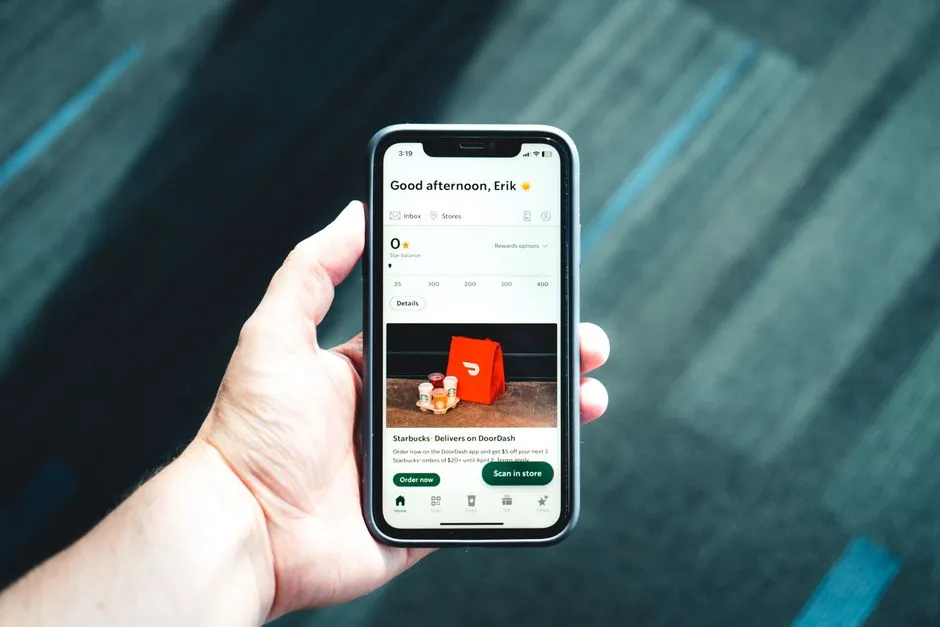
Regulators are looking closely at how delivery platforms disclose the true cost of convenience. Many shoppers do not realize that delivery prices can be significantly higher than in-store tags, alongside added service fees.
The FTC has taken direct action on this front. In December 2025, the FTC announced a sixty million dollar settlement with Instacart over allegations it falsely advertised free delivery on consumers’ first three orders and then charged service fees that were not disclosed until checkout.
Together, these cases reveal that hidden and misleading charges are not isolated incidents but a persistent industry problem, one that enforcement actions alone have so far failed to solve.
Dynamic Delivery Fees That Shift When You’re Not Watching
Hidden digital service fees often appear right before final payment processing. Applications might add a heavy item fee for buying bottled water. They also frequently charge dynamic delivery fees during busy weekend hours. These extra charges obscure the true cost of your groceries.
Sales and digital promotions ending suddenly can also inflate your receipt. You might build your grocery cart on a Tuesday during a sale. If your delivery arrives on Wednesday, the sale might legally be over, and the store charges you the full retail price upon physical delivery. Most shoppers don’t read the fine print that allows this.
The Packaging Fee for Items You Didn’t Ask to Be Packaged

Some grocers and specialty food retailers now charge for special packaging, such as insulated bags or boxes for frozen items. This fee is rarely obvious when you start shopping. Instead, it may be tacked on at checkout as a packaging fee.
There’s rarely a moment where you actively consent to this charge. It arrives on the receipt as a done deal, and because the amount is usually small, most shoppers let it go without question. That’s precisely why it works.
The True Inflation That CPI Misses
True food inflation was understated by 3.7 percentage points between 2012 and 2019 because CPI measures price per package, not price per ounce or serving, according to research from UMass Amherst published in 2026. That gap is meaningful. It means the official inflation figures can make grocery prices look more stable than they actually are.
A 14.6 percent average reduction in packaged food sizes over seven years translates to households buying meaningfully fewer servings per dollar spent without realizing it. The receipt shows what you paid. It doesn’t show what you used to get for that money.
Around three quarters of consumers agree there should be requirements in place that make product size reductions more transparent to the consumer, such as prominent labeling. So far, no such standard exists at the federal level in the United States.
Loyalty Card Data: The Cost You Pay That Doesn’t Appear on Any Receipt
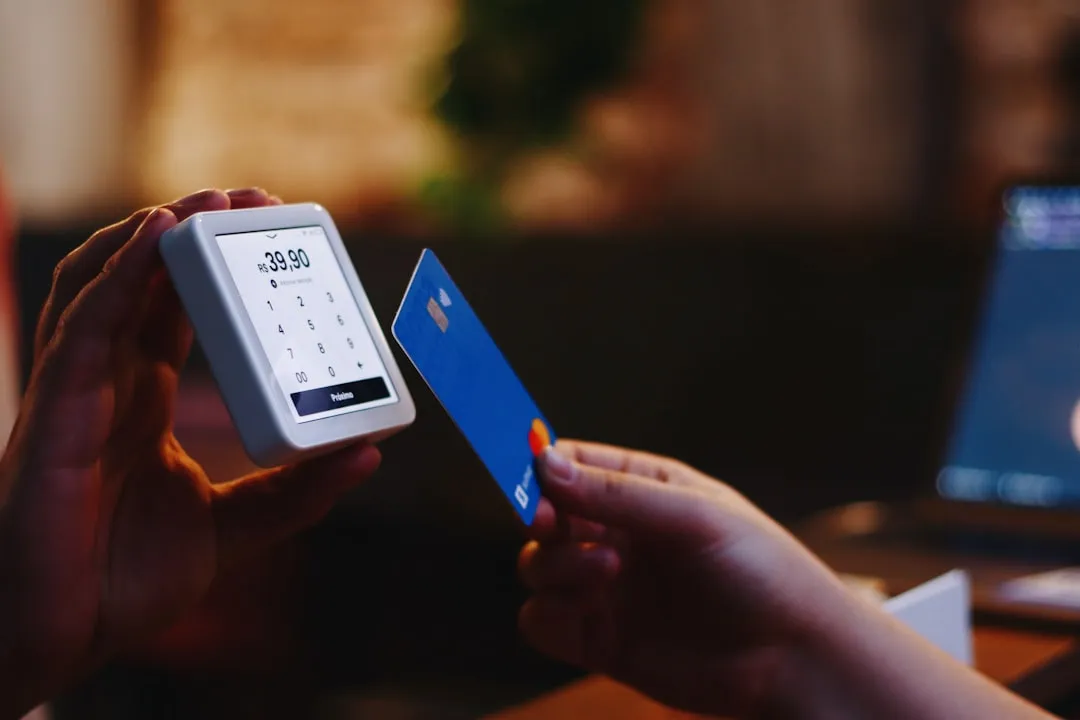
Grocery store loyalty programs aren’t just about earning points anymore. They’re sophisticated data collection systems, and every swipe of your loyalty card feeds an algorithm more information about your shopping patterns, preferences, and price tolerance.
These schemes encourage repeat business, provide supermarkets with valuable consumer data, and influence shopping habits. The shopper sees a discount. The store sees a profile it can monetize for years.
While some states have enacted laws requiring clearer fee disclosures, there is no uniform national standard. Until there is, the burden falls on the shopper to read carefully, compare unit prices, and treat the receipt as more than a piece of paper to throw away.
What to Actually Do About It
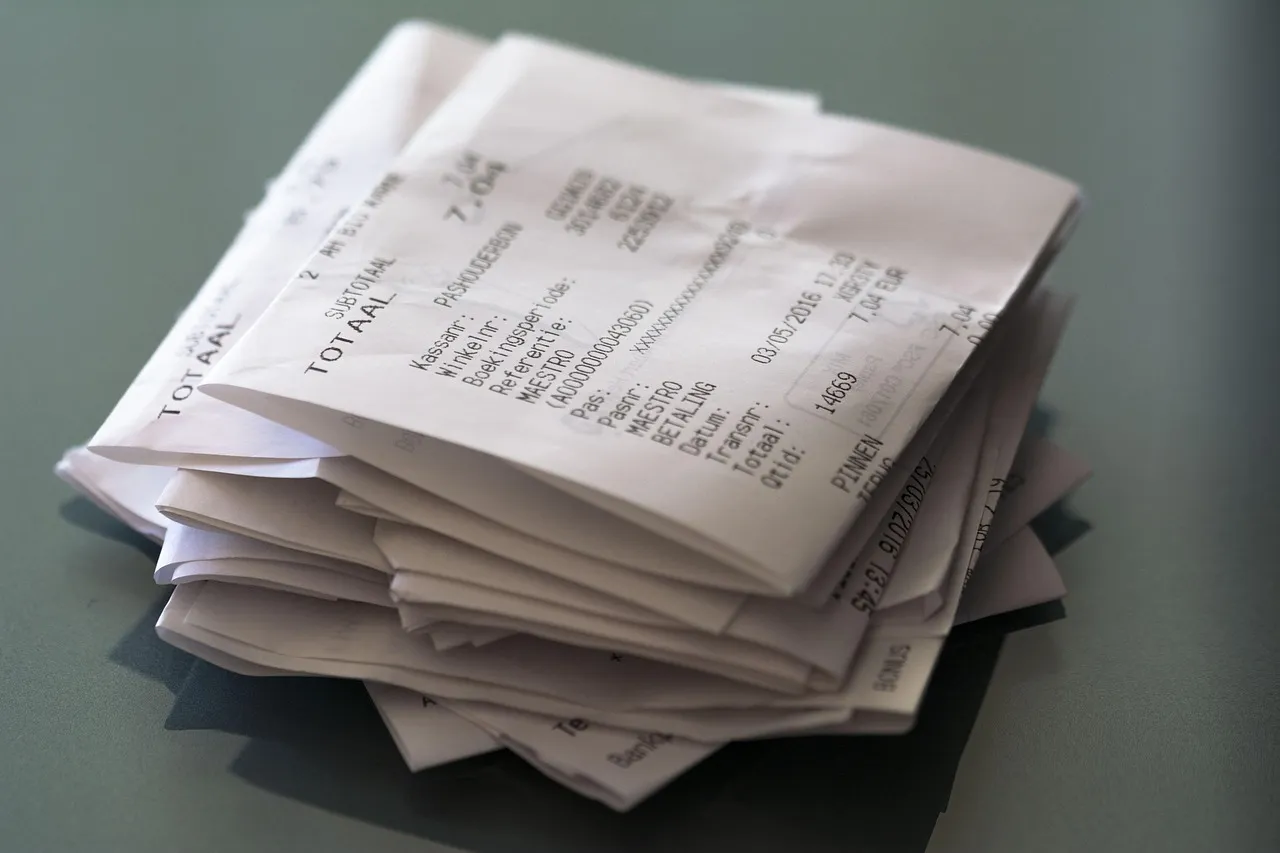
Most grocery stores already show per-unit prices on shelf labels, typically as price per ounce, price per count, or price per fluid ounce. This is the single most useful tool against shrinkflation, and it’s free. It takes an extra few seconds in the aisle and can save a meaningful amount over a month of shopping.
Snapping quick screenshots of your initial cart estimate before you hit the final checkout button gives you a clear record to verify that hidden service charges or markup fees were not quietly added to your final receipt. This is especially useful for delivery orders, where the initial price and the final charge can differ noticeably.
The receipt, in the end, is a record. It reflects choices that were made, fees that were set, and a pricing architecture built by companies with far more information about your habits than you have about theirs. Reading it carefully isn’t paranoia. It’s just paying attention to where your money actually goes.
AI Disclaimer: This article was created with the assistance of AI tools and reviewed by a human editor.