

The Scale of the Problem: How Much Couples Actually Spend

The numbers behind grocery spending are bigger than most couples realize. According to the Bureau of Labor Statistics Consumer Expenditure Survey from 2024, the average American household spends roughly $6,224 per year on groceries, which works out to about $519 a month. That’s before any restaurant meals, takeout, or coffee runs.
According to the USDA Economic Research Service, food prices rose roughly 2.3 percent in 2025 compared to the prior year, and this followed roughly 25 percent in cumulative food price increases between 2020 and 2024. For couples already watching their budgets, that backdrop makes every unplanned purchase feel more loaded than it would have a few years ago.
Today, the average American spends around $438 per month on groceries according to USDA food plan data, and for a family of four, that figure climbs to approximately $1,374 per month. When one partner routinely adds to that number without discussion, it becomes difficult to plan or feel financially secure as a team.
Impulse Buying: The Habit That Actually Drives the Arguments

Impulse buying at the grocery store is far more common than most people admit. Research from the Food Marketing Institute shows that roughly 60 to 70 percent of grocery purchases are unplanned. That’s not the occasional forgotten item grabbed off a shelf. That’s the majority of what ends up in the cart.
Progressive Grocer’s 2025 consumer study found that nearly a third of shoppers enter the store with no plan at all, and even among those who do bring a list, Capital One Shopping reports that impulse purchases account for up to 62 percent of grocery sales revenue. In a marriage where one partner plans carefully and the other shops freely, those numbers tell a story of constant misalignment.
Sticking to a list is one of the most reliable ways to avoid impulse purchases, which research suggests can account for as much as 40 to 60 percent of unplanned grocery spending. When one partner does this consistently and the other doesn’t, the resulting gap in receipts can feel deeply unfair.
The Money Connection: Why It Goes Deeper Than Food

Grocery disagreements rarely stay in the produce aisle for long. They tend to connect directly to the broader money tension that researchers consistently identify as a top stressor in marriages. A 2024 Ipsos poll conducted on behalf of BMO found that one in three, or 34 percent, of partnered Americans view money as a source of conflict in their relationship.
According to Fidelity Investments’ 2024 “Couples and Money Study,” one in four couples claim money is their greatest relationship challenge. Grocery spending, because it happens weekly and is highly visible, becomes one of the most frequent expressions of that broader tension. It’s concrete. There’s a receipt. It’s hard to argue away.
Research published in the Journal of Social and Personal Relationships found that women who argue often about money in a marriage are nearly three times more likely to divorce. That’s not about the groceries themselves. It’s about what repeated financial friction does to the relationship over time.
The Gender Gap in Who Shops and How

One layer that complicates grocery arguments in long marriages is that men and women often approach the task differently. When it comes to grocery shopping and cooking, women tend to say they’re the ones usually doing the work, and in U.S. households with married or cohabiting parents and children under 18, roughly 80 percent of mothers say they are the primary grocery shopper, according to a Pew Research Center analysis.
A National Bureau of Economic Research paper found that when men start working from home and do more grocery shopping, households spend about 5 percent more on similar items. A 2023 YouGov survey also found that women tend to be more price-conscious than men about groceries. That spending difference, multiplied across a year, adds up to real money and real resentment.
Some partners interpret repeated purchasing mistakes as a lack of effort or even a way of avoiding the task altogether, which can lead to arguments, silence, and growing resentment. It’s not always intentional. Sometimes it genuinely is a matter of inexperience or different standards. The problem is that intent doesn’t erase the pattern.
Food as Identity: When the Shopping Cart Gets Personal
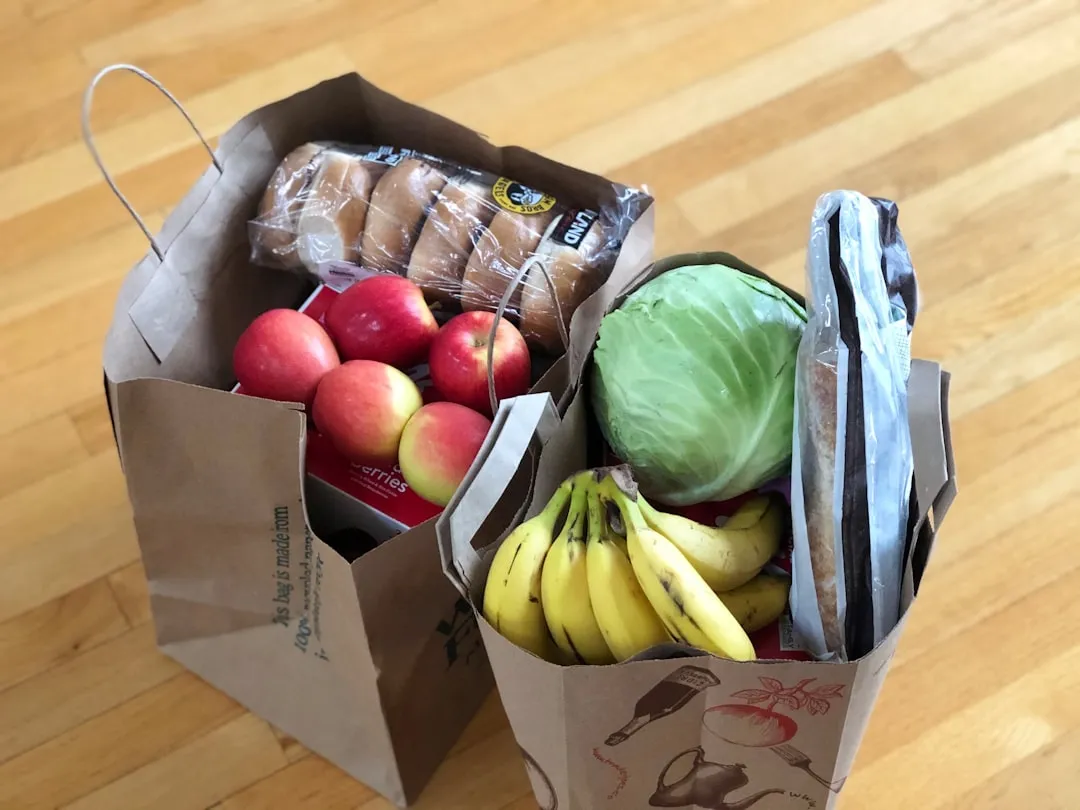
Grocery disagreements aren’t purely financial. They’re often about values, health philosophies, and deeply personal habits formed long before the marriage. Research confirms that individuals entering marriage merge their personal food systems to create a joint spousal food system, and qualitative interviews with couples entering marriage found varying degrees of compatibility in food preferences and tolerances from the start.
Studies show that unresolved food choice negotiations specifically led to food conflicts among couples. In longer marriages, these unresolved food negotiations often calcify into rituals. One partner buys the organic brand; the other grabs the cheaper version. One stocks up on snacks the other disapproves of. Neither person feels heard.
Many couples view their diet as intrinsic to their identities, meaning they’re prone to digging in their heels rather than viewing dinner and food purchases as just another compromise. That identity connection is what makes grocery arguments feel so outsized compared to the actual items involved.
The Division of Labor Problem

In many long marriages, grocery shopping falls mostly to one person, and that imbalance quietly breeds frustration. Research indicates that women are still the main party responsible for grocery shopping, even in online contexts, and that ordering tasks are especially seen as a woman’s responsibility while collecting tasks are more equally divided.
Studies of couples’ grocery behaviors show that while most couples are technically involved in the process together, many do it what researchers call “together alone,” with subtasks assigned exclusively to one partner and roles becoming increasingly fixed over time. One person ends up holding all the mental load of knowing what’s needed, what it costs, and what to avoid buying.
When the partner who doesn’t hold that mental load makes unilateral off-list purchases, it doesn’t just add to the bill. It signals a lack of awareness about everything the other person has been tracking quietly. That’s where the real argument usually begins, not at the store but at home when the bags are unpacked.
Food Waste: The Hidden Budget Drain That No One Talks About

Impulse buying doesn’t just overshoot the budget. It often contributes to food waste, which is its own financial argument waiting to happen. According to EPA data from 2025, the average American wastes roughly $728 per person per year on food that is bought and never eaten. For a couple, that’s a significant sum going straight into the trash.
The EPA’s 2025 findings also show that a family of four throws away approximately $2,913 worth of food per year, which comes to around $243 a month that essentially goes into the garbage. When off-list purchases routinely end up spoiling in the back of the fridge, the partner who planned the meals and stuck to the budget notices. Every time.
Food waste becomes a particularly pointed argument in long marriages because it’s visible and recurring. It’s the fancy cheese that got moldy, the specialty sauce that was used once and forgotten, the bulk buy that turned out to be a bad idea. Each wasted item is a small reminder of the pattern that the couple never fully resolved.
How Couples Argue About It: Patterns That Make It Worse

The way couples fight about groceries tends to follow predictable patterns. A YouGov survey conducted in early 2026 found that 21 percent of Americans in relationships say they have arguments or disagreements with their partner at least once a week. For many, grocery-related friction is a consistent part of that weekly cycle.
Americans in relationships are most likely to raise their voice in arguments roughly a quarter of the time, with about half saying they do it occasionally, and one in five saying they resort to giving the silent treatment most or all of the time. Grocery arguments are rarely the kind that get loud and resolve quickly. They’re more likely to produce the quiet, simmering kind of tension that lingers through the rest of the week.
Some partners interpret repeated off-list purchases as a lack of effort or a way of avoiding shared responsibility, which can lead to arguments or growing resentment. Over time, the argument isn’t even about the groceries anymore. It’s about whether both people are actually on the same team.
What Happens When Roles Get Rigidly Fixed
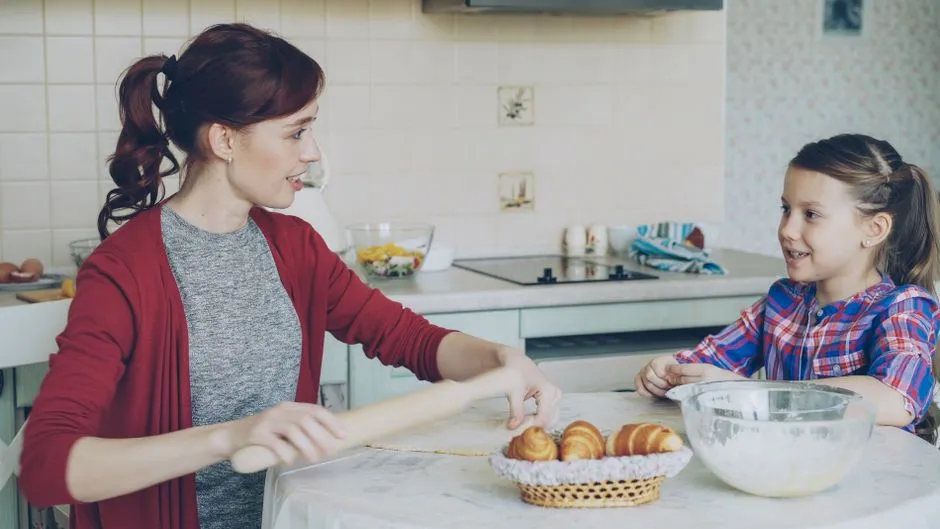
Long marriages often develop very set grocery routines, and those rigid routines can be just as problematic as complete disorder. Research points to the relevance of time availability, relative resources, and traditional gender roles in how couples divide grocery tasks, but also notes that purely pragmatic reasons often drive the allocation. What starts as convenience can harden into an unfair arrangement that neither partner remembers choosing.
When one partner always shops and the other never does, the shopper gradually loses the freedom to make independent choices, while the non-shopper loses awareness of what things cost and how much effort planning requires. Ipsos data from 2024 found that in the majority of couples, one person handles grocery bills, with over half of partnered Americans saying a single partner manages that spending. That concentration of responsibility can feel isolating.
Rigidly fixed roles also mean that when something goes wrong, one person tends to absorb the blame entirely. If the budget runs over, if the wrong items come home, or if the fridge is inexplicably full of things no one will eat, the person who “owns” grocery shopping owns the failure too. That’s a quiet form of unfairness that builds across years.
What Actually Helps: Practical Shifts With Evidence Behind Them

The research on this topic does offer some practical direction. Studies suggest that grocery habits generally improve with repetition, and the more a person shops, the more familiar they become with prices, deals, and what to look for. Encouraging shared shopping, rather than fixed solo roles, tends to produce better results over time.
Data shows that couples with one primary shopper tend to make roughly 1.6 shopping trips per week, while couples who share the responsibility tend to make about 1.5 trips, suggesting that shared responsibility can lead to slightly more efficient shopping overall. Small efficiency gains add up over months and years.
Research suggests that couples who have similar dietary habits fare more successfully, on average, than those who don’t. That doesn’t mean every preference has to align perfectly. It means building enough shared structure, like a joint list, a realistic budget, and a conversation about priorities, to prevent the store from becoming a source of ongoing conflict. The solution isn’t complicated. It just requires both people to stay in the same conversation.
The Long View: Why This Matters More in Long Marriages

Short-term couples might absorb grocery friction without too much damage. In a marriage of ten, fifteen, or twenty years, the same unresolved habit carries a different weight. Research on couples and food choices notes that eating is a central part of marital relationships, and it has the capacity to create both conflict and pleasure while influencing the health of both partners. The grocery store is where those stakes become practical and weekly.
Grocery disagreements feed into broader disagreements about money, which remains one of the leading causes of stress between couples. In long marriages, the financial dimension is often more complex because there’s more shared history, more established expectation, and less tolerance for habits that feel like they should have changed by now.
What makes this particular habit so stubborn is that it rarely feels like a big deal in the moment. One extra item, one skipped list, one splurge on a cheese that wasn’t planned. It’s only across the full arc of a long marriage that the pattern becomes visible, and by then it’s carrying years of meaning that far exceeds its actual cost.
A Quiet Resolution
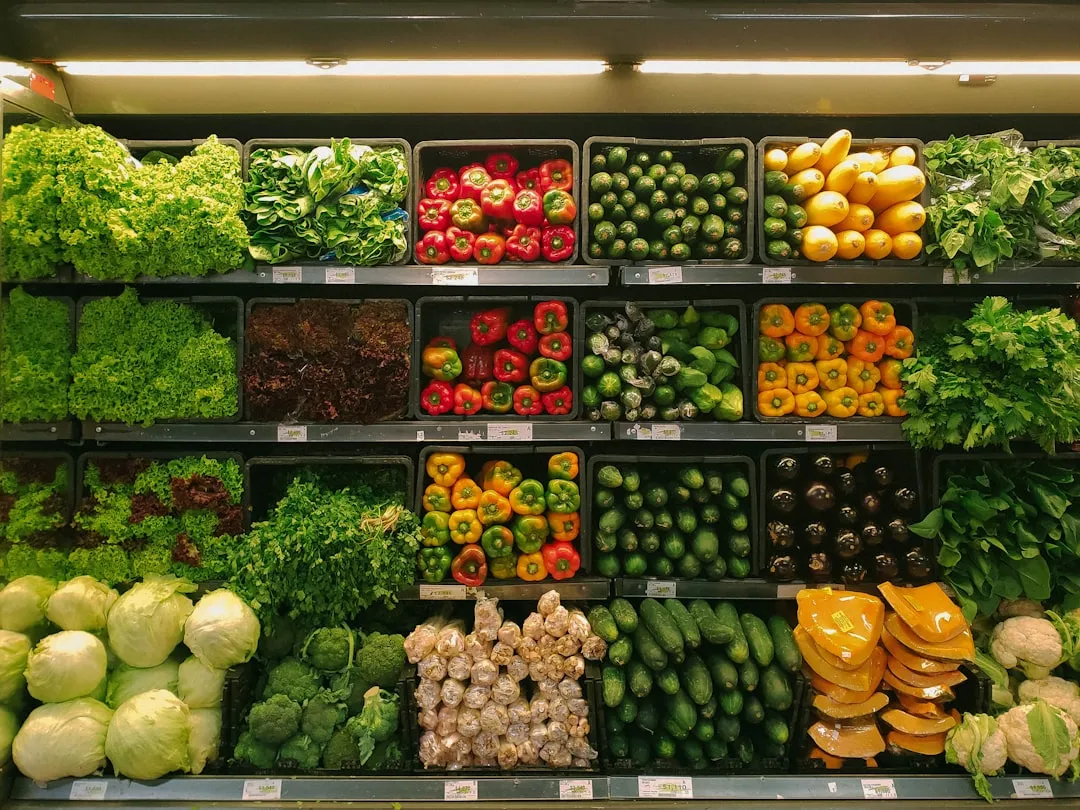
Most couples who fight about groceries aren’t fighting about food. They’re negotiating fairness, financial alignment, and the question of whether both people are genuinely paying attention to the life they’re building together. The grocery cart just happens to be where that negotiation shows up most clearly, most often.
The fix doesn’t require a dramatic overhaul. A shared list, a realistic budget grounded in current prices, and a willingness to shop together occasionally can shift the dynamic considerably. Behavioral research agrees that conflicts rooted in everyday habits like diet and shopping are “solvable” rather than permanent fixtures in a relationship. The key word, as always, is willingness.
Long marriages survive this kind of friction all the time. The ones that handle it best tend to treat grocery shopping not as one person’s problem to manage alone, but as a small shared project that reflects how the household actually works. That reframe, more than any budgeting app or shopping list, is what tends to quiet the arguments for good.
AI Disclaimer: This article was created with the assistance of AI tools and reviewed by a human editor.