

Deli Meats: The Highest-Risk Counter in the Store
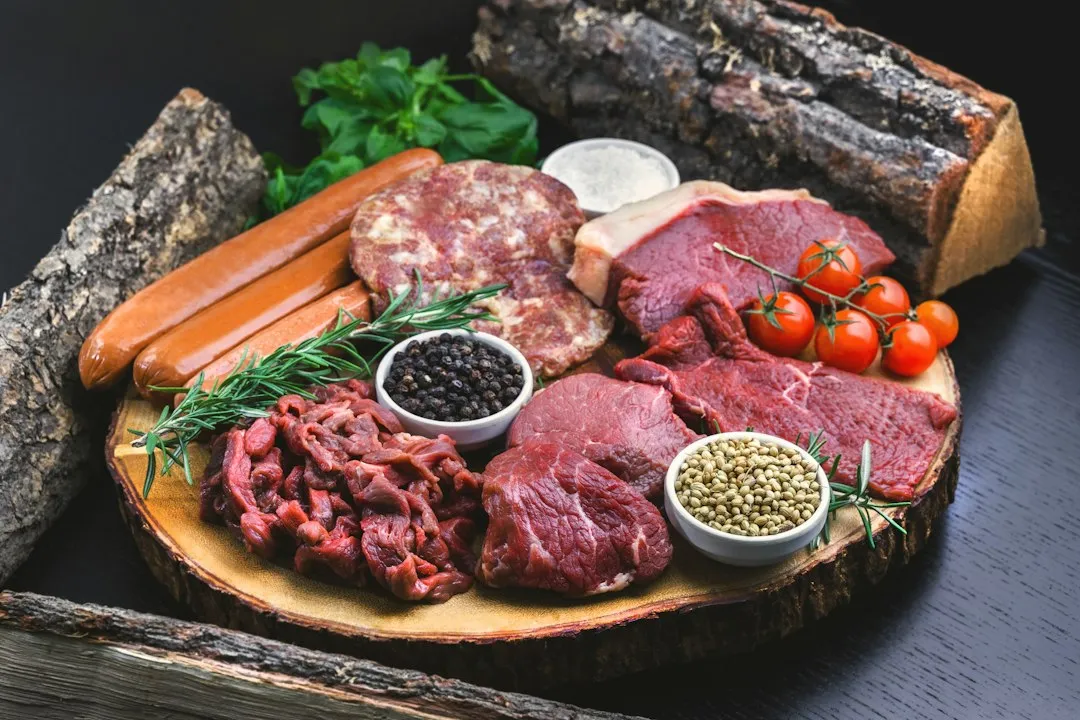
If one food category has defined the recall landscape in recent years, it’s deli meat. Deli meat and cheese were subject to 122 recalls and outbreaks between 2017 and 2022, with more than 16.9 million pounds recalled during that period, largely due to Listeria and Salmonella.
The largest Listeria outbreak of 2024 was linked to liverwurst at a Boar’s Head plant, resulting in the company recalling 7 million pounds of cold cuts. That outbreak killed 10 people and eventually prompted the indefinite closure of an entire plant in Jarratt, Virginia.
Listeria monocytogenes is a hardy bacterium that survives in very low temperatures and thrives in cool, damp places, making mass-production environments for deli meats particularly vulnerable to contamination. Heating deli meat until it’s thoroughly hot before eating is one of the most consistently recommended safety steps from food safety professionals.
Leafy Greens: The Field-to-Fork Risk
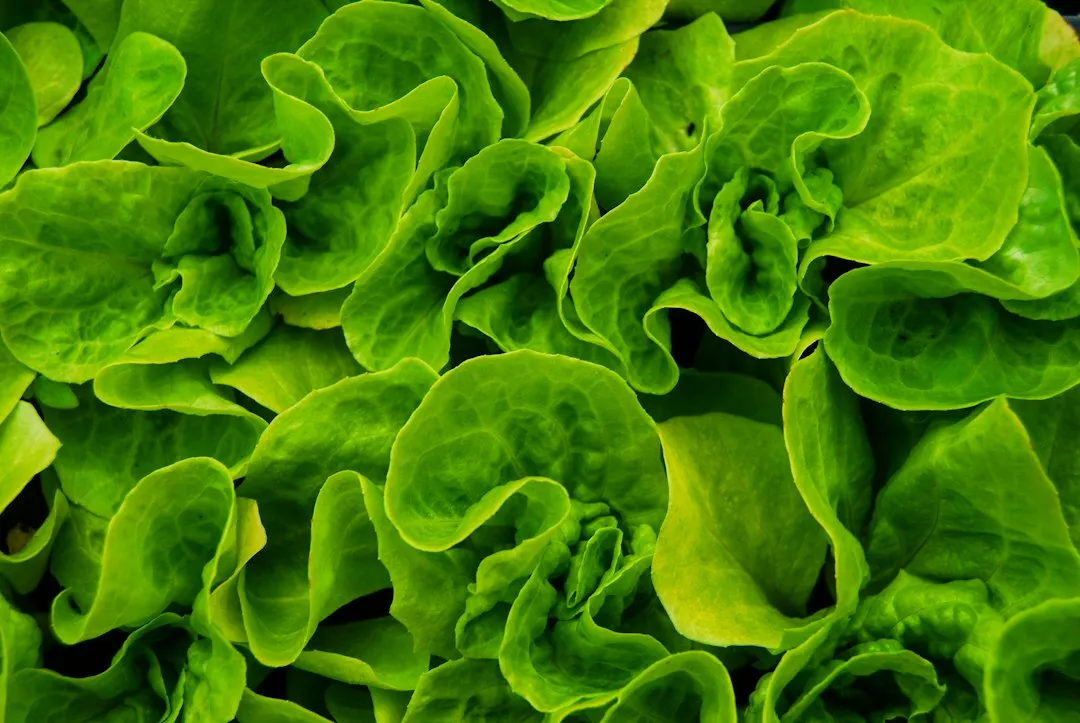
Leafy greens are one of the most frequently recalled foods in the country. Romaine, spinach, spring mix, and bagged lettuce have all been tied to outbreaks involving E. coli and, less often, Listeria.
Irrigation water, runoff from nearby livestock operations, wild animals, and contaminated soil can introduce bacteria before the greens are even harvested. Because many greens are eaten raw, there is no cooking step to eliminate what may be present.
Experts suggest that pre-washed bagged salads carry higher risks, since a single contaminated leaf can spread pathogens to an entire batch during the industrial rinsing process. That’s something worth keeping in mind the next time a bagged salad feels like the convenient, healthy option.
Cucumbers and Fresh Produce: A Persistent Problem

Salmonella was found in cucumbers in 2024, leading to 664 reported illnesses and 173 reported hospitalizations. That made cucumbers one of the year’s most serious produce-related recalls, and one of the clearest examples of how a routine vegetable can turn dangerous fast.
Leafy greens, cucumbers, and stone fruits are frequently linked to Salmonella and E. coli outbreaks. These items are particularly risky because they are often eaten raw, meaning there is no heat-based kill step to neutralize bacteria before it reaches the plate.
Contamination often occurs long before the food reaches the store. Irrigation water contaminated by nearby livestock or improper handling during the harvest can spoil entire fields. Rinsing produce under tap water at home helps somewhat, but it isn’t a guaranteed fix for deep bacterial contamination.
Dairy Products: The Leading Recall Category of 2024
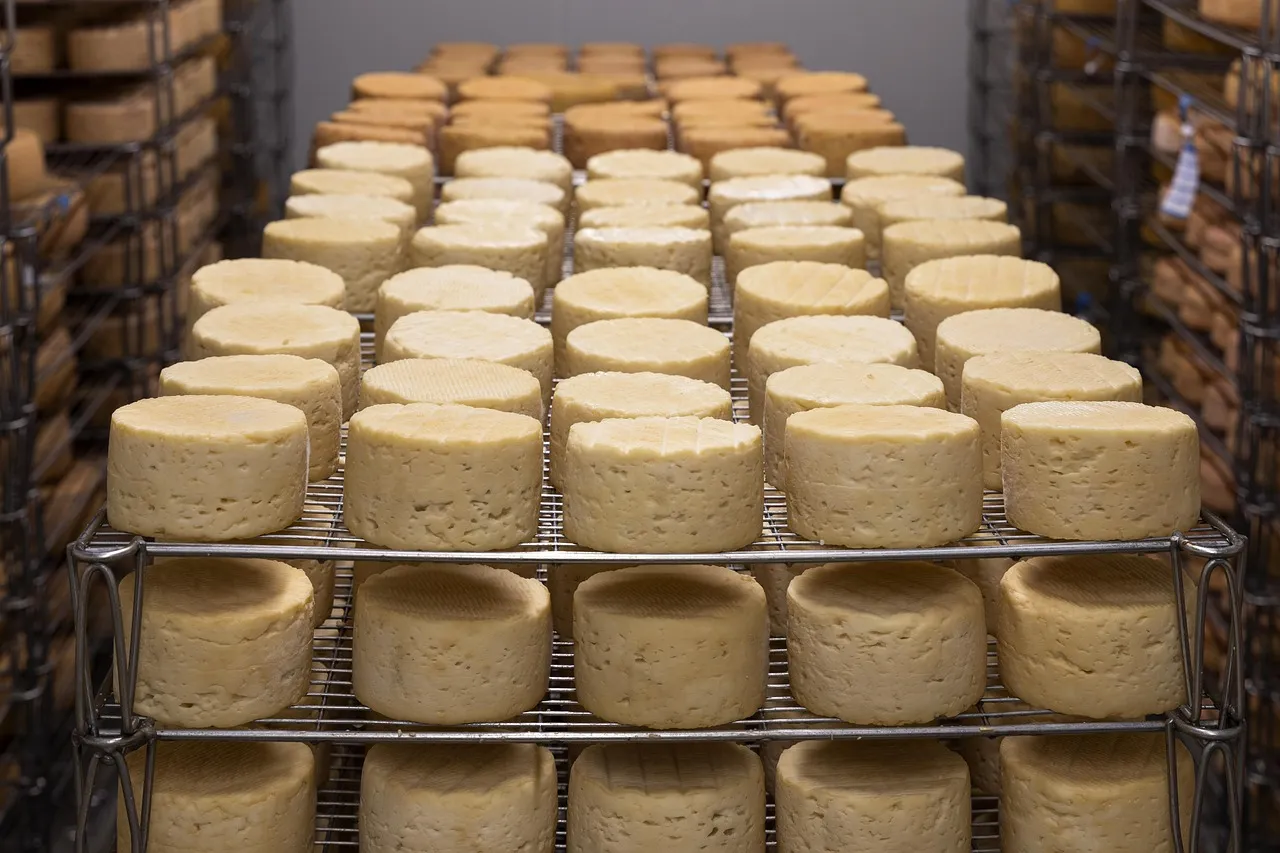
Dairy products caused the most recalls in 2024, with issues like Listeria and undeclared allergens driving the bulk of the concerns. This includes a broad range of products: milk, yogurt, soft cheeses, and items made in shared production environments.
Soft cheese has a long history of bacterial recalls because moisture, handling, and milk quality all matter enormously. Queso fresco, brie, camembert, ricotta, and similar cheeses have been recalled for Listeria, Salmonella, and E. coli contamination. Raw milk can carry harmful bacteria from the start, but even pasteurized cheese is not automatically safe if contamination happens later during production, packaging, or storage.
In 2024, three confirmed Listeria outbreaks were traced specifically to queso fresco and cotija cheese, as well as to deli meats and liverwurst. Consumers who regularly buy soft cheeses from the deli counter, especially those that aren’t heat-treated, face a meaningfully higher level of exposure.
Eggs: Routine Staple, Recurring Recall Target

Eggs appear on Consumer Reports’ 2024 list of the ten riskiest grocery foods, and that’s not a surprise to food safety researchers. Consumer Reports ranked eggs among its riskiest foods for 2024, alongside deli meat, cucumbers, raw dairy, and leafy greens.
Salmonella contamination in eggs has been a documented problem for decades, typically linked to the interior of the egg rather than just the shell. Proper refrigeration slows bacterial growth, but it doesn’t stop it entirely. Cooking eggs thoroughly to a safe internal temperature remains the most reliable protection.
Whole eggs and liquid egg products have both appeared in major recalls over recent years, often tied to conditions inside processing and packing facilities. The risk is real, though manageable with careful handling and awareness of active recalls.
Ground Beef: A Reliable Presence on Recall Lists
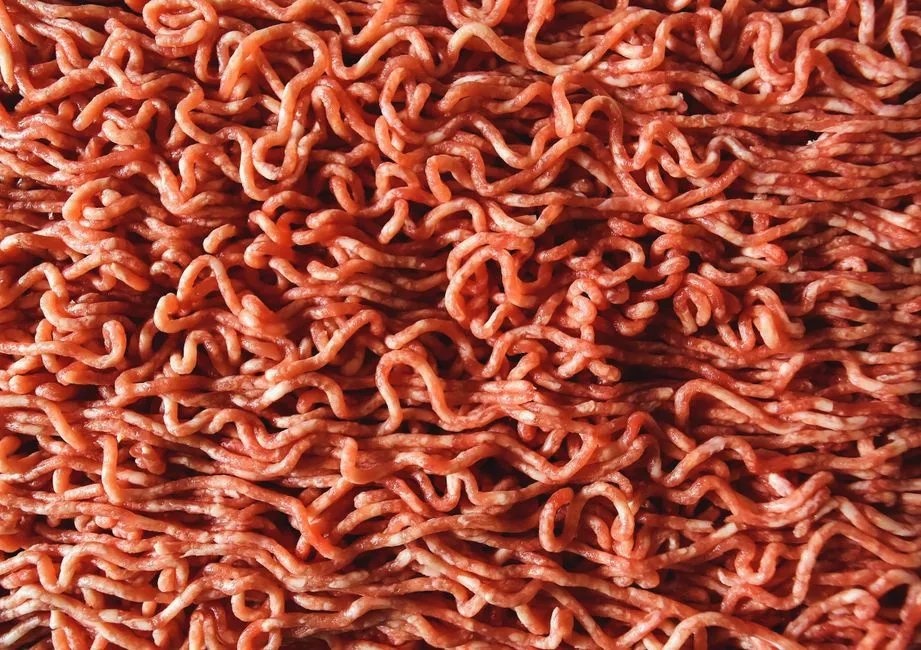
Ground beef was recalled 22 times from 2017 to 2022, most often due to E. coli and Salmonella contamination, with more than 12.7 million pounds recalled during that span, according to Consumer Reports.
E. coli and Salmonella together account for approximately 50 major recalls in a typical year. All three major bacterial threats – Listeria, Salmonella, and E. coli – are commonly found in meat, making it an especially risky category that has seen growing recall frequency.
The USDA’s Food Safety and Inspection Service regulates ground beef recalls directly. There was a USDA outbreak investigation for Salmonella in September 2024 with ground beef identified as the suspected source. Cooking ground beef to a proper internal temperature eliminates these bacteria, which is why the USDA consistently recommends a thermometer rather than relying on color alone.
Onions and Other Alliums: Surprising Recall Frequency
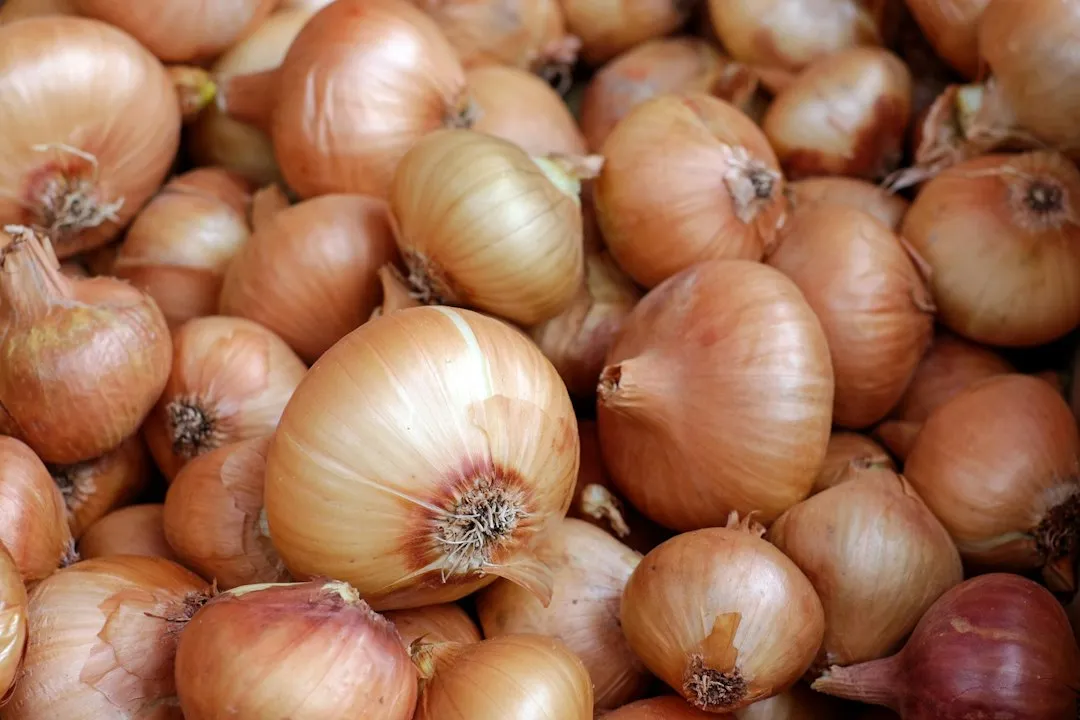
Onions have been linked to 2,167 illnesses across 13 recalls during the period analyzed by Consumer Reports, despite no reported deaths from bacterial contamination in that category. That’s a high illness count for a food that most people consider low-risk.
Among the 2024 FDA outbreak investigations, imported parsley and jalapeño peppers were also identified as contaminated sources. Alliums and other aromatics grown in large-scale operations can be exposed to contaminated water sources during irrigation, much like leafy greens.
Onion recalls tend to be wide-ranging when they occur, because onions are used as ingredients across dozens of other products. A single contaminated batch can trigger secondary recalls across a variety of packaged and prepared foods sitting in store warehouses and home pantries alike.
Prepared and Ready-to-Eat Foods: Hidden Allergens and Hidden Risks
Prepared foods, including salads and entrees, were the second most recalled food category in 2024, mostly due to contamination and mislabeling. The convenience of ready-to-eat meals comes with a different set of risks than whole, unprocessed foods.
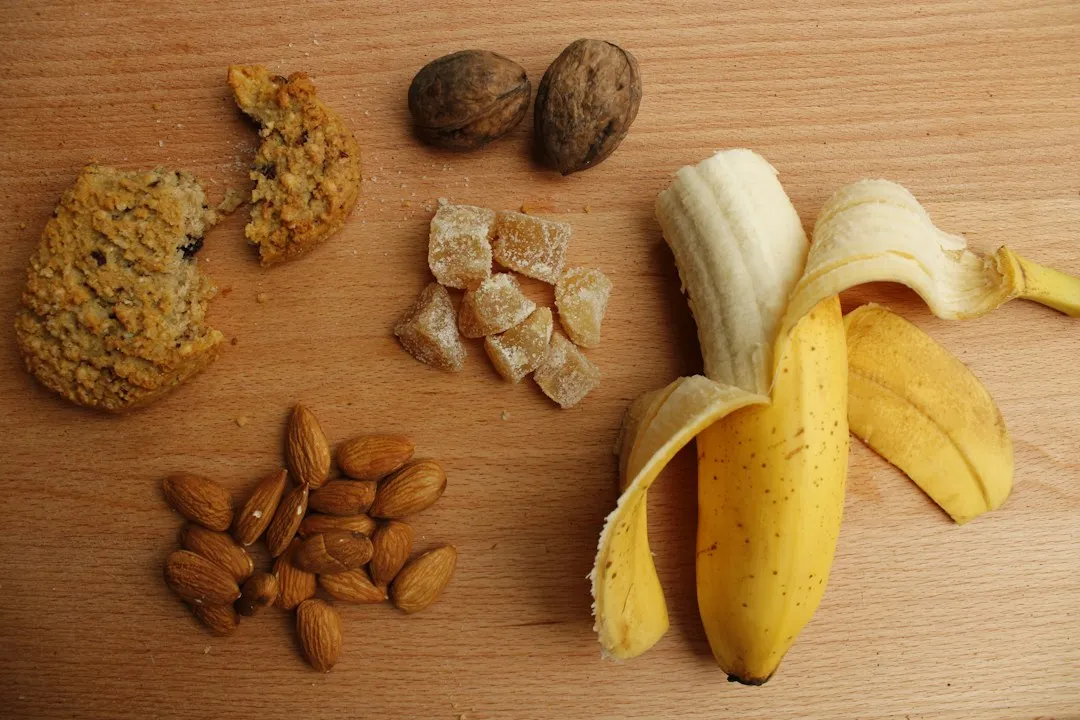
In 2024, 124 separate recall events were triggered by missing allergen warnings on labels. Peanuts, tree nuts, and eggs are the most common hidden ingredients that lead to these alerts. For the millions of Americans with severe allergies, these errors are life-threatening.
Allergen mislabeling accounted for nearly half of all food recall events in the U.S. in 2023, a category that food safety experts refer to as “never events” – problems that are entirely preventable. That proportion has remained high in subsequent years, pointing to a systemic issue in how multi-ingredient products are labeled and audited before they reach shelves.
Flour and Shelf-Stable Pantry Items: The Overlooked Risk
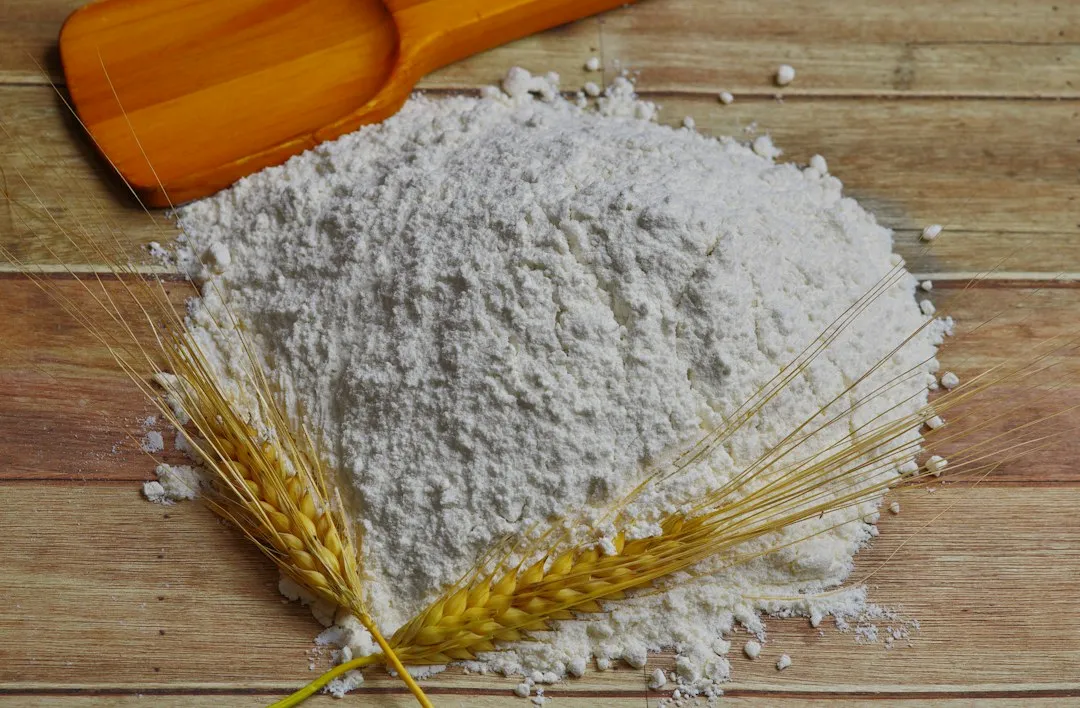
Flour accounted for 22 recalls in the Consumer Reports analysis period, with cantaloupe adding four more. Cantaloupe is recalled due to Salmonella, while flour recalls typically occur due to E. coli and Salmonella.
Shelf-stable snacks might seem safe, but they are highly susceptible to Salmonella. Because these products are low in moisture, bacteria can survive in them for months or even years. That makes pantry recalls especially urgent: a contaminated bag of flour or snack mix could sit unopened for a long time before anyone thinks to check for alerts.
In 2023, Gold Medal recalled some of its flour due to Salmonella contamination. Flour is a raw product, and many people don’t realize it carries the same bacterial risks as raw meat. Tasting raw dough or batter remains a genuinely risky habit.
How to Check What’s in Your Kitchen Right Now
The FDA, in most cases, and the USDA in cases involving meat, poultry, and egg products, work to alert the public about any items that may be in their pantries or refrigerators that could be unsafe to consume. Both agencies maintain publicly accessible, regularly updated databases.
When a food safety problem is discovered, there are limited requirements for how companies must communicate the issue. Under the FDA, only two notifications of a recall are currently required. That means the burden often falls on consumers to actively check rather than wait to be notified directly.
The FDA’s recall database at FDA.gov and the USDA’s FSIS alerts page at FSIS.usda.gov are the most reliable starting points. According to the 2024 IFIC Food and Health Survey, roughly two in three Americans say they are familiar with how to handle a recalled food, but only four in ten are familiar with the USDA’s Meat and Poultry Hotline. Bookmarking those pages and checking them periodically – especially after major news coverage of an outbreak – takes very little time and can make a real difference.
Final Thoughts
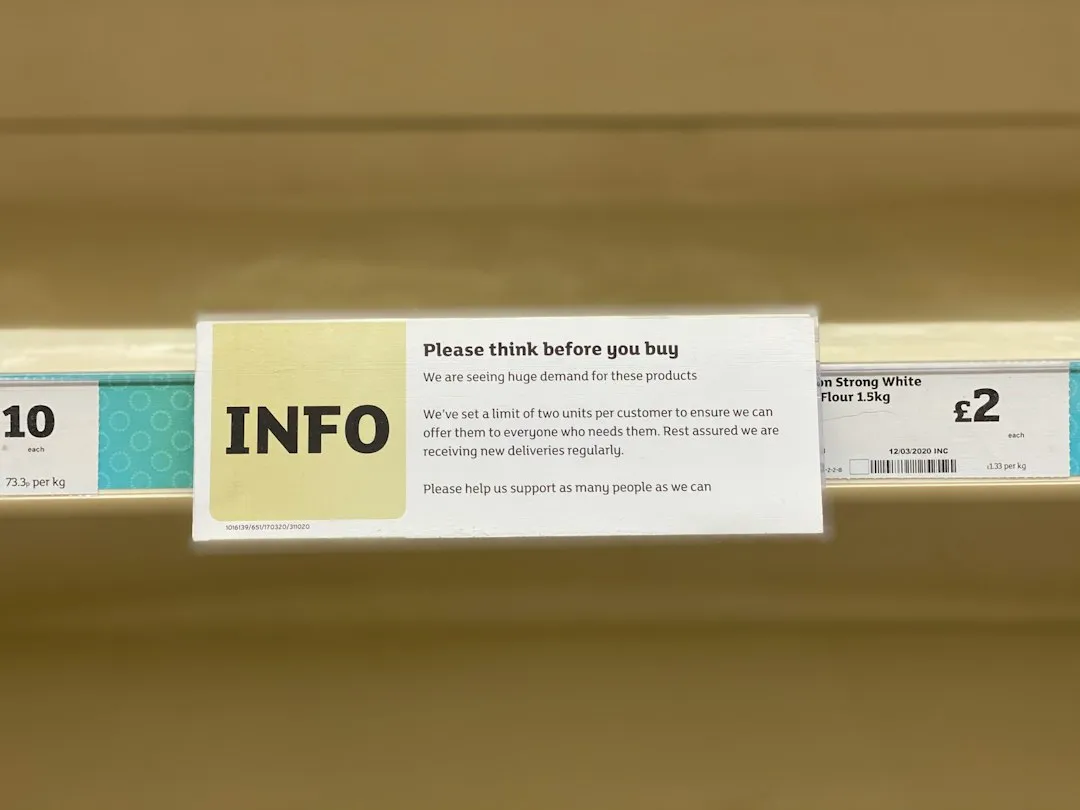
The total number of food recalls issued by the FDA and USDA grew roughly 15 percent between 2020 and 2024, according to a February 2025 report from the compliance company Traceone. That trend shows no sign of reversing quickly. Better detection technology is partly responsible for the increase, but so are the real pressures on supply chains and food manufacturing.
The CDC estimates that roughly one in six Americans gets sick from foodborne illness each year, with about 128,000 hospitalizations and 3,000 deaths. Most of those cases never make headlines. Most of them start with something that looked perfectly fine at the grocery store.
Staying informed doesn’t require obsessive monitoring. It requires a habit: check the FDA and USDA recall pages when something looks off in the news, keep an eye on the batch codes and lot numbers on the packages you buy, and don’t assume a food is safe simply because it’s been in your kitchen for a while. The labels already in your fridge and pantry are worth a second look.
AI Disclaimer: This article was created with the assistance of AI tools and reviewed by a human editor.