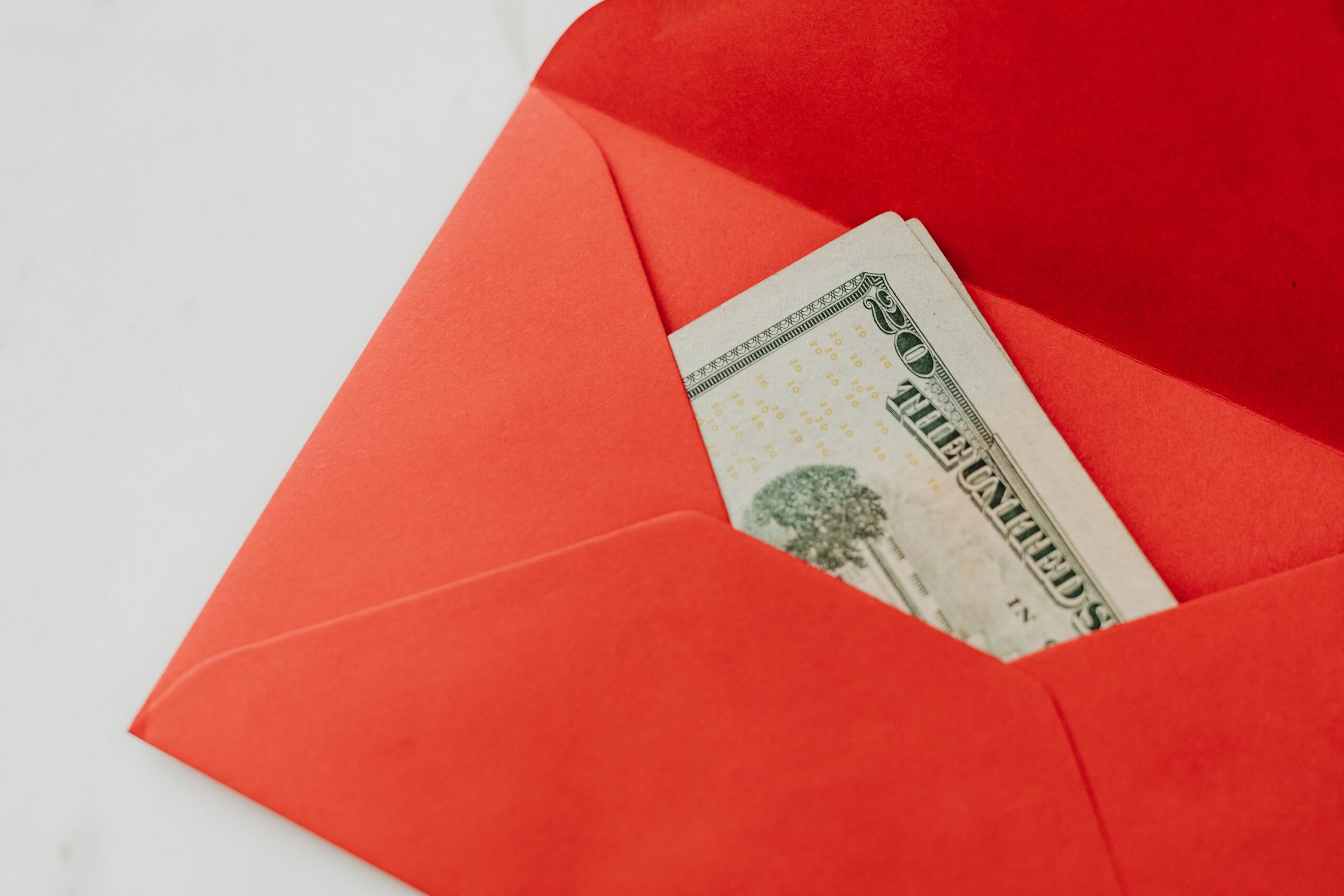

There’s something quietly remarkable about the way older generations managed food money. No apps, no algorithms, no subscription-based budget trackers – just a system simple enough to fit in a kitchen drawer. It worked then, and it’s working again now for millions of households pushed to their limits by grocery prices that keep climbing.
According to the USDA Economic Research Service, food prices rose about 2.3 percent in 2025, and food inflation hit 3.1 percent in February 2026, coming on the heels of roughly 25 percent in cumulative food price increases between 2020 and 2024. Against that backdrop, a budgeting method most grandparents practiced without thinking twice has quietly become one of the most talked-about financial strategies in America.
The Envelope System: A Method Built on Real Limits
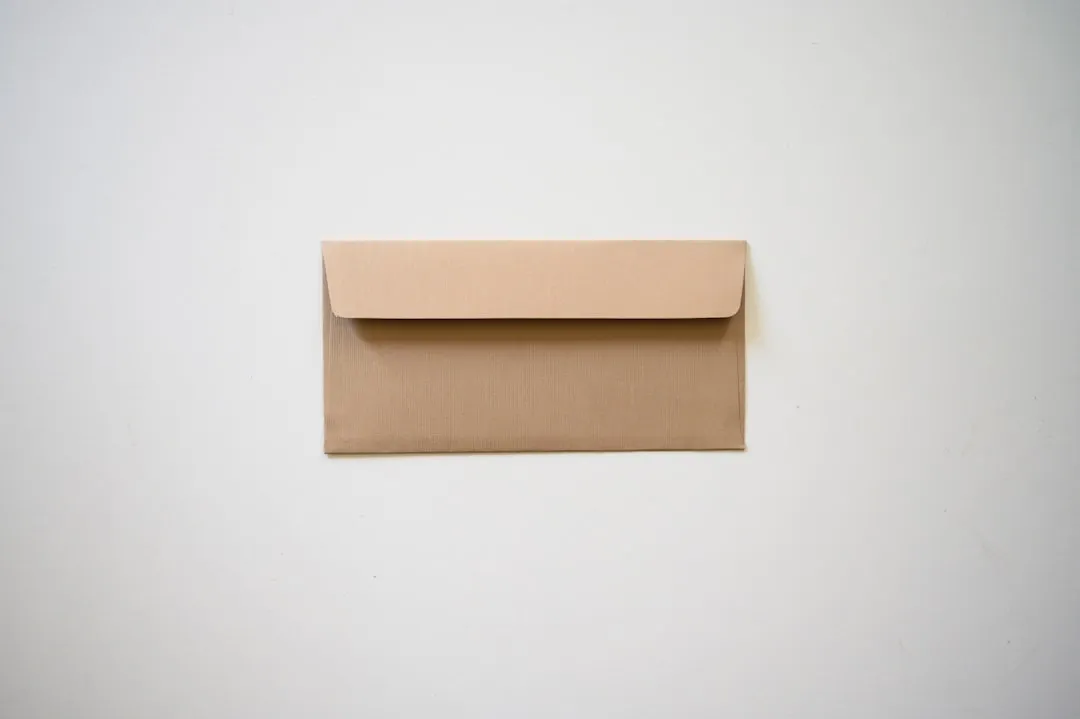
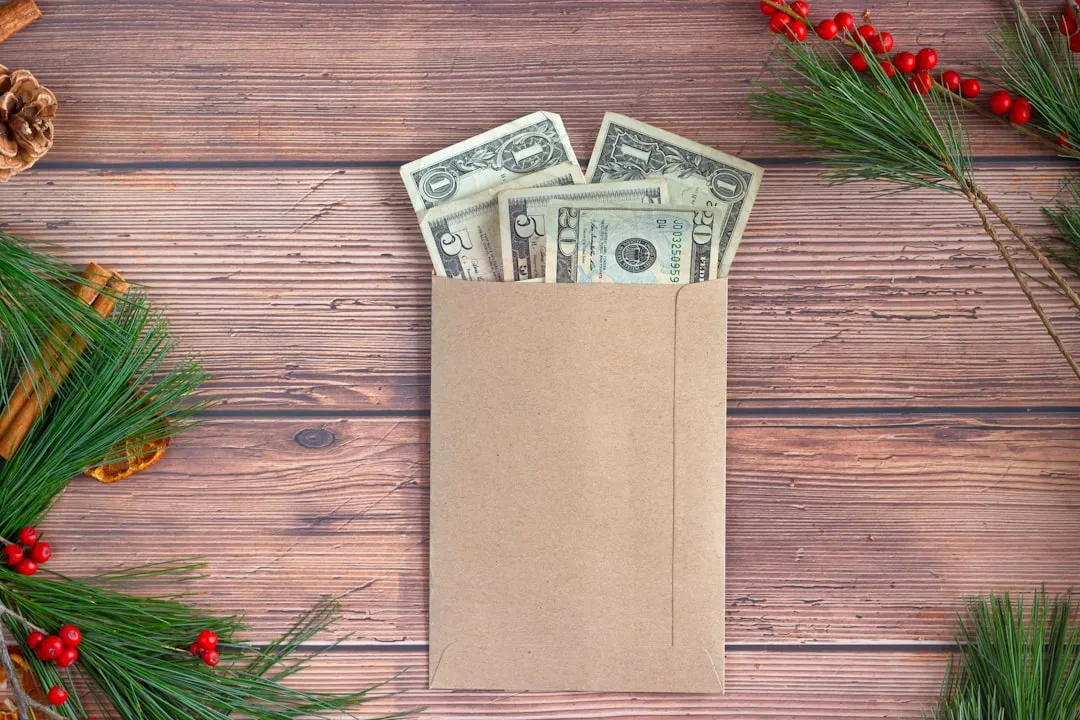
The envelope budgeting method is a tangible, physical system in which you divide up a month’s worth of cash into envelopes organized by spending category. It can be a great way to literally get in touch with your money and see how it’s spent.
Experts have started calling this method “cash stuffing,” because you literally stuff cash into envelopes to spend throughout the month. The idea is to put cash for various expenses into separate envelopes, and when the cash in that envelope is gone, you can’t spend in that category anymore.
That hard stop is the entire point. There’s no borrowing from next month, no “I’ll pay it off later.” When the grocery envelope runs dry on day twenty-eight, dinner gets creative.
Why Grocery Spending Is the Category That Needs It Most
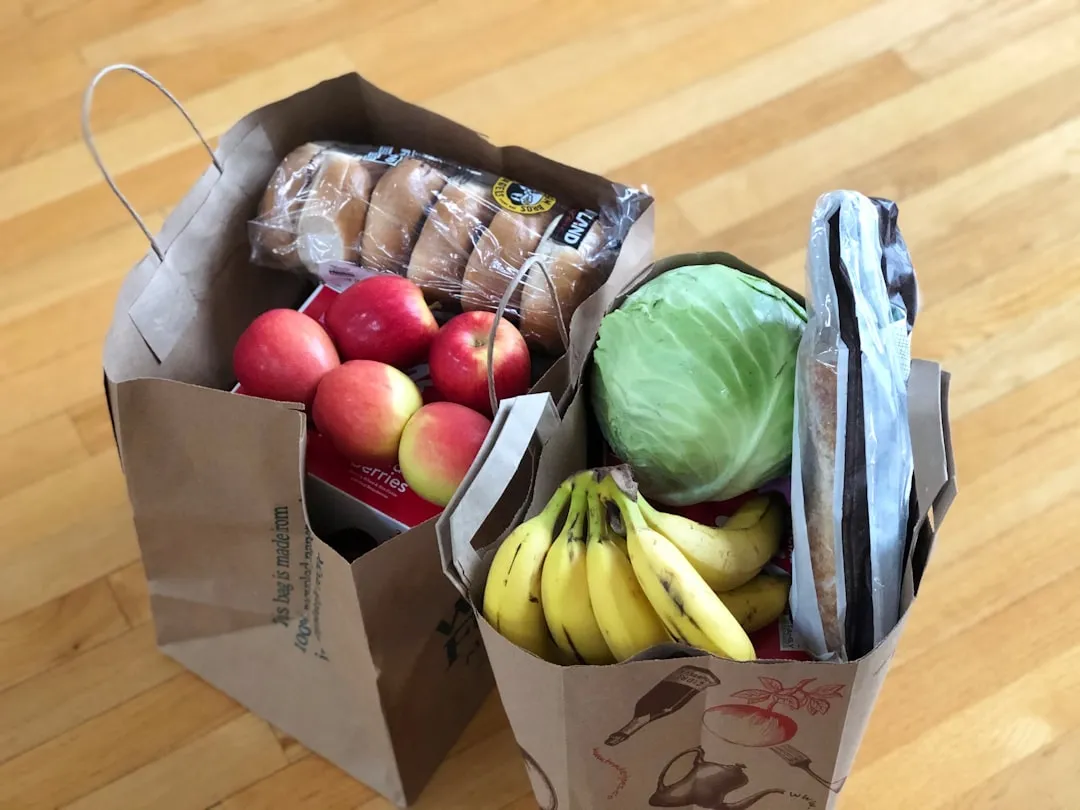
More than half of Americans say grocery expenses are a major source of stress, according to a July 2025 survey from the Associated Press-NORC Center for Public Affairs Research. That figure is striking even by recent standards.
Groceries are one of the largest household budget items for families, and today, families face persistently higher grocery prices than they did five years ago. Over the past five years, food costs have risen by roughly 32 percent, according to the latest report from the Urban Institute.
The average American spends around $438 per month on groceries, according to USDA food plan data, and for a family of four, that figure climbs to approximately $1,374 per month. Having a system that enforces a firm ceiling on that number is no longer a quirky lifestyle choice – it’s a practical necessity.
The Psychology Behind Spending Cash Versus Swiping a Card
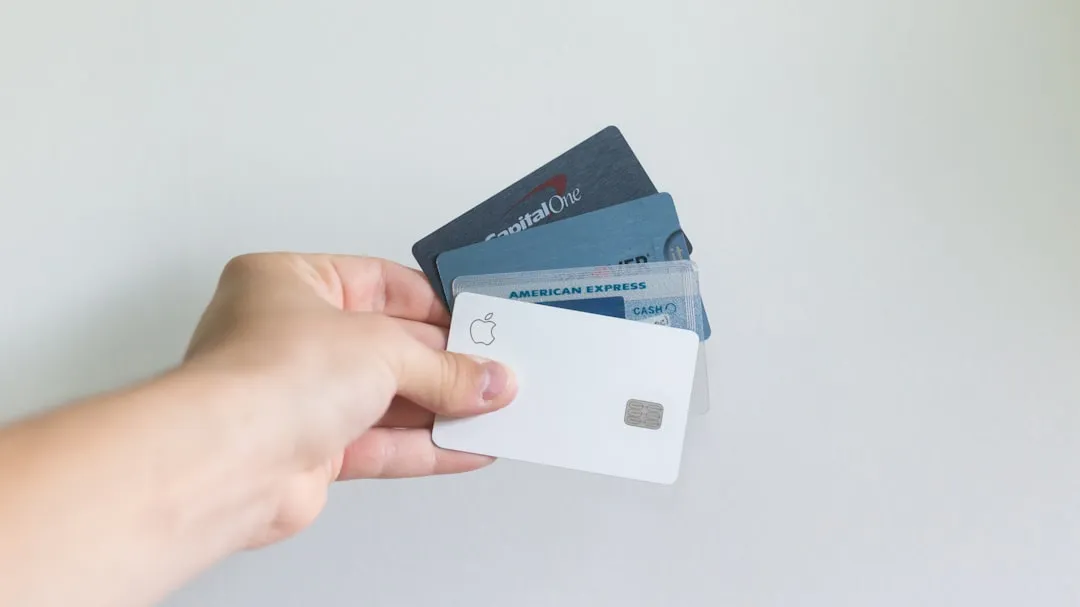
In 2024, cash payments accounted for just 14 percent of all consumer payments, while credit and debit cards accounted for 35 and 30 percent respectively. That low cash-use rate helps explain why overspending is so widespread.
Physical envelopes slow down the spending process and make financial decisions feel more intentional. Research into what behavioral economists call the “pain of paying” shows that handing over physical cash registers differently in the brain than tapping a card. An MIT auction study showed significantly higher bids with credit cards compared to cash, illustrating just how much payment method influences how freely people spend.
Grandparents didn’t need a neuroscience paper to figure this out. They simply felt the difference every time they counted out bills at the register.
How the Method Actually Works Week to Week
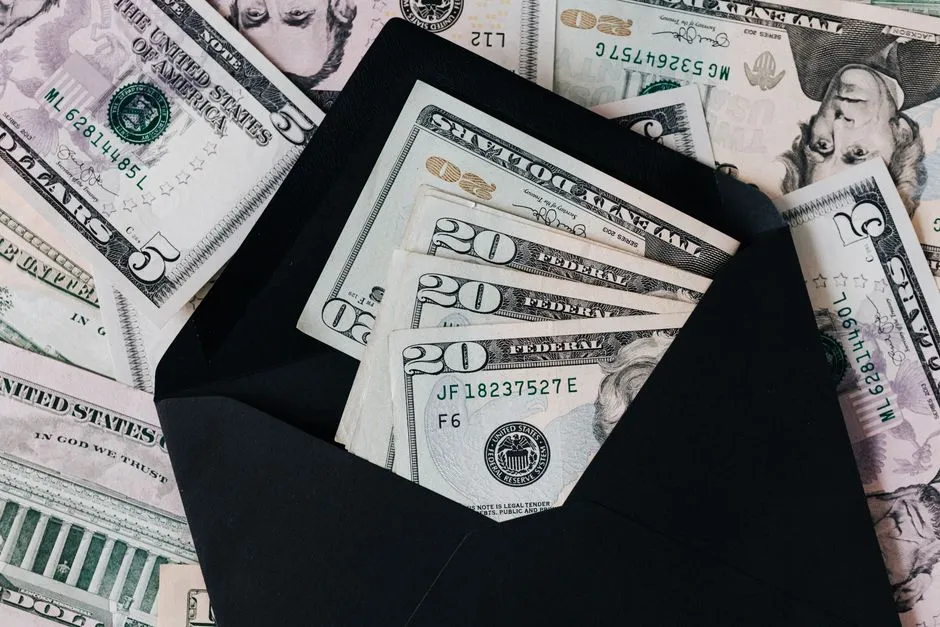
This budgeting system allocates cash to envelopes that represent different spending categories, and it’s an effective way to limit your spending and stick to a budget. When your pay comes into your bank account, you withdraw enough cash to cover all your planned spending categories, leaving money in the account only for fixed expenses like rent that get paid by other means.
Reviewing past bank statements helps figure out what you normally spend, since your bank or credit card may even break out spending into categories automatically. If you’re trying to cut back, you assign dollar amounts that are lower in the categories where you can.
The grocery envelope then travels to the store with you. That envelope is the budget. Not the number in your head, not a vague intention – the actual physical limit in your hand.
Meal Planning: The Habit That Makes the Envelope Work
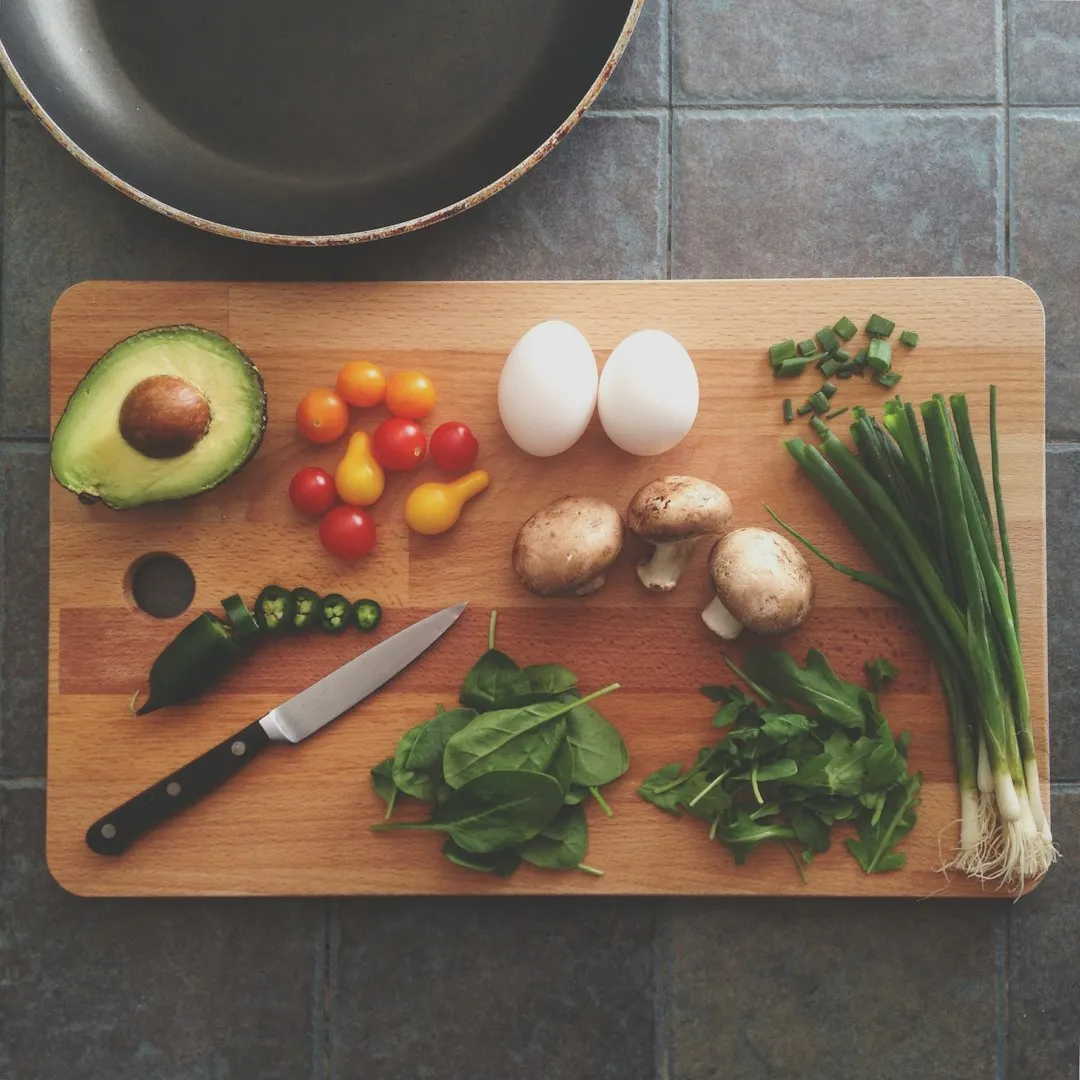
The envelope system and meal planning are inseparable in practice. One sets the ceiling, the other makes sure you don’t slam into it by day fifteen. The smartest ways to save money on groceries are to plan meals before shopping, check your pantry first, build one list around shared ingredients, use store brands where quality is similar, compare unit prices, and reduce wasted food.
These strategies like ingredient overlap and waste reduction are increasingly valuable for families trying to control food spending, especially given how quickly costs have climbed. Supermarket sales often change weekly, and building your meal plan around what’s on discount is an especially effective approach to keeping costs down.
Grandparents did this instinctively. They checked what was in the pantry before writing a list, built meals around whatever protein was on sale, and stretched a chicken through three or four dinners before the week was out.
The Debt Trap That the Envelope System Prevents

The Urban Institute’s Well-Being and Basic Needs Survey for 2025 revealed that nearly 35 percent of adults who paid for groceries with a credit card paid the bill in full when it came due, but more than 19 percent paid less than the full balance, and almost 9 percent did not always make the minimum payment.
That 9 percent compares to around 7 percent in 2023, reflecting a worsening trend. Groceries are one of the largest household budget items, and over the past five years, food costs have risen about 32 percent.
A combined 82 percent of Americans say they find the idea of being in debt stressful, according to YouGov’s 2025 American financial attitudes survey. Envelope budgeting attacks that stress at its source by preventing new debt from forming. That’s not a minor benefit – it’s the whole argument for reviving this method.
What Financial Experts Say About It Today
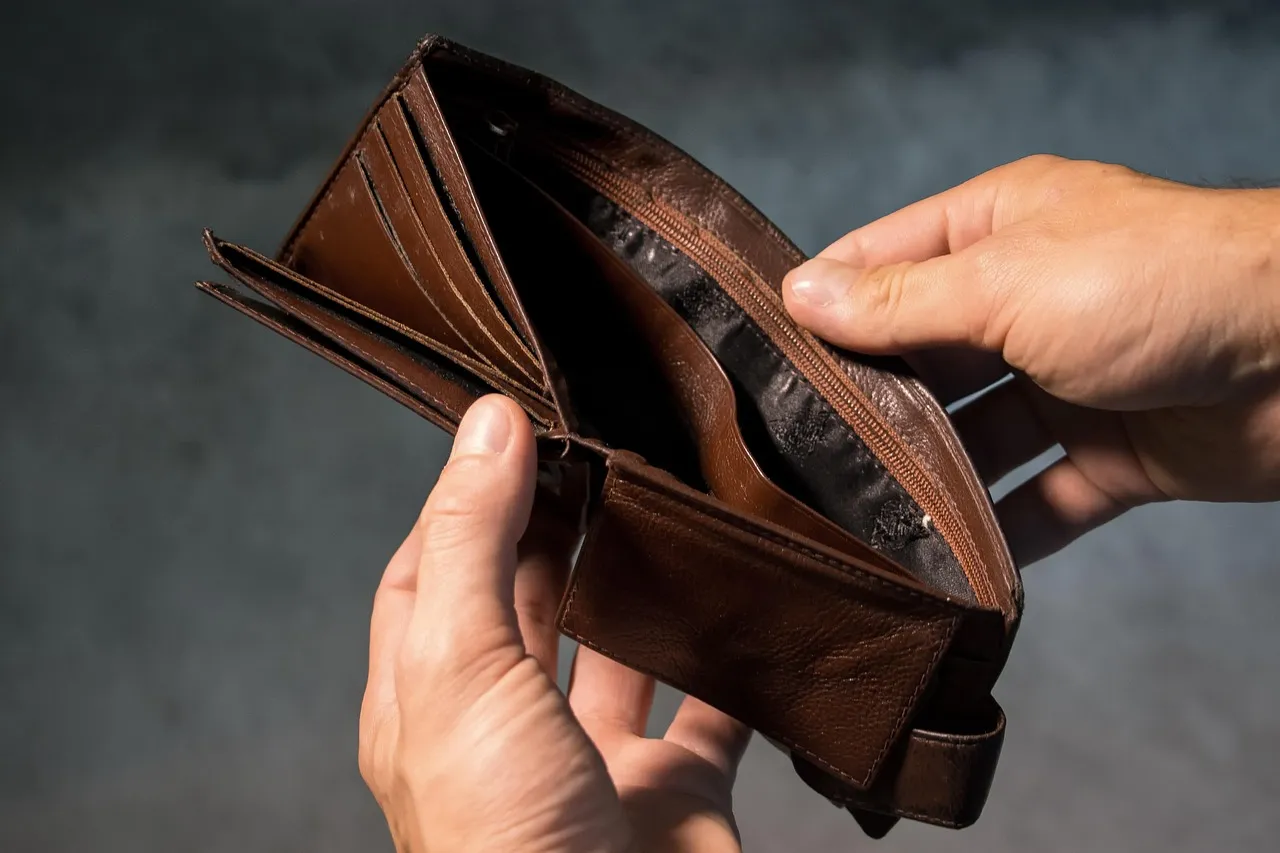
The core principle of allocating money to categories before spending is the foundation of zero-based budgeting, which financial experts consistently recommend. This isn’t nostalgia dressed up as advice – it reflects a genuine consensus among personal finance professionals.
Finance expert Dave Ramsey previously popularized the cash envelope budget system, advising people to abandon credit cards and even debit cards in favor of using cash, because it helps you spend more mindfully. That recommendation hasn’t softened over time.
According to WalletHub, interest in envelope budgeting surged throughout 2025 and into 2026, driven by a combination of persistent inflation, rising credit card balances, and a social media movement that made budgeting feel accessible instead of restrictive. Experts and everyday savers have landed on the same page, just from different directions.
The Digital Evolution: Apps That Honor the Same Logic
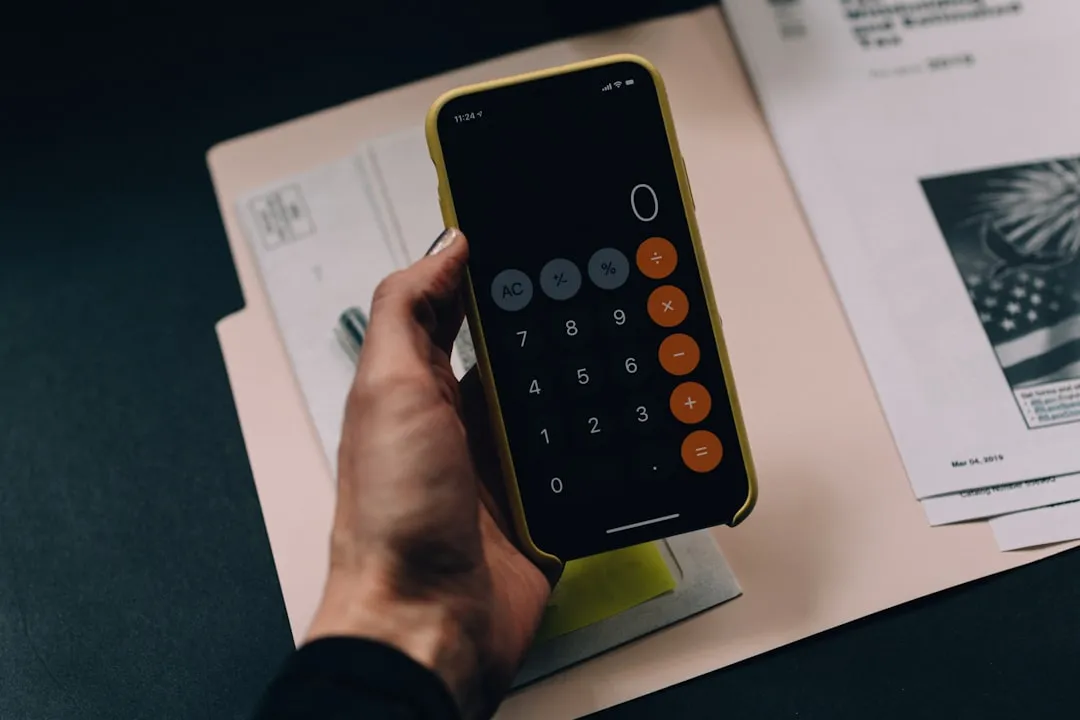
Physical cash has real limitations in 2026. Online grocery orders, recurring subscriptions, and digital payments don’t fit neatly into a paper envelope. Physical cash cannot handle online purchases, subscriptions, or shared expenses, but digital envelope apps provide the same psychological guardrails with full transaction coverage. Apps like Goodbudget and YNAB replicate the categorical hard-stop logic of physical envelopes while working with modern card-based and online spending.
There are seven major envelope budgeting apps in 2026, ranging from free options like Actual Budget and Goodbudget to $109 per year for YNAB, and each has a different philosophy. The underlying idea, however, is unchanged from what your grandmother kept tucked in her kitchen drawer.
People who use budgeting apps save an average of 20 percent more per year compared to those who budget manually or not at all. The format has changed, but the discipline it enforces is the same discipline that kept older generations out of grocery-related debt.
Store Brands, Bulk Buying, and the Pantry-First Rule
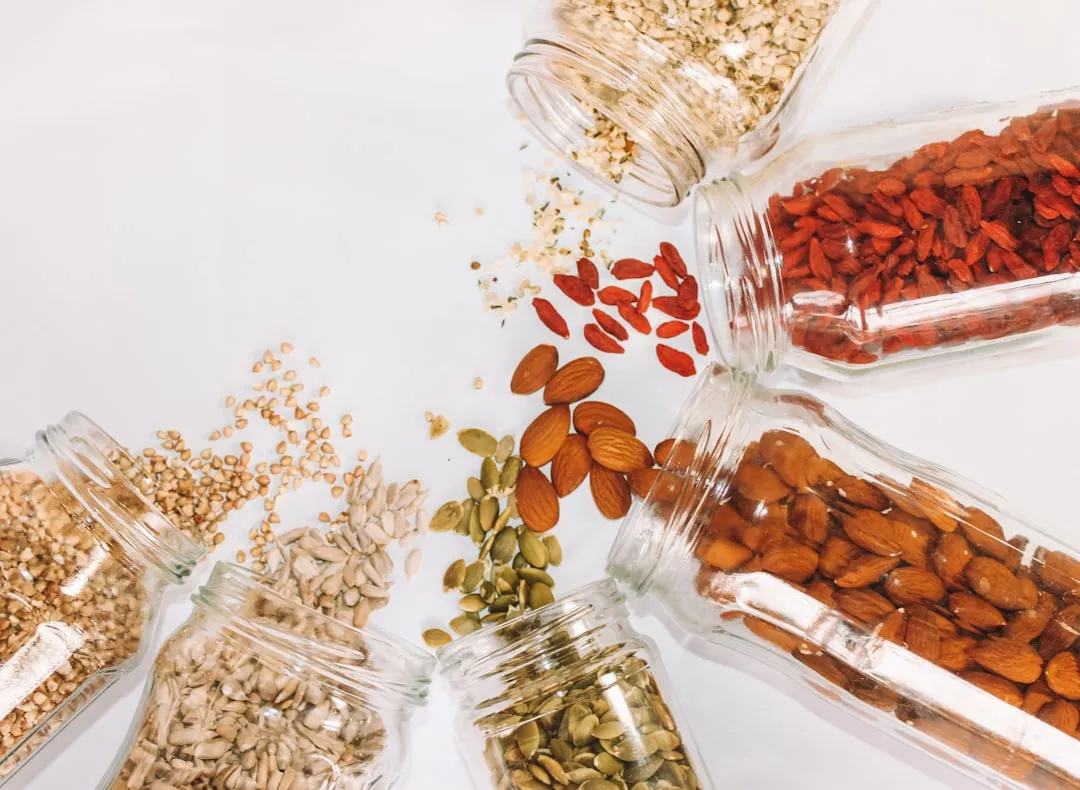
Before any envelope method can function at its best, there are supporting habits that amplify its effectiveness – habits that older generations also took for granted. Checking the pantry before writing a list was basic. Buying store-brand staples over name brands was common sense, not a compromise.
For a family switching half their purchases to store brands, that amounts to roughly $30 to $60 per month in savings with zero change in meal quality. Over a year, that adds up to several hundred dollars without any real sacrifice. Meat prices jumped 12.3 percent from September 2024 to September 2025, making alternative protein sources such as lentils, beans, and tofu increasingly worthwhile, since they often cost less than meat while still providing essential nutrients.
These aren’t dramatic lifestyle overhauls. They’re the incremental decisions that grandparents made every week without labeling them a strategy – and that consistency is exactly what made the system work.
Cooking at Home: The Habit That Anchors Everything
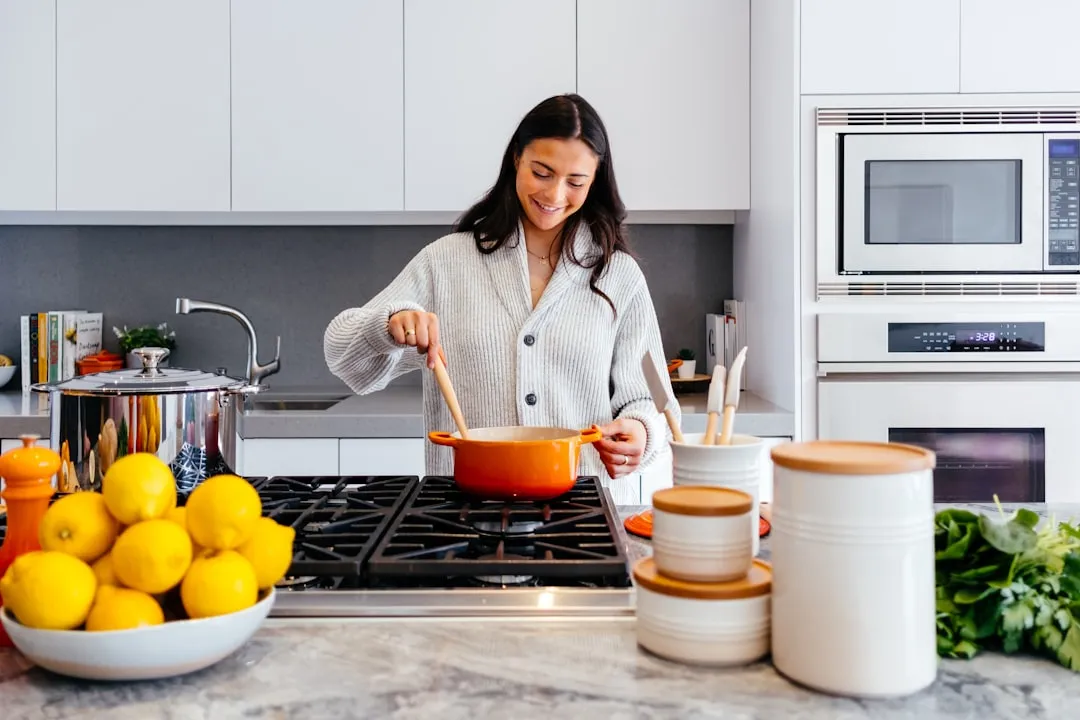
A Harris Poll survey found that 83 percent of U.S. consumers report that saving money is a bigger priority in 2025 than in other years, and 81 percent of Americans say saving money on food is a priority. The clearest way to act on that priority is also the oldest one: cook at home.
In 2024, Americans spent significantly more on food away from home, as convenience and quick-service options narrowed the price gap with eating out. The envelope system naturally pushes back against that drift. When the eating-out envelope is visibly thin, the oven tends to get more use.
Cooking once and eating twice, overlapping ingredients across meals, and planning dinners around cheap staples are core strategies that genuinely move the needle on monthly food spending. The grandparent generation didn’t frame these as money-saving hacks. They were just Tuesday.
The Takeaway
There’s nothing complicated about the envelope method. That’s probably why it outlasted every trend that came to replace it. From grandma’s cash envelopes to TikTok cash stuffing to AI-powered budget apps, the envelope method has evolved in form while staying identical in principle.
Nearly 20 percent of adults from ages 18 to 64 reported paying for groceries with savings not intended for daily expenses. That’s a sign that something has broken down in how households are managing food spending – and it’s a breakdown that a simple pre-allocated grocery envelope could prevent.
The method works not because it’s clever, but because it’s honest. It makes the boundary between enough and too much visible, physical, and real. Grandparents knew this. The data now confirms it. The only thing left is to try it yourself.
AI Disclaimer: This article was created with the assistance of AI tools and reviewed by a human editor.