

There’s a moment every gardener recognizes. The soil that once crumbled easily between your fingers starts to compact, drain poorly, and resist the shovel. Yields thin out. Weeds seem to thrive while vegetables struggle. The bed isn’t broken – it’s depleted.
Cover crops and green manures offer one of the oldest and most well-documented remedies for this problem. Rooted in agricultural tradition yet backed by a growing body of modern research, these living tools work quietly between seasons, rebuilding what intensive planting takes away.
What Green Manure Actually Means
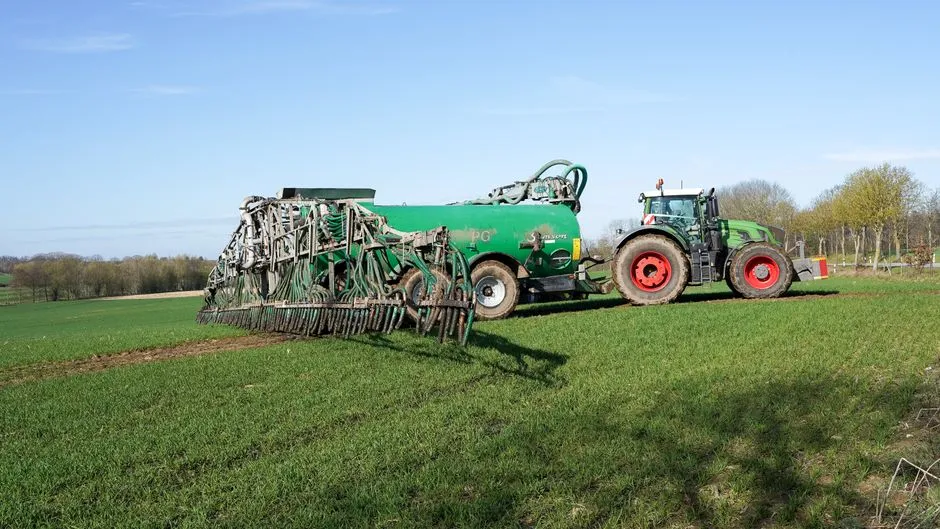
The terms “cover crop” and “green manure” are often used interchangeably, but they describe slightly different things. Green manure is a cover crop grown specifically to be tilled into the soil for fertility and structure. In practice, a green manure crop is planted, allowed to grow, and then killed by mowing or tillage so its biomass adds nutrients and organic matter to the soil.
Green manure crops like clover or rye are tilled into the soil for quick nutrient release and fertility boosts, while cover crops like vetch or ryegrass protect soil from erosion, improve water absorption, and release nutrients slowly over time. The distinction matters when you’re planning a garden season, but in practice both approaches deliver compounding soil benefits.
Why Garden Beds Wear Out

Restoring soil structure is one of the most important tasks in sustainable soil management. In recent decades, soil structure degradation has been widespread, observed through the loss of aggregate stability and changes in aggregate size distribution toward smaller aggregate classes.
The causes of soil structure degradation have been attributed to intensification of soil cultivation, loss of organic matter and soil biological functions, and unilateral crop rotation and mineral fertilization. For home gardeners, this plays out as compaction, poor drainage, and beds that need ever-increasing inputs just to produce the same results.
Healthy soil represents one of the fundamental components of sustainable agricultural production, as it directly influences crop productivity, nutrient cycling, water regulation, and ecosystem stability. However, a significant part of the soil has been degraded due to erosion, reduction of organic matter content, soil compaction, salinization, and loss of biological activity.
How Cover Crops Rebuild Soil Structure
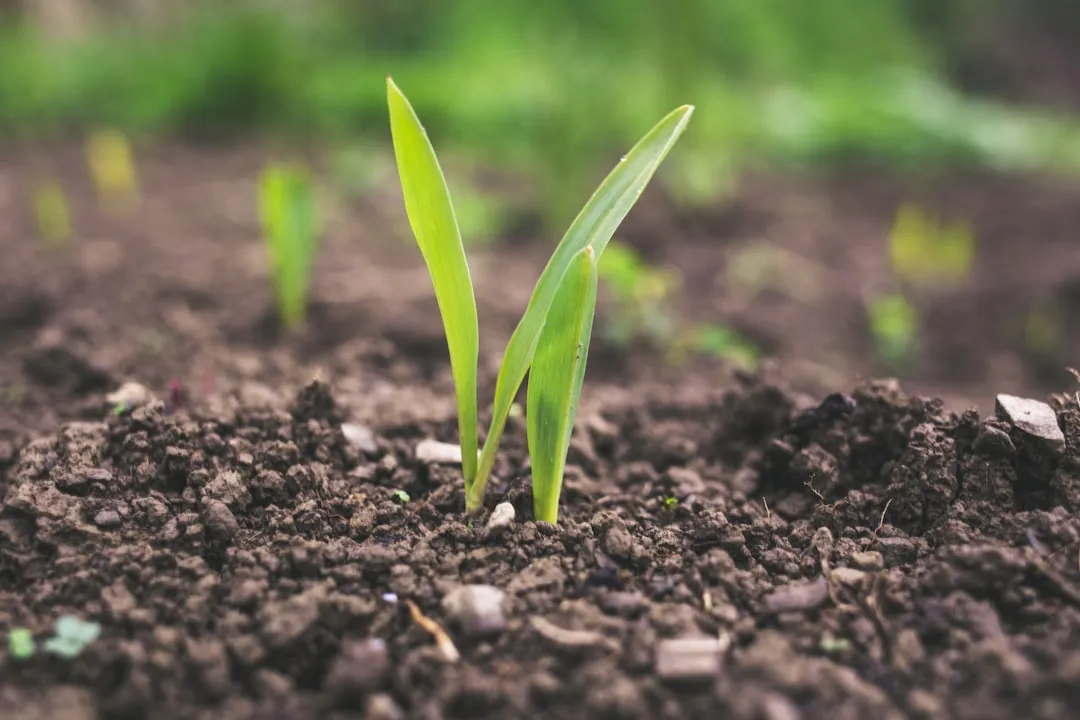
Using green manure and cover crops can greatly improve soil structure by boosting organic matter levels. When green manure crops are tilled into the soil and decompose, they create a crumbly texture that allows roots to grow more easily.
Cover crops globally reduce soil bulk density by around 3.2 percent, increase water-stable aggregates by 15.9 percent, and decrease soil penetration resistance by 11.8 percent. Research published in the journal SOIL in 2024 confirmed that cover crop species including mustard, phacelia, clover, and oat all contributed to improved soil structure and organic carbon distribution in macroaggregate fractions.
Cover cropping generally improves soil structure and organic matter content, enhancing wet aggregate stability by 9 to 80 percent and available water capacity by 10 to 11 percent, while reducing bulk density by 3 to 5 percent. These aren’t negligible margins – for a compacted raised bed, they can represent a meaningful turnaround within a single season.
The Nitrogen Story: Free Fertilizer from Legumes
Nitrogen-fixing plants belong mainly to the legume family, which includes clovers, peas, beans, vetches, and alfalfa. These crops form symbiotic relationships with soil bacteria called rhizobia that live in nodules on their roots. Together, they transform atmospheric nitrogen into ammonia, which plants readily absorb and convert into proteins and chlorophyll.
A healthy stand of legume cover crops can fix between 50 to 150 pounds of nitrogen per acre, which goes a long way toward providing for the nitrogen requirements of a subsequent crop. For a home garden bed, that translates to a meaningful reduction in how much fertilizer you need to apply the following spring.
The rate of nitrogen release depends on the carbon-to-nitrogen ratio of the crop residue. Legumes have a low carbon-to-nitrogen ratio, meaning they break down quickly and release nitrogen within weeks. Mixing legumes with grasses like rye or oats can balance release timing, providing both immediate and extended soil benefits.
Building Organic Matter Over Time
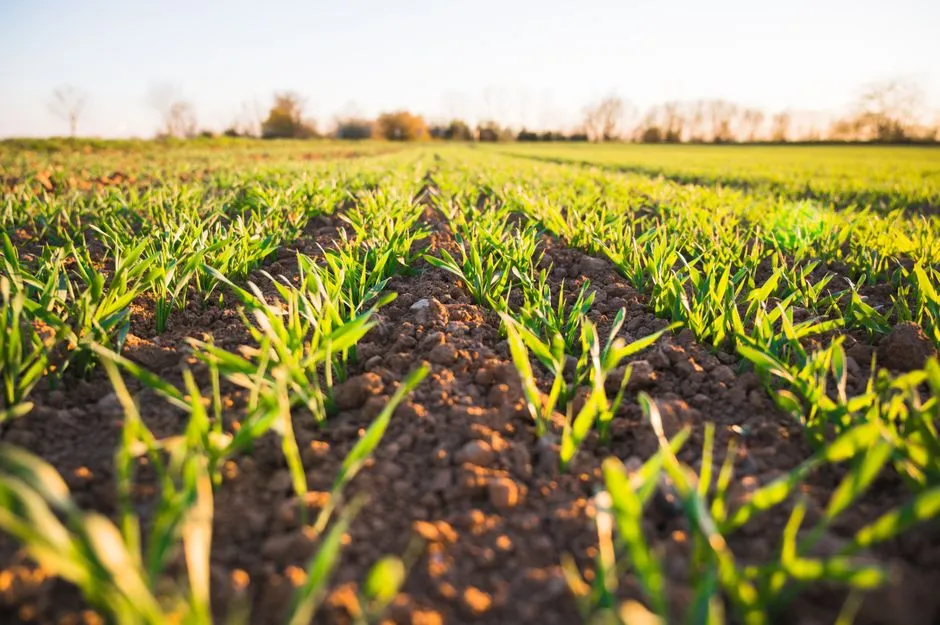
Cover crops are able to increase soil organic matter by protecting the soil surface from erosion, adding biomass to the soil especially below the soil surface, and creating a habitat for microorganisms like fungi that contribute to the soil biology and provide more pathways for nutrient management in the soil ecosystem.
Legume cover crops were found to increase levels of soil organic matter by 8 to 114 percent. Non-legume cover crops, including grasses and brassicas, were found to increase soil organic matter levels by 4 to 62 percent. Those ranges are wide because results vary with climate, soil type, and species choice, but even the lower end is significant for depleted beds.
The application of winter cover crops and grass strips over a period of 10 to 15 years increases soil carbon stocks by 11 to 16 percent. Cover crop use also increased soil organic matter and labile soil carbon pools, with research from Wiley’s Agrosystems, Geosciences and Environment journal in 2024 confirming this in subtropical vegetable production systems after just three years.
Weed Suppression Without Chemicals
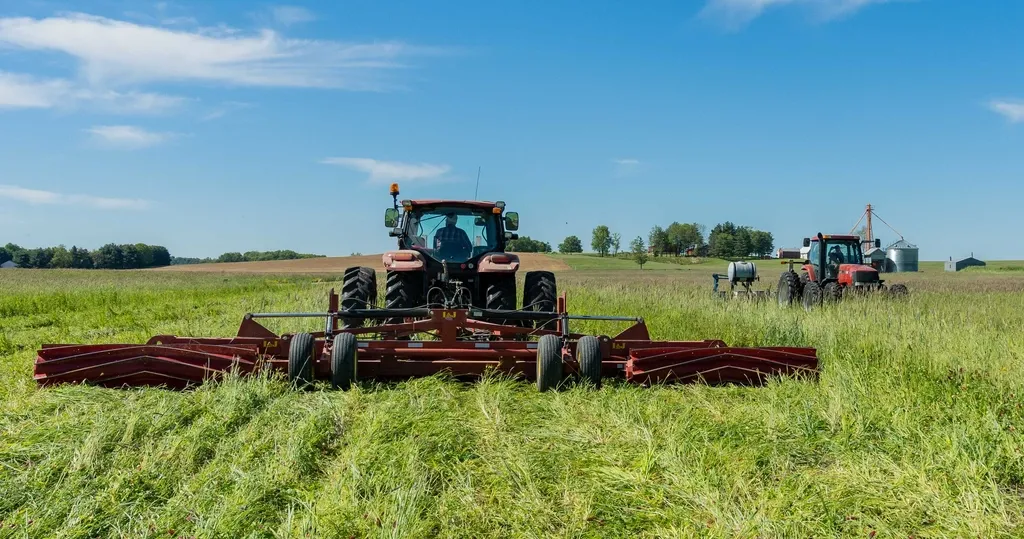
Cover crops are an important component of integrated weed management programs in annual and perennial cropping systems because of their weed suppressive abilities. For garden beds, this matters both practically and economically. Dense cover growth simply outcompetes weeds for light and space during the off-season.
Cereal rye is known for its high biomass, ability to compete with weeds, low cost, and winter hardiness, and is one of the most common cover crops for this purpose. Research has emphasized the effectiveness of both single and mixed cover crop species in managing weed populations, which is crucial for reducing reliance on chemical herbicides and supporting more sustainable practices.
Phacelia does a great job of suppressing weeds and improving soil structure, and its flowers attract bees and hoverflies, making it worth allowing a small patch to flower. It’s a useful reminder that cover crops can serve multiple functions at once – weed suppressor, pollinator habitat, and soil builder simultaneously.
Water Retention and Erosion Control
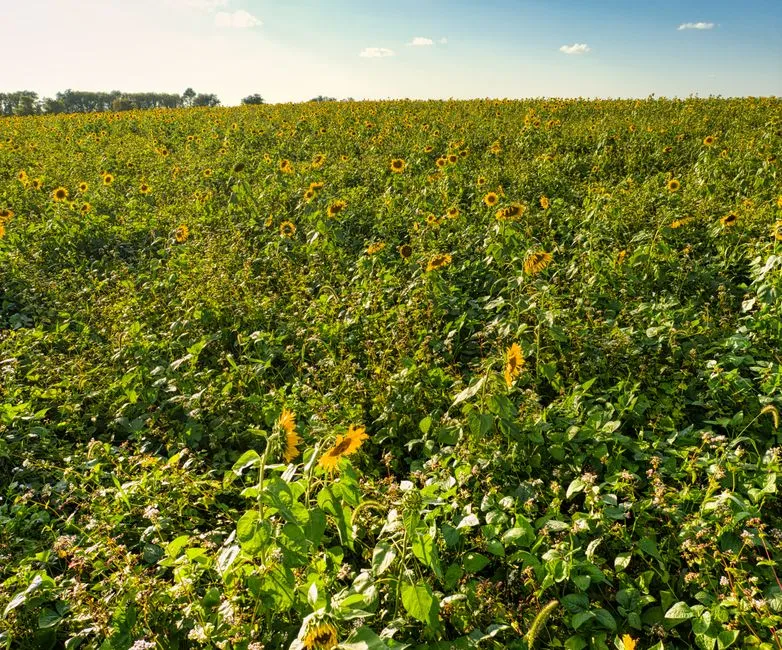
Cover crops improve soil structure, increase aggregate stability, porosity, and water retention capacity, thus reducing the risk of erosion and degradation. This matters even in a small raised bed, where exposed bare soil between seasons loses structure and nutrients with every heavy rain.
Cover crops protect soil aggregates from the impact of raindrops by reducing soil aggregate breakdown. By slowing down wind speeds at ground level and decreasing the velocity of water in runoff, cover crops greatly reduce wind and water erosion.
Reduction of compaction, increase in porosity, and better stability of aggregates due to the practice of covering plants increased the water retention capacity by 4 to 7 percent over a decade. That gradual improvement accumulates quietly season after season, making the soil more resilient to both drought and heavy rainfall events.
Microbial Life: The Underground Beneficiaries
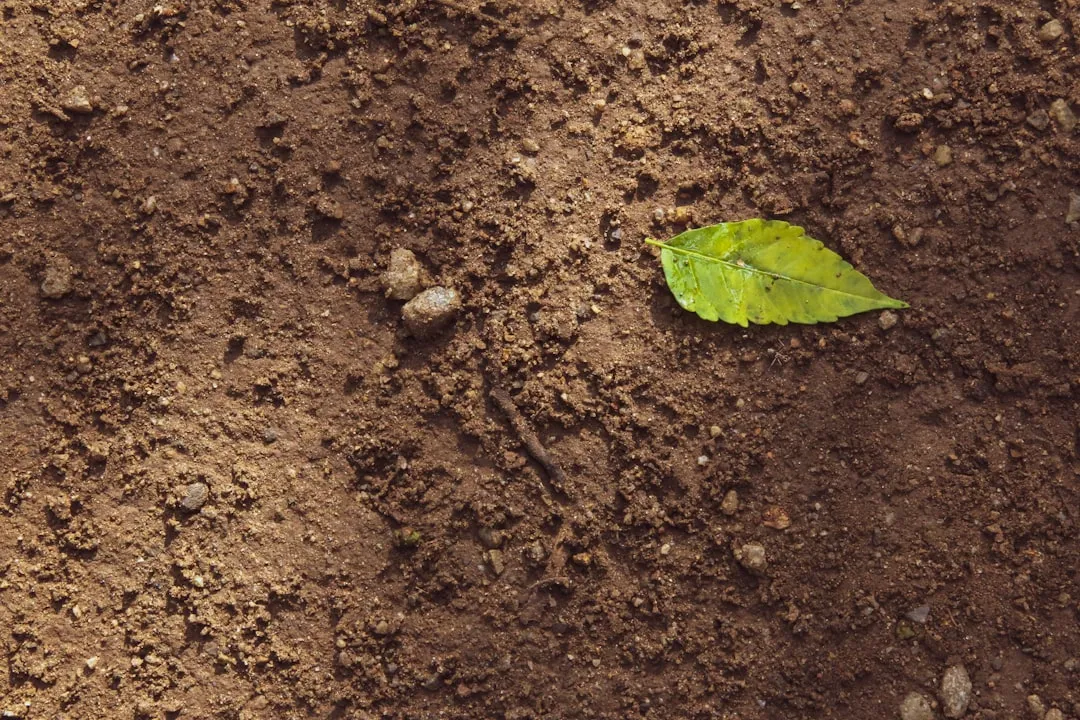
Cover crop management may provide a wide range of benefits to soil’s physical, chemical, and biological properties. These benefits may include increased soil organic carbon and available soil nutrients, reduced soil compaction and increased aggregation, as well as enhanced microbial activity, abundance, and diversity.
Research published in ScienceDirect in 2025 found that biosolarization with green manure increased soil basal respiration and microbial biomass compared to controls, and altered the structure of the soil microbial community. Microbial biomass was four times higher in biosolarized soils than in controls 15 days after amendment.
Soil cover also significantly affects biological processes. The increase in microbial biomass, the diversity of microorganisms, and their functional activity contribute to more efficient nutrient cycling and greater resistance of the agroecosystem. Healthier microbial communities also help suppress some soil-borne diseases, adding another quiet benefit to the list.
Choosing the Right Species for Your Bed
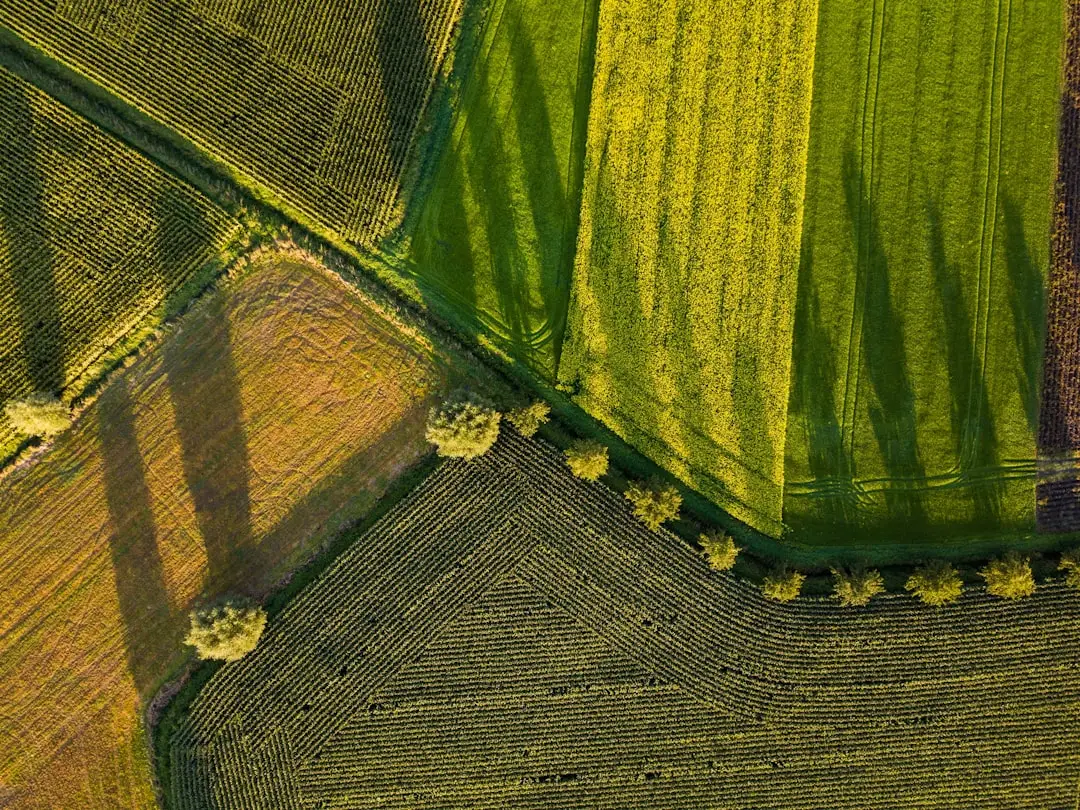
Cover crops are low-cost, high-impact plants you grow between or after cash crops to build soil, suppress weeds, hold nutrients, and attract beneficial insects. Even in small spaces like raised beds, well-chosen cover crops can keep your soil healthy and productive year after year.
Crimson clover, hairy vetch, and Austrian winter peas add nitrogen when incorporated, improving fertility for heavy-feeding vegetables. Winter rye, oats, and wheat are commonly used to protect beds from winter erosion and build biomass, and they’re hardy and effective at weed suppression. Species choice shapes the outcome, so matching the crop to your goal is worth the extra thought.
Combining legumes with grasses such as rye and oats balances nitrogen fixation with biomass production. Mixed covers enhance weed control, break pest cycles, and improve soil structure. Diverse root structures also promote better water infiltration and organic matter cycling. A simple two-species mix is often more effective than a monoculture.
The Bigger Picture: A Growing Market and a Timeless Practice

In 2025, the global organic farming market exceeded $100 billion, and the green manure sector is growing rapidly, forecast to rise from $2.32 billion in 2024 to $2.49 billion in 2025, with a compound annual growth rate of about 7.6 percent. The numbers reflect a broader shift toward regenerative approaches in both commercial agriculture and home gardening.
Long-term application of cover crops reduces carbon losses as CO₂ from 75 to 51.8 percent and increases the efficiency of carbon sequestration from plant residues by 49 percent. That means garden beds managed with cover crops don’t just improve locally – they quietly contribute to a larger carbon cycle.
Across modern agriculture, this practice is proving to be one of the most effective ways to restore soil health while maintaining productivity. For farmers and gardeners who want stronger yields and healthier land year after year, cover crops and green manures are quickly becoming essential tools. The science has caught up with what careful growers have known for generations.
Conclusion: Letting the Soil Rest and Recover
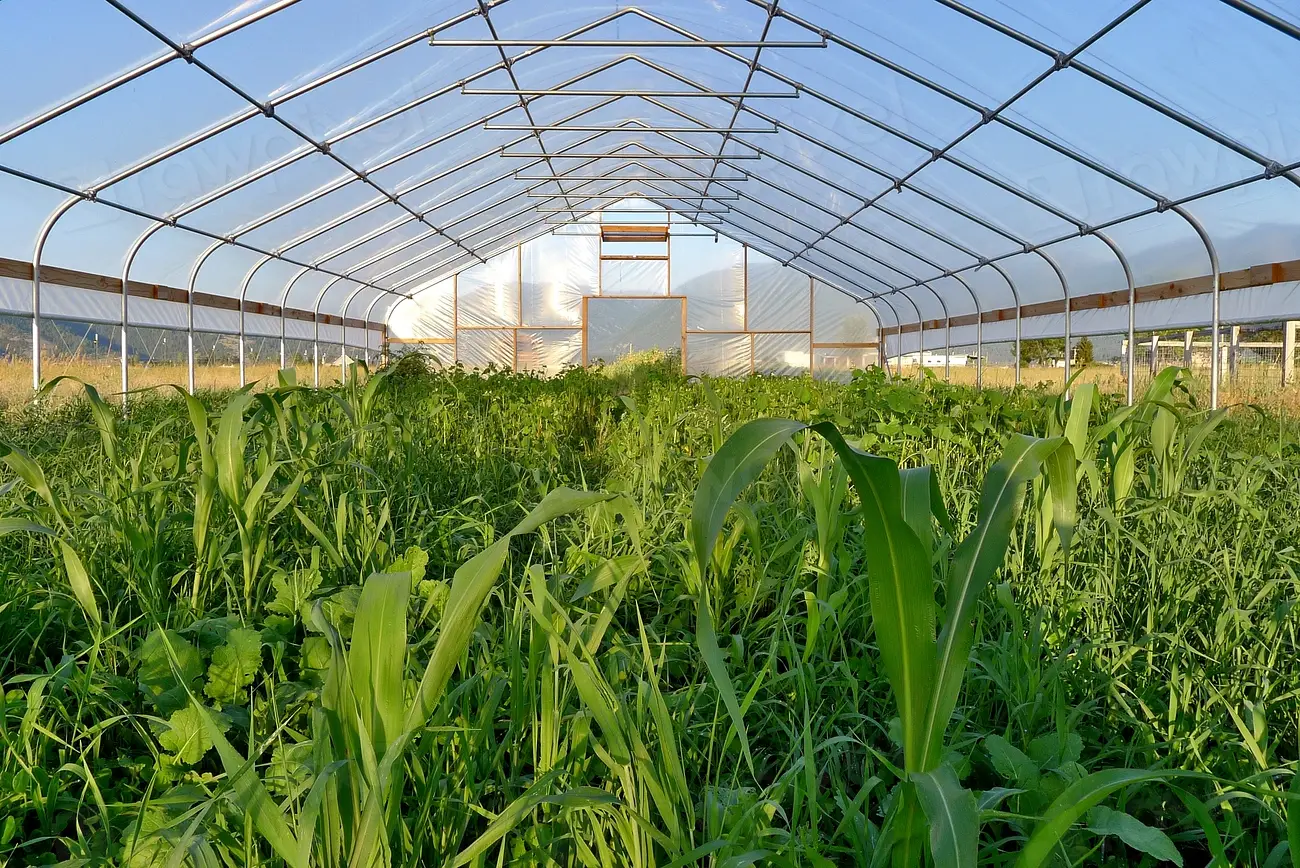
A tired garden bed isn’t a failed one. It’s a bed that’s been asked to give without receiving much in return. Cover crops change that equation. They work through winter, through fallow periods, through the quiet months when nothing is being harvested.
The evidence from recent research is consistent: improvements to structure, nitrogen availability, water retention, organic matter, and microbial diversity are measurable and real. The effectiveness of cover crops depends on time of planting, termination, species selection, biomass production, and how residues are managed post-termination. Paying attention to those details is what separates a good outcome from a great one.
Soil restoration doesn’t happen overnight, but it happens reliably when you stop leaving ground bare. The simplest intervention, planting something and turning it back in, turns out to be one of the most powerful ones available to any gardener.
AI Disclaimer: This article was created with the assistance of AI tools and reviewed by a human editor.