
The Federal Tax Credit That Quietly Expired
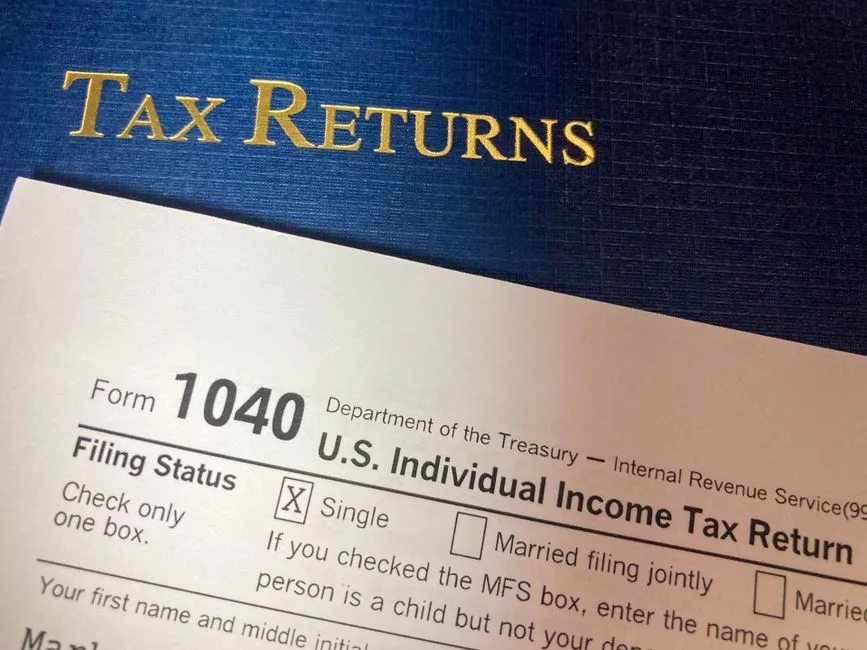
The Section 25C Energy Efficient Home Improvement Credit expired on December 31, 2025, under the One Big Beautiful Bill Act, and is no longer available for equipment purchased or installed in 2026. This was one of the most widely used federal incentives for homeowners replacing older appliances and home systems.
The 25C credit had allowed households to claim a tax credit equal to 30 percent of the cost of qualifying home upgrades, with a limit of $600 per measure and up to $1,200 per household annually, though homeowners could receive up to a $2,000 credit for qualifying heat pump equipment.
If you made qualifying improvements before January 1, 2026, you may still claim the 25C credit on your 2025 federal tax return. That window is narrow, so anyone who completed upgrades late last year should make sure their paperwork is in order before filing.
What the Inflation Reduction Act Originally Promised

President Biden signed the Inflation Reduction Act into law on August 16, 2022, which included $8.8 billion in rebates specifically for home energy efficiency and electrification projects. The ambition behind the law was broad: help millions of American households replace older, polluting appliances with modern electric ones.
The IRA includes funding for two main residential programs: the Home Owner Managing Energy Savings (HOMES) Rebate Program and the High-Efficiency Electric Home Rebate (HEEHR) Program. Both were designed to be administered at the state level, which created significant variation in how and when consumers could actually access the money.
The programs took several years to reach consumers because each state had to submit an implementation plan to the DOE, get it approved, set up a retailer network, and build an income verification system, with the first states going live in late 2024 and the majority of launches happening in 2025 and 2026.
The HEAR Program: What It Covers and Who Qualifies
The Home Electrification and Appliance Rebates program, known as HEAR, makes it more affordable for Americans to install electric appliances and complete electrification upgrades for their homes. It operates differently from a tax credit in a key way: the rebate is applied at the point of sale, so you don’t have to wait until tax season to see the savings.
All participants must verify that their gross household annual income is less than 150 percent of the Area Median Income, and a household includes all individuals living in the home regardless of relation. Higher income households above that 150 percent threshold are not eligible for this program.
Under federal guidelines, the maximum amount of rebates that any household may qualify for under the program is $14,000. Many states have reserved 60 percent of their funding specifically for low-income households and an additional 20 percent for low-income multifamily households.
The DOE Rule Change That Narrowed Eligibility in May 2026
The U.S. Department of Energy issued guidance for its High-Efficiency Electric Home Rebate programs on May 29, 2026, ending the ability for households to qualify for rebate funding when replacing fossil fuel-fired appliances with electric alternatives. This was a significant shift from what the program originally intended.
The DOE will instead allow rebates only for upgrading HVAC and appliances from existing electric equipment to more efficient electric equipment. That means a household currently running a gas furnace or gas stove can no longer use HEAR to help fund the switch to an electric or induction replacement.
DOE said it is replacing both programs’ consumer protection plan with a fraud, waste, and abuse mitigation plan, and removing requirements for internal review plans, a consumer satisfaction survey, and dispute resolution procedures beyond existing state laws. The stated goal is streamlining, though the practical effect is a narrowed scope for many homeowners.
How the HOMES Program Fits In

The HOMES and HEAR programs, backed by a combined $8.8 billion federal budget from the Inflation Reduction Act, are now the backbone of residential energy savings in 2026, and unlike the expired tax credits, these are direct rebates that reduce what you pay upfront rather than deductions on your annual return.
Low-income households at or below 80 percent of the area median income can receive up to $8,000 from HOMES and $14,000 from HEAR, for a combined federal maximum of $22,000. That is a substantial figure, though few households will qualify for the full amount across both programs simultaneously.
If HEAR covers a heat pump, HOMES cannot also cover that same heat pump, though HOMES could cover a broader retrofit project such as air sealing or ductwork that does not overlap with the HEAR-funded appliance. Careful planning can make a real difference in how much you recover.
State-by-State Rollout: A Very Uneven Picture
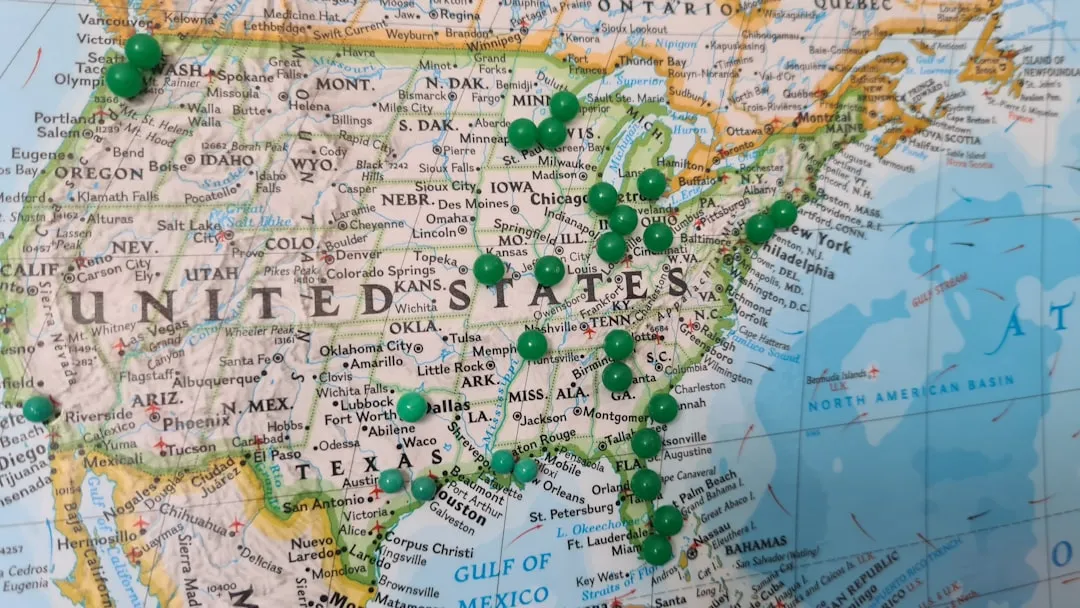
As of early 2025, efficiency rebates were available in Georgia, Michigan, North Carolina, Washington D.C., and Wisconsin, while some states had paused or delayed their programs due to uncertainty regarding federal funding. The patchwork nature of the rollout has been one of the most frustrating aspects for consumers trying to plan home upgrades.
In California, HEEHRA rebates for single-family home retrofits were fully reserved statewide as of February 24, 2026, with all unapproved reservation requests placed on a waitlist in case budget became available again, and no new income verification requests being accepted at that time.
States like Minnesota were still waiting for formal approval from the DOE to launch the program, with no estimated program launch date, after the DOE issued new program rules and requirements that changed how the HEAR and HOMES rebates would work there. Checking your specific state energy office’s website remains the only reliable way to know where things stand locally.
Funding Runs Out When It Runs Out

Without additional appropriations from Congress, the rebate programs will end once their initial IRA funding is exhausted. There is no automatic renewal mechanism built into the law, which means these programs are operating on a finite pool of money that shrinks with every approved application.
Funds run until depleted or September 30, 2031, whichever comes first. Given that several major states are still launching their programs in 2026, and demand is expected to be high, money in some states could dry up well before that deadline.
IRA rebate funds are expected to impact approximately one to two percent of households nationwide. That is a sobering number when you consider how many older homes across the country could benefit from these upgrades, and it underscores why acting sooner rather than later matters.
What Appliances Are Actually Still Eligible

The HEEHR program offers rebates for electrical appliances and upgrades to qualifying households based on income, covering energy-saving improvements such as installing ENERGY STAR certified appliances, adding home insulation, or upgrading heating and cooling systems.
Historically, homeowners could claim up to $2,000 per year for qualified heat pumps or heat pump water heaters, with equipment required to meet the efficiency tiers in effect at the time of installation. Heat pumps remain one of the most significant appliances covered under the surviving HEAR program for electric-to-electric upgrades.
The federal 25C and 25D credits expired under the One Big Beautiful Bill Act, though if equipment was installed in 2025, it can still be claimed on a 2025 tax return using IRS Form 5695, and most everyday kitchen and laundry appliances like refrigerators, dishwashers, and washer-dryers did not qualify under those credits. The HEAR program has somewhat broader coverage for appliances in eligible categories, but specifics vary by state.
Stacking Rebates: One Option Still on the Table

Many states and utilities offer their own rebate programs for energy-efficient equipment, and stacking these with HEAR is generally allowed, but the total combined rebates cannot exceed the purchase price. This is worth knowing because it means savvy homeowners can still layer multiple incentives even as federal options shrink.
HEAR rebates can be combined with other incentives as long as the total rebate amount does not exceed the cost of the equipment or project. Utility rebates almost always stack with federal programs. Calling your utility provider directly is a practical first step many homeowners skip.
Some state or utility rebate programs cover different appliances than the federal credit did, so it is worth checking those separately. The landscape is genuinely complicated right now, but the savings available through smart stacking are real and worth the effort of researching.
Scams Are on the Rise as Programs Wind Down

Consumers should be cautious if they receive unexpected contact about these programs through phone calls, emails, texts, online ads, or door-to-door visits, as these are likely scams. The complexity and high dollar values of these rebates have unfortunately made them a target for fraud.
Unscrupulous people are contacting homeowners and property owners claiming to represent the California Energy Commission and the IRA rebates for home energy upgrades, when in fact the only federal IRA-funded home electrification rebates currently available to Californians are provided through officially trained contractors.
The general rule is simple: legitimate rebate programs do not call you. You find them through your state’s energy office or a verified utility website, not through an unsolicited pitch. If someone is offering to fast-track your rebate for a fee, walk away.
Final Thoughts
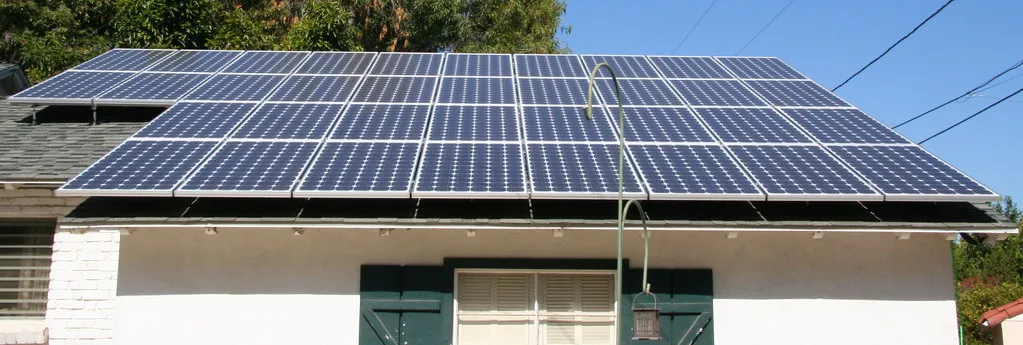
The government incentives available for replacing older appliances are contracting, not expanding. The most generous federal tax credits are already gone. The remaining programs are income-restricted, state-dependent, and funded by a finite pool of money that moves on a first-come, first-served basis.
That does not mean the opportunity has completely closed. HOMES and HEAR can generally be combined, using HEAR for appliance-level rebates and HOMES for whole-home savings performance. For households who qualify, meaningful money is still on the table. The key is acting while the programs are still funded and open in your state.
Check your state energy office’s website, confirm your income eligibility, and get quotes from qualified contractors now. The homeowners who benefit most from these programs are the ones who treat the deadline seriously before the funding simply runs out.
AI Disclaimer: This article was created with the assistance of AI tools and reviewed by a human editor.