

The Scale of the Problem Is Enormous

The FBI’s 2024 Internet Crime Complaint Center report recorded 525 complaints involving gold and precious-metals courier schemes, with reported losses totaling $219 million nationwide. That figure alone is striking, but it only captures what was formally reported. Experts generally agree that elder fraud is significantly underreported, meaning the true total could be far higher.
Over a ten-month period, the FBI documented approximately 5,100 victims of the gold bar scam, exceeding $262 million in losses. In New York City specifically, the NYPD has investigated more than 100 gold bar scam cases over the past two years, with total losses exceeding $100 million.
People aged 60 and older reported more than $7.7 billion in losses to the FBI in 2025, up 59% from the previous year. The gold bar scam is one of the fastest-growing categories within that broader crisis of elder financial fraud.
How the Scam Begins: A Pop-Up That Looks Very Real

Investigators say the scheme typically begins with a pop-up message on victims’ computers claiming to be from Microsoft, alerting them that their device is infected with a virus and instructing them to call a provided phone number for technical support. It looks convincing. The language is urgent, the logo appears genuine, and the phone number is displayed prominently.
Investigators said the scheme typically begins with a pop-up message on victims’ computers claiming to be from Microsoft, alerting them that their device is infected with a virus and instructing them to call a provided phone number for technical support. Once the victim calls, the situation escalates quickly and deliberately.
Once victims call, scammers gain remote access to their computers, allowing them to control webcams, printers, audio systems, and bank accounts, according to ABC News. At that point, the criminal has an alarming level of visibility into a person’s entire financial life.
The Government Impersonation Trick

After securing this access, fraudsters impersonate officials from the U.S. Treasury Department, IRS, or local police, telling victims their savings are in immediate danger and must be converted into gold bars for safekeeping. This is where the scam takes its most damaging turn.
Unindicted co-conspirators would deceive victims into believing that they were victims of a prior identity theft scam, and that purchasing gold would help protect their assets. Defendants and others posed as Federal Reserve agents or other government officials, supposedly picking up the gold for safekeeping, only to steal victims’ savings and launder the proceeds.
Authorities say the suspects will spoof phone numbers so that caller ID systems indicate the call is from local police or the IRS. This detail matters enormously. When the phone appears to show a call coming from a trusted institution, skepticism is much harder to hold on to.
The Courier Arrives at the Front Door

A courier, often unaware they are part of a criminal operation, shows up at the victim’s home to collect the gold bars while both parties remain on the phone with scammers, who are typically based overseas but pretend to be in the U.S. The callers provide code names or reference numbers to make the handoff appear legitimate.
Surveillance footage released by police shows an elderly woman in Flatbush handing over a box containing approximately $300,000 worth of gold bars to a man she believed was an official courier. The woman had been convinced her bank accounts were compromised and was told to turn the gold over to the IRS for protection.
Detectives believe the criminal network operates out of an India call center and uses couriers to pick up the gold. The couriers, sometimes recruited through legitimate-looking job postings, serve as the crucial physical link that makes the theft possible.
Real Victims, Real Losses

One family is speaking out after a 78-year-old retired Texas widower was scammed out of $2 million, part of a widespread scheme authorities say has targeted seniors across the state. Robert Brown was caught up in what police are calling a major gold bar scam that has taken $55 million from victims statewide, according to CBS News Texas.
In one of the largest single cases, a Manhattan victim lost $9.8 million in gold bars after falling for the same ruse. That is a number that represents not just money, but an entire life’s work.
Indiana man Kris Owen says he was vulnerable, grieving his wife’s death, when scammers reached out to him. Owen, a former Valparaiso resident, lost $80,000 to the gold scam. His story illustrates something important: scammers are skilled at identifying people in emotionally vulnerable moments and timing their approach accordingly.
Federal Indictments Are Finally Coming
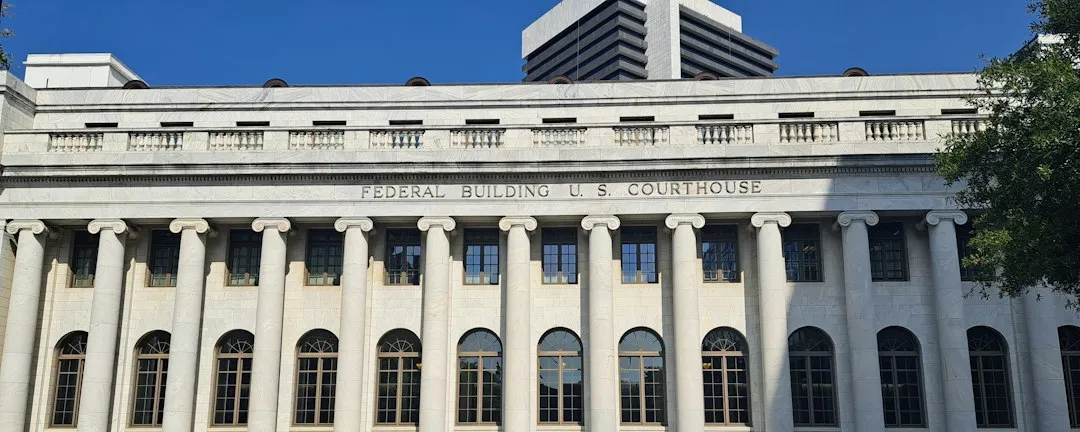
A federal grand jury in Louisville returned an indictment on August 5, 2025, charging a man and woman for their roles in a gold bar scam conspiracy that impacted senior victims in Kentucky and across the United States. Federal prosecutors treated this as a serious organized crime matter, not a minor financial dispute.
The indictment alleges that between April 2024 and July 2025, both defendants traveled around the United States and collected gold bars from victims who were convinced to liquidate their retirement funds and buy gold.
If convicted, each defendant could face a maximum of up to 40 years in prison, in addition to owing fines and victim restitution. Federal prosecutors clearly view this as a pattern of predatory, large-scale fraud worthy of severe punishment.
Why Seniors Are Targeted So Specifically

Gold bar scams, also known as gold bar courier scams, are carefully orchestrated, multi-stage schemes, according to the FBI. Older adults are often the targets. There are several reasons for this, and they go beyond stereotypes about age and technology.
Scammers use fear and urgency, posing as government or bank officials to manipulate victims, who are often too intimidated or confused to question the demands before handing assets to a courier. Retirees frequently have larger, more accessible savings than younger people, which makes them a primary focus for criminals seeking large payouts.
Many victims are embarrassed and don’t tell family until it’s too late. That silence is something scammers actually count on. The instruction not to tell anyone is a deliberate tactic built directly into the script they use.
The Psychological Pressure Tactics Used

The “officer” tells a frightening story involving drug trafficking, money laundering, or terrorism financing, always something that sounds catastrophic. They say the victim’s bank accounts are about to be frozen, but there’s a secret government program that can safeguard the money temporarily.
Victims are warned that telling their bank, their children, or anyone else will void the protection and result in arrest. This manufactured secrecy is one of the most powerful elements of the entire fraud. It separates the victim from anyone who might recognize the situation as a scam.
Listen for phrases and demands such as “act now” or “don’t tell your family.” Another red flag is if you’re asked for compensation in the form of gold, gift cards, cryptocurrency, or wire transfers. These are consistent patterns across virtually every documented case.
Why Recovery Is So Rare

Recovery for victims is rare, as stolen assets like gold are often untraceable, and prosecutions are difficult with fraud networks frequently operating overseas, making prevention and skepticism critical defenses. Once gold bars change hands and enter an overseas network, the practical chances of getting that money back drop to nearly zero.
Gold bar and bulk cash courier scams refer to schemes that convince victims to turn their valuables over to a scammer or someone working with the scammer in person, eliminating a trail back to the fraud. That in-person element is exactly what makes this more difficult to trace than a typical wire fraud.
Authorities have arrested several people connected to these gold bar scams in recent months, but most were couriers working for overseas actors. The people running the operation from afar remain largely out of reach, which is why prevention, rather than prosecution after the fact, is the only truly reliable defense.
What Lawmakers and Local Police Are Doing

The investigation, which began in May 2024, involves the NYPD, the Department of Homeland Security, the IRS, and law enforcement agencies in other states because authorities say the scheme is not limited to New York. This is one of the broadest multi-agency elder fraud responses in recent memory.
New warning signs will soon be required inside Suffolk County gold shops. Lawmakers have also proposed a 48-hour hold on first-time bullion purchases over $50,000. That kind of legislative response signals just how seriously the problem is now being taken at a state and local level.
In the United States, as couriers are facing prison sentences, law enforcement officials are traveling to senior communities to raise awareness about the scam. Community outreach has become a key part of the strategy, because education remains one of the few tools that can interrupt the fraud before money changes hands.
How to Protect Yourself and the People You Love

No legitimate financial institution, and no federal, state, or local government agency, has a process that involves you converting your savings into gold bullion and handing it to a courier, mailing it to a stranger, or leaving it somewhere for pickup. This is, without any exception, always a scam.
If you receive a notice from your bank or a government agency asking you to address an urgent matter, double-check its veracity by calling their official number yourself, or even visiting them in person. Never use the phone number provided by a pop-up, an email, or a caller you did not initiate contact with yourself.
Stop all contact immediately and don’t answer if they call again. File a report with the FBI’s Internet Crime Complaint Center at ic3.gov and with the FTC at ReportFraud.ftc.gov, then call your local police department, asking specifically if they have a financial crimes unit. Acting quickly after contact, even if no money has been sent yet, gives investigators the best chance at identifying an active network.
The Takeaway
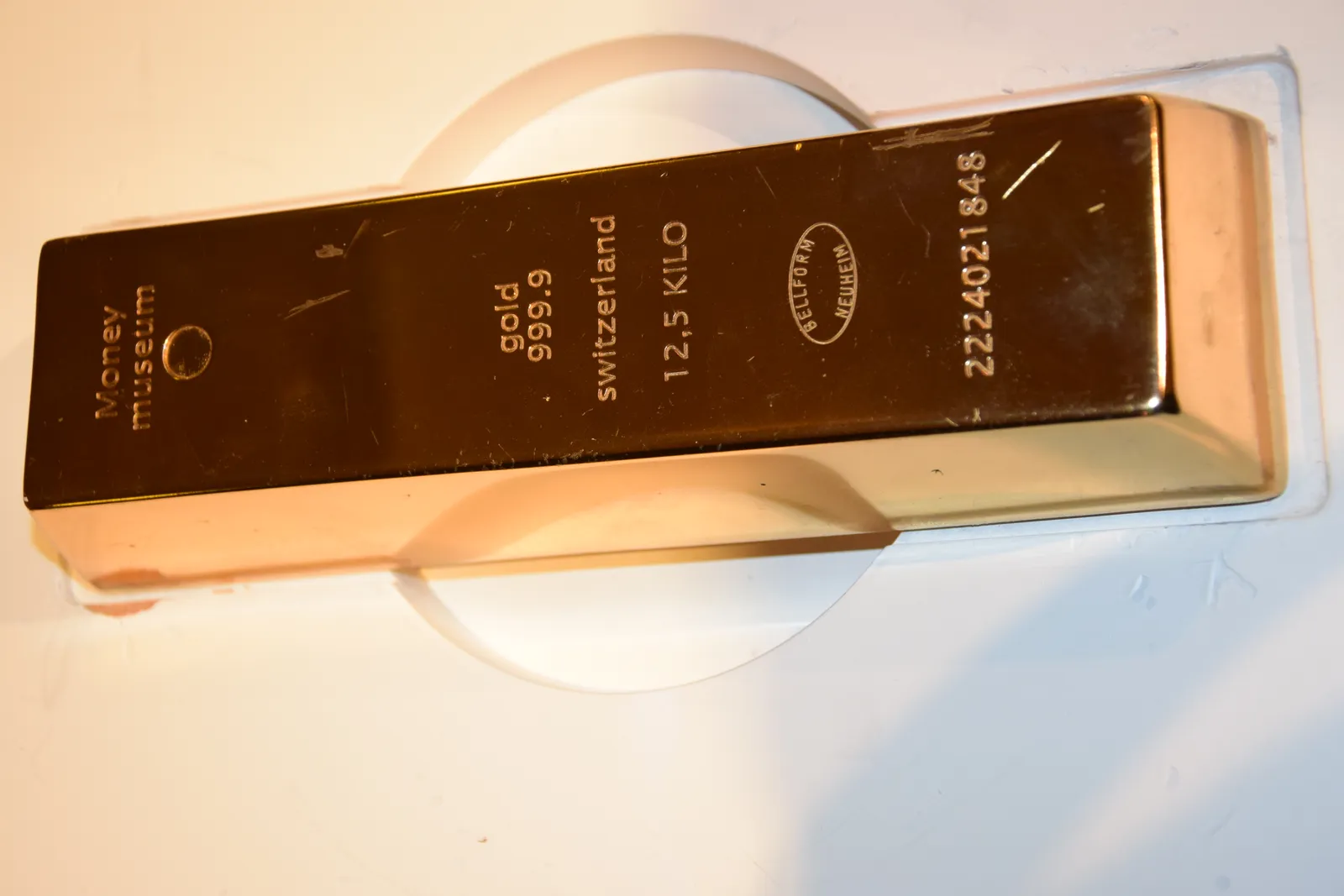
The gold bar scam works because it is psychologically sophisticated, not because its victims are naive. It weaponizes trust in institutions, manipulates fear, and exploits the very impulse that made these people careful savers in the first place: the desire to protect what they’ve built.
The clearest protection is the simplest one. No legitimate government official will ever ask you to buy gold or send money to “protect” it. That one fact, shared widely enough and remembered clearly enough, is the most powerful tool anyone has against this fraud.
Talk to older relatives. Share this information freely. The conversation takes five minutes and could save a lifetime of savings.
AI Disclaimer: This article was created with the assistance of AI tools and reviewed by a human editor.