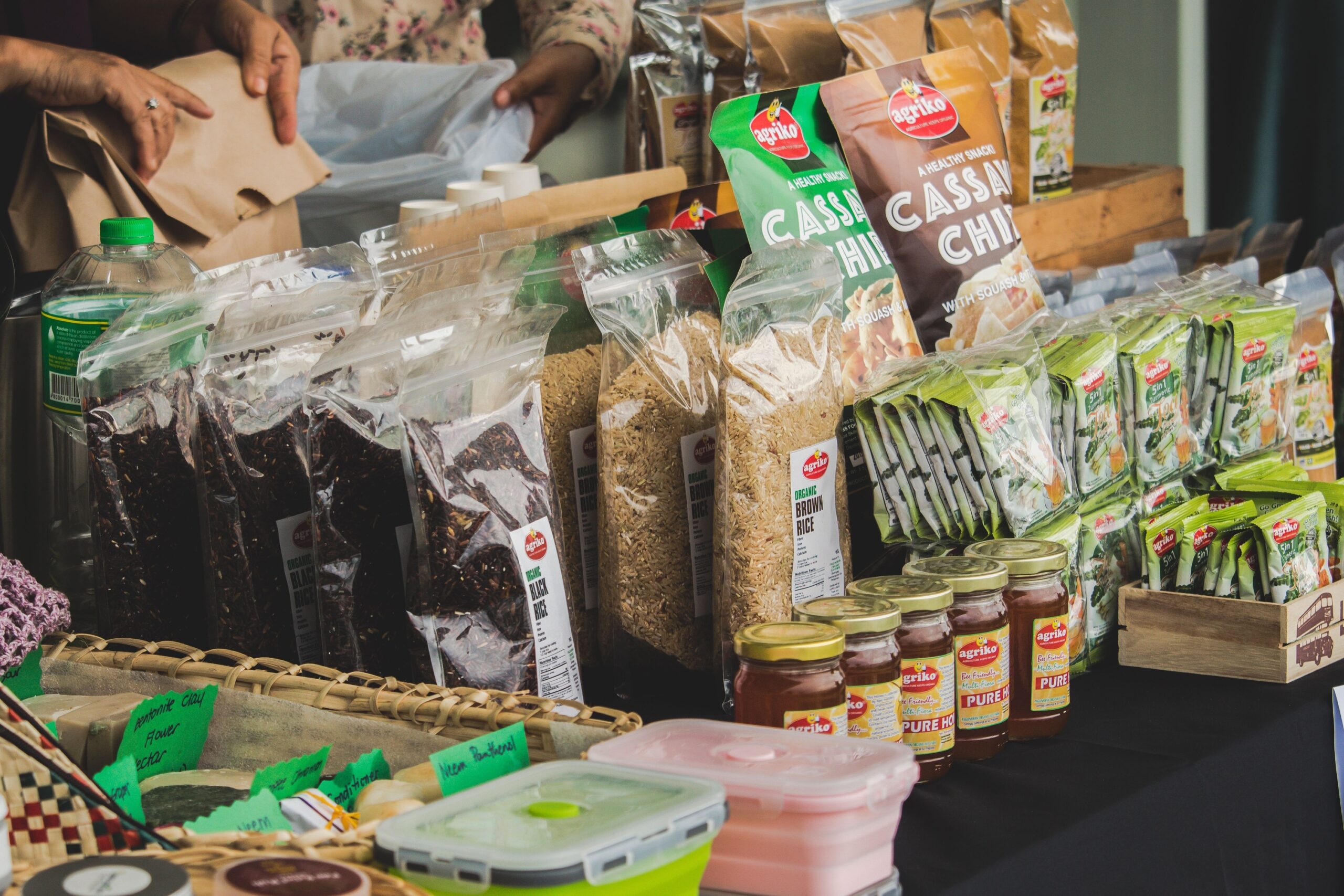

Gochujang: Korea’s Fermented Fire Finds a New Home
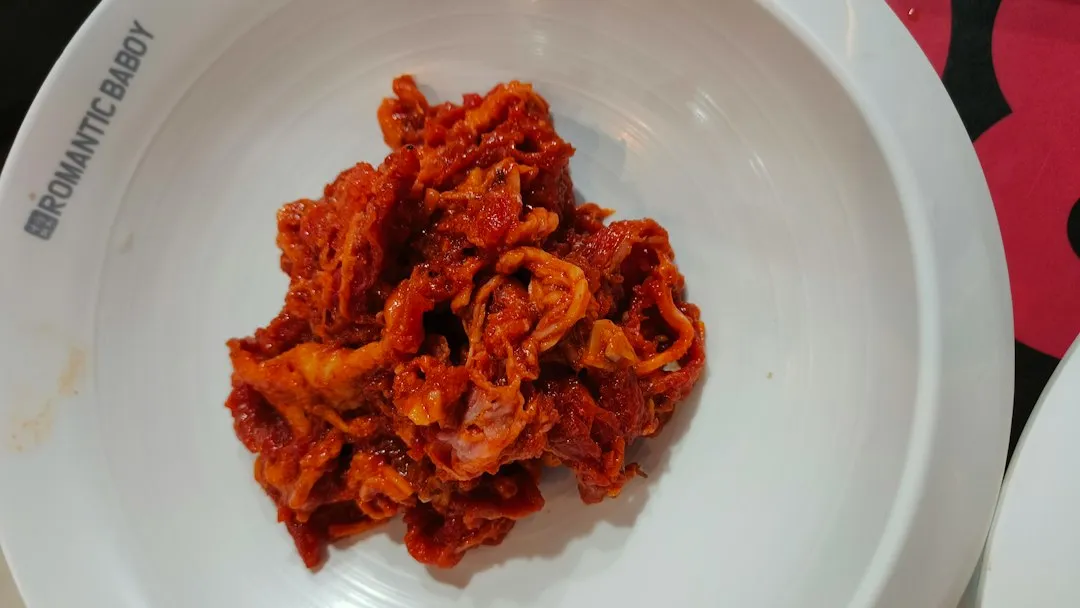
Few ingredients have crossed over as decisively as gochujang, the deep-red Korean fermented chili paste that balances heat, sweetness, and funk in a single spoonful. Sriracha sauce has become as mainstream as ketchup in some parts of the country, with Korean gochujang following closely behind. That trajectory is backed by hard numbers.
Gochujang exports hit $61.92 million last year, a 17.8% jump from the previous year, breaking the $60 million mark for the first time. The United States is central to that story. The US accounted for 17.8% of gochujang exports, with $21.1 million in trade.
Daesang’s flagship Natural Gochujang saw 2025 sales up approximately 84% year over year, and it’s now stocked in mainstream retail channels including Walmart. North America represents the fastest-growing gochujang market outside Asia, with the United States leading regional consumption as mainstream supermarkets now allocate dedicated shelf space to these products.
Miso Paste: From Soup Base to Everything Ingredient
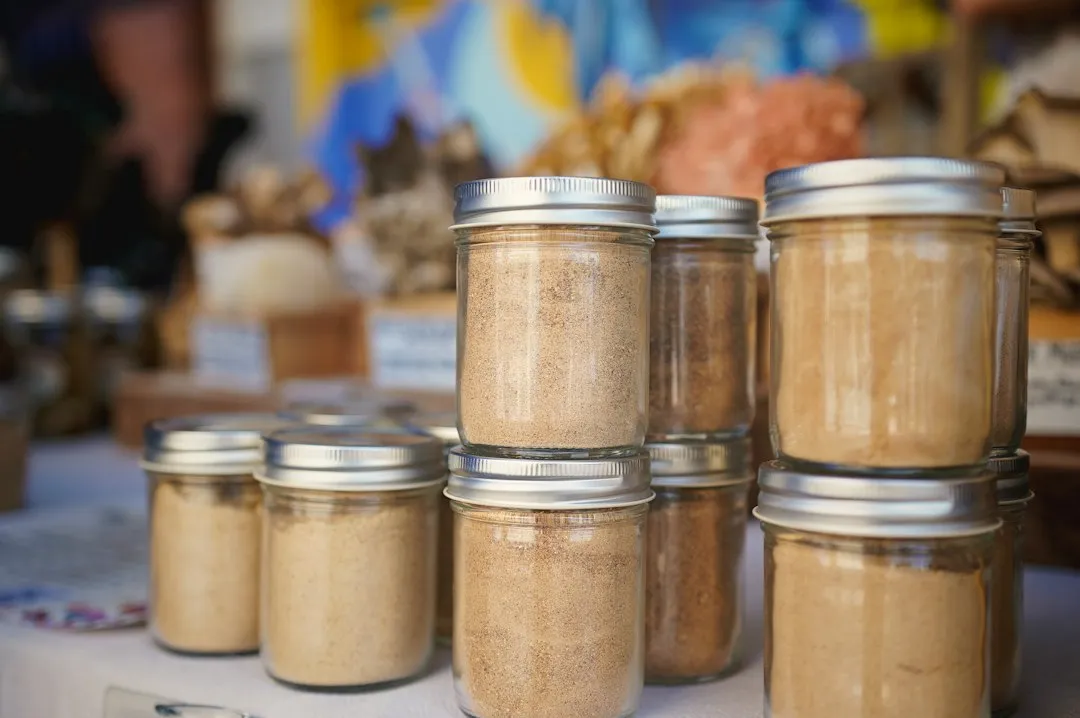
Miso has long been familiar to Americans in the form of restaurant soup, but that narrow association is giving way to something broader. Home cooks are now reaching for it as a marinade base, a butter enricher, a caramel deepener, and a glaze component. The umami depth it provides is genuinely difficult to replicate with anything else.
The miso paste market was valued at USD 401 million in 2025, with sales expected to reach USD 415 million in 2026 and USD 585 million by 2036. The United States is leading that growth. The US leads with a 5.6% CAGR, driven by the Japanese cuisine trend, plant-based cooking adoption, and fermented food health awareness among mainstream consumers.
The steady growth rate reflects the pace of cultural adoption in Western markets rather than any structural constraint on the product itself. In practical terms, miso is becoming a pantry staple that home cooks reach for when a dish needs a quiet, persistent savoriness that salt alone can’t deliver.
Tahini: No Longer Just Hummus’s Supporting Act

Tahini, the ground sesame paste central to Middle Eastern and Mediterranean cooking, has quietly become one of the more commercially significant pantry imports. For a long time it sat in the shadow of hummus, treated as a background ingredient. That has changed. Tahini-based products have seen a rise in popularity, with sales increasing by over 15% in the last year.
The tahini market is expanding from an estimated $2.15 billion in 2024 toward $3.89 billion by 2034, fueled by a CAGR of 6.1%. In the US specifically, the numbers are equally strong. The United States tahini market was valued at approximately USD 238.7 million in 2024, with a projected growth rate of 6.7% CAGR through 2034.
In 2024, North American retail penetration expanded with a 29% increase in shelf space allocation for tahini-based products in supermarkets. Cooks are using it in salad dressings, noodle sauces, roasted vegetables, and baked goods, proving that its role extends far beyond the dip bowl.
Furikake: The Japanese Seasoning That Made the Dictionary
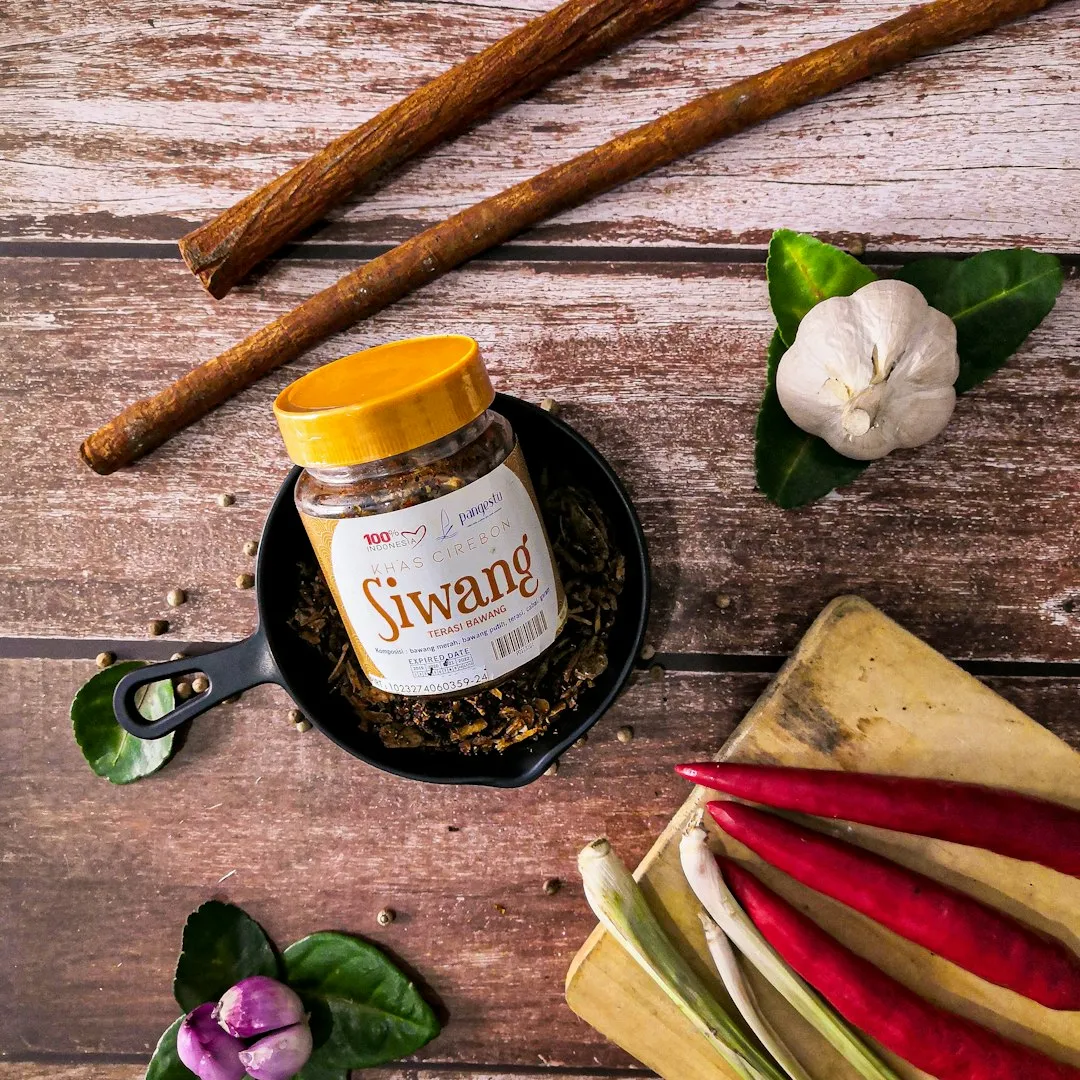
Furikake, the Japanese rice seasoning blend of nori, sesame seeds, dried fish, salt, and sugar, is having a genuine breakout moment in the United States. Dictionary.com added “furikake” to its lexicon as part of the Winter 2026 Word Drop, though the word has been a fixture in Japanese kitchens for well over a century. That linguistic recognition is a quiet marker of mainstream arrival.
Furikake has grown 36% on restaurant menus over the past four years, and market research firm Datassential forecasts the spice blend will grow by 52% on menus over the next four. At home, cooks are finding uses well beyond rice. By the 2020s, social media chefs were dusting it on everything from buttered toast to roasted chicken, and Western supermarkets began stocking it next to soy sauce and sriracha.
Online search volume for Japanese furikake rice seasonings peaked in January 2026, and furikake sales in Japan have grown for 27 consecutive months. American interest is tracking that curve closely, particularly through viral food content on social platforms.
Black Garlic: An Unlikely Pantry Star from East Asia
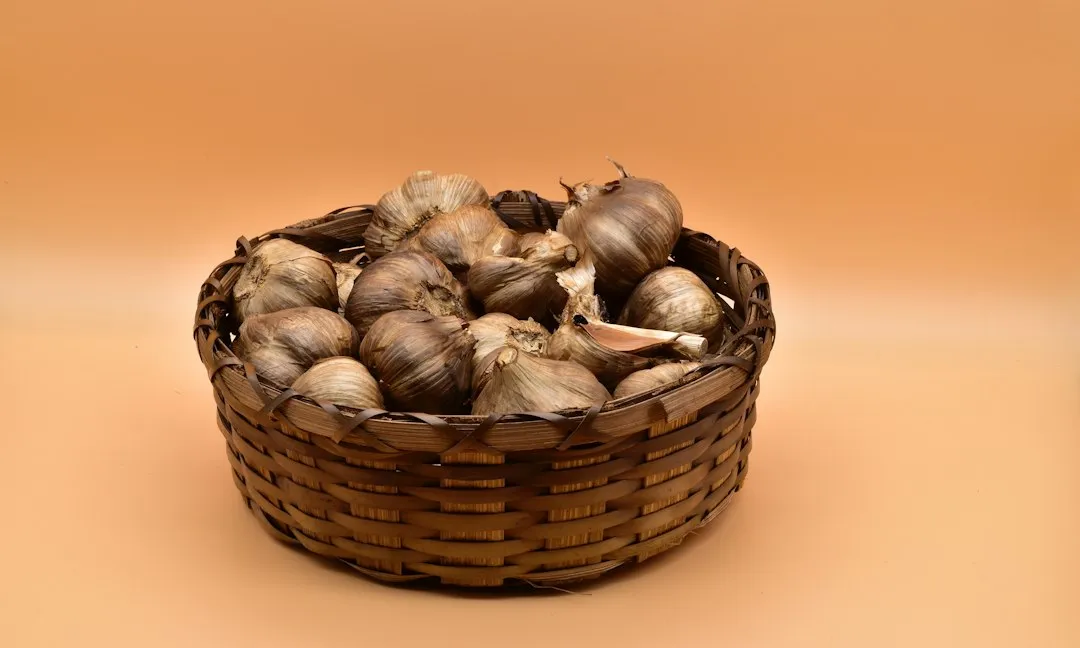
Black garlic is regular garlic that has been aged slowly in controlled heat and humidity until the Maillard reaction transforms it into something quite different: dark, jammy, sweet, and layered with molasses-like depth. The process involves placing garlic in a warm, moist, controlled environment over the course of several weeks, producing black cloves with a savory flavor distinct from unfermented garlic.
Black garlic has found particular success in Midwest markets with a 179% regional menu growth, according to Datassential’s tracking data. That figure points to something important: the ingredient is not just appealing to coastal food cultures. It is moving into mainstream American cooking in geographies where global ingredients have historically moved slowly.
Black garlic is now used in diverse culinary applications including sauces, salads, meats, and even chocolate and ice cream. The range is part of its appeal. It functions as a finishing ingredient, a seasoning base, and a spread, which gives home cooks multiple entry points without requiring any specialized technique.
Za’atar, Berbere, and Gochugaru: Spice Blends Moving In
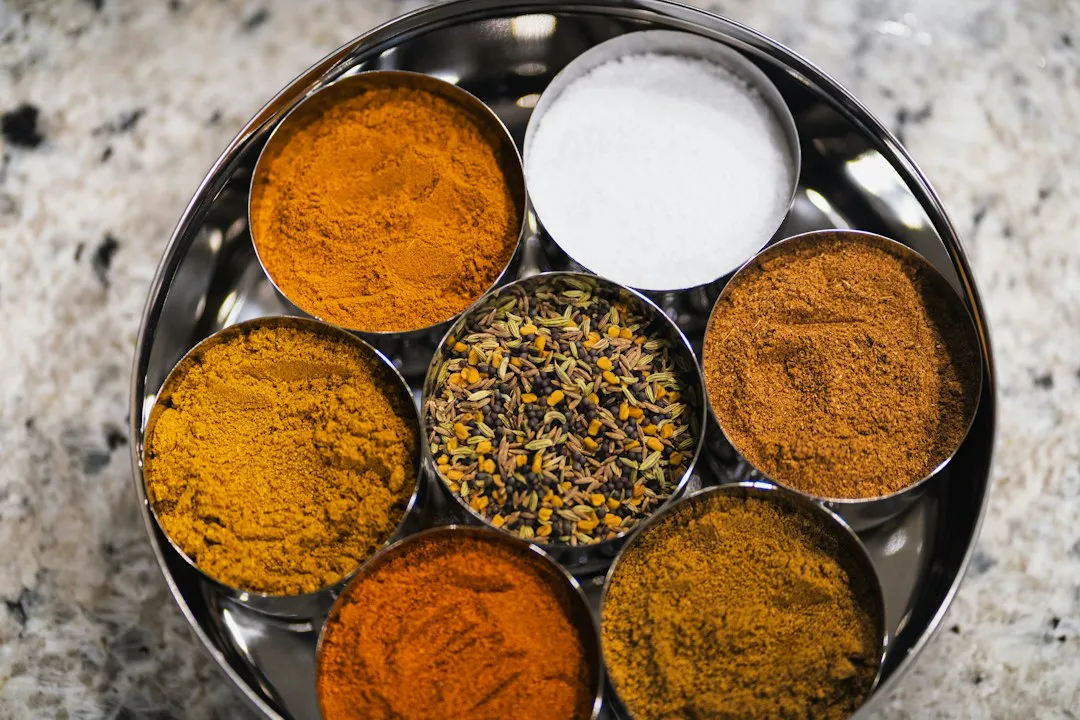
Individual global spice blends are earning permanent spots in American kitchen drawers. These aren’t novelty items anymore. Za’atar, berbere, and gochugaru now sit alongside salt and pepper in many American kitchens, reflecting a genuine shift in how home cooks think about seasoning from the ground up.
Grocery stores have expanded their international aisles to meet this demand, and the expansion is measurable. Industry data shows continued growth for chili pepper at a roughly 5% compound annual growth rate, while cumin is rising at approximately 10%. These are not exotic outliers; they are the backbone of dozens of global cuisines now being prepared in American homes.
The Specialty Food Association has also noted the acceleration of what it calls “Instant Global Gratification,” where consumers everywhere continue to gain access to non-native flavors and new-to-them dishes in convenient formats. Spice blends are central to that pattern, offering full-cuisine flavor without demanding specialized knowledge or technique.
Fish Sauce: The Secret Ingredient That Finally Has a Name
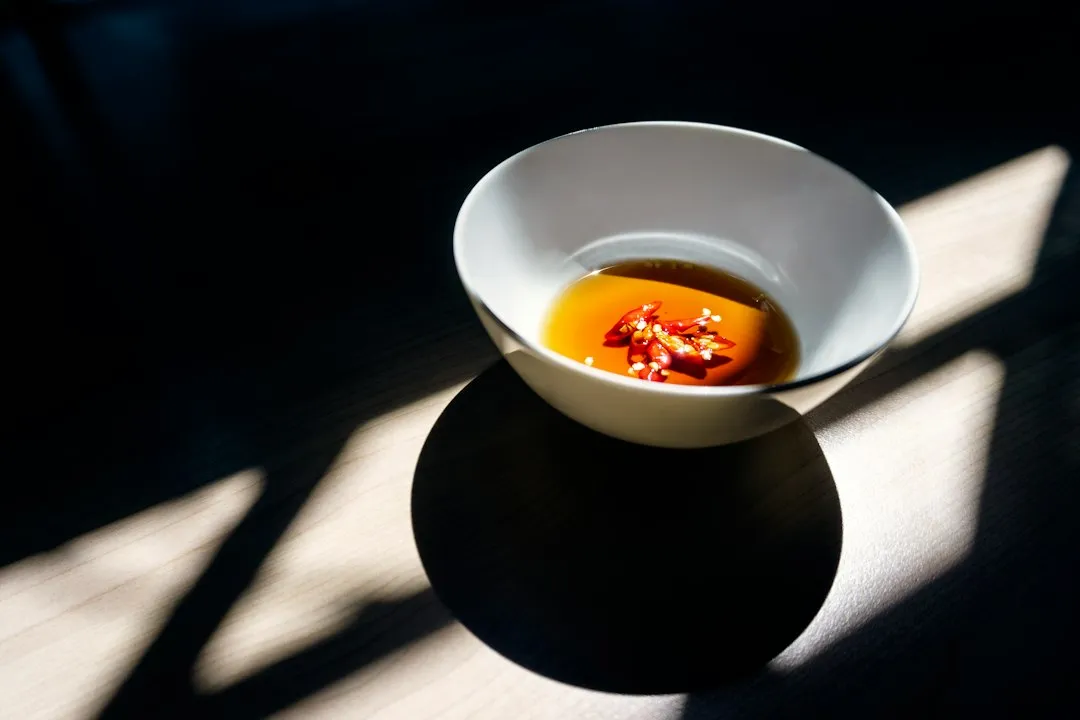
Fish sauce has been used quietly by home cooks for years, often borrowed from Southeast Asian recipes and applied to dishes far outside its original context. Italian ragù, roasted vegetables, Caesar dressings, and even scrambled eggs have all benefited from a small splash. The pungent smell that puts many cooks off during prep virtually disappears once it’s cooked in, leaving only savory depth behind.
Black vinegar, fish sauce, and sesame oil are all rising pantry staples, according to multiple culinary experts tracking 2024 and 2025 trends. The American Culinary Federation’s 2024 trends report confirmed this shift toward globally-sourced condiments, noting that 44% of US consumers are interested in global condiments and sauces, while 51% of US operators would menu them today.
The ingredient’s crossover appeal comes from exactly the same place as miso and gochujang: umami. Cooks who use it once tend to keep using it, because it solves a specific problem that no common Western pantry staple quite addresses. It lifts flavors without announcing itself.
Aji Amarillo and Calabrian Chili: Two Peppers Worth Knowing
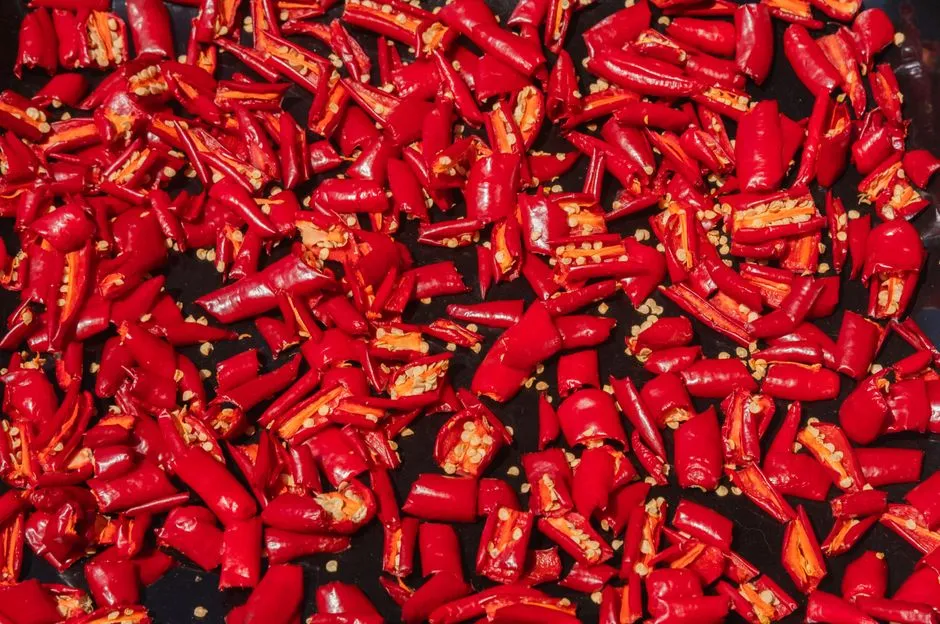
Not all global pantry momentum belongs to East Asia. Latin American and Italian peppers are finding equally devoted followings among American home cooks. Aji amarillo, the bright Peruvian yellow chili with fruity heat and sunshine color, and Calabrian chili, the funky oil-packed Italian variety, are both appearing on more grocery shelves and recipe sites than ever before.
Ingredients like achiote, black garlic, ají amarillo, harissa, and hibiscus flowers are becoming more accessible and are, in the words of one culinary expert, only the beginning. The path from restaurant menu to home pantry is shortening. Experts have their eyes on Calabrian chilis, gochujang, and black sesame as ingredients gaining particular popularity through 2024 and into 2025.
Calabrian chili has been especially visible, migrating from artisan pizza and imported pasta brands into mainstream cooking content. Its combination of moderate heat, fermented tang, and good olive oil base makes it versatile enough to be used straight from the jar, which matters a great deal for everyday cooking.
West African, Filipino, and Georgian Flavors: The Next Wave
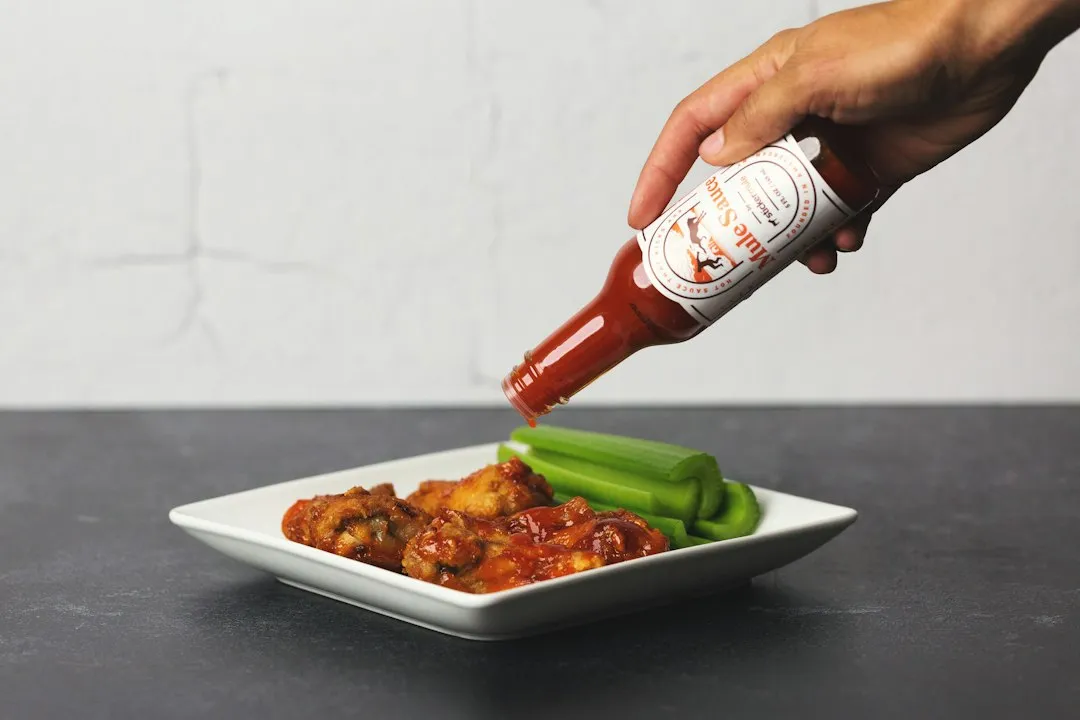
While Korean and Japanese ingredients have dominated the global pantry conversation for the past few years, the next layer is already forming. Global cuisines like West African, Filipino, and Georgian dishes are reshaping American menus and grocery aisles. These are cuisines with distinct pantry profiles: fermented locust beans, banana blossom, calamansi, tamarind concentrate, and tkemali (Georgian plum sauce), among others.
The Specialty Food Association’s trendspotter panel has been vocal about the acceleration of South Asian brands in American retail as well. Trendspotter Kat Craddock noted excitement about “so many great new South Asian brands” and expects consumers everywhere will continue to gain access to non-native flavors in convenient formats. The commercial infrastructure for these cuisines is now being built out at pace.
What unites these emerging pantries is a shared quality: complex flavor from fermentation, drying, or slow preparation methods that deliver more than one-dimensional heat or sweetness. That complexity is precisely what adventurous home cooks are seeking.
Yuzu Kosho and Black Vinegar: Small Jars, Big Impact
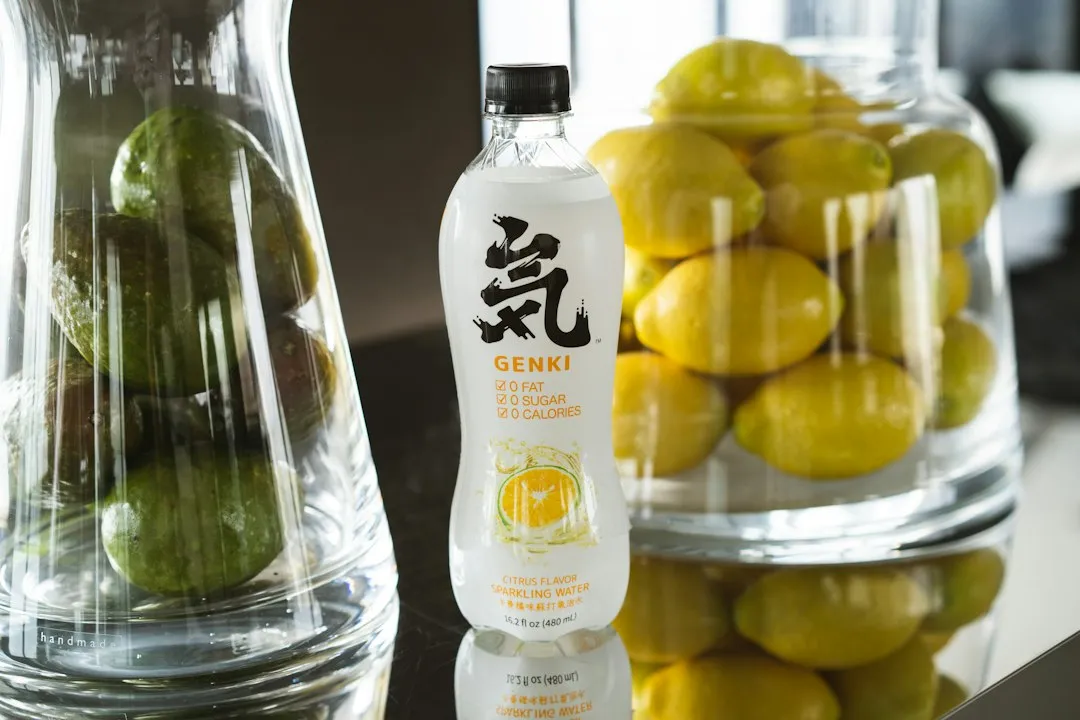
Some of the most interesting global pantry arrivals are not bold or spicy. They are subtle flavor modulators that do something no common Western ingredient does quite as well. Yuzu kosho, a Japanese paste made from yuzu citrus peel, green chili, and salt, delivers citrus brightness and heat at the same time. Chinese black vinegar adds depth, tang, and a molasses-like complexity that regular balsamic can’t match.
Yuzu kosho shows impressive 63% four-year growth in menu appearances, according to Datassential data, which is a meaningful signal of where home cooking interest is heading. Ingredients this specialized tend to follow restaurant exposure closely, moving into home pantries as cooks try to recreate what they’ve tasted eating out.
It’s now much easier to source Korean rice cakes, Roman garum, a rainbow of misos, jollof rice seasonings, Burmese fermented tea leaves, and Nepali momo than it was even five years ago, as one recipe editor with deep knowledge of the space has noted. The barriers to stocking a genuinely global pantry are lower than they’ve ever been, and American home cooks are taking full advantage.
The Takeaway
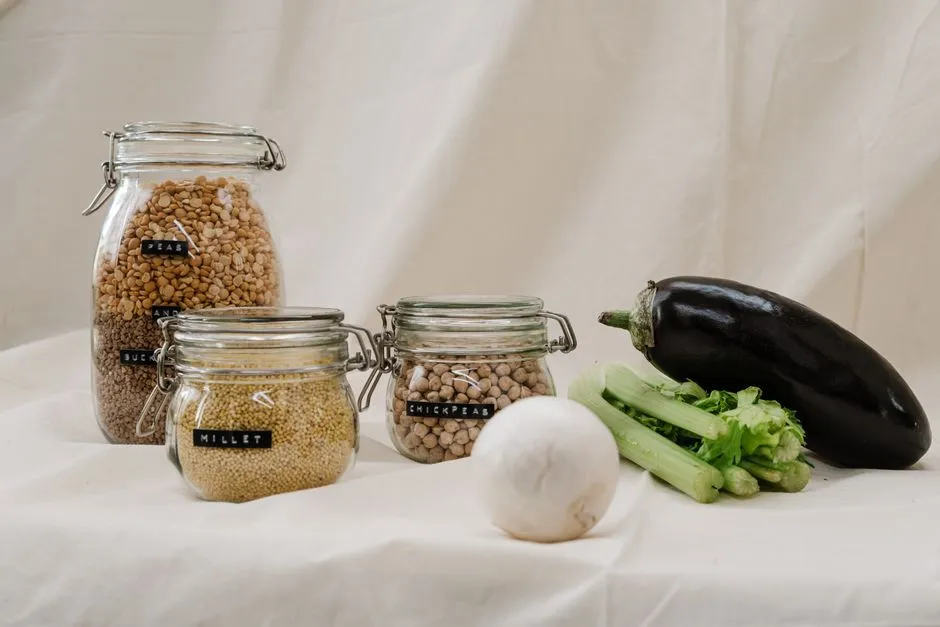
What’s happening in American pantries right now isn’t a passing food media moment. The numbers are real, the retail shelf space is being reallocated, and the cooking habits are changing at a measurable pace. People are curious and engaged about unfamiliar foods and willing to try them in a way they never were before, as one food writer put it, and the product availability to support that curiosity is finally catching up.
The most telling sign may be the simplest one. It’s now common to see a splash of XO sauce or a dusting of furikake in recipes written for general audiences, not specialist food publications. That normalization is where real cultural change actually shows up, not in trend reports, but in what people reach for without thinking twice. The global pantry is no longer a novelty. For a growing number of American home cooks, it’s just the pantry.
AI Disclaimer: This article was created with the assistance of AI tools and reviewed by a human editor.