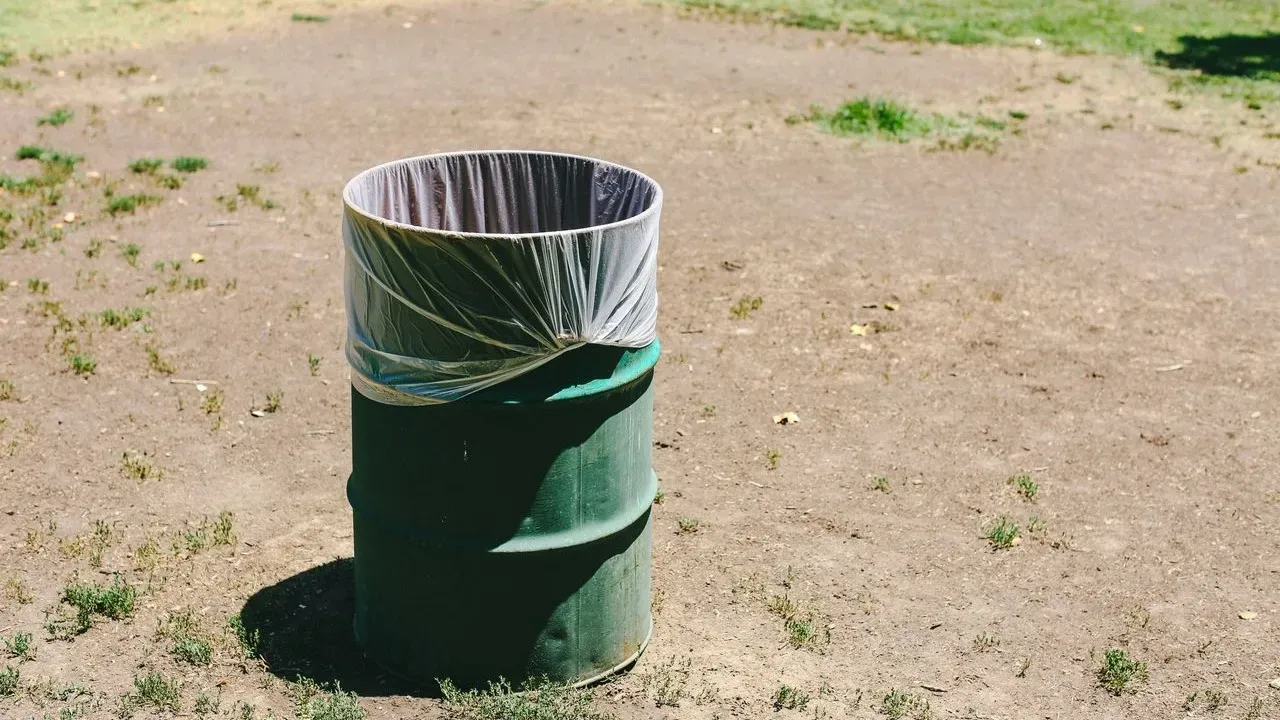

Trash cans are a household necessity that rarely fit the vision of a tidy, inviting garden. Their bulky shapes and utilitarian appearance often stand out against carefully planted beds and manicured lawns, creating an unintended focal point. Many homeowners find that thoughtful landscaping turns these everyday items into elements that feel integrated rather than intrusive. The result is a backyard that maintains both function and visual harmony.
Why concealment matters in garden design
Outdoor waste containers sit exposed to weather, animals, and constant view in most residential settings. Their presence can undercut hours spent on planting schemes and hardscaping. Gardeners who address this detail early in a project often report greater satisfaction with the overall space. The goal is not to hide the cans completely but to make them recede into the surroundings.
Practical solutions respect daily use while improving curb appeal from multiple angles. Accessibility remains essential for weekly collection and household routines. Successful designs balance these requirements without adding unnecessary complexity or cost.
Screening options that blend with the landscape
Lattice panels offer one straightforward approach. Mounted on simple posts or attached to an existing fence, they create a partial barrier that allows airflow while softening the outline of the cans. Choosing a wood or composite material that matches nearby structures helps the screen feel like a natural extension of the garden rather than an add-on.
Planted enclosures provide another layer of integration. Low shrubs or tall ornamental grasses positioned around the cans soften their edges and change with the seasons. Evergreen varieties maintain coverage year-round, while deciduous plants can be paired with evergreen backdrops for consistent effect. The plants also contribute to the garden’s biodiversity and require only routine maintenance.
Repurposed structures for added utility
Small sheds or storage boxes originally intended for tools can double as trash can covers. Placing the containers inside keeps them protected from rain and out of sight. Ventilation holes or open sides prevent odor buildup, and the structure itself can be painted or stained to match the home’s exterior.
Another option involves modifying existing garden features. A corner of a deck or patio can be screened with a combination of planters and trellis work. This creates a dedicated zone that feels intentional rather than makeshift. The added surface area also offers space for potted plants or seating that further disguises the purpose of the area.
Maintenance considerations for lasting results
Any concealment method should allow easy access for cleaning and collection days. Hinged doors, removable panels, or lightweight screens that lift away simplify these tasks. Materials chosen for outdoor durability reduce the need for frequent repairs or replacements.
Regular pruning of surrounding plants keeps the design looking intentional rather than overgrown. Seasonal adjustments, such as moving containers slightly during heavy bloom periods, maintain both function and appearance. These small habits ensure the solution remains effective over time.
Planning the project from the start
Successful concealment begins with measuring the space and noting collection routes. Sketching simple layouts helps identify which methods fit the existing garden style and budget. Many gardeners start with one or two low-cost experiments before committing to larger structures.
The payoff appears in daily enjoyment of the yard. A space where every element feels considered contributes to a stronger sense of place. Trash cans that once dominated the view become quiet background features, allowing the garden itself to take center stage.
AI Disclaimer: This article was created with the assistance of AI tools and reviewed by a human editor.