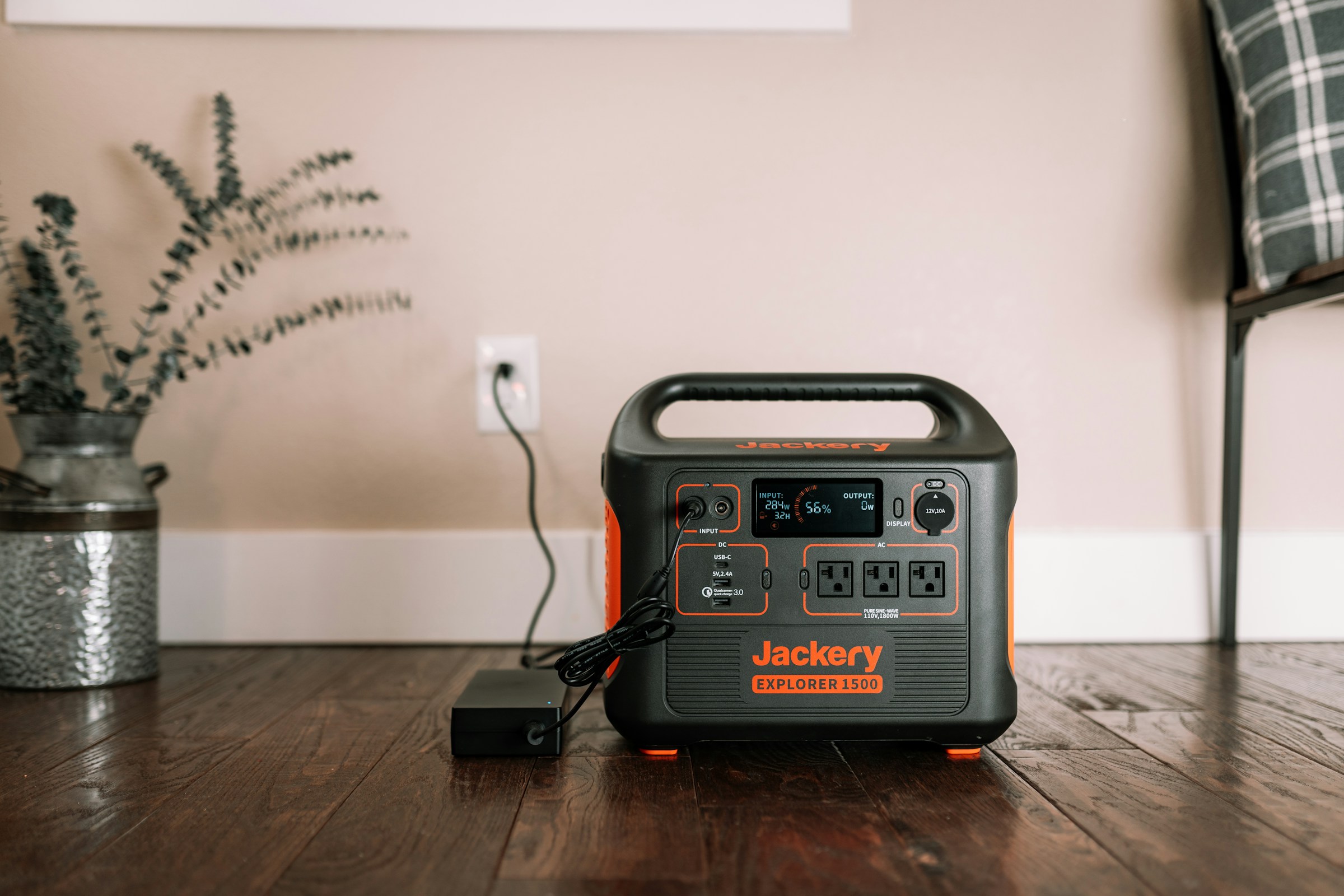

Every year, thousands of Americans fire up a portable generator during a power outage believing they’re doing the smart, responsible thing. Most of the time, that’s true. The problem isn’t the generator itself. It’s where people choose to put it.
A single placement mistake, one that takes only seconds to make, can fill an enclosed space with a colorless, odorless gas that kills before most people realize anything is wrong. The statistics are hard to ignore, and the pattern keeps repeating after every major storm season.
The Scope of the Problem Is Bigger Than Most People Realize
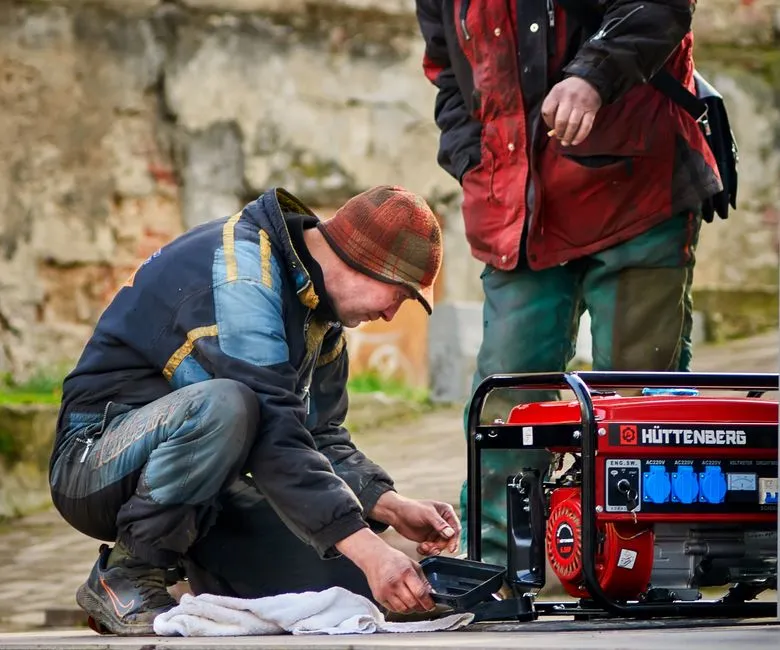
The Consumer Product Safety Commission (CPSC) concludes that portable generators are associated with roughly 40 percent of carbon monoxide deaths related to consumer products since 2009. That’s a staggering share for a single product category.
An average of nearly 100 consumers die in the U.S. each year from CO poisoning from portable generators, according to the CPSC’s latest report on non-fire carbon monoxide deaths associated with the use of consumer products. These aren’t rare edge cases. They are predictable, recurring tragedies.
More than 900 people died of carbon monoxide poisoning from portable generators between 2005 and 2017, according to the CPSC, and an estimated 15,400 people were treated in emergency rooms for portable generator-related carbon monoxide poisoning during that same period. The toll on emergency services, families, and communities adds up fast.
Why Carbon Monoxide Is So Uniquely Dangerous
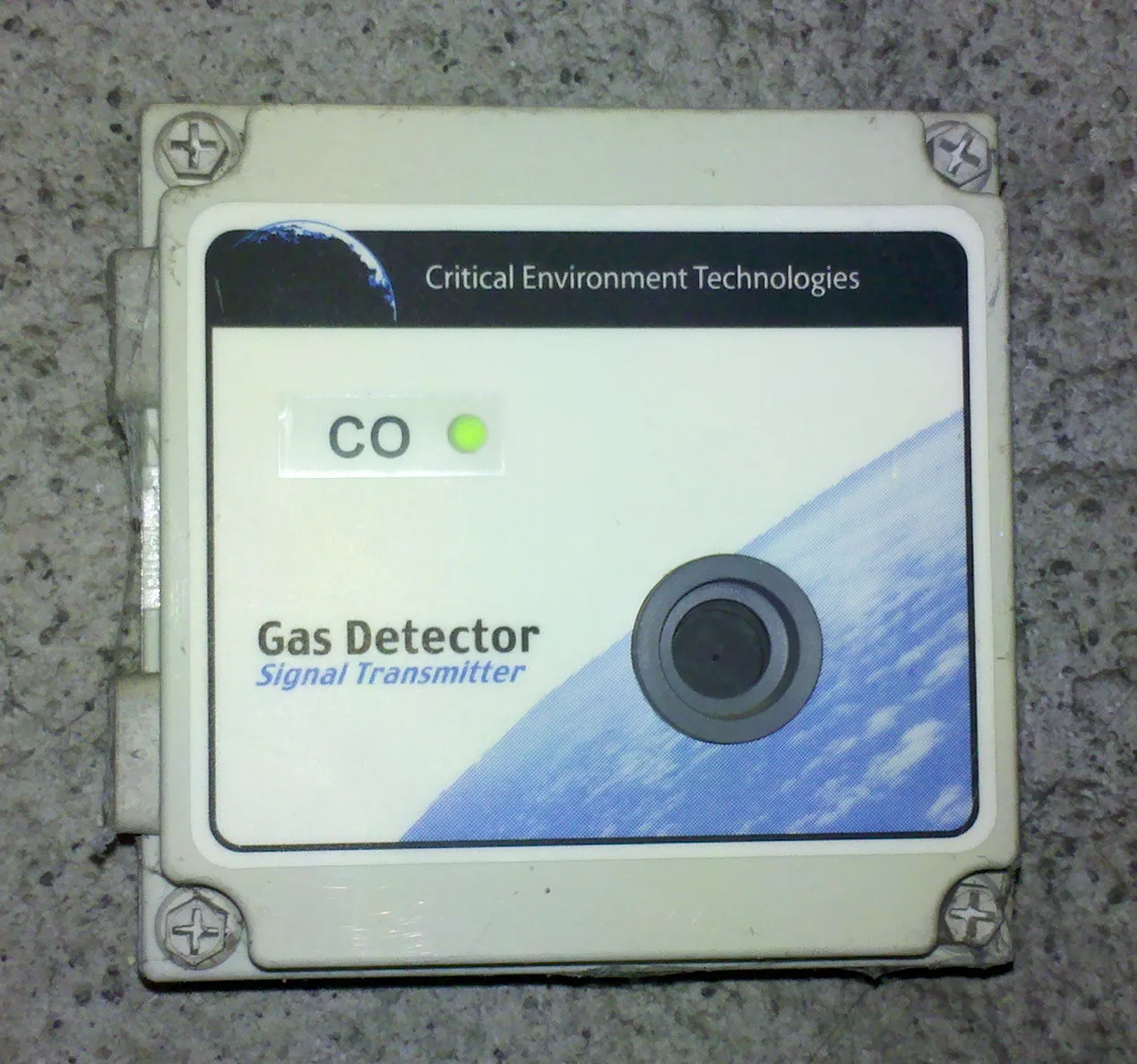
Because CO is odorless, colorless, and otherwise undetectable to the human senses, people may not know they are being exposed. There’s no smell, no visible cloud, no obvious warning sign you can perceive on your own.
CO binds to red blood cells more readily than oxygen does, which means the blood can no longer carry enough oxygen to organs. This happens silently and quickly, often before a person registers that anything is wrong.
Symptoms of CO poisoning set in quickly and escalate without immediate intervention. You may not feel sick at first, and since there’s no smell or visible warning sign, you might simply become confused, drowsy, and lose consciousness. That sequence, from feeling slightly tired to being incapacitated, can unfold within minutes.
Running a Generator Indoors: The Most Common Fatal Mistake
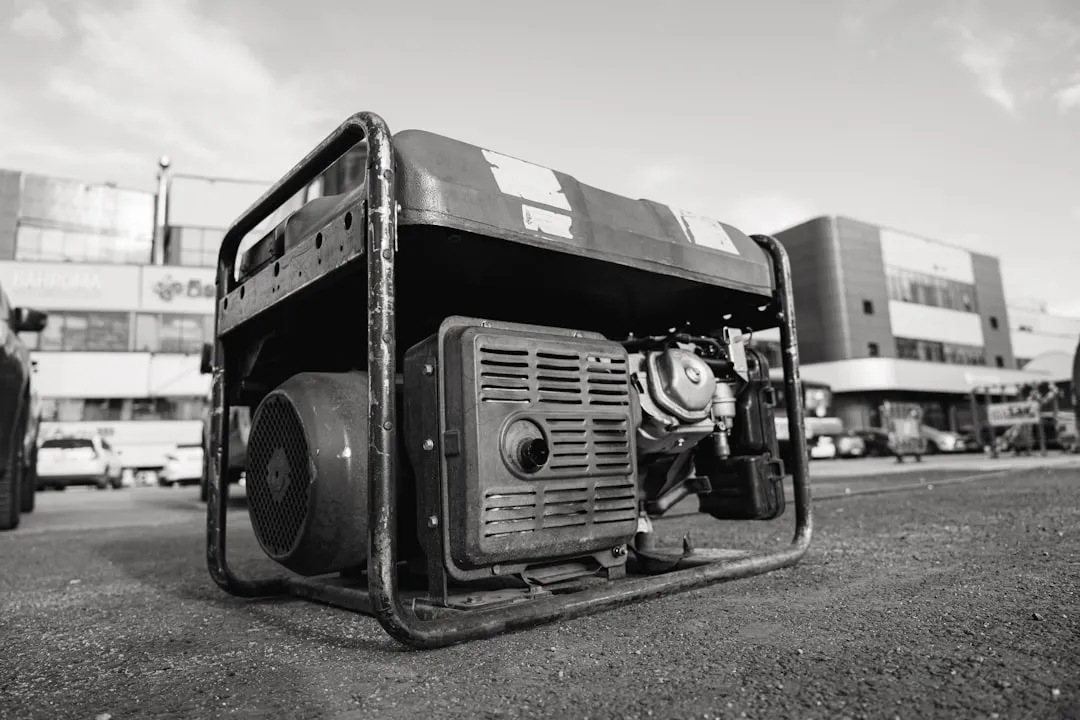
The most common fatal mistake is running a portable generator inside a home, garage, basement, crawlspace, or shed. Opening windows and doors is not enough because lethal CO levels will still accumulate.
The carbon monoxide concentration in a garage can reach lethal levels in less than five minutes, even with the door open. Many people assume a cracked door or open window changes the equation. It doesn’t.
Only 15 of the 526 carbon monoxide deaths caused by portable generators in homes between 2004 and 2013 resulted from machines being used outside. The overwhelming majority of victims were indoors or in partially enclosed spaces, which tells you exactly where the danger lives.
Placing It Too Close to the House: The Outdoor Trap
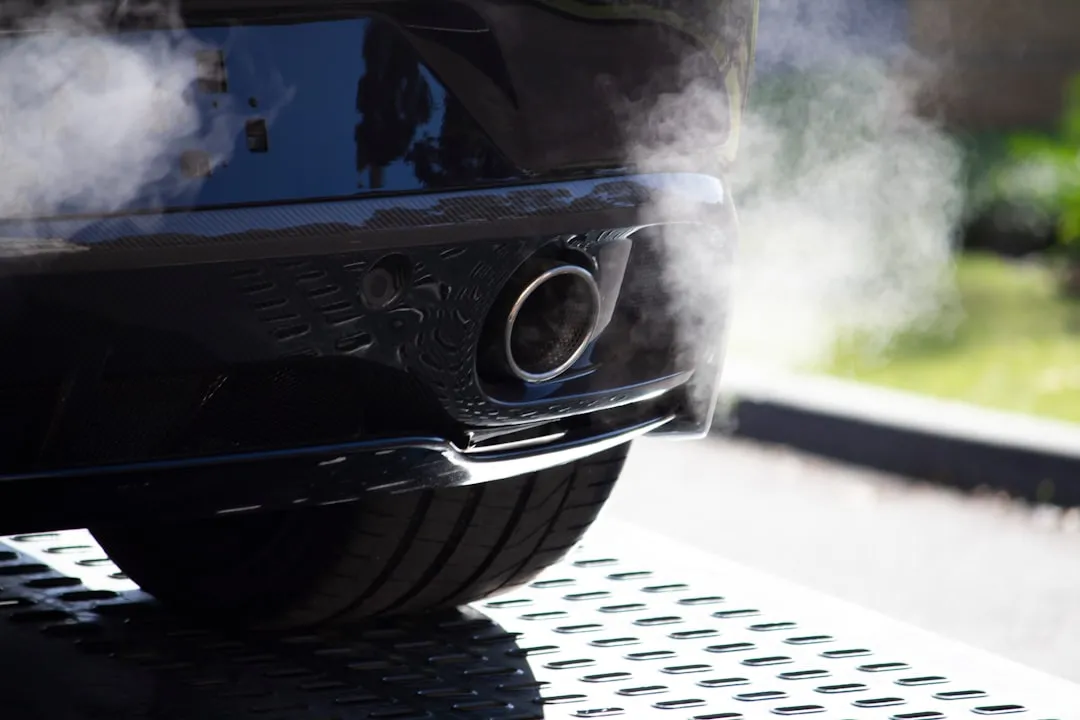
Many homeowners place their units just outside the back door or on a porch to keep them dry. While this keeps the machine safe from the elements, it puts the family in the danger zone. The recommended distance is at least 20 feet from the home, and that should be treated as a bare minimum.
Testing by UL found that in one simulation, a generator placed just 10 feet from a home caused indoor CO levels to reach over 200 ppm, a level that can cause unconsciousness or death within hours. Distance is not just a suggestion. It’s a measurable safety factor.
According to the National Institute of Standards and Technology (NIST), a single generator creates as much as 100 times more poisonous carbon monoxide gas than a car’s exhaust. That perspective alone should change how people think about where they park the machine.
Wind Direction and Vents: The Hidden Entry Points

If a generator is running on a patio and a drafty window or a dryer vent is nearby, the CO gets sucked right into the house. Wind direction and entry points have to be accounted for. A machine running five feet from a window is essentially running inside the living room.
CO can easily enter living areas through windows, doors, vents, or even tiny cracks and can reach lethal concentrations quickly. People often focus on the generator’s position but forget to think about which direction the exhaust is actually pointing.
The exhaust should be pointed away from your home and any other buildings people might enter, and all windows and openings that face the generator’s exhaust path should be closed to prevent CO from seeping inside. It takes an extra two minutes of thought and can make the difference between a safe night and a fatal one.
The Garage Myth: “I Left the Door Open”

A garage is still a partially enclosed space. Carbon monoxide can build quickly and enter the home through shared walls, doors, and attic pathways. The physical connection between an attached garage and the main living area means any CO produced there moves freely into bedrooms.
The CPSC’s own guidance is clear: never operate a portable generator inside a home, garage, basement, crawlspace, shed, or other enclosed space. Opening doors or windows will not provide enough ventilation to prevent the buildup of lethal levels of CO.
The garage is the single most dangerous location in the home for a generator. Its size creates a false sense of open space, while its attachment to the house ensures that any built-up gas flows directly toward sleeping areas.
Storm Season Turns Up the Risk Dramatically

Hurricane Beryl made landfall near Matagorda, Texas, in July 2024 and caused 2.8 million electricity customers in the Houston area to lose power. Calls to 911 about CO incidents were reported to be spiking. CPSC field staff acquired reports from fire departments for CO-related 911 calls in only the first five days of the outage, and a stationary generator was the source of CO at 153 of those homes.
After Hurricane Laura devastated Lake Charles in 2020, 14 of the 28 deaths, almost all of which happened after the storm had passed, were caused by carbon monoxide poisoning from unsafe use of emergency generators. The storm itself is rarely the deadliest part.
In the analysis period from 2017 to 2021, carbon monoxide poisoning mainly attributed to improper use of portable generators claimed 48 lives in the aftermath of hurricanes alone. The pattern is consistent across storm events and geographic regions.
Families With Children Face Amplified Danger

While CO gas is dangerous for adults, it is even more lethal for children and pets. Smaller body mass means that a given concentration of CO causes faster physiological damage in young children.
Shortly after a hurricane in Texas, roughly three quarters of children treated for carbon monoxide poisoning had been playing video games powered by emergency generators. In that case, the generator was being run to power entertainment during an outage, not even essential appliances.
A report by UL Standards and Engagement found 29 million generators in use across the United States, but roughly three out of five owners did not realize they could result in CO exposure. That knowledge gap is directly reflected in the number of hospitalizations each year.
CO Detectors Are Only Effective If They Actually Work
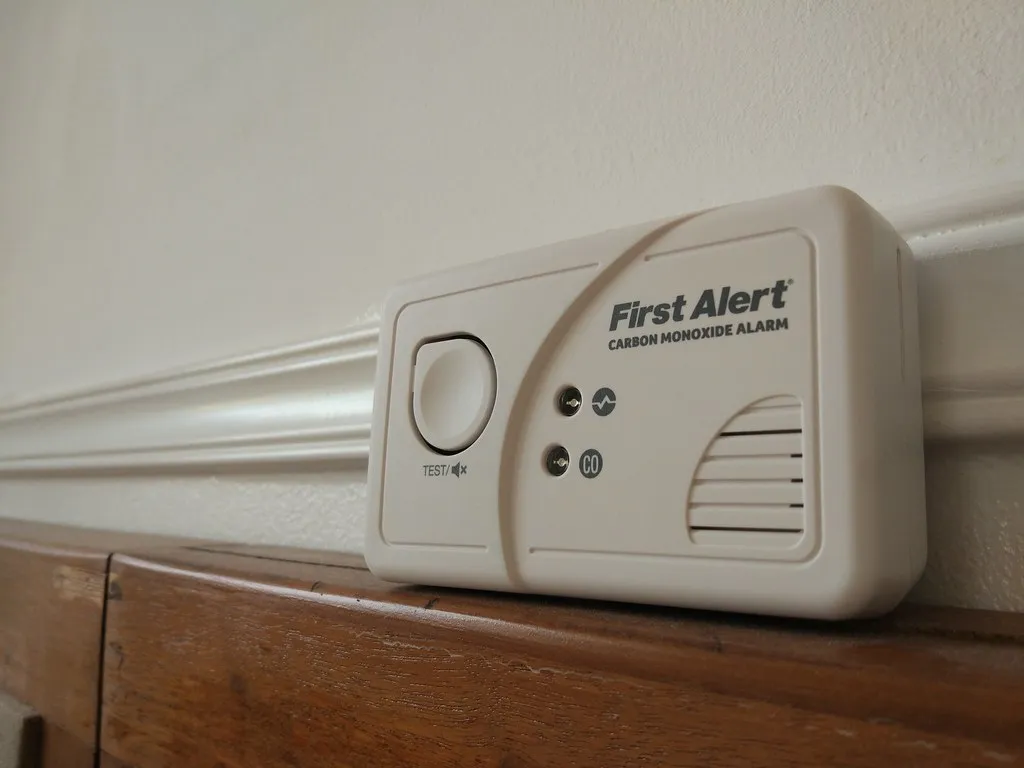
Unlike smoke detectors, which often last a decade, CO sensors degrade faster. If a unit is over five to seven years old, it might not trigger until levels are already critical. The sensor inside actually loses sensitivity over time, meaning it might fail to alert to a slow, creeping leak until it is too late.
Carbon monoxide detectors should be installed near sleeping areas and on every floor. Testing them monthly and replacing batteries regularly is essential to reliable protection. A detector that isn’t functioning is worse than useless because it creates false confidence.
The CPSC recommends installing battery-operated CO alarms or CO alarms with battery backup on each level and outside separate sleeping areas at home. Interconnected CO alarms are best because when one sounds, they all sound. That matters most at night when a household is asleep and response time is everything.
Newer Generator Technology Can Dramatically Cut Risk
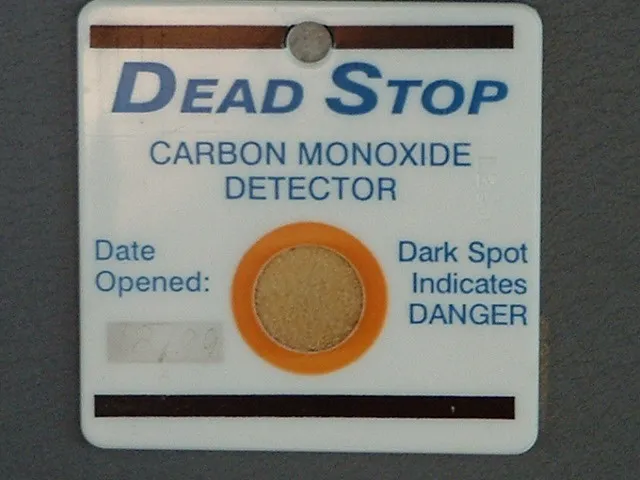
Portable generators with a CO shut-off safety feature are designed to shut the generator off automatically when high levels of CO are present around it. Some models with CO shut-off features also have reduced emissions. These models, certified to the latest safety standards PGMA G300-2018 and UL 2201, are estimated to reduce deaths from CO poisoning by up to 87 percent or more.
A single gas-powered generator can release as much carbon monoxide as 400 idling cars, which can rapidly become life-threatening if used in an enclosed or semi-enclosed space. Upgrading to a safer model doesn’t eliminate the need for proper placement, but it adds a crucial layer of protection.
Generators produce carbon monoxide every time they run. The safest approach combines strict outdoor placement with adequate distance, good airflow, and working CO detectors inside the home. No single safeguard replaces the others.
The Takeaway
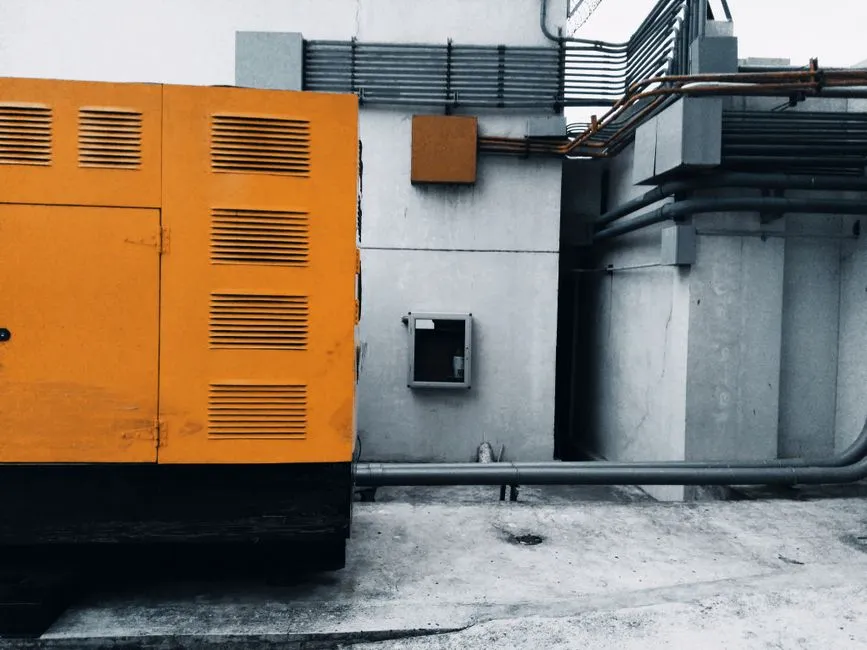
Generator placement isn’t a technical detail buried in an owner’s manual. It’s the single most consequential decision a person makes when they set up their backup power during an outage. The gas produced is invisible, fast-moving, and indifferent to whether windows are open or a garage door is cracked.
Most CO incidents occur because placement felt “close enough” or “temporarily safe.” Carbon monoxide does not respect convenience. That sentence, plain and simple as it is, captures exactly why these deaths keep happening.
The rule is consistent across every major safety authority: outdoors, at least 20 feet from the home, exhaust pointing away from windows and vents, and a working detector inside. Those aren’t bureaucratic guidelines. They’re the minimum conditions for staying alive.
AI Disclaimer: This article was created with the assistance of AI tools and reviewed by a human editor.