
Running the Tank Down to Empty
Driving with low fuel can damage the fuel pump because the fuel itself cools and lubricates the pump as it flows. Most drivers picture the pump as a mechanical part that just pushes liquid from one place to another. In reality, it depends on constant contact with fuel to stay at a safe operating temperature.
Consistently running your vehicle on low fuel can and will damage your fuel pump over time, leading to costly repairs and potential breakdowns. The damage isn’t dramatic or immediate. It’s cumulative, which makes it easy to ignore until it’s too late.
Why Fuel Acts as a Coolant
Most modern cars are equipped with an electric fuel pump that sits inside the fuel tank, and the pump uses the fuel in the tank to cool and lubricate itself. This design is counterintuitive but deliberate. Engineers placed the pump inside the tank specifically so it stays immersed in fuel at all times.
With less fuel surrounding it, the pump loses its primary cooling mechanism. The pump motor continues to generate heat but lacks sufficient liquid fuel to absorb it effectively, causing the pump motor to operate at temperatures far higher than intended. Think of it like running a water pump dry. It heats up fast.
The Quarter Tank Rule Mechanics Actually Follow
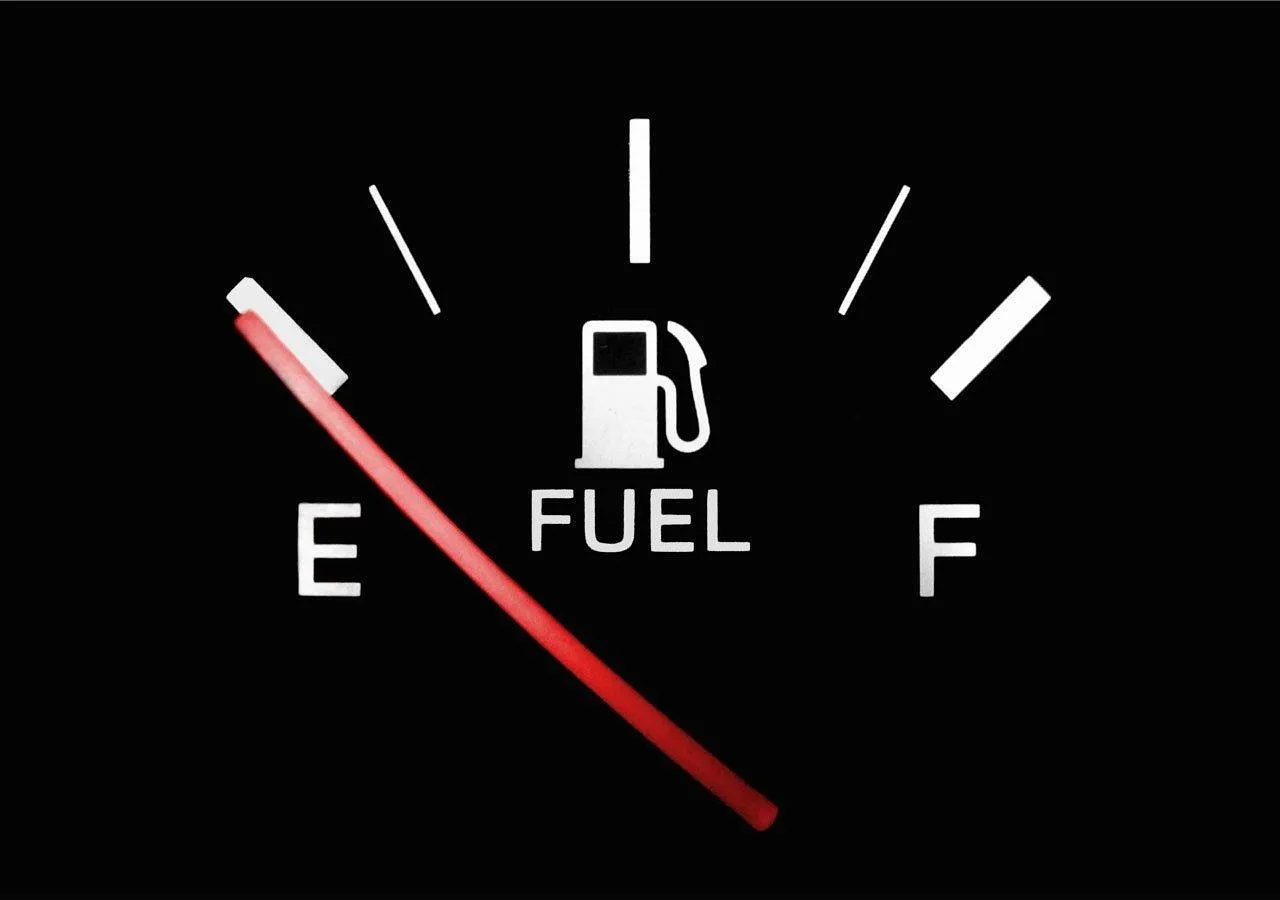
To keep your fuel pump functioning properly, the pump must be submerged in gasoline, which requires at least one quarter of a tank. This isn’t a marketing phrase or a vague recommendation. It reflects a real mechanical threshold below which the pump begins operating under stress.
Many mechanics strongly recommend refueling once your gauge reaches the quarter tank mark. This provides a safety buffer, ensuring the pump remains adequately submerged in fuel for cooling and lubrication under most driving conditions, including hills and corners. Corners and inclines are particularly relevant because fuel sloshes, temporarily exposing the pump even when there’s still gas in the tank.
Sediment at the Bottom of the Tank
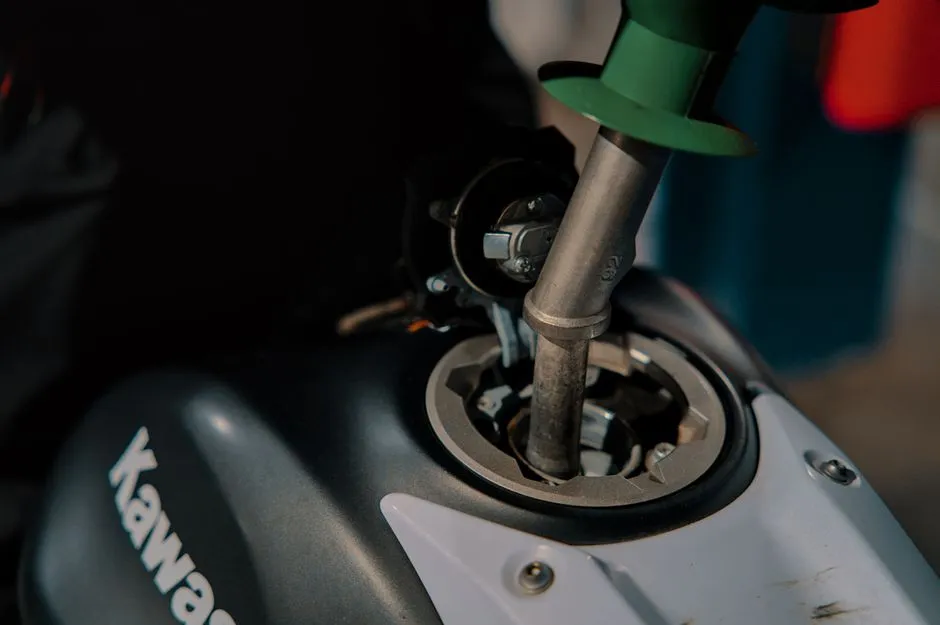
Dirt, rust particles, and other debris naturally settle at the bottom of the fuel tank over time. When the fuel level is very low, the pump draws fuel from this sediment-laden bottom layer, and these abrasive particles can accelerate wear on the pump’s internal surfaces and potentially clog the pump’s inlet filter.
This scenario becomes even worse in older vehicles with many years of debris on the bottom of the fuel tank. Once the pump is desperate to suck up any fuel from a nearly empty tank, that bottom-dwelling sludge can get pulled up into the system and create a clog. Newer cars aren’t fully immune either, since sediment builds up in any tank over time.
Air in the System: The Hidden Threat
If you run your car low on gas, the pump will start to draw air in place of some of the fuel. When this happens, the fuel moving through the mechanism won’t be enough to cool the pump adequately. Air provides no lubrication whatsoever, and that difference matters enormously inside a fast-spinning pump motor.
Low fuel levels mean the pump is no longer fully submerged. As the pump draws fuel from a near-empty tank, it can suck in air along with the remaining fuel. Air does not provide lubrication, and this causes the pump’s internal components to run with increased friction. Over repeated exposure, that friction quietly wears the pump out from the inside.
Premature Pump Failure: The Long-Term Cost
Ignoring the low fuel warning and repeatedly running the tank dry or near-empty leads to premature pump failure. A fuel pump that should last 100,000 miles or more might fail at 60,000 or 70,000 miles due to chronic overheating and lack of lubrication. That gap represents tens of thousands of miles of driving you lose from a component that wasn’t cheap to begin with.
A professional fuel pump replacement costs between $1,247 and $1,506 on average, though this price fluctuates based on the parts required for your specific make and model and the labor fees in your area. Repairing a fuel pump is virtually impossible. In pretty much all cases, a broken one must be replaced.
What Bad Fuel from the Station Can Do
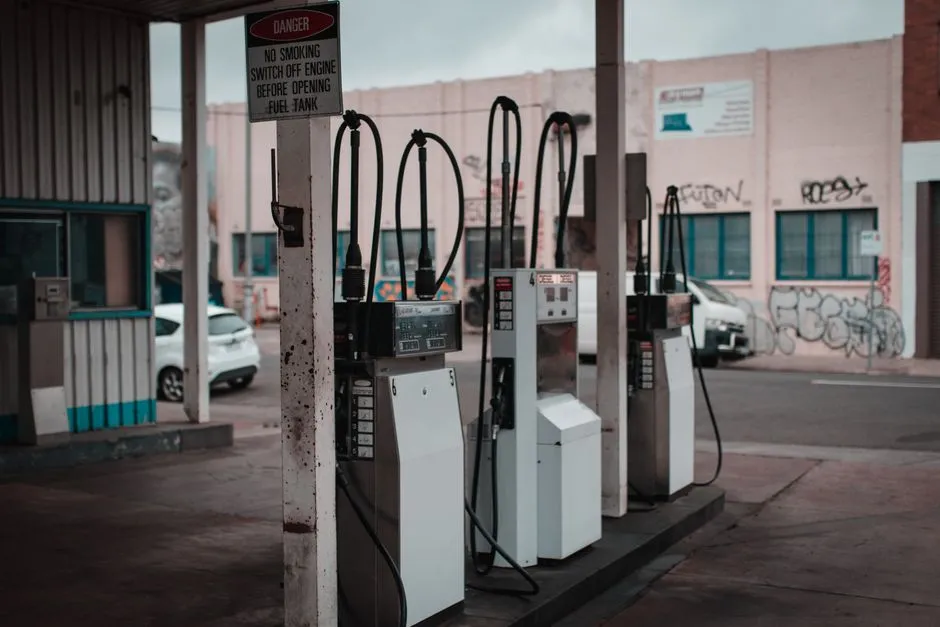
Drivers may pump fuel that is saturated with rust or other particulates in the gas station’s storage tank. These particles can then clog the fuel filter and prematurely damage the sensors on the pump. This is a risk that’s harder to control than your tank level, since you can’t see inside a station’s underground storage.
Buying fuel from a busy filling station reduces the odds of getting a bad tank of fuel. If the consumer purchases fuel from a filling station that has a contamination problem in their underground fuel tanks, the fuel pump can be the first part to fail. High-turnover stations typically cycle through their storage more frequently, which reduces the chance of stale or contaminated fuel reaching your vehicle.
Sputtering and Whining: The Warning Signs
A healthy fuel pump should be fairly quiet when it’s working. When it starts to fail, you might hear a high-pitched whining or buzzing noise coming from the fuel tank. This noise is a result of the pump working harder than usual because it’s no longer being lubricated properly by the fuel. If you notice this noise, it’s a telltale sign that the pump may be damaged and could be on the verge of failing completely.
Engine sputtering is another telltale sign of low fuel pressure. If the engine starts normally and runs fine at slower speeds but sputters or stalls at higher speeds like highway driving, a malfunctioning fuel pump could be the culprit. These symptoms tend to appear gradually, so many drivers dismiss them until the car won’t start at all.
Diesel Drivers Face Extra Risk
Unlike a petrol engine, which will turn over with a couple of pumps of the accelerator after refuelling, getting a diesel going again after running empty may need a professional with the right tools. For a diesel engine to start again after running empty, air often needs to be bled from the fuel system. This can be an expensive and time-consuming process that requires removing the filters, cleaning and blowing out all the fuel lines, and potentially replacing the injectors and pump.
Diesel systems rely on prime pressure to function, and breaking that pressure by running the tank dry introduces complications that go well beyond a simple refill. If you drive a diesel, the quarter tank rule isn’t just a suggestion. It becomes even more important to follow.
Moisture and Storage: The Overlooked Problem
Drivers who use seasonal vehicles or those that sit for extended periods face an additional risk. Without a fuel stabilizer, moisture can develop in the fuel tank, leading to phase separation which can corrode the fuel pump’s sensors. This is a slow process, but it’s particularly destructive because corrosion on the pump’s sensors can cause erratic readings and premature failure.
If a vehicle is left sitting for an extended period, adding fuel stabilizer to the gas tank is strongly recommended. A bottle of stabilizer costs only a few dollars and can protect a fuel system that would otherwise cost hundreds or more to repair. It’s one of the simplest preventive steps any driver can take before parking a vehicle for weeks at a time.
The Takeaway
The most common fuel pump killer isn’t a defective part or a manufacturing flaw. It’s a daily habit that millions of drivers repeat without thinking twice. Letting the tank run low feels harmless, and for a while, it usually is. The damage is quiet and gradual, which is exactly what makes it so expensive when the bill finally arrives.
Consistently driving until the needle is firmly on “E” or the estimated range shows zero is a guaranteed way to shorten your fuel pump’s life. In 2026, fuel pump replacement typically costs between $400 and $1,500 or more, with OEM in-tank pump modules, trucks, luxury vehicles, and dealership repairs pushing costs even higher. Keeping your tank above the quarter mark costs nothing. Ignoring that rule can cost you well over a thousand dollars and a very inconvenient tow.
AI Disclaimer: This article was created with the assistance of AI tools and reviewed by a human editor.