
What Exactly Is Catnip?
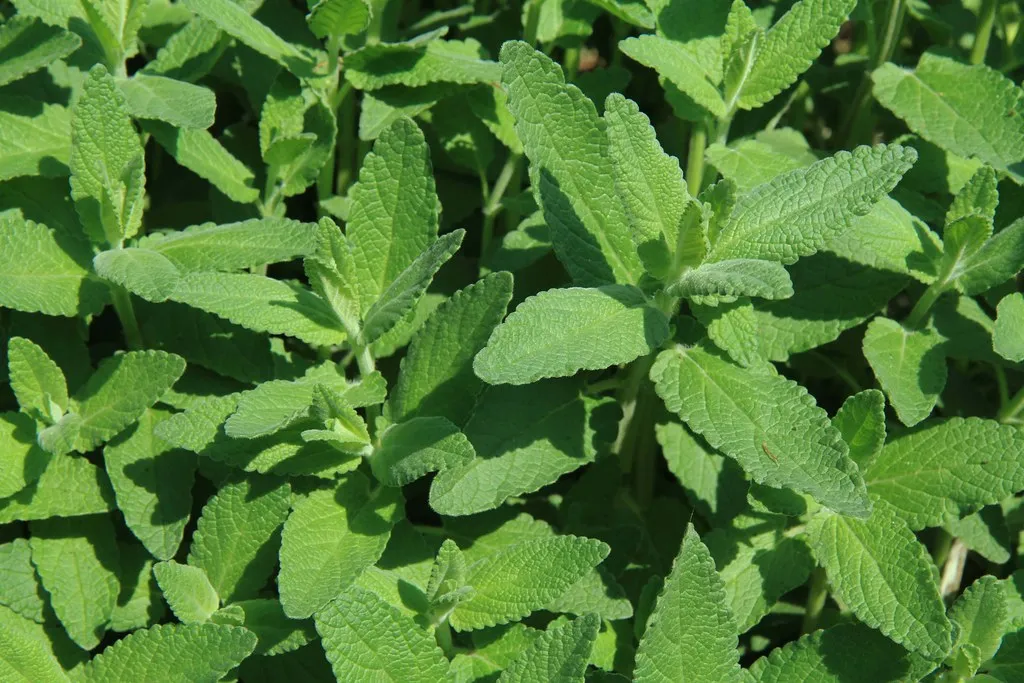
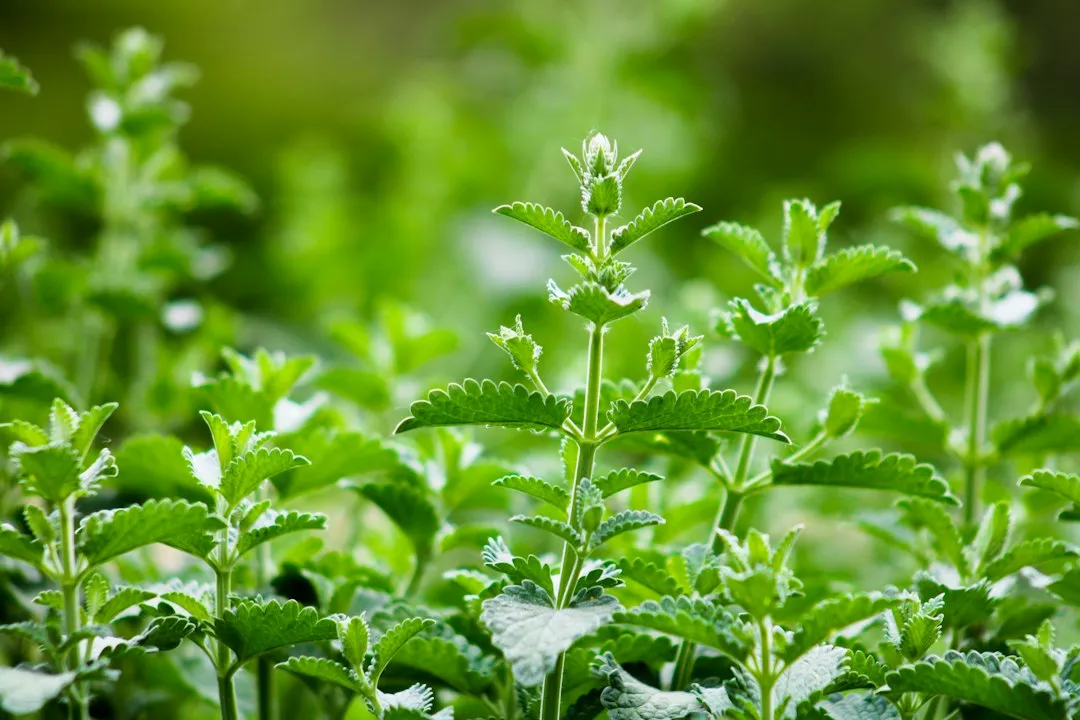
Catnip, scientifically known as Nepeta cataria, is a herb in the mint family that contains a compound called nepetalactone, which is primarily responsible for the euphoric reaction observed in many cats. The plant grows easily in temperate climates, and it’s a common sight in herb gardens across Europe, North America, and parts of Asia.
The team at the John Innes Centre describe the process by which catmint produces nepetalactone in microscopic glands on the underside of its leaves. When the leaves are crushed or bruised, those glands release the compound into the air, which is when cats nearby tend to take notice.
The Chemical at the Heart of Everything
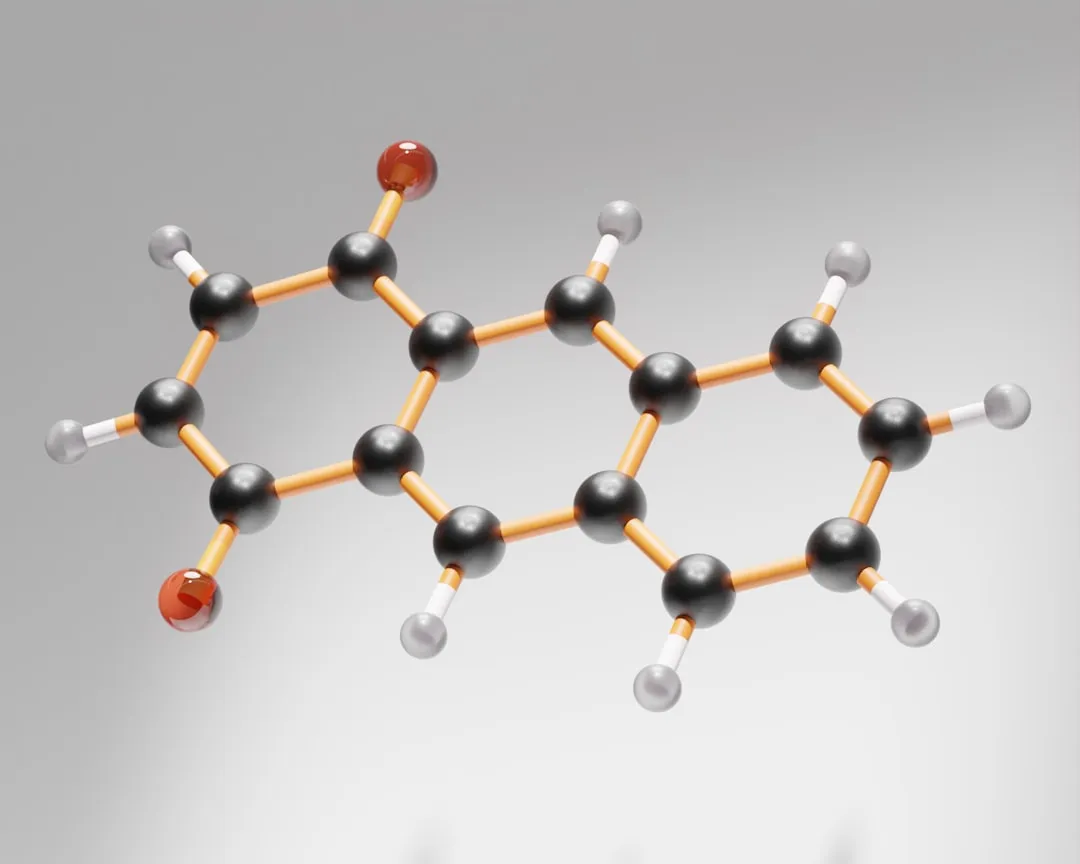
Nepetalactone is a type of chemical called a terpene that leads to all that memorable cat behavior. Researchers from the UK’s John Innes Centre report that while most plants form terpenes with a single enzyme, catnip terpene production requires a two-step process, the first time this two-step process has ever been seen in a plant. First, an enzyme must activate a precursor compound, and then a second enzyme grabs it to produce nepetalactone.
When a cat smells catnip, nepetalactone binds to receptors in the nasal tissue, stimulating sensory neurons that send signals directly to the brain. These signals activate areas linked to emotion, behavior, and pleasure, similar to how pheromones affect animal behavior.
What Happens Inside a Cat’s Brain
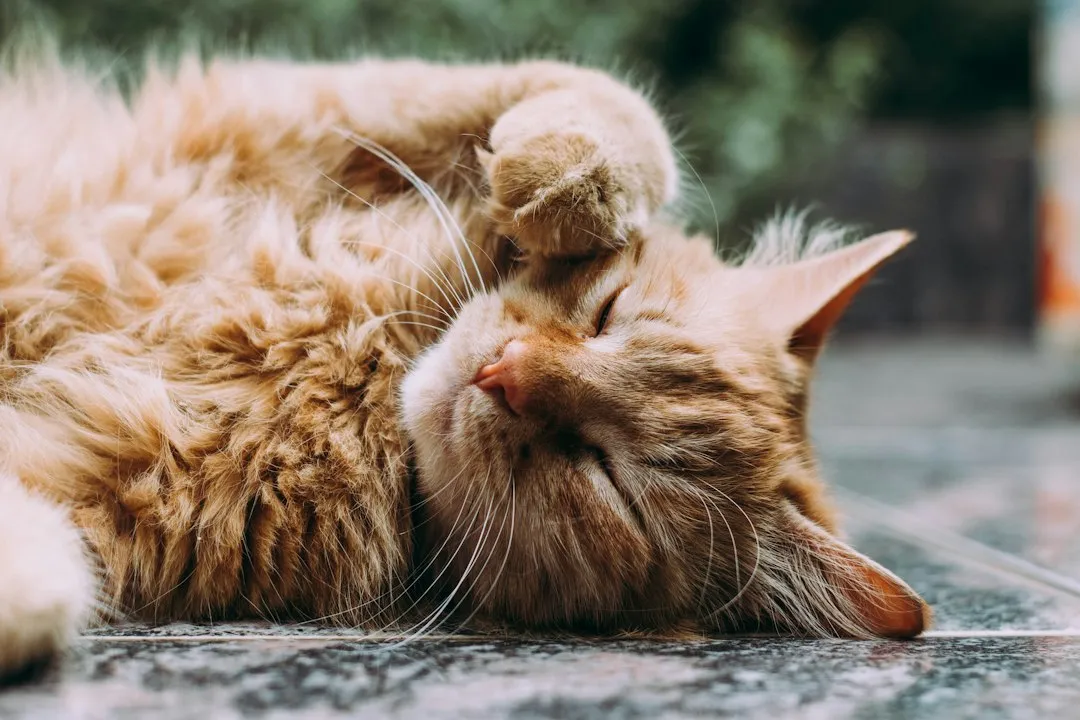
Research suggests that nepetalactone acts similarly to a pheromone, which is a chemical signal that can influence the behavior of other cats. When a cat encounters catnip, it’s as if they’re receiving a strong signal to play. This response can stimulate increased levels of serotonin, dopamine, and other neurotransmitters in the brain, the same chemicals that are involved in pleasure and happiness.
Catnip may work via the cat’s opioidergic system, with effects similar to opioid-like pain relievers and sedatives. The end result may be a more relaxed, happy cat. In fact, when scientists used the drug naloxone to block the effects of opioids in cats, the effects of catnip also disappeared. This finding was significant, because it suggested the response isn’t just behavioral quirk but something measurably neurological.
How Many Cats Actually React?
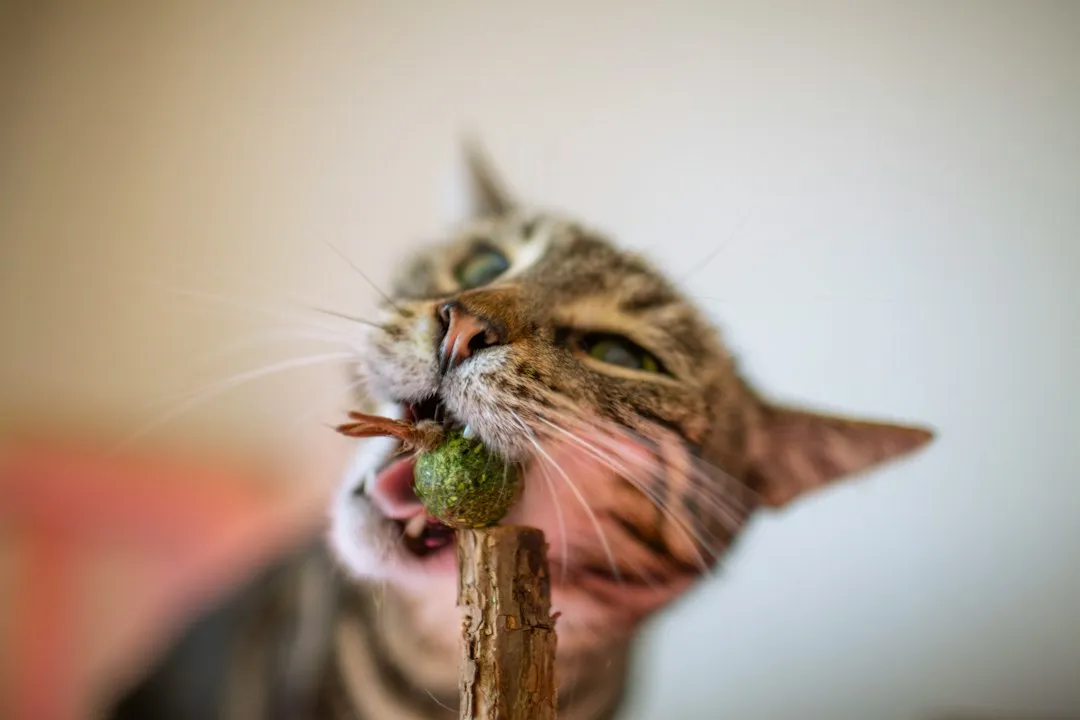
Not all cats respond to catnip. Studies show between roughly 60 and 80 percent of adult cats display the classic behavior. Kittens under 6 months often show no reaction, and sensitivity is hereditary.
Approximately one out of every three domestic cats does not respond to catnip at all. That’s a meaningful portion of the pet cat population simply walking past the plant with zero reaction, which often leaves owners wondering if something is wrong with their pet. Nothing is.
It’s All in the Genes
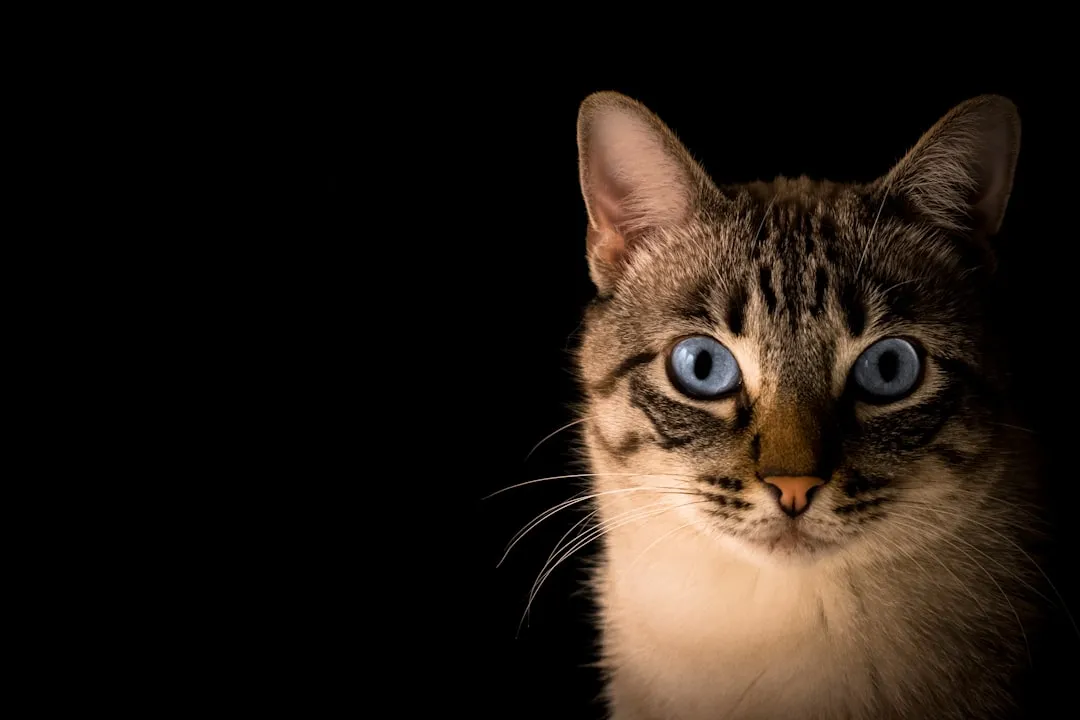
The catnip response is inherited as an autosomal dominant trait in domestic cats, strongly suggesting the presence of one or few genes responsible for the silver vine and catnip response in felids. In practical terms, if a cat’s parents didn’t react to catnip, the odds are good that their offspring won’t either.
Sensitivity to nepetalactone is an inherited trait. Research suggests that about 60 to 70 percent of cats have the genetic ability to respond to catnip, while the rest simply don’t have the receptors needed to react to it. Continuing to reintroduce catnip won’t train a response if the genetic sensitivity isn’t there. It’s simply not how this works.
Age Plays a Role Too
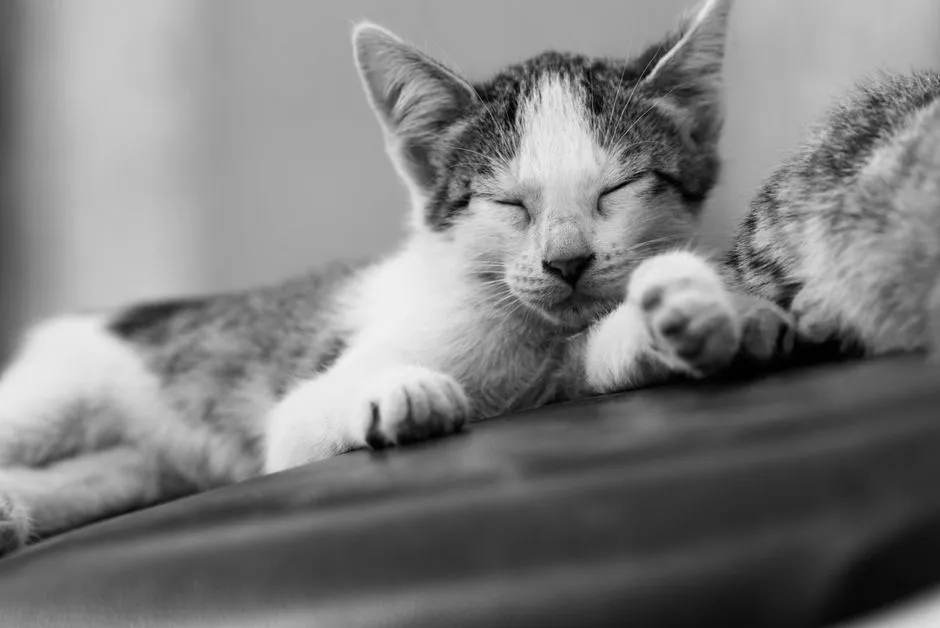
Kittens under six months old do not show any response, as their olfactory receptors are still developing. This surprises many new cat owners who try catnip with a young kitten and assume the plant is defective or that their cat will never respond.
As cats mature, their sensitivity may emerge naturally. Many cats don’t show interest in catnip until three to six months of age, and some not until closer to adulthood. Senior cats may also show a reduced response as they age. The window of peak sensitivity tends to sit in healthy, adult cats somewhere in their prime years.
How the Reaction Actually Looks
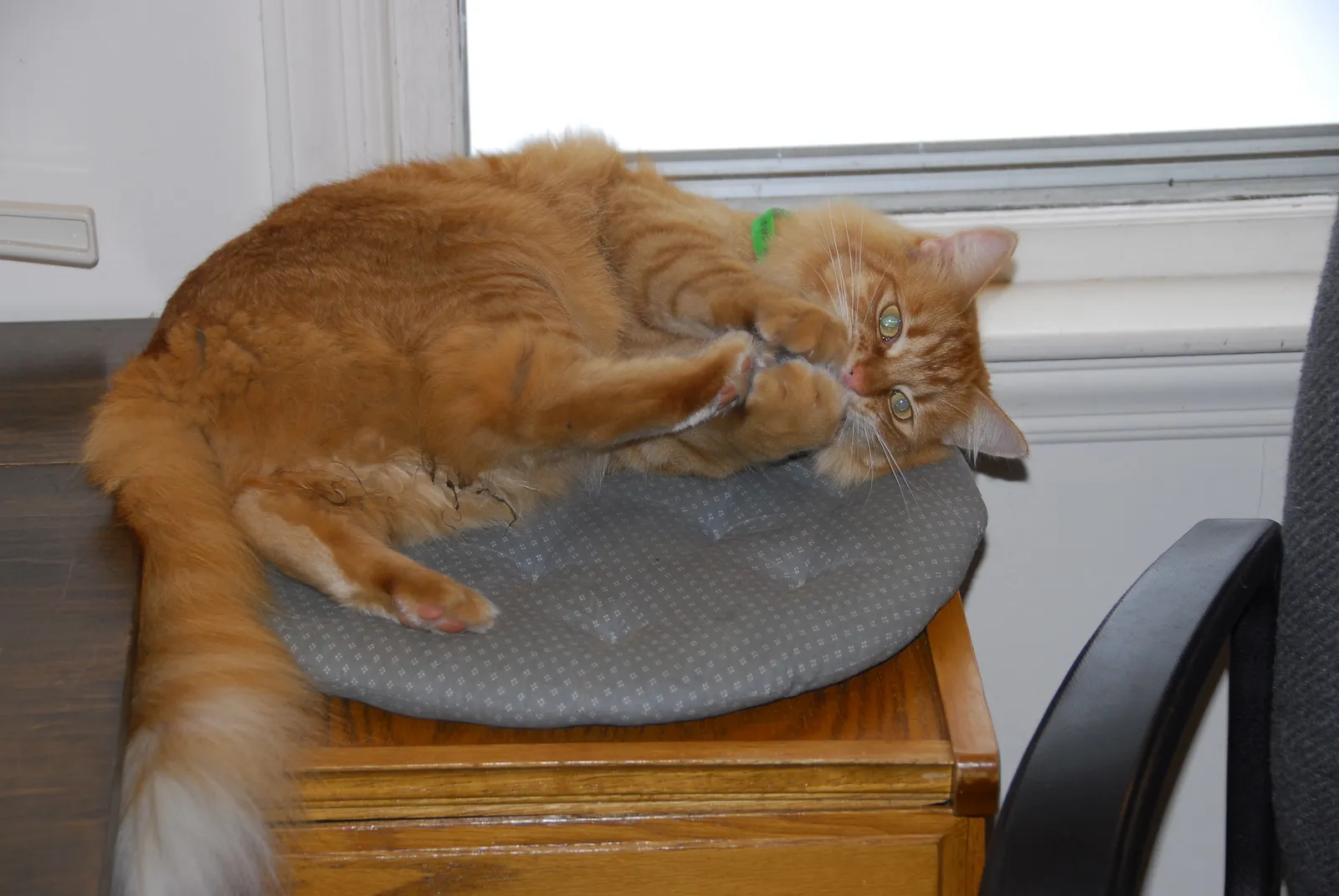
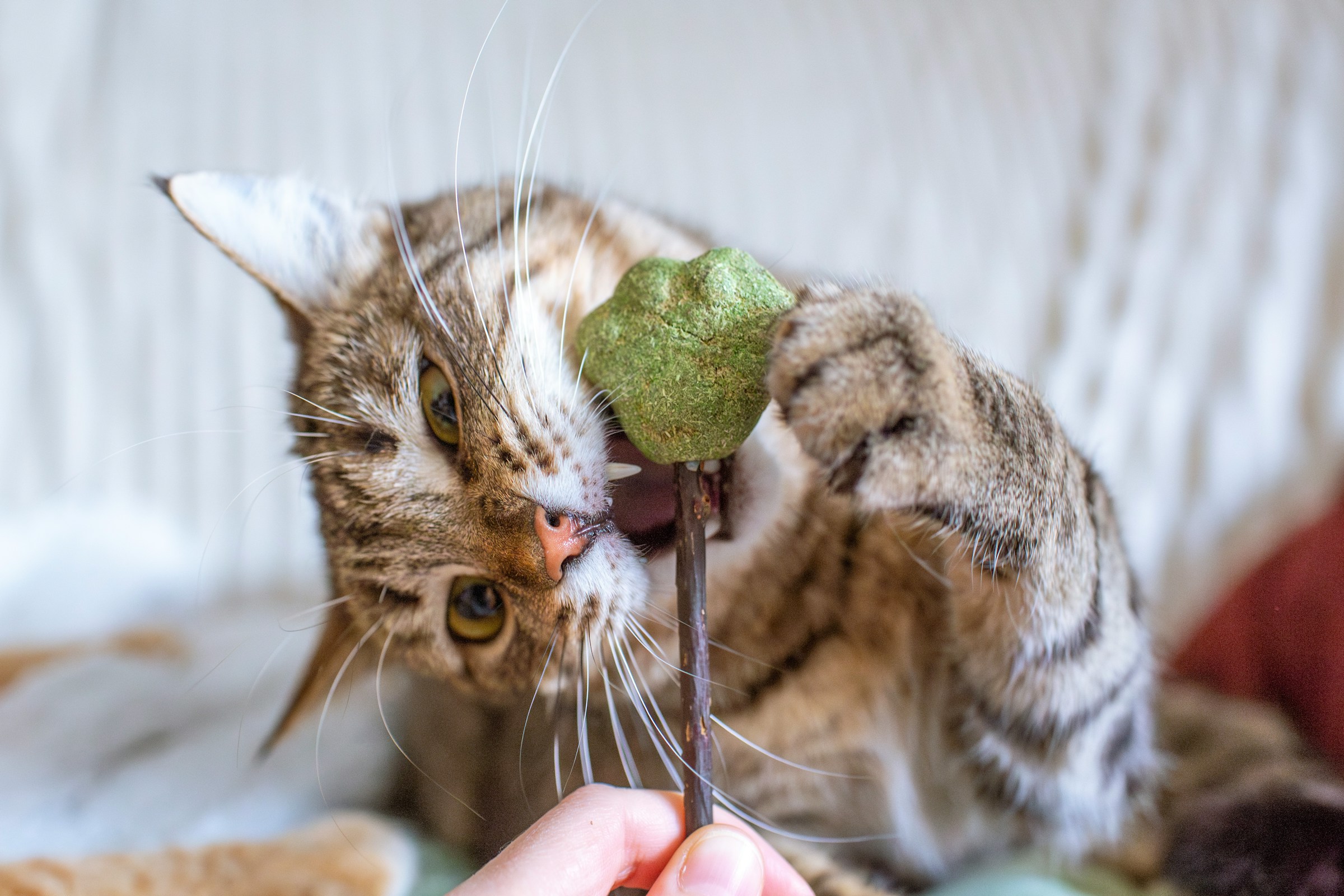
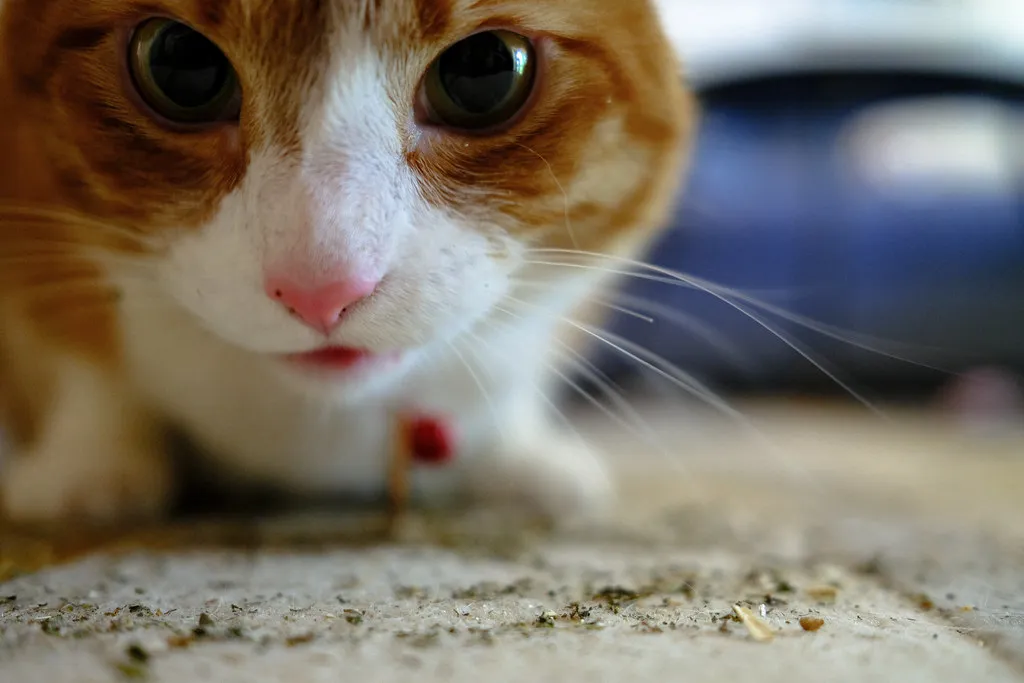
Typically, cats respond to catnip by sniffing, licking and biting it, shaking their head, rubbing their head, chin or cheeks against it, and rolling over, sometimes accompanied by drooling and kicking the material with their hind feet. The display can look alarming to someone who hasn’t seen it before.
Smelling catnip usually causes hyperactive or playful behavior, while eating it tends to produce a more mellow, relaxed response. The response typically lasts 5 to 15 minutes, after which cats enter a temporary refractory period where they no longer respond to catnip, even if more is offered. This reset period can last anywhere from 30 minutes to a few hours.
This behavioral response is not sexual, and catnip is generally believed to be neither addicting nor harmful. That’s worth noting for concerned owners. Regular exposure doesn’t build dependence.
What About Big Cats?

Whereas lions, jaguars, leopards and snow leopards appear to be sensitive to catnip, most tigers do not respond to it. The variation seen in domestic cats mirrors a broader pattern across the entire feline family. It’s not just a quirk of house cats; the gene lottery plays out across wild felids too.
Catnip is best known for producing bouts of euphoria in cats of all sizes, from house cats to their big cat brethren including bobcats, jaguars, and lions. Footage of lions rolling around on catnip-treated objects in zoo settings has circulated widely, and it genuinely mirrors what domestic cats do in the living room.
Alternatives for Non-Responders
In one study by Bol et al., researchers found that one in three cats did not respond to catnip. Of the cats that did not respond to catnip, 75 percent of them showed a response to silvervine. Also one in three of the catnip non-responders showed a response to Tatarian honeysuckle.
Some cats respond more strongly to silvervine than catnip, and it’s estimated that up to 90 percent of cats become playful when exposed to silvervine. Some cats that don’t respond to catnip may react to other plants, such as silvervine or valerian root. For cat owners whose pets consistently ignore catnip, trying silvervine is a reasonable and well-supported next step.
The Unexpected Bonus: Natural Mosquito Repellent
Researchers in Japan have found that when cats damage catnip, much higher amounts of strong insect repellents are released, indicating that the cats’ behavior protects them from pests. This may be one of the evolutionary reasons the catnip response developed in the first place.
Rubbing and rolling on the leaves of silver vine transfers nepetalactol to the heads, faces, and bodies of cats. A 2024 study concluded that the use of the plant as an essential oil could be effective against mosquitoes. Some scientists had test subjects apply the oil directly to their skin, while others added it to a lotion. Oil with a concentration of just two percent catnip oil performed just as well against mosquitoes as standard DEET did. The repellent properties of this mixture lasted for approximately four hours.
The Bigger Scientific Picture

Researchers think a similar two-step enzymatic process occurs during the blending of anti-cancer drugs vincristine and vinblastine. That’s why scientists believe that understanding nepetalactone synthesis could offer insight into the production of chemicals like vinblastine, which is commonly used in chemotherapy.
The researchers believe that understanding the production of these nepetalactones could help them recreate the way that plants synthesise other chemicals like vinblastine, which is used for chemotherapy. This could lead to the ability to create these useful medicines more efficiently and quickly than we are currently able to harvest them from nature. A garden plant that entertains cats may, in a roundabout way, contribute to future cancer treatment research.
A Quietly Remarkable Plant
AI Disclaimer: This article was created with the assistance of AI tools and reviewed by a human editor.