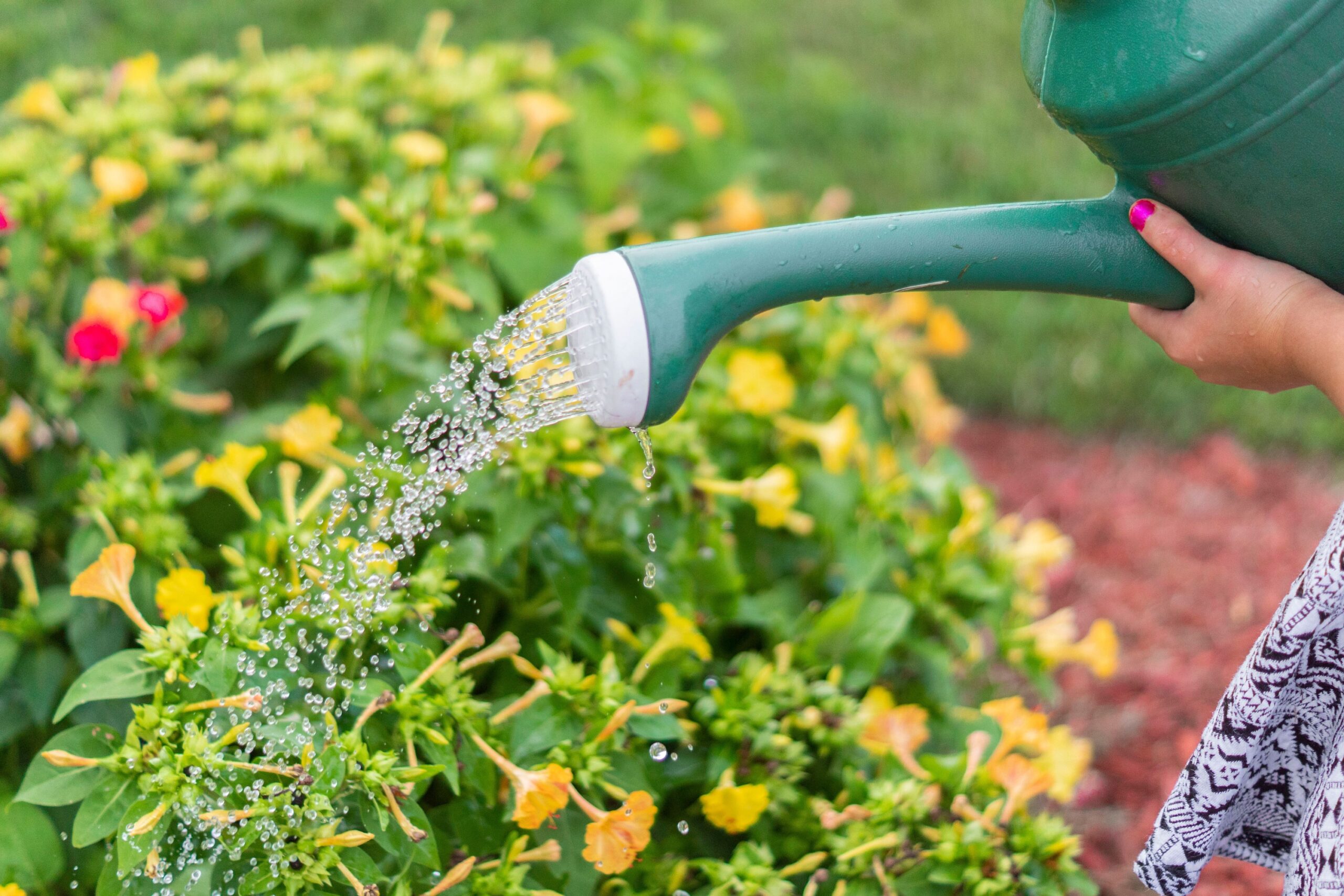

Most people reach for the garden hose without giving the nozzle dial a second thought. They twist to whatever feels quick, spray until things look wet, and move on. The problem is that one particular setting is quietly running through far more water than most gardeners realize, and the ground often doesn’t even absorb much of it.
The culprit isn’t the mist setting or the shower. It’s the jet. Understanding why takes only a few minutes, but the water savings that follow can be significant.
Why the Jet Setting Is the Biggest Water Waster in Your Garden
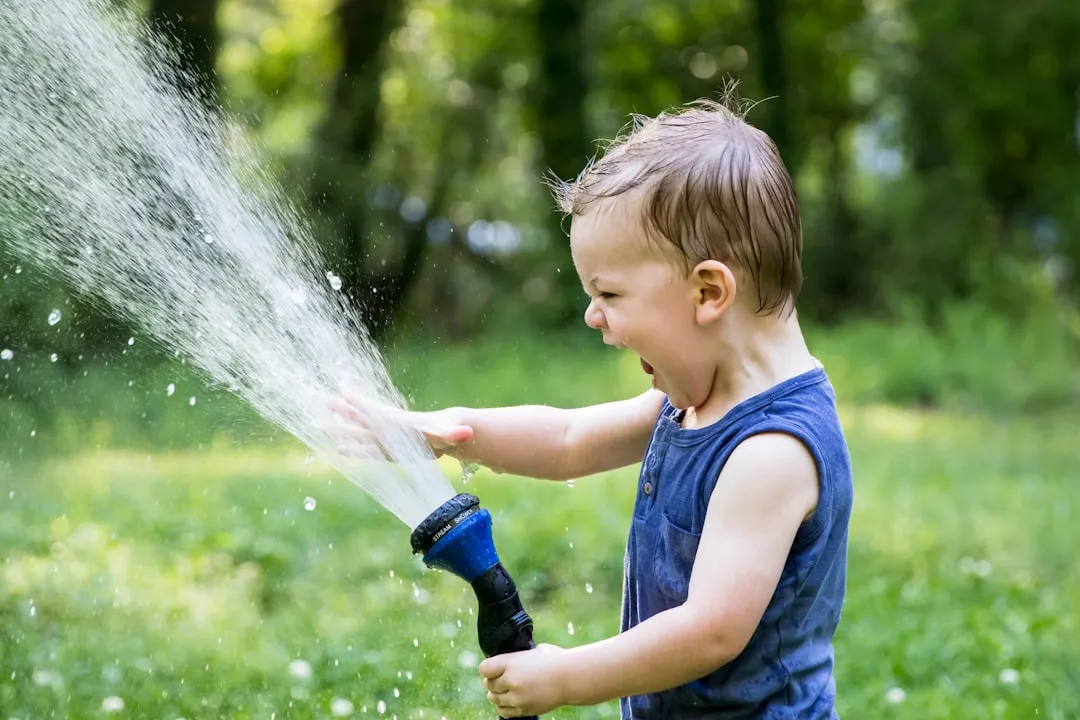
The jet pattern is a powerful nozzle setting that delivers a single strong stream of water, and it can be tempting to set your nozzle to jet and water all your plants as quickly as possible. The appeal is obvious: it feels fast and powerful. Unfortunately, this powerful pattern is too strong for most plants and can damage them, and because the flow rate is so fast, it’s easy to overwater your plants by accident.
A standard hose nozzle is designed for broadcast spraying, covering a lawn or washing a car, and when aimed at a small pot or garden bed, that focused jet of water does more harm than good. It drills a hole in the soil, compacts the surrounding area, and causes most of the water to run off the sides instead of soaking down to the roots.
How Much Water Is Actually Flowing Through That Nozzle
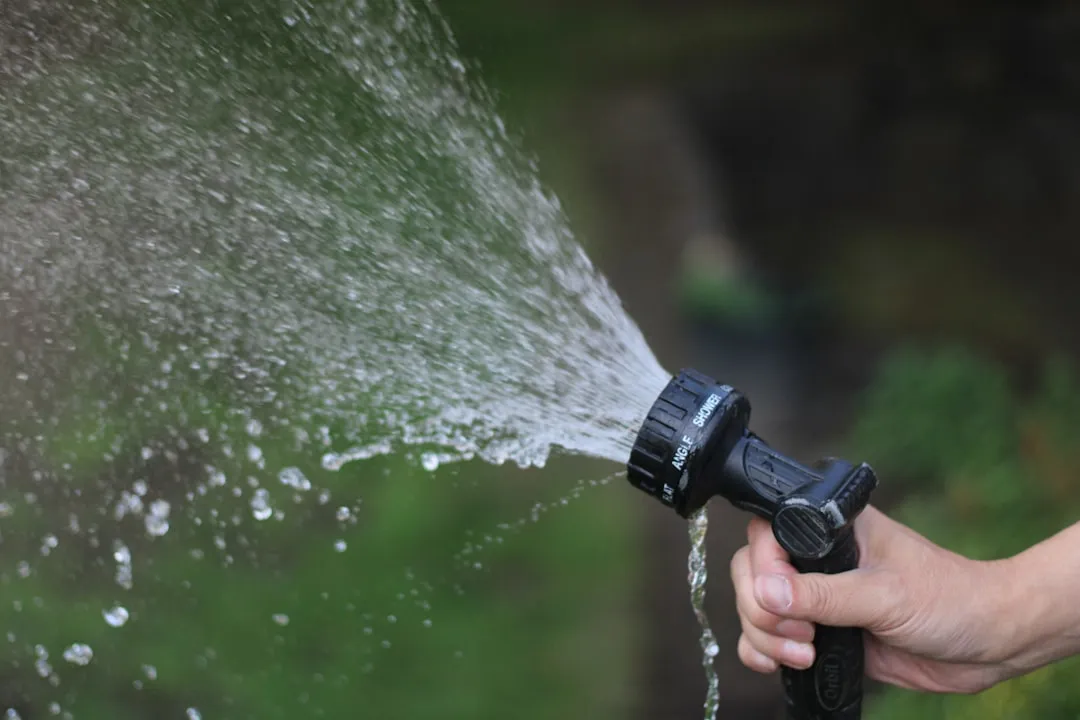
An average garden hose flow rate is around 9 to 17 gallons per minute, though it can vary depending on the hose type. When you’re running the jet setting at full pressure, you’re sitting at or near that upper end of the range. A typical garden hose uses about 8 to 24 gallons per minute, depending on water pressure and hose diameter, and leaving your garden hose running for just 10 minutes could use up to 240 gallons of water.
A standard 5/8-inch garden hose at typical household pressure of 40 to 60 PSI delivers approximately 8 to 17 gallons per minute depending on hose length, nozzle type, and water pressure. That range matters, because the jet setting removes flow restriction and pushes volume toward the higher end. Several factors affect hose flow rate, including hose diameter, hose length, water pressure level, and obstructions in the hose or nozzle.
The Scale of Outdoor Water Waste in American Homes
Residential outdoor water use across the United States accounts for nearly 8 billion gallons of water each day, mainly for landscape irrigation, and the average U.S. household uses more water outdoors than for showering and washing clothes combined. That context makes the choice of nozzle setting far more consequential than it seems at the end of a garden hose.
As much as 50 percent of the water we use outdoors is lost due to wind, evaporation, and runoff caused by inefficient irrigation methods and systems. Nationally, outdoor water use accounts for 30 percent of household use yet can be much higher in drier parts of the country and in more water-intensive landscapes. Using a high-volume setting like the jet on routine garden tasks pushes households further into that wasted half.
What Happens to the Soil When Jet Is Used for Watering
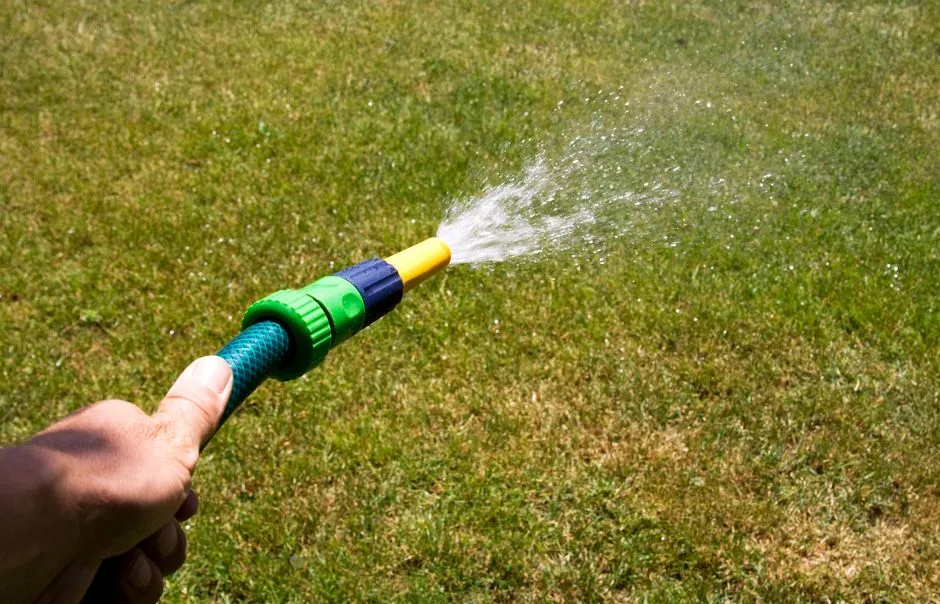
A constant fan or stream of water, like holding your thumb firmly over a garden hose, delivers all the water to the same area continuously until the surface can no longer absorb it and runoff starts. The jet setting essentially does this at maximum force. In a few seconds, a blast from a powerful garden hose washes away soil, exposes delicate roots, and compacts the surface into a water-resistant crust. The single most common mistake in container gardening isn’t underwatering; it’s overwatering, often caused by using the wrong tool for the job.
Before reaching for the hose, it’s worth checking soil moisture levels, because overwatering can lead to root rot and other issues. As a rule of thumb, water when the top inch of soil is dry. The jet setting makes it nearly impossible to deliver that kind of restrained, controlled amount of water to a garden bed.
The Jet Setting Doesn’t Actually Save You Time
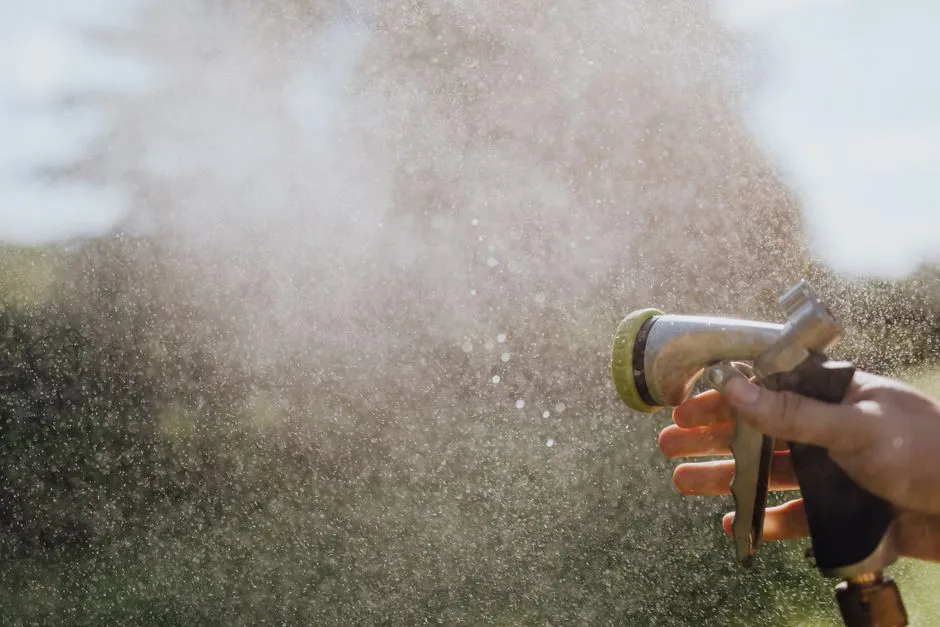
Many gardeners justify using the jet setting because they think it speeds up the task. In practice, it often doesn’t. The powerful pattern is too strong for most plants and can damage them, which means you end up fighting runoff, repositioning the hose repeatedly, and watering surfaces that aren’t your plants at all.
The jet spray can easily damage your plants, and a jet setting is really good for cleaning driveways, walkways, fences, and patio furniture rather than for routine garden watering. Redirecting its use to those hard surfaces, where high pressure is actually appropriate, makes a meaningful difference in how much water ends up doing useful work.
What the Mist Setting Gets Wrong Too
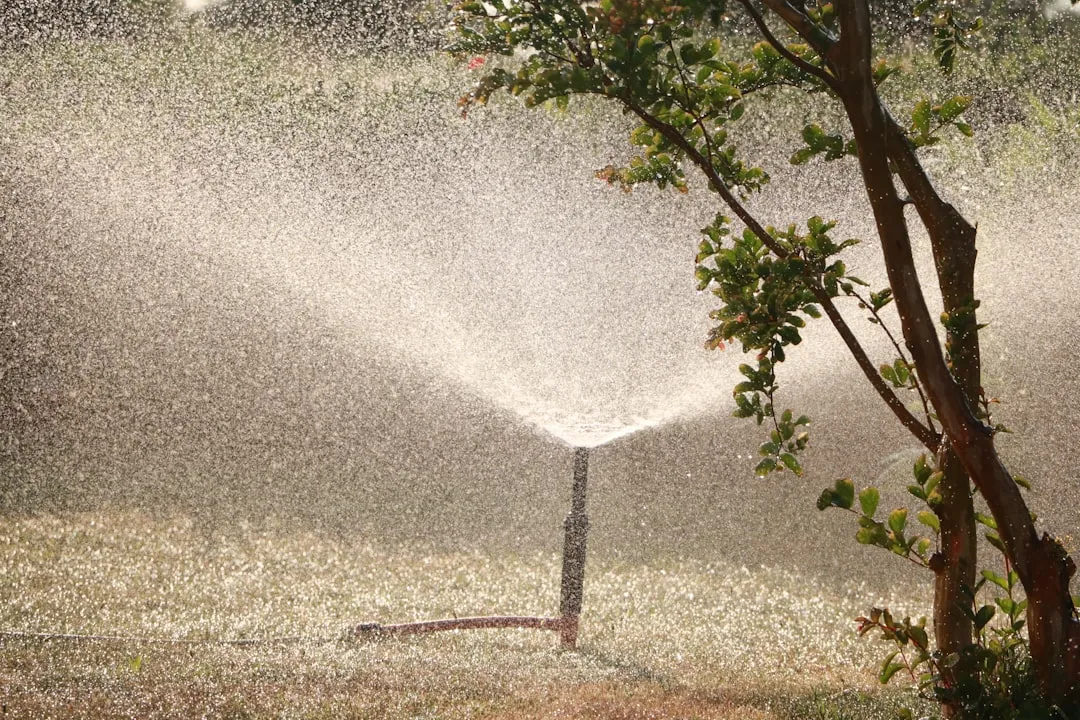
On the opposite end of the dial, the mist setting also has a hidden inefficiency, though for a different reason entirely. Standard spray heads throw a fine mist that drifts off target on a breezy day, so part of every cycle never reaches the grass or plants you’re aiming at. Water in mist form is also more vulnerable to evaporation before it ever reaches the soil.
The mist setting sprays water in fine droplets and is perfect for watering tropical plants that love humidity, like orchids, ferns, and palms. You can also use it to water seedlings because it provides a gentle delivery that won’t damage fragile plants or small seeds. Outside of those specific use cases, mist wastes water through drift and evaporation rather than forceful runoff.
The Settings That Actually Conserve Water
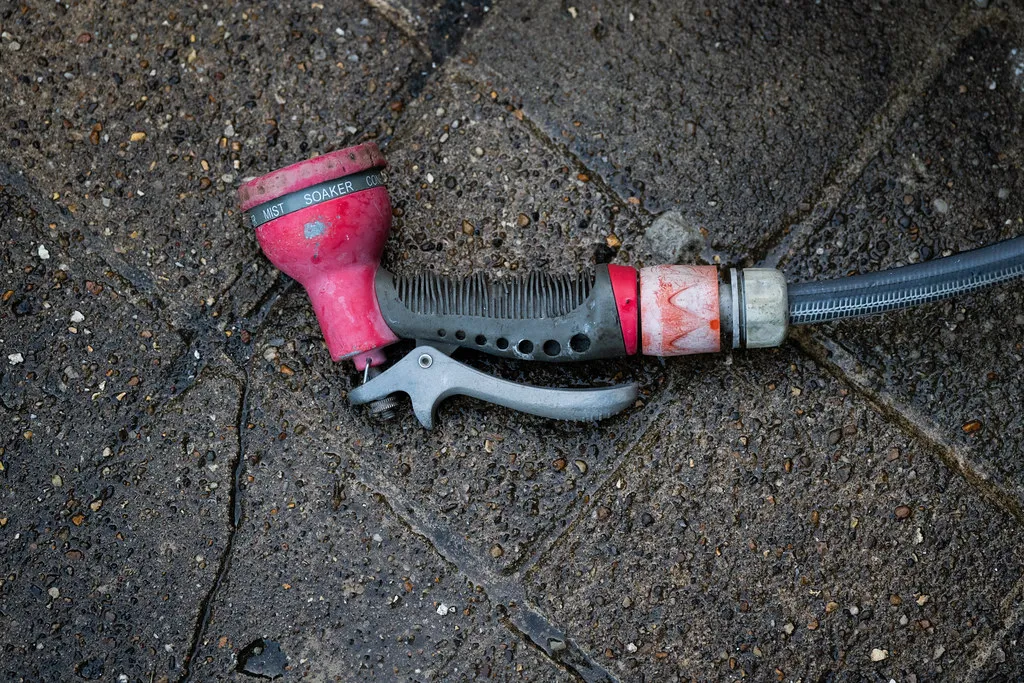
The soaker setting is a strong ally for thorough root watering, releasing a slow and steady stream of water that allows moisture to flow deep into the soil, reaching plant root systems. The soaker setting is especially beneficial during dry periods when deep root systems are in need of a sustained soak. It delivers water where it needs to go without the violent surface impact of the jet.
The shower pattern mimics rainfall while remaining gentle enough for plants, and it is ideal for watering beds and various plants at once, saving time and effort. Delicate plants, such as seedlings or potted flowers, benefit most from a low flow rate and a gentle nozzle, as this pairing ensures that water is delivered precisely and gently, preventing damage to fragile plants and avoiding water waste.
Water Pressure Makes the Problem Worse
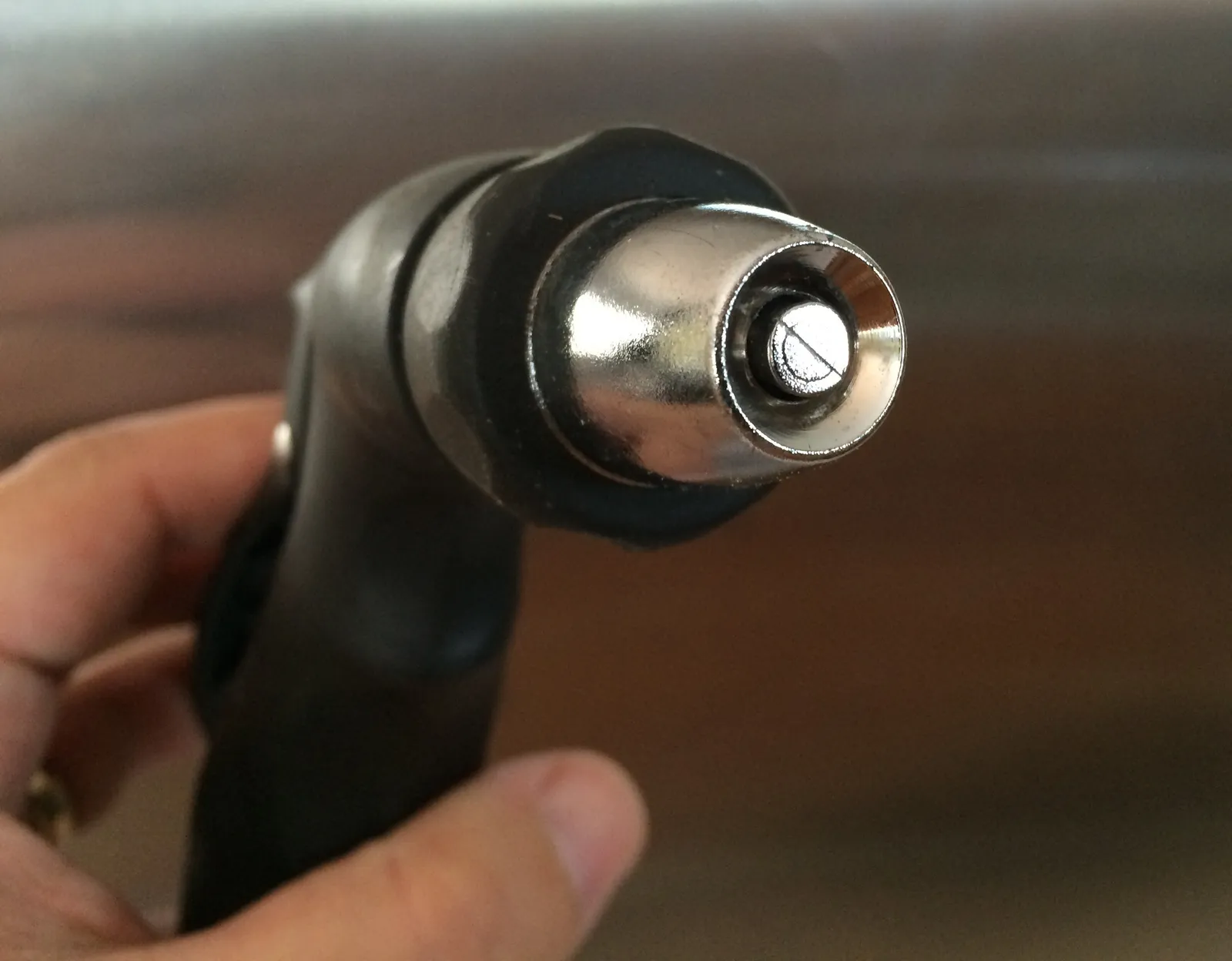
The typical home faucet in the United States delivers between 35 and 65 PSI. At the higher end of that range, the jet setting becomes genuinely aggressive. Factors affecting the flow rate include hose diameter, hose length, water pressure level, and obstructions in the hose or nozzle, and with the jet setting, those restrictions are minimized by design, meaning pressure translates directly into volume at the nozzle exit.
Partially opened valves dramatically reduce flow, which is actually worth knowing because simply not fully opening the outdoor spigot when using the jet can reduce its total output. Still, that’s a workaround rather than a solution. Switching to a gentler nozzle setting is the more reliable answer for garden watering tasks.
How Runoff Quietly Inflates Your Water Bill
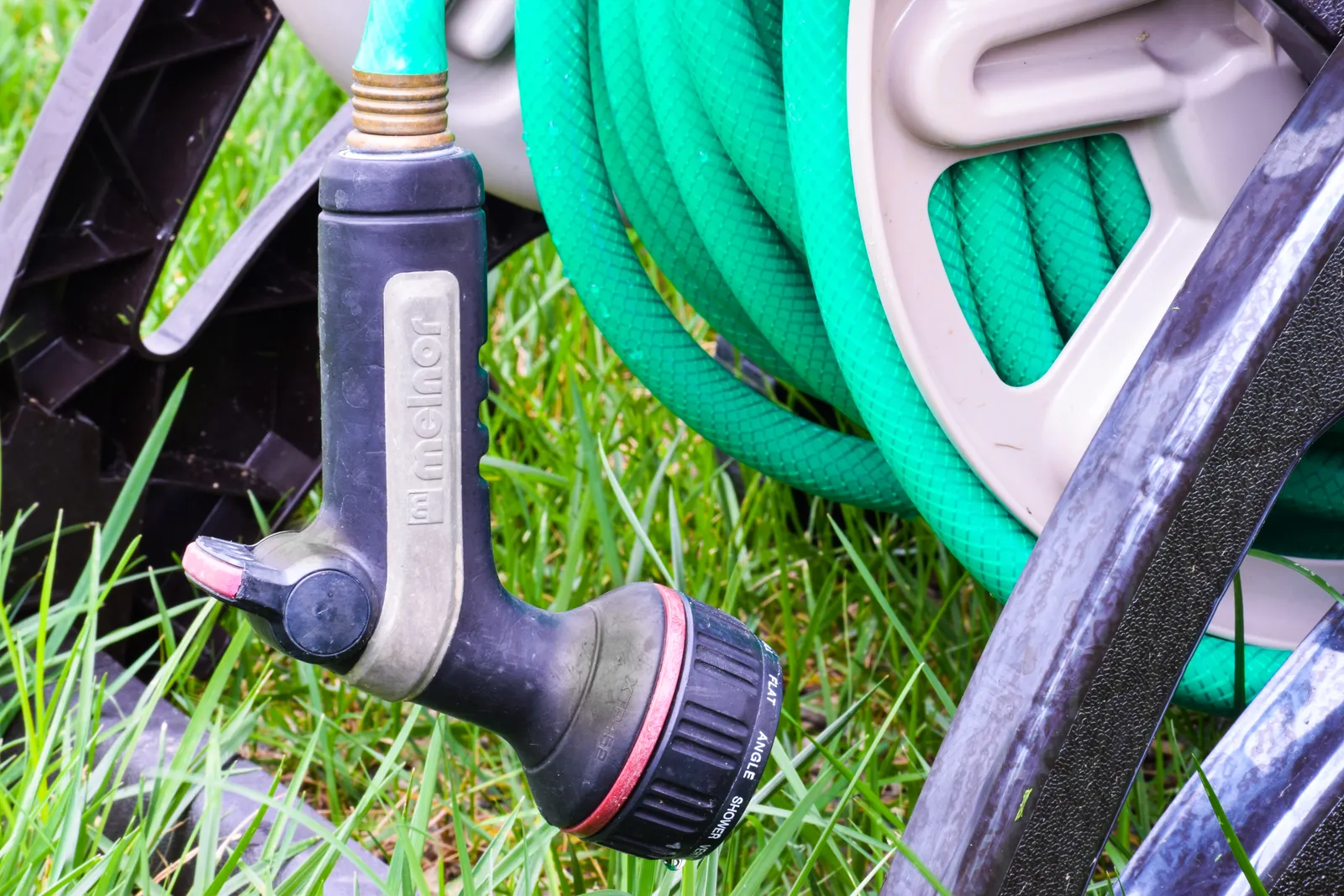
The greatest waste of water is watering landscapes too much, too often. The jet setting encourages both because it delivers water faster than the ground can absorb it, creating runoff that soaks into pavement or drains away, and because the visual impression of a wet surface convinces the gardener that plants have been adequately watered when the roots may still be dry.
Studies show that 30 to 60 percent of irrigation water is wasted due to leaks, misaligned heads, and poor scheduling. Nozzle choice sits in that same category of quiet inefficiency. A dripping spigot or small hole in a hose can waste hundreds of gallons of water each month, and that can add up to a lot of wasted water and money if not fixed. Using the wrong setting for the job compounds those losses even further.
When the Jet Setting Is the Right Choice
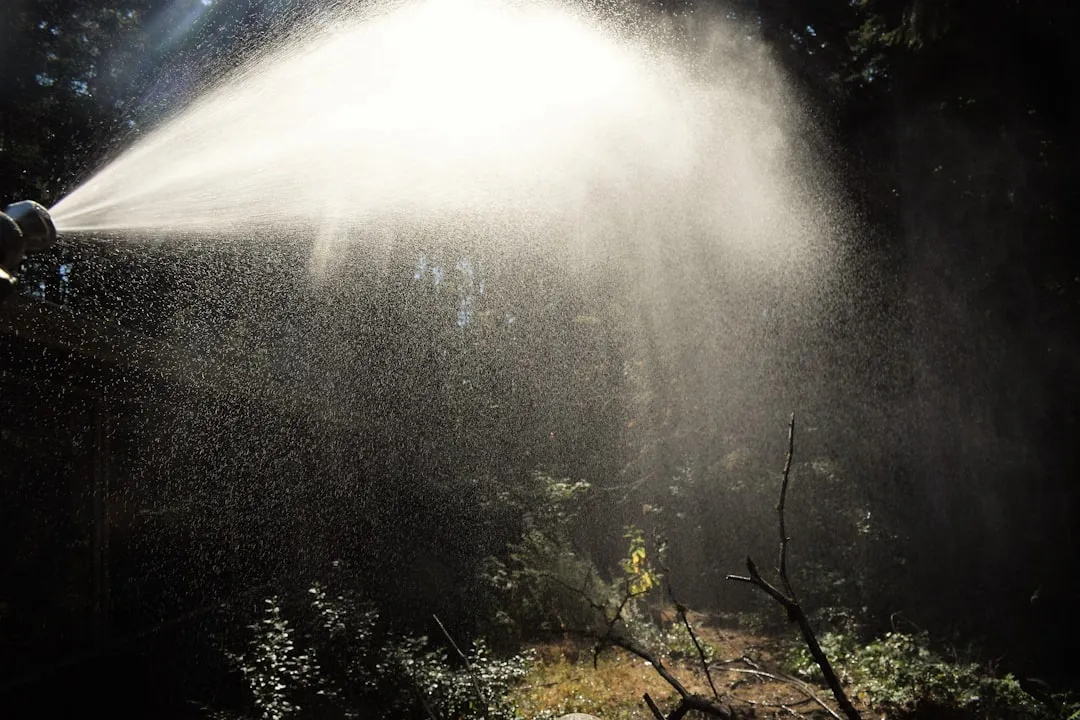
It would be unfair to call the jet setting categorically wrong. The powerful jet spray pattern will damage plants, but it is a great setting for powering dirt and debris from walkways, driveways, and patio furniture. That’s where it earns its place in the nozzle lineup. Hard surfaces, fences, and vehicles can handle high-pressure water and actually benefit from it.
A high flow rate combined with a strong nozzle is ideal for tasks that require significant water output, and this combination is perfect for watering large areas quickly or for heavy-duty cleaning tasks where a powerful spray is necessary. The key distinction is knowing which task is in front of you. A jet setting is good for cleaning driveways, walkways, fences, and patio furniture but should stay off garden beds and plant containers entirely.
Simple Habits That Prevent Invisible Waste
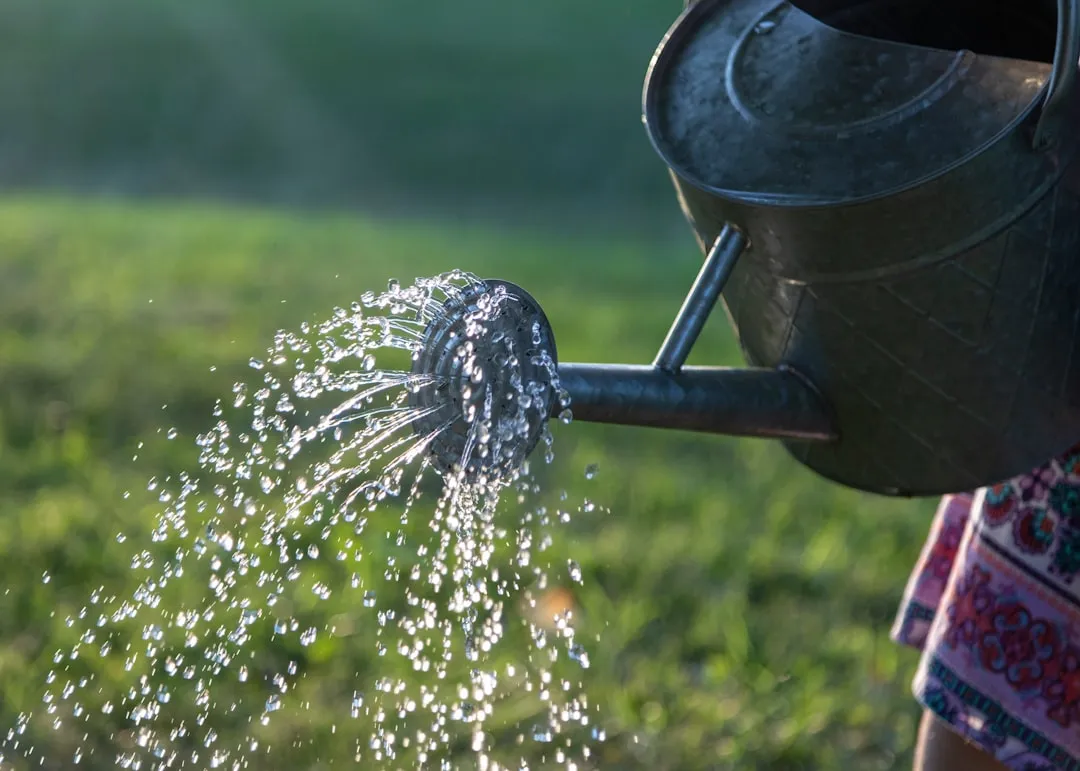
For best results, water your plants in the early morning. This practice reduces evaporation, allowing more water to reach the roots, and helps foliage dry before nightfall, minimizing the risk of disease. Early morning sunlight is also less intense, making the ground cooler and more receptive to water absorption.
Encouraging deep root growth and drought resistance means watering deeply but less frequently, as this approach promotes a robust root system and makes plants more resilient to dry conditions. Pairing that habit with a shower or soaker nozzle setting, instead of the jet, makes every gallon count for far more than it would in a high-pressure blast across the surface of the soil.
The Takeaway
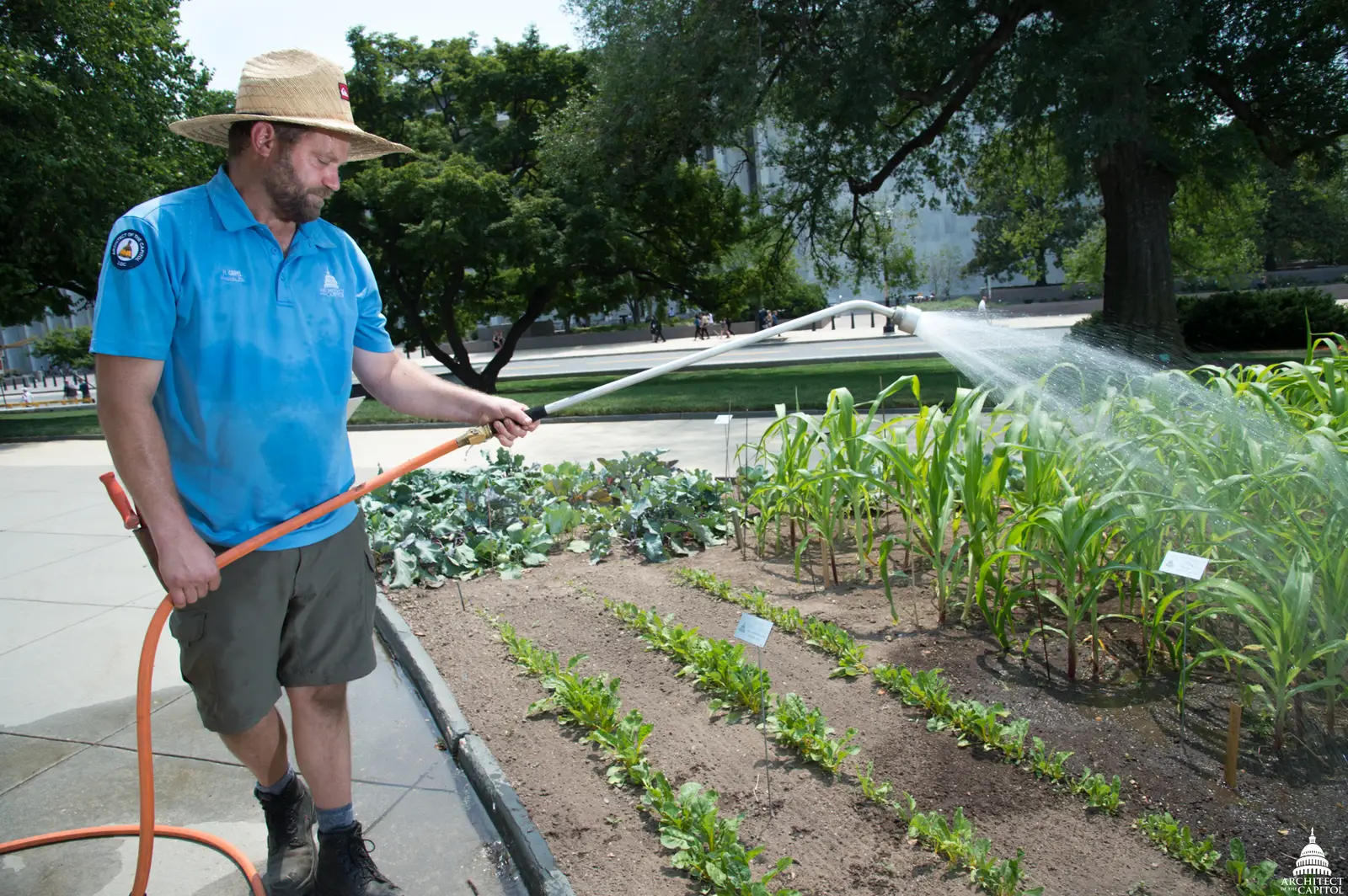
The jet setting isn’t a villain. It’s just a tool that most people use in the wrong context, often without realizing the water is heading straight to the gutter instead of the roots. Up to half of the water used outdoors could be wasted due to evaporation, wind, and runoff from overwatering, and the nozzle setting is one of the most direct levers homeowners have to control that.
Switching to a shower or soaker setting for garden beds is genuinely one of the smallest habit changes with the clearest payoff. The hose stays in your hand, the garden gets watered, and the water actually goes somewhere useful. That’s a quiet win most gardeners never know they’re missing until they finally turn the dial.
AI Disclaimer: This article was created with the assistance of AI tools and reviewed by a human editor.