
How a Garden Hose Traps Water Where It Shouldn’t Be
Leaving a garden hose connected to an outdoor spigot through the winter is one of the most common causes of frozen pipe damage in homes. When temperatures drop, water trapped between the shut-off valve inside the wall and the hose outside has nowhere to drain.
The problem extends beyond the hose itself. Connected hoses prevent proper drainage from outdoor faucets, trapping water in vulnerable locations where freezing causes catastrophic damage.
When a freeze hits, that trapped water turns solid and expands. Pressure builds inside the wall, and the line can split before anyone notices. Flooded walls, soaked insulation, and damaged floors often follow.
The Science of Frozen Water and Pipe Failure
Water expands when it freezes, increasing in volume by about nine percent. This expansion generates tremendous pressure, which can rupture pipes, fittings, and other plumbing components.
When a garden hose remains attached to an outdoor spigot, any water left in the hose or spigot is at risk of freezing. This can create a dangerous buildup of pressure that may crack the spigot or cause internal pipe damage within your home.
Different pipe materials respond differently: copper can split along a seam, PEX may stretch but still tear, and PVC becomes brittle and can fracture. No material is entirely immune once pressure exceeds its design limit.
Frost-Free Faucets Do Not Make You Safe
Many homeowners trust frost-free faucets to prevent winter issues. These faucets place the internal valve deeper inside the home where temperatures are warmer. However, they require full drainage after shutoff. If a hose stays connected, drainage cannot occur.
Frost-free bibs rely entirely on the water draining out of the exterior section after the handle is turned off. If a garden hose is left connected to the bib, the hose traps water in the exterior section and prevents drainage, eliminating the frost-free protection entirely. This is one of the most common causes of frost-free bib failures.
When a hose remains connected, water becomes trapped in the faucet, preventing proper drainage. As temperatures drop, that water freezes, expands, and cracks the pipe, often behind your home’s walls. Homeowners typically discover the damage in spring when water starts leaking indoors.
At What Temperature Does the Trouble Begin?
There’s no insulation to stop the water from freezing inside rubber or vinyl hoses. As soon as the temperature drops to 32°F for more than six hours, it can freeze the water in a connected garden hose.
A small crack in a pipe can release over 250 gallons of water daily, damaging floors, furniture, and valuables. Pipes in uninsulated areas, like attics, crawl spaces, or exterior walls, are most at risk, especially when temperatures drop below 20°F.
That said, even a mild cold snap lasting more than a few hours is enough to freeze a fully blocked hose bib. Waiting until temperatures are dangerously low before acting is a risk not worth taking.
The Financial Damage Adds Up Faster Than You’d Expect
From 2024 through June 2025, more than 20,000 frozen pipe and water damage claims were filed with State Farm alone, totaling over $628 million in paid losses. The average claim payment exceeded $30,000.
The average cost of repairing a burst pipe ranges from $500 to $1,000, and that’s only if the damage is caught early. Severe water damage can cost thousands more in repairs and restoration.
A frozen pipe isn’t just a pipe problem. It’s often a drywall problem, a flooring problem, an insulation problem, a contents problem, and sometimes a temporary housing problem. That combination is why the bills climb so fast.
How Widespread the Problem Really Is
Approximately 250,000 homes experience frozen or burst pipes annually in the United States. Water damage from freezing pipes accounts for roughly eleven to twenty percent of all homeowner’s insurance claims.
According to the Insurance Information Institute, water damage claims, including damage incurred from freezing temperatures or burst pipes, were the third-most frequently filed insurance claim for property damage, making up nearly a quarter of all homeowners insurance claims in 2021.
The National Association of Insurance Commissioners estimates water damage claims cost insurers approximately $13 billion per year. The garden hose is not the only cause, but it is a consistent and preventable contributor to those numbers.
Why Even Experienced Homeowners Miss This
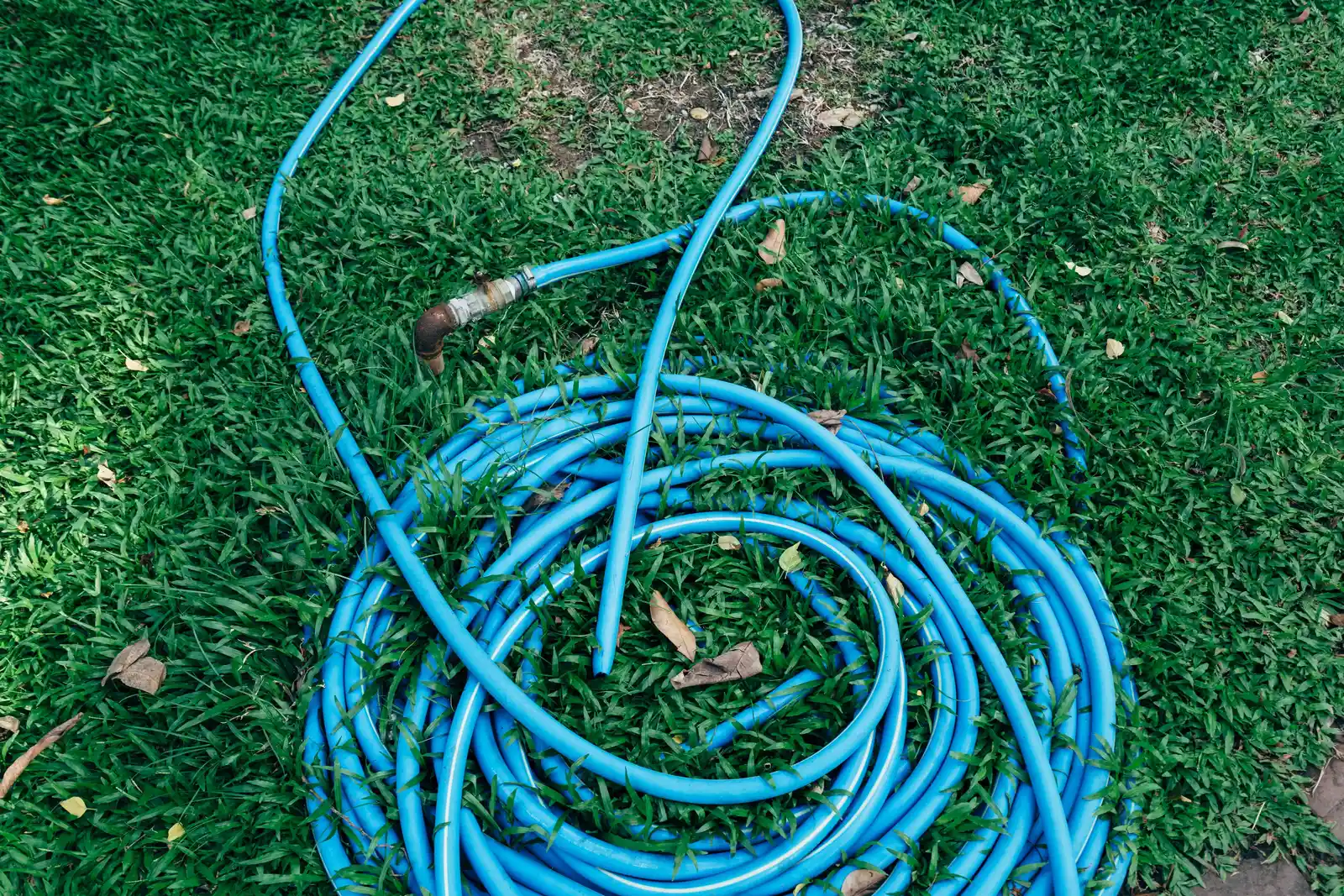
The hose stays connected because it doesn’t look dangerous. It’s just rubber and fittings hanging off the side of a house, often tucked around a corner or barely visible from the yard. There’s no alarm, no warning light, nothing to signal a problem until the freeze is already underway.
Frozen water in hoses can cause burst pipes indoors if it isn’t disconnected from the spigot, as that cold can travel indoors and impact pipes inside. Plumbers report that the vast majority of calls they receive for frozen and burst pipes are due to hoses full of water being left connected to spigots.
Even newer frost-free setups can freeze if the hose remains in place, and sudden temperature drops can occur with little notice. The assumption that modern plumbing will handle it is what keeps this mistake so common.
The Correct Way to Winterize Your Outdoor Faucet
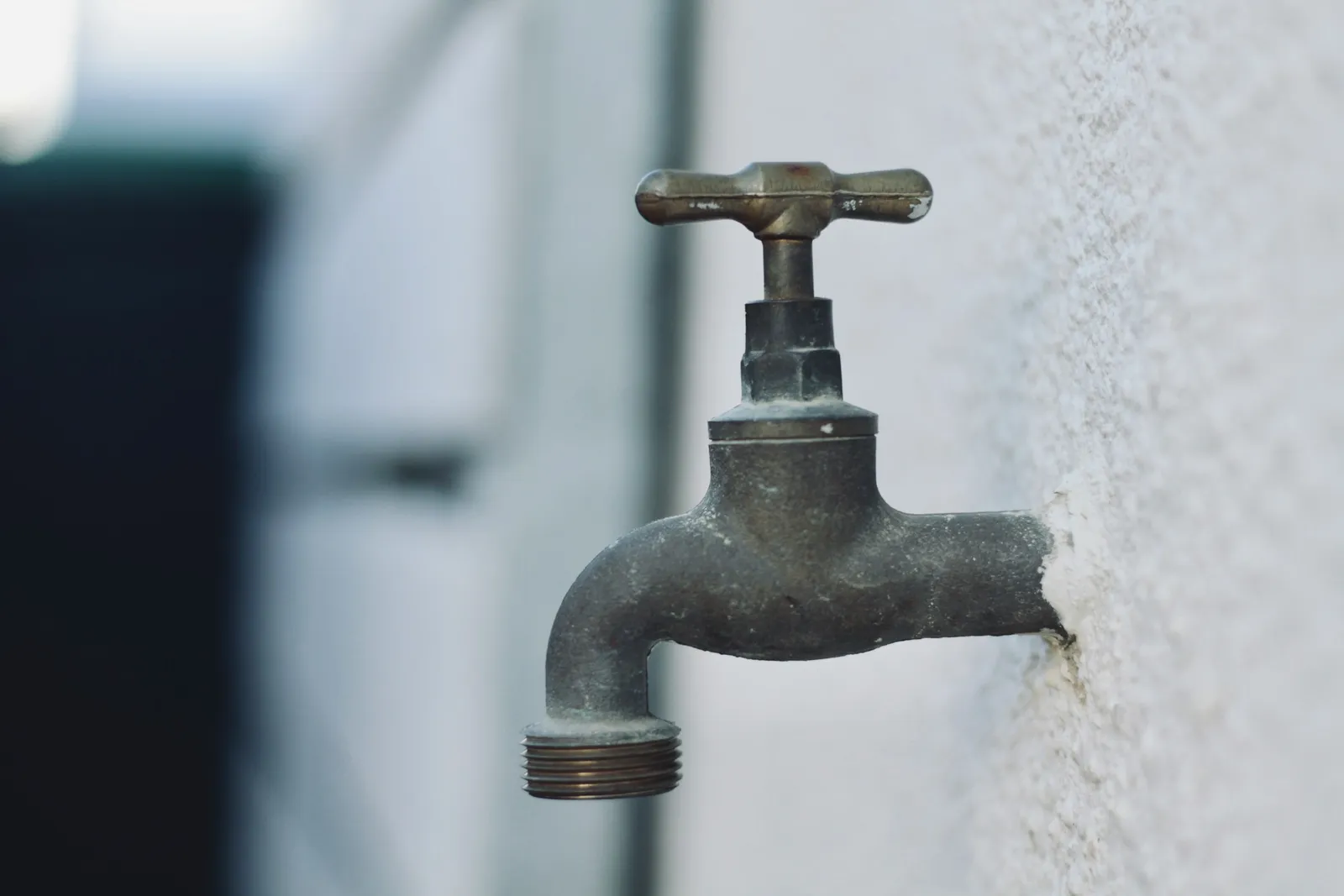
To winterize a hose bib properly, start by disconnecting the garden hose and draining and storing it until spring. Then turn off the water valve on the pipe that supplies the hose bib, and open the hose bib spout to allow any remaining water to drain out.
Check the sealing around the hose bib where it connects to your home. Any cracks or gaps can let in cold air, potentially leading to freezing issues. Sealing gaps with caulk keeps cold air outside and protects your plumbing investment.
Cut a piece of foam piping insulation and apply it to any exposed pipe between the exterior of your home and the spigot. Insulation tape can be used to secure it in place. These steps take very little time and cost almost nothing compared to the alternative.
What Happens When You Discover a Burst Pipe in Winter
A faucet that runs dry or produces very little water can signal a frozen pipe. If a frozen or cracked pipe is suspected, safety is the priority. State Farm advises keeping faucets open, calling a plumber if water stops flowing, avoiding the use of electrical appliances near standing water, and never using an open flame to thaw pipes.
A pipe that cracked while frozen may not leak until it thaws. That delayed reveal is part of why the damage often spreads much further than expected before anyone realizes what happened.
If a pipe bursts, homeowners should shut off the main water valve and leave faucets open. Turning off the water supply is especially important as temperatures rise. Acting quickly at that point limits the scope of damage, but the smarter move is never getting there in the first place.
Insurance May Cover It, but There’s a Catch
Homeowners insurance usually covers frozen pipe damage, but only if it’s sudden and accidental. That coverage typically breaks down into repairs to your home’s structure, replacing damaged belongings, and sometimes even temporary housing if the damage makes your home unlivable.
Where policies often fall apart is the question of negligence. If an insurer can show that the homeowner failed to take basic preventive steps, a claim can be denied or reduced. Leaving a hose attached all winter, in a region that regularly freezes, can reasonably be characterized as a maintenance failure.
Frozen pipes can ruin drywall, foundations, floors, toilets, electrical systems, and personal belongings. Repairs often take weeks or even months to complete. A denied claim in that situation means carrying all of that cost alone.
One Small Task That Pays for Itself Every Single Winter
Disconnecting a garden hose before the first freeze requires no tools, no expertise, and no money. It takes under two minutes. That stands in fairly stark contrast to the tens of thousands of dollars and months of disruption a burst pipe can bring.
Taking preventive action before the first hard freeze protects not just your hose but your entire home’s plumbing infrastructure. The scope of what a single attached hose can trigger is genuinely disproportionate to how simple the fix is.
Set a reminder now, before the first cold snap arrives. Walk out to every outdoor spigot, twist off the hose, let the faucet drain, and store the hose somewhere dry. That’s the whole job. Everything downstream from that moment is just peace of mind.
AI Disclaimer: This article was created with the assistance of AI tools and reviewed by a human editor.