
Your Disposal Doesn’t Actually Have Blades
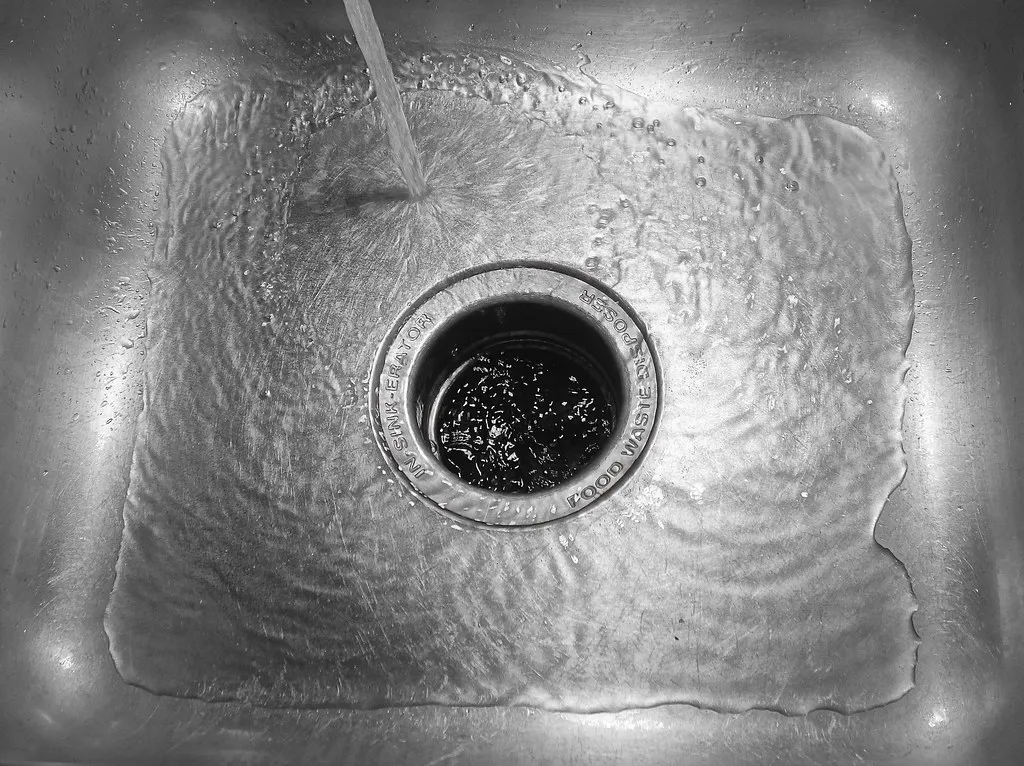
Before anything else, it helps to clear up the most widespread misconception about garbage disposals. Many people think a garbage disposal works like a blender, with spinning blades chopping and breaking down the waste. In reality, garbage disposals work in a different way, and there are no blades involved.
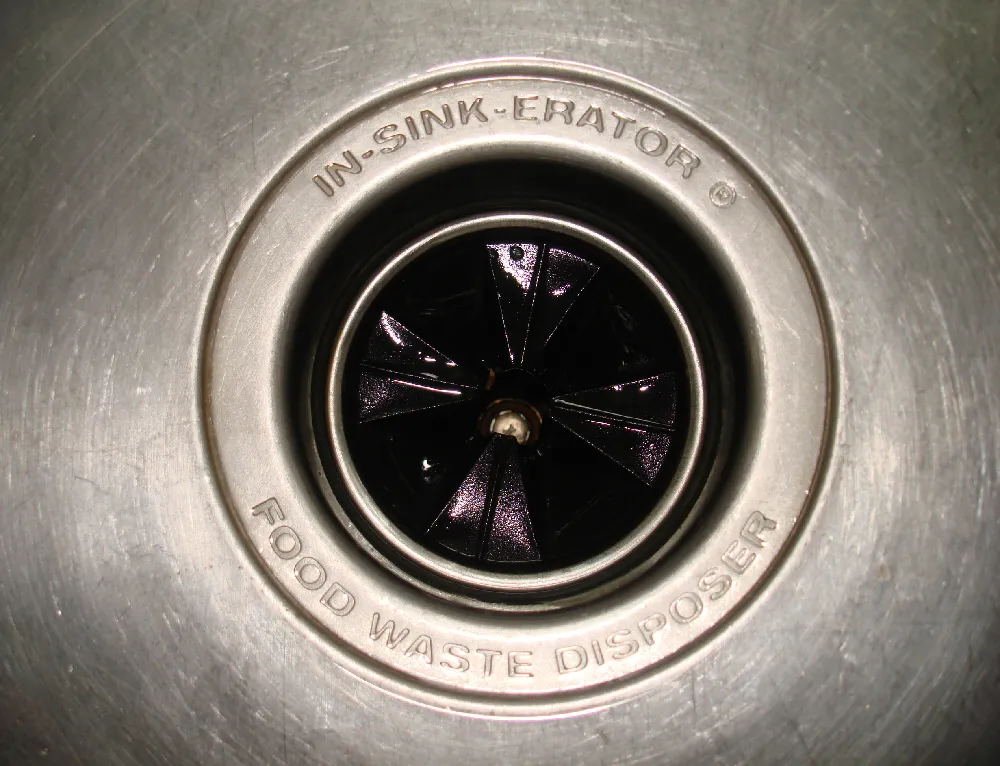
Instead, impellers, or lugs, mounted on a spinning plate use centrifugal force to continuously force food waste particles against a stationary grind ring. The grind ring breaks down the food waste into very fine particles, virtually liquefying them. After they’re ground, the running water flushes the particles through the grind ring and out of the disposer and into your waste water pipe.
The flywheel spins fast, up to 2,000 RPM, pushing food against the shredder ring. That’s real force, but it’s grinding action, not cutting. So when people say their disposal’s “blades” are dull, what they’re actually describing is wear or buildup on the impellers and the grind ring itself.
The Myth of the “Dull Blade” and Why It Persists
Instead of sharp blades, garbage disposals use dull impellers or lugs. These spinning discs force food waste against a stationary grind ring. This grinding action breaks down the waste into small particles that can safely flow through your plumbing system.
Since there are no blades to sharpen, you don’t need to worry about them dulling over time. However, regular cleaning is still essential to keep your disposal functioning efficiently. The language of “dull blades” stuck around because the symptoms feel exactly like something has gone blunt: slower grinding, more noise, food scraps not breaking down cleanly.
One of the most noticeable issues is reduced grinding efficiency. Over time, disposal blades become dull and motors lose their strength, making it harder for the unit to break food scraps down. The root cause, though, is almost always how the unit is being used, not simple mechanical aging.
Fibrous Vegetables: The Quiet Wrecker
Celery, asparagus, corn husks, and similar vegetables contain long, stringy fibers. Those fibers can wind around the disposal’s grinding parts instead of breaking apart. Once they become tangled, the motor has to work harder.
Celery, asparagus, artichokes, corn husks, onion skins, and similar fibrous plant materials wrap around the impeller and jam the motor. The long fibers tangle in the spinning mechanism and can burn out the motor if the jam is bad enough.
Stringy vegetables, including celery stalks, onion skins, corn husks, asparagus ends, and artichoke leaves, wrap around impellers the way dental floss wraps around a finger, forcing the motor to work harder until it overheats. This is one of the single most common ways a disposal gradually loses its performance over time.
Grease and Oil: The Slow-Build Problem
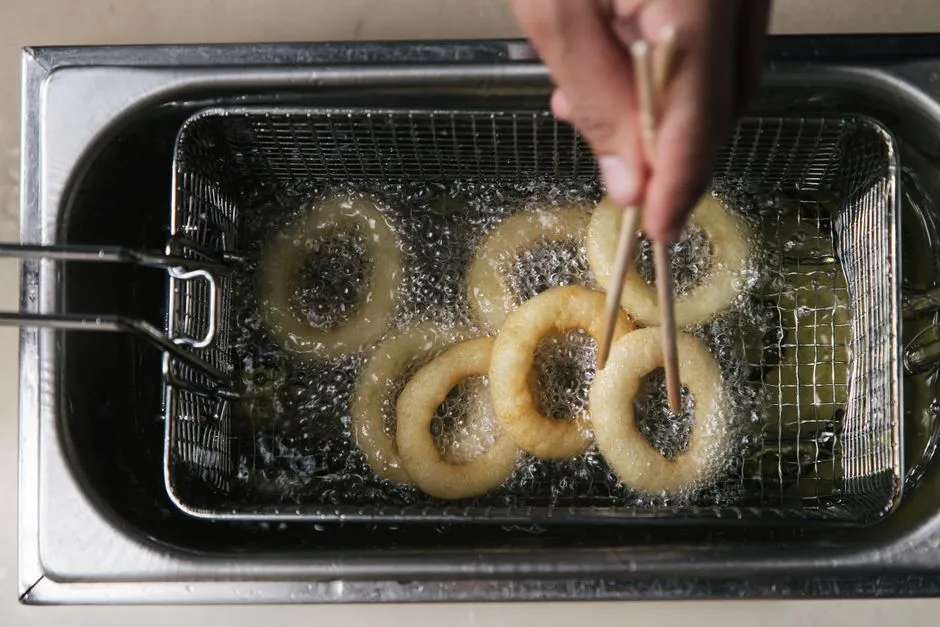
If you’re wondering, “Can I put grease in my disposal?” the answer is a hard no. Grease solidifies in pipes and causes blockages. It looks harmless going down, especially when it’s warm and liquid, but the problem starts once it cools.
Fats and oils may pour in as a liquid, but they cool quickly and cling to your pipe walls. They harden and trap everything else that comes along. Running hot water will only push the grease farther down.
Fats, oils, and grease alone are a leading cause of sewer blockages and overflows in the United States, which is why the EPA specifically asks households to keep them out of drains. Scraping grease into a jar and tossing it in the trash after it solidifies is the right move, every single time.
Starchy Foods That Form Paste Inside the Unit
Putting bread, oatmeal, pasta, and rice in your garbage disposal is a bad idea. These foods expand when wet, which can form a gelatinous paste in your drain and block up your sink.
Potatoes contain a lot of starch, and the peels can turn into a thick paste after being ground up and mixed with water. That starchy material can stick to the disposal and pipes, slowing drainage and collecting other food debris.
Cooked pasta and rice continue absorbing water after they’ve been cooked. That means they can swell after going down the drain and form a sticky mass inside the disposal or pipes. It’s a slow-motion clog that most people don’t connect back to that pot of leftover rice from three weeks ago.
Hard Items That Damage the Grind Ring
Chicken bones, pork chop bones, peach pits, avocado pits, and similar hard items can damage the impeller lug and grind ring, or pass through the disposal and lodge in the drain pipe. Even if the motor sounds like it’s handling the load, the internal wear is real.
Avocado pits, peach pits, and other large, hard seeds are far too dense for most household garbage disposals. Trying to grind them can damage the grinding components or leave the pit wedged inside the unit. Even if the disposal manages to break one apart, the pieces can make their way into the plumbing and cause trouble later.
The Eggshell Myth That Makes Things Worse
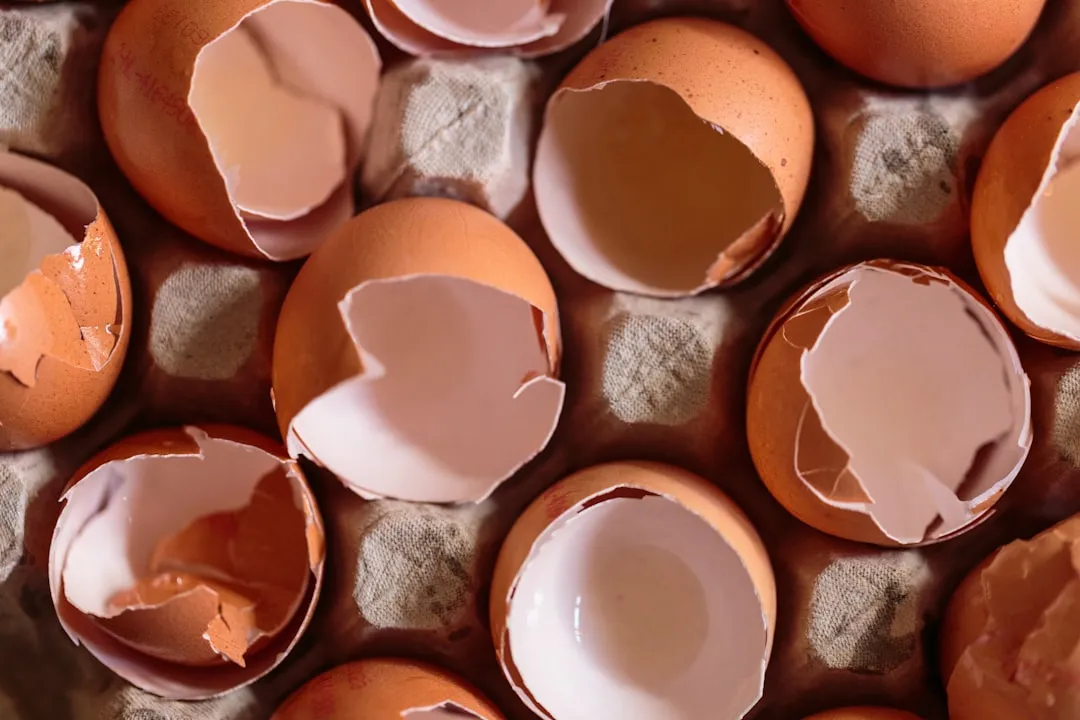
A stubborn piece of kitchen folklore says that running eggshells through the disposal sharpens the blades. It’s been passed around for decades. It’s not true, and it actually causes its own problems.
The claim that eggshells sharpen disposal “blades” fails on two counts. Disposals have no blades. The thin membrane lining the inside of an eggshell peels away and wraps around the impellers, reducing grinding efficiency and eventually causing jams rather than improving performance.
The gritty shell particles can settle in the pipes and trap passing debris, seeding a clog over time. The eggshell habit is one of those well-intentioned routines that quietly works against you.
Overloading the Unit in One Go
Overloading the garbage disposal is like trying to run a blender full of rocks. It strains the motor, shortens the lifespan of the appliance, and increases the chances of a full system jam.
Even if something is safe for the disposal, too much at once can overwhelm the unit. The grinding mechanism works best when food waste is fed gradually, with cold water running throughout. A handful at a time is a habit worth developing.
Feed waste gradually and with running cold water to ensure smooth operation. It takes a little more patience, but the motor runs cooler, the grind ring wears more evenly, and the drain stays clearer.
Running Hot Water Instead of Cold
This one surprises people. Hot water seems like it would help break things down faster, but for a garbage disposal, it’s actually the wrong choice.
Using hot water while pouring grease down the drain is one of the most damaging food waste disposal errors. Hot water melts the grease temporarily, which then re-solidifies deeper in your pipes. Over time, this leads to clogged garbage disposals and even sewer backups.
Cold water keeps fats solid long enough for the grinding mechanism to break them apart and flush them before they can coat the pipes downstream. It’s a small habit shift with a genuinely meaningful impact on long-term performance.
Coffee Grounds: The Sneaky Sediment Builder
Coffee grounds seem harmless. They’re fine-grained, soft, and they even mask odors temporarily. But they’re one of the things plumbers find most often at the root of drain problems.
Grounds don’t dissolve in water. They compact into sediment in the P-trap and combine with grease into dense sludge. They’re one of the most common clog ingredients plumbers find. Compost them instead; they’re excellent nitrogen-rich material.
The fact that grounds seem to flush away cleanly is what makes them deceptive. The accumulation happens out of sight, in the trap beneath your sink, over weeks and months of daily coffee-making habits.
How to Actually Keep the Disposal Working Well
To clean a garbage disposal, simply run cold water and grind a handful of ice cubes. This helps remove built-up residue and keeps the impellers in top condition. Adding coarse salt to the ice makes the cleaning action even more effective.
Garbage disposals benefit from simple, regular maintenance. Without it, odors, buildup, and dull blades become more likely. A quick ice-and-salt run once a week, combined with careful food habits, covers most of what the unit needs.
Most residential garbage disposals last between ten and fifteen years with regular maintenance. Heavy daily use and poor food habits can shorten that lifespan considerably. The math is simple: a few small adjustments now add up to years of reliable performance later.
The Takeaway
The real culprit behind a struggling garbage disposal is rarely a mechanical failure or worn-out parts. It’s the quiet accumulation of wrong habits: fibrous vegetable scraps, grease that cools in the pipes, starchy pastes, hard pits, and the persistent myth that eggshells are doing the unit any favors.
A garbage disposal is meant for small amounts of soft food scraps. It isn’t a substitute for your trash can or compost bin. Hard, stringy, greasy, or starchy foods can stick to the grinding chamber, wrap around moving parts, or collect inside your pipes.
Treat it like the specific, limited tool it actually is, and it will hold up for well over a decade. Treat it like a second trash can, and you’ll be calling a plumber sooner than you planned. The choice plays out one dinner plate at a time.
AI Disclaimer: This article was created with the assistance of AI tools and reviewed by a human editor.