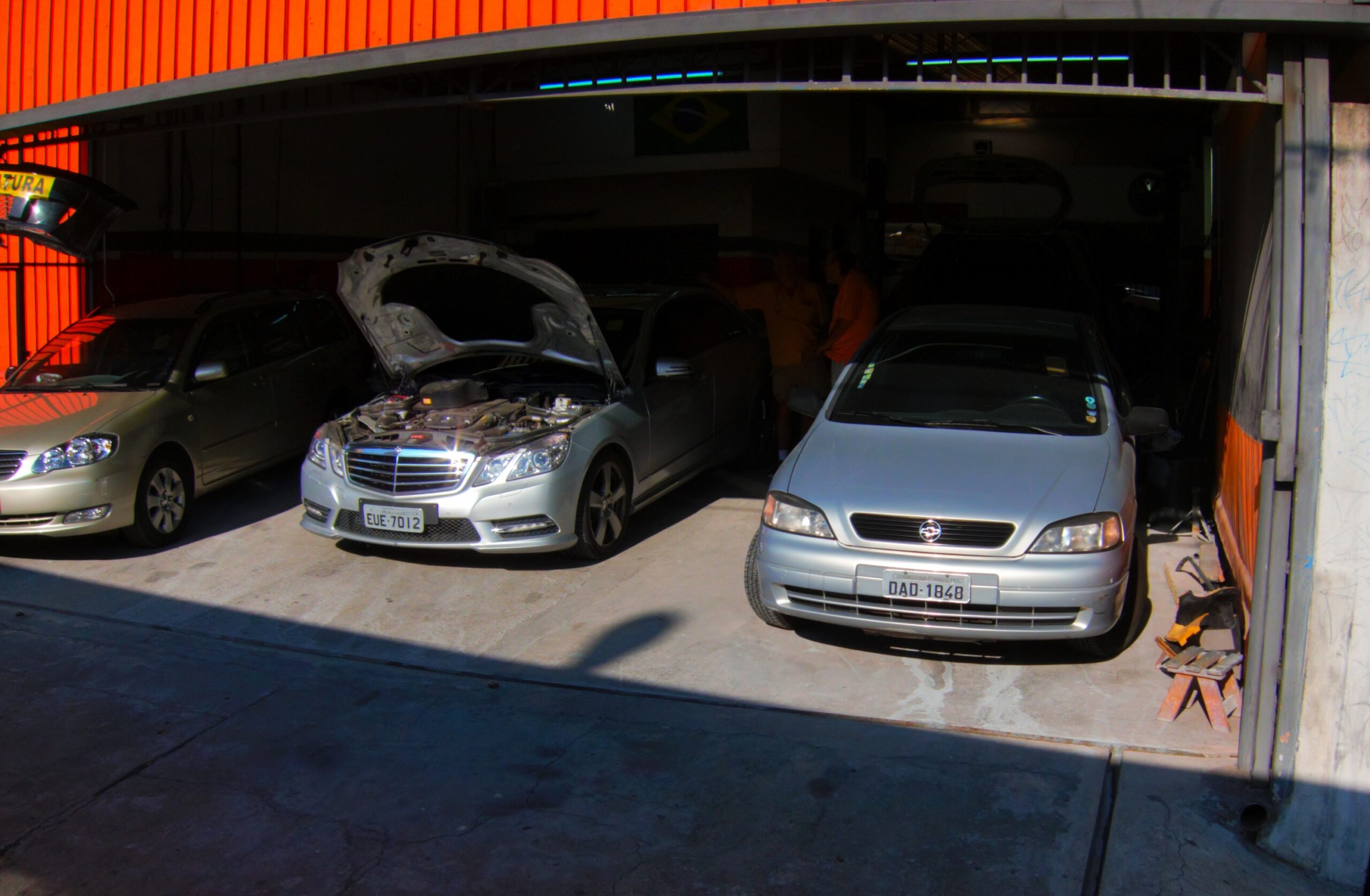

Most car owners think of their garage as a sanctuary. A safe place, away from rain, road salt, and sun. That instinct isn’t wrong, but a garage is only as good as what you do inside it. Some of the most common garage routines, repeated week after week, are doing slow, compounding damage that doesn’t show up until it’s expensive.
The habit in question isn’t dramatic. It doesn’t involve bad driving, skipped services, or obvious neglect. It lives in the quiet moments: the brief warm-up before leaving, the way the car sits for days in humid stillness, the things you assume are fine because they always seem fine. Here’s what’s actually happening.
1. Letting the Car Idle to “Warm Up” Before Driving
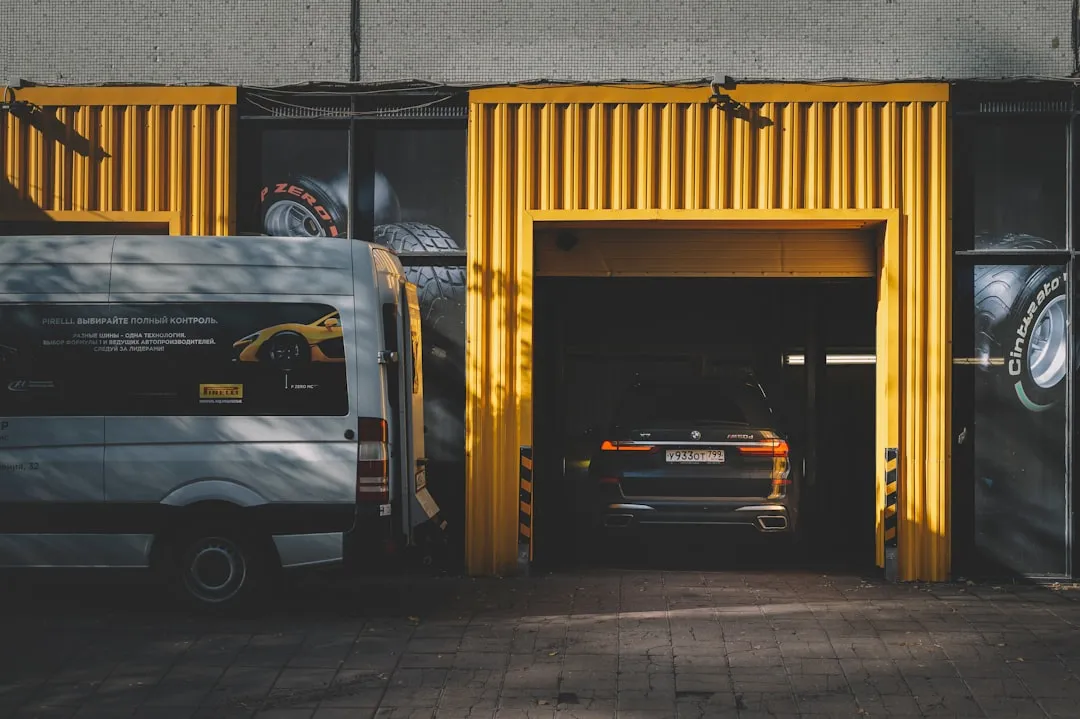
This is one of the most persistent garage rituals in existence, and it turns out to be largely unnecessary for modern vehicles. Modern engines are designed to be driven even when they’re cold, which means extended idling in the driveway or garage doesn’t give you the benefit most people assume it does.
By letting your vehicle idle in the cold, you are actually stripping away oil from the engine’s pistons and cylinders each time you do this. The engine runs rich during a cold idle, meaning unburned fuel can wash a thin film of lubricating oil off cylinder walls.
Experts suggest drivers should start their vehicle, walk around it to remove any obstructing snow or ice, then start driving as usual. Driving the vehicle is a much quicker way to warm up an engine without causing it damage. Gentle driving in the first few minutes is all you need.
2. Idling in an Enclosed or Semi-Enclosed Space
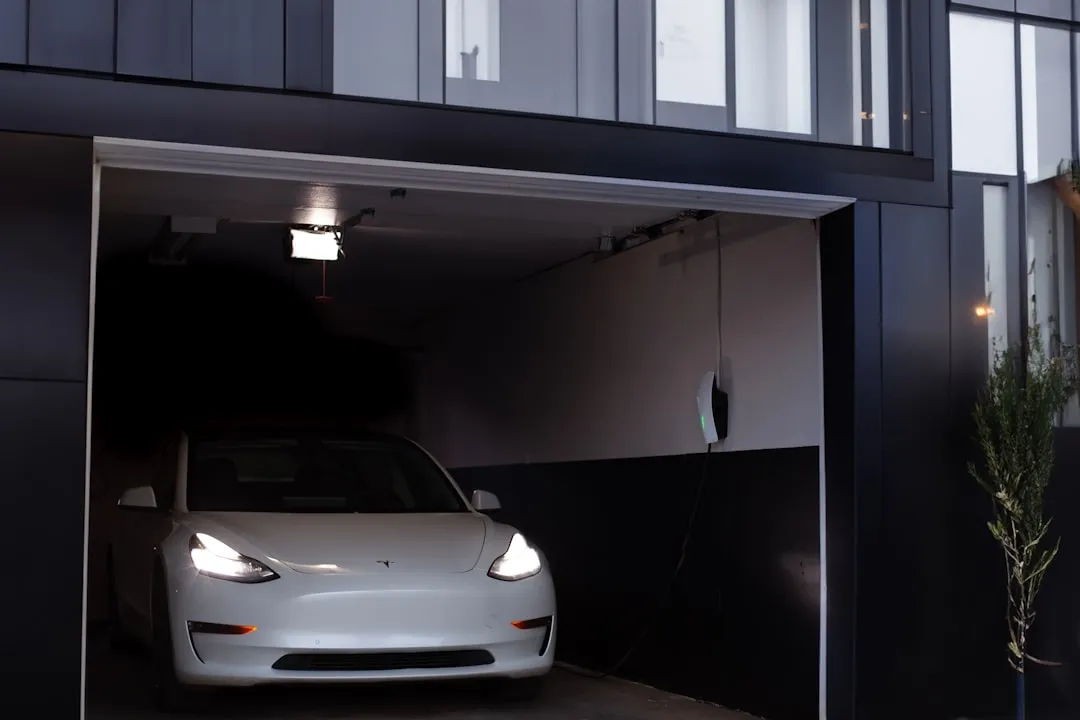
Beyond engine wear, warming up your car inside or just outside the garage door creates a carbon monoxide risk that is easy to underestimate. All internal combustion engines emit carbon monoxide. That’s why you should never leave your car idling or heating up in a garage, even if the door is open.
Cold engines produce higher concentrations of carbon monoxide and produce it for longer periods of time. The colder the engine, the worse the output, which means winter warm-ups carry the highest risk.
One minute of idling produces more carbon monoxide than the smoke from three packs of cigarettes. That figure puts a familiar habit in a very different light. Carbon monoxide can build up in a garage and leak back into the house. Even sitting in an idling car in an open garage can be dangerous.
3. Forgetting the Engine with a Keyless Ignition
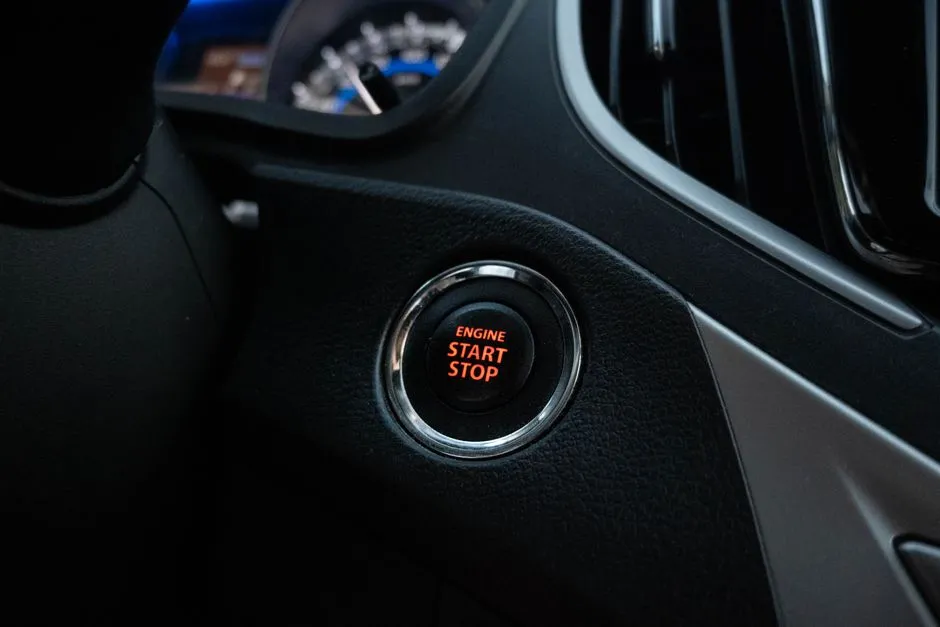
Remote start and push-button ignition systems have made it easier than ever to accidentally leave a car running. The issue stems from the proliferation of vehicles with remote key fobs that allow them to be operated by pressing a button. In documented fatal cases, drivers exited their vehicle with the fob but forgot to turn off the engine, and exhaust fumes eventually raised the concentration of carbon monoxide in their homes to dangerous levels.
This is not a theoretical concern. At least 28 people have died from carbon monoxide poisoning over a 12-year period after keyless ignition-equipped cars were left idling in their garages. That number only reflects incidents that were reported and tracked through media and emergency response records.
The fix is straightforward: confirm the engine is off before walking away. It takes two seconds and can make all the difference.
4. Letting the Car Sit for Too Long Without Moving
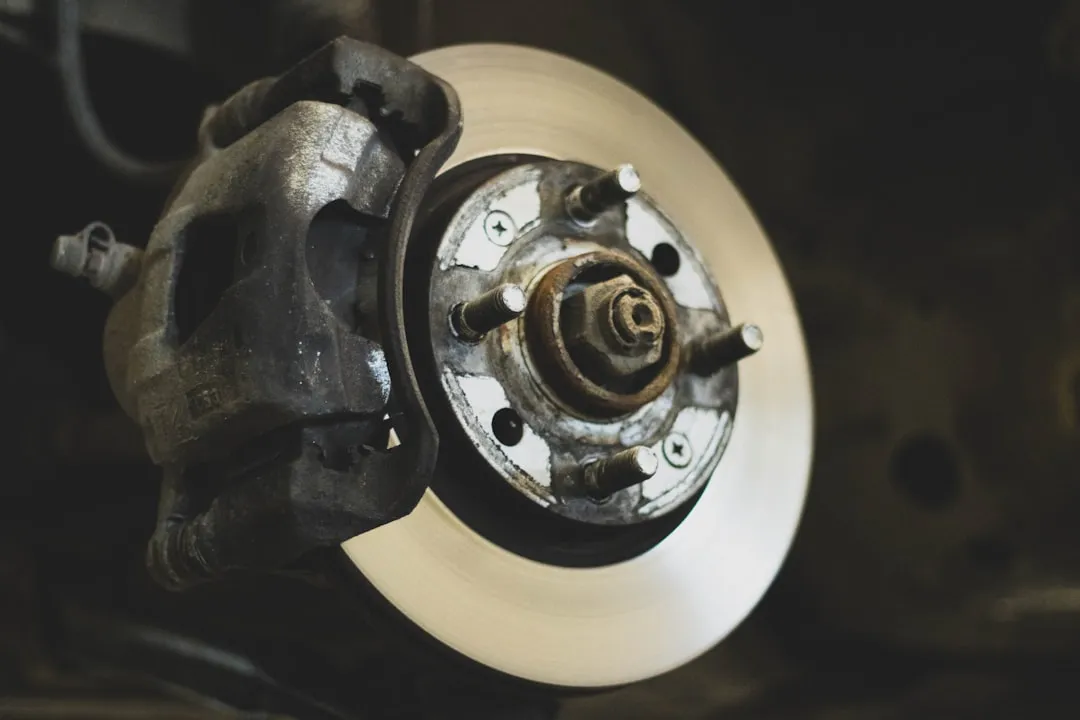
Brake corrosion can develop when a vehicle remains stationary. Moisture in the air can cause rust to form on the brake rotor, and old brake fluid can absorb moisture over time, increasing corrosion risk inside the braking system.
Vehicles that sit for long periods without driving allow rust to build up faster without natural cleaning from brake pad friction. The longer a car stays still, the more aggressively that surface oxidation sets in. If a vehicle has been sitting for a considerable amount of time, rust can eat away at the rotor, causing its originally smooth surface to become pocked and corroded.
Tire flat spots are another concern during long garage storage. When a vehicle sits in one position for too long, tires can deform and wear unevenly. Keeping tires properly inflated or using jack stands helps prevent permanent flat spotting.
5. Ignoring Garage Humidity Levels
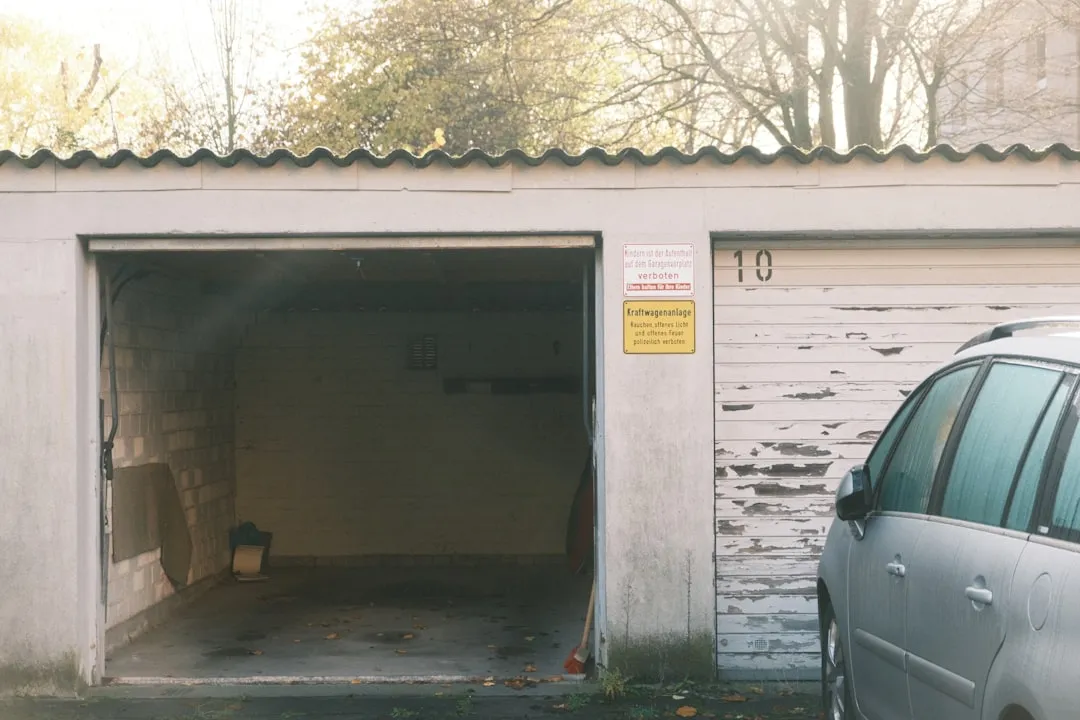
A garage that feels dry can still be working against your car. The real culprit is humidity cycling. Every time outdoor temperatures swing up and down, air inside a garage absorbs moisture and then releases it as condensation directly onto your car’s metal surfaces.
The ideal storage humidity level for a car is between 40 and 50 percent relative humidity, according to corrosion research published by the National Institute of Standards and Technology. Most unventilated garages fluctuate well outside that range during seasonal transitions.
According to the U.S. Department of Transportation, corrosion costs vehicle owners an estimated $23.4 billion annually. A basic dehumidifier in the garage is one of the simplest ways to reduce your share of that number.
6. Skipping Oil Changes Because the Car “Just Sits There”
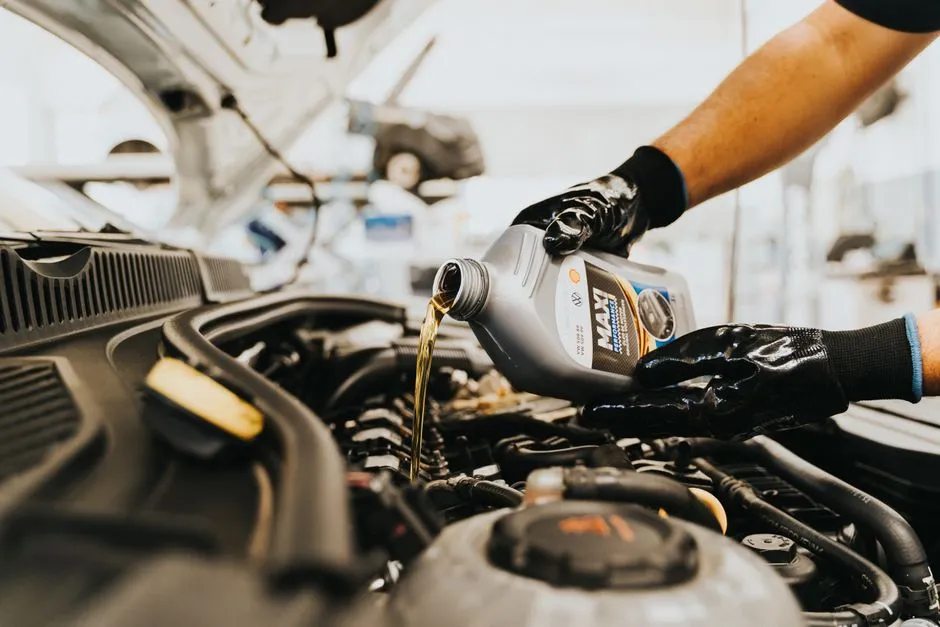
A common assumption is that if a car doesn’t get driven much, the oil doesn’t need changing on schedule. That logic is flawed. Oil breaks down over time whether the car is driven or not. When oil breaks down, it loses its ability to lubricate effectively. Additionally, oil can become contaminated with water, fuel, and dirt over time, which also reduces its effectiveness.
Oil is the lifeblood of a vehicle’s engine and is responsible for lubrication and heat dissipation. Degraded oil sitting in an engine that rarely runs can still corrode internal surfaces, accelerating wear the moment the engine fires back up.
Time matters just as much as mileage. Most manufacturers and mechanics recommend changing the oil at least once a year regardless of how few miles were driven. This is especially important for cars that spend long periods sitting in the garage.
7. Running the Engine Without Driving Far Enough to Charge the Battery
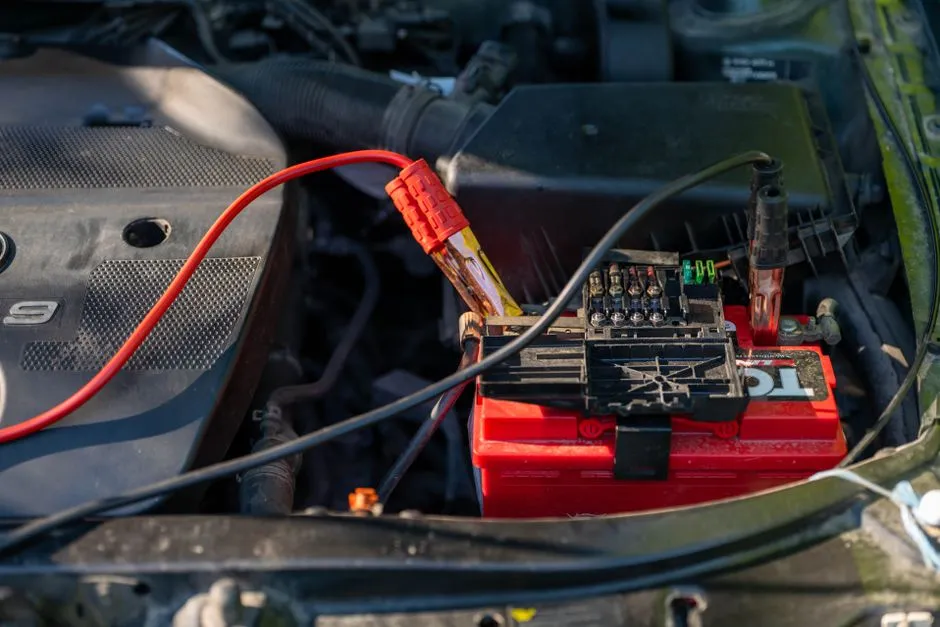
Short garage-start sessions, where the engine runs for a few minutes and then shuts off, don’t give the alternator enough time to replenish what the starter motor used. Over time, this pattern slowly drains a battery without ever fully recharging it.
The battery might drain more, causing starting issues. A battery that repeatedly hits low charge states develops sulfation, a chemical buildup on the lead plates that permanently reduces its capacity. Once that process starts, it’s irreversible without replacement.
If you use the garage primarily for short starts or warm-ups rather than actual driving, consider using a quality battery maintainer. These low-current chargers keep the battery at an optimal state without overcharging it during periods of infrequent use.
8. Tracking Moisture In and Leaving It
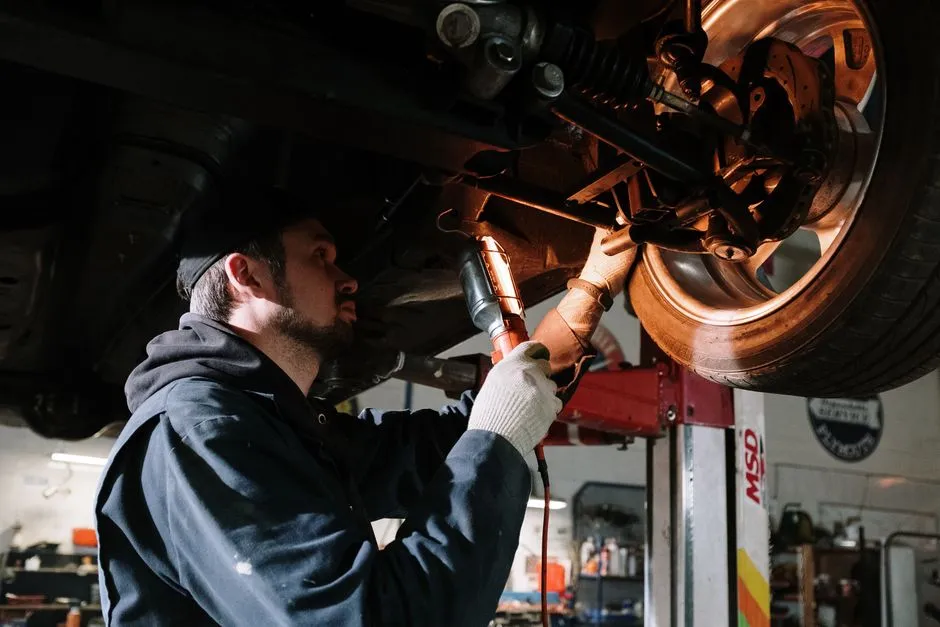
Driving into the garage after rain or winter roads and simply parking means wet tires, wet undercarriage, and road salt are now sitting in an enclosed space. A warm garage can melt packed snow and salty slush, leaving salty water on parts longer. That slow melt becomes a prolonged soak rather than a quick rinse.
Moisture can make its way in, which may lead to rust on the body, frame and even brakes. Temperature swings can be problematic, too. The garage amplifies the problem by sealing the moisture in with your car rather than letting wind and sun do their natural drying work.
A simple practice of occasionally rinsing the undercarriage before entering the garage during salty winter months can dramatically slow this process. It takes less time than the rust repair it prevents.
9. Neglecting the Air Filter Because You Forget About It
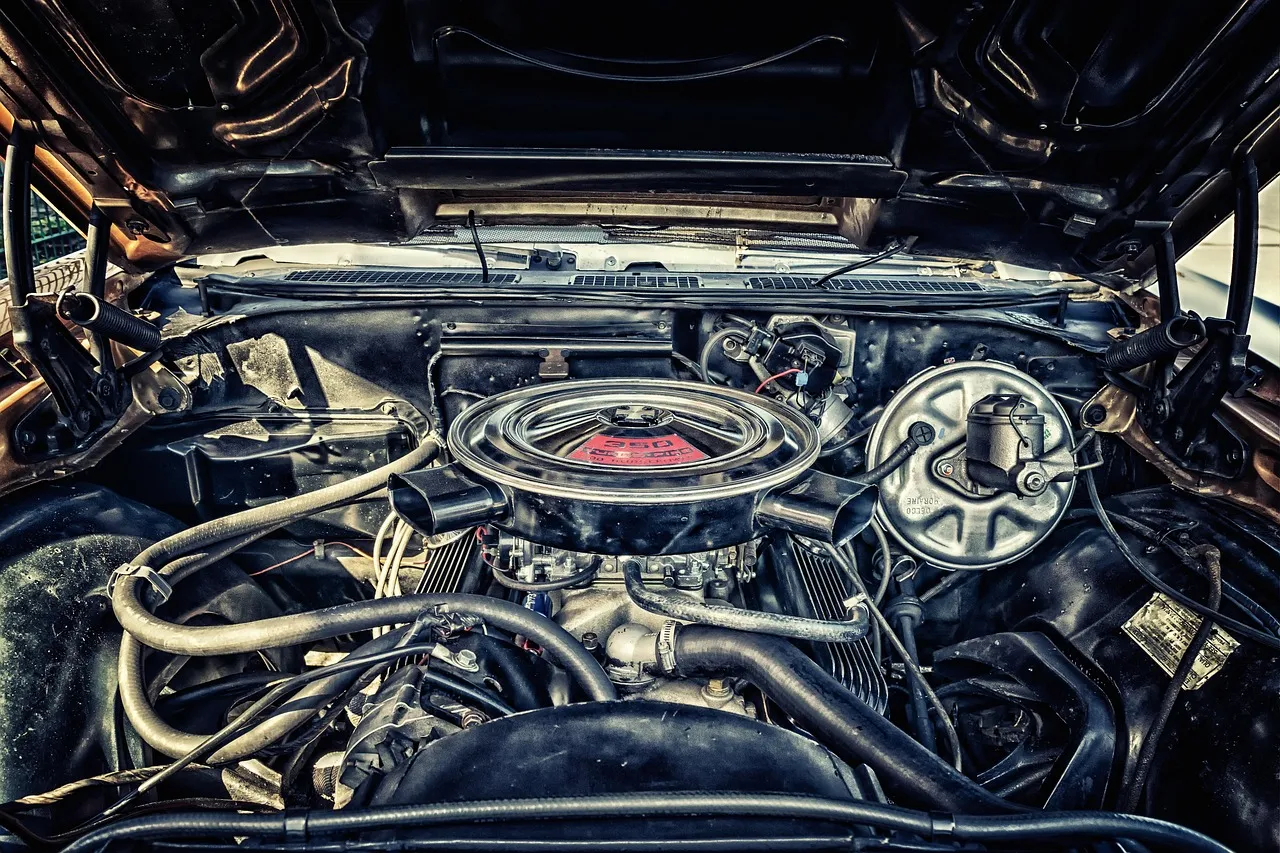
Garage environments can be dustier than you’d expect, especially if the space is also used for woodworking, lawn equipment, or general storage. That particulate-heavy air gets pulled into the engine every time the car starts, and a clogged or neglected air filter stops protecting it the way it should.
Excessive dirt and grime can cause excessive wear and tear in your engine as all those dirt particles enter your system. Even for a car that doesn’t see much road use, the air filter should be inspected regularly, not just at high-mileage intervals.
Skipping routine maintenance is one of the fastest ways to shorten your car’s life. Each make and model has a recommended service schedule, which includes oil changes, filter replacements, belt checks and more. The air filter is one of the cheapest and easiest items on that list, and one of the most overlooked.
10. Assuming the Garage Protects Against Everything
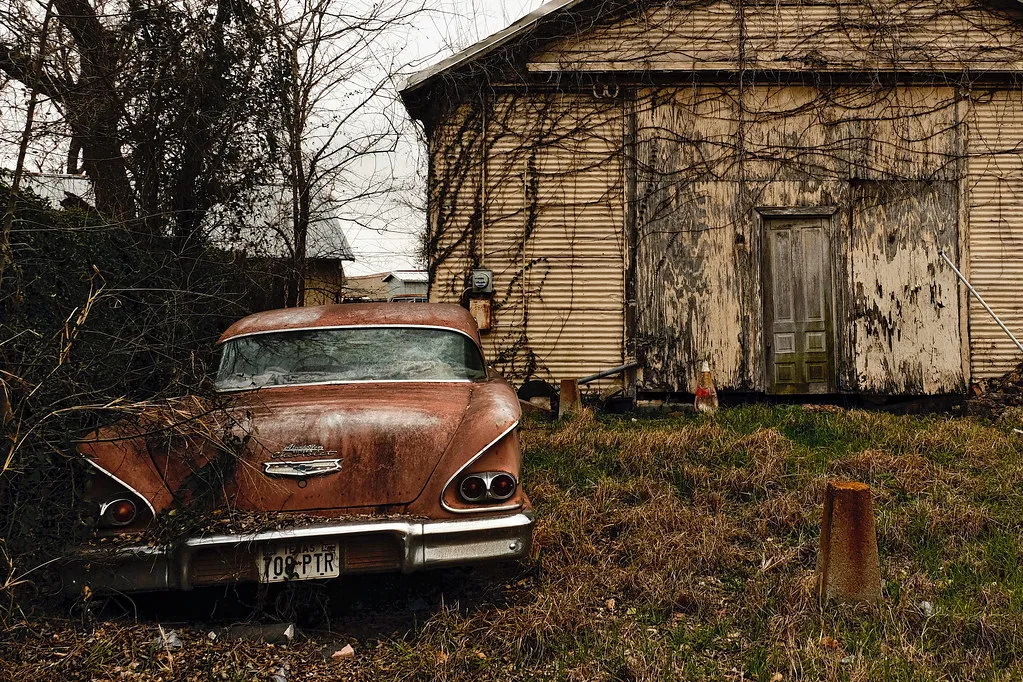
Perhaps the most damaging habit of all is passive overconfidence. Think garages are always safe? Not necessarily. Moisture can make its way in, which may lead to rust on the body, frame and even brakes. A garage without adequate ventilation, humidity control, or regular inspection is simply a slower form of outdoor exposure.
Proper ventilation helps prevent trapped moisture and stagnant air, both of which contribute to rust and corrosion. Poor airflow can also affect tires, causing them to slowly lose air while the vehicle remains stationary.
While modern vehicles are built to be more durable than ever, longevity depends heavily on how well you maintain your car. Whether you’re aiming to hit 150,000 or 300,000 miles, the key is consistent upkeep and smart driving habits. A garage is a tool. Like any tool, it only works as well as the person using it.
The Takeaway
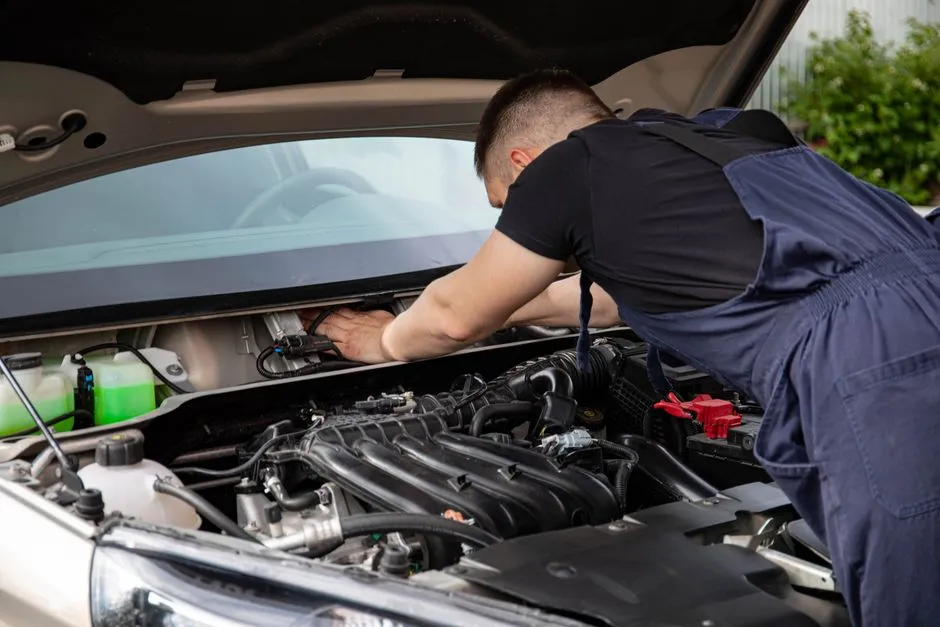
None of these habits are dramatic on their own. That’s exactly what makes them dangerous. They accumulate quietly, across months and years, until a repair bill arrives that feels disproportionate to how gently the car was treated. The garage isn’t the problem. The assumptions made inside it are.
A few small adjustments, skipping the extended warm-up, managing humidity, rinsing off winter salt, and keeping a battery maintainer handy, can add meaningful life to a vehicle without any significant cost or effort. Cars reward attention in proportion to how consistently it’s given.
The garage habit that shortens your car’s life isn’t one single thing. It’s the belief that simply having a garage is enough.
AI Disclaimer: This article was created with the assistance of AI tools and reviewed by a human editor.