

What Chill Hours Actually Are
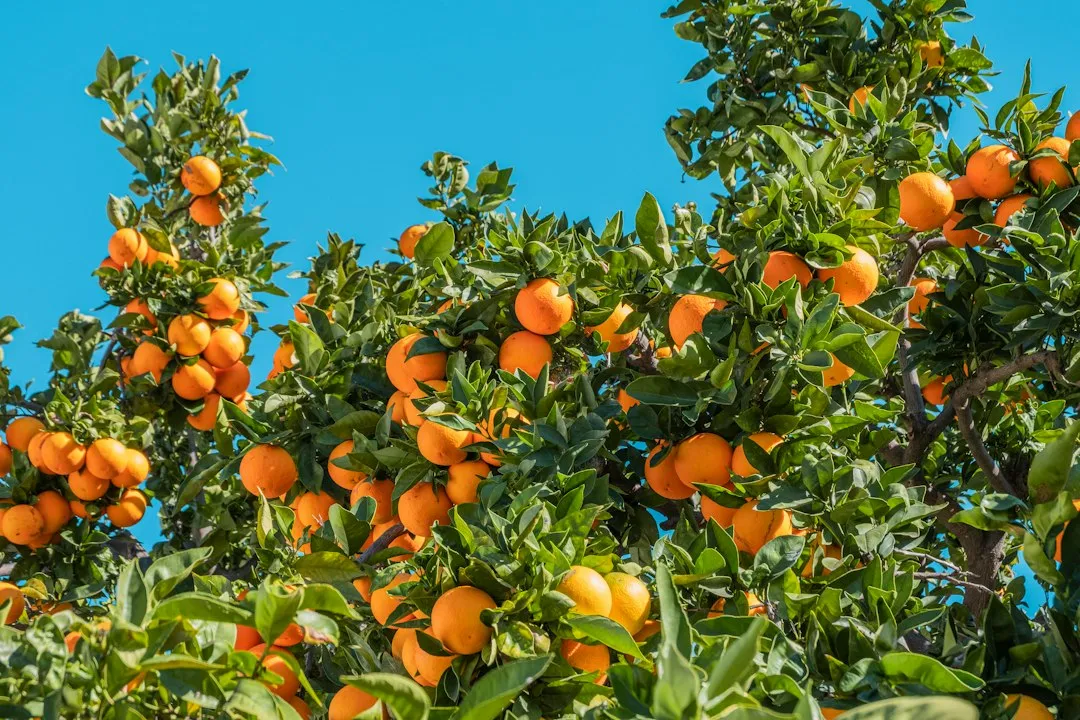
Fruit trees and shrubs require a certain number of hours between 32 and 45 degrees Fahrenheit each winter to complete their dormancy cycle, a process called vernalization, which resets their internal functions and prepares them for the following growing season. This count of cold hours is what horticulturalists call the “chilling requirement.”
Chill hours do not need to be accumulated consecutively to count toward a plant’s seasonal requirement. They simply need to reach a cumulative total before winter ends. High temperatures above 60 degrees Fahrenheit can actually reverse the chilling effect, meaning a tree might need even more cold hours to break dormancy and start growing.
Chilling hours also vary year to year, depending on the number of cold fronts each winter. A region that averages 500 chill hours per year might receive only 350 hours in a warmer winter, but 800 in a colder winter. This variability makes variety selection a genuinely important decision, not just a matter of taste preference.
Apple Trees: High Demand for Cold
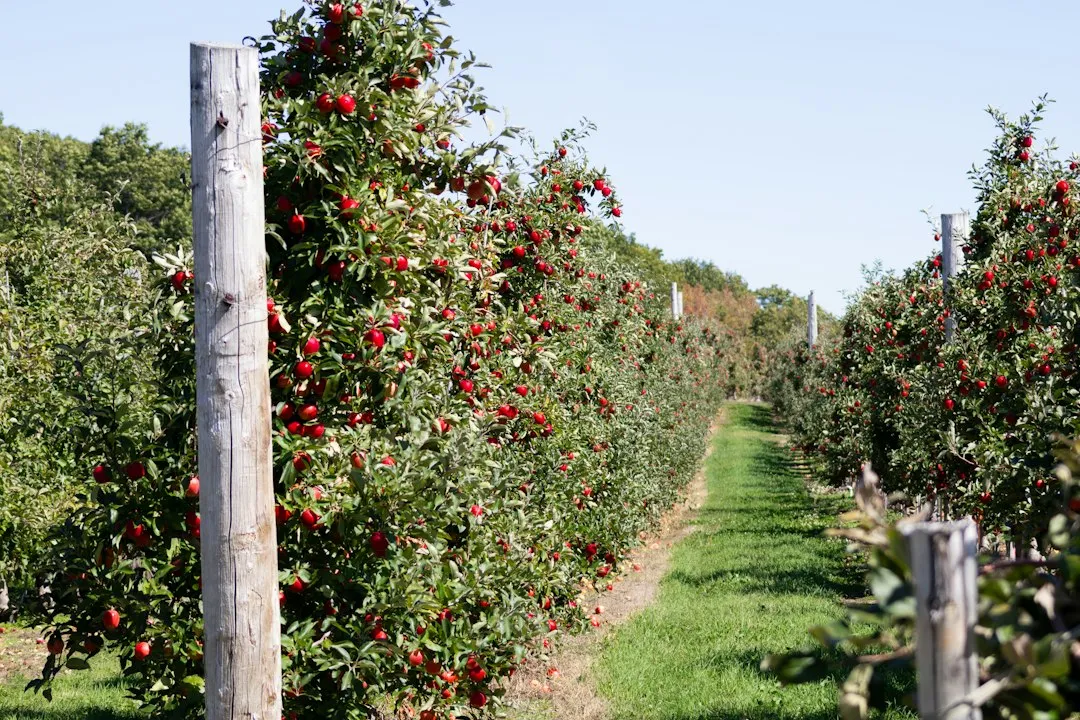
Most apple varieties have a chill requirement of about 1,000 hours or more, which is readily achieved in the temperate apple-growing regions of the USA, South America, South Africa, Australia, New Zealand, and Europe. Standard apples are thoroughly creatures of cold climates.
There are over 8,000 apple varieties worldwide and more being introduced annually. Most apple varieties need 500 to 1,000 chill hours, or temperatures below 45 degrees Fahrenheit. Within that range, the specific requirement varies significantly from one cultivar to the next.
Pink Lady apples need between 500 and 600 chill hours. Mollie’s Delicious requires 450 to 500. Anna, a golden delicious type, and Ein Shemer, a yellow-green cultivar, tolerate areas with 300 to 400 chill hours. A truly low-chill apple, Dorsett Golden, found in the Bahamas, requires less than 100 hours.
Peach Trees: The Most Sensitive to Getting It Wrong
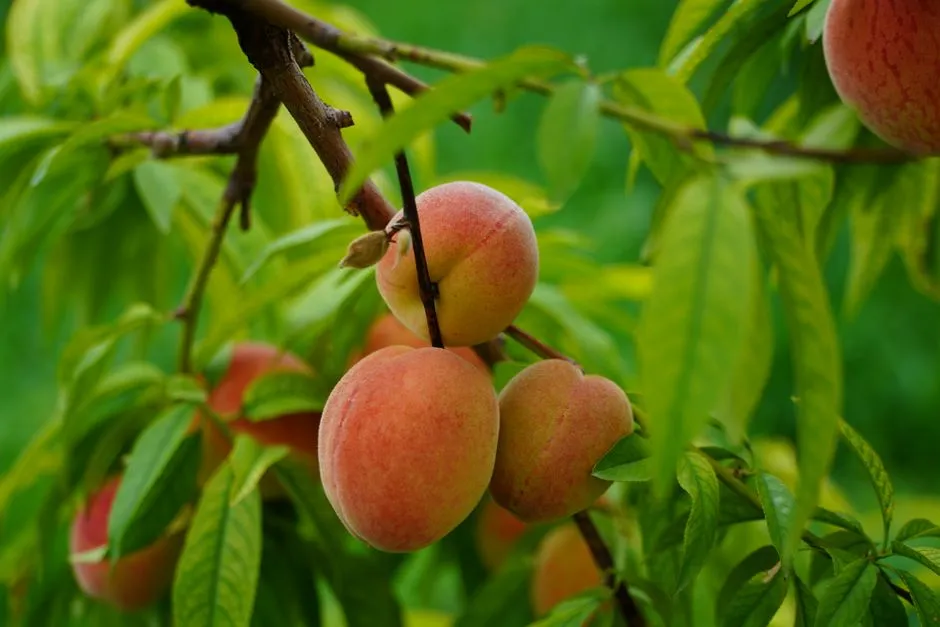
The chilling requirement of peach trees varies widely, ranging from about 200 to over 1,000 hours. That’s an unusually broad spectrum for a single fruit type, which is why peaches can be found growing everywhere from south Florida to Michigan – provided the grower picks the right variety.
Peach varieties adapted to the Piedmont region – covering Atlanta, Charlotte, Birmingham, and Dallas – require 1,000 hours of chilling before breaking dormancy, while those adapted to south Florida only require 200 hours of chilling to be able to bear fruit. The contrast is remarkable, and it reflects centuries of adaptation to local winters.
Insufficient chilling can lead to various problems, including delayed foliation, reduced fruit set, and poor fruit quality. A peach tree that looks fine through spring but produces sparse, misshapen fruit is often a tree that simply didn’t receive enough cold hours the previous winter.
Pear Trees: Broad Range, Careful Matching
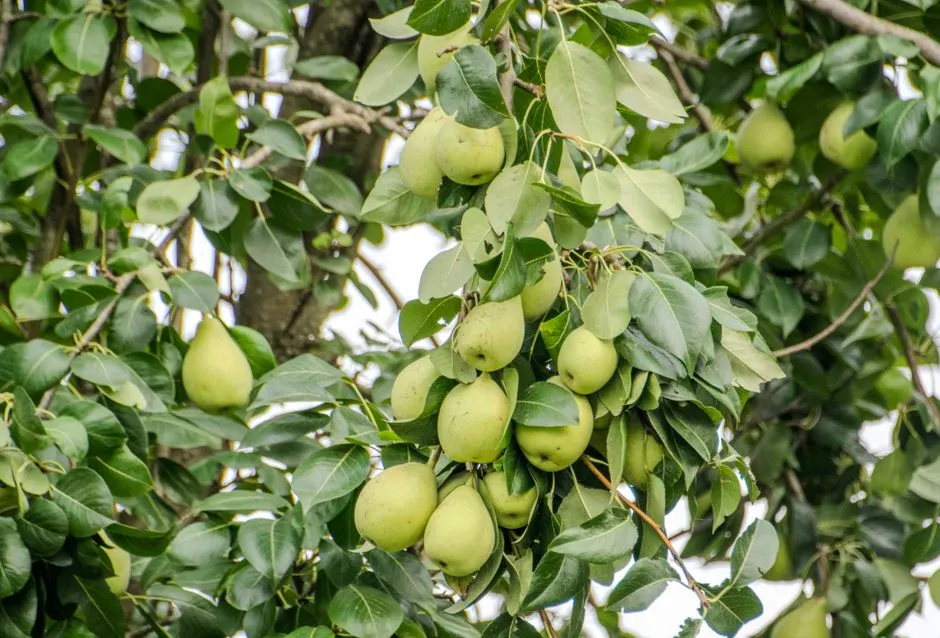
Pear trees generally fall into the range of needing 600 to 900 chill hours. European varieties tend toward the higher end, while Asian pears sit somewhat lower, making them a useful option for gardeners in milder climates.
Asian pears typically require 400 to 500 chill hours, while European pears require 600 to 800. This distinction matters practically. A grower in a region that reliably gets 550 chill hours could succeed with an Asian pear variety but struggle with a traditional European type.
Research published in 2024 discussed the need for developing new pear cultivars with low chilling requirements and the challenges in pear breeding due to extended juvenility. Breeding low-chill pears is genuinely complicated by the fact that pear trees take a long time to reach fruiting age in the first place.
Cherry Trees: Among the Most Cold-Dependent
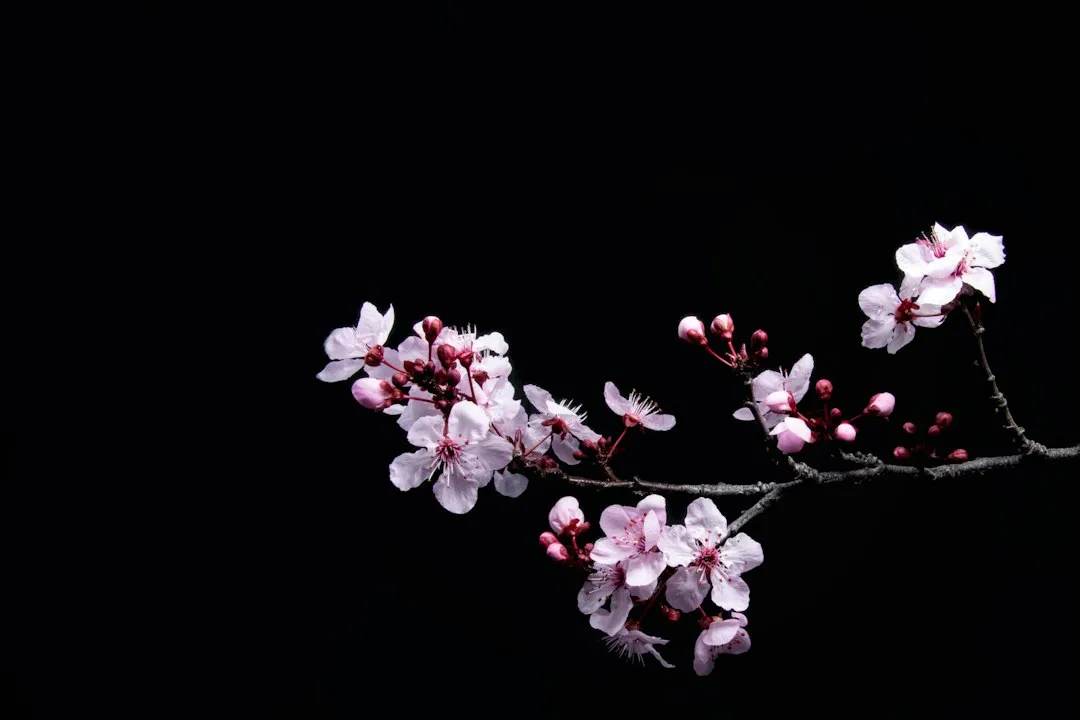
Cherry trees typically need between 700 to 1,200 chill units for proper dormancy release. Sweet cherries sit firmly at the upper end of that range, which is why they are so strongly associated with places like the Pacific Northwest, Michigan, and similar cool-winter regions.
Sweet cherry varieties such as Bing, Stella, and Lapins require 800 to 1,200 chill hours and are best suited to USDA zones 5 through 8. Sour cherry varieties like Montmorency and Meteor can thrive with 350 to 800 chill hours and tolerate areas with lower chill accumulation.
This difference between sweet and sour cherries is worth keeping in mind if you live in a transitional climate. Sour cherries are considerably more forgiving, and they’re still excellent for preserves, baking, and cooking uses.
Plum Trees: Moderate but Specific
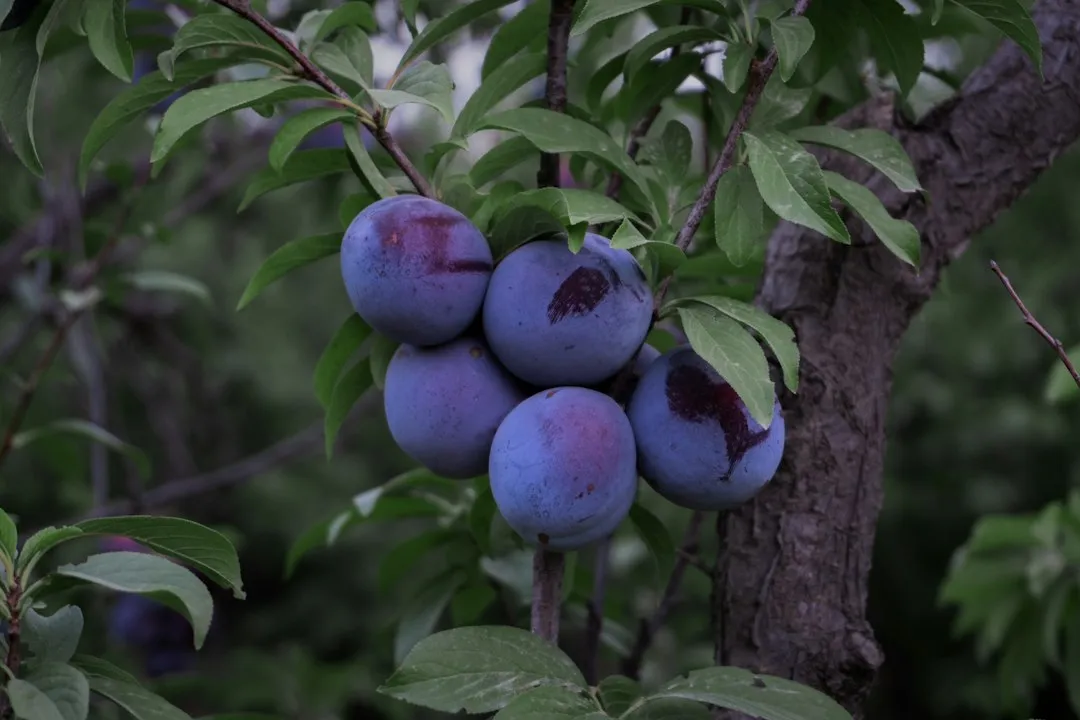
Japanese plums typically require 500 to 900 chill hours, while European plums need 700 to 1,000. As with pears, the European types tend to be more demanding in terms of winter cold, which tracks with their origins in the cool climates of the Old World.
Japanese plum trees require specific temperature conditions during bud dormancy for proper flowering in the spring. Research from 2024 analyzed how well various cultivars are adapting to shifting climate patterns, with findings suggesting that warmer winters are already creating challenges in some traditional growing regions.
One study found that the region of Badajoz in Spain may face challenges in meeting chilling requirements for dormant buds due to reduced winter chill, potentially limiting Japanese plum cultivation in those areas. This is a useful reminder that the challenges of insufficient chill hours aren’t abstract – they’re already affecting growers in the real world.
Blueberries: Surprisingly Cold-Hungry
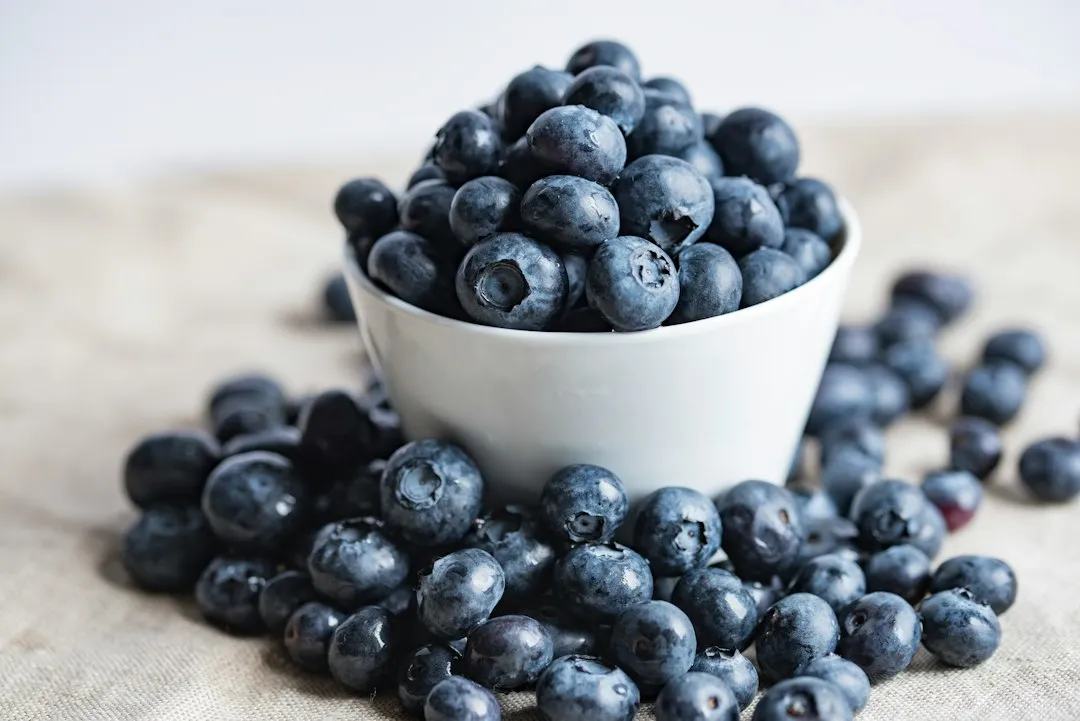
Most people don’t immediately think of blueberries when they consider chill-hour requirements, but these berries are just as dependent on winter cold as the tree fruits around them. The requirements vary sharply depending on the type.
Northern highbush blueberries require 750 to 1,000 chill hours, rabbiteye varieties need 400 to 700, and southern highbush blueberries can get by with just 150 to 500 chill hours. Matching the blueberry type to the local winter is essential if you want a reliable harvest.
Unlike the broader temperature ranges suitable for apple, cherry, peach, and pear trees, blueberries thrive after a particular number of chill hours that must be met for productive fruiting. Skipping this step in the selection process is one of the more common reasons home gardeners end up with blueberry bushes that simply never deliver.
Apricots: Lower Requirements, But Still Dependent
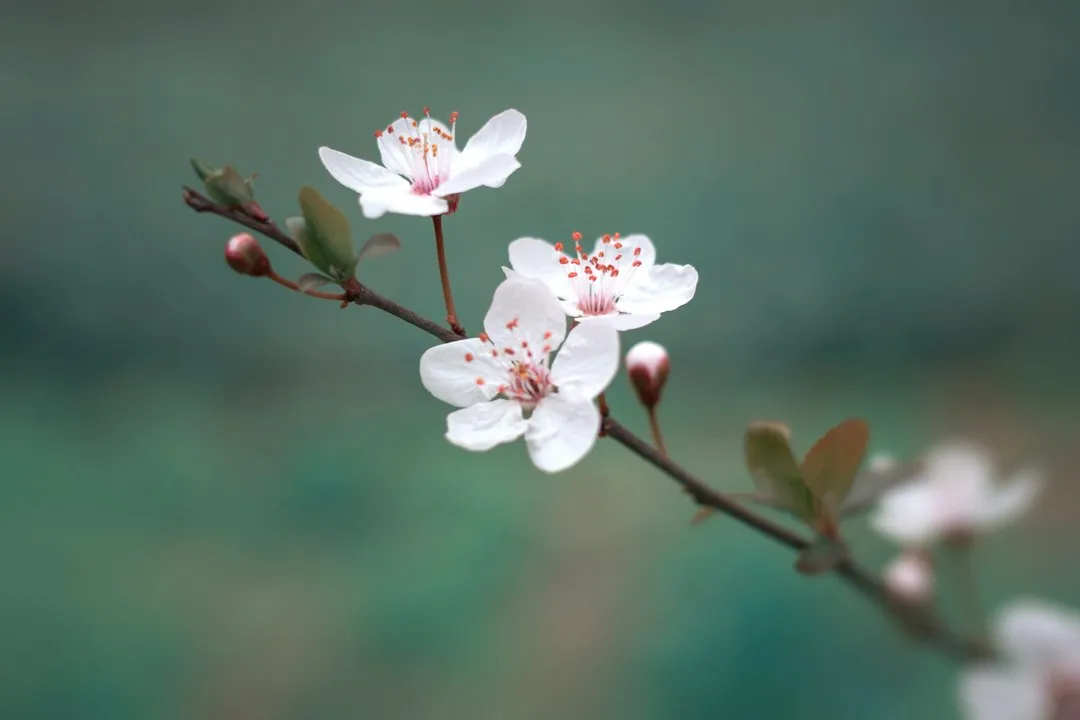
Apricots typically require 500 to 800 chill hours, placing them in the moderate range. They’re somewhat more accessible for growers in warmer temperate climates than high-chill apples or cherries, but they’re far from frost-proof in a different sense – apricots bloom early and are notorious for flowering before the last frost has passed.
The irony with apricots is layered. They need enough winter cold to break dormancy, but once that threshold is crossed, a warm spell can trigger flowering prematurely – and then a late frost can wipe out the blossoms entirely. A tree with low chill hours may grow farther north, but it may bloom too early in the season because its chilling requirement has been met with just a few cold fronts, and later freezes may damage flowers or fruit.
Low-Chill Varieties: A Growing Area of Breeding
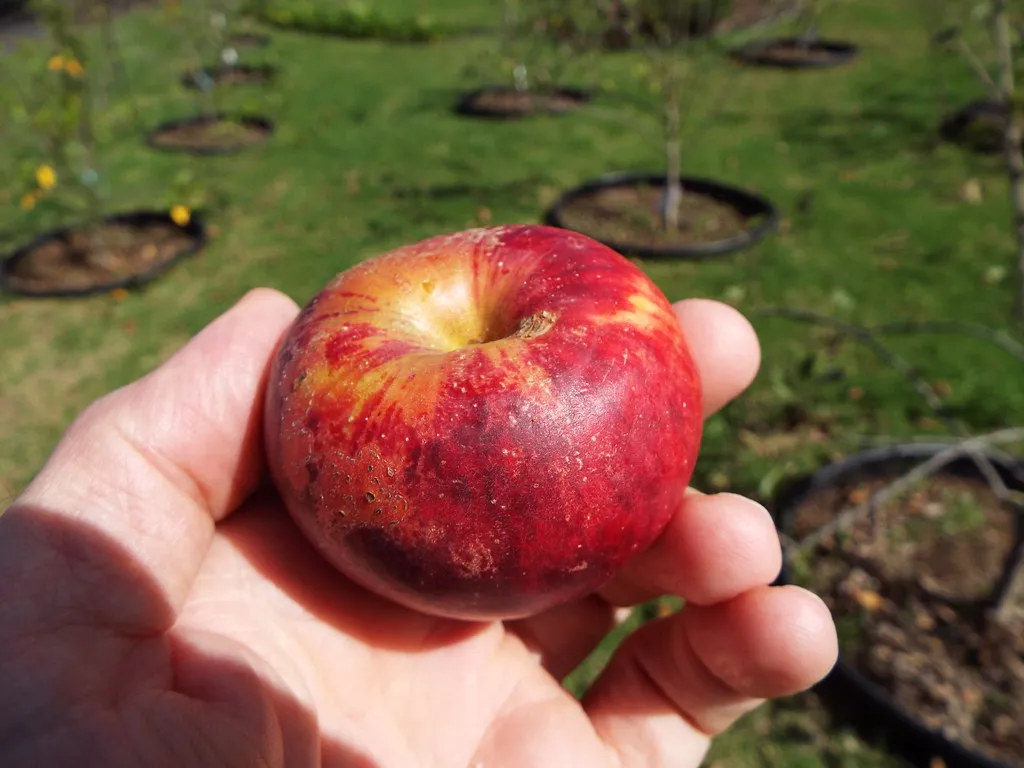
Low-chill fruit trees are specifically bred to flower and fruit successfully with fewer hours of cold temperatures between 32 and 45 degrees Fahrenheit, making them ideal for gardeners in zones 8 through 10 where winters are mild. The development of these varieties has opened up fruit growing in parts of the American South, California, and similar climates around the world.
Generally, fruit growers have the most success with varieties that have stated chilling requirements similar to the chilling typically received at the planting location: high-chill varieties at 800 to 1,000 or more hours for cold-winter climates, and low-chill varieties at 500 hours and below for warm-winter climates.
The breeding work continues to accelerate. A 2024 research topic published in Frontiers in Plant Science centers on the biochemical, genetic, physiological, and environmental regulation of bud winter dormancy in woody perennials, with a focus on the impact of climate change and breeding strategies to adapt to rising winter temperatures. The science is moving quickly, partly because it has to.
Climate Change and the Shrinking Chill Window
Global warming may threaten the cultivation of high-chill cultivars, particularly in regions like northwestern Spain where climatic requirements during dormancy in apple trees are already being stressed. This isn’t a future scenario so much as a present reality in some growing regions.
Global warming is causing inadequate apple chilling in some areas, and growing of region-specific fruit is becoming increasingly difficult. Growers who relied on specific heritage varieties for generations are now finding those same trees increasingly unreliable as winters grow shorter and milder.
A fruit tree that needs 800 chill hours will not produce fruit if planted somewhere that only receives 500 chill hours. As the chill window narrows in some regions, this mismatch is becoming more common – and the pressure to shift to lower-chill cultivars is growing alongside it.
How to Match Your Tree to Your Winter
Once you have the estimated number of chill hours for your area, select fruit trees that have the same or fewer chill hours than your location receives. Low-chill varieties fall at 500 hours and below, medium ranges from 500 to 700, and high-chill varieties require more than 700 hours.
A place like Florida gets between 0 and 200 chill hours each year, whereas the Pacific Northwest area receives the largest number throughout winter, ranging from 2,000 to 3,400 chill hours. That’s an extraordinary range, and it explains why the same orchard map simply cannot apply from one end of the country to the other.
If you have limited growing space, play it safe by selecting fruit trees with chill-hour needs well below your area’s average to help ensure a good crop even in a slightly warmer winter. With winters becoming less predictable in many parts of the world, that buffer is becoming more valuable than it once was.
The Takeaway
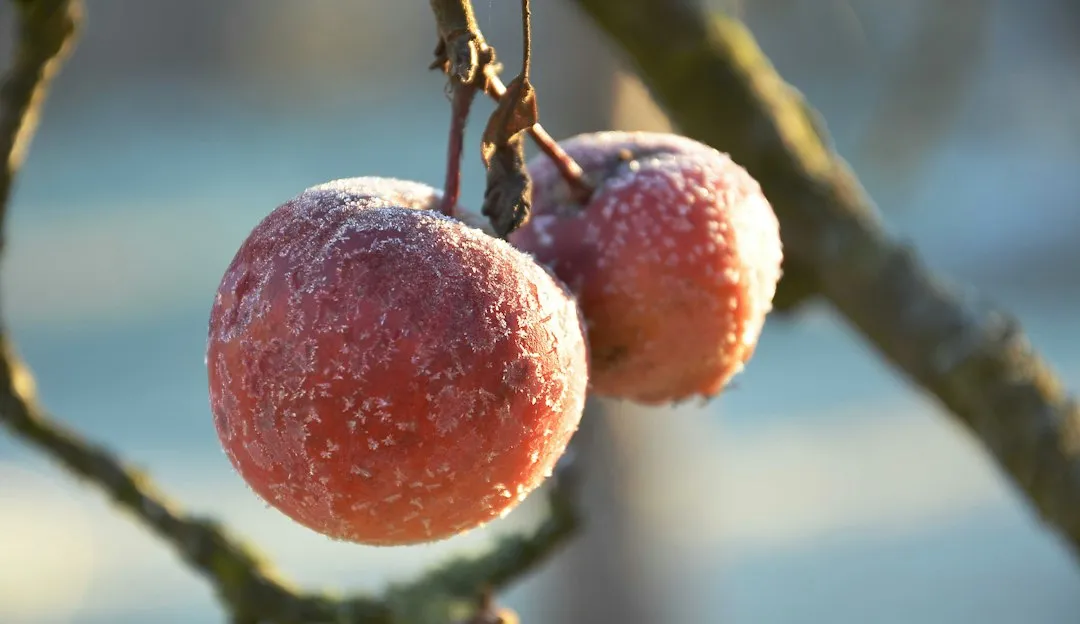
Winter cold isn’t the enemy of fruit trees – it’s their reset button. Without it, the biological sequence that produces flowers and then fruit simply doesn’t complete. The tree stays stuck, waiting for a cue that never comes.
Understanding chill hours before you plant is one of the most practical things a gardener or small-scale grower can do. It shifts the question from “why isn’t my tree fruiting?” to “did I choose the right tree for this climate?” – and that’s a much easier problem to solve before a tree goes in the ground than after.
The good news is that growers now have more variety options than ever, from high-chill heritage cultivars to newly bred low-chill alternatives. The challenge is simply knowing what your winter actually delivers – and being honest about whether it’s changing.
AI Disclaimer: This article was created with the assistance of AI tools and reviewed by a human editor.