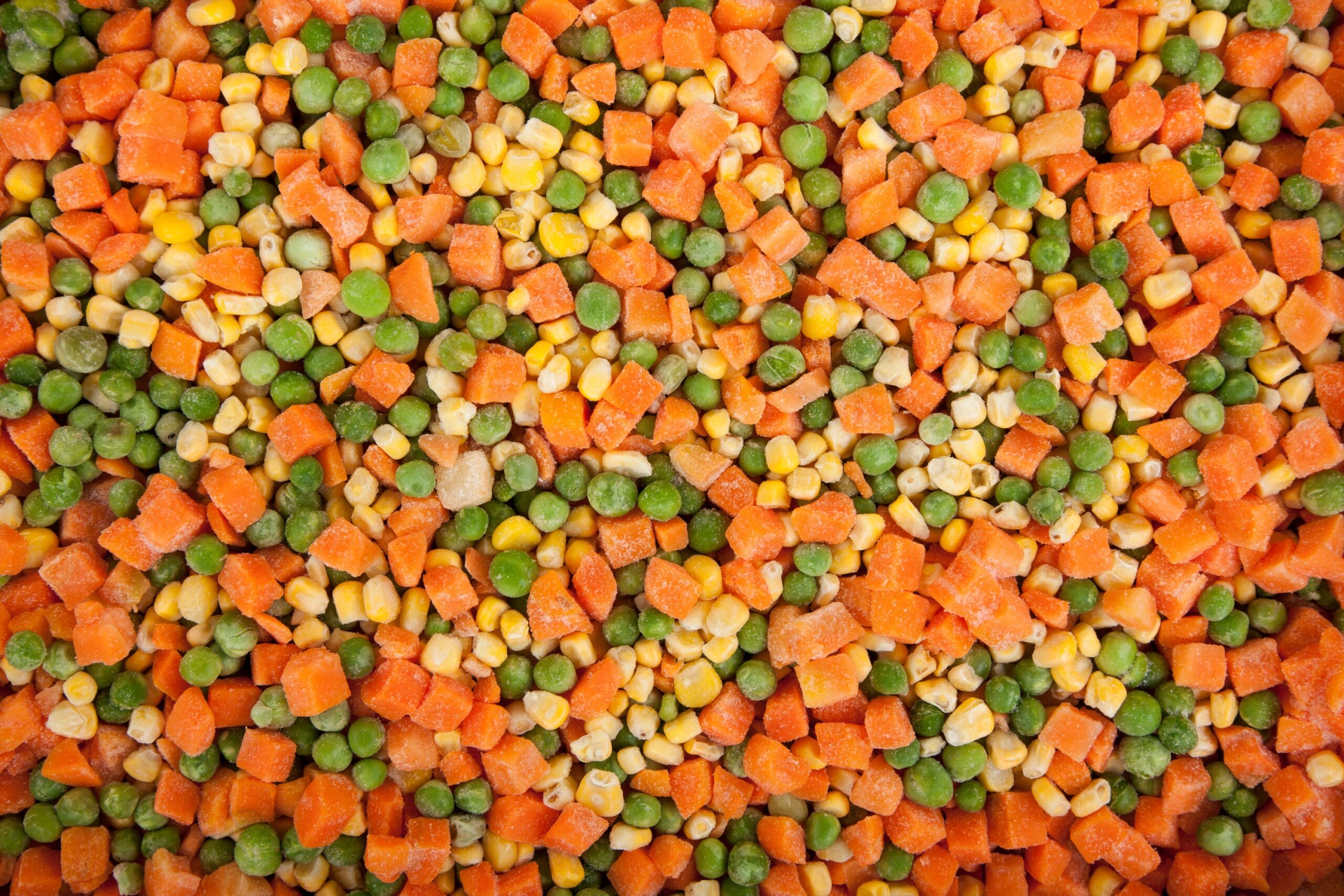

The “Fresh” Illusion at the Grocery Store
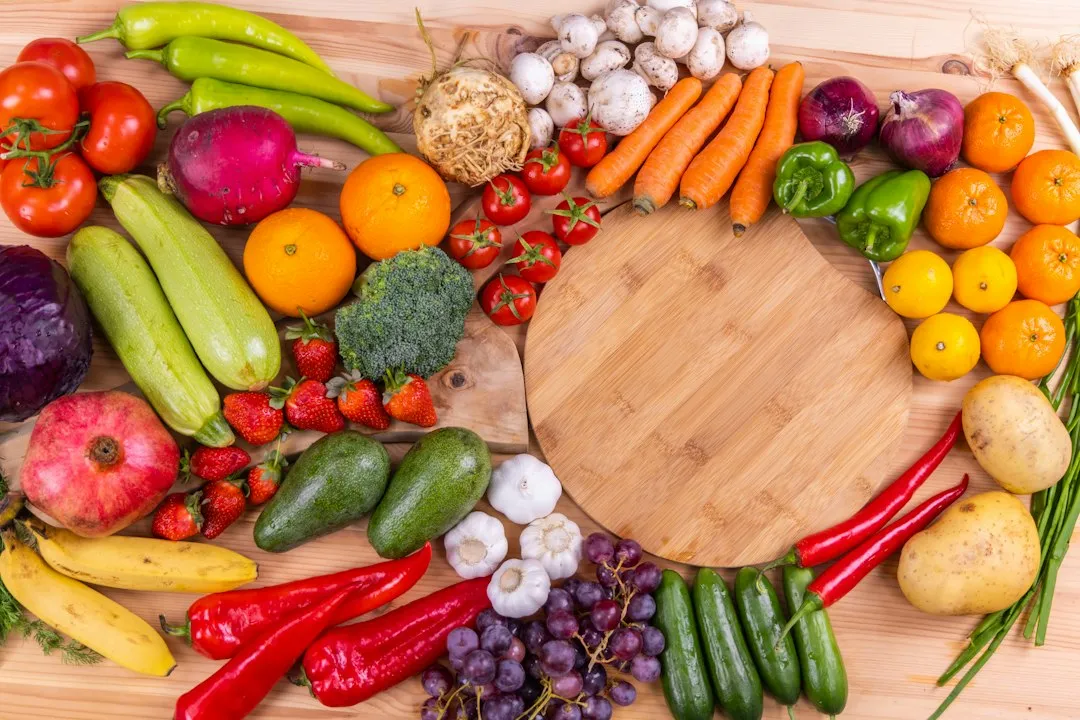
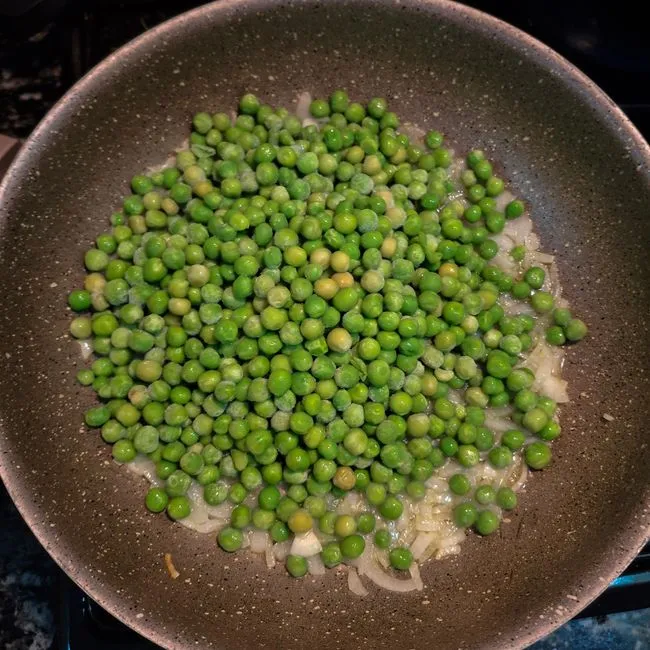
Fresh vegetables sold in grocery stores are often harvested before full ripeness, which leads to a gradual decline in nutrients during transportation and storage. That bright pile of peas in the produce section may look ideal, but it has often traveled hundreds of miles over several days before it reaches your plate.
Fresh vegetables lose nutrients over time due to exposure to air, light, and heat. If your vegetables travel long distances or sit in the fridge for days, they may lose some of their original vitamin content.
In fact, a “fresh” vegetable that has been in your fridge for a week may have fewer nutrients than a frozen version you just steamed. That is not a minor caveat. It changes the whole framing of the fresh-versus-frozen conversation.
Flash-Frozen at the Peak of Ripeness
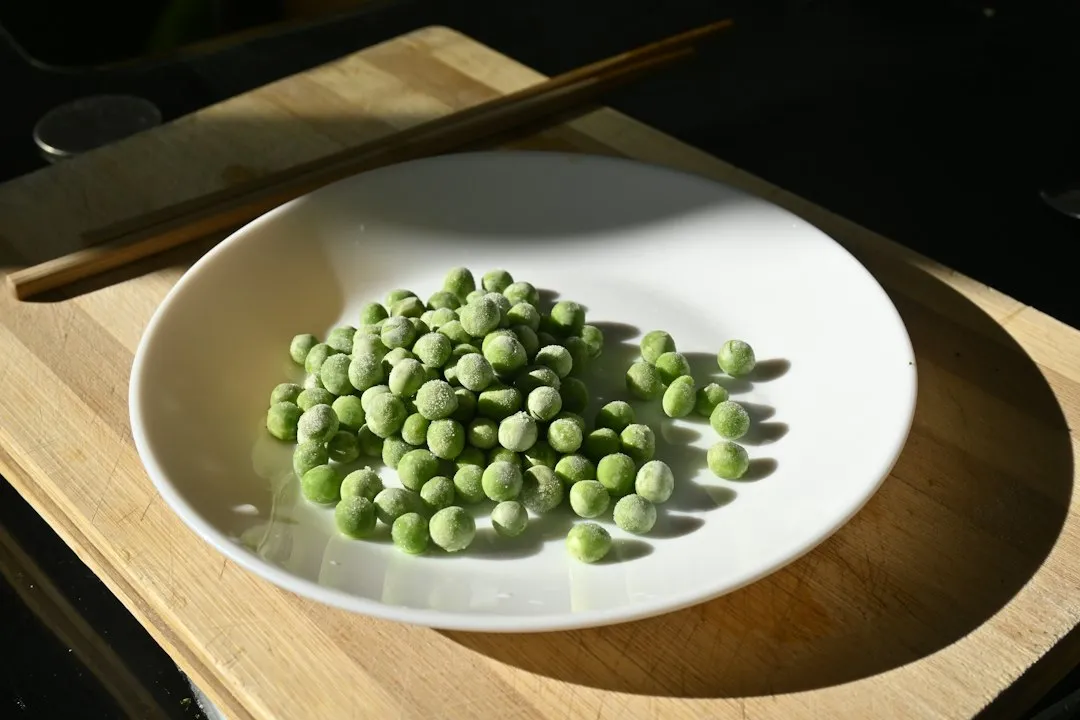
Frozen vegetables are typically picked at peak ripeness and flash-frozen within hours, locking in nutrients more effectively. For peas especially, this timing matters enormously. Peas begin converting their natural sugars into starch the moment they are picked, so the speed of freezing directly preserves both flavor and nutrition.
Frozen peas allow you to get the health benefits of peas year-round, because they are frozen at their peak, which helps to preserve their nutrients. Frozen peas are packed with all the protein, fiber, and other nutrients found in fresh ones.
What the University of California, Davis Research Found
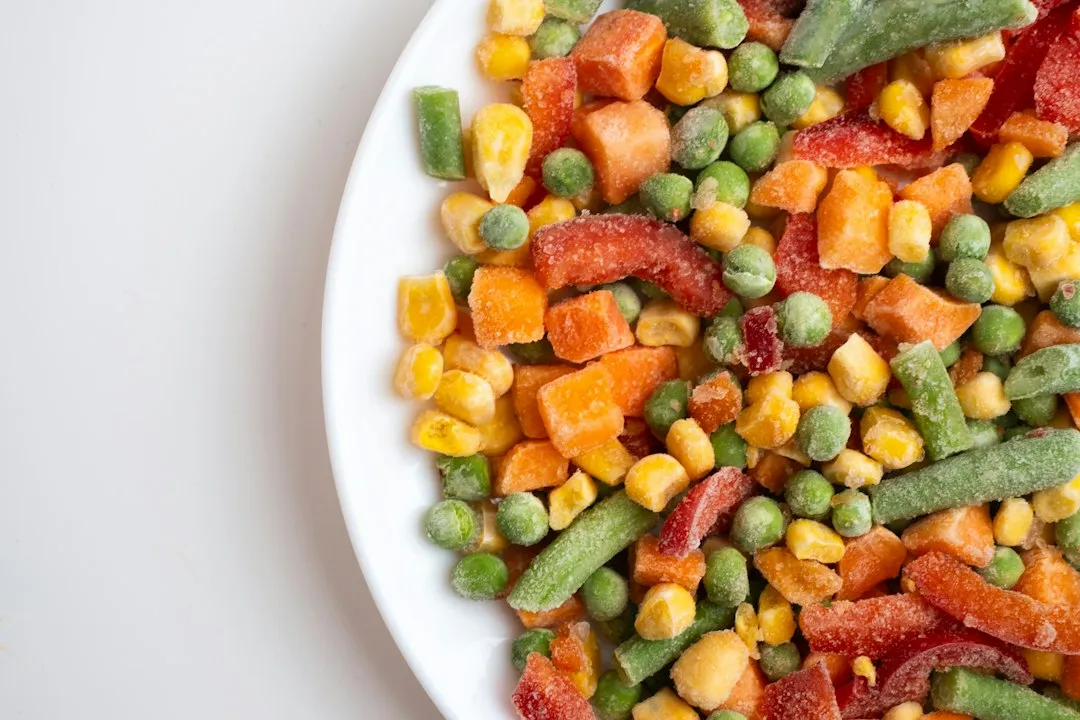
Studies from the University of California, Davis show that the nutritional value of frozen produce is generally equal to, and sometimes even better than, their fresh-stored counterparts. This research has become a key reference point in the dietetics community.
Frozen peas from the same harvest had more than double the vitamin E of fresh peas stored in a standard refrigerator. That finding comes from two companion papers in the Journal of Agricultural and Food Chemistry, conducted by a team at the University of California, Davis.
Where vitamin E, vitamin C, and most minerals either held steady or improved in frozen storage, beta-carotene declined sharply, and the longer the produce stayed frozen, the steeper the drop. So frozen peas are not perfect in every single way, but for most key nutrients, they hold their own remarkably well.
Vitamin C, Vitamin E, and Folate: The Numbers Hold Up
Researchers found that overall, fresh and frozen vegetables had comparable vitamin contents. Interestingly, the vitamin C, vitamin E, and vitamin B2 levels were higher in several frozen vegetables. Beta-carotene was the only nutrient that was lower in select frozen vegetable samples.
Another study found that folate levels, or B vitamins, in frozen versus fresh vegetables had negligible differences, even after several months in the freezer. For peas specifically, folate is an important nutrient, particularly for anyone of reproductive age or managing cardiovascular health.
Protein, Fiber, and the Plant-Based Advantage
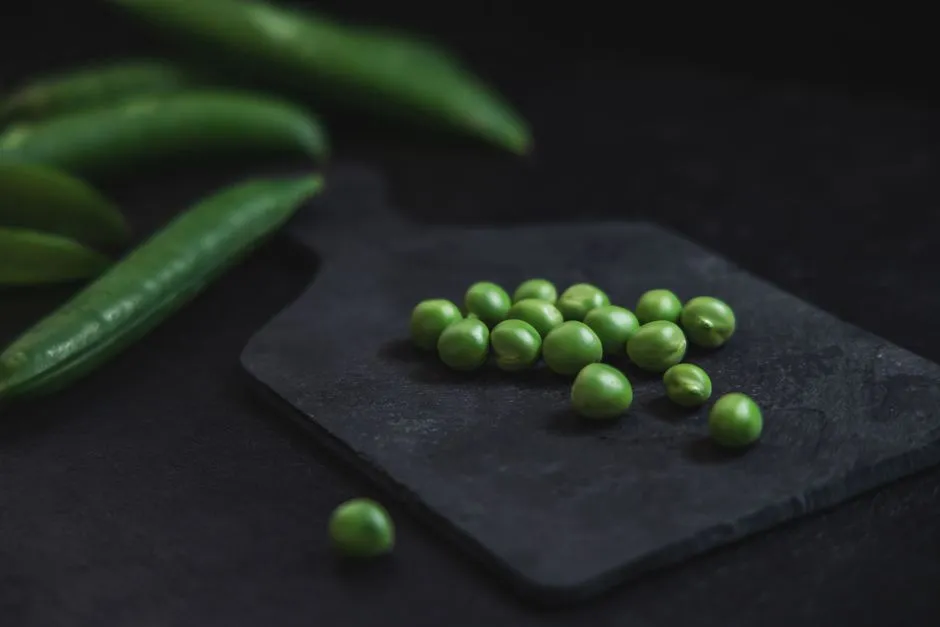
One cup of frozen peas is loaded with about 8 grams of healthy plant protein. Research shows that replacing animal protein with plant protein, like that found in peas, can reduce the risk of early death and lead to a longer life.
Peas, which are legumes, have been shown to improve heart health and type 2 diabetes, satisfy hunger better than meat, and benefit environmental health. That is a wide range of well-studied benefits from one small, affordable, freezer-friendly food.
Green peas contain high levels of vitamins A, C, and K, along with substantial fiber and plant-based protein content, offering approximately 5 to 6 grams of protein per 100-gram serving. Paired with their fiber content, peas offer a combination that supports both satiety and digestive health.
Freezing Beats Canning and Drying for Nutrient Preservation
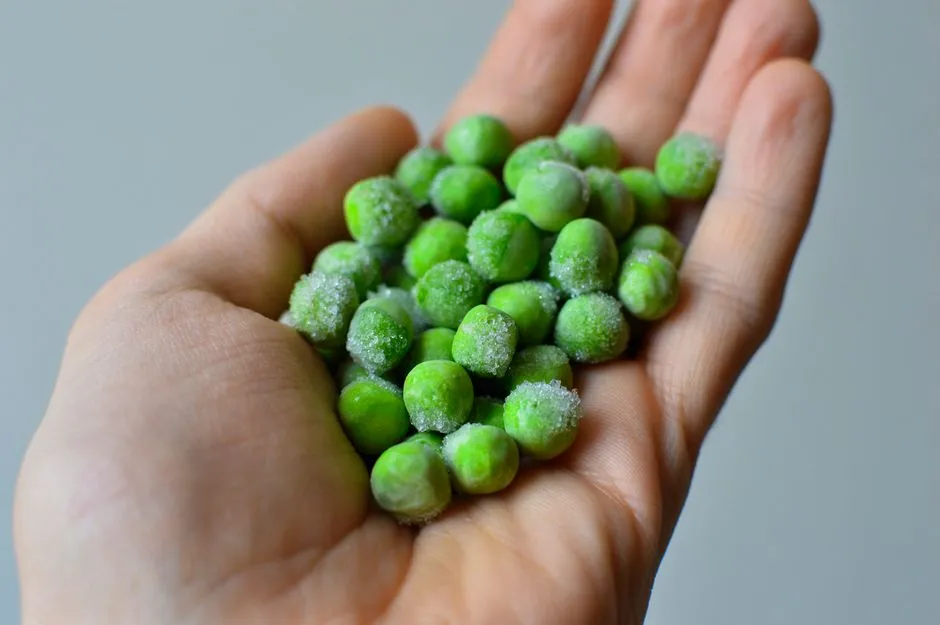
Research has highlighted that freezing is an effective method for preserving the nutritional integrity of peas compared to canning and drying, which significantly reduce essential nutrient levels. If you are reaching for processed peas, the frozen version is clearly the stronger nutritional choice over preserved alternatives.
Blanching prior to freezing does lead to minor losses in some nutrients, particularly vitamin C. However, after that initial processing, frozen vegetables retain their nutritional value for months. The blanching step also deactivates enzymes that would otherwise cause further breakdown during freezer storage.
Diet Quality Goes Up When Frozen Vegetables Are Included
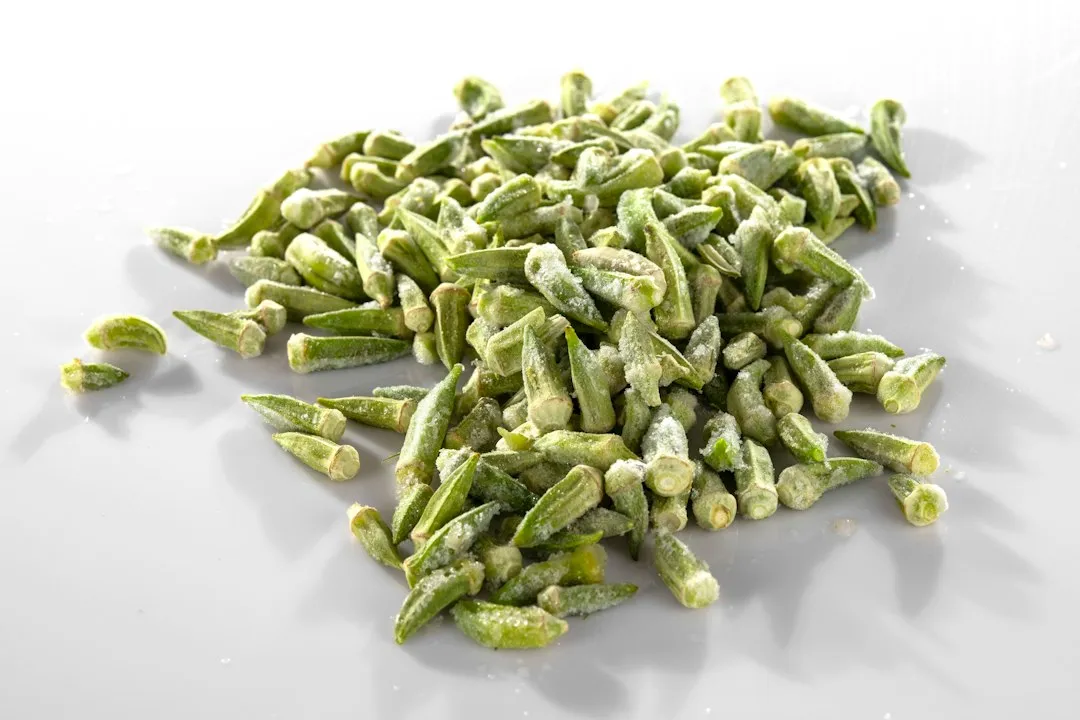
People who include frozen vegetables have a higher diet quality and get more of key nutrients than those who do not eat frozen vegetables. This is a meaningful finding because it reflects real-world eating patterns, not just lab conditions.
Research shows that people who consume frozen vegetables have a higher vegetable intake and better diet quality than those who only eat fresh vegetables. Accessibility and convenience play a real role here. When vegetables are easy to cook and always available, people eat more of them.
The Cost Factor: Nutrition That Does Not Break the Budget
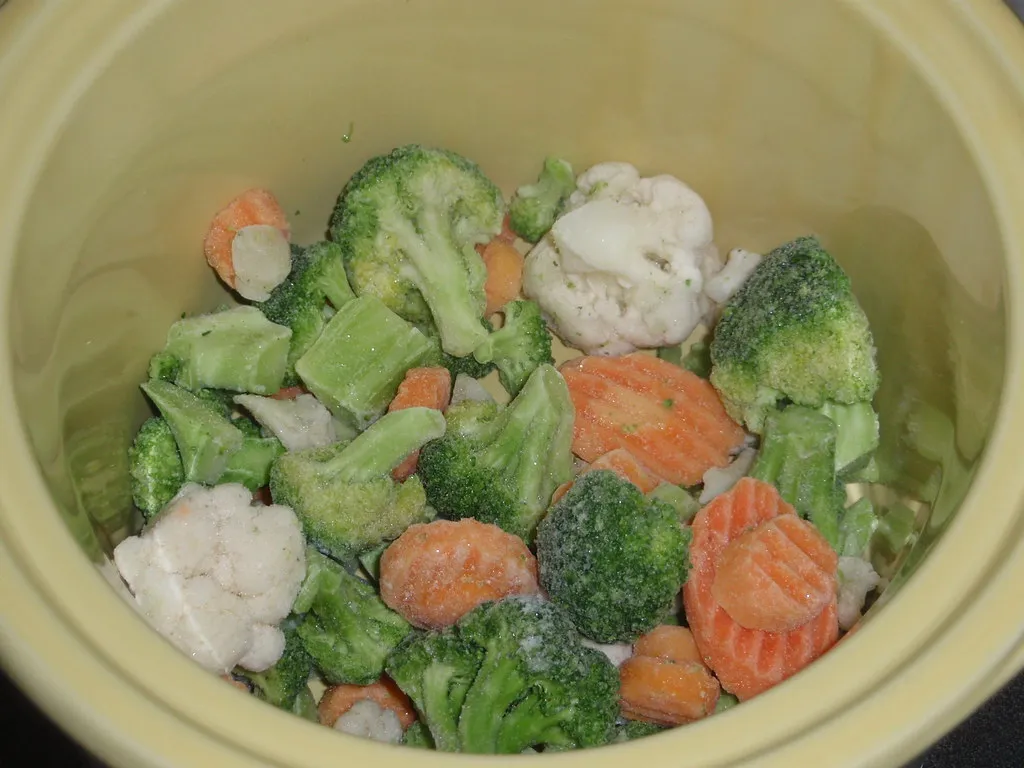
Canned and some frozen vegetables, including frozen corn, peas, and spinach, tended to be significantly cheaper than fresh vegetables, when both cost at purchase and time spent preparing and cooking were considered. For many households, this is not a small detail. It is a deciding factor.
According to the Dietary Guidelines for Americans, fresh, canned, frozen, dried, and 100-percent juice count equally toward recommended intakes for fruits and vegetables. Choosing frozen peas is not a nutritional compromise. It is a legitimate, evidence-backed strategy.
Frozen Peas Are Convenient Without Being Nutritionally Hollow
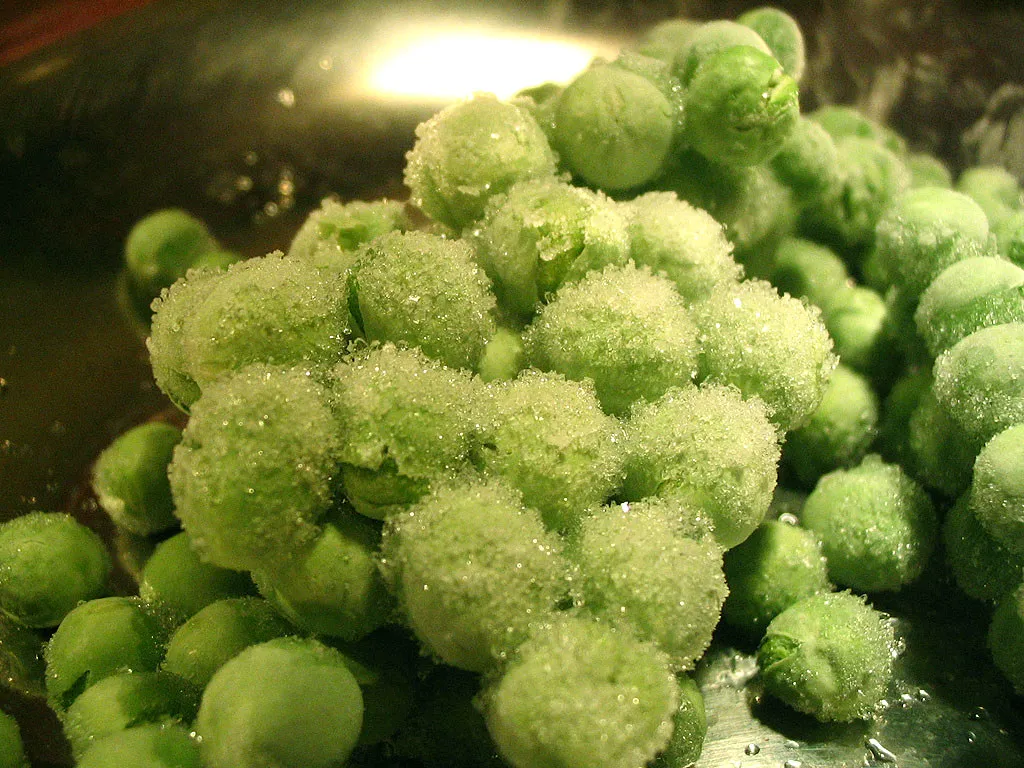
Frozen green peas are valued for their long shelf life and ability to retain nutritional quality through individual quick freezing methods. This makes them a staple not only in household consumption but also across institutional buyers such as schools, hospitals, and restaurants. The convenience of pre-washed, ready-to-cook frozen peas aligns well with changing consumer lifestyles and the increasing demand for time-saving food solutions.
Frozen peas can match fresh produce nutritionally, require less preparation, often cost less depending on the season, and reduce the chances of vegetables being forgotten until they spoil. That last point is worth sitting with: food that gets thrown out provides zero nutrition.
What Dietitians Actually Recommend
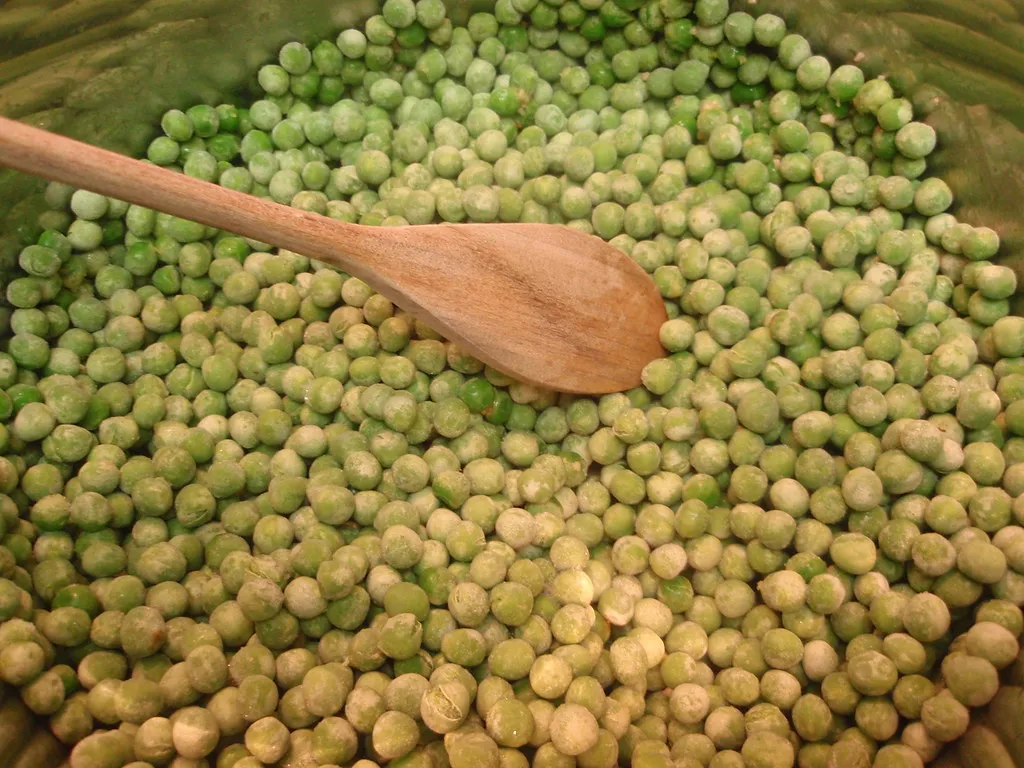
Nutritional therapists note that frozen vegetables are often frozen shortly after being picked at their ripest, which means that frozen vegetables retain more nutrients than fresh store-bought vegetables, which are often picked, shipped, and stored for longer periods.
Frozen vegetables maintain their nutrient content and their antioxidant levels, which can deplete in fresh vegetables as they start to age. Dietitians generally do not frame this as a rivalry between fresh and frozen. Instead, they treat them as complementary tools, each with its own strengths.
In some cases, frozen vegetables have slightly more vitamins than fresh vegetables and vice versa. It is best to include a variety of frozen and fresh vegetables in your diet. For peas specifically, frozen is a well-researched, consistently recommended option across the nutrition community.
The Takeaway

Frozen peas are not a backup plan. They are a first-rate nutritional choice backed by real research, supported by dietitians, and accessible at a price that works for most budgets. The gap between frozen and fresh is far narrower than most people assume, and for certain nutrients, frozen actually wins.
The next time you walk past the freezer aisle, it might be worth pausing at those green bags. Sometimes the most practical choice and the healthiest choice turn out to be the same thing.
AI Disclaimer: This article was created with the assistance of AI tools and reviewed by a human editor.